

Reviewed · WALKING TOURS
Trier: Express City Walking Tour with Local Guide
Trier rewards a quick look. This compact walk gives you a useful first orientation, linking Porta Nigra, Trier Cathedral, and Hauptmarkt with local stories and practical advice. I like that it aims to show you both the Roman face of the city and its present-day café, bar, and restaurant scene.
I also like the small maximum of eight people, which should make it easier to ask questions and keep a comfortable pace. The main drawback is the price: at $93 per person for only 1 to 2 hours, this is a costly introduction if you want a long historical tour or entrance to Trier’s monuments.
The format makes the most sense early in your stay. You can use the guide’s suggestions to shape the rest of your visit, though you should not expect entry tickets, an extended museum visit, or a full tour of every major sight.
In This Review
- Key points at a glance
- Starting at Porta Nigra and the SpielBank gates
- What Porta Nigra tells you about Trier
- Trier Cathedral and the change from Roman to religious Trier
- Hauptmarkt, the city’s everyday center
- The unnamed middle stops and a flexible route
- Why the local advice may be worth more than extra facts
- A closer look at the $93 price
- Timing, language, and group comfort
- What to bring for a short city walk
- Who will get the most from this experience
- Should you book the Trier express walk?
- FAQ
- How long does the Trier walking tour last?
- Where does the tour meet?
- Which landmarks are included?
- What languages are available?
- How many people can join the group?
- Are entry tickets included?
- Can I cancel the booking?
Key points at a glance
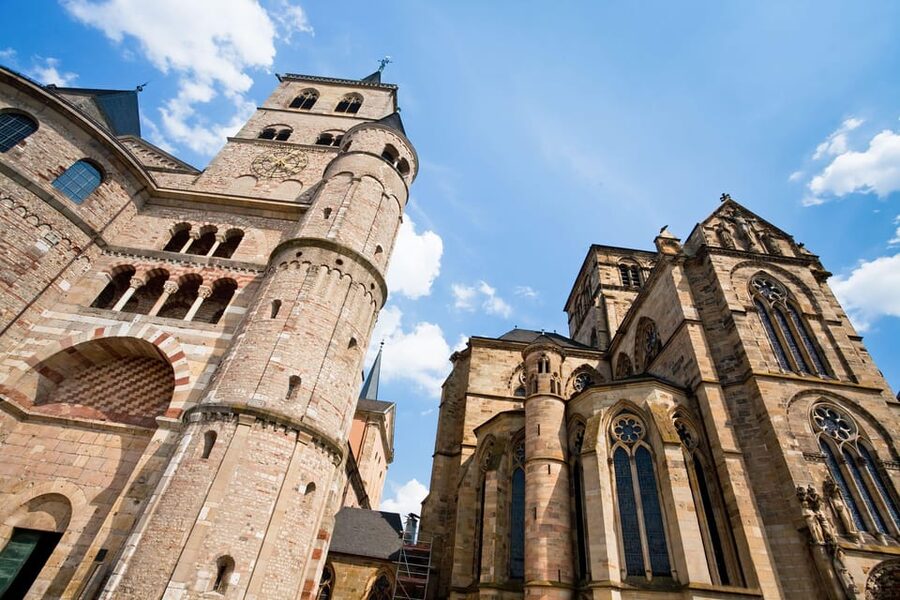
- Roman Trier in a short route: The walk begins at Porta Nigra and includes several of the city’s defining central sights.
- A maximum of eight participants: The small group should allow more direct conversation than a large city tour.
- Local food and nightlife advice: The guide points you toward cafés, bars, and restaurants that fit your interests.
- Flexible pacing: Stops may change with the weather, and the route can respond to your interests and walking speed.
- English or German guiding: You can choose between the two stated tour languages when booking.
- A premium price for convenience: The $93 cost pays mainly for a short, personal orientation rather than admissions or a long guided visit.
Starting at Porta Nigra and the SpielBank gates
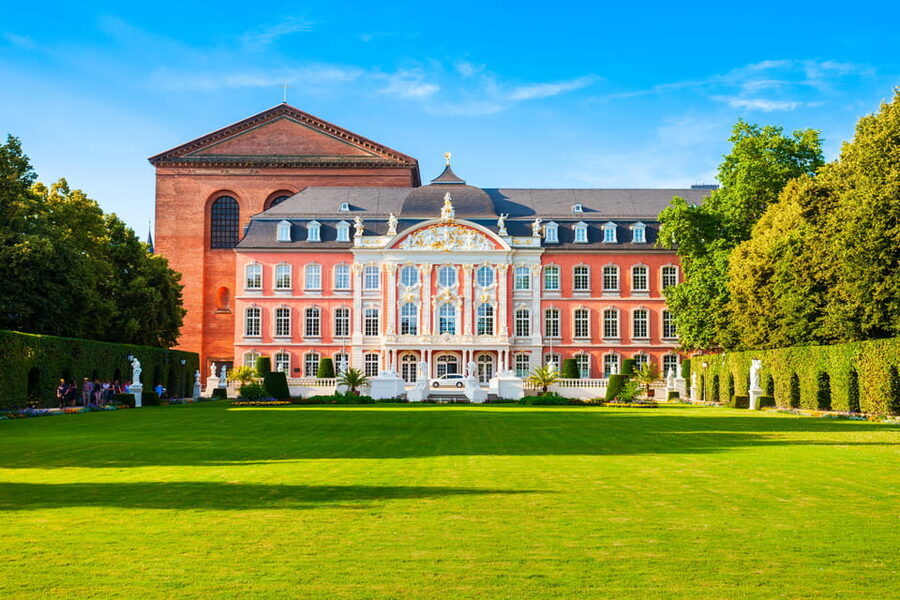
Your meeting instructions place you at the gates in front of the SpielBank, with the walk beginning at Porta Nigra. Allow a little extra time to find the exact meeting point, since the directions refer to both the SpielBank gates and Porta Nigra. Having your phone charged is useful for checking the booking details and meeting pin.
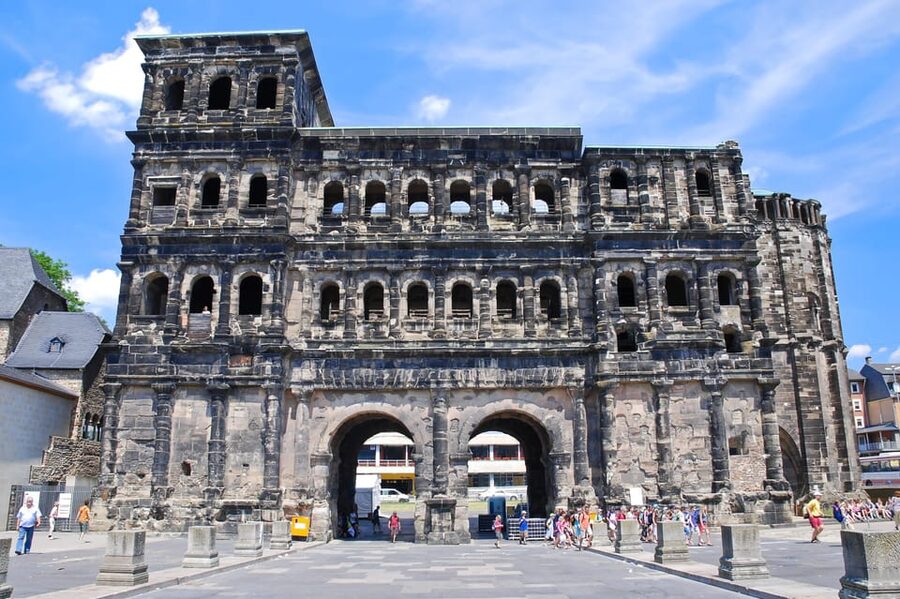
Porta Nigra is a strong place to begin. This massive Roman gate immediately tells you that Trier is not simply another attractive German old town. The city’s Roman past is built into its center, and the gate gives the guide a clear starting point for explaining how Trier developed and why its ancient remains matter.
The visit here is sightseeing rather than an included interior visit. That distinction matters. Your guide can explain the monument and its place in the city, but entry tickets are not included, so you should budget separately if you want to go inside any paid attraction.
The short opening stop also gives you a quick sense of the tour’s style. You are not spending an hour at a single monument. Instead, you are moving through central Trier, collecting the main facts and learning how the sights connect.
More Walking Tours in Trier
- Trier: Guided City Walk with Wine Tasting
★ 4.8 · 979 reviews - Trier: Guided Old Town Highlights and History Walking Tour
★ 4.7 · 687 reviews - Trier: City Walking Tour
★ 4.6 · 118 reviews
What Porta Nigra tells you about Trier
The Roman gate is more than a photo stop. It sets up the main historical theme of the walk: Trier has ancient Roman remains alongside later religious and civic buildings. A local guide can help you read those layers instead of seeing each monument as an isolated object.
I find this especially useful for a first visit because Roman ruins can seem impressive but disconnected without context. The guide’s stories should help you understand why Porta Nigra is one of the city’s key reference points and how it fits into the wider story of Trier.
Keep your expectations in check. This is an express tour, so you are likely to get concise explanations rather than a detailed archaeological lecture. That is a benefit if your time is tight, but a limitation if Roman architecture is your main reason for visiting.
The route also appears designed for easy orientation. From this opening landmark, you move toward the central market and cathedral area, giving you a practical sense of where to return later on your own.
Trier Cathedral and the change from Roman to religious Trier
The cathedral stop shifts the focus from ancient Roman power to Trier’s religious and architectural identity. It is one of the city’s defining landmarks, and seeing it after Porta Nigra creates a useful contrast between the older Roman remains and the later center of worship.
The guide’s role here is not just to identify the building. You can expect key facts, local context, and an explanation of why the cathedral matters to Trier. Since the supplied details describe sightseeing rather than a ticketed visit, do not assume that an interior tour is part of the experience.
This is one place where the short format can work well. A guide can point out the essential features, answer a few questions, and help you decide if you want to return for a longer look. If you care about church interiors, art, or architectural detail, you may want to set aside extra time after the walk.
The cathedral also helps break up the tour’s rhythm. You are not only hearing about Roman ruins. You are seeing how Trier’s identity changed over time, with major buildings gathered within a walkable center.
Hauptmarkt, the city’s everyday center
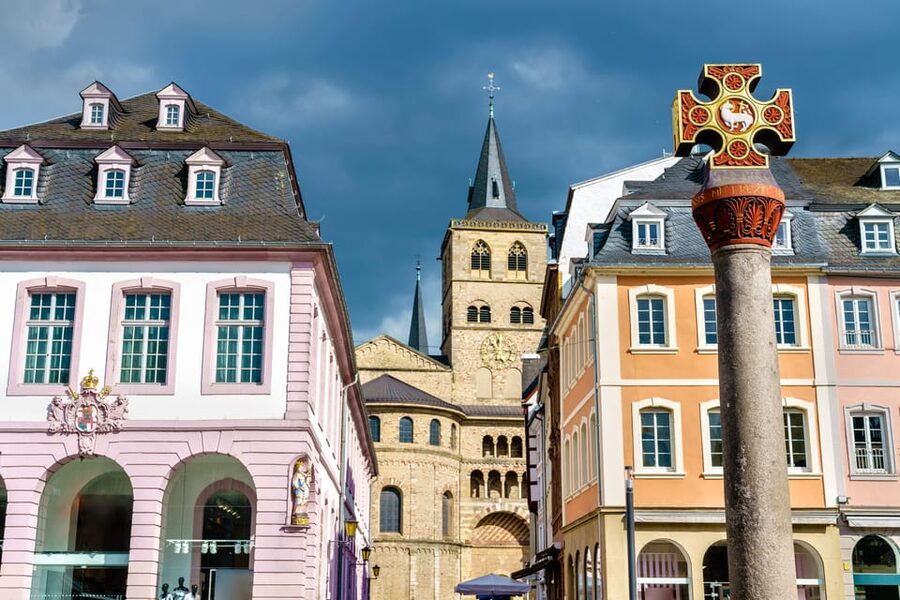
Hauptmarkt brings the tour into Trier’s civic and social heart. Markets and central squares are often where a city feels most immediate, and this stop gives the guide a natural place to talk about daily life, local habits, and the places you may want to visit later.
I like the inclusion of this square because it keeps the experience from becoming an ancient-monument checklist. You get a taste of Trier as a living city, not just a collection of historic sites. The guide can also use the area to point you toward cafés, restaurants, and bars.
The practical advice may be the most useful part for many people. Rather than receiving only a list of sights, you can ask what suits your evening plans, preferred food, or desire for a quiet drink. The description promises recommendations for local cuisine and lively bars, though it does not name specific venues in advance.
Do not expect a food tasting or drinks to be included. Personal expenses are separate, and the tour price covers the guide and walking experience rather than meals.
Something different for another day:
- Trier: Discovery Tour – Germany’s Oldest Wine Cellar
★ 4.7 · 218 reviews - Trier: Solve the Mystery of the Merchant’s Gold!
★ 4.2 · 61 reviews - Trier: Private Guided Walking Tour
★ 4.2 · 32 reviews - Trier, Moselle: Wine excursion with boat trip
★ 3.9 · 13 reviews
The unnamed middle stops and a flexible route
The route information gives clear names for Porta Nigra, Trier Cathedral, and Hauptmarkt, then leaves two sightseeing stops unnamed before the finish on Johann-Philipp-Straße. That means you should treat the walk as a flexible city introduction rather than a fixed monument-by-monument program.
The lack of named stops is worth noting when you compare this tour with a more formal historical walk. You cannot plan around those additional sights in advance, and the exact sequence may change according to weather, group interests, and walking speed.
At the same time, flexibility can improve the experience. If your group wants more time near one landmark, or if bad weather makes a stop less pleasant, the guide can adjust. A local guide who listens may give you more value than a rigid script, especially in a group of no more than eight.
The advertised finish is on Johann-Philipp-Straße, 54290 Trier. Because the route may adapt, check the final direction with the guide if you have a restaurant booking, train connection, or another timed activity afterward.
Why the local advice may be worth more than extra facts
The tour’s strongest idea is its local point of view. You are not only shown the major sights. You are also given suggestions for where to eat, have a drink, and spend time after the walk.
That can save you from making every decision by guesswork. A short conversation with the guide may help you choose between a relaxed café, a lively bar, or a restaurant suited to your plans. The value depends on how much you use that opportunity, so arrive with a few questions ready.
For example, ask what area works best for an evening stroll, which type of food the guide recommends, or where you can continue exploring after the official finish. The guide is specifically included to provide personalized recommendations, so a passive approach would leave some of the experience unused.
The one available 5/5 assessment praised the useful details about Trier. That matches the tour’s stated purpose: you are paying for a quick, human explanation of the city, not simply a route between monuments.
A closer look at the $93 price
At $93 per person, this is expensive for a 1 to 2 hour walk. The price is easier to justify if you place a high value on a small group, direct questions, and local suggestions that help shape the rest of your stay.
The cost includes a local guide, the small-group walk, and personalized recommendations. It does not include entry tickets or personal spending. If you were already planning to walk around Trier independently, the main extra benefit is the guide’s interpretation and advice.
The economics improve slightly if you have limited time. A short guided route can help you find the main center quickly, learn the basic story, and avoid spending your first hours figuring out where the key sights are. You may then use the rest of your visit more efficiently.
Still, I would compare it with longer city tours before booking. If you want extensive historical detail, interior visits, or a slower pace, a longer option may offer more minutes for your money. This tour suits you best when convenience and personal contact matter more than length.
Timing, language, and group comfort

The advertised duration is 1 to 2 hours, with starting times depending on availability. That range suggests the pace and level of conversation can affect the length. You should plan enough room around the walk rather than scheduling a tight connection immediately afterward.
Guiding is available in English and German. Confirm your preferred language when selecting the departure, especially if language choice is important to your enjoyment.
The maximum group size is eight people. That is small enough for the guide to respond to questions and adjust the pace more easily than on a large coach or crowded walking tour. It also means the experience may feel more like a conversation than a formal lecture.
The itinerary adapts to customer interests and walking speed. This is good news if you prefer questions and discussion, but less appealing if you want a precisely timed route with every stop guaranteed. Stops can also vary because of weather.
What to bring for a short city walk

Comfortable shoes are essential. Even a brief walking tour can feel tiring if you are moving over old streets or standing at several outdoor sights.
Bring water and wear clothing suited to the weather. The activity is outside, and the stated information does not promise indoor shelter at every stop.
A charged smartphone is also recommended. It can help with meeting instructions, contact details, maps, and checking the route after the tour. Since the starting information refers to the SpielBank gates and Porta Nigra, having your booking details ready is sensible.
The activity is not suitable for people with mobility impairments. The route includes multiple walking stops, and the itinerary may adjust to pace, but no special accessibility arrangements are stated.
Who will get the most from this experience
I would choose this walk if you have only a short window in Trier or want help getting oriented on your first day. It is also a good match if you prefer local suggestions over a long academic history lesson.
You may appreciate it if you enjoy asking questions in a small group. With only eight participants, there is a better chance of discussing food, nightlife, and practical plans with the guide.
It is less suitable if you want a complete historical tour, detailed architecture commentary, or guaranteed access inside the cathedral or other monuments. It is also not the right choice if mobility is a concern.
The tour can fit neatly into a larger day. You might schedule it before an independent visit to Trier’s attractions, then use the guide’s recommendations for lunch or the evening. Just remember that any admissions and personal purchases are extra.
Should you book the Trier express walk?
Book it if you want a fast, personal introduction to Trier, especially one that combines Roman landmarks with advice on eating and going out. The small group and praised attention to useful city details are the main reasons to consider it.
Skip it if $93 feels high for a short walk, or if you want a longer, more detailed historical experience. For the right visitor, this is a convenient way to get your bearings quickly. For everyone else, an independent walk through the same central sights may offer better value.
FAQ
How long does the Trier walking tour last?
The tour lasts between 1 and 2 hours. Starting times depend on availability.
Where does the tour meet?
The meeting instructions say to meet at the gates in front of the SpielBank. The walk starts at Porta Nigra, so check your booking details for the exact meeting pin and arrival instructions.
Which landmarks are included?
The stated route includes Porta Nigra, Trier Cathedral, and Hauptmarkt. Two additional sightseeing stops are not named, and stops may change based on weather, interests, and walking pace.
What languages are available?
The live guide is available in English or German.
How many people can join the group?
The group is limited to a maximum of eight participants.
Are entry tickets included?
No. Entry tickets and personal expenses are not included in the price.
Can I cancel the booking?
Yes. You can cancel up to 24 hours in advance for a full refund. You can also reserve now and pay later, according to the booking conditions.
More City Tours
- Luxembourg to Trier: Tour of Germany’s Oldest City.
★ 4.6 · 9 reviews - Berlin: 1-Hour City Tour by Boat with Guaranteed Seating
★ 4.3 · 16,993 reviews - Leipzig: City History Canal Sightseeing Tour on a Motorboat
★ 4.7 · 6,232 reviews - Cologne: Panoramic City Cruise
★ 4.3 · 5,698 reviews
Just added around Trier
- Trier Private Walking Tour With A Professional Guide★ 5.0 · 4 reviews
- Trier: Private Walking Tour with a Local Guide★ 5.0 · 5 reviews
- Trier – Private Guided Walking Tour★ 4.5 · 6 reviews
- Trier: early morning tour without the hustle and bustle and with less noise★ 5.0 · 6 reviews
- Luxembourg to Trier: Tour of Germany’s Oldest City.★ 4.6 · 9 reviews
- Trier Self Guided Sherlock Holmes Murder Mystery Game★ 4.0 · 9 reviews
- For the love of Riesling – Mosel Wine tour★ 5.0 · 11 reviews
- Trier: Your Adventure Awaits – The Return of the Elector★ 4.0 · 12 reviews
Walking Tours, compared.





Berlin’s Best: 2 Hour Walking Tour Third Reich and the Cold War
Read our review →


Third Reich Berlin: Hitler and WWII Walking Tour
Read our review →Browse the lists this tour appears in