
Reviewed · TRIER TOURS
Trier: Discovery Tour – Germany’s Oldest Wine Cellar
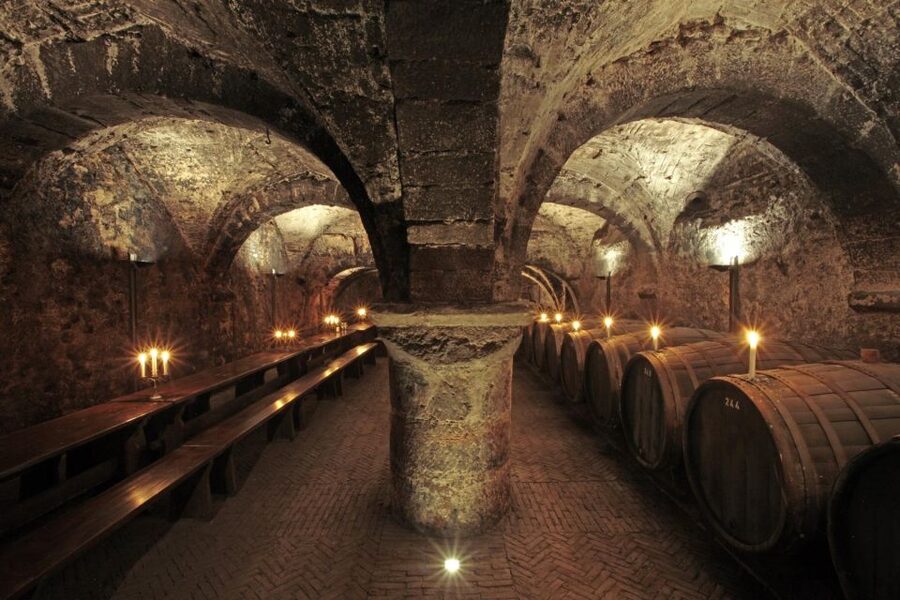
Old stone, Roman wine, and one hour well spent. This Trier walking tour takes you into a cellar built around 330 AD, when the city was an imperial Roman center and the building served as a storage house for local citizens. I like the mix of Roman history and living wine culture, and I also like that the tour ends with two selected house wines rather than stopping at a purely historical explanation. The main thing to consider is the language: the live guide speaks German, and some material remains in its original language.
This is not presented as a dusty museum visit. The cellar is still tied to wine production and enjoyment, which gives the experience a more useful connection to Trier today. I would choose it as a compact addition to a day in the city, especially if you want a Roman sight with a social finish.
At $20 per person, the value depends on what you want from a one-hour activity. You are paying for a guided cellar walk, historical context, and two tastings in an unusual setting. If you want a long wine seminar or an English-language tour, this may feel limited. If you want a brief, atmospheric introduction to Trier’s wine culture, the price is reasonable.
In This Review
- Key points to know before you book
- Entering a cellar from Trier’s Roman age
- What the one-hour route gives you
- Why the Roman storage role matters
- From Roman storage to a living wine setting
- German language changes the experience
- Is $20 a fair price for one hour?
- Weather, walking, and access
- Who will enjoy this Trier experience most?
- Should you book the Roman wine cellar tour?
- FAQ
- How long does the Trier wine cellar tour last?
- How much does the experience cost?
- What is included in the tour?
- What is special about the cellar?
- What language is the tour conducted in?
- Are two wines included?
- Does the tour operate in bad weather?
- Is the tour suitable for wheelchair users?
- Can I cancel the booking for a refund?
Key points to know before you book
- The cellar dates to around 330 AD: It was built in the Roman imperial city of Trier and first served as a magazine and storage house for Roman citizens.
- Two wines are included: The tasting features selected house wines in the cellar setting.
- The tour lasts one hour: That makes it easy to fit before or after other Trier sights.
- The guide speaks German: Some content is presented in its original language, so basic German will help.
- The experience runs in all weather: Since the tour takes place indoors and outdoors as needed, rain does not cancel the plan.
- Wheelchair access is not suitable: Anyone with mobility concerns should choose another activity or ask the provider for current access details before booking.
Entering a cellar from Trier’s Roman age
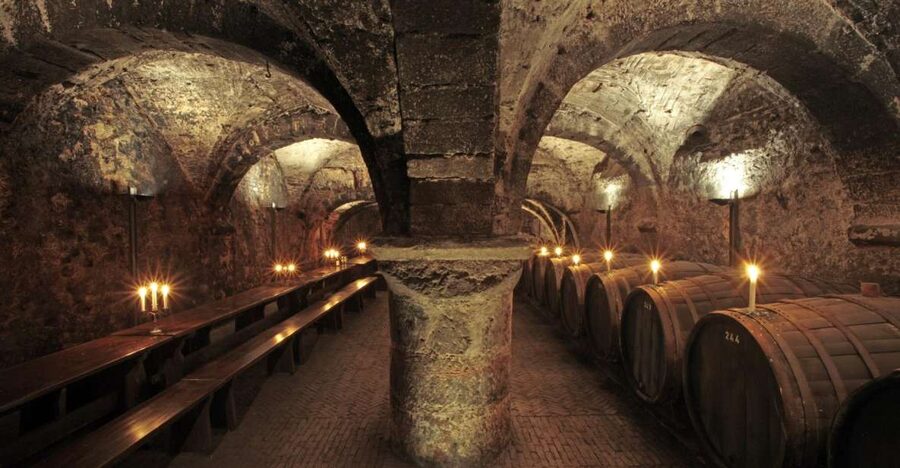
The central appeal here is the building itself. Around 330 AD, Trier was an important Roman imperial city, and this cellar was created as a practical storage facility. It was not designed as a modern tasting room. Its original role was to hold supplies for Roman citizens, which gives the place a sturdy, functional character.
That detail matters. You are not simply hearing that Trier is old while looking at a display case. You are walking through a Roman structure that later became part of the city’s wine story. The cellar links two parts of Trier that are often treated separately: its Roman past and its long connection with vineyards and wine.
The tour is described as a walking tour through Germany’s oldest wine cellar. The phrase is a major draw, but the experience is likely to appeal most to people who enjoy places with several layers of use. First came Roman storage. Later came the cellar’s connection with wine. Today, it serves as a place for guided visits and tastings.
I would set your expectations correctly. The supplied details do not promise a full archaeological tour of Trier, a large Roman museum, or an extended account of every building phase. This is a focused look at one important cellar. Its strength is the setting, not a packed schedule of unrelated sights.
More Wine Tours in Germany:
- Trier: Guided City Walk with Wine Tasting
★ 4.8 · 979 reviews - Hamburg: Harbor Cruise with Wine and Cheese
★ 4.7 · 795 reviews - Heidelberg: Sightseeing Boat Tour with Mulled Wine
★ 3.6 · 202 reviews
What the one-hour route gives you
The hour is built around two parts: the cellar visit and the wine tasting. The walking portion gives you an introduction to the building and its past, while the tasting lets you experience the cellar as a working part of wine culture rather than a preserved monument.
During the historical portion, you can expect an explanation of the cellar’s origins and its role in Roman Trier. The wording of the experience suggests a tour shaped by stories and discovery, not just dates. That should suit you if you prefer a guide to explain why a place mattered instead of simply pointing out old walls.
The route is short enough to stay manageable. One hour is useful in Trier because the city offers many Roman sights, and you probably do not want one cellar visit to consume half your day. You can place this activity between other city stops, though the exact starting times depend on availability.
The strongest praise attached to the experience centers on information delivered in a short period. One German-speaking participant felt the tour gave very good information in relatively little time, while also wishing it could last longer. That is a fair description of the tradeoff. You get a concentrated introduction, but not a long lecture.
Another useful point is that the historical cellar and the wine estate may receive different amounts of attention depending on the guide and group. One recent rating found the overall impression good but wanted more detail about the unique cellar, with the wine and estate taking the lead. If the Roman building is your main reason for booking, keep your questions ready and ask the guide for more detail.
Why the Roman storage role matters
The cellar’s original purpose gives the tour more substance than a standard wine tasting. Around 330 AD, it served as a magazine and storage house for Roman citizens. In plain terms, this was a working facility connected to the needs of the city, not a room built only for ceremony or display.
That practical role helps you picture Trier as a functioning Roman center. Buildings were needed to store supplies, support residents, and keep the city running. A cellar can seem humble beside grand monuments, but it can tell you how ordinary systems supported imperial life.
I especially like this angle because it keeps the experience grounded. You are not being asked to admire age alone. You can think about how the space was used, why storage mattered, and how the building later became linked to wine. The setting gives the guide a natural way to connect daily life, Roman administration, and local wine traditions.
Still, the information provided does not list every architectural feature or name specific Roman artifacts inside. You should not book this expecting a detailed archaeological inventory. The value lies in entering the historic structure and hearing its broad story in place.
From Roman storage to a living wine setting
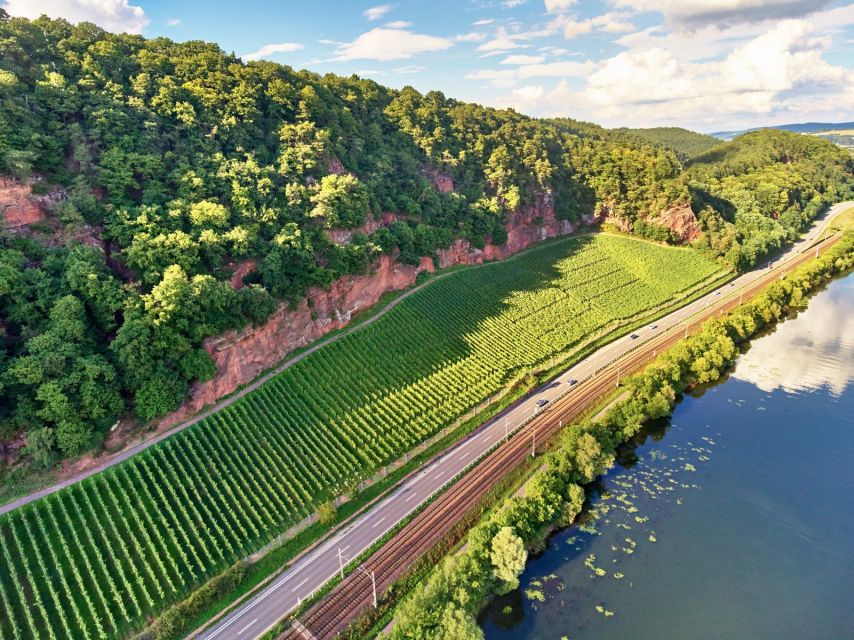
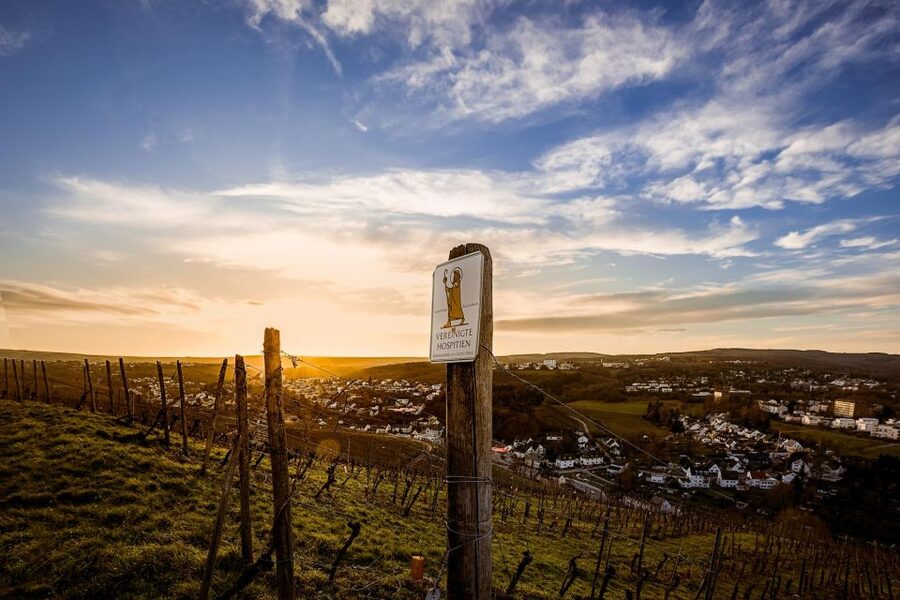
The tasting is not an add-on in a separate modern room. The included wines are served in a unique cellar atmosphere, which changes the feel of the final part of the tour. The experience provider is Vereinigte Hospitien Stiftungsweingut, tying the activity to a working wine estate rather than a stand-alone historical attraction.
Two selected wines are included. The details do not identify the varieties, vintage, or tasting order, so you should think of this as an introduction rather than a formal wine course. You will have a chance to taste two house wines, but you should not expect a menu built around numerous pours.
That modest format works well after the walking section. Two samples give you a clear finish without turning a one-hour tour into a drinking event. I like the restraint. You get enough wine to connect the cellar with present-day production, while the historic building remains the main attraction.
The tasting also seems to be one of the most consistently popular parts of the experience. German and Dutch customers have described it as interesting, enjoyable, and good to drink. The comments suggest a relaxed combination of useful information and pleasure, with a little humor in the mix.
If you already know a great deal about German wine, you may want more technical detail about the bottles. The activity description does not promise a lesson on grape varieties, soil, winemaking, or regional appellations. Its focus is broader: two wines, a historic room, and an introduction to the estate’s role in Trier wine culture.
Something different for another day:
- Berlin: Reichstag, Dome and Government District Guided Tour
★ 4.7 · 18,288 reviews - Berlin: 1-Hour City Tour by Boat with Guaranteed Seating
★ 4.3 · 16,993 reviews - Hamburg: Sex and Crime in St. Pauli Tour for Ages 18+
★ 4.7 · 15,447 reviews - Hamburg: 1.5-Hour Harbor and Speicherstadt Day Cruise
★ 4.6 · 14,200 reviews
German language changes the experience
The live tour guide speaks German. That is the single most important practical point for many international visitors. Some content is shown in its original language, so you should be comfortable with at least some German or arrive ready to follow the visual setting and general explanations.
If you understand German, the tour may offer a fuller experience than the written description alone suggests. Historical jokes, small details, and questions from the group are often easier to catch in the guide’s main language. A recent German-language response praised the tour as informative and highly enjoyable, which fits the format well.
If you do not speak German, decide how much explanation you need. The cellar itself remains interesting, and the two wines are still included, but you may miss much of the historical story. I would not book this as your main Roman-history activity if you need English commentary.
The available information does not list an English guide, audio guide, translation service, or printed English material. Ask the provider before booking if language is important to you. That quick check could make the difference between a satisfying visit and a pleasant but only partly understood one.
Is $20 a fair price for one hour?
At $20, this is priced as a small cultural activity rather than a full-day excursion. The fee includes the guided cellar tour, two selected wines, and the tasting atmosphere. It does not appear to include transportation, a meal, or additional city sights.
For me, the value is strongest when you care about both halves of the experience. You are paying for access to a historic Roman building and for a small wine tasting in the same setting. If you count the activity as two short experiences joined together, the cost is easier to justify.
The value is weaker if you only want a detailed Roman tour. The hour is brief, and one piece of feedback specifically wished for more information about the cellar and a longer visit. You may leave wanting additional context, especially if you are passionate about archaeology or Roman construction.
It is also a good choice for a compact schedule. You do not need to commit to a long vineyard outing outside Trier, and the activity gives you a taste of the local wine tradition without taking an entire afternoon. For a short stop in the city, that flexibility has real worth.
Weather, walking, and access
The tour takes place in all weather conditions. That likely means you should dress for the conditions on the day, even though the cellar itself provides an indoor setting. Comfortable shoes are sensible because this is described as a walking tour, and old buildings can have uneven surfaces, though the available details do not specify the exact floor or stair arrangement.
The activity is not suitable for wheelchair users. The listing does not explain whether the difficulty comes from stairs, narrow passages, uneven flooring, or another feature, so you should not assume that partial access is available. If you have limited mobility, contact Vereinigte Hospitien Stiftungsweingut before reserving.
The one-hour duration also helps with planning. It is short enough for a morning or afternoon slot, but starting times vary, so check the schedule for your date. You can reserve now and pay later, which is useful if you are still arranging a Trier itinerary.
Free cancellation is available up to 24 hours before the start time for a full refund. That gives you some protection if your plans change, but the 24-hour cutoff matters. Do not treat the booking as completely open-ended.
Who will enjoy this Trier experience most?
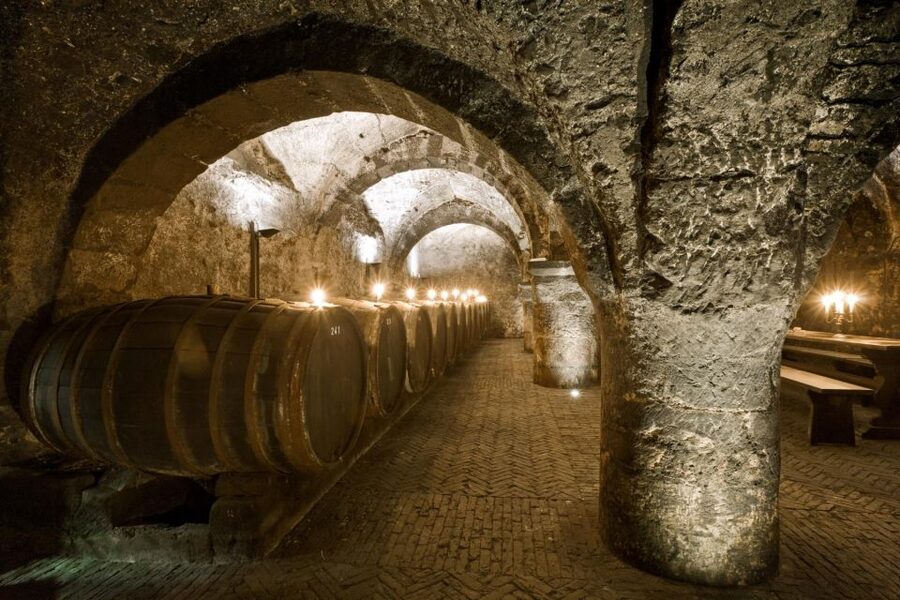
I would recommend this tour to you if you like historical places that still have a present-day purpose. The cellar is not treated only as a monument. Its wine connection gives the visit a more relaxed ending and keeps the Roman story tied to life in Trier now.
It also suits people who want a small, organized activity. One hour is enough for a clear introduction without demanding a major block of your day. Couples, solo visitors, and small groups looking for a cultural stop with a tasting should find the format appealing.
German speakers will get the most from the guide. Wine fans who enjoy atmosphere more than technical instruction should also be happy with the two selected house wines. The activity gives you a sense of place, not a full wine education.
I would hesitate if you need English commentary, use a wheelchair, or want a long archaeological tour. I would also think twice if you do not drink wine, since the tasting is a central part of the experience rather than an optional extra.
Should you book the Roman wine cellar tour?
Book it if you want a short and distinctive Trier activity that joins Roman history with local wine. The chance to walk through a cellar built around 330 AD, then taste two house wines in that setting, gives the hour a clear purpose and a pleasant finish.
Skip it if you need English-language guiding, extensive Roman detail, or wheelchair access. For everyone else, $20 is a sensible price for a focused visit, especially when your schedule leaves no room for a longer wine excursion. Go in expecting a compact introduction rather than an exhaustive history lesson, and you are likely to find it informative, enjoyable, and easy to fit into a day in Trier.
FAQ
How long does the Trier wine cellar tour last?
The tour lasts one hour.
How much does the experience cost?
The price is $20 per person.
What is included in the tour?
The experience includes a guided cellar tour, two selected wines, and a tasting in the historic cellar setting.
What is special about the cellar?
The cellar was built around 330 AD in the Roman imperial city of Trier and served as a magazine and storage house for Roman citizens. It is described as Germany’s oldest wine cellar.
What language is the tour conducted in?
The live tour guide speaks German. Some content is presented in its original language.
Are two wines included?
Yes. Two selected house wines are included in the experience.
Does the tour operate in bad weather?
Yes. The tour takes place in all weather conditions.
Is the tour suitable for wheelchair users?
No. The experience is not suitable for wheelchair users.
Can I cancel the booking for a refund?
Yes. You can cancel up to 24 hours in advance for a full refund. Reserve now and pay later is also available.
Just added around Germany
- e-Scavenger hunt Aachen: Explore the city at your own pace★ 4.0 · 13 reviews
- Munich: Private or Group Third Reich and WWII Walking Tour★ 4.9 · 13 reviews
- Canyoning Advanced Day Trip★ 5.0 · 13 reviews
- Wiesbaden Biebrich: Outdoor Escape Game★ 4.7 · 13 reviews
- Berlin: Private Guided Tour of the Main Sights★ 5.0 · 13 reviews
- From Munich: Neuschwanstein Castle and Linderhof Private Tour★ 5.0 · 13 reviews
- Trier, Moselle: Wine excursion with boat trip★ 3.9 · 13 reviews
- From Dresden: Guided Day Tour by Bus of Seiffen Toy Village★ 4.0 · 13 reviews
Trier Tours, compared.
Guided Old Town Highlights and History Walking Tour
Read our review →
Browse the lists this tour appears in