
Reviewed · THIRD REICH & WWII TOURS
Munich: Private or Group Third Reich and WWII Walking Tour
Munich’s beauty hides a painful story. This two-hour walk shows how the city became the birthplace and political center of National Socialism, using original buildings, public squares, documents, and historic photographs to connect the past with the streets you see today. I especially like the authentic locations and the way guides use visual evidence rather than relying on dates alone. I also appreciate the focus on resistance and victims, not just Hitler’s rise.
The main drawback is the short format. Two hours gives you a clear introduction, but this is a serious subject with far more to explain than any single walking tour can cover. You should also expect a sober experience, not a light sightseeing stroll, and the $259 private-group price is best value when shared by several people.
In This Review
- Key points at a glance
- Why Munich is the right place for this difficult history
- Meeting at the golden column on Marienplatz
- Beer halls, political speeches, and the birth of the Nazi Party
- The Beer Hall Putsch and Hitler’s failed first coup
- Marienplatz and the city’s public face
- Former Nazi headquarters and the architecture of power
- Königsplatz and the grand stage of the Third Reich
- The physical scars of war and the memorials to victims
- A guide-led walk with documents, photographs, and discussion
- Is $259 good value for a private group?
- Who should book this Munich walk?
- Practical details before you set out
- Should you book it?
- FAQ
- How long does the Munich Third Reich and WWII Walking Tour last?
- Where does the tour meet?
- How do I identify the guide?
- What languages are available?
- Is the tour private?
- What does the price include?
- Is transportation included?
- Is the tour wheelchair accessible?
- Are children allowed?
- Can I cancel for a full refund?
Key points at a glance
- Munich’s Nazi origins: Follow the city’s role in the founding of the NSDAP and Hitler’s failed Beer Hall Putsch.
- Original sites and surviving buildings: See locations tied to Nazi power, wartime destruction, propaganda, and resistance.
- Marienplatz to Königsplatz: The route links Munich’s Old Town with the grand political center built for the Third Reich.
- Historic pictures on the street: Your guide brings documents and photographs to show how familiar places looked during the Nazi period.
- Private group format: The advertised price covers a group of up to 25 people, making the cost more reasonable for families or friends sharing the booking.
- Certified English or German guide: Guides such as Karl and Ina have been praised for warmth, clear explanations, and a personal approach.
Why Munich is the right place for this difficult history
Munich is often sold through its palaces, churches, beer halls, and handsome squares. Those attractions are real, but they can make the city’s modern history easy to miss. This tour corrects that balance by showing you how Munich became the Hauptstadt der Bewegung, or Capital of the Movement, the official center of the Nazi Party.
The story begins after World War I, when Germany faced political violence, economic strain, and deep public anger. In Munich’s beer halls and backstreets, Adolf Hitler found an audience for his speeches and built a small but devoted political following. The city was not simply a backdrop to his career. It was where the Nazi Party took shape and where its early supporters learned how to turn agitation into organized power.
That setting gives the tour unusual value. You are not only hearing about national events from a distant viewpoint. You are standing in the places where speeches were made, coups were attempted, opponents were attacked, and Nazi power was presented to the public.
General Eisenhower later called Munich the cradle of the Nazi beast. That grim description explains why this walk matters. It shows the early stages of a movement before it controlled Germany and unleashed war across Europe.
More Third Reich & WWII Tours in Munich
- Munich: Third Reich & WWII Walking Tour
★ 4.6 · 6,181 reviews - Third Reich Walking Tour Munich
★ 4.5 · 4,291 reviews - Munich: Birthplace of the Third Reich Guided Walking Tour
★ 4.6 · 771 reviews
Meeting at the golden column on Marienplatz
The tour begins at the Mariensäule, the golden statue on a tall red marble column in the center of Marienplatz. This is a practical meeting point because it is easy to recognize and sits in the heart of Munich’s Old Town.
Look for a guide carrying a blue bag marked Weis(s)er Stadtvogel. That detail matters in a crowded square, where several tours may gather at the same time. Arrive with comfortable shoes and a drink. The activity is entirely on foot, and transportation is not included.
Marienplatz also gives the guide a useful opening scene. You begin in one of Munich’s most famous public spaces, surrounded by architecture that many people associate with cheerful city breaks. From there, the tour shifts your attention toward the political gatherings, public ceremonies, and acts of intimidation that took place in the same central areas.
The contrast can be unsettling, but it is one of the walk’s strengths. You do not need to visit a remote museum to confront this history. The subject is placed directly in the middle of the city you are exploring.
Beer halls, political speeches, and the birth of the Nazi Party
A central part of the walk explains how Hitler first became known in Munich as a forceful beer hall speaker. Before he was famous across Germany, he was a local political figure with a small circle of committed followers. The guide helps you understand how public speaking, party organizing, and street-level intimidation helped turn an extremist group into a major political force.
The beer halls matter because they were not only places for food and drink. In the political turmoil after World War I, they also served as large public meeting rooms. A strong speaker could reach a big audience, and Hitler used that setting to build a personal following.
Your guide presents documents and historic photographs at relevant stops. This is more useful than a simple list of addresses. A photograph can show the crowd, the signs, the uniforms, or the building’s earlier appearance, helping you connect an ordinary-looking street with its political past.
You should listen for the difference between early Nazi propaganda and the reality behind it. The tour describes how the movement presented itself, then places that message beside the violence and persecution it carried out. That approach helps prevent the story from becoming a parade of Nazi names and dates.
The Beer Hall Putsch and Hitler’s failed first coup
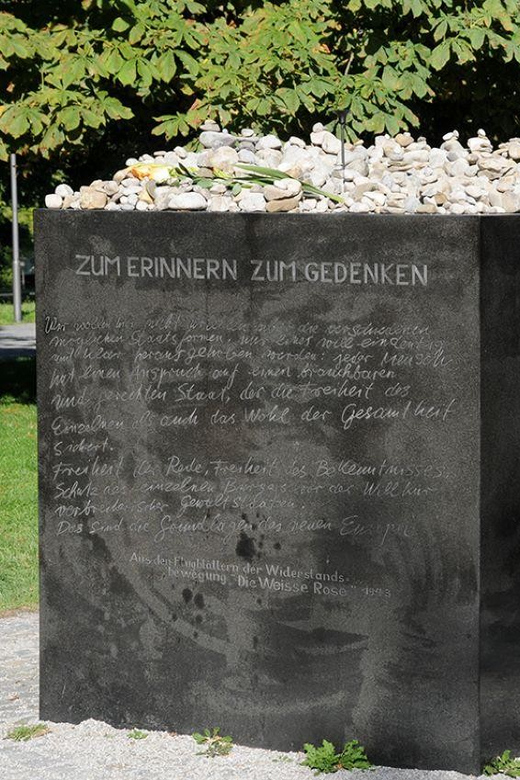
Munich was also the scene of Hitler’s first major attempt to seize power, the Beer Hall Putsch. The coup failed, but it became an important step in the later Nazi story.
A guide can make this event easier to understand by explaining what Hitler hoped to achieve, why Munich was important to his plan, and how the failed action later became part of Nazi mythology. The point is not to treat the putsch as an exciting adventure. Its importance lies in what followed: Hitler used the failure, trial, imprisonment, and publicity to refine his political strategy.
This is one place where a live guide adds real value. A book can tell you that the putsch failed. On the street, your guide can show how the locations relate to one another and explain how the event was remembered and exploited by the Nazi movement.
The tour also covers the Brownshirts and the terror they spread. That section gives you a clearer sense of how political violence worked at street level. Nazi power did not arrive fully formed. It grew through threats, organized attacks, public spectacle, and the steady weakening of democratic opposition.
More Walking Tours in Munich
- Munich: Old Town & Viktualienmarkt City Walk in German
★ 4.7 · 2,304 reviews - Munich: Night Watchman Walking Tour
★ 4.7 · 2,092 reviews - Munich Ghosts and Spirits Evening Walking Tour
★ 5.0 · 1,900 reviews - Munich Old Town Walking Tour
★ 4.5 · 1,287 reviews
Marienplatz and the city’s public face
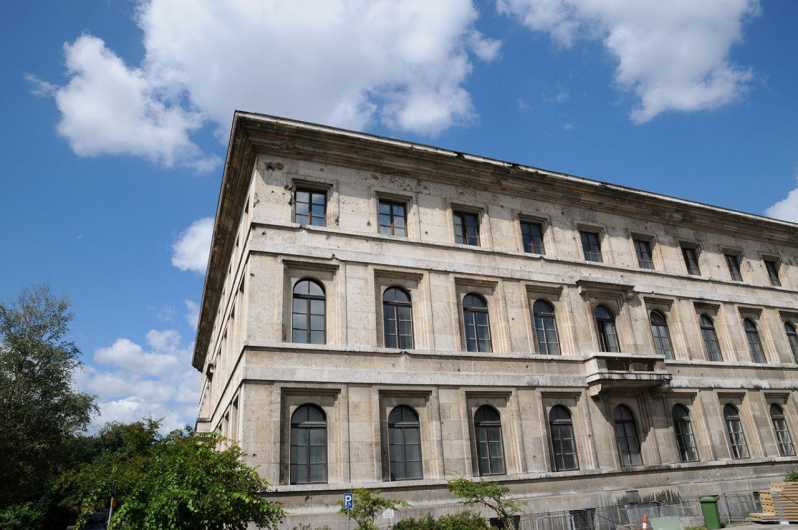
As you walk through Munich’s Old Town, the guide connects famous streets and squares with the Nazi period. Buildings around Marienplatz still bear the scars of the war, although the city center has also been rebuilt and restored in many places.
This part of the tour is especially useful if you are spending several days in Munich. You may pass through Marienplatz repeatedly for shopping, food, or transport. After this walk, the square is no longer just a starting point. You understand how public spaces were used for political messaging and how Munich’s central buildings were caught up in the wider history of dictatorship and war.
The tour covers anti-Semitic pogroms, the destruction of synagogues, and public book burning. These subjects require careful explanation, and the guide’s role is important. The strongest moments are likely to be the ones that show how persecution became visible in daily life, rather than treating the Holocaust as a later event disconnected from Munich’s streets.
You also hear about people who resisted Hitler in the name of democracy. That balance matters. The tour does not present Munich as a city of passive bystanders or willing Nazi supporters alone. It includes opposition and sacrifice, giving you a fuller picture of the choices people faced.
Former Nazi headquarters and the architecture of power
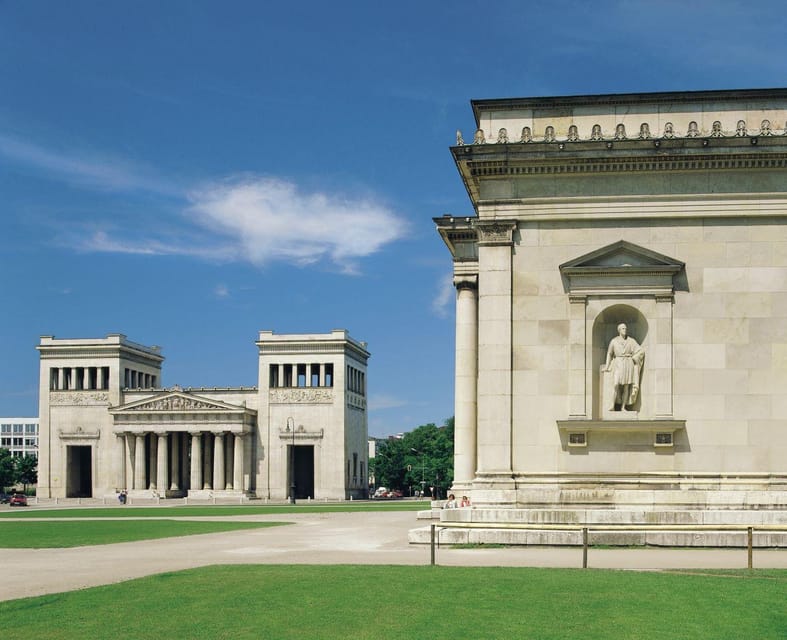
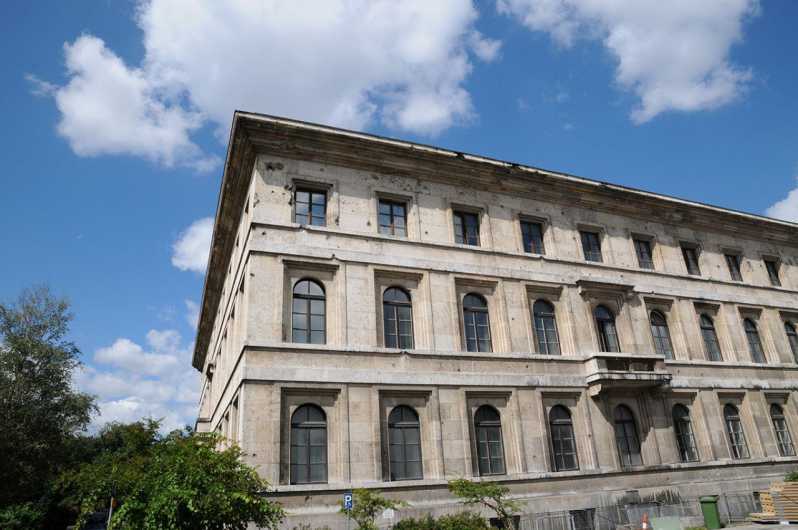
The walk continues toward sites connected with the Nazi leadership, including the former Nazi headquarters. This is where the tour shifts from the movement’s early years to its period of control.
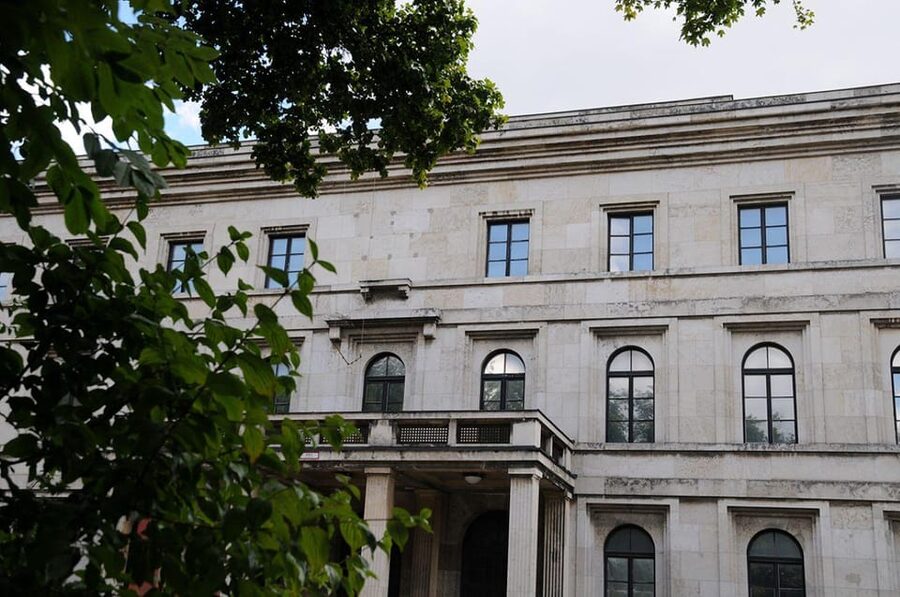
The buildings erected under Hitler’s orders were meant to project permanence, discipline, and authority. Their scale and formal design were part of the political message. They told citizens and visitors that the regime was powerful, organized, and built to last.
Yet many of these grand structures survived the war while other parts of central Munich suffered heavy Allied bombing. That contrast is striking. The architecture intended to glorify dictatorship still occupies space in the modern city, even as memorials nearby honor people persecuted or killed by the regime.
A good guide helps you read these buildings without admiring the ideology they were designed to serve. You can examine their physical form and historical importance while keeping sight of the human cost behind them. That is a valuable skill for visiting former Nazi sites anywhere in Germany.
Königsplatz and the grand stage of the Third Reich
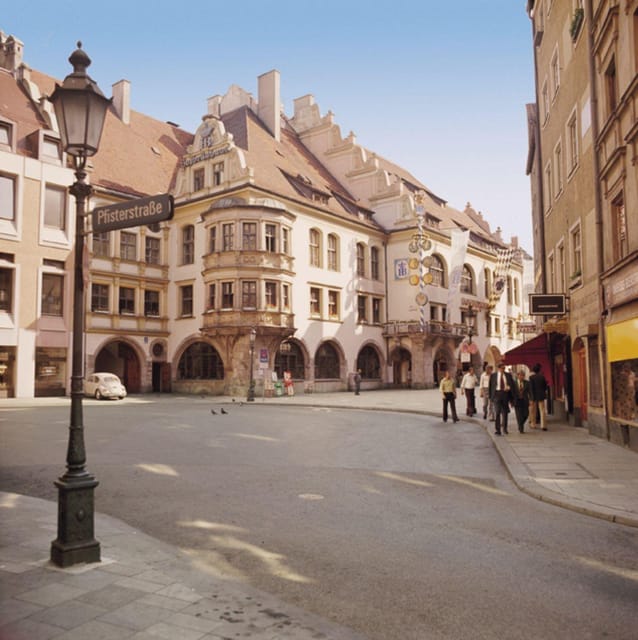
Königsplatz is one of the key destinations on the route. Its broad open space and monumental buildings made it suitable for the public ceremonies and displays of power favored by the Nazi regime.
Here, the tour helps you see how architecture and political theater worked together. Large spaces can make a government appear larger than individual citizens. Formal processions, flags, speeches, and monuments turn politics into a carefully staged public performance.
Königsplatz also shows the tension between Munich’s classical image and its Nazi past. The square can look calm today, but its earlier use was anything but neutral. Your guide’s photographs and documents help restore the missing context.
This stop is likely to appeal to you if you enjoy understanding how cities are shaped by politics. It is not only about what happened at one address. It is about how an entire urban setting can be used to create authority and influence behavior.
The physical scars of war and the memorials to victims
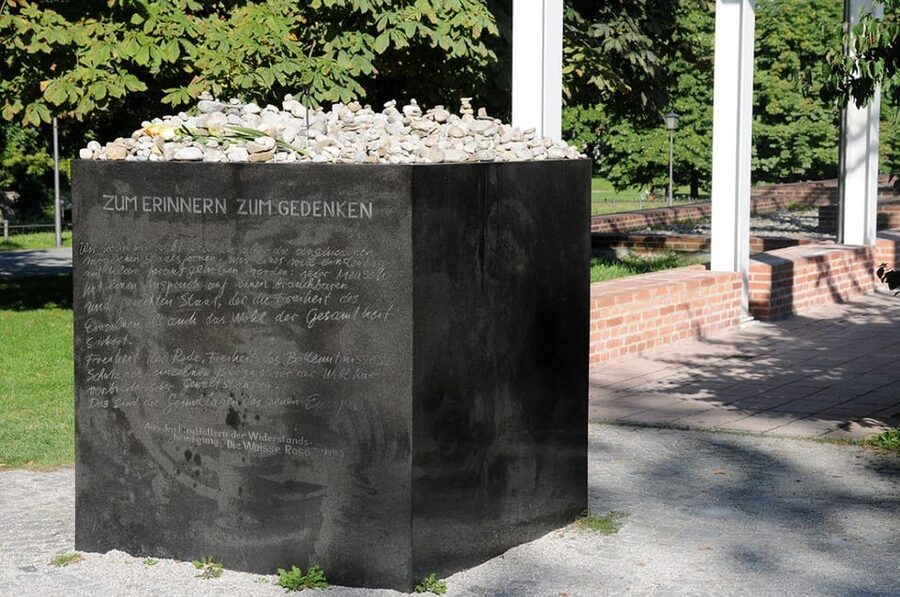
The walk does not stop with Hitler’s rise. It also follows Munich through World War II and the destruction caused by the conflict he unleashed.
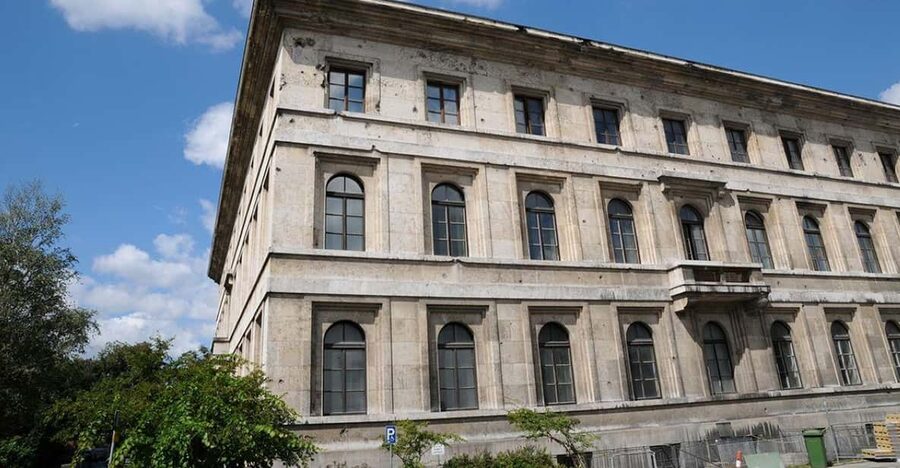
Buildings still show physical scars from the years of terror and war. Elsewhere, reconstructed façades can make the damage less obvious. The guide’s images are useful here because they help you compare the Munich you see with the city that existed during the Nazi period and the war.
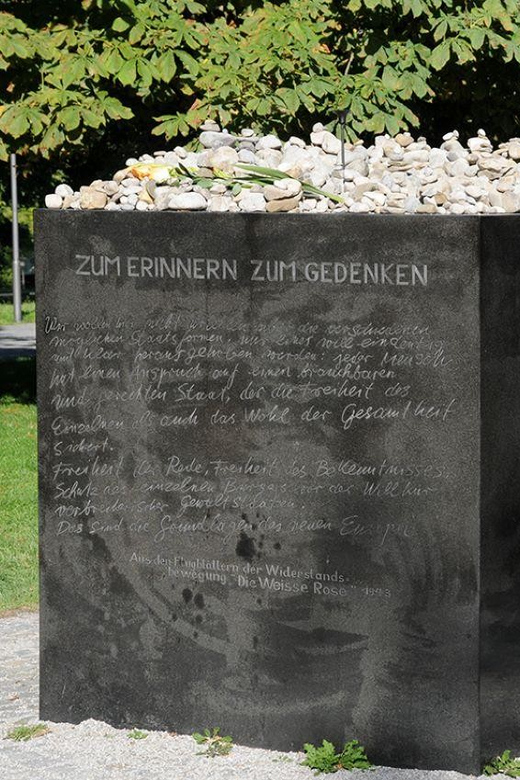
The tour also points out memorials to victims of Nazism and to people who opposed Hitler. These places shift the focus away from the perpetrators and toward those who suffered or resisted.
That distinction is important when choosing a Third Reich tour. You want enough information about Nazi leaders to understand the system, but you do not want the tour to turn into a biography of Hitler. This experience appears strongest when it connects political decisions with the people harmed by them.
A guide-led walk with documents, photographs, and discussion
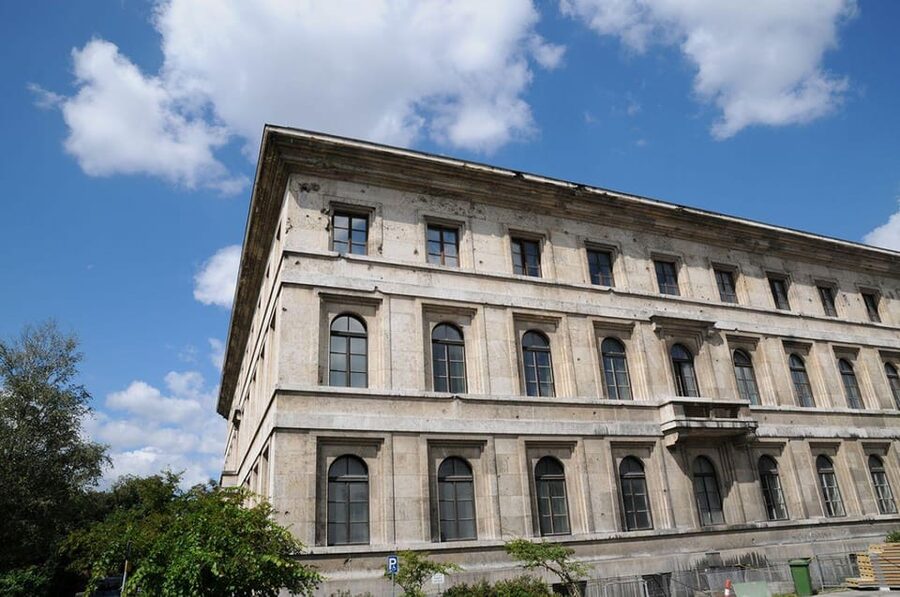
The certified guide is the heart of the experience. You are not simply following a route and reading plaques. At each stop, the guide uses documents and photographs to explain what took place and how the buildings looked at the time.
The personal side of the guiding has received particular praise. Karl has been described as welcoming and clear, while Ina was appreciated for bringing her own feelings to the subject and responding to questions rather than reciting a fixed speech. That suggests the experience can feel conversational, especially in a private group.
Other feedback describes a guide who was enthusiastic, interactive, patient, and well informed. Those qualities matter on a subject that can quickly become a wall of names and dates. You need someone who can explain cause and effect, answer direct questions, and keep the material understandable.
The language choices are English and German. If you are visiting with an English-speaking group, confirm your preferred language when booking. The tour is wheelchair accessible, though it remains a walking activity, so comfortable footwear is still sensible.
Video recording is not allowed. You can listen, ask questions, and take in the places without turning the walk into a filming session.
Is $259 good value for a private group?
At $259 for a group of up to 25 people, the price needs to be judged by group size. For one or two people, it is a costly two-hour activity. For a larger family or friend group, the per-person cost falls quickly, especially when you compare it with several separate public tours.
The private format gives you more control over the experience. You can ask questions without worrying about slowing down a large public gathering, and a guide may be able to respond to your group’s interests within the fixed two-hour window.
The advertised information also refers to a group option, so check the format and final price carefully before paying. The key value is not transport or entry to a major museum. You are paying for a certified guide, a focused route, visual source material, and access to an interpretation of places you can otherwise walk past without understanding.
I would consider it good value for a group already interested in twentieth-century history. If your main goal is general sightseeing, the price may feel high, since the walk focuses closely on Nazism, World War II, persecution, and resistance.
Who should book this Munich walk?
This tour suits adults, history students, teachers, and anyone who wants more context during a Munich visit. It also works well early in your stay, since the route can change how you see the Old Town and Königsplatz afterward.
Solo visitors can join a private group booking if they arrange one, and the experience has been described as comfortable for someone attending alone. Families should pay close attention to the age guidance: the activity is listed as unsuitable for children under 10.
One booking included an eight-year-old whose guide was patient and kind, but that is not the same as an official recommendation. For younger children, think carefully about attention span and the emotional weight of the material.
The tour is not suitable if you want a relaxed introduction to Munich’s food, art, or royal history. It is also not a memorial museum visit with extensive indoor exhibits. It is a focused walk through places connected with the Nazi period.
Practical details before you set out
Plan for two hours on foot and wear shoes that will keep you comfortable on Munich’s streets. Bring a drink, since no refreshments are included.
Meet at the Mariensäule in Marienplatz, the golden statue on the tall red marble column. Find the blue Weis(s)er Stadtvogel bag, which identifies the guide.
The tour is offered in English or German and includes the certified guide and walking tour. Transportation is not included, so you must make your own way to the meeting point and continue from the end of the route.
You can cancel up to 24 hours before the start for a full refund, and reserve now while paying later. Starting times vary, so check availability for the date you want.
Should you book it?
Book this walk if you want Munich’s Nazi past explained at the places where it happened. The combination of original sites, old photographs, political context, and attention to resistance makes the subject easier to grasp than a general city tour can.
I would choose the private format for a group of friends, adult family members, or students who expect to ask questions. For a small party, the cost is harder to justify, but the focused guiding still offers strong value if this history is central to your visit.
Go prepared for a serious morning or afternoon, comfortable shoes, and material that may be upsetting. If you accept that tone, this is a thoughtful way to see Munich beyond its postcard image.
FAQ
How long does the Munich Third Reich and WWII Walking Tour last?
The tour lasts two hours.
Where does the tour meet?
Meet at the Mariensäule in the center of Marienplatz, at the golden statue on a tall red marble column.
How do I identify the guide?
Look for a guide carrying a blue bag marked Weis(s)er Stadtvogel.
What languages are available?
The tour is offered in English and German.
Is the tour private?
The activity is described as a private group experience, with a price covering a group of up to 25 people. The information also refers to private or group options, so check the selected format when booking.
What does the price include?
The price includes a certified guide and the walking tour.
Is transportation included?
No. Transportation is not included.
Is the tour wheelchair accessible?
Yes, the activity is listed as wheelchair accessible.
Are children allowed?
The tour is listed as unsuitable for children under 10. One booking included an eight-year-old who received patient guidance, but the official age guidance remains under 10 as the stated limit.
Can I cancel for a full refund?
Yes. You can cancel up to 24 hours in advance for a full refund.
Just added around Munich
- From Munich: Neuschwanstein Castle and Linderhof Private Tour★ 5.0 · 13 reviews
- Private Transfer from Munich to Salzburg with 2 hours for sightseeing★ 4.5 · 13 reviews
- Munich: Historical Walking Tour on the Rise of Hitler★ 5.0 · 13 reviews
- Private Scenic Transfer from Munich to Prague with 4h of Sightseeing★ 5.0 · 13 reviews
- From Munich: VIP day trip to Salzburg★ 5.0 · 14 reviews
- National Socialism WWII with licensed guide – private tour★ 5.0 · 14 reviews
- Munich: Walking Tour Old Town 3D VR Tour in GERMAN★ 4.3 · 14 reviews
- Private Tour to Neuschwanstein & Linderhof, Skip The Line & Lunch★ 5.0 · 14 reviews
Third Reich & WWII Tours, compared.
Berlin’s Best: 2 Hour Walking Tour Third Reich and the Cold War
Read our review →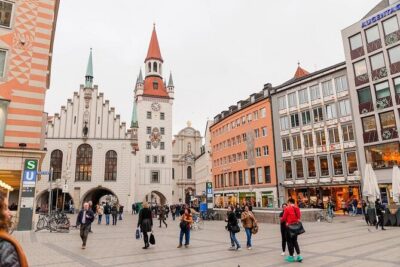
Third Reich Berlin: Hitler and WWII Walking Tour
Read our review →
Walking Tour of Former Nazi Party Rally Grounds
Read our review →
Browse the lists this tour appears in