
Reviewed · THIRD REICH & WWII TOURS
Nuremberg: Historischer Kunstbunker WWII Art Bunker Tour
Some of Nuremberg’s best stories are underground. This one-hour tour leads you through the Historischer Kunstbunker, a cellar beneath the Old Town that protected major works of art during World War II. I like the clear link between the bunker and the city above, and I like how guides such as Andreas, Michael, Marianne, and Ralf bring the subject to life with local stories and sharp answers. The main drawback is the setting itself: it can feel cramped in a larger group, and the cellar stays cold at about 10 to 12 degrees Celsius.
For $14, you get the entrance fee and a live guide in English or German. I especially appreciate that the tour fits neatly into a day of sightseeing, since the central meeting point lets you explore Nuremberg before or after. Bring a warm layer, though. Even in summer, the bunker has the feel of a refrigerator with a long memory.
In This Review
- Key points at a glance
- Entering the old cellar beneath Nuremberg
- How the bunker protected Nuremberg’s art
- The destruction of 90 percent of the medieval Old Town
- What the one-hour route feels like
- Cold temperatures and practical comfort
- Is $14 a good price?
- How it fits with other Nuremberg sights
- Who should book this experience?
- Booking and cancellation details
- Should you book the Historischer Kunstbunker tour?
- FAQ
- How long is the Historischer Kunstbunker tour?
- How much does the tour cost?
- What does the price include?
- Is transportation included?
- Where do I meet the guide?
- Which languages are available?
- How cold is the bunker?
- Is the tour suitable for wheelchair users?
- Is the tour suitable for people with claustrophobia?
- Can I cancel for a full refund?
Key points at a glance
- Major artworks once sheltered underground: Learn how works connected with Albrecht Dürer, the Veit Stoss Altarpiece, the Frauenkirche automaton clock, and the Codex Manesse were protected from bombing.
- A cellar with several lives: The tunnels first served medieval beer storage before becoming an air-raid shelter and art storehouse.
- A direct look at wartime Nuremberg: The tour explains how bombing destroyed about 90 percent of the medieval Old Town and how the city was rebuilt.
- Excellent guide-led storytelling: Guides including Andreas, Michael, Jana, Adrian, Owen, and Marianne are praised for clear English, humor, local knowledge, and patience with questions.
- One hour, but physically demanding: You walk through underground passages and should expect cold temperatures, tight spaces, and no wheelchair access.
- Strong value for history fans: At $14, the price is modest for a focused tour that adds meaning to Nuremberg’s streets, churches, and rebuilt center.
Entering the old cellar beneath Nuremberg
You meet your guide at the entrance to the Historischer Kunstbunker Museum in Nuremberg’s Old Town. There is no transportation included, so you make your own way there, but the central location works well with a walking day around the city.
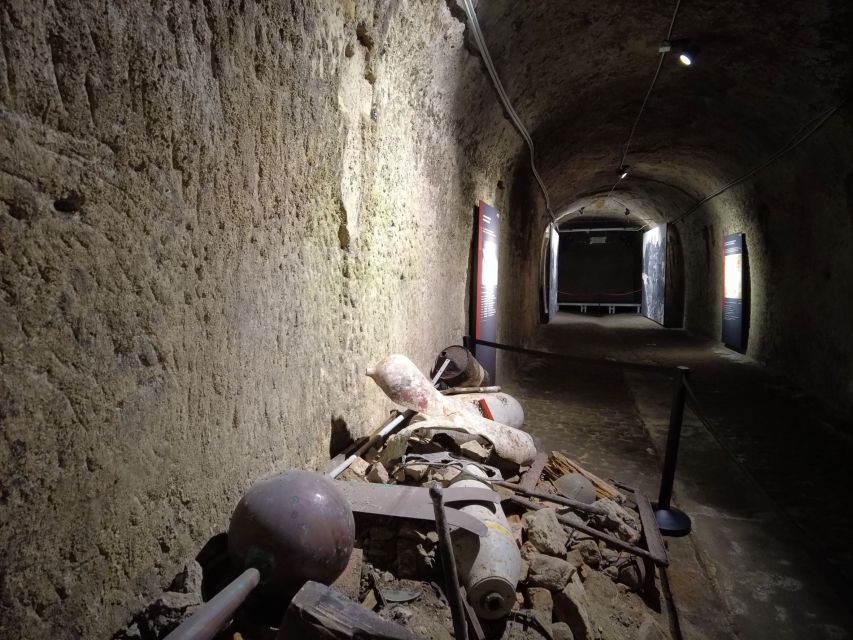
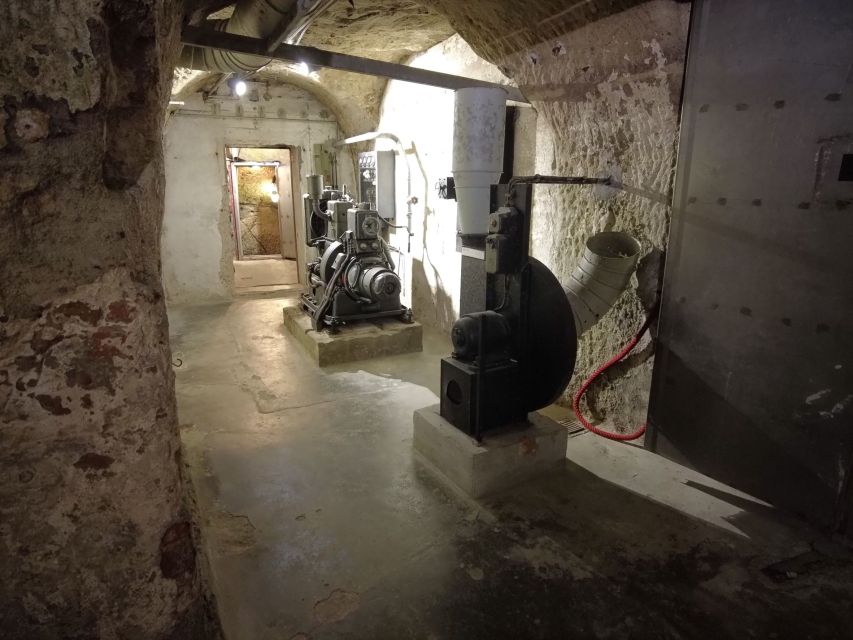
The first useful fact is that this was not a bunker built from scratch for World War II. The underground spaces had an older purpose. Nuremberg’s rock-cut cellars were used to store beer in medieval times, giving the place a long connection with the city’s daily life before the war changed its role.
That layered past gives the tour more substance than a simple military exhibit. You are not just looking at concrete walls. You are standing in a cellar that moved from medieval trade to wartime protection, then into the modern memory of a city nearly destroyed.
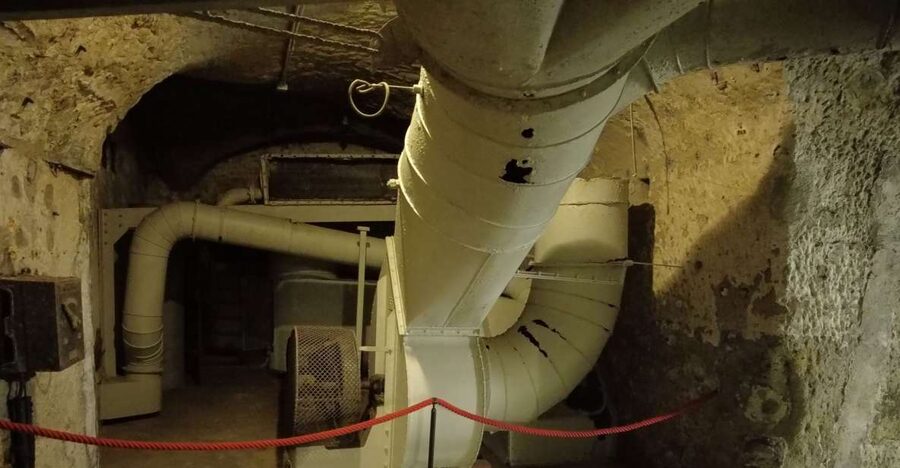
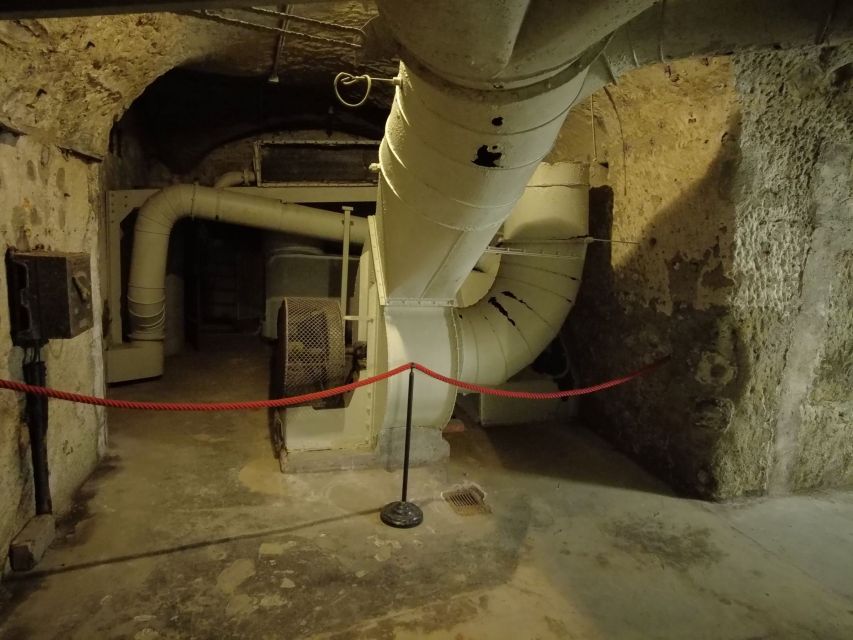
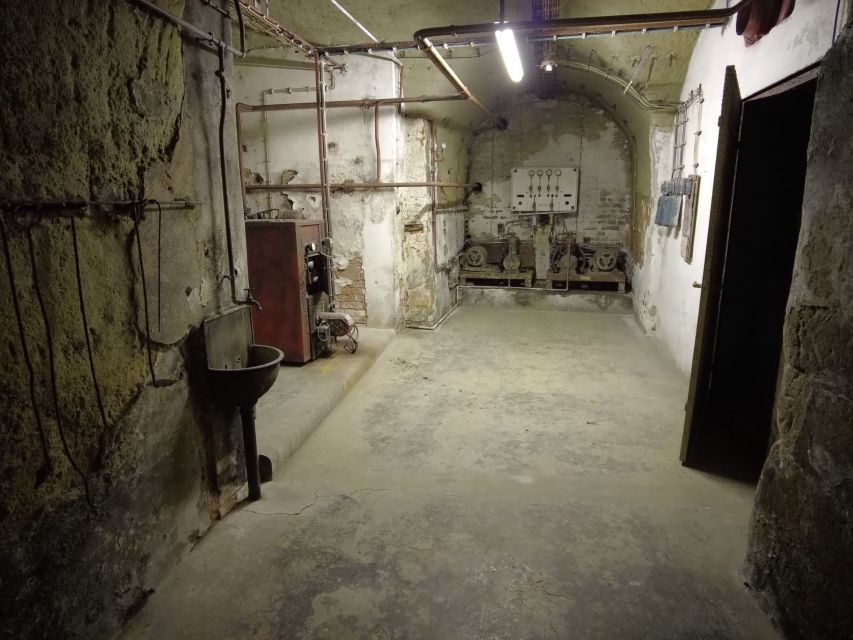
The guide leads the group through the tunnel network and explains how the spaces were adapted to protect art from bombing. The route is not presented as a maze for you to solve, but the passages are underground, enclosed, and sometimes narrow. Following a local guide matters because the value comes from the explanation, not from the bare walls alone.
More Third Reich & WWII Tours in Nuremberg
- Nuremberg: Walking Tour of Former Nazi Party Rally Grounds
★ 4.7 · 1,665 reviews - Nuremberg Old Town and Nazi Party Rally Grounds Walking Tour in English
★ 4.5 · 504 reviews - Nuremberg Old Town and Nazi Rally Grounds Walking Tour
★ 4.7 · 377 reviews
How the bunker protected Nuremberg’s art
The central story is a rescue operation. As air raids threatened Nuremberg, valuable works were moved into secure underground rooms. The Nazi authorities used the bunker to preserve important pieces, including works associated with Albrecht Dürer, the Veit Stoss Altarpiece, the automaton clock from the Frauenkirche, and the Codex Manesse.
You learn why these objects mattered and how the bunker helped keep them safe while the city above burned. The tour does not treat the bunker as a glamorous wartime achievement. Its importance is practical: art survived because people planned for the air raids and used spaces strong enough to withstand them.
The mention of Albrecht Dürer gives the subject a personal connection to Nuremberg. Dürer is one of the city’s most famous sons, so the story of protecting his work helps you see that cultural preservation was not an abstract idea. It involved objects closely tied to Nuremberg’s identity.
The same applies to the Veit Stoss Altarpiece and the Frauenkirche clock. These are not random museum pieces stored in a basement. They are part of the visual and religious character of the city. After the tour, you may look at Nuremberg’s churches and squares with a better sense of what was at risk.
The destruction of 90 percent of the medieval Old Town
The tour places the bunker inside the larger wartime story. Nuremberg was heavily damaged, and about 90 percent of the medieval Old Town was destroyed by bombing. That figure can sound distant when read in a guidebook. Underground, while looking at the spaces built to protect art, the scale becomes easier to grasp.
Your guide also explains what happened after the war. Nuremberg was rebuilt, and the tour gives attention to the choices involved in restoring or reconstructing the city. The result above ground may look old, but much of what you see reflects postwar rebuilding.
This is one of the tour’s most useful features. It connects the underground shelter with the streets you walk through afterward. The churches, squares, historic façades, and city views are not simply untouched survivors. They belong to a city that had to decide how to live with destruction and how to recreate its historic character.
Several guides add personal or local details. Andreas has been praised for explaining the bunker clearly and for sharing a connection with the city. Another guide spoke about growing up in Nuremberg and family experiences, adding a human scale to the story. Those details can make the rebuilding section feel less like a list of dates and more like a story about an actual hometown.
What the one-hour route feels like
The tour lasts about one hour, which is a good length for a specialized stop. You get a focused look at the bunker without giving up half a day of sightseeing. If you are planning a busy Nuremberg itinerary, you can place it between visits to other Old Town sights.
Expect most of the time to be spent listening to explanations in the underground passages. The tour is not a hands-on activity, and the main attraction is the setting combined with the guide’s account of the art rescue and wartime city.
Group size can affect the experience. One group had 21 people and found the space a little crushed. Another person felt the cellar was small for the number of people present. That does not cancel out the value of the tour, but it is worth knowing before you arrive. In a tight cellar, it can be harder to hear, move around, or find a comfortable place to stand.
Most of the comments about the guides are highly positive. Michael is praised for mixing humor with strong subject knowledge. Marianne is described as enthusiastic and clear in English. Adrian is noted for making complex information accessible and answering nearly every question. Jana, Ralf, Stefan, Allen, Owen, and others are also praised for being friendly, engaging, and well prepared.
The best guides do more than recite facts. They explain the architecture, answer questions, and connect the bunker to Nuremberg’s wider story. This matters because an underground room can become repetitive if nobody helps you understand what you are seeing.
Something different for another day:
- Bamberg: Guided Walking Tour
★ 4.6 · 3,202 reviews - Nuremberg: City Tour with the Bimmelbahn Train
★ 4.4 · 2,475 reviews - Nuremberg: Old Town Guided Walking Tour
★ 4.6 · 2,416 reviews - Nuremberg: Tunnels and Secret Passages in the City Wall Tour
★ 4.8 · 2,334 reviews
Cold temperatures and practical comfort
Bring warm clothing. The bunker remains around 10 to 12 degrees Celsius, no matter how warm it is outside. Several people specifically wished they had received a clearer warning, while others were glad they brought a sweater or jacket.
A warm layer is enough for most people, but do not rely on a sunny summer day to make the cellar comfortable. You will be underground for the full hour, and standing in a cool tunnel can feel very different from walking outdoors.
The tour is not suitable for people with mobility impairments, wheelchair users, or people with claustrophobia. The passages and enclosed rooms can be difficult if you are uncomfortable in confined spaces. If standing for a long period is a concern, ask about arrangements before booking. One guide thoughtfully brought a small folding chair for a member of a group who could not stand for the entire tour, but you should not assume this will always be available.
The tour runs rain or shine. That is less of a problem here than at an outdoor attraction, and bad weather may actually make an underground visit appealing. Still, your clothing and footwear should be sensible for a cellar environment.
Is $14 a good price?
At $14 per person, this is a strong-value activity for anyone interested in Nuremberg, World War II, architecture, or art preservation. The fee includes museum entry and the guide, so you are paying for a compact, guided lesson rather than simply entering an empty bunker.
The price also works because the tour fills a useful gap in a city visit. You can spend the morning at other major Nuremberg sights, visit the bunker for an hour, then continue exploring the Old Town. There is no meal or transportation included, but neither is needed for a central walking stop.
I would not choose this tour only because it is inexpensive. The real value depends on your interest in the subject. If you already know a great deal about the air raids, the bunker’s physical setting and local details may still hold your attention, but the lecture could cover familiar ground.
For a family, the short duration helps. One group kept children aged 12 and 13 engaged throughout the tour. The guide’s tone matters here. Humor and stories can make a difficult subject easier to follow without making light of the wartime suffering.
How it fits with other Nuremberg sights
This tour works especially well after seeing the central Old Town. You can walk through the rebuilt streets first, then enter the bunker and hear how much of that setting was lost during the war.
It also pairs naturally with other sites connected to Nuremberg’s 20th-century past. One person found the bunker especially useful after visiting major historical locations elsewhere in the city. Another considered it more relatable than a large documentation center because the bunker gives you a direct sense of place.
I would save time afterward to sit in the nearby square or continue through the picturesque streets. The convenient location makes the tour easy to combine with a coffee, beer, church visit, or general walk through the center. That simple pairing is important: the bunker explains the destruction below your feet, while the rebuilt city shows what came after.
The experience offers an alternative view of the period. It is not mainly about rallies, political spectacle, or military hardware. Instead, it focuses on cultural survival, air-raid preparation, architecture, and the difficult work of saving objects while homes and streets were being destroyed.
Who should book this experience?
I would recommend it first to people who enjoy World War II history, medieval art, Nuremberg’s rebuilding, or unusual historic spaces. You do not need specialist knowledge. The guides explain the subject for a general audience and welcome questions.
It is also a good choice if you want something different from a conventional museum. The bunker itself is the exhibit, and the tunnels give the story a physical setting that display cases cannot provide.
Families can consider it, especially if children are old enough to follow a serious historical discussion. The one-hour format is manageable, and the right guide can keep younger visitors involved.
I would think twice if you dislike enclosed spaces, have difficulty standing or walking through underground passages, or strongly dislike cold rooms. A larger group may also feel crowded. These are not minor details, since the physical setting shapes the entire visit.
Booking and cancellation details
You can book in advance and pay later, which helps if your Nuremberg schedule is still changing. Free cancellation is available up to 24 hours before the tour for a full refund.
The tour is offered in English and German. Starting times vary, so check availability for the date you want. Meet at the museum entrance, and plan to arrive ready for an underground walk rather than expecting transportation or refreshments to be provided.
The provider is Förderverein Nürnberger Felsengänge e.V., an organization connected with Nuremberg’s historic rock passages. That local connection helps explain why the tour includes not only the bunker’s wartime use but also the older cellar system and the city’s postwar story.
Should you book the Historischer Kunstbunker tour?
Yes, if you want a short, focused experience that connects Nuremberg’s art, medieval cellars, wartime destruction, and postwar rebuilding. The $14 price and one-hour length make it easy to fit into almost any Old Town itinerary, while the guides provide the context that gives the tunnels meaning.
Book it with a warm layer and realistic expectations about space. You will not see a large collection displayed like a traditional museum. You will see the kind of underground place where the city’s most important works were kept safe, then hear why that effort mattered. For many visitors, that direct connection between the bunker and the rebuilt streets above is exactly what makes the hour worthwhile.
FAQ
How long is the Historischer Kunstbunker tour?
The tour lasts one hour.
How much does the tour cost?
The listed price is $14 per person.
What does the price include?
The price includes entry to the Historischer Kunstbunker Museum and a live guide.
Is transportation included?
No. Transportation is not included, so you must make your own way to the museum entrance.
Where do I meet the guide?
Meet your guide at the entrance of the Historischer Kunstbunker Museum.
Which languages are available?
The tour is available in English and German.
How cold is the bunker?
The cellar is about 10 to 12 degrees Celsius, regardless of the weather outside. Warm clothing is recommended.
Is the tour suitable for wheelchair users?
No. The tour is not suitable for wheelchair users or people with mobility impairments.
Is the tour suitable for people with claustrophobia?
No. The enclosed underground passages may not be suitable for people with claustrophobia.
Can I cancel for a full refund?
Yes. You can cancel up to 24 hours in advance for a full refund.
Just added around Nuremberg
- Nuremberg: St. Johannis Friedhof &Hesperidengärten IN GERMAN★ 4.4 · 15 reviews
- Bayreuth: Private Guided Walking Tour★ 5.0 · 15 reviews
- Nuremberg: Medieval Time Travel for Kids★ 4.9 · 15 reviews
- PRIVATE Nuremberg WW2 and Old Town Day Tour (Product code: 87669P16)★ 4.5 · 15 reviews
- Bayreuth City Walking Tour★ 4.6 · 16 reviews
- Nuremberg: Medieval Ages Tour in Spanish★ 4.5 · 16 reviews
- PLAYMOBIL®-FunPark Entrance Ticket★ 4.5 · 17 reviews
- Nuremberg: Private guided tour of the Old Town in German★ 4.9 · 17 reviews
Third Reich & WWII Tours, compared.

Berlin’s Best: 2 Hour Walking Tour Third Reich and the Cold War
Read our review →
Third Reich Berlin: Hitler and WWII Walking Tour
Read our review →
Walking Tour of Former Nazi Party Rally Grounds
Read our review →

Berlin Third Reich Sites: Half-Day Walking Tour
Read our review →Browse the lists this tour appears in