
Reviewed · NUREMBERG TOURS
Nuremberg: St. Johannis Friedhof &Hesperidengärten IN GERMAN
Nuremberg’s quietest history lesson begins among graves. This 1.5-hour walk links the famous St. Johannis Cemetery with the nearby Hesperidengärten, showing you how burial customs, family stories, art, and garden culture shaped the city. I especially like the artistic epitaphs and the chance to visit Albrecht Dürer’s grave, along with the clear local stories that bring old Nuremberg families back into view.
I also like the walk’s manageable length, about one kilometer according to one detailed assessment, and the fact that the cemetery feels like a real historic place rather than a polished museum display. The main consideration is simple: the tour is held entirely in German, and the Hesperidengärten can only be visited from May through October. In hot weather, the garden section may feel less appealing than the cemetery itself.
- St. Johannis Cemetery was named Germany’s most beautiful cemetery in 2013.
- Albrecht Dürer’s grave is one of the key stops on the walk.
- Patrician families, craftsmen, artists, and politicians appear through their graves and epitaphs.
- The Hesperidengärten once offered recreation and space for growing Mediterranean fruit.
- The tour lasts 1.5 hours and covers roughly one kilometer.
- German-language guidance, comfortable shoes, and at least two participants are required.
In This Review
- Why St. Johannis Cemetery Tells Nuremberg’s Story So Well
- Meeting at Lindengasse and Johannisstraße
- Reading the Graves of Patricians and Craftsmen
- Albrecht Dürer’s Grave and the Famous Names
- The Hesperidengärten: Fruit, Leisure, and a Change of Mood
- What the German Guide Adds
- Timing, Weather, and Walking Comfort
- Is the $17 Price Fair?
- Who Should Book This Walk?
- Final Verdict: A Quiet, Local View of Nuremberg
- FAQ
- How long does the St. Johannis Cemetery and Hesperidengärten tour last?
- Where does the tour begin?
- Where does the tour finish?
- Is Albrecht Dürer’s grave included?
- Is the tour offered in English?
- Can the Hesperidengärten be visited all year?
- Is the tour suitable for wheelchair users?
Why St. Johannis Cemetery Tells Nuremberg’s Story So Well
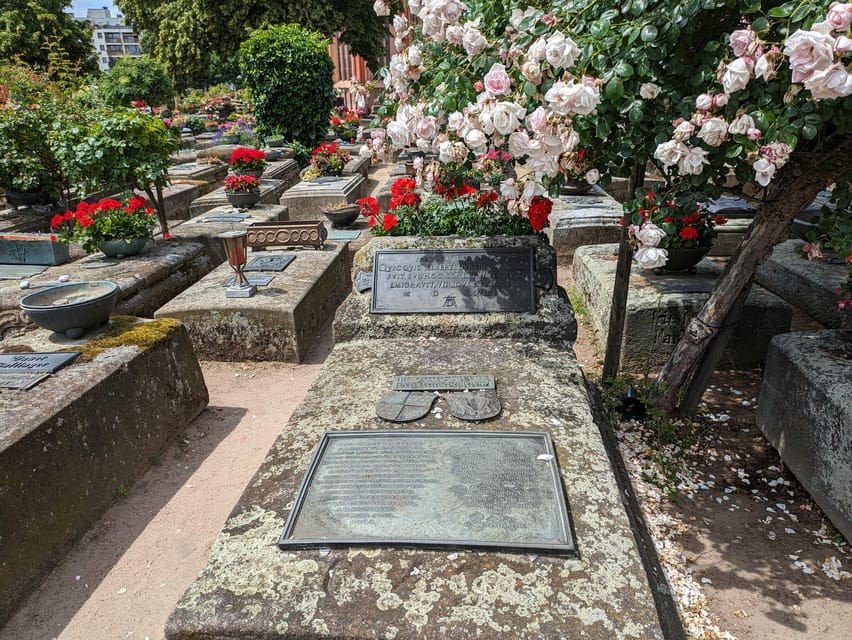
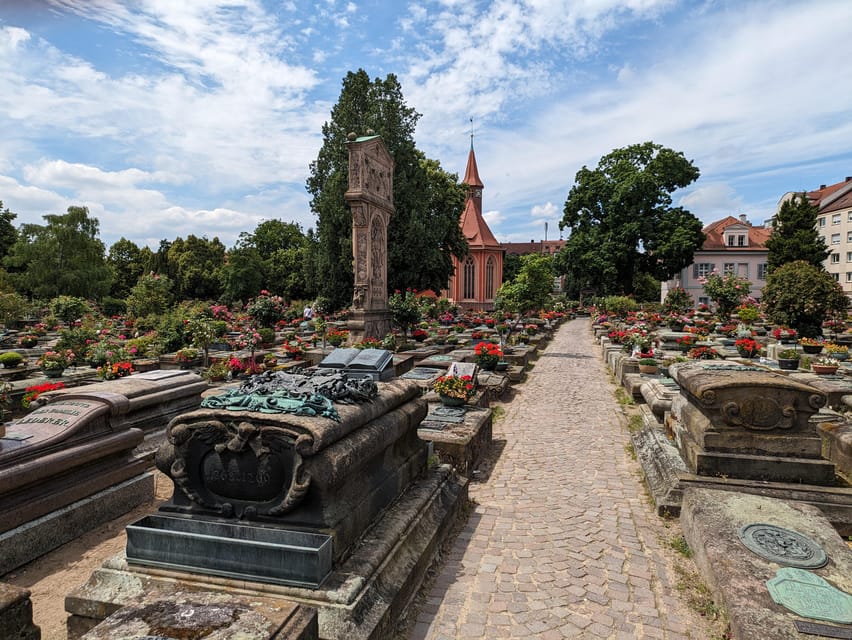
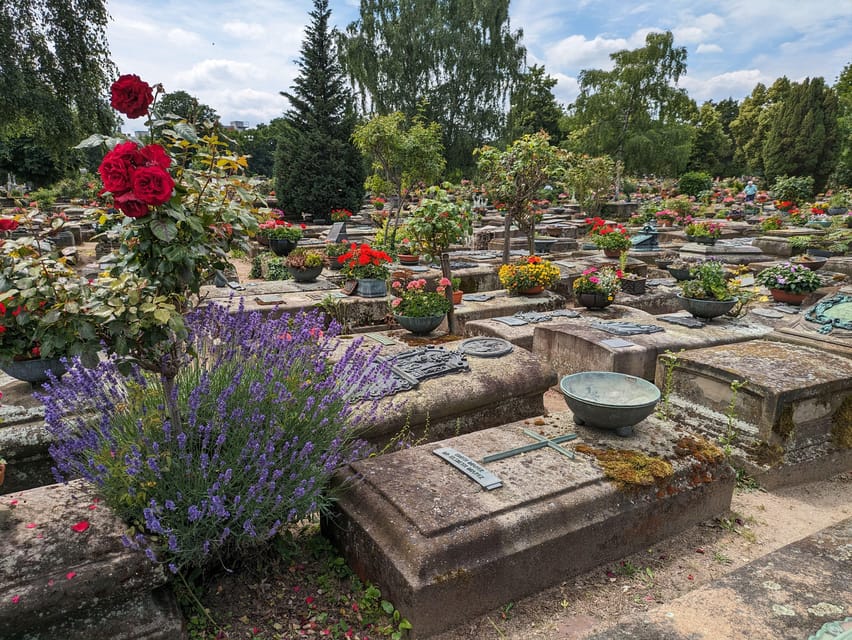
St. Johannis Cemetery is not simply a place to pause for a famous grave. It is a record of Nuremberg society, arranged in stone, metal, dates, names, symbols, and family connections. A guide can help you read that record, pointing out how different groups in the city were represented: wealthy patricians, skilled craftsmen, artists, and politicians.
I like this approach because it moves history away from grand buildings and official dates. You learn about a city through the people who lived there, worked there, shaped it, and were remembered by their families. The graves give the tour a human scale.
The cemetery is considered one of Europe’s most famous burial grounds and received the title of Germany’s most beautiful cemetery in 2013. That claim is a matter of taste, of course, but the setting has a special character. The appeal comes less from one single monument than from the overall collection of graves and the visual language used to honor the dead.
Your guide’s job is important here. Without explanation, many epitaphs may look like old stonework. With context, they can reveal family status, professions, beliefs, and the way Nuremberg remembered its citizens. The tour’s strongest feature is this connection between the physical site and the city’s past.
Meeting at Lindengasse and Johannisstraße
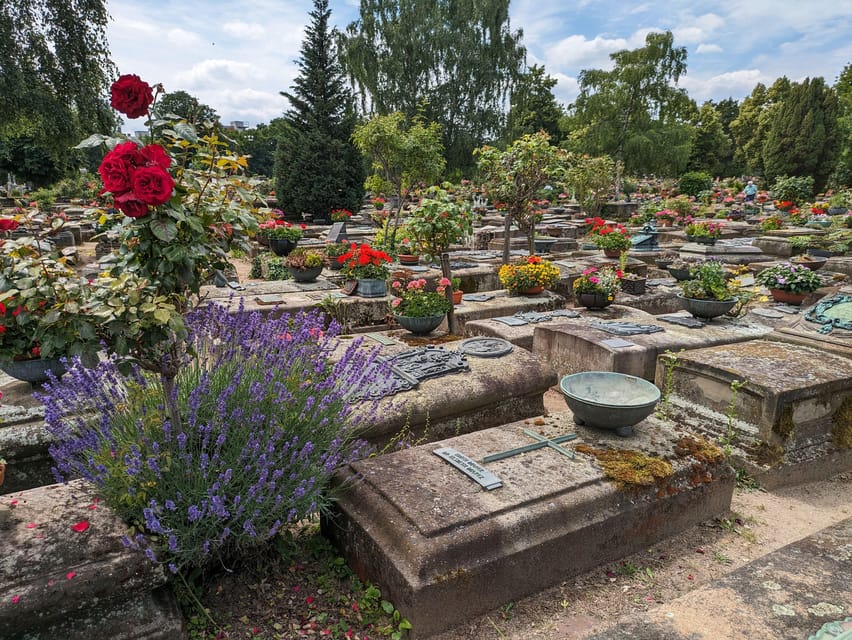
The tour begins at the east entrance of St. Johannis Cemetery, at the corner of Lindengasse and Johannisstraße. This detail matters because the cemetery has a formal entrance location, and arriving at the wrong side could waste time before the walk even begins.
I would plan to arrive a little early and use the map supplied with the booking information to identify the entrance. The meeting point is specific: St. Johannisfriedhof, East Entrance, not simply the general neighborhood of St. Johannis.
The cemetery and gardens are part of Nuremberg’s Johannis district, often associated with green spaces and older local culture. The walk starts with the burial ground, then continues to the Hesperidengärten, finishing there. That order makes sense. You first meet the people and families of the city, then see the gardens that provided leisure and another form of local identity.
Comfortable shoes are a must. The route is not especially long, but you will be walking through a cemetery and garden area rather than sitting in one place. The published information also says the tour is not suitable for wheelchair users, people with visual impairments, or those with a low level of fitness.
Other Nuremberg trips people book alongside this one:
- Bamberg: Guided Walking Tour
★ 4.6 · 3,202 reviews - Nuremberg: City Tour with the Bimmelbahn Train
★ 4.4 · 2,475 reviews - Nuremberg: Old Town Guided Walking Tour
★ 4.6 · 2,416 reviews
Reading the Graves of Patricians and Craftsmen
The cemetery tour focuses on more than famous names. You will see the graves of patricians, craftsmen, artists, and politicians, which gives the walk a broad social range. That mix is one of its best qualities.
Patrician families help explain the power structure of historic Nuremberg. Craftsmen point to the city’s working life and skilled trades. Artists and politicians add another layer, showing how cultural and civic figures were remembered. The cemetery becomes a kind of open-air record of people who had different roles but shared the same city.
The artistic epitaphs are particularly important. These memorials commemorate individuals and families, but they also show how people wanted to be seen after death. Their designs and inscriptions can tell you as much about family pride and social position as the names themselves.
A good guide keeps the walk from becoming a list of dates. The strongest feedback about this experience focuses on the guide’s ability to make history and biographies come alive. Sabine Peters is specifically praised for presenting the material in a well-informed and entertaining way. That combination matters because a cemetery tour can easily become solemn without being memorable.
One German-language assessment also describes the route as suitable for older people who are interested in history, provided they can manage about one kilometer of walking. I would treat that as a useful guide rather than a guarantee. The stated restrictions make clear that this is a walking tour, not a fully accessible sightseeing stop.
Albrecht Dürer’s Grave and the Famous Names
Albrecht Dürer’s grave is a central stop. Dürer is one of Nuremberg’s best-known artists, so his burial place gives the tour an immediate link to the city’s artistic reputation.
The value of this stop is not only the grave itself. It helps connect the cemetery’s many less familiar names to a figure you may already recognize. From there, the guide can place Dürer within the wider story of Nuremberg’s artists, citizens, and public life.
You should not expect a long museum-style presentation devoted only to Dürer. The tour is about the cemetery and the district as a whole. His grave is one part of the route, alongside the many epitaphs and family memorials that make the cemetery worth seeing.
That broader focus is a strength if you want local context. It may be a limitation if you are looking for a detailed art-history tour centered on Dürer. This experience gives you a short stop within a larger historical walk.
The Hesperidengärten: Fruit, Leisure, and a Change of Mood
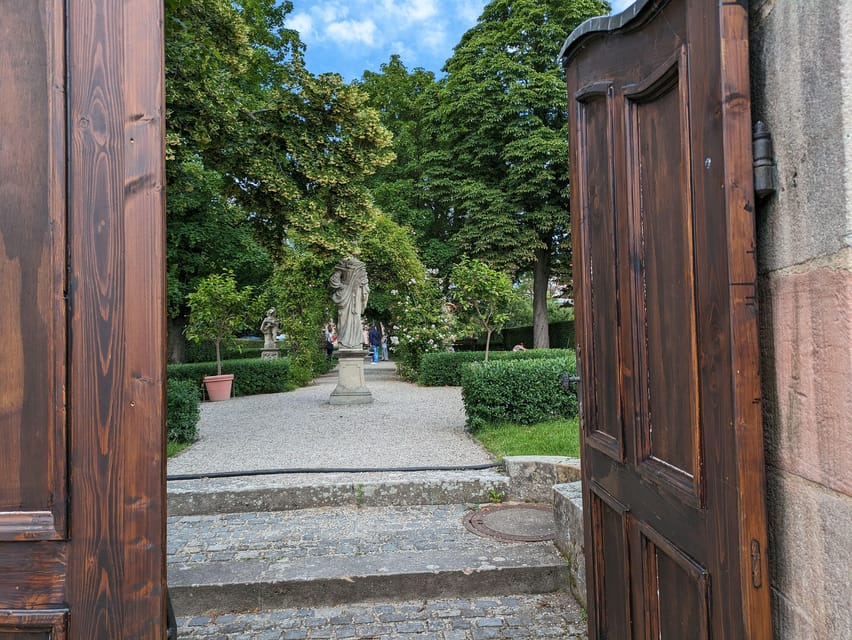
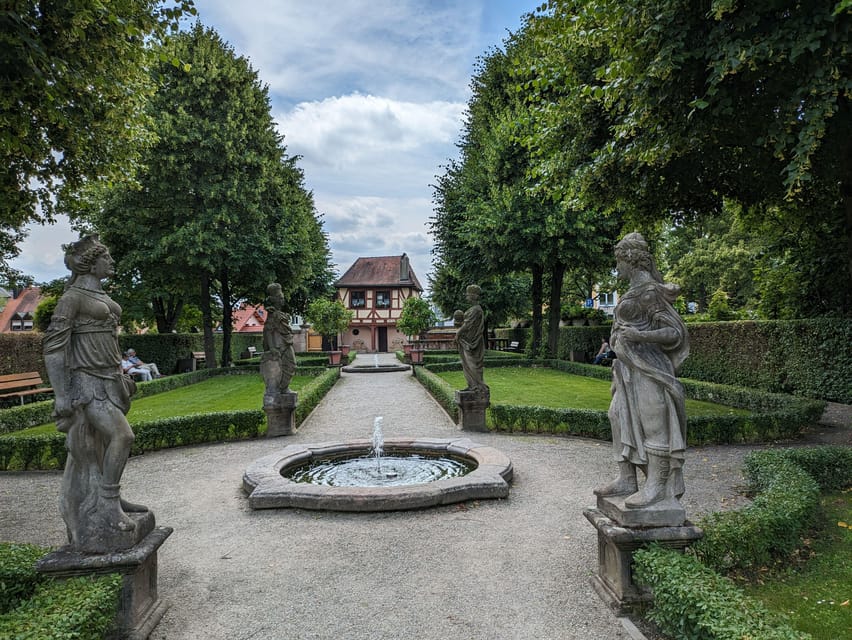
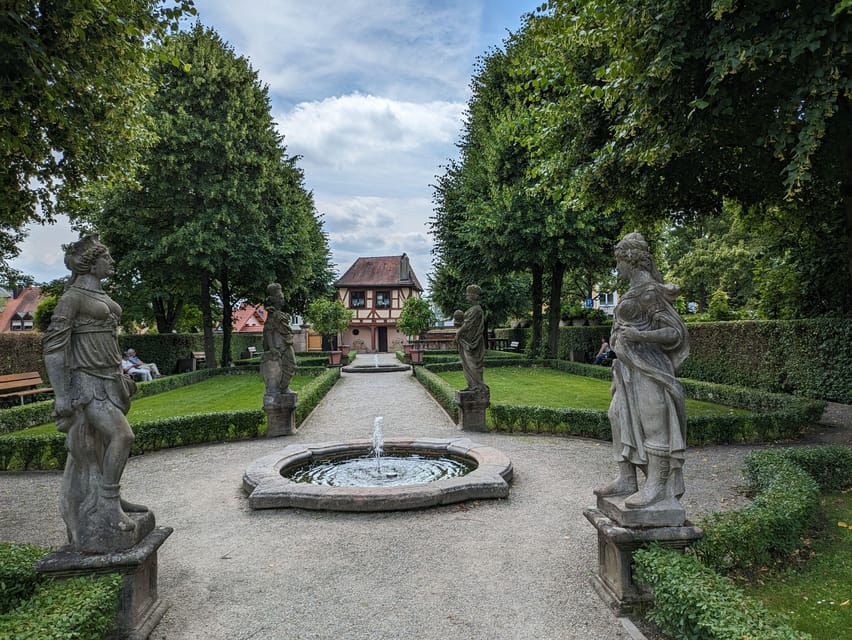
The route then continues to the Hesperidengärten, which were used both for recreation and for growing Mediterranean fruit. This changes the mood of the tour. You move from memorial culture to garden culture, from family remembrance to the ways people used private and public green spaces.
The gardens complete the picture of the green Johannis district. They are not included as a random extra stop. Their purpose helps explain how Nuremberg’s residents enjoyed leisure and experimented with plants associated with warmer climates.
The seasonal limit is important. The Hesperidengärten can only be visited from May through October. If you book between November and April, you should understand that this part of the route is not available. The cemetery remains the main focus, but the full cemetery-and-garden experience belongs to the warmer months.
The garden stop is also the most subjective part of the outing. One assessment found the Hesperidengärten less interesting than the cemetery itself and suggested that extreme heat may have affected the experience. That is fair advice. On a very hot day, an outdoor garden visit may not feel like the refreshing break you hoped for.
I would choose a mild day in the May to October season if possible. The garden section is likely to work best when you can pay attention to its history and planting tradition rather than simply trying to escape the sun. Still, the garden is a useful counterpoint to the cemetery and helps explain the character of the district.
Something different for another day:
- Nuremberg: Tunnels and Secret Passages in the City Wall Tour
★ 4.8 · 2,334 reviews - Nuremberg: Medieval Dungeons Guided Tour
★ 4.8 · 1,726 reviews - Nuremberg: Walking Tour of Former Nazi Party Rally Grounds
★ 4.7 · 1,665 reviews - Medieval Tour in Nuremberg in Spanish
★ 5.0 · 1,374 reviews
What the German Guide Adds
This tour depends heavily on language. The live guide speaks German, and the experience is not presented as a bilingual walk. If you do not understand German comfortably, much of the value will be lost because the main attraction is the spoken explanation of graves, biographies, and city history.
For German speakers, this can be a strong choice. The guide can explain details that are easy to miss when walking alone, especially on epitaphs and family memorials. The reported feedback repeatedly praises the amount of information and the way it is presented.
Sabine Peters receives particular praise for making her material interesting and entertaining. Another assessment simply emphasizes the large amount of knowledge conveyed. I would place this tour in the category of experiences where the guide matters as much as the location.
The overall rating is 4.4 out of 5 from 15 ratings, with several very positive assessments. One person enjoyed the tour despite chilly weather, while another found the atmosphere of the historic site especially appealing. That suggests the cemetery remains worthwhile in less-than-perfect weather, though you should dress sensibly.
Timing, Weather, and Walking Comfort
At 1.5 hours, this is an easy experience to fit into a Nuremberg sightseeing day. It is long enough to offer real context but short enough to leave room for a museum, lunch, or another historic site afterward.
The route is described as about one kilometer, but you should still wear comfortable shoes. A cemetery walk can involve uneven or firm outdoor surfaces, and the tour is not designed for people with low fitness. The practical challenge is modest, but standing and walking for the full period still requires basic mobility.
Weather can shape your impression. Chilly conditions did not prevent one person from enjoying the tour, but summer heat drew criticism during the garden section. I would bring suitable clothing for the season and avoid assuming that a short route is automatically comfortable in extreme weather.
The minimum group size is two participants. That is worth checking when you make plans, particularly if you are traveling alone. The experience is offered with free cancellation up to 24 hours before the start, and you can reserve now and pay later, which gives you some flexibility if your schedule is still changing.
Is the $17 Price Fair?
At $17 per person, this is reasonably priced for a 1.5-hour guided walk, especially if you value local history and spoken interpretation. You are paying for a focused experience rather than a broad city tour, so the value depends on your interests.
I think the price works best for someone who wants to understand Nuremberg beyond its main monuments. The cemetery provides a distinctive setting, and the guide adds meaning to details you might otherwise pass without noticing. The inclusion of the Hesperidengärten also gives the walk a second theme.
The value is weaker if you want a major attraction with dramatic interiors, extensive displays, or a tour in English. It is also less compelling outside the May to October season because the gardens cannot be visited then. In that case, you are mainly paying for the cemetery and its historical explanation.
For German-speaking visitors, the price is easy to justify if the subject appeals to you. The strongest praise concerns the guide’s information, biographies, and presentation, not simply the act of walking through the grounds. That is the right way to judge this tour: as a local history lesson in an unusual setting.
Who Should Book This Walk?
I would recommend it to you if you enjoy cemeteries, historic biographies, memorial art, and quieter corners of a city. It also suits repeat visitors who have already seen Nuremberg’s central sights and want a more local view of the city.
It is a good match for German-speaking adults and older people with enough mobility for about one kilometer of walking. The tour’s manageable length makes it easier to fit into a busy day, while the guide’s historical detail gives it more substance than a simple stroll.
I would be cautious if you need wheelchair access, have a visual impairment, or find outdoor walking difficult. I would also choose another activity if your German is limited or if you are mainly interested in Albrecht Dürer alone. Dürer’s grave is included, but the tour is much wider than one artist.
Final Verdict: A Quiet, Local View of Nuremberg
Book this tour if you want Nuremberg’s story told through its people, memorials, and gardens rather than only through major landmarks. The cemetery is the stronger half of the experience, with its epitaphs, family histories, and Dürer connection. The Hesperidengärten add useful context, especially from May through October, though their appeal can depend on the weather and your taste.
At $17, the walk offers good value for German speakers who appreciate careful local history. Choose comfortable shoes, check the season, and confirm that at least two people are participating. If those details fit your plans, this is a thoughtful way to spend 90 minutes in Nuremberg’s Johannis district.
FAQ
How long does the St. Johannis Cemetery and Hesperidengärten tour last?
The guided walk lasts 1.5 hours.
Where does the tour begin?
It begins at the east entrance of St. Johannis Cemetery, at Lindengasse and Johannisstraße in Nuremberg.
Where does the tour finish?
The tour finishes at the Hesperidengärten.
Is Albrecht Dürer’s grave included?
Yes. Albrecht Dürer’s grave is one of the scheduled sightseeing stops.
Is the tour offered in English?
No. The live tour guide conducts the experience in German.
Can the Hesperidengärten be visited all year?
No. The Hesperidengärten can only be visited from May through October.
Is the tour suitable for wheelchair users?
No. The experience is not suitable for wheelchair users, people with visual impairments, or people with a low level of fitness.
Just added around Nuremberg
- Bayreuth: Private Guided Walking Tour★ 5.0 · 15 reviews
- Nuremberg: Medieval Time Travel for Kids★ 4.9 · 15 reviews
- PRIVATE Nuremberg WW2 and Old Town Day Tour (Product code: 87669P16)★ 4.5 · 15 reviews
- Bayreuth City Walking Tour★ 4.6 · 16 reviews
- Nuremberg: Medieval Ages Tour in Spanish★ 4.5 · 16 reviews
- PLAYMOBIL®-FunPark Entrance Ticket★ 4.5 · 17 reviews
- Nuremberg: Private guided tour of the Old Town in German★ 4.9 · 17 reviews
- Nuremberg: Medieval Darkness Exploration Game★ 4.0 · 18 reviews
Nuremberg Tours, compared.


Tunnels and Secret Passages in the City Wall Tour
Read our review →

Walking Tour of Former Nazi Party Rally Grounds
Read our review →
Browse the lists this tour appears in