
Reviewed · THIRD REICH & WWII TOURS
The History of Berlin: WWII PRIVATE Walking Tour With Locals
Berlin’s past is written into its streets. This private four-hour walk connects Nazi-era sites, Cold War borders, and Berlin’s grandest monuments through stories from a local guide. I like the one-party format, which lets you ask questions freely, change the pace, and focus on the subjects that matter most to you. I also like the way the tour links WWII with the later division of Berlin, rather than treating each period as a separate lesson. The main drawback is that the exact route and guide can vary, so not every advertised landmark is guaranteed.
The price is $143.97 per person, which is a serious sum for a walking tour. Still, it can be fair value for a couple or small group that wants several hours of private attention instead of a large group with a fixed script. Plan on substantial walking, possibly around 15,000 steps, and wear sensible shoes. Guide quality matters here, and the strongest experiences have come from guides such as Seth, Sara, Boyd, Miha, Amelia, Pablo, Betty, and Michele.
In This Review
- Key points to know before booking
- Why a private Berlin history walk can work so well
- Oranienburger Strasse, the New Synagogue, and Berlin’s Jewish past
- The Palace of Tears and the human cost of division
- Brandenburg Gate and the city’s most famous symbol
- The Holocaust Memorial and Hitler’s bunker site
- Bebelplatz and the Nazi story beneath elegant architecture
- Museum Island, the Reichstag, and Berlin’s changing architecture
- Checkpoint Charlie and the practical limits of the route
- What the best guides add to four hours
- Price, walking effort, and what you actually receive
- Who should book this private history experience?
- Should you book it?
- FAQ
- How long is the Berlin WWII private walking tour?
- Where does the tour begin?
- Where does the tour end?
- Is this a private tour?
- Is the tour offered in English?
- Are museum and attraction admission tickets included?
- How much walking is involved?
- Can I cancel for a full refund?
Key points to know before booking
- A private route through WWII and Cold War Berlin: Your group receives the guide’s full attention, with room for questions and changes of plan.
- Major sites are viewed mainly from outside: Museum admissions and other attraction entrances are not included.
- The walk may cover about 15,000 steps: This is a serious half-day outing, not a gentle stroll between two nearby sights.
- The route can include the New Synagogue and Palace of Tears: These add useful context about Jewish Berlin and the divided city.
- The advertised highlights may not all appear: One disappointing experience missed the Berlin Wall, Brandenburg Gate, Checkpoint Charlie, and Holocaust Memorial.
- Free cancellation is available up to 24 hours ahead: Changes or cancellations inside that window are not refunded.
Why a private Berlin history walk can work so well
Berlin can feel like a history book with its pages scattered across a large city. A former border crossing may sit beside modern offices. A quiet square may mark one of the Nazi regime’s most chilling actions. A damaged building may have been rebuilt, preserved, or left as a warning.
That is where a local guide earns the fee. Instead of simply pointing out monuments, a good guide connects them. You can ask why a site matters, what changed after 1945, and how Berliners lived through the Nazi period, Soviet occupation, division, and reunification.
The private setup is especially useful for couples, families with older children, and small groups with different interests. If you want more WWII detail, you can ask for it. If Cold War Berlin matters more, you can steer the conversation toward the Wall, escape attempts, border crossings, and life in a divided city.
The experience is offered in English and lasts about four hours. Your guide meets you at Oranienburger Strasse 36 and brings you back there at the end. The meeting point is near public transportation, which makes it practical to reach from other parts of Berlin.
More Historical Tours in Berlin
- Berlin: Natural History Museum Entrance Ticket
★ 4.6 · 3,382 reviews - Berlin: World Heritage Cruise to Potsdam
★ 4.5 · 1,435 reviews - Berlin Historical Highlights Walking Tour
★ 4.9 · 657 reviews
Oranienburger Strasse, the New Synagogue, and Berlin’s Jewish past
The walk begins on Oranienburger Strasse, an area with an important Jewish history and an immediately striking landmark: the New Synagogue. Its Moorish-style architecture and golden dome make it one of Berlin’s most recognizable religious buildings.
The stop is valuable because it places Jewish Berlin into the city’s wider story. A guide can explain the role of the synagogue before the Nazi period, the destruction and persecution that followed, and the later effort to preserve Jewish memory in the city.
You should expect to admire the building from outside rather than take part in a full museum visit. The tour does not include entrance fees, so ask your guide at the start if you want to know which interiors or exhibitions could be visited later on your own.
This opening section also gives you a chance to settle into the pace. A private guide can learn whether you want a broad introduction or a more serious discussion of Nazi policy, wartime destruction, and postwar reconstruction.
The Palace of Tears and the human cost of division
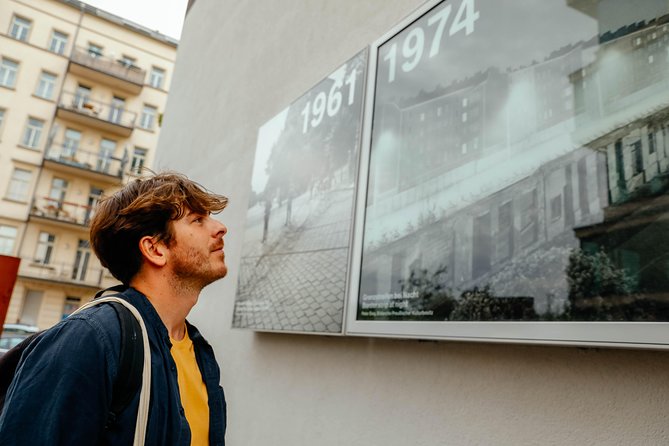
From Oranienburger Strasse, the route can continue to the Palace of Tears, a former border facility connected with travel between East and West Berlin. Its name comes from the emotional farewells that took place there when people from East Berlin had to leave relatives visiting from the West.
This is one of the tour’s most human stops. Grand monuments tell you about governments and ideology. The Palace of Tears shows how those decisions reached into family life, friendships, and ordinary departures.
The exhibition explains the border system and the attempts made by residents to flee from Russian-occupied East Berlin into Allied-occupied West Berlin. Those stories help you understand that the Cold War was not only a contest between superpowers. It shaped where people could work, whom they could visit, and whether they could leave their own city.
Because the itinerary can be adjusted, this is a good place to tell your guide how much Cold War material you want. Some guides give the divided-city story considerable attention. Others may spend more time on architecture and the changing governments of Berlin.
Brandenburg Gate and the city’s most famous symbol
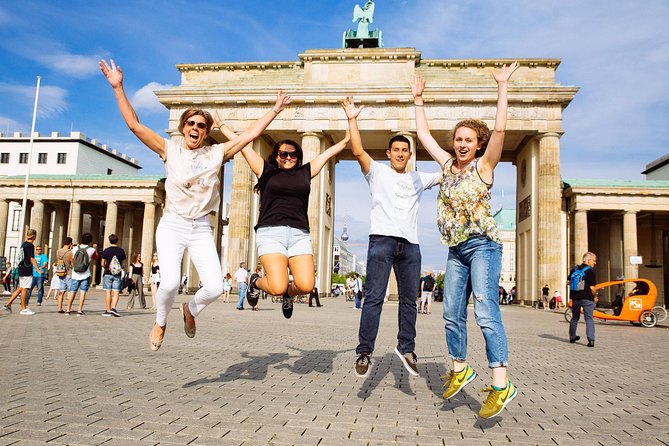
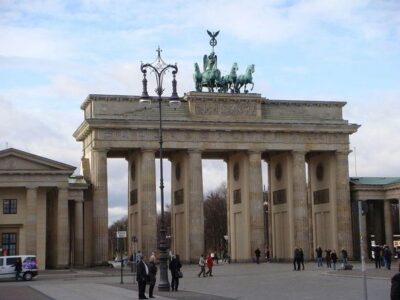
The Brandenburg Gate is one of the essential photo stops. Its columns and classical design once marked a city entrance, but the monument later became linked with division and reunification.
The guide’s added value here is context. You can see the gate as more than a handsome structure in a busy square. Its meaning shifted as Berlin moved through monarchy, dictatorship, war, occupation, division, and reunification.
The tour generally treats major sights as exterior visits. That keeps the walk moving and avoids the cost of several entrance tickets, but it also means you should not expect a full museum-style presentation inside every building.
If the gate is a must-see for you, say so clearly at the beginning. One poor experience on this tour missed several of the best-known sights, including Brandenburg Gate. The private format gives you a better chance of avoiding that problem, but only if you confirm the route before setting off.
More Third Reich & WWII Tours in Berlin
- Berlin: Third Reich and Cold War 2 Hour Walking Tour
★ 4.9 · 6,830 reviews - Berlin’s Best: 2 Hour Walking Tour Third Reich and the Cold War
★ 5.0 · 5,486 reviews - Third Reich Berlin: Hitler and WWII Walking Tour
★ 5.0 · 3,301 reviews - Berlin: Third Reich, Hitler, and WWII Walking Tour
★ 4.9 · 1,133 reviews
The Holocaust Memorial and Hitler’s bunker site
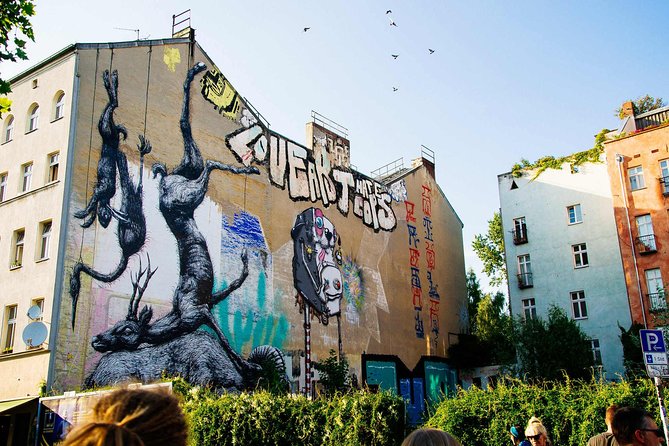
The Memorial to the Murdered Jews of Europe is a quiet, unsettling field of concrete blocks near Brandenburg Gate. Walking through it is a different experience from looking at a traditional statue or plaque. The changing height and narrow passages encourage you to slow down and think about the scale of the crime being remembered.
A guide can help place the memorial in Berlin’s present-day approach to remembrance. You will not find a preserved bunker entrance waiting below the ground. The bunker site associated with Hitler is marked and explained from above ground, with modern buildings now surrounding the area.
This part of the tour is emotionally heavy, and that is appropriate. A good guide should be clear, respectful, and willing to answer difficult questions without turning the subject into spectacle. The strongest accounts of the tour describe guides who made WWII history understandable while keeping the walk engaging.
You may want to request enough time here rather than rushing from one photo stop to the next. The private format makes that possible. If your group includes children, tell the guide in advance so the discussion can be shaped appropriately. The tour requires moderate physical fitness, and the subject matter also calls for a certain level of maturity.
Bebelplatz and the Nazi story beneath elegant architecture
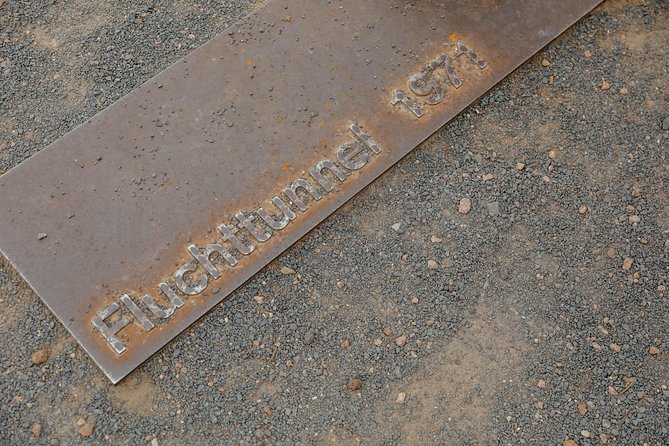
Bebelplatz is surrounded by some of Berlin’s most impressive historic buildings, including the State Opera and other grand structures. Its beauty can make the events associated with the square feel even more disturbing.
This is the site of the Nazi book burning in 1933, when works by Jewish, socialist, and other writers were destroyed in public. A guide can help you see the square as a place where architecture, propaganda, censorship, and political power collided.
I like this kind of stop because it does not rely on a single famous monument. You are asked to notice the setting and then understand what happened there. It is a useful reminder that Nazi rule did not appear only in military buildings or concentration camps. It also used ceremonies, public spaces, education, and culture to control society.
The exact amount of time at Bebelplatz depends on the guide and the route. If you care about the rise of the Nazi Party, censorship, or the early years of the dictatorship, mention that before the tour begins.
Museum Island, the Reichstag, and Berlin’s changing architecture
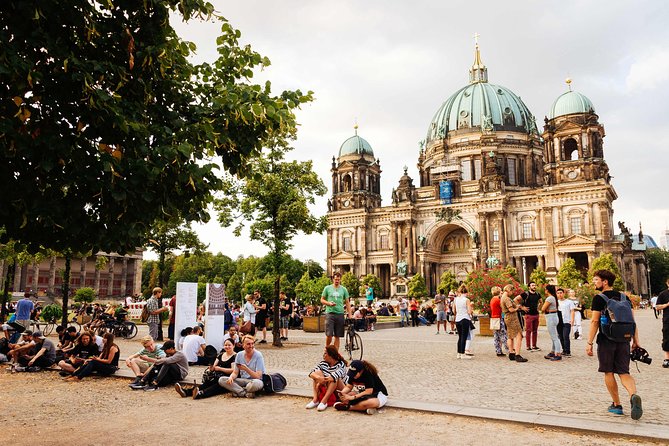
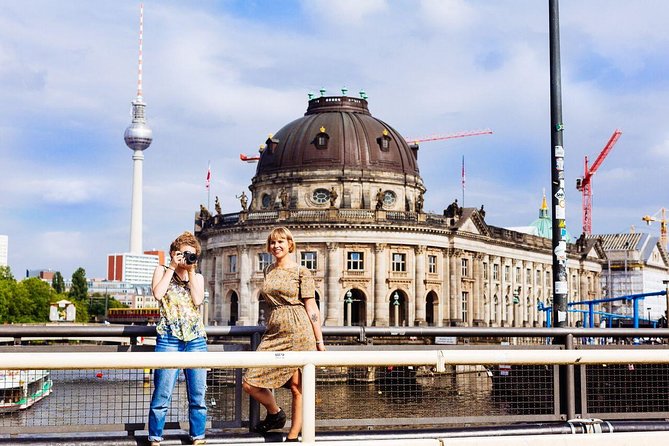
Museum Island forms the historic core of Berlin on an island in the Spree. It is home to major museums and is listed as a UNESCO World Heritage site. The tour allows about an hour in this area, but entrance tickets are not included.
You should think of this as an exterior orientation unless your guide confirms otherwise. The value is in understanding how Berlin’s cultural center fits into the city’s political history and how old buildings sit beside newer work from the postwar and reunified eras.
The Reichstag Building is another important exterior stop, with roughly 30 minutes allocated. Built for the government of the German Empire and opened in 1894, it later suffered severe damage in the 1933 fire. Its later history connects to the fall of the Nazi government, the division of Berlin, and the return of the German parliament to the city.
The route may also include less obvious sites chosen by your host. Several strong tours added places that were not simply the standard postcard stops, including a former Gestapo camp and good photography locations. That flexibility is one of the better reasons to choose a private walk.
Checkpoint Charlie and the practical limits of the route
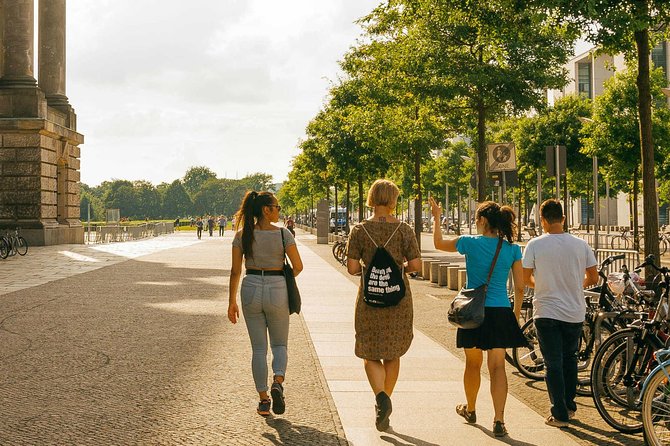
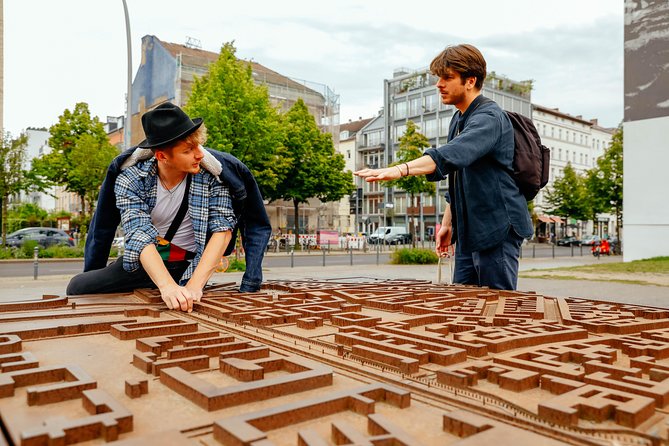
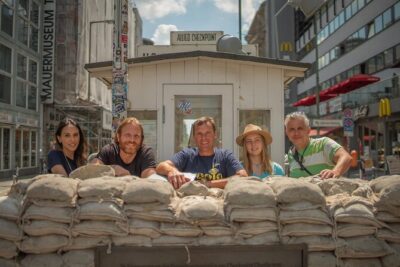
Checkpoint Charlie was the best-known crossing point between East and West Berlin during the Cold War. Today, it is a famous name and a useful place to discuss border controls, Allied military presence, escape attempts, and the political tension of divided Berlin.
The crossing itself is free to view, but the surrounding area has changed greatly. You are looking at a modern city shaped by a vanished border, not a preserved Cold War street scene. Your guide’s explanation is what gives the location meaning.
Here is the main caution: the tour description includes many possible stops, but the route is not fully fixed. One experience focused more on eastern Berlin, architecture, and buildings altered by different governments, while skipping Checkpoint Charlie, the Berlin Wall, Brandenburg Gate, and the Holocaust Memorial.
That does not mean the tour always omits them. It means you should not assume that every named site will be covered in four hours. At the meeting point, list your top three priorities and ask the guide to confirm the plan. A private tour should make that conversation easy.
What the best guides add to four hours
The most praised guides bring energy, clarity, and flexibility. Seth received repeated praise for making WWII and Cold War history easy to follow, while Sara was valued for her enthusiasm, broad knowledge, and ability to tailor the route. Boyd was often singled out for explaining the complex story of Berlin in a lively way.
Miha was praised for answering questions, finding strong photo spots, and adding a Gestapo camp when time allowed. Amelia adapted the route to personal interests and pointed out places that were easy to miss without local help. Pablo showed both main sights and less obvious locations, while Betty appealed to a family group with a fun narrative.
These details matter because the company assigns different local hosts. You are not booking a single individual guide with a guaranteed style. Most of the experiences described were highly positive, but one group stopped after 15 minutes because the assigned guide behaved unprofessionally, used offensive language, focused on personal texting, and failed to introduce herself or explain the plan.
The provider offered to investigate and compensate or arrange a better experience. Still, I would take the lesson seriously: if a particular guide is available and important to you, request that person before booking, then confirm the route and meeting details.
Price, walking effort, and what you actually receive
At $143.97 per person, the tour is expensive compared with a standard group walk. The calculation changes if you are traveling with only one or two other people. Your group receives a private guide for about four hours, and you can shape the discussion instead of waiting for a large crowd.
The price does not include hotel pickup, museum admissions, or entry to attractions. You also need to pay for your own refreshments. A few people wished for a short tea or beer break, although guides did make room for pauses, bathrooms, and occasional refreshments.
The physical effort is real. One account estimated about 15,000 steps, with plenty of walking between sites. You should wear comfortable shoes, carry water, and avoid scheduling a demanding activity immediately afterward.
The tour is carbon neutral because the provider offsets the carbon emissions from its tours. That is a useful extra for visitors who want to reduce the impact of sightseeing, although it does not change the amount of walking or transport involved.
Who should book this private history experience?
I would choose this tour if you want a personal conversation about Berlin rather than a fast list of dates and names. It suits adults, couples, families with older children, and small groups who can handle several hours on foot.
It is particularly useful early in your stay. A guide can help you understand the city’s layout and suggest places to visit later. Several guides also gave restaurant suggestions or advice about what to see next, which can make the rest of your time in Berlin easier to plan.
I would hesitate if you need guaranteed access to a museum or a precise list of every advertised landmark. This is mainly an outdoor walking experience. I would also think twice for very young children unless you tell the guide in advance and agree on a shorter or more manageable route.
Book at least 24 hours ahead if you want the full refund option. The tour is often reserved well in advance, with an average booking lead time of about 40 days. Free cancellation applies up to 24 hours before the start, but later cancellations and changes are not refunded.
Should you book it?
Book this tour if you value private attention, adaptable pacing, and clear links between WWII and Cold War Berlin. The strongest guides turn streets, squares, and ordinary buildings into a connected story, and four hours can pass quickly when the conversation is good.
Before paying, ask which guide will lead your tour and name the sights you consider essential. If you confirm the route, accept the outdoor format, and prepare for a long walk, this can be a thoughtful and efficient introduction to Berlin’s most difficult chapters. If you want guaranteed museum entry or a fixed sightseeing checklist, choose a more structured group tour instead.
FAQ
How long is the Berlin WWII private walking tour?
The tour lasts approximately four hours.
Where does the tour begin?
It begins at Oranienburger Str. 36, 10117 Berlin, Germany.
Where does the tour end?
The tour ends back at the starting meeting point.
Is this a private tour?
Yes. Only your group participates, and the itinerary can be customized to your interests and preferences.
Is the tour offered in English?
Yes. English is the listed tour language.
Are museum and attraction admission tickets included?
No. Admission tickets are not included, and the attractions are generally visited from outside.
How much walking is involved?
You should expect substantial walking and have a moderate level of physical fitness. One account estimated about 15,000 steps.
Can I cancel for a full refund?
Yes, if you cancel at least 24 hours before the experience start time. Cancellations or changes made less than 24 hours ahead are not refunded.
More Walking Tours in Berlin
- Discover Berlin Half-Day Walking Tour
★ 5.0 · 9,624 reviews - Berlin: Discover Berlin Walking Tour
★ 4.9 · 5,998 reviews - Berlin: Hidden Backyards Guided Walking Tour
★ 4.8 · 5,360 reviews - Berlin: Alternative Berlin Walking Tour
★ 4.6 · 1,204 reviews
Just added around Berlin
- Berlin: Private Guided Tour of the Main Sights★ 5.0 · 13 reviews
- Private Highlights of Berlin Bike Tour★ 5.0 · 13 reviews
- Modern Berlin Private Walking Tour: Diverse, Vibrant and Exciting German Capital★ 5.0 · 13 reviews
- Tour in Berlin from Warnemünde and Rostock Cruise Port★ 4.1 · 13 reviews
- Berlin: Stasi Museum Private Guided Tour with Entry Ticket★ 4.8 · 13 reviews
- Private Food Tour Experience with a born and bred Berliner★ 5.0 · 14 reviews
- Berlin: Rheinsberg Palace Entrance Ticket★ 4.8 · 14 reviews
- Berlin in one day – day tour with an expert guide★ 5.0 · 14 reviews
Third Reich & WWII Tours, compared.
Berlin’s Best: 2 Hour Walking Tour Third Reich and the Cold War
Read our review →
Third Reich Berlin: Hitler and WWII Walking Tour
Read our review →
Walking Tour of Former Nazi Party Rally Grounds
Read our review →
Browse the lists this tour appears in