
Reviewed · WALKING TOURS
Berlin: Alternative Berlin Walking Tour
Berlin has more than walls and war stories. This four-hour walk shows the city through its counterculture, street art, immigrant communities, music, and reused spaces. I like the way it connects ordinary-looking streets with the ideas and people that shaped them. I also like the mix of neighborhoods, from Mitte and Prenzlauerberg to Kreuzberg and Friedrichshain.
The strongest guides, including Rhys, Reece, Jake, Antonio, Jonathan, Damien, and Ady, bring humor and personal insight to the route. The main drawback is pace: you cover a lot of ground, sometimes using public transport, and one recent participant found the walk too fast for anyone with mobility concerns. You also need to plan for an AB transit ticket unless you book the option that includes it.
In This Review
- Quick takeaways from the Berlin alternative tour
- Why this Berlin walk feels different
- Meeting at Alexanderplatz and setting off
- Mitte: the polished center with an alternative side
- Kreuzberg: migration, music, and street-level Berlin
- Canals, urban farms, and Berlin’s creative edges
- Friedrichshain: ending among art, nightlife, and change
- The guides make or break the four hours
- Price, pace, and practical value at $29
- Who should book this alternative Berlin walk?
- Should you book the Alternative Berlin Walking Tour?
- FAQ
- Where does the Berlin alternative walking tour begin?
- Where does the tour finish?
- How long does the tour last?
- Which neighborhoods are included?
- Is public transportation used?
- Is the tour offered in English?
- Does the tour operate in bad weather?
Quick takeaways from the Berlin alternative tour
- Four hours across several districts: Start at Alexanderplatz, walk through Mitte and Kreuzberg, and finish in Friedrichshain.
- Berlin beyond the standard history: The focus is on squats, punk, graffiti, music, migration, nightlife, community projects, and social change.
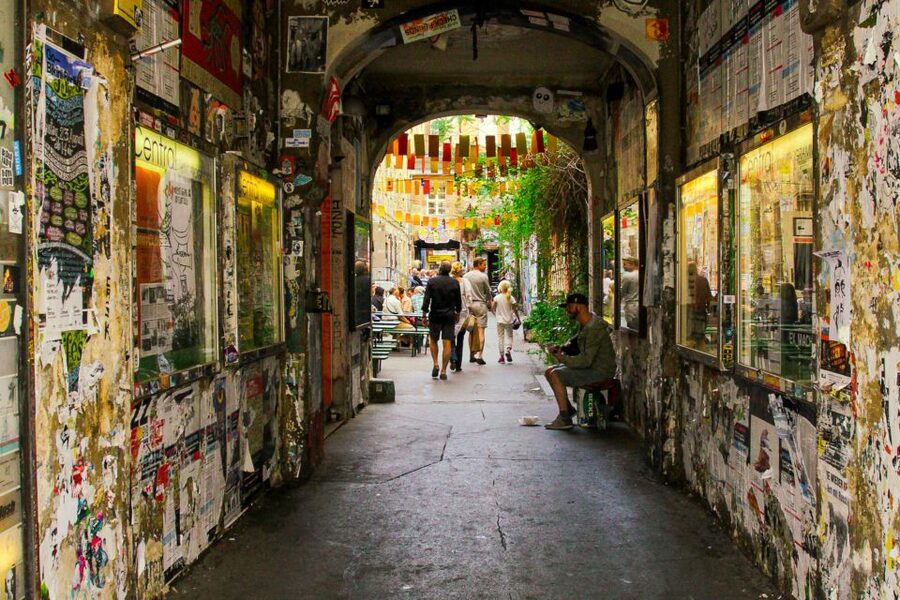
- Street art with context: You do not just stop for photographs. The guide explains the artists, movements, and politics behind the walls.
- Local food stories: Learn how Berliner Currywurst and döner became part of the city’s everyday culture, with a possible currywurst stop.
- Public transport may be part of the route: Bring an AB ticket, or choose the booking option with BVG included.
- Best for curious, active walkers: The tour suits people who want a fast-moving, talk-filled introduction to alternative Berlin.
Why this Berlin walk feels different
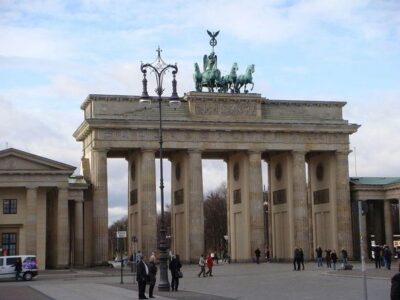
The usual first-time Berlin tour centers on the Brandenburg Gate, the Berlin Wall, Checkpoint Charlie, and the Nazi and Cold War years. Those subjects matter, but this walk asks a different question: how did Berlin become such a tolerant, creative, and unruly city?
You look at the city through its social movements. The guide links the built environment with squats, cafés, graffiti, music scenes, immigrant communities, gay culture, and political change. That approach gives you useful context for sights you might otherwise dismiss as ugly, unfinished, or random.
I especially like the focus on repurposing. Berlin has long made use of abandoned buildings, empty lots, former industrial spaces, and leftover corners. Some became cultural venues. Others became gardens, galleries, bars, studios, or homes. The tour helps you see that this rough-edged quality is not just decoration. It is part of how many Berliners have shaped their city.
The route also compares former East and West Berlin areas. You get a sense of how different political systems left different marks on streets, buildings, housing, and daily life. The result is less a parade of famous monuments and more an explanation of why Berlin feels so open to experiment.
More Walking Tours in Berlin
- Discover Berlin Half-Day Walking Tour
★ 5.0 · 9,624 reviews - Berlin: Third Reich and Cold War 2 Hour Walking Tour
★ 4.9 · 6,830 reviews - Berlin: Discover Berlin Walking Tour
★ 4.9 · 5,998 reviews
Meeting at Alexanderplatz and setting off
The meeting point is in front of Vapiano by the Alexanderplatz TV Tower. Alexanderplatz is easy to reach, but give yourself time to locate the group. The TV Tower is the obvious landmark, while Vapiano provides the more exact meeting reference.
This is a walking tour, but do not assume you will walk every minute. Depending on the route and current art, the guide may use the U-Bahn, S-Bahn, tram, or another form of public transport. The organizer says an AB ticket may be needed, and one participant found the ticket information unclear because the route can involve several rides.
I would make this simple: buy an AB day ticket before the tour if you expect to use public transport more than once, or book the option with BVG included. Confirm the current requirement when you reserve. That small bit of planning keeps the group from waiting while someone sorts out a ticket.
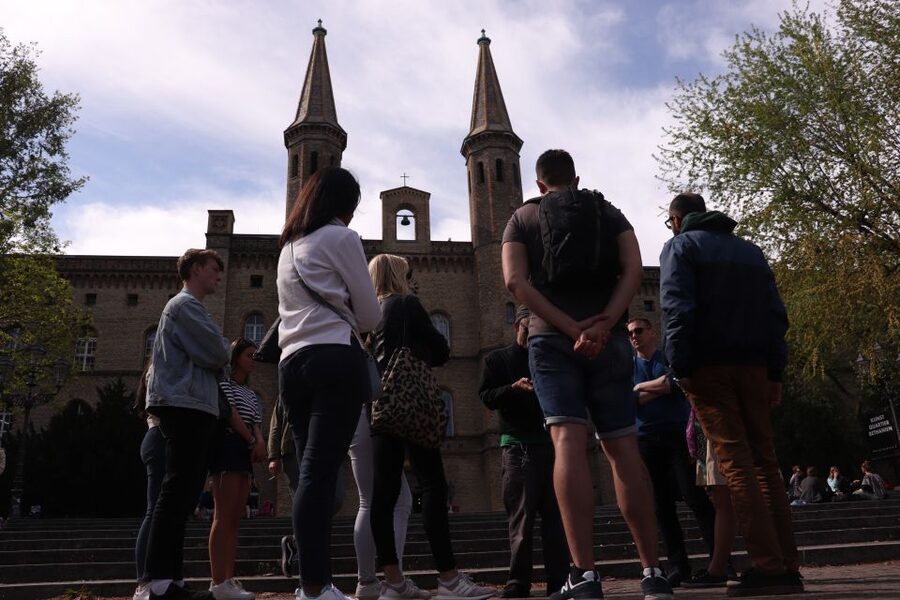
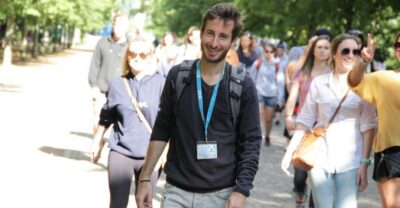
The group can be fairly large. One participant described a group of 15, though the exact size may vary. A strong guide matters here, since four hours of street commentary can become tiring if the guide cannot project or keep the group together. The most praised guides, especially Rhys, Reece, Jake, and Damien, are repeatedly described as funny, energetic, clear, and easy to hear.
Mitte: the polished center with an alternative side
The first guided section lasts about an hour in Mitte. This is central Berlin, so you are not far from major sights, but the emphasis shifts away from grand state buildings and toward the city’s cultural undercurrents.
Mitte gives the guide a useful place to explain how Berlin changed after reunification. Areas that once felt divided or overlooked could become cafés, shops, studios, galleries, and meeting places. The tour brings those changes back to street level, using small details and personal stories rather than a long list of dates.
You may pass café districts and local shopping areas, with the exact route changing according to current art and tour conditions. Prenzlauerberg is also part of the broader route description, though the listed itinerary places the main guided time in Mitte and Kreuzberg. Ask your guide what is included that day if a particular district matters to you.
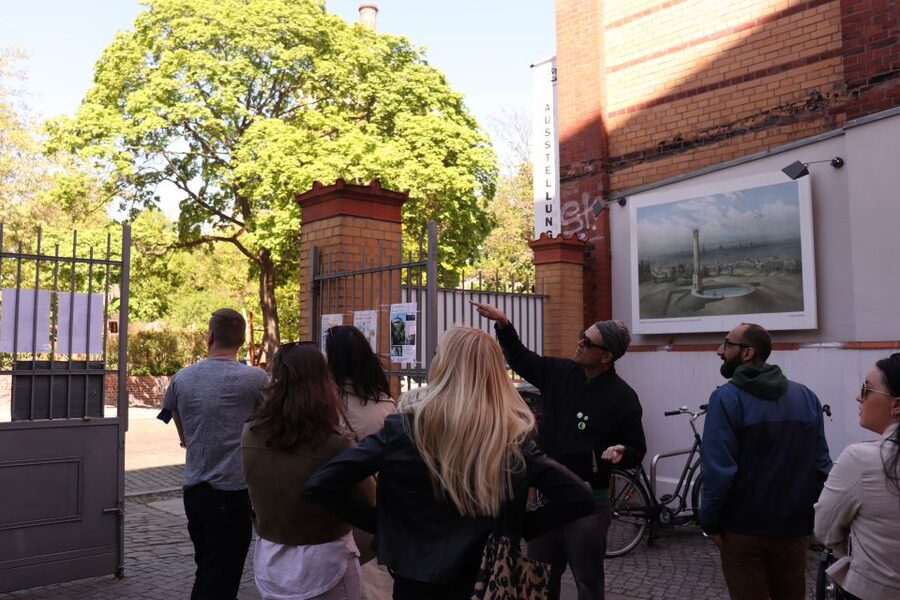
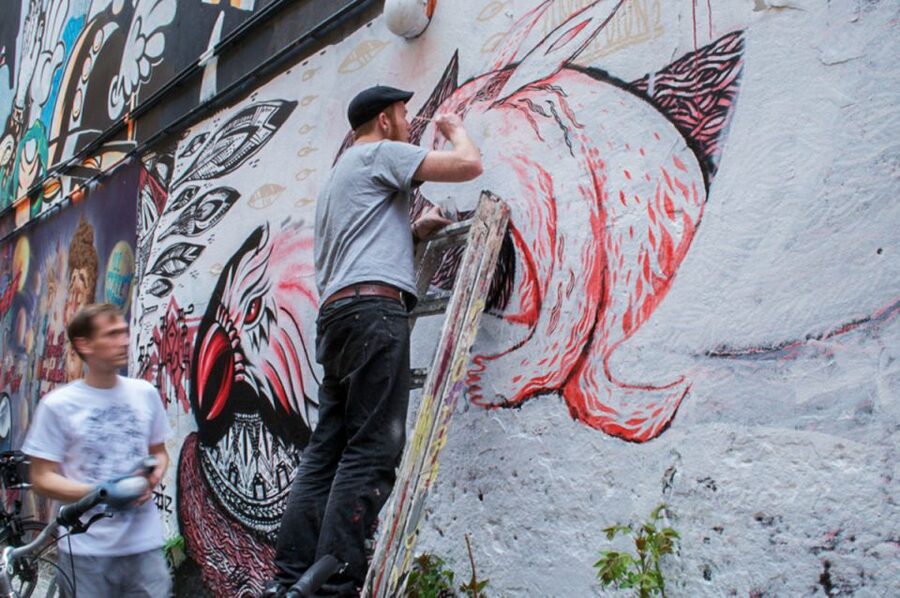
The gallery and street art stops are a major reason to book this walk. You might see underground exhibition spaces or murals that you would never find by following a standard sightseeing route. The key benefit is explanation. Berlin graffiti can look like a wall of color and lettering, but the guide connects it with artists, neighborhood politics, music, protest, and changing ideas about public space.
This section can also help you read Berlin more clearly for the rest of your visit. After an hour with the guide, a painted wall, occupied building, or improvised cultural space may seem less like background and more like evidence of the city’s recent social life.
Kreuzberg: migration, music, and street-level Berlin
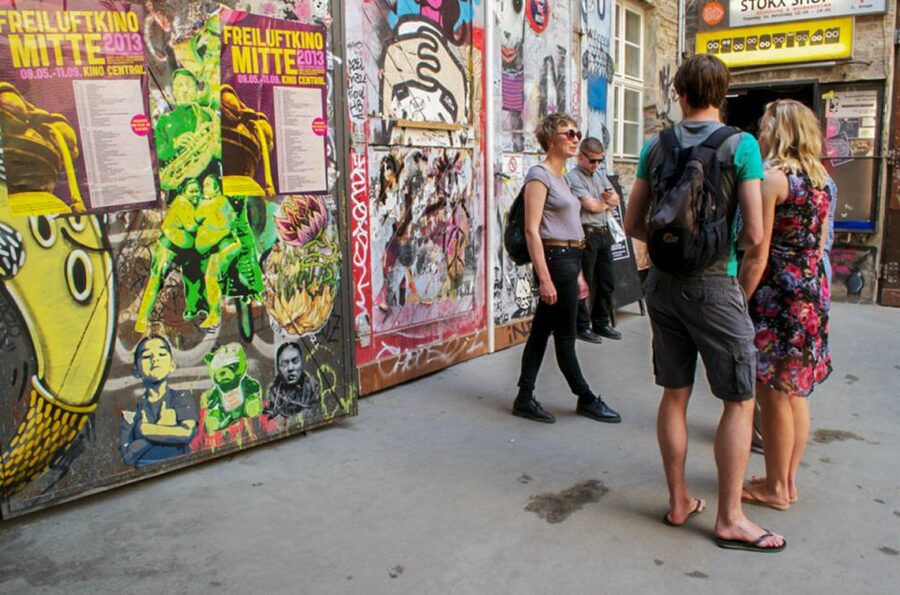
Kreuzberg receives about two hours, making it the heart of the tour. It is also where the route’s themes come together most clearly.
The tour visits Turkish areas and discusses Berlin’s African and former Jewish communities. This is important because Kreuzberg is often reduced to nightlife, murals, and trendy food. The walk gives you a broader picture of migration and cultural exchange, showing how different communities helped shape shops, food, music, language, and neighborhood identity.
The food stories are practical and memorable. You learn about the origins of Berliner Currywurst and döner, two foods that are now associated with quick, everyday Berlin eating. One stop may include a local fast-food place for currywurst, but food is not presented as a full meal or formal tasting. Bring money if you want to buy something, and do not count on a lunch break.
The Prater Beer Garden also enters the story. Its place in Berlin’s social life gives the guide another way to explain how beer gardens, cafés, and public gathering spots helped shape neighborhood culture. These are the kinds of details that make a city easier to understand after the tour. You leave with places to try later, not just photographs.
Kreuzberg also brings the political side of Berlin into view. The guide discusses alternative housing, long-running squats, punk, activism, graffiti, and the city’s habit of turning vacant or neglected spaces into something useful. The tone is generally lively and humorous, but the better guides also keep the story balanced. Berlin’s counterculture is not treated as a cartoon of wild parties and rebellious buildings. It is linked to housing, governance, social rights, and who gets to shape a neighborhood.
Something different for another day:
- Berlin: Reichstag, Dome and Government District Guided Tour
★ 4.7 · 18,288 reviews - Berlin: 1-Hour City Tour by Boat with Guaranteed Seating
★ 4.3 · 16,993 reviews - Berlin: Boat Tour Along the River Spree
★ 4.4 · 11,252 reviews - Berlin: Hop-on Hop-off Bus Tour with Live Commentary
★ 4.3 · 8,579 reviews
Canals, urban farms, and Berlin’s creative edges
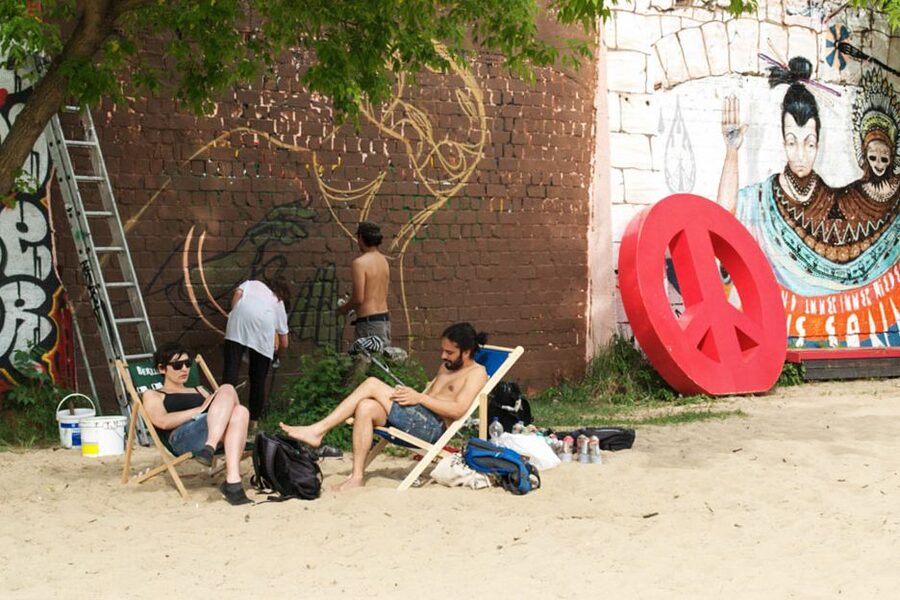
The route may include relaxing canals, community-funded urban farms, underground galleries, and an African beach bar and market connected with Berlin’s music scene. These stops show a side of the city that is easy to miss from a sightseeing bus or a museum schedule.
The canal areas offer a slower contrast to the busy central streets. They help explain Berlin’s unusual balance of dense neighborhoods and open spaces. You are still inside a major European capital, but a short walk can bring you to water, gardens, murals, or informal gathering places.
The urban farms are especially useful for understanding community action. They show how residents can reclaim empty or underused land for food, social projects, and neighborhood life. You should not expect a large agricultural attraction. The value is in seeing how a modest local project fits into the city’s broader habit of reuse.
The African beach bar and market adds a music and migration angle. It is not simply a colorful photo stop. The guide uses it to discuss cultural exchange and the music movements that have passed through Berlin. Exact stops can change, so think of these places as examples of the route’s character rather than guaranteed timed attractions.
Friedrichshain: ending among art, nightlife, and change
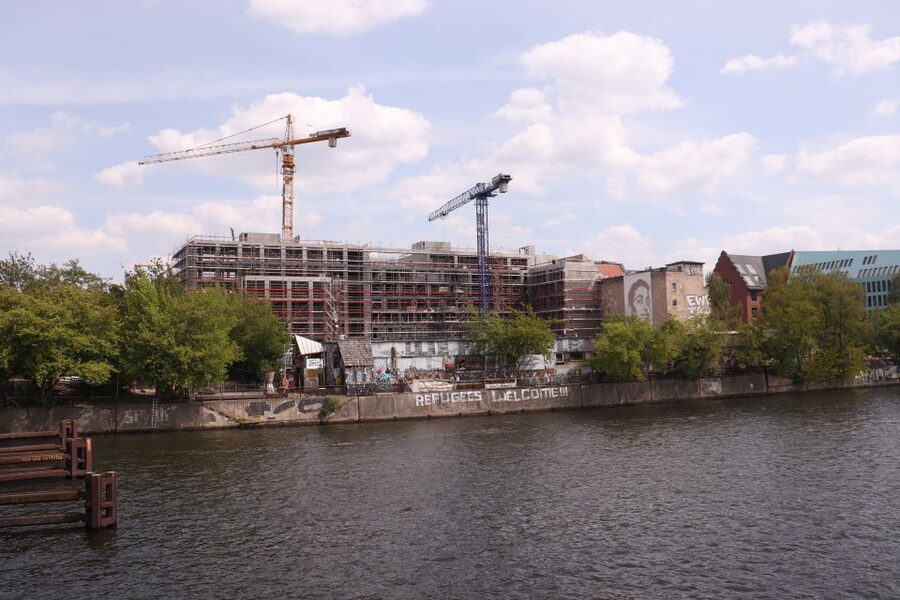
The tour finishes in Friedrichshain. That ending makes sense because the district continues many of the themes introduced earlier: alternative culture, music, street art, reused buildings, and the uneasy relationship between old communities and new development.
The finish is not at a major monument, so you should plan what comes next. That is actually useful. The guide can offer local tips for food, drinks, music, or further exploring, and several guides have been praised for giving good suggestions after the walk.
This is also a good area from which to continue your own Berlin afternoon or evening. You may want to return to a shop, café, mural, or cultural venue mentioned during the tour. The walk is at its best when it gives you a map of ideas and places, not just a completed checklist.
The guides make or break the four hours

The clearest pattern across the experience is the quality of the guiding. Names that come up repeatedly include Rhys, Reece, Jake, Jonathan, Damien, Antonio, and Ady. Different guides have different styles, but the praised qualities are consistent: strong storytelling, humor, energy, personal connection to Berlin, and the ability to answer questions.
Rhys is often singled out for combining history with jokes and a relaxed delivery. Reece is praised for explaining artists, musicians, neighborhoods, and political change in a way that keeps the walk moving. Jake is described as particularly good at adapting to bad weather while keeping the group engaged. Damien receives similar credit for clear explanations and warmth on rainy days.
That matters because the tour involves a lot of spoken information. You are not simply walking from one landmark to another. The guide has to explain complicated subjects without turning the afternoon into a lecture. The strongest performances make four hours pass quickly, even when the weather is cold or wet.
The guide assignments can change, so you cannot book on the promise of one particular person unless the booking page confirms it. Still, the range of praised guides suggests that the experience depends on a solid guiding team rather than one individual alone.
Price, pace, and practical value at $29
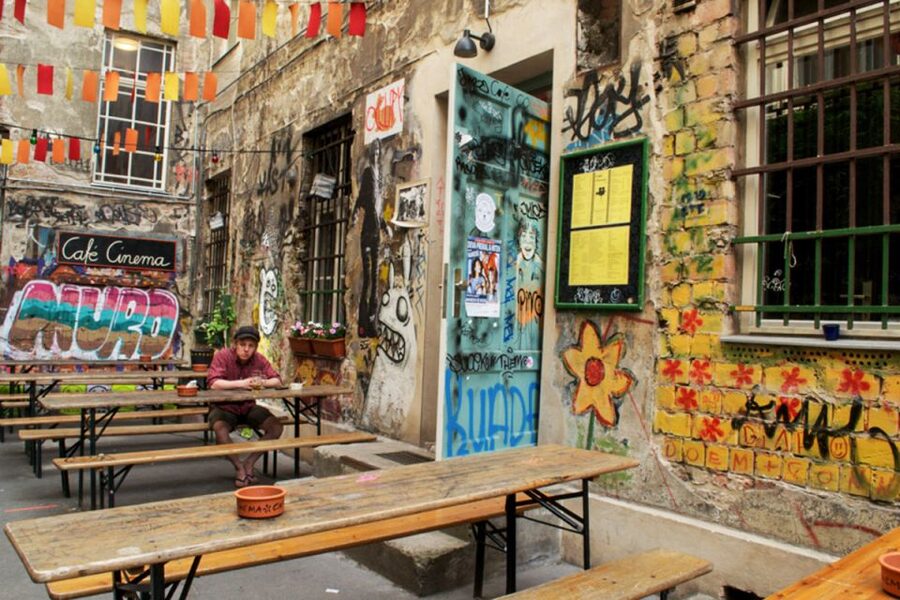
At $29 per person, this is good value if you want interpretation rather than simple orientation. Four hours gives the guide time to connect several districts, social groups, and historical periods. A short free walk may show you graffiti, cafés, or a squat from the outside. This tour explains why those places matter.
The price does not include a full meal. You may have refreshment breaks and a food stop, but plan to pay for anything you eat or drink. Public transport may also cost extra unless you select the BVG-included option. Add those expenses when comparing the total price.
The pace is the main tradeoff. You cover Mitte, Kreuzberg, and Friedrichshain, with possible transport between sections. One direct account describes the walk as fast and unsuitable for people with mobility issues. If you need frequent rests, have difficulty standing for long periods, or prefer a slow photographic walk, this may not be the right choice.
The tour runs all year and in all weather. Wear shoes made for several hours on city streets, and dress for the forecast. Snow and rain have not stopped guides from running engaging tours, but good clothing will make a major difference to your enjoyment.
Free cancellation up to 24 hours before the start and reserve-now, pay-later booking make the $29 commitment easier to manage. Still, check the available start time and transport option before booking.
Who should book this alternative Berlin walk?
I would choose this tour early in a Berlin visit if you want to understand the city before exploring it alone. It gives you practical ideas for later, along with a way to interpret places that do not appear in standard guidebooks.
It suits:
- First-time visitors who want more than the usual Nazi and Cold War story
- Repeat visitors who have already seen the main monuments
- Solo visitors who like meeting a mixed international group
- People interested in street art, music, migration, squats, cafés, food, and social change
- Curious walkers who enjoy a fast, talk-heavy afternoon
It is less suitable if you want a quiet walk, a formal museum-style presentation, or a carefully timed food tour. It may also frustrate you if you need a long scheduled break for food, rest, or bathroom stops. One participant had to improvise a bathroom break during the third hour, so plan ahead.
Should you book the Alternative Berlin Walking Tour?
Book it if you want the Berlin that explains itself through murals, immigrant neighborhoods, cafés, music, gardens, beer halls, and repurposed spaces. At $29, the four-hour format gives you a lot of city and a useful set of local ideas.
I would book the BVG-included option if you do not want to think about transit tickets. I would also choose a day with enough energy for a brisk route, and bring weatherproof clothing. If you want Berlin reduced to famous sights, skip this one. If you want to understand why the city feels so open, strange, creative, and socially mixed, this is a strong choice.
FAQ
Where does the Berlin alternative walking tour begin?
It begins at the Alexanderplatz TV Tower, in front of Vapiano.
Where does the tour finish?
The tour finishes in Friedrichshain, Berlin.
How long does the tour last?
The tour lasts four hours.
Which neighborhoods are included?
The listed route includes Mitte, Kreuzberg, and Friedrichshain. The broader route may also include areas such as Prenzlauerberg, depending on the current art and tour route.
Is public transportation used?
Public transportation may be needed depending on the route. An AB metro ticket is required unless you book the option that includes BVG transportation.
Is the tour offered in English?
Yes. The tour has a live English-speaking guide.
Does the tour operate in bad weather?
Yes. Tours run all year and in all weather, so dress appropriately for the conditions.
Just added around Berlin
- Berlin: Private Guided Tour of the Main Sights★ 5.0 · 13 reviews
- Private Highlights of Berlin Bike Tour★ 5.0 · 13 reviews
- Modern Berlin Private Walking Tour: Diverse, Vibrant and Exciting German Capital★ 5.0 · 13 reviews
- Tour in Berlin from Warnemünde and Rostock Cruise Port★ 4.1 · 13 reviews
- Berlin: Stasi Museum Private Guided Tour with Entry Ticket★ 4.8 · 13 reviews
- Private Food Tour Experience with a born and bred Berliner★ 5.0 · 14 reviews
- Berlin: Rheinsberg Palace Entrance Ticket★ 4.8 · 14 reviews
- Berlin in one day – day tour with an expert guide★ 5.0 · 14 reviews
Walking Tours, compared.
Berlin’s Best: 2 Hour Walking Tour Third Reich and the Cold War
Read our review →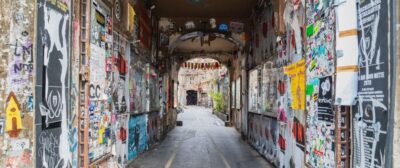
Third Reich Berlin: Hitler and WWII Walking Tour
Read our review →Browse the lists this tour appears in