
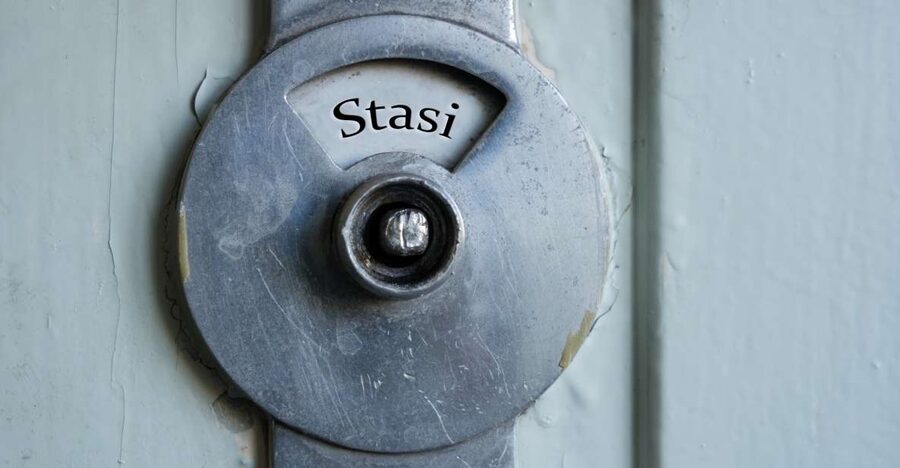
Reviewed · MUSEUMS
Berlin: Stasi Museum Private Guided Tour with Entry Ticket
The secret police left a paper trail. Berlin’s private Stasi Museum tour makes that trail easier to follow, taking you from Alexanderplatz to the former East German security headquarters with a dedicated guide. I like the original offices and spy equipment, and I like having the history explained in your chosen language rather than piecing it together alone. The main catch is price: at $257 per person, this is a premium museum visit, especially when the museum can also be visited independently.
The three-hour plan is well shaped. You begin at Alexanderplatz, take public transport to the museum, and then spend focused time inside the former Ministry of State Security building. I also value the private format, since a guide can adjust the discussion to your interests. One practical concern is timing: the reserved entry slot means you need to arrive promptly at the DM drugstore meeting point.
In This Review
- Key points to know before booking
- Why Alexanderplatz matters before the museum
- The trip to Normannenstraße
- Entering the former Stasi headquarters
- Spy technology that feels unsettlingly practical
- Erich Mielke’s office and the red briefcase
- How the tour explains daily life in the GDR
- Private format, language, and accessibility
- Is $257 per person fair value?
- Timing, entry rules, and what to check
- Who should book this Stasi Museum tour?
- Should you book it?
- FAQ
- How long does the Stasi Museum private tour last?
- Where does the tour meet?
- Does the tour include transport tickets?
- Is museum entry included?
- Is this the same place as the former Stasi prison?
- What languages are available?
- Is the tour wheelchair accessible?
- Can I cancel the booking?
Key points to know before booking
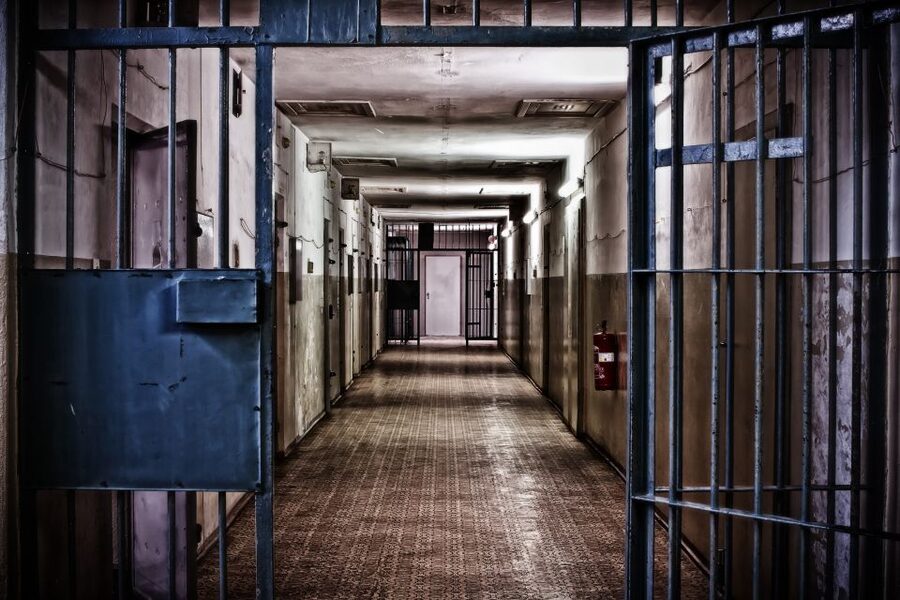
- Begin at Alexanderplatz: Your guide sets the Cold War scene at the square where the largest demonstration in GDR history took place in 1989.
- Enter the real Stasi headquarters: The museum occupies the former Ministry of State Security building, not a later reconstruction.
- See practical spy tools: Bugs, hidden cameras, and other surveillance equipment show how the system worked in daily life.
- Visit Erich Mielke’s office: The former minister’s room includes his famous red briefcase, used for sensitive information.
- Use public transport with tickets included: The museum sits outside central Berlin, and the return fare is covered.
- Expect strong guide-led interpretation: Praise centers on friendly, well-prepared guides, with Silvia noted for personal stories and additional material.
Why Alexanderplatz matters before the museum

Alexanderplatz is more than a convenient meeting point. In the GDR, it was a major public square in East Berlin, and in 1989 it became the setting for the largest demonstration in the country’s history. Starting here gives the tour a useful human and political frame before you see the machinery of state control.
Meet your guide in front of the DM drugstore at Alexanderplatz, 1, 10178 Berlin. This is a clear central location, but Alexanderplatz can feel spread out, so give yourself enough time to find the correct storefront. The reserved museum admission makes punctuality important.
This opening stop is brief, but it helps you connect the Stasi story to the wider collapse of the GDR. The museum explains surveillance and administration. Alexanderplatz reminds you that public pressure and mass demonstrations also helped bring the system down.
From here, you take public transport to the museum. The journey is part of the practical design of the tour, since the Forschungs- und Gedenkstätte Normannenstraße is outside central Berlin. Both transport tickets are included, so you do not need to work out the fare or route on your own.
More Museums in Berlin
- Berlin: Jewish Museum Berlin Entrance Ticket
★ 4.5 · 8,393 reviews - Berlin: DDR Museum Tickets
★ 4.3 · 3,443 reviews - Berlin: Natural History Museum Entrance Ticket
★ 4.6 · 3,382 reviews
The trip to Normannenstraße
The public transport ride is not sightseeing in the usual sense. Its value is convenience and context. You leave the central tourist area and head toward the former administrative zone where the Stasi operated.
I like this arrangement because the tour does not pretend the museum is beside the Brandenburg Gate. You see how Berlin’s Cold War story spreads beyond the postcard center. You also avoid the small but annoying task of buying a separate ticket for the outward and return journeys.
The drawback is that three hours includes the transfer. Your actual museum time will be less than the full booking length, although the guide remains with you for the planned visit. If you want a long, unhurried look at every display, you may prefer to visit alone and set your own pace.
The route is also a reason to book the private option if you are not comfortable navigating Berlin public transport. Your guide handles the transition from meeting point to museum, while explaining the political setting along the way.
Entering the former Stasi headquarters

The museum is housed in the original building of the former Ministry of State Security. That fact gives the visit its force. You are not simply looking at objects in a neutral gallery. You are walking through offices used by the institution that monitored, pressured, and controlled people across East Germany.
The Stasi, formally the Ministry for State Security, relied on a large network of informants and an extensive system of files. The tour focuses on how citizens were watched, how informants were recruited, and how the secret police turned private life into a source of information.
A guide matters here because the subject can otherwise become a pile of grim facts. Your guide can explain the political structure of the GDR, the role of communist propaganda, and the way fear worked in ordinary life. The best comments are likely to be the ones that connect a device or office to a real method of control.
The tour is designed for history enthusiasts, but you do not need specialist knowledge. If you know little about the GDR, the guide supplies the missing context. If you already understand the Berlin Wall and the Cold War, a private format gives you room to ask sharper questions about surveillance, dissent, and daily routines.
Spy technology that feels unsettlingly practical
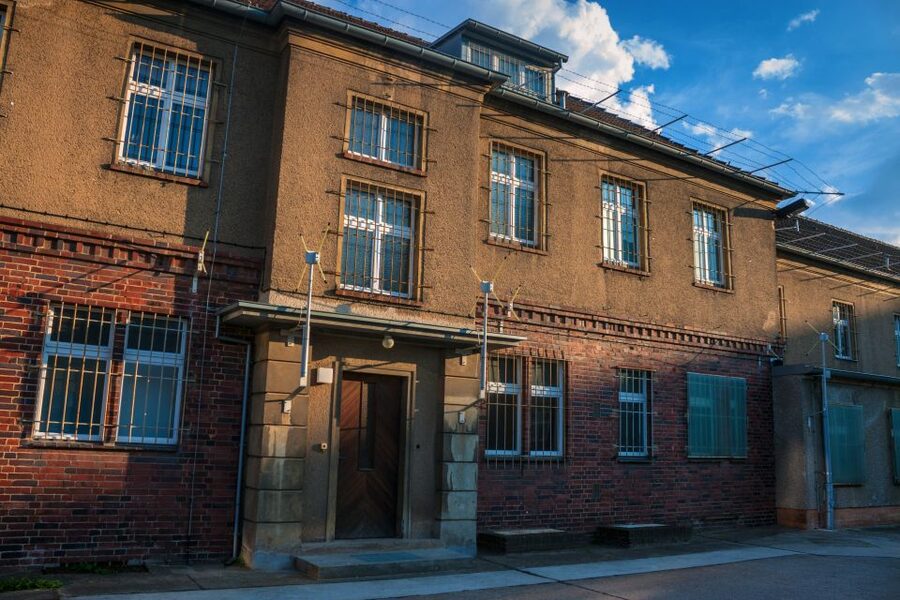
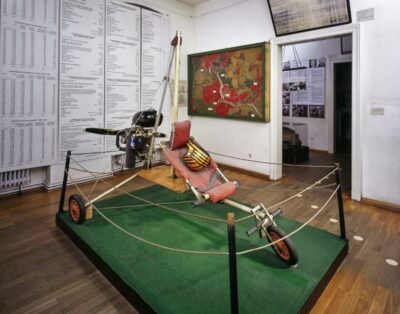
The museum’s original spying technology is one of the clearest reasons to come. You see bugs, hidden cameras, and other tools used to gather information. These displays make state surveillance concrete. A description of secret monitoring can feel distant. A concealed camera or listening device makes the method easier to understand.
The equipment is not presented as clever gadgetry for its own sake. Its importance lies in what it reveals about the relationship between government and citizen. The Stasi wanted information about people’s contacts, opinions, behavior, and private conversations. The technology helped turn suspicion into a working system.
I would pay close attention to the guide’s explanation of how informants were recruited. That part of the story helps you see that control did not depend only on dramatic arrests or visible police action. It also depended on ordinary people being drawn into the reporting network.
This is where the private tour can offer real value. You can stop and ask how a device was used, who might have been targeted, or how propaganda supported the surveillance system. In a large group, those questions may be harder to fit into the schedule.
Something different for another day:
- Berlin: Reichstag, Dome and Government District Guided Tour
★ 4.7 · 18,288 reviews - Berlin: 1-Hour City Tour by Boat with Guaranteed Seating
★ 4.3 · 16,993 reviews - Berlin: Boat Tour Along the River Spree
★ 4.4 · 11,252 reviews - Discover Berlin Half-Day Walking Tour
★ 5.0 · 9,624 reviews
Erich Mielke’s office and the red briefcase
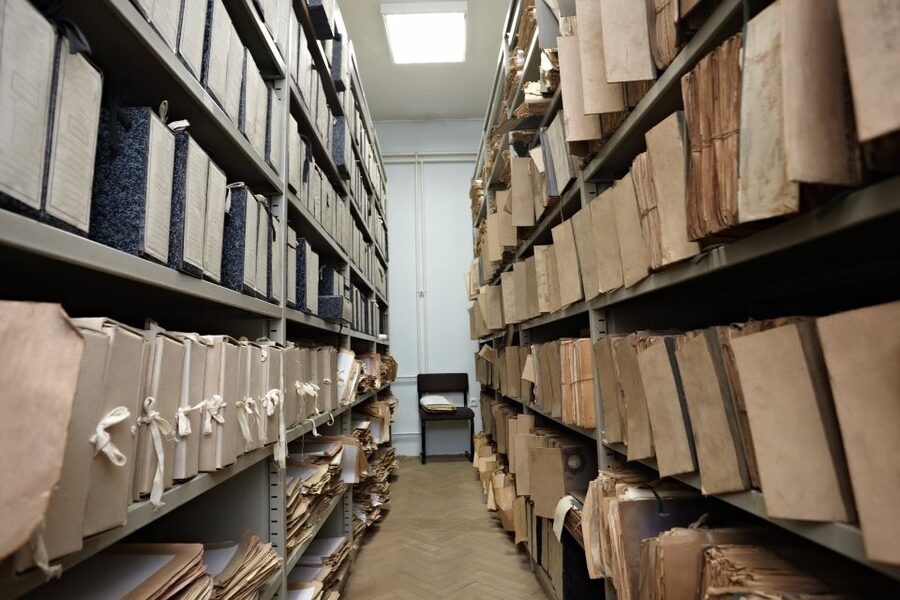
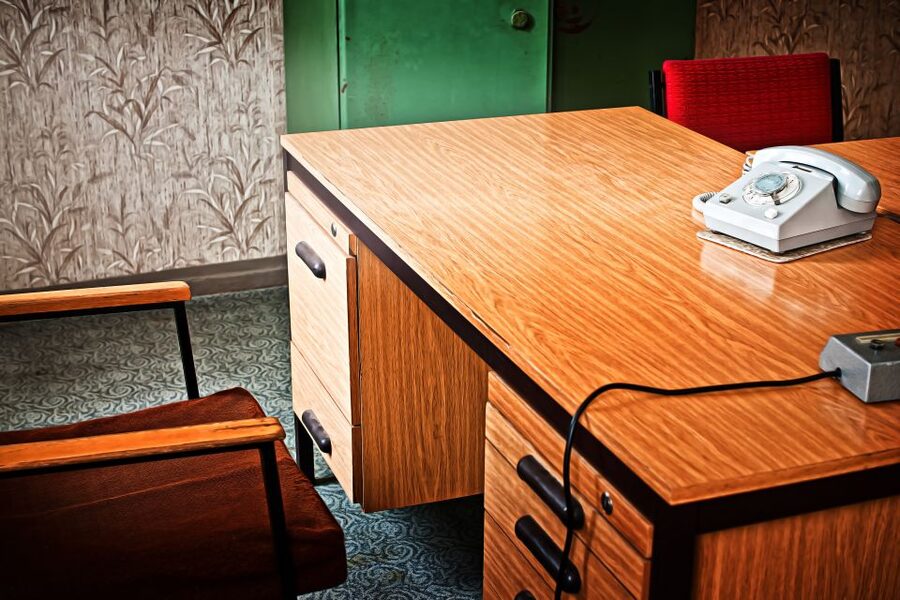
The visit to the ministerial offices brings the institution’s power into a more personal setting. You see the office of Erich Mielke, the longtime minister responsible for the Stasi. His famous red briefcase is displayed there, associated with the most sensitive information he handled.
The briefcase is a small object, but it gives the tour a useful focal point. Instead of thinking only about a faceless bureaucracy, you see the chain of command leading back to a senior official’s office. It also shows how much of the system depended on records, reports, and controlled information.
Do not expect the office to function like an action film set. Its impact comes from its ordinariness. Desks, rooms, and administrative spaces can look plain, yet they were tied to a system that shaped careers, relationships, travel, and personal freedom.
The ministerial offices also help balance the technology displays. You move from hidden cameras and bugs to the people and paperwork that made surveillance useful. The tour’s best sequence is likely this movement from tools, to offices, to the wider social system.
How the tour explains daily life in the GDR
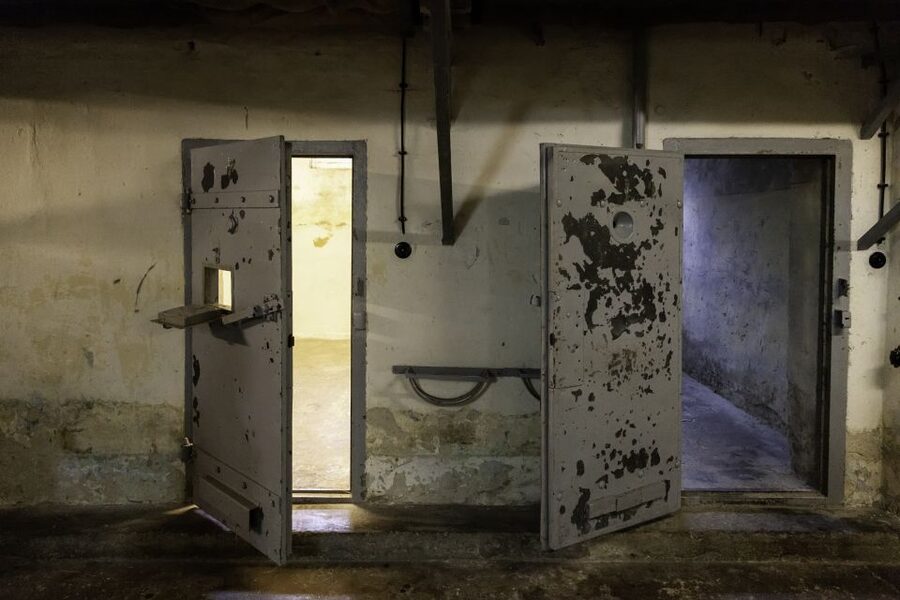
The central question is simple: what was it like to live behind the Berlin Wall? The answer is not limited to shortages or official slogans. The tour looks at politics, propaganda, surveillance, and the pressure placed on citizens who did not fit the approved line.
I like that the experience links public policy to private behavior. A dictatorship affects more than elections or newspapers. It can shape who you trust, what you say, where you work, and how openly you express an opinion.
The guide’s job is especially important here. One guide, Silvia, received strong praise for adding personal stories and supplementary material. Another language booking included a guide who also spoke Danish, even though the reservation had been made in English. Those details suggest that the experience can become more personal when the guide brings lived understanding and extra context to the standard displays.
That does not mean every guide will offer the same stories. The tour is available in English or German, and the guide is assigned according to the language selected when you book. If language nuance matters to you, choose carefully and check the confirmation details.
Private format, language, and accessibility
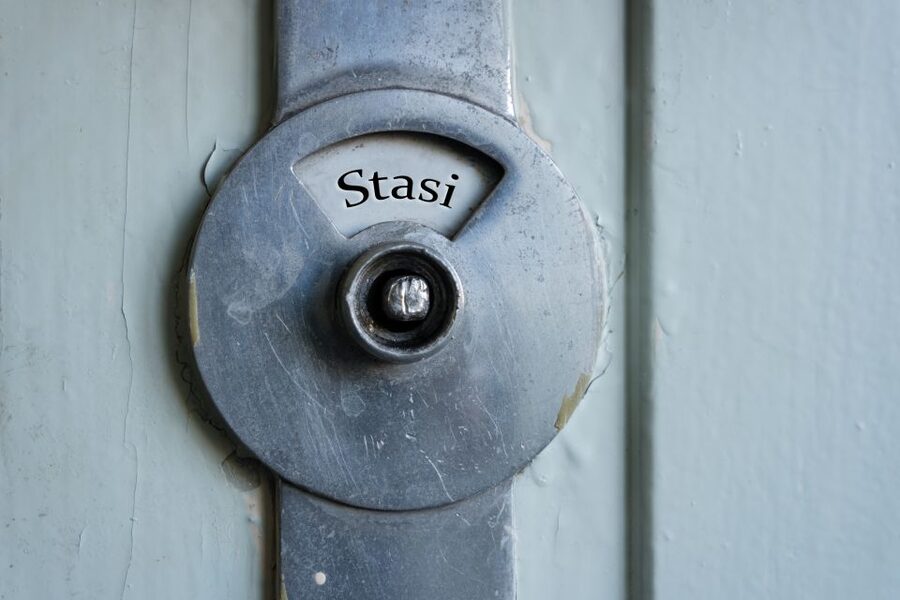
A private group changes the mood of the visit. You are not joining a large public group with a fixed set of questions. Your guide can spend more time on the subjects that matter to you, such as Cold War politics, propaganda, informant networks, or the fall of the Berlin Wall.
This setup suits families with older children, couples with a strong interest in twentieth-century history, and small groups who prefer discussion over a recorded audio guide. It is also useful if your group has mixed levels of background knowledge. A guide can explain the basics without making a history enthusiast feel stuck at an introductory level.
The experience is wheelchair accessible, which is an important practical advantage. The available tour languages are English and German. Additional language support should not be assumed, even though one booking received a Danish-speaking guide.
The strongest praise focuses on guides who are friendly, punctual, and able to explain the subject clearly. That matters in a museum dealing with surveillance and dictatorship, where a flat recitation of dates would miss the human cost.
Is $257 per person fair value?
At $257 per person, this is expensive for a three-hour museum experience. The museum admission itself is only one part of what you are paying for. The price also covers a private guide, reserved entry, and two-way public transport tickets.
The value depends on how much you want interpretation. If you are happy reading displays at your own speed, an independent museum visit will cost less and may give you more time. If you want a specialist to connect the offices, technology, propaganda, and daily life, the private format can justify the premium.
The price deserves extra scrutiny because one booking recorded a total cost of $435. Prices can vary by date, group arrangement, or booking conditions, so check the final amount before paying. At the stated $257 per person, I would consider it reasonable mainly for a small private group that values personal commentary. For one person or a couple on a tight budget, it is harder to defend.
The high rating of 4.8 from 13 ratings points to a generally strong experience, but the sample is small. One direct assessment praised the guide while calling the overall cost far too high. I think that is the fair warning to carry into your decision: the guide service receives the strongest approval, while the price is the main point of debate.
Timing, entry rules, and what to check
The tour lasts three hours, and start times depend on availability. Your museum entrance is booked for a specific time slot, so arriving late can cause trouble. Check your email the day before for the latest meeting instructions and timing details.
The tour includes skip-the-line admission, but that does not mean you can arrive whenever you wish. It means the guide has arranged entry for your scheduled slot. Be at Alexanderplatz early enough to find the DM drugstore and meet the guide without rushing.
Also check that you are booking the correct site. This tour visits the Stasi Museum at Normannenstraße, located in the former headquarters. It does not visit the Berlin-Hohenschönhausen Memorial, the former Stasi prison. The two places cover related subjects but offer different settings and emphasis.
The cancellation terms are flexible: you can cancel up to 24 hours in advance for a full refund. You can also reserve now and pay later, which helps if your Berlin plans are not fixed. These terms are useful, but they do not remove the need to confirm the museum site and meeting time.
Who should book this Stasi Museum tour?
I would recommend it first to anyone who wants the GDR explained rather than simply displayed. The original offices, surveillance tools, and Mielke’s red briefcase provide the objects. The guide supplies the connections.
It is especially suitable for:
- People interested in the Cold War, communism, or modern German history
- First-time visitors who want a clear introduction to East Germany
- Private groups that prefer questions and conversation
- Visitors who want transport handled from central Berlin
- People who value a guide in English or German
- Anyone who finds official documents and surveillance methods more compelling than general sightseeing
I would hesitate if you are watching every euro, dislike fixed schedules, or prefer to spend several hours reading exhibits alone. The reserved entry and public transport plan are helpful, but they also make the visit less flexible.
Should you book it?
Book this tour if the guide is the main reason you are going to the Stasi Museum. The private format, original headquarters, spy equipment, and ministerial offices create a serious and focused look at how the GDR monitored its citizens.
Skip it if you only want quick museum access at the lowest cost. You can save money by visiting independently, but you will give up the personal explanation that earned the strongest praise, including the added stories and material associated with guides such as Silvia.
At $257 per person, I would book it for a small group with a real interest in Cold War history, especially if you want help with public transport and a guide in your own language. I would compare the final price first, since the recorded $435 booking shows how costly this experience can become. The subject is important, the setting is authentic, and the guide service appears to be the heart of the experience. The price is simply high enough that you should know exactly what you are paying for.
FAQ
How long does the Stasi Museum private tour last?
The tour lasts three hours, including the meeting in Alexanderplatz, public transport to the museum, the guided visit, and the return journey.
Where does the tour meet?
You meet your guide in front of the DM drugstore at Alexanderplatz, 1, 10178 Berlin.
Does the tour include transport tickets?
Yes. Two-way public transport tickets are included because the Stasi Museum is outside central Berlin.
Is museum entry included?
Yes. The tour includes skip-the-line tickets to the Stasi Museum, officially called Forschungs- und Gedenkstätte Normannenstraße.
Is this the same place as the former Stasi prison?
No. This tour visits the Stasi Museum at Normannenstraße. It does not visit the former Stasi prison known as the Berlin-Hohenschönhausen Memorial.
What languages are available?
The live tour is available in English and German. You select the language when booking.
Is the tour wheelchair accessible?
Yes. The activity is listed as wheelchair accessible.
Can I cancel the booking?
Yes. You can cancel up to 24 hours in advance for a full refund. Reserve now and pay later is also available.
Just added around Berlin
- Berlin: Private Guided Tour of the Main Sights★ 5.0 · 13 reviews
- Private Highlights of Berlin Bike Tour★ 5.0 · 13 reviews
- Modern Berlin Private Walking Tour: Diverse, Vibrant and Exciting German Capital★ 5.0 · 13 reviews
- Tour in Berlin from Warnemünde and Rostock Cruise Port★ 4.1 · 13 reviews
- Private Food Tour Experience with a born and bred Berliner★ 5.0 · 14 reviews
- Berlin: Rheinsberg Palace Entrance Ticket★ 4.8 · 14 reviews
- Berlin in one day – day tour with an expert guide★ 5.0 · 14 reviews
- Berlin: Highlights of the City – a Private Bus Tour★ 5.0 · 14 reviews
Museums, compared.

Skip-the-Line: Berlin Wall Museum at Checkpoint Charlie
Read our review →
Browse the lists this tour appears in