
Reviewed · MUSEUMS
Cologne: Chocolate Museum Entrance Ticket
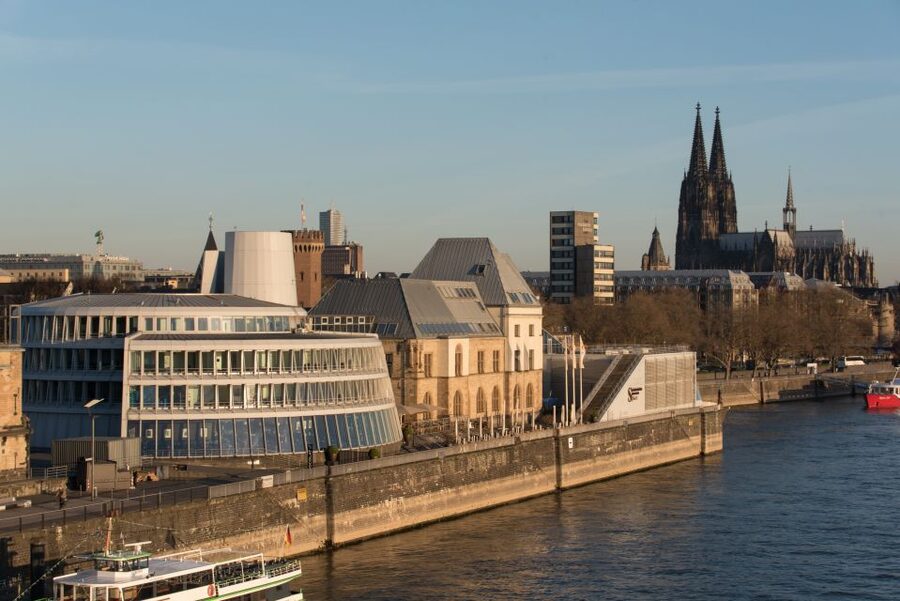
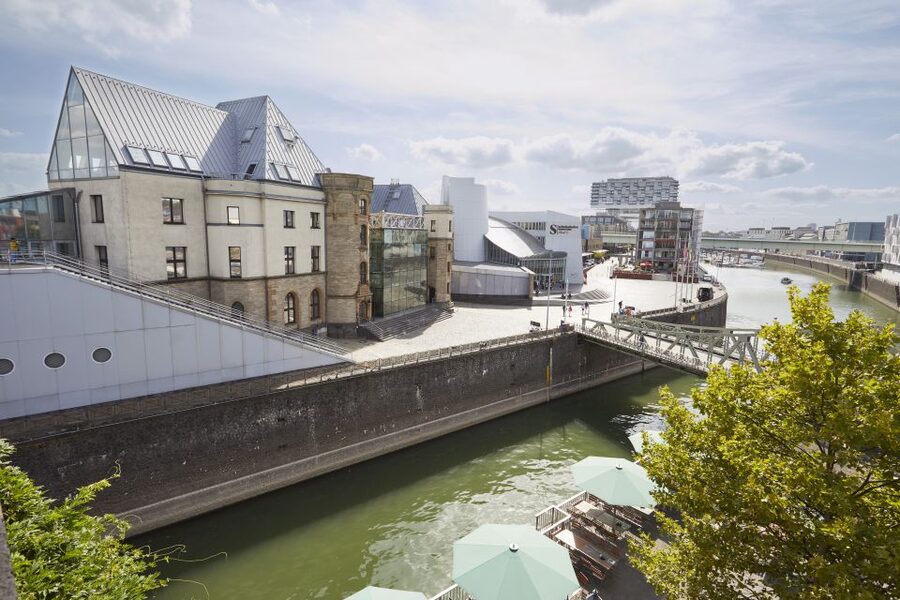
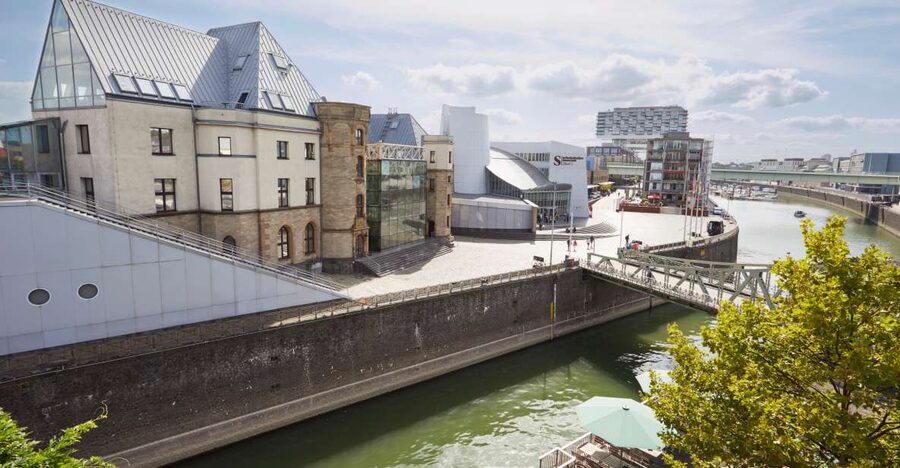
Chocolate is Cologne’s sweetest history lesson. At the Chocolate Museum, you follow cocoa from tropical tree to finished praline, with old machines, cultural displays, working production equipment, and plenty of samples along the way. I especially like the glass chocolate factory and the chance to see chocolate made by hand in the atelier. The museum’s location beside the Rhine adds a pleasant setting to an otherwise indoor visit.
I also like the three-meter chocolate fountain, where 200 kilograms of chocolate bubble away for tasting. The main drawback is that the $19 ticket covers admission only, not a guided tour or extra chocolate-making activities. The museum can also feel warm, and several visitors found the toilet facilities limited. Still, for families, rainy-day planners, and anyone who thinks cocoa deserves serious study, this is a very good-value stop.
In This Review
- Key things to know before you go
- Starting with cocoa trees and ancient chocolate culture
- From courtly tableware to industrial machines
- Watching chocolate travel through the glass factory
- The chocolate atelier and handmade creations
- The three-meter fountain and the tasting stops
- How long to stay and when to arrive
- Is $19 good value?
- A good choice for families and mixed-age groups
- What the ticket does not include
- Small drawbacks worth knowing
- Should you book the Cologne Chocolate Museum?
- FAQ
- How much does the Cologne Chocolate Museum ticket cost?
- How long is the Chocolate Museum ticket valid?
- How long should I allow for the museum visit?
- Is a guided tour included?
- Can I cancel the ticket?
- Can I reserve now and pay later?
- Is the museum wheelchair accessible?
- Are children allowed to visit alone?
- When does the chocolate production area close?
Key things to know before you go
- Chocolate has a 5,000-year story: Displays cover cocoa culture from pre-Columbian Central America through industrial production.
- The factory is the star: Glass walls let you watch chocolate being processed, shaped, and turned into finished products.
- Tasting is part of the visit: Small chocolates are handed out along the route, and the fountain offers another sample.
- Allow one to two and a half hours: Some people move through in about an hour, while careful readers and families may stay much longer.
- The cafe is worth planning for: Chocolate cake, waffles, fondue, coffee, and hot chocolate make a strong finish.
- Go early if you can: The museum may become busier soon after opening, especially on weekends.
Starting with cocoa trees and ancient chocolate culture
The visit begins with more than candy. You first get a look at cocoa as a plant, including a walk-in tropical house with a real cocoa tree and forest-like greenery. This is a useful opening because it gives you a sense of where chocolate starts, long before it reaches a shop shelf.
Natural history displays explain cocoa and the conditions needed to grow it. You are not simply shown a finished chocolate bar. Instead, the museum takes you back to the raw material and the people who first cultivated and used it.
The story then moves into the pre-Columbian cultures of Central America. These exhibits place chocolate in a wider cultural setting and show that cocoa was not always the sweet snack you know today. The early history section is a good reason for adults to pay attention, while children can still enjoy the visual displays and the promise of samples ahead.
I found this part especially useful for understanding the work behind modern chocolate. The museum connects farming, trade, preparation, and consumption, so the product feels less anonymous by the time you reach the factory.
A few more tours and experiences worth a look
- Dresden: Guided Walking Tour and Chocolate Museum Ticket
★ 4.5 · 385 reviews - Death and Chocolate: Walking Tour of Munich’s Old South Cemetery
★ 5.0 · 35 reviews - Biggesee: Boat Tour with All-inclusive cake buffet
★ 4.4 · 20 reviews
From courtly tableware to industrial machines
The museum’s historical path continues through a collection of Baroque porcelain and silver. These pieces help show how chocolate became associated with display, ceremony, and luxury in European society.
This section may appeal more to adults than to younger children. If your family has limited patience for labels, keep moving at a comfortable pace. You can still understand the broad story without reading every panel.
Then the mood changes. Old machines from the industrialisation period introduce the shift from small-scale preparation to factory production. The contrast is one of the museum’s best features. You see chocolate as a historic drink and luxury item, then as a mass-produced food made through precise mechanical steps.
I like that the museum does not treat chocolate as only a cheerful subject. It includes the practical side of production and trade, which gives the displays more substance than a simple brand showcase.
Watching chocolate travel through the glass factory
The glass factory covers about 43,055 square feet and is the most active part of the museum. You can see modern production equipment at work, following the process from cocoa bean to finished confection.
The route explains stages such as roasting, processing, mixing, molding, and finishing. The machines are enclosed behind glass, so you can watch without getting in the way of production. For many people, this is the point where the museum becomes especially satisfying. You are no longer only reading about chocolate. You are watching it being made.
The factory also helps children understand cause and effect. Cocoa ingredients enter one part of the process, machines handle precise jobs, and recognizable chocolate products appear later. Adults get the industrial detail, while younger visitors can focus on movement, color, and the finished treats.
The production area closes about 30 minutes before the museum itself, so do not leave it until the final few minutes. If you arrive late, head toward the factory first, then return to the earlier exhibits if time allows.
The chocolate atelier and handmade creations
The chocolate atelier adds a smaller, more personal counterpoint to the factory. Here, you can see how chocolate products are made by hand rather than only by industrial equipment.
Some activities, such as making your own recipe bar, cost extra. This option has been a hit with teenagers and children, and it gives them something more active to do than read exhibit panels. You can watch your custom bar being made and take it as a personal souvenir or gift.
Because the standard ticket does not include every workshop or tasting event, check the cost at the museum if this is important to you. The admission ticket is still useful on its own, but the extra activity may be worth adding for a birthday outing or a family visit.
The atelier is also a good reminder that chocolate is both a manufactured food and a craft. The factory explains scale and efficiency. The handmade station shows how small choices in ingredients and decoration can change the final result.
More Museums:
- Cologne: Ticket for the German Sport & Olympia Museum
★ 4.5 · 84 reviews - Cologne: HOUSE OF BATES // CONTENT GALLERY
★ 4.7 · 46 reviews - Berlin: Jewish Museum Berlin Entrance Ticket
★ 4.5 · 8,393 reviews - Berlin: DDR Museum Tickets
★ 4.3 · 3,443 reviews
The three-meter fountain and the tasting stops
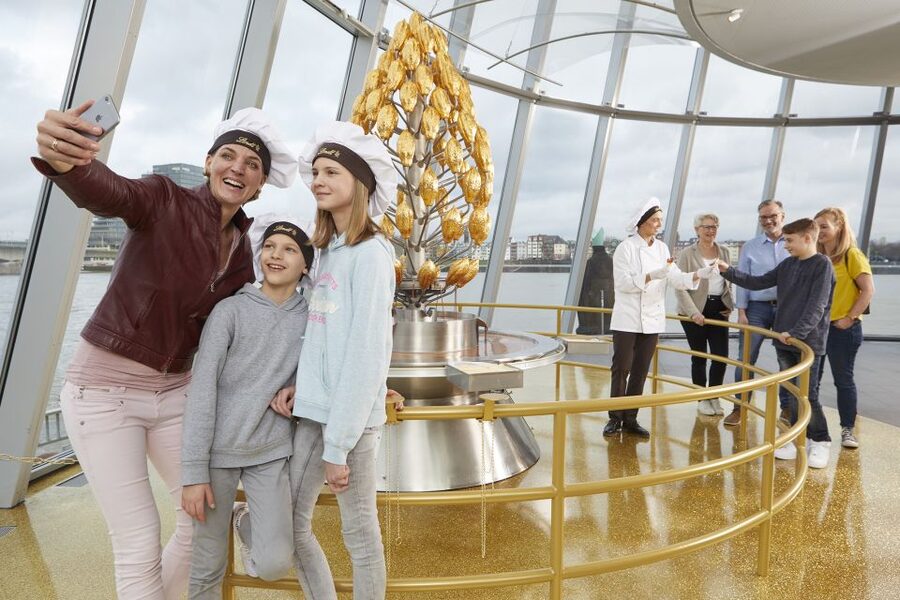
The chocolate fountain is the museum’s most obvious crowd-pleaser. Three meters high, it holds about 200 kilograms of chocolate that continually bubbles for tasting.
Tasting is encouraged, and small chocolate portions are offered at several points along the route. The exact number varies by experience, but one visit included six pieces, while other visitors described several small samples. This is not a meal, yet it adds real value to a $19 admission ticket.
The fountain is also a smart teaching tool. It gives you a direct sense of texture and flow, turning the abstract process into something you can see and taste. Children usually need little encouragement here, though adults may find themselves returning for one more sample.
The treats are generally small, so do not count on them to replace lunch. If you have allergies or dietary restrictions, ask staff before tasting, since the provided information does not specify ingredients or allergen procedures.
How long to stay and when to arrive
A quick visit can take around one to one and a half hours. If you read the displays carefully, stop at the machines, spend time with the children, and visit the cafe, two to two and a half hours is more realistic.
I would plan the museum as a relaxed half-day activity rather than a rushed hour between major sights. The Rhine setting makes it easy to pair with a walk nearby, and the cafe gives you a natural reason to stay longer.
Arriving near opening time is a sensible move. The museum may become much busier shortly after opening, and an early start gives you more room around the production displays and fountain. On a weekend, an online ticket may not mean you walk straight into an empty museum. You may bypass the regular ticket purchase line, but other online-ticket holders can still be waiting to enter.
The meeting instructions say to go directly to the museum entrance and scan your mobile ticket. One family found that the meeting point appeared outside the building in the booking information, while the actual scanning point was inside. It was easy to sort out, but follow the entrance signs rather than waiting outside for a separate meeting group.
Is $19 good value?
At $19 per person, the ticket is fairly priced for the amount of material and the time you can spend inside. You get museum admission, the information booklet, production viewing, historical exhibits, the tropical house, and tasting opportunities.
The value improves if you stay for two hours and use the displays as more than a quick photo stop. A short visit focused only on the fountain and machines may feel less substantial, but a careful visit gives you art, social history, natural history, and food production in one place.
The cafe and shop cost extra. The cafe has received strong praise for chocolate cake, waffles, fondue, coffee, espresso, and hot chocolate. Portions can be generous, especially the waffles, so consider sharing or ordering one sweet dish at a time.
The shop is useful for gifts, with plenty of chocolate products to choose from. Prices may not always be lower than what you pay at home, so compare before filling your bag. The best value comes from treating the shop as a convenient souvenir stop, not assuming every item is a bargain.
A good choice for families and mixed-age groups
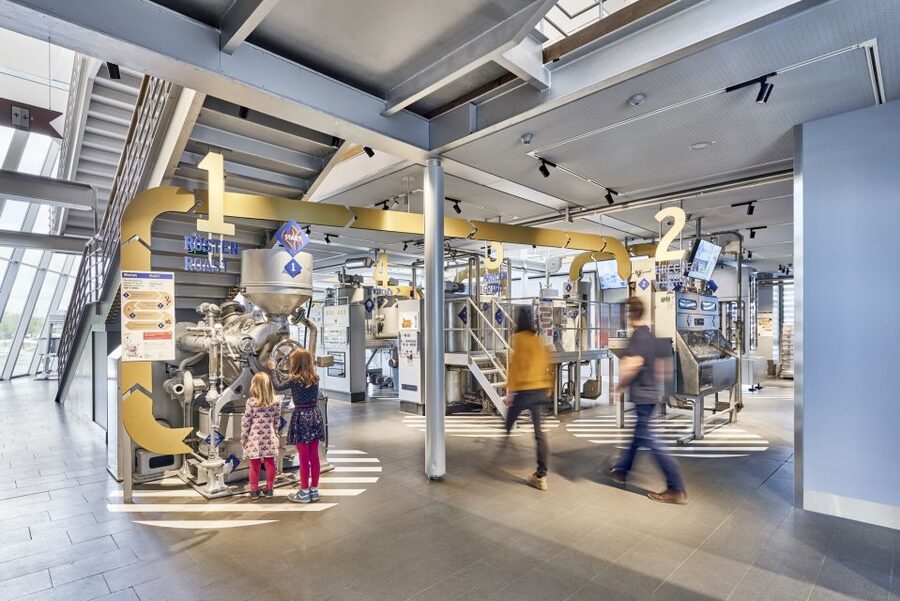
This is one of the easier Cologne activities to recommend to a family. Young children get the tropical house, moving machines, fountain, and samples. Older children and teenagers can follow the production process and, for an additional fee, create their own chocolate bar.
Adults have enough historical and cultural material to keep the visit from feeling like a sugar-themed playground. Couples and solo visitors can also enjoy it, especially if they like food history, design, manufacturing, or riverside museums.
Children under 12 must be accompanied by a paying adult. The museum is wheelchair accessible, and the accessible layout also works well for pushchairs. The supplied information does not specify details such as every restroom location, so families may want to use facilities when convenient rather than waiting.
The atmosphere is usually calm enough for a measured visit, but the factory and fountain can draw clusters of people. If you want the clearest views of the machines, early arrival helps.
What the ticket does not include
This is a self-guided admission ticket. A guided tour is not included, and there is no named guide assigned to your visit.
That is not necessarily a problem. The exhibits are arranged as a clear progression, and the booklet helps you follow the story. Some visitors have also encountered a chocolate tasting demonstration or staff-led explanation, but you should not assume that this is part of the basic ticket.
Extra-cost options may include creating your own chocolate bar or joining a special tasting activity. Ask at the main counter if you want more than general admission. One visitor received help arranging a tasting demonstration after asking, but availability can vary.
The ticket can be canceled up to 24 hours before the visit for a full refund, and a reserve-now, pay-later option is available. It is valid for one day, with the available entry times shown during booking.
Small drawbacks worth knowing
The museum’s main weakness is not the content. It is comfort at busy or warm times. One visit on a hot day became difficult because the interior felt too warm, and limited toilets were a repeated criticism.
The production areas close before the museum, so late arrivals need to plan carefully. Also, skip-the-line wording should be understood in practical terms. An online ticket can help you avoid buying at the ticket counter, but it does not guarantee an empty entrance or instant access during a crowded weekend.
Finally, chocolate can become a lot of chocolate. The samples, cafe desserts, fountain, and shop all arrive in one visit. Pace yourself, especially if you plan to order waffles, fondue, or cake afterward.
Should you book the Cologne Chocolate Museum?
I would book this experience if you want an easy, all-weather Cologne activity with real content behind the sweets. It is particularly strong for families, food lovers, curious adults, and anyone looking for a break from churches and city walks.
Book for early in the day if possible, especially on a weekend. Allow at least 90 minutes, and closer to two hours if you enjoy reading and watching the machines. Add cafe time if you want the full experience.
Skip it only if you dislike museums, dislike chocolate, or have a very tight schedule. For $19, the combination of 5,000 years of cocoa culture, working production equipment, handmade chocolate, free samples, and Rhine views offers solid value.
FAQ
How much does the Cologne Chocolate Museum ticket cost?
The listed price is $19 per person.
How long is the Chocolate Museum ticket valid?
The ticket is valid for one day.
How long should I allow for the museum visit?
A quick visit can take about one to one and a half hours. Visitors who read the displays, spend time at the factory, and visit the cafe may stay two to two and a half hours.
Is a guided tour included?
No. The ticket includes museum admission and an information booklet, but not a guided tour.
Can I cancel the ticket?
Yes. Cancellation up to 24 hours in advance qualifies for a full refund.
Can I reserve now and pay later?
Yes. A reserve-now, pay-later option is available.
Is the museum wheelchair accessible?
Yes. The museum is wheelchair accessible.
Are children allowed to visit alone?
Children under 12 must be accompanied by a paying adult.
When does the chocolate production area close?
The production facilities close about 30 minutes before the museum closes. Last entry to the museum is one hour before closing.
Just added around Cologne
- e-Scavenger hunt Aachen: Explore the city at your own pace★ 4.0 · 13 reviews
- RhineRiverBoatTour from Bonn to Königswinter with Live Guide★ 4.3 · 13 reviews
- Cologne Walking Tour with Audioguide: City and Cathedral★ 4.5 · 14 reviews
- Aachen Scavenger Hunt and Sights Self-Guided Tour★ 5.0 · 14 reviews
- Roman Cologne: A Self-Guided Audio Tour★ 4.0 · 15 reviews
- Bonn: Private Guided Walking Tour★ 4.3 · 15 reviews
- Cologne: Fables, Fairy Tales, and Legends Tour in German★ 4.9 · 15 reviews
- Cologne: Virtual escape game adventure at 7th Space★ 4.3 · 15 reviews
Museums, compared.

Skip-the-Line: Berlin Wall Museum at Checkpoint Charlie
Read our review →
Browse the lists this tour appears in