
Reviewed · MUSEUMS
Berlin: DDR Museum Tickets
History gets handled here. Berlin’s DDR Museum makes East German daily life tangible through reconstructed apartments packed with ordinary goods, cupboards, spices, and household objects. I like the way you can open drawers and turn on a television, and I especially like the original Trabant simulator, which gives the museum a playful edge without losing sight of the serious subject. The main drawback is crowding, since narrow displays can be hard to read at peak times.
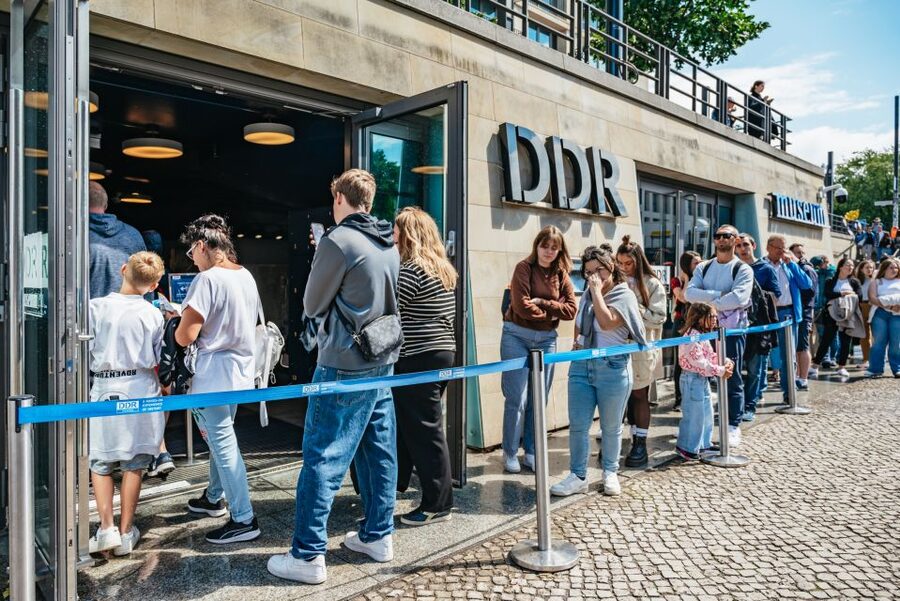
The museum sits on the Spree opposite Berlin Cathedral, an easy stop while you explore Museum Island and central Berlin. A ticket costs about $15 per person, and you can visit any time during the one-day validity period. Most people should allow at least 1.5 hours, while anyone who reads every panel and tries every activity could spend two or three hours.
I would choose this museum for families, curious adults, and anyone who wants more than dates and political speeches. It does not include a museum guide, and some information is in German and English. The exhibition is engaging, but you need patience when several people gather around the same hands-on display.
In This Review
- Key points to know before you go
- Why the DDR Museum feels different
- Starting with the reconstructed DDR apartment
- Taking the Trabant for a simulated ride
- Television, news, and the sound of everyday life
- From home life to the wider DDR system
- How long to stay and when to arrive
- Is $15 good value?
- Who should book this museum?
- Practical tips for a better visit
- Should you book the DDR Museum?
- FAQ
- Where is the DDR Museum located?
- How much does entry to the DDR Museum cost?
- How long is the DDR Museum ticket valid?
- How long should I allow for the museum?
- What are the opening hours?
- Are young children admitted free?
- Is a museum guide included?
- Are pets allowed inside?
Key points to know before you go
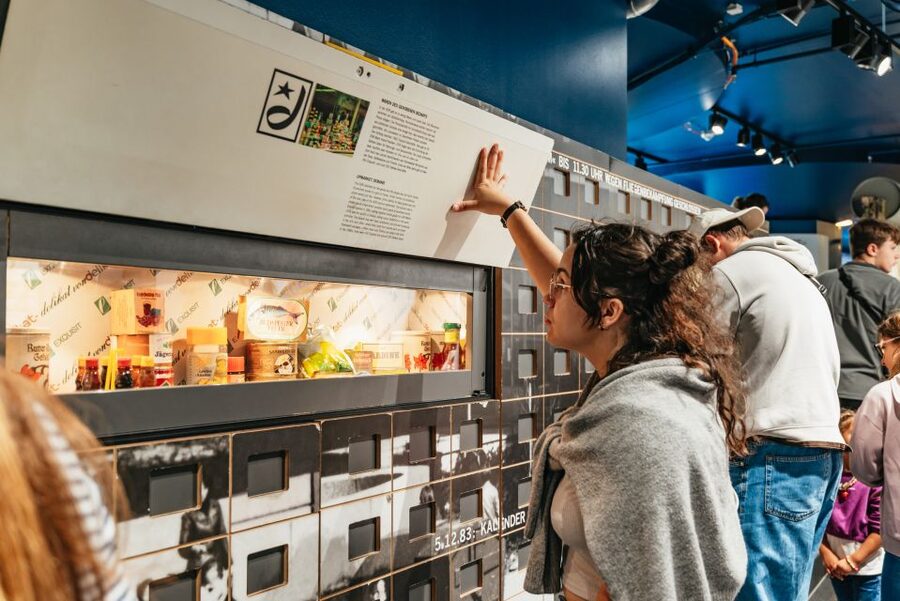
- Touch the ordinary details: Open cupboards, pull out drawers, smell spices, and inspect household goods from East Germany.
- Walk through a DDR apartment: The reconstructed rooms show furniture, kitchen equipment, and everyday products in a setting that feels more personal than a glass case.
- Drive an original Trabant: Sit behind the wheel and try a simulated ride through prefabricated housing districts.
- Explore more than home life: The museum also covers politics, television, news, prisons, youth culture, music, and the realities behind the Berlin Wall.
- Plan around busy periods: The museum is popular, and crowded sections can make small labels and interactive stations difficult to enjoy.
- Expect flexible timing: Opening hours are 9 a.m. to 9 p.m. daily, with shorter hours on December 24 and 31.
Why the DDR Museum feels different
Many history museums ask you to look. The DDR Museum asks you to investigate.
You can open a cupboard, pull out a drawer, reach into a cabinet, switch on a television, and examine objects that once belonged in ordinary East German homes. This simple design choice changes the mood. Instead of seeing a distant political system only through official documents, you get a sense of how that system reached into kitchens, living rooms, schools, entertainment, and private life.
The subject is the German Democratic Republic, usually called the DDR in German and the GDR in English. It existed in East Germany from 1949 until reunification in 1990. The museum focuses on the period through daily life, state control, consumer goods, housing, transport, media, and personal freedom.
I like this approach because it gives you a way into the subject even if you know little about Cold War Germany. You do not need to arrive with a long list of political names. The objects provide the starting point, then the written displays add context.
The exhibition is also deliberately active. You will not follow a fixed route, so you can move to a different section if one area is crowded. That flexibility helps, though it can also make the visit feel less orderly if you try to see everything in one pass.
More Museums in Berlin
- Berlin: Jewish Museum Berlin Entrance Ticket
★ 4.5 · 8,393 reviews - Berlin: Natural History Museum Entrance Ticket
★ 4.6 · 3,382 reviews - Berlin: Neues Museum Entry Ticket
★ 4.6 · 3,261 reviews
Starting with the reconstructed DDR apartment
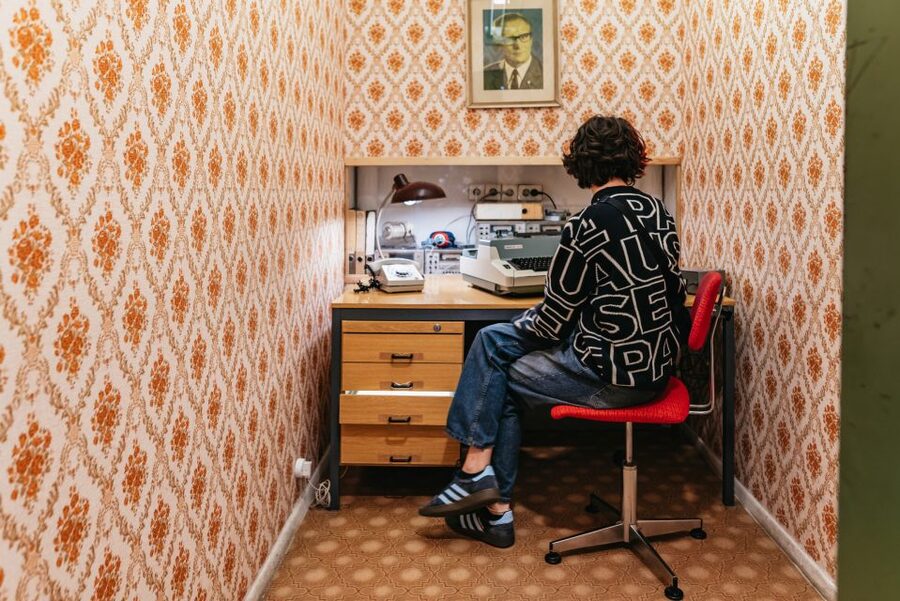
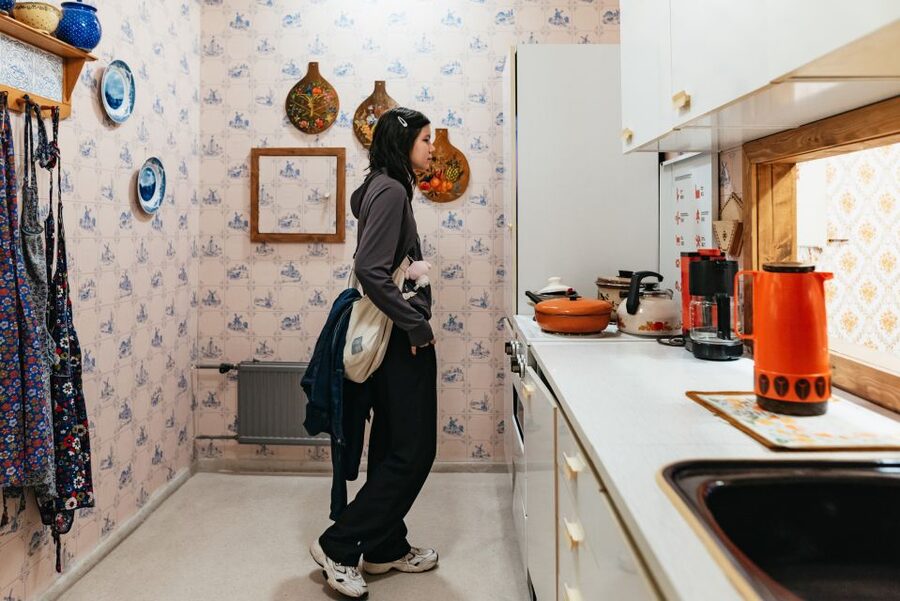
The apartment is the museum’s strongest feature for many people. You walk through several rooms filled with period furnishings and household items, rather than viewing a single room arranged behind a barrier.
Look closely at the kitchen. You might find a pressure cooker on the stove, spices on a shelf, and the kind of practical goods that tell you how people managed daily tasks. The museum invites you to inspect these details yourself. Pulling open a drawer is more revealing than simply reading that household products were limited or standardized.
The living room gives you another useful point of reference. You can turn on the television and examine the Karat wall cupboard, one of the most recognizable pieces of DDR-era furniture. The setting shows how furniture, entertainment, and family life came together in a typical home.
This section is not meant to suggest that every East German home looked exactly the same. Instead, it offers a physical example of the environment many people knew. You can see the compact design, the familiar objects, and the practical compromises that shaped domestic life.
The apartment also brings out the museum’s balance. There is humor in discovering old-fashioned products and furnishings, but the setting can feel bleak too. One exhibit includes a typical former East German prison cell, a sharp reminder that the DDR was not simply a collection of retro household goods.
Give yourself time here. The apartment is easy to rush through because it looks like a room in a home, but the details reward slow inspection.
Taking the Trabant for a simulated ride
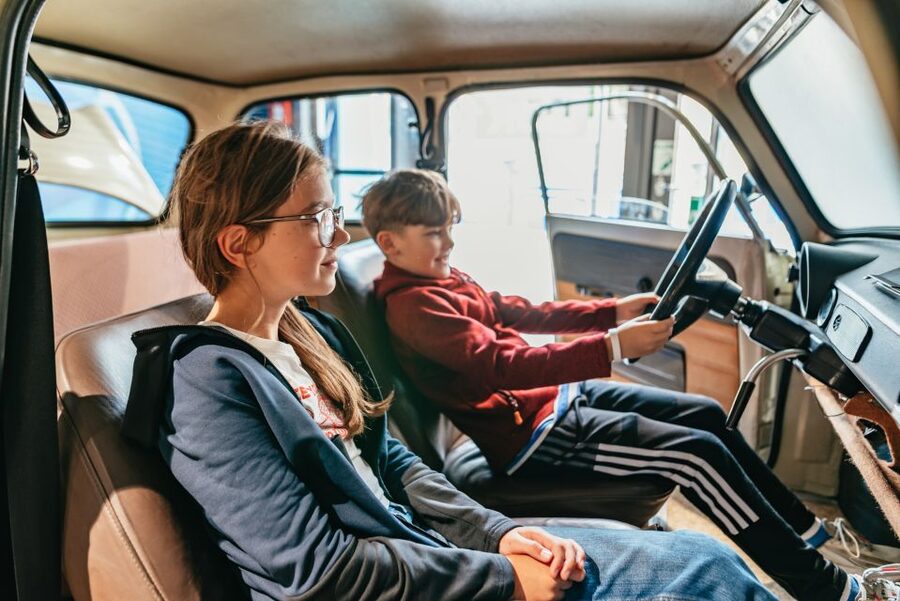
The Trabant is the museum’s most popular hands-on attraction, and it is easy to understand why. You can sit inside an original car, turn the ignition, and take part in a simulated drive through prefabricated housing districts.
The experience includes the familiar Trabant sounds, making the short ride more than a static car display. For children, it is a clear focal point. For adults, it can bring back memories or offer a funny introduction to a car that became a symbol of East German life.
The simulator also makes an economic point without requiring a long explanation. The Trabant was a basic car, and the waiting lists and limited consumer choices associated with DDR life are easier to grasp when you are sitting inside the object itself.
Expect this station to attract a queue or a small crowd, especially during busy periods. If it is occupied when you arrive, see another section first and return later. The flexible layout makes that possible.
I would not plan the entire visit around the simulator. It is a highlight, but it lasts only a short time. The apartment, political displays, and media sections provide the substance of the museum.
Television, news, and the sound of everyday life
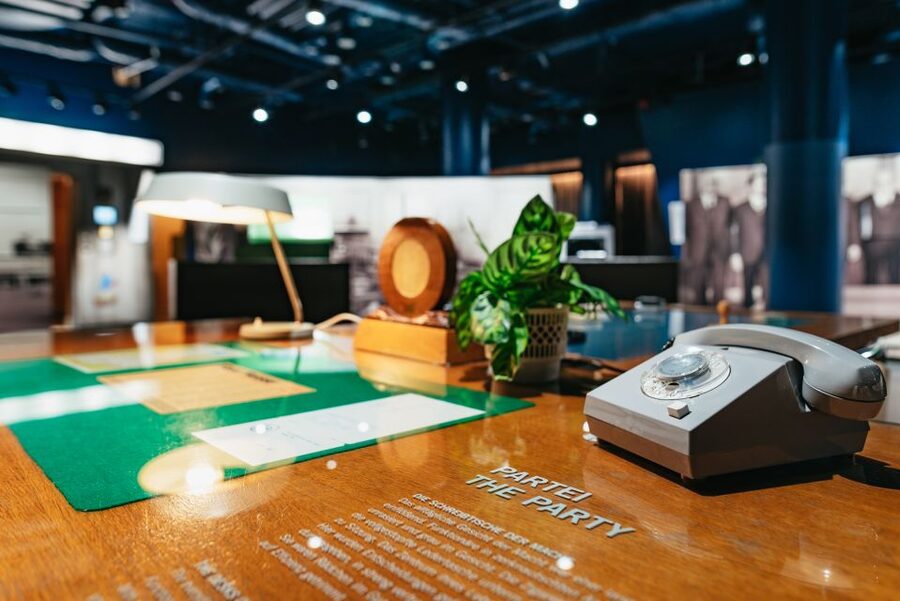
The museum uses several senses to show how public information and entertainment worked in East Germany.
In the living room, you can switch on the television. Elsewhere, you can watch news reports from an original cinema stall. These displays help explain the role of state-controlled media in a way that feels more immediate than a paragraph about censorship.
Music also gets a place. You can dance to Lipsi, described as East Germany’s answer to rock and roll. This is a small but telling detail. Life under the DDR was not only about government offices and political slogans. People listened to music, went dancing, watched television, and built personal routines within the limits of the system.
The museum’s sensory touches are useful because they prevent the story from becoming too solemn or abstract. Smells, sounds, furniture, and familiar objects make the period easier to picture. At the same time, the lighter elements work best when you also spend time with the sections on surveillance, prison, political control, and restricted freedom.
Some displays involve a fair amount of reading. The information is generally arranged in manageable panels, and visitors have found the German and English text accessible. Still, you cannot absorb the whole museum by glancing at objects. If you want the full story, plan for steady reading.
Something different for another day:
- Berlin: Reichstag, Dome and Government District Guided Tour
★ 4.7 · 18,288 reviews - Berlin: 1-Hour City Tour by Boat with Guaranteed Seating
★ 4.3 · 16,993 reviews - Berlin: Boat Tour Along the River Spree
★ 4.4 · 11,252 reviews - Discover Berlin Half-Day Walking Tour
★ 5.0 · 9,624 reviews
From home life to the wider DDR system
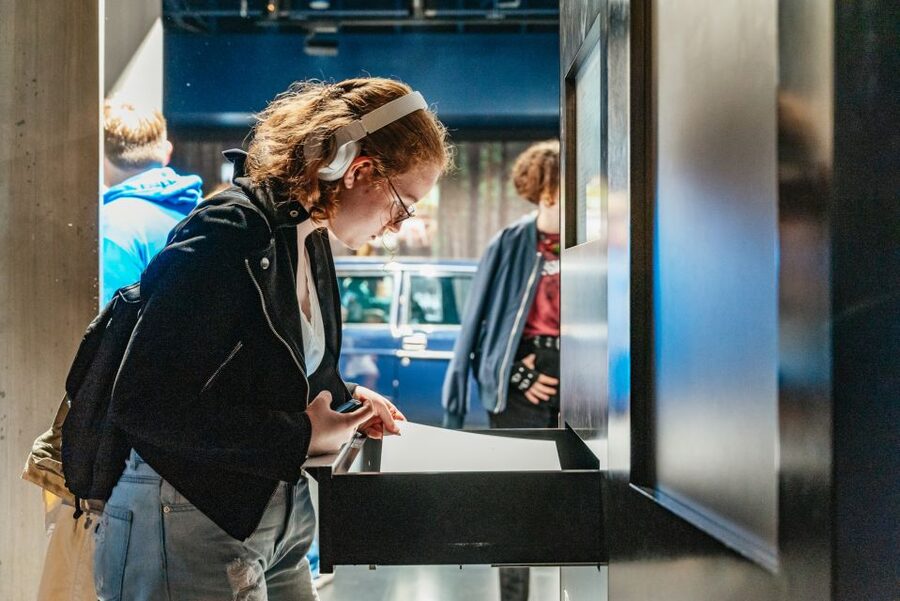
The museum does not stop at domestic scenes. It places household life beside politics and the larger structure of East German society.
You will find material about living in prefabricated housing districts, consumer goods, work, youth, media, and the political system. The simulated Trabant ride connects nicely with this wider story, since the sounds and buildings point toward the standardized housing that shaped many urban communities.
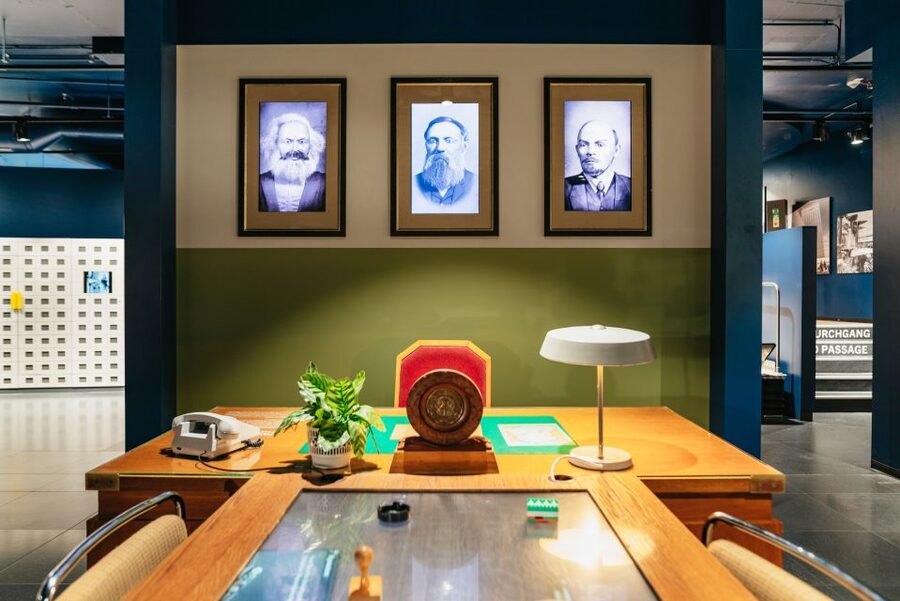
The exhibition also deals with the tension between ordinary routines and state power. A home could contain familiar family memories, yet the society outside that home placed real limits on speech, travel, political choice, and access to information. The museum is most effective when these two sides appear together.
One useful quality is that the displays keep the information approachable. You do not need to be a Cold War specialist to understand the basic points. The approach is light enough for younger visitors, but the subject remains serious enough for adults who want a more sobering reminder of the importance of freedom.
The museum presents the material from a Western perspective. That is worth keeping in mind. It offers a strong introduction to East German daily life, but it should not be your only source if you want a full account of competing viewpoints or personal experiences across the DDR.
How long to stay and when to arrive
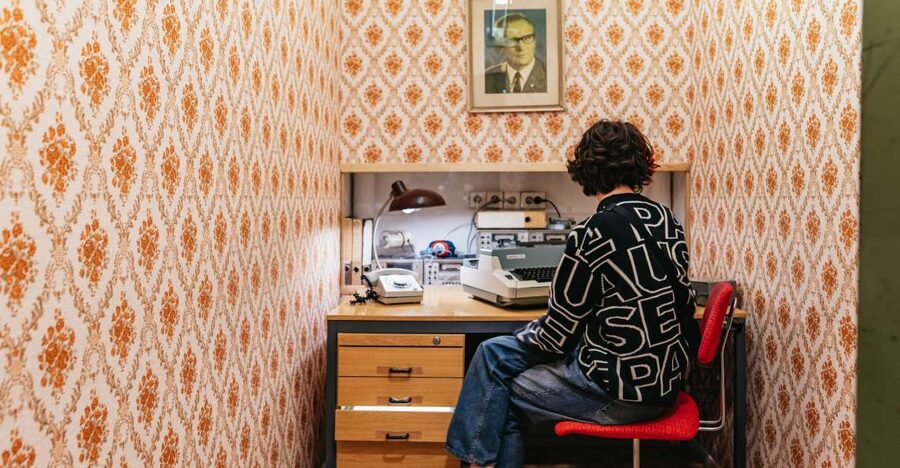
The ticket is valid for one day, but this does not mean you need an entire day inside. A focused visit can take around 1.5 hours. If you read the panels, wait for the interactive stations, and examine every apartment detail, two hours is more realistic. Some people have stayed close to three hours.
The museum opens from 9 a.m. to 9 p.m. Monday through Sunday. It closes earlier, from 9 a.m. to 4 p.m., on December 24 and December 31.
I would aim for an early visit or a quieter period if you want to read everything. Wet days and weekend afternoons can be particularly busy. One advantage of the long opening hours is that you can fit the museum around other central Berlin plans instead of treating it as a fixed morning tour.
The entrance is on the bank of the Spree, opposite Berlin Cathedral. That location makes it easy to pair with a walk around Museum Island. You do not need to arrange transport as part of the experience, and there is no guide included, so the visit is self-directed from the moment you enter.
Wear comfortable shoes if you plan to stay for several hours. The exhibition involves standing and moving between displays, and one person found it tiring after a full day of sightseeing.
Is $15 good value?
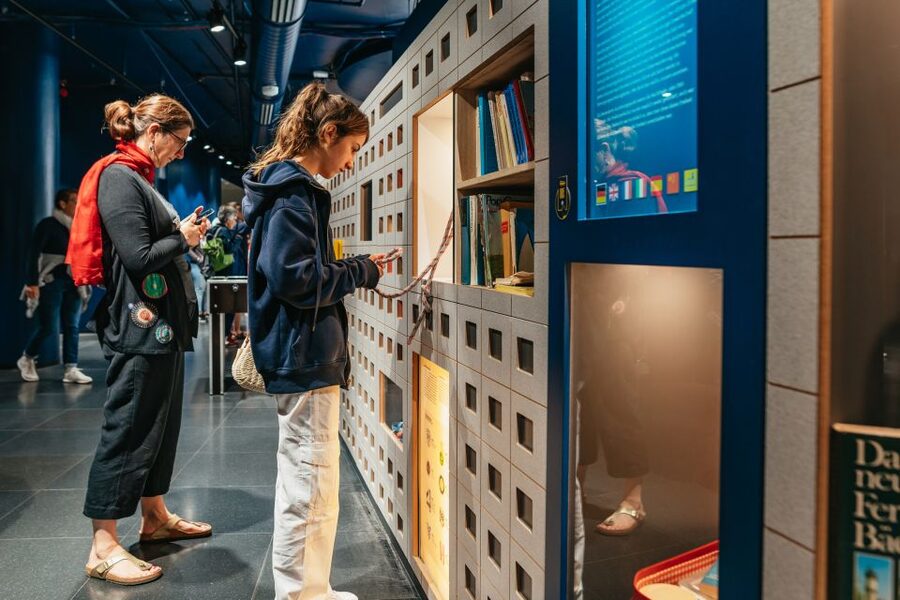
At about $15 per person, I consider the DDR Museum a good-value central Berlin activity, especially if you spend two hours inside. You get access to a broad exhibition rather than a single collection: apartment rooms, furniture, consumer objects, television, music, political material, a prison cell, and the Trabant simulator.
The price makes particular sense for families. Children up to age five enter free, and the hands-on design gives younger visitors something to do while adults read. Older children and teenagers may connect with the car, television, and apartment more quickly than they would with a conventional display of documents.
The value is less clear if you dislike interactive museums or prefer quiet galleries with long, scholarly texts. Crowding can also reduce the value on a peak day, since you may have to wait to open a drawer or stand behind others to read a panel.
Still, the ticket provides enough variety to justify the cost. You can move at your own pace, skip sections that do not interest you, and return to a favorite station before leaving.
Who should book this museum?
I would recommend it to first-time Berlin visitors who want a clear introduction to life in the former East Germany. It works well after seeing the Berlin Wall or other Cold War sites because it shifts the focus from the border itself to the people who lived behind it.
Families should find plenty to hold their attention. The car simulator, television, apartment, and movable displays offer a welcome break from reading. Adults can then use the political and social sections to add weight to the visit.
It also suits anyone with a personal connection to the period. Old furniture, products, and television details can bring back childhood memories for people who grew up in the DDR or nearby countries. For others, those same objects make the era feel unfamiliar and concrete.
I would be more cautious if you need a fully guided experience. No museum guide is included, and the visit depends on your own reading and exploration. Some people would also appreciate an audio guide, but that is not part of this ticket.
Practical tips for a better visit
- Go early or late: The long opening hours give you room to avoid the busiest periods.
- Allow at least 90 minutes: Two hours is better if you want to read and try the interactive displays.
- Return to the Trabant: If the simulator is busy, explore the apartment or media displays and come back.
- Read beyond the apartment: The home scenes are memorable, but the political and prison sections provide essential context.
- Use the flexible route: There is no need to follow one strict path, so move around crowded sections.
- Bring patience: Hands-on exhibits attract children and adults alike, and some stations take time.
- Remember the tone: This is an entertaining museum, but parts of the story are sobering. Give the prison and freedom-related material the attention it deserves.
Should you book the DDR Museum?
Yes, if you want an accessible and active look at East German daily life. The apartment reconstruction and Trabant simulator are the big draws, but the museum earns its ticket price through the smaller details: the pressure cooker, spices, television, furniture, news reports, music, and prison cell.
Book it if you enjoy learning by touching and examining objects. Choose an early or off-peak time if you want clear views of the displays. Skip it only if you strongly prefer a guided, quiet museum or have very little patience for reading.
For most Berlin itineraries, this is a worthwhile 1.5 to 3-hour stop, particularly when paired with the nearby Berlin Cathedral and Museum Island.
FAQ
Where is the DDR Museum located?
The entrance is on the bank of the Spree, opposite Berlin Cathedral in central Berlin.
How much does entry to the DDR Museum cost?
The listed price is about $15 per person.
How long is the DDR Museum ticket valid?
The ticket is valid for one day.
How long should I allow for the museum?
Allow about 1.5 hours for a shorter visit. If you read the information and explore the interactive displays carefully, you might spend two or three hours.
What are the opening hours?
The museum is open daily from 9 a.m. to 9 p.m. On December 24 and December 31, it is open from 9 a.m. to 4 p.m.
Are young children admitted free?
Children up to five years old receive free entry.
Is a museum guide included?
No. Entry to the museum is included, but a museum guide is not.
Are pets allowed inside?
No. Pets are not allowed in the museum.
Just added around Berlin
- Berlin: Private Guided Tour of the Main Sights★ 5.0 · 13 reviews
- Private Highlights of Berlin Bike Tour★ 5.0 · 13 reviews
- Modern Berlin Private Walking Tour: Diverse, Vibrant and Exciting German Capital★ 5.0 · 13 reviews
- Tour in Berlin from Warnemünde and Rostock Cruise Port★ 4.1 · 13 reviews
- Berlin: Stasi Museum Private Guided Tour with Entry Ticket★ 4.8 · 13 reviews
- Private Food Tour Experience with a born and bred Berliner★ 5.0 · 14 reviews
- Berlin: Rheinsberg Palace Entrance Ticket★ 4.8 · 14 reviews
- Berlin in one day – day tour with an expert guide★ 5.0 · 14 reviews
Museums, compared.

Skip-the-Line: Berlin Wall Museum at Checkpoint Charlie
Read our review →
Browse the lists this tour appears in