
Reviewed · BERLIN WALL TOURS
Skip-the-Line: Berlin Wall Museum at Checkpoint Charlie
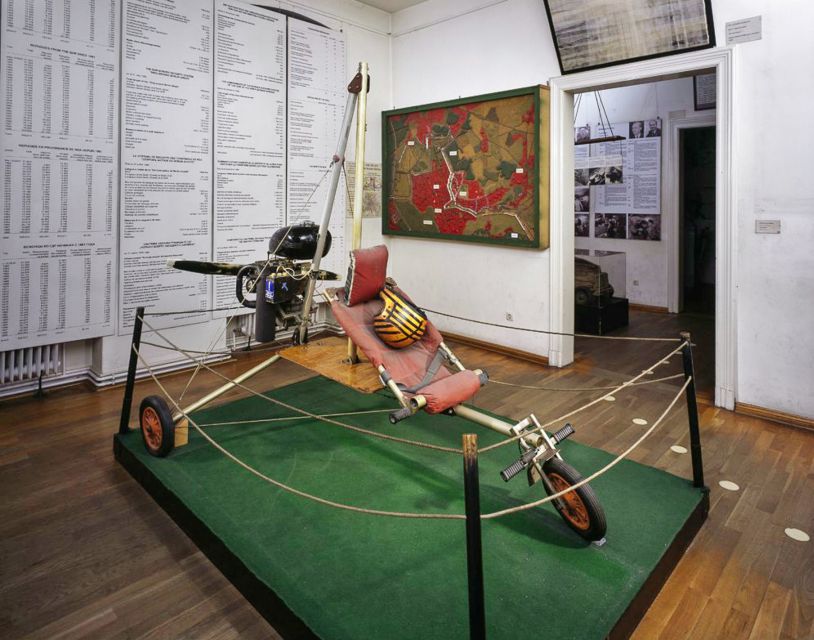
Berlin’s escape stories are astonishing. At the Berlin Wall Museum, you see original escape devices, including a hot-air balloon, cars, airplanes, and a mini-submarine, while learning how ordinary people challenged the GDR regime. I like the museum’s close connection to Checkpoint Charlie and its focus on human courage rather than only dates and political speeches. I also like that its exhibits continue beyond the Wall’s fall, linking divided Berlin to later struggles for human rights.
The main drawback is the sheer amount of reading. The museum is much larger than it first appears, and some displays feel crowded or unevenly arranged. If you want a quick, polished, interactive museum, this may test your patience. If you can give it two hours or more, the material becomes far more rewarding.
In This Review
- Key points to know before you go
- Why Checkpoint Charlie gives this museum extra weight
- Entering a museum that grew out of protest
- The escape machines are the museum’s strongest displays
- The human cost behind the Wall
- Beyond 1989: why the story keeps moving
- How long should you allow?
- Is the skip-the-line price good value?
- Do you need an audioguide or a tour?
- Practical advice for a better visit
- Who will get the most from this museum?
- Should you book the Berlin Wall Museum?
- FAQ
- Where is the Berlin Wall Museum at Checkpoint Charlie?
- How much does admission cost?
- How long is the ticket valid?
- How long should I plan to spend inside?
- Does the ticket include an audioguide?
- Is the museum wheelchair accessible?
- Can I cancel for a full refund?
Key points to know before you go
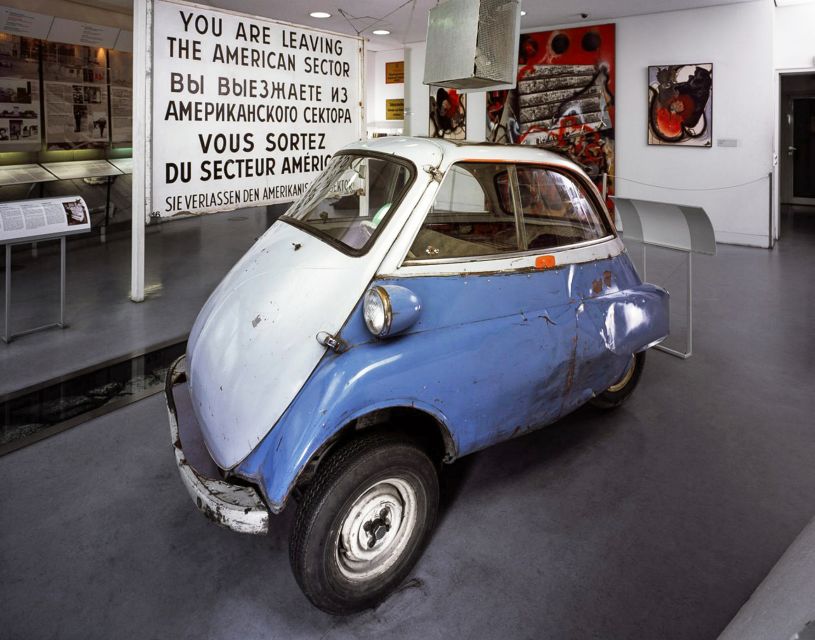
- Original escape vehicles include a hot-air balloon, mini-submarine, cars, and airplanes used in successful attempts to reach the West.
- The museum began in 1962, soon after the Berlin Wall was built, as an act of protest and a place where people seeking help could find support.
- Expect a reading-heavy visit, with extensive explanations, photographs, documents, and displays in several languages.
- Plan for at least 1 to 2.5 hours, although history-minded visitors could spend much longer with the material.
- Skip-the-line entry saves time, but the ticket does not include an audioguide or guided tour.
- Checkpoint Charlie is directly outside, giving the museum a useful real-world setting rather than an isolated collection of objects.
Why Checkpoint Charlie gives this museum extra weight
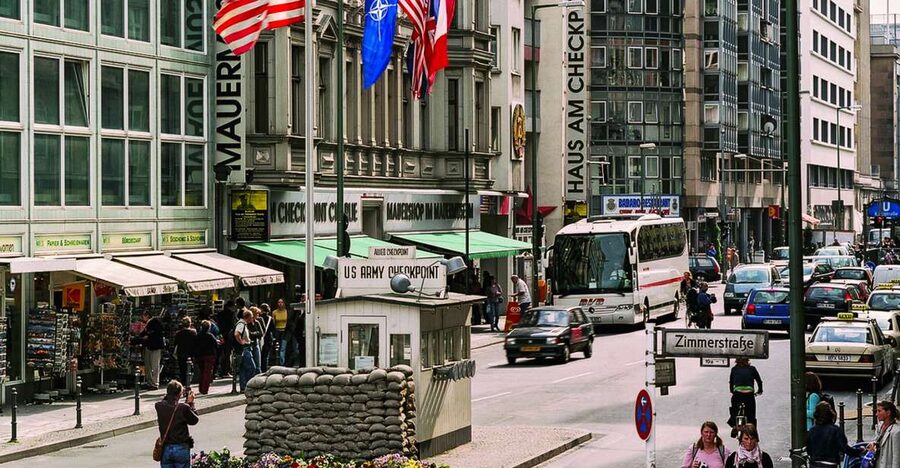
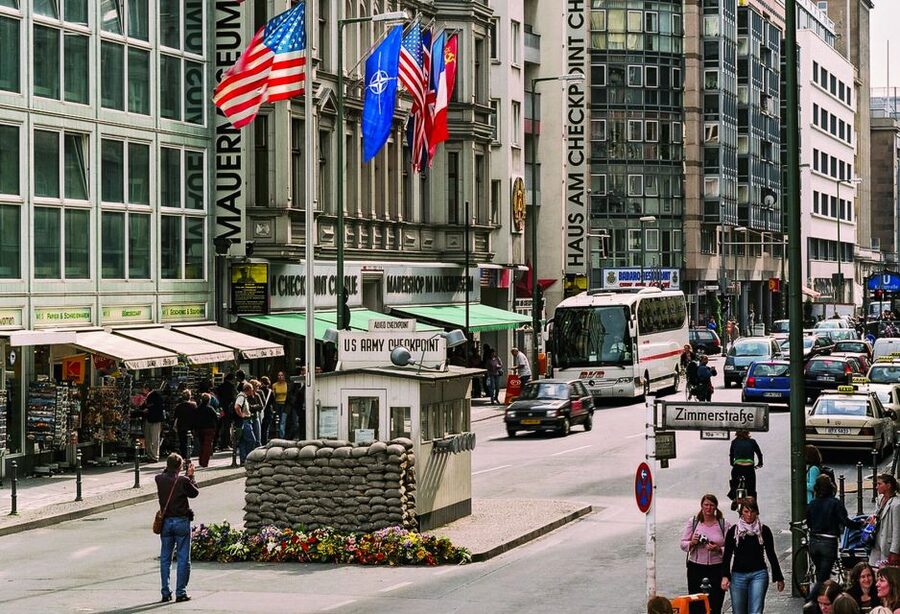
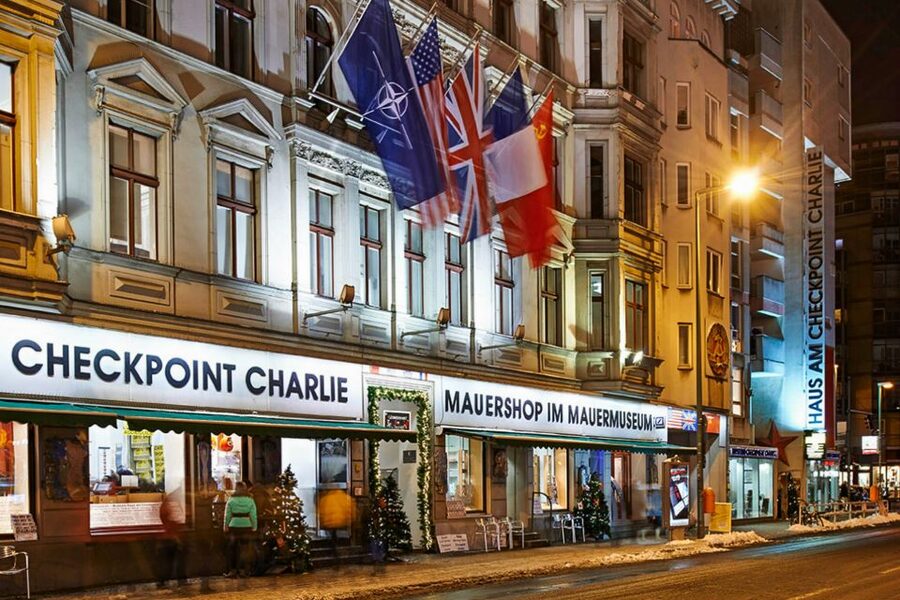
The address is Friedrichstraße 43 to 45, 10969 Berlin, right beside Checkpoint Charlie. That location matters. You are not studying the Berlin Wall in a distant gallery. You are standing at one of the most famous crossing points of the divided city.
Checkpoint Charlie itself has changed greatly since the Cold War. The current setting is busy and commercial, with visitors taking photos and moving between nearby sights. The museum helps restore the seriousness of the place. It explains what this crossing meant when Berlin was split between the American and Soviet sectors, and why a few meters of road could carry such enormous political force.
I like beginning here because the museum gives context to what you see outside. Without that context, Checkpoint Charlie can feel like a photo stop. Inside, it becomes part of a larger story about borders, surveillance, family separation, and the basic right to leave your own country.
The museum was founded on October 19, 1962, only a short time after the Wall went up. Its purpose was not simply to record events for future generations. It was created as a protest against the Wall and as a base for helping people who wanted to escape. That original purpose gives the place a moral edge that many conventional museums lack.
More Museums in Berlin
- Berlin: Jewish Museum Berlin Entrance Ticket
★ 4.5 · 8,393 reviews - Berlin: DDR Museum Tickets
★ 4.3 · 3,443 reviews - Berlin: Natural History Museum Entrance Ticket
★ 4.6 · 3,382 reviews
Entering a museum that grew out of protest
Your skip-the-line ticket provides admission, and the entrance is easy to reach near Checkpoint Charlie. The skip-the-line feature is useful during busy periods, although some visitors have found little or no queue at quieter times, particularly in winter. At $21 per person, you are paying for convenience as much as for the collection itself.
Once inside, do not assume the museum is small. From the street, it can look like a compact city attraction. Inside, the exhibition spreads farther than many people expect. You will find room after room filled with photographs, written accounts, historical explanations, and objects connected to escape attempts.
The museum has expanded over time, and that growth is both a strength and a weakness. The strength is the amount of material. You get far more than a brief account of the Wall’s construction and collapse. The weakness is that the route does not always feel perfectly ordered, and some sections can seem packed with information.
I suggest taking a moment near the entrance to decide how much time you have. If you have only 45 minutes, focus on the escape artifacts and the main account of the Wall. If you have two hours, read the personal stories and political background as well. With a full afternoon, you can move slowly and make sense of the museum’s wider human-rights themes.
The escape machines are the museum’s strongest displays
The most memorable objects are the original tools and vehicles used in successful escapes from East Germany. These are not abstract symbols. They show the practical ingenuity required to cross a heavily guarded border.
A hot-air balloon gives you an immediate sense of scale and risk. Escaping by air meant planning a route, finding materials, choosing the right conditions, and trusting a fragile craft to carry people over the border. The balloon turns a political story into a physical one. You can imagine the fear involved because the object itself is so tangible.
The mini-submarine offers a different kind of escape story. It reflects the lengths people and their helpers would consider when normal routes were closed. Cars and airplanes add further examples of concealment, adaptation, and careful planning.
These exhibits are valuable because they keep the focus on individual action. The Cold War can easily become a story of presidents, armies, treaties, and speeches. Here, you also see the mechanics of resistance. A car, aircraft, or homemade craft can say more about desperation than a long political explanation.
Some of the objects are original artifacts donated by refugees and the people who helped them. After successful escapes, these individuals gave their vehicles and other possessions to the museum. Their donations turned private acts of courage into public evidence.
You should also expect photographs and detailed text beside the objects. The artifacts are not presented as isolated curiosities. The surrounding material explains who used them, what problem they were trying to solve, and what the escape meant for the people involved.
The human cost behind the Wall
The museum explains how the GDR regime restricted movement and treated escape as a serious crime. That information gives emotional meaning to the vehicles and devices. You are not looking at clever inventions made for adventure. You are looking at tools created because people felt trapped.
The stories cover the effects on families, friends, helpers, and communities. An escape could involve secrecy, false documents, hidden compartments, underground contacts, and long periods of fear. Even a successful attempt could leave relatives behind in East Germany and expose helpers to punishment.
I appreciate that the museum does not stop with a simple good-versus-bad outline. It places the Wall within the politics of the Soviet-controlled Eastern Bloc and explains how the division of Germany shaped everyday life. That wider context helps if you know little about postwar Berlin.
The explanations can also be demanding. Much of the museum is made up of text panels, documents, and photographs. Several languages are used for many parts of the display, which helps international visitors, but it also adds to the amount you need to read.
If you are visiting with teenagers, set expectations before entering. Younger visitors who prefer hands-on displays may lose interest, especially in sections with long blocks of writing. Adults who enjoy documents, personal accounts, and political history will probably want more time than they planned.
More Berlin Wall walks:
- Berlin: East Side Gallery Spree Cruise in a Solar Catamaran
★ 4.0 · 1,039 reviews - Cold War, Berlin Wall, Spies and the East Side Gallery
★ 5.0 · 1,024 reviews - Berlin: Guided Bike Tour of the Berlin Wall and Third Reich
★ 4.7 · 499 reviews - Berlin: Cold War Walking Tour on Berlin Wall Route
★ 4.8 · 437 reviews
Beyond 1989: why the story keeps moving
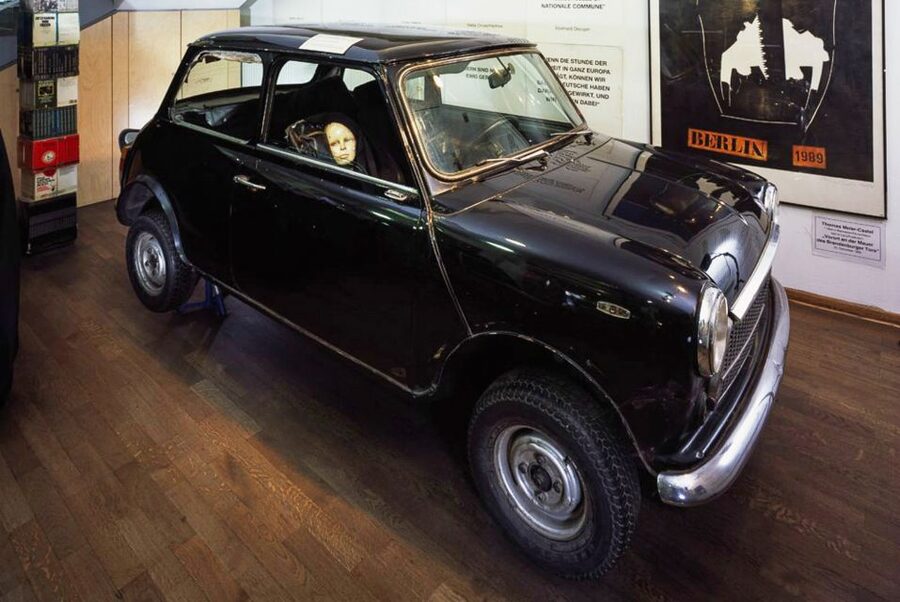
One useful feature is that the museum does not end neatly at the fall of the Berlin Wall. The exhibition continues into later events and modern human-rights concerns. That choice can feel less tidy than a museum focused only on 1961 to 1989, but it makes an important point: removing one wall does not remove every barrier to freedom.
You may find material about protests, nonviolent movements, world peace, and later conflicts. The upper levels are especially concerned with these wider themes. Some of this material may feel less directly connected to Checkpoint Charlie, and that is one reason certain visitors find the museum too broad.
Still, the expanded scope gives you something to think about after the Cold War section ends. The museum asks you to consider how political division affects real people today. Its message is not simply that the Wall fell and the problem was solved.
That modern material also explains why the museum has continued collecting objects. A car connected with a more recent escape from Ukraine, for example, has been used to connect past and present. The result can be unsettling, but it prevents the history from becoming safely distant.
How long should you allow?
The advertised validity is one day, so you are not forced into a short timed visit. In practical terms, I would allow two hours. That gives you enough time to see the main escape objects and read a good portion of the surrounding material without rushing.
Some people will finish in about one to two hours. Others may spend close to two and a half hours or longer, especially if they read carefully. The museum contains enough information for an all-day visit, but most people will not need to study every panel.
The size creates a common trap. You may enter thinking this will be a brief stop between sights, then discover that the exhibition is much larger than expected. If you have another booking later in the day, leave plenty of room between appointments.
The museum can be quiet, particularly outside the main summer period. That makes reading easier, although a large school group can change the atmosphere quickly. Stairs and narrow areas may become awkward when groups gather, so an early or quieter visit may help if you want a calm experience.
Is the skip-the-line price good value?
The listed price is $21 per person. For a museum visit, that is not the cheapest cultural stop in Berlin, especially since the ticket covers entrance only. You do not receive an audioguide or guided tour, and one visitor reported paying an online booking surcharge compared with buying directly at the museum.
The value depends on what you want. If you have limited time and expect a queue, skipping the ticket line can be worthwhile. It lets you walk in with less fuss and protects your schedule. If you are visiting in a quiet season and can buy an admission ticket easily at the door, the extra booking cost may be harder to justify.
The museum does provide a large amount of material for the price. You are not paying for a ten-minute display. The collection includes original escape artifacts, photographs, political documents, and material reaching beyond the Berlin Wall era.
I would book ahead if your visit falls during a busy day and you care about entering at a convenient time. I would think twice if you are visiting in midwinter, have a flexible schedule, and are comfortable checking the ticket situation in person.
Do you need an audioguide or a tour?
No guided tour or audioguide is included. The museum is designed so you can follow the displays independently, and many explanations are available in several languages.
That said, the amount of text is substantial. An audioguide could help you choose what matters most, but it is not essential for everyone. Some visitors found the written information sufficient and even felt the audio option was unnecessary. Others wished they had picked up a headset because there was so much to absorb.
I would choose based on your museum habits. If you like reading original documents and setting your own pace, go without extra equipment. If you prefer a clear story told in sequence, ask about the audioguide before entering.
The absence of a guide also means you need to manage the visit yourself. There is no included expert to explain how one escape connects to another or to answer questions as you go. That independence works well for history fans, but less well if you want a polished, story-led tour.
Practical advice for a better visit
Wear comfortable shoes, but do not expect a long outdoor walking tour. The effort here comes from standing, moving through a large exhibition, and reading for a sustained period.
Bring patience. Some interactive elements may not be working, and several sections rely almost entirely on printed information. The displays can feel old-fashioned beside newer Berlin museums, but the original objects and personal stories remain powerful.
Check the museum’s photography rules when you arrive. At least one visitor was disappointed after being told photographs were not permitted. Do not assume you can photograph every panel or artifact.
If you carry a bag, be prepared for locker arrangements. A past visitor reported needing a 2 euro coin as a deposit for a locker, though you should confirm the current practice at the entrance.
The museum is wheelchair accessible. The location near Checkpoint Charlie also makes it easy to combine with other central Berlin sights, but remember that the museum itself may take much longer than a quick glance at the famous crossing outside.
Who will get the most from this museum?
I recommend this experience most strongly to first-time Berlin visitors who want a serious introduction to the Wall and the Cold War. It is also a good choice for anyone interested in human-rights history, political repression, protest movements, or the practical details of escape.
You will get the most from it if you enjoy reading and can spare at least two hours. Students and history-minded adults should find plenty to study, including material that is not usually covered in a short school lesson.
Families need to judge their group carefully. The museum is wheelchair accessible, but it is not especially light or playful. Teens may tire of the text-heavy sections, while one adult in the group could still want to stay inside for an additional hour.
I would not choose it as your only Berlin museum if your main interest is modern design, interactive technology, or a tightly organized exhibition. The presentation can feel dated, and the large quantity of information is not always arranged in a smooth sequence.
Should you book the Berlin Wall Museum?
Book it if you want real escape objects and a serious look at life behind the Wall. The hot-air balloon, mini-submarine, cars, and airplanes give the museum an unusual physical power, while the location at Checkpoint Charlie keeps the story tied to the city around you.
The $21 price is reasonable for the amount of material, but the skip-the-line advantage matters most when queues are likely. Go in with time, patience, and a willingness to read. If you do, this can become one of Berlin’s most affecting history visits.
If you prefer a short, highly interactive attraction, choose another stop or allow only a focused visit. For most first-time visitors with a free morning or afternoon, I think the museum is worth booking, especially when you want to understand not just where the Wall was, but what it forced people to do.
FAQ
Where is the Berlin Wall Museum at Checkpoint Charlie?
The meeting point is Friedrichstraße 43 to 45, 10969 Berlin, beside Checkpoint Charlie.
How much does admission cost?
The listed price is $21 per person.
How long is the ticket valid?
The admission ticket is valid for one day.
How long should I plan to spend inside?
Allow at least one to two hours. Many visitors spend around two and a half hours, while people who read carefully could spend much longer.
Does the ticket include an audioguide?
No. An audioguide is not included, and a guided tour is not included either.
Is the museum wheelchair accessible?
Yes, the activity is listed as wheelchair accessible.
Can I cancel for a full refund?
Yes. You can cancel up to 24 hours in advance for a full refund.
Just added around Berlin
- Berlin: Private Guided Tour of the Main Sights★ 5.0 · 13 reviews
- Private Highlights of Berlin Bike Tour★ 5.0 · 13 reviews
- Modern Berlin Private Walking Tour: Diverse, Vibrant and Exciting German Capital★ 5.0 · 13 reviews
- Tour in Berlin from Warnemünde and Rostock Cruise Port★ 4.1 · 13 reviews
- Berlin: Stasi Museum Private Guided Tour with Entry Ticket★ 4.8 · 13 reviews
- Private Food Tour Experience with a born and bred Berliner★ 5.0 · 14 reviews
- Berlin: Rheinsberg Palace Entrance Ticket★ 4.8 · 14 reviews
- Berlin in one day – day tour with an expert guide★ 5.0 · 14 reviews
Berlin Wall Tours, compared.
East Side Gallery Spree Cruise in a Solar Catamaran
Read our review →
Cold War, Berlin Wall, Spies and the East Side Gallery
Read our review →
Guided Bike Tour of the Berlin Wall and Third Reich
Read our review →

Cold War, Berlin Wall, Spies and the East Side Gallery
Read our review →
Browse the lists this tour appears in