
Reviewed · MUSEUMS
Berlin: Jewish Museum Berlin Entrance Ticket
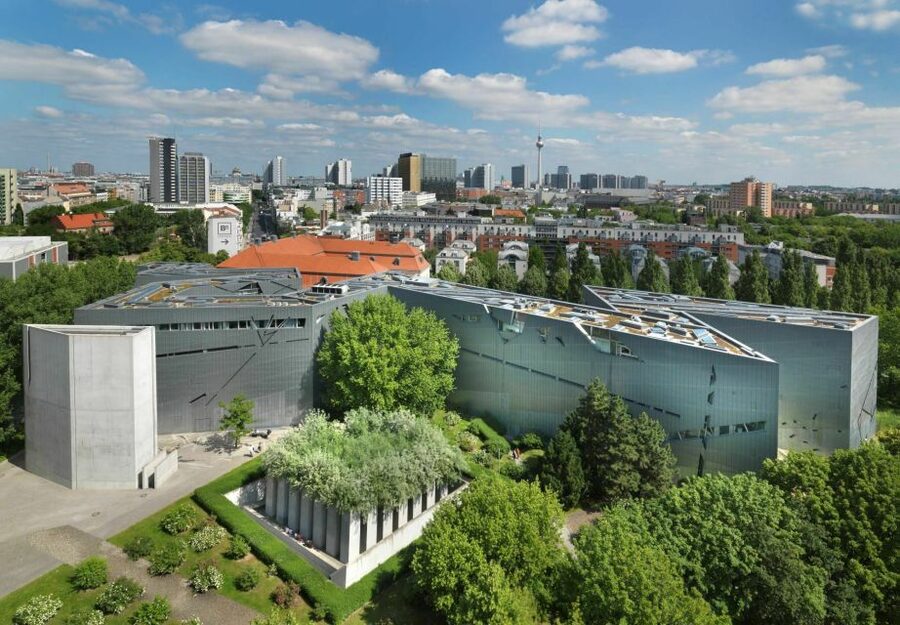
Berlin’s sharpest museum begins with a strange building. I like the Daniel Libeskind architecture, where slanted walls, voids, and hard angles shape your mood, and I like the museum’s broad look at Jewish life, not only Nazi persecution. The main drawback is that the layout can be confusing, and two hours may feel rushed.
Admission is free, which makes this one of Berlin’s best cultural values. You can explore Jewish customs, food laws, holidays, family life, art, and German Jewish history, then spend time with difficult sections on the Holocaust. Bring your own headphones if you want to use the museum app’s audio material.
In This Review
- Key points
- Why the Jewish Museum Berlin deserves your time
- Daniel Libeskind’s zig-zag building
- Starting below ground: the museum’s three axes
- The Memory Void and Shalekhet
- Jewish life beyond the Holocaust
- The Holocaust sections and personal memory
- The museum’s special exhibitions
- How to plan your two-hour visit
- Getting there and adding the Berlinische Galerie
- Free admission and overall value
- Who will appreciate this museum most?
- Should you book the Jewish Museum Berlin?
- FAQ
- How much does admission to the Jewish Museum Berlin cost?
- How long does a visit take?
- What are the museum’s opening hours?
- Is the Jewish Museum Berlin wheelchair accessible?
- Should I bring headphones?
- Is an audio tour included?
- Can I visit the Berlinische Galerie at a reduced price?
- Do I need a coin for the lockers?
Key points
- Libeskind’s building is part of the exhibit: The zig-zag form, empty spaces, and tilted surfaces tell a story before you read a single label.
- Admission costs nothing: The main museum visit is free, though food, transport, parking, and optional audio services are not included.
- The museum looks beyond the Holocaust: You’ll encounter Jewish religion, daily life, design, art, food traditions, Shabbat, and holidays.
- Allow at least two hours: Three hours is more comfortable if you want to read labels and use the app.
- The underground spaces are powerful: The Holocaust Tower, Garden of Exile, and Memory Void are among the most affecting parts of the building.
- It pairs well with the Berlinische Galerie: Your JMB ticket gives you reduced admission there on the day of your visit and the following two days.
Why the Jewish Museum Berlin deserves your time
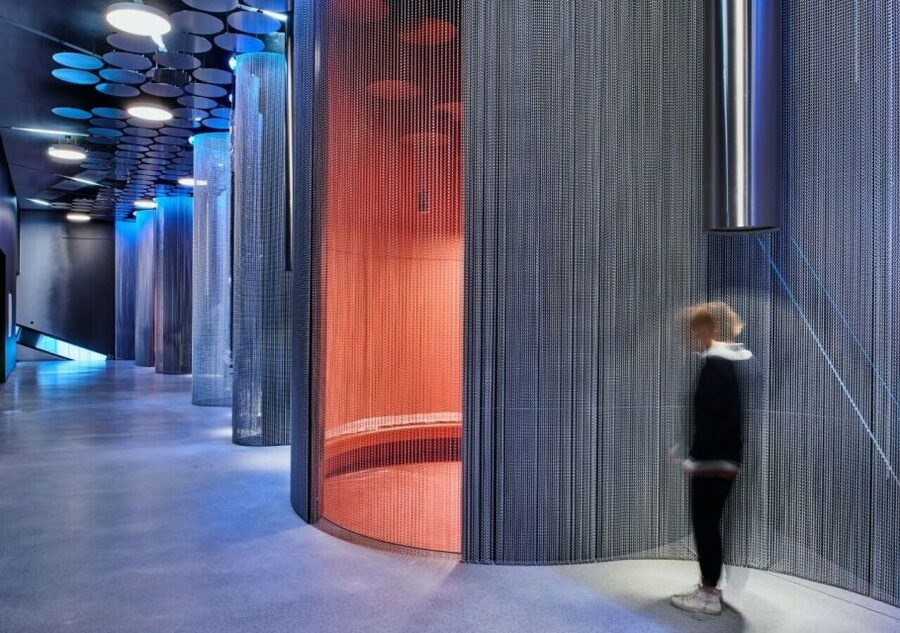
The Jewish Museum Berlin is not a quick stop for a few famous objects. It is a place where architecture, objects, sound, film, and personal stories work together to explain Jewish life in Germany from the Middle Ages to the present.
I appreciate that the museum does not treat Jewish history as a single story of suffering. You learn about religious practice, family customs, food, business, art, education, and political life. The Holocaust is central because it must be, but it is presented within a much longer story.
That wider view matters. If you only study Jewish life through the Nazi period, you miss the ordinary world that existed before 1933 and the Jewish lives continuing today. Here, you can learn why kosher food matters, what Shabbat means, how Jewish holidays are observed, and how Jewish communities changed over time.
The museum also asks you to pay attention to your own physical experience. A corridor may narrow. A floor may tilt. An empty shaft may feel more memorable than a display case. This is not a conventional museum where you simply walk from one neat gallery to the next.
More Museums in Berlin
- Berlin: DDR Museum Tickets
★ 4.3 · 3,443 reviews - Berlin: Natural History Museum Entrance Ticket
★ 4.6 · 3,382 reviews - Berlin: Neues Museum Entry Ticket
★ 4.6 · 3,261 reviews
Daniel Libeskind’s zig-zag building
You can visit the Jewish Museum for its building alone, though the exhibits make the architecture more meaningful. Daniel Libeskind designed the main structure as a broken, zig-zag form with slashing windows and severe angles. Its shape suggests disruption, absence, and fractured connections.
Inside, the building has its own visual language. Long corridors lead you toward voids, dead ends, and underground routes. The effect can be disorienting, but that is deliberate. You are not meant to feel entirely comfortable or perfectly oriented.
I find this approach more effective than a wall panel explaining that Jewish life in Germany was interrupted. The architecture makes interruption physical. You feel the missing spaces and broken paths as you move.
The design is not easy on every visitor. Some rooms are dark or stark, and the angular floors can be tiring. Signage can also be less clear than you might want, especially if you are trying to follow every section in order. Take a moment at each junction rather than racing ahead.
Starting below ground: the museum’s three axes
The museum’s underground level is organized around intersecting routes often described as axes. These paths connect the building’s central ideas: continuity, exile, and the Holocaust.
You might begin with the Axis of Continuity, which leads toward the main historical displays. It suggests that Jewish life did not begin with persecution and did not end with it. The route connects the past with later chapters of Jewish culture and identity.
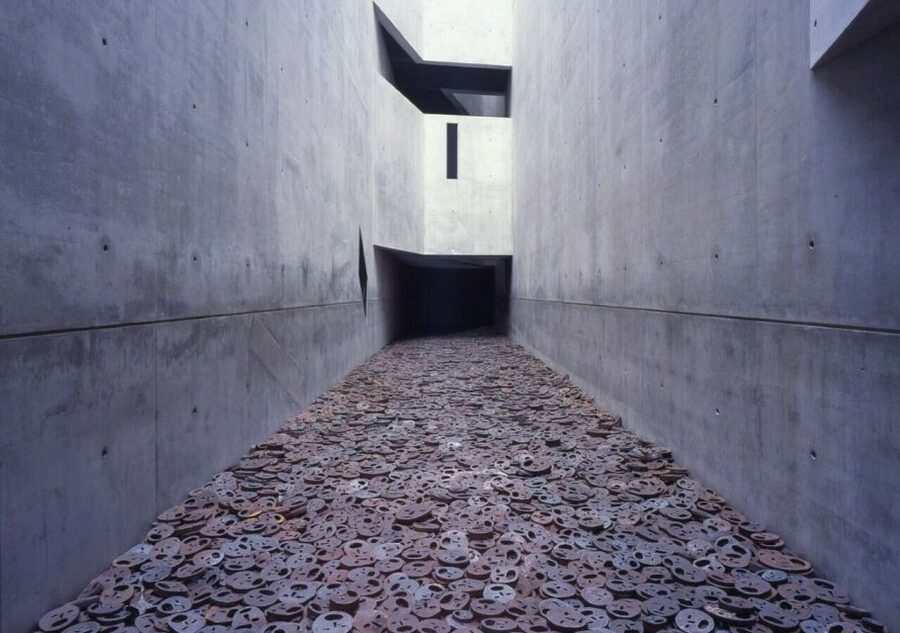
The Axis of Exile leads toward the Garden of Exile. Its tall concrete pillars and uneven ground create a difficult walking space. You may feel off balance as you move through it, which turns the idea of exile into something bodily rather than abstract.
The Holocaust Tower is another major space. It is tall, cold, and mostly empty, with a narrow opening admitting a small amount of light. There is no need for elaborate staging here. The bare room gives you space to think, though some people may find it emotionally heavy.
These spaces are not optional decoration. They prepare you for the exhibitions by showing how the museum wants you to read its contents. The building asks you to consider absence, displacement, and survival before you meet the objects.
The Memory Void and Shalekhet
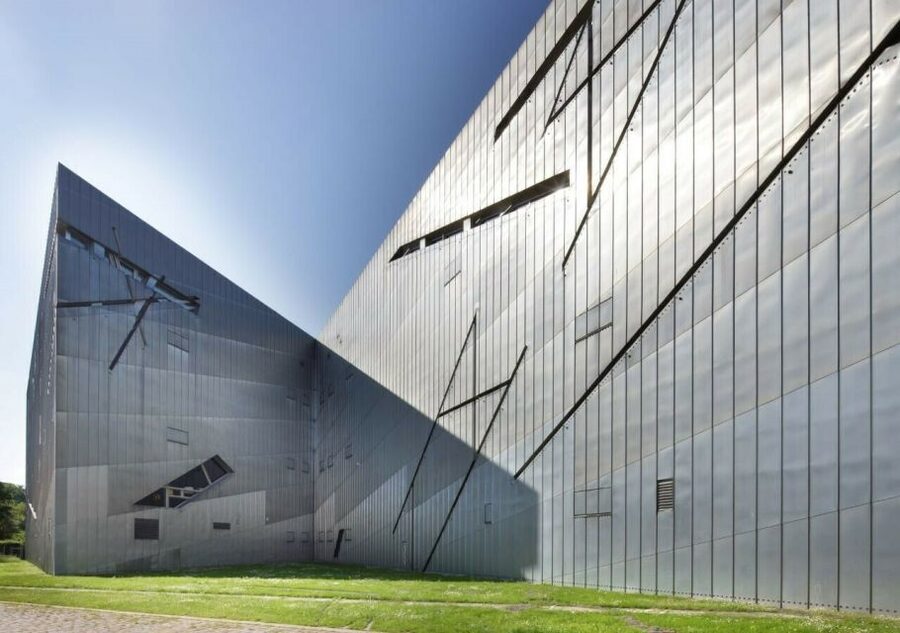
The Memory Void is one of the museum’s most famous spaces. It contains Shalekhet, also called Fallen Leaves, an installation made from thousands of metal faces spread across the floor.
You can walk across them, but the sound is harsh and unsettling. The faces shift under your feet, turning a visual display into a physical act. I would not treat this as a photo opportunity. It works best when you slow down and listen.
The installation is powerful because it avoids a tidy emotional response. You may feel uncomfortable, hesitant, or unsure how to proceed. That uncertainty is part of the point. The museum does not offer a safe distance from memory.
If you are visiting with children, you can explain the space in simple terms before entering. The museum is described as family-friendly, but parts of the visit are solemn and may need a little preparation.
Something different for another day:
- Berlin: Reichstag, Dome and Government District Guided Tour
★ 4.7 · 18,288 reviews - Berlin: 1-Hour City Tour by Boat with Guaranteed Seating
★ 4.3 · 16,993 reviews - Berlin: Boat Tour Along the River Spree
★ 4.4 · 11,252 reviews - Discover Berlin Half-Day Walking Tour
★ 5.0 · 9,624 reviews
Jewish life beyond the Holocaust
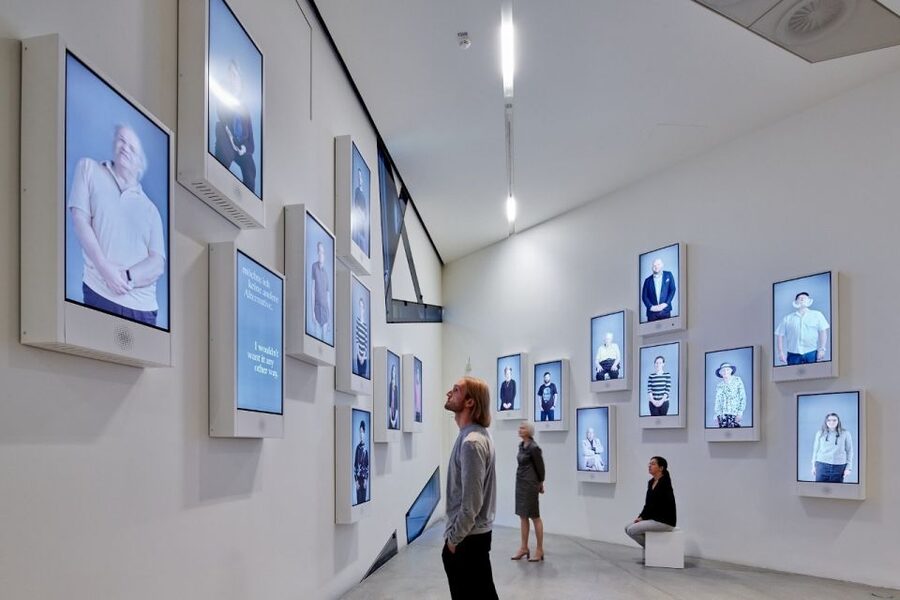
The permanent collection introduces Jewish life in German-speaking lands across many centuries. The exact route can take time, since objects and media are spread through a large museum space.
You can expect everyday objects alongside art, photographs, films, audio material, and interactive stations. These displays help explain how religious practice fits into daily routines. Food laws, Shabbat, and Jewish holidays are not presented as isolated rules. You see how customs shape family life, time, community, and identity.
I especially value this section because it gives you useful cultural context. After learning about kosher food, for example, you can better understand why certain ingredients, preparation methods, and kitchen habits matter. Learning about Shabbat also helps you see Judaism as a lived rhythm, not simply a list of beliefs.
The museum also follows the development of Jewish communities in Germany. You encounter periods of settlement, adaptation, achievement, discrimination, and forced removal. The displays show that Jewish people were active in German society as workers, artists, business owners, designers, writers, and civic figures.
This part deserves more than a quick glance. It is easy to spend all your emotional energy on the Holocaust sections, but the museum’s fuller purpose is to show the breadth of Jewish experience.
The Holocaust sections and personal memory
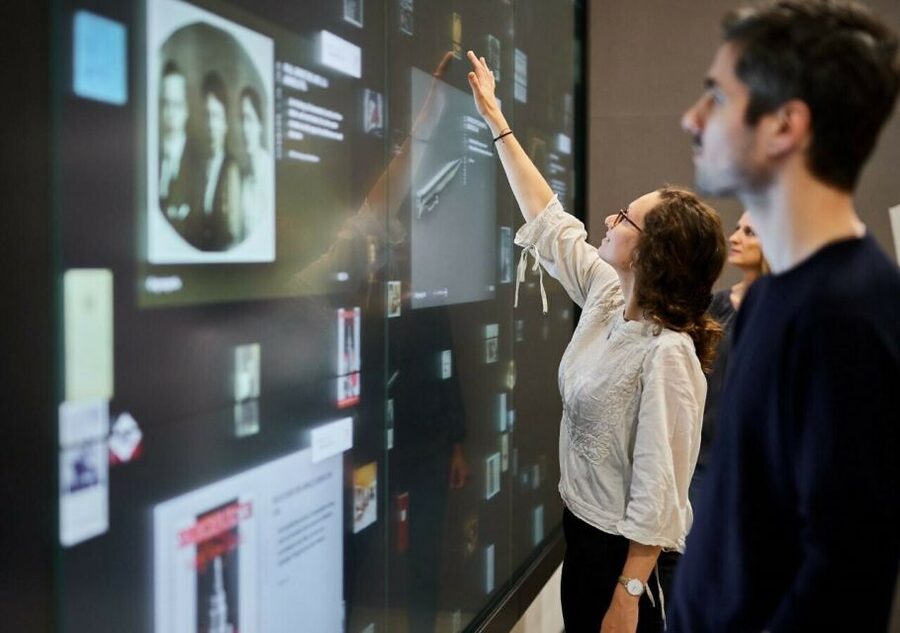
The museum does not soften the history of Nazi Germany. Photographs, documents, memoirs, and audio material show the destruction of Jewish communities and the human cost of persecution.
The personal stories are often harder to process than the broad political timeline. A date or statistic gives you scale, but a family account gives you a human voice. You may find yourself stopping often to read, rather than moving at a steady museum pace.
Several people have found these memoirs deeply moving, and you should plan your visit with that in mind. This is not an entertaining attraction in the usual sense. It can be quiet, painful, and emotionally draining.
At the same time, the museum avoids making the Holocaust the only subject. That balance is one of its strengths. You first see Jewish communities as complete societies with traditions, disagreements, work, creativity, and ordinary routines. The later destruction becomes even more devastating because you understand what was lost.
The museum’s special exhibitions
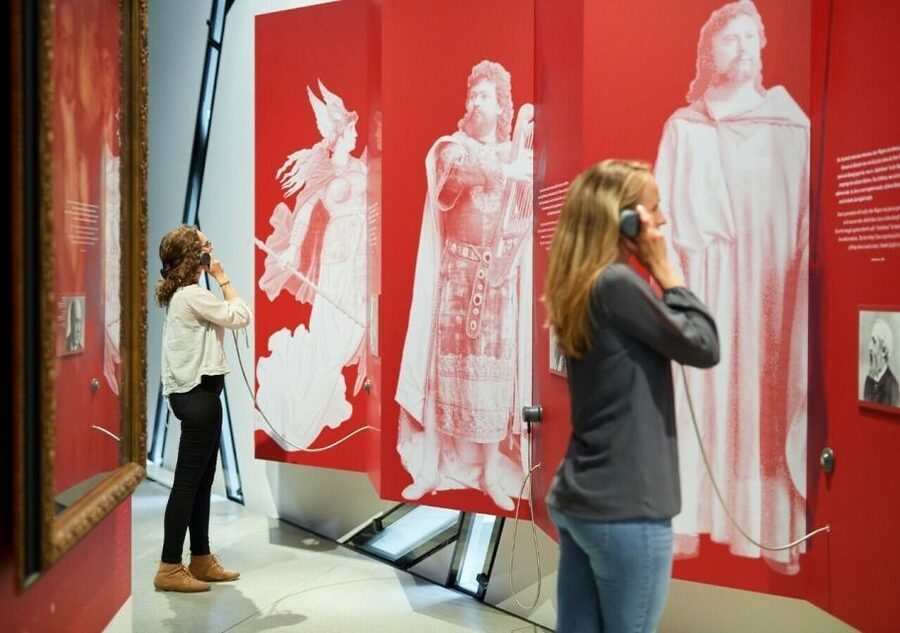
The Jewish Museum regularly adds temporary exhibitions to its permanent displays. One scheduled exhibition, Inventories: The Legacy of Salman Schocken, was set for July 11 through November 23, 2025. It invited US author Joshua Cohen to examine Salman Schocken’s work as a publisher and department-store entrepreneur.
The exhibition used books and objects from the museum’s collection to consider publishing, commerce, museums, culture, and questions of ownership and belonging. Admission to that exhibition was free.
Another major exhibition, Defiance: Jewish Women and Design in the Modern Era, focused on more than sixty Jewish women designers. It explored their role in German society during the early twentieth century, when women and Jewish artists faced serious barriers to professional recognition.
The displays covered goldsmithing, textiles, ceramics, wood carving, fashion, and graphic design. Their careers were damaged or destroyed under the Nazi regime. Some escaped abroad and rebuilt their lives, while many remained absent from standard accounts of German art and design.
This exhibition adds an important correction to familiar museum stories. You do not see only famous male figures or political leaders. You meet women who worked as artists, craftspeople, designers, and entrepreneurs.
Exhibition schedules change, so check the museum’s current program before you go. The building and permanent displays remain the main reason to visit, but a temporary exhibition can add another hour to your stay.
How to plan your two-hour visit
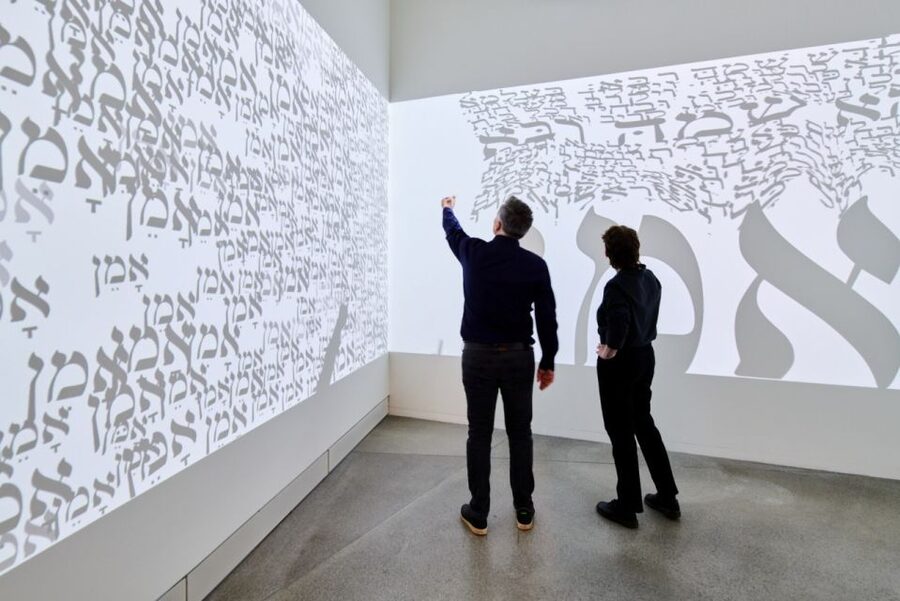
The stated average visit is about two hours, and that is a realistic minimum. You can see the major architectural spaces and get a solid sense of the collection in that time, but you will need to keep moving.
I would allow two and a half to three hours if you enjoy reading labels or using the audio material. One visitor found two hours barely enough, while another returned on a later day after running out of time. That tells you more than a simple duration estimate.
The museum is open from 10am to 6pm. Since it closes at 6pm, do not arrive late in the afternoon expecting to see everything. A morning or early afternoon visit gives you room to pause in the more serious galleries.
You can download the JMB app free of charge. Audio options include a shorter tour of about 60 minutes and a longer route of at least 90 minutes. You can also select individual objects or displays instead of following a full tour.
Bring your own headphones. Some audio services may involve an extra charge, and one visitor specifically considered a small headphone fee worthwhile. The provided information does not include a guided tour or audio tour in the admission, so check the current arrangements before arrival.
The building is wheelchair accessible, but the museum includes sloping areas and stairs in parts of the route. If you need a particular access arrangement, ask staff when you arrive.
Getting there and adding the Berlinische Galerie
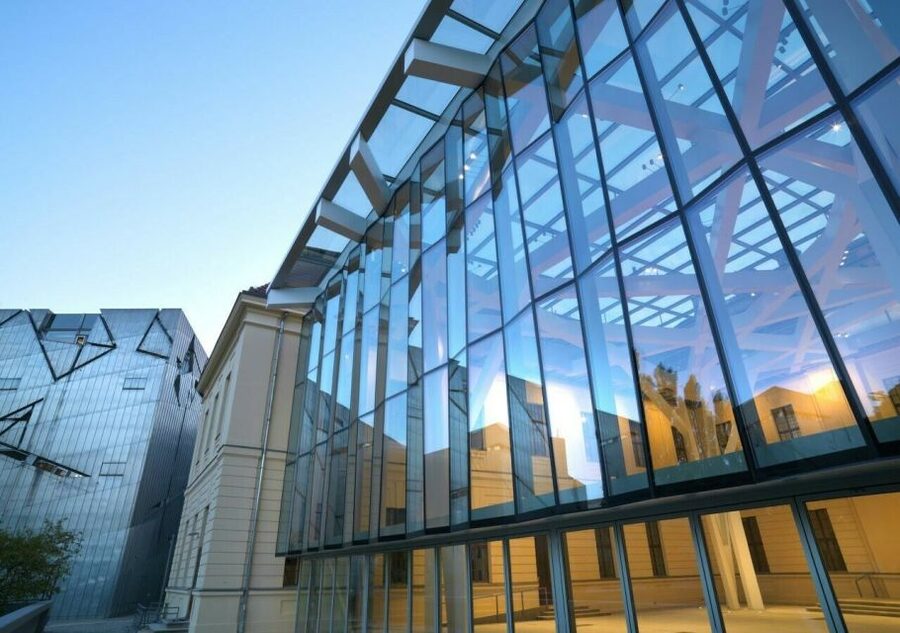
The museum is in central Kreuzberg, within walking distance of Checkpoint Charlie. Public transport is not included, and parking fees are also separate, so budget for your route across Berlin.
The Berlinische Galerie is about a five-minute walk away. On the day of your Jewish Museum visit and the next two days, your JMB ticket makes you eligible for reduced-rate admission there.
That is a useful pairing if you like modern art, photography, and design. I would not force both museums into one rushed afternoon, though. The Jewish Museum can be emotionally demanding, and the second museum may work better on a separate day while the discount remains valid.
The on-site cafe gives you a place to sit after the galleries. Food and drinks are not included, but a pause can help after the Holocaust Tower and Memory Void.
Free admission and overall value
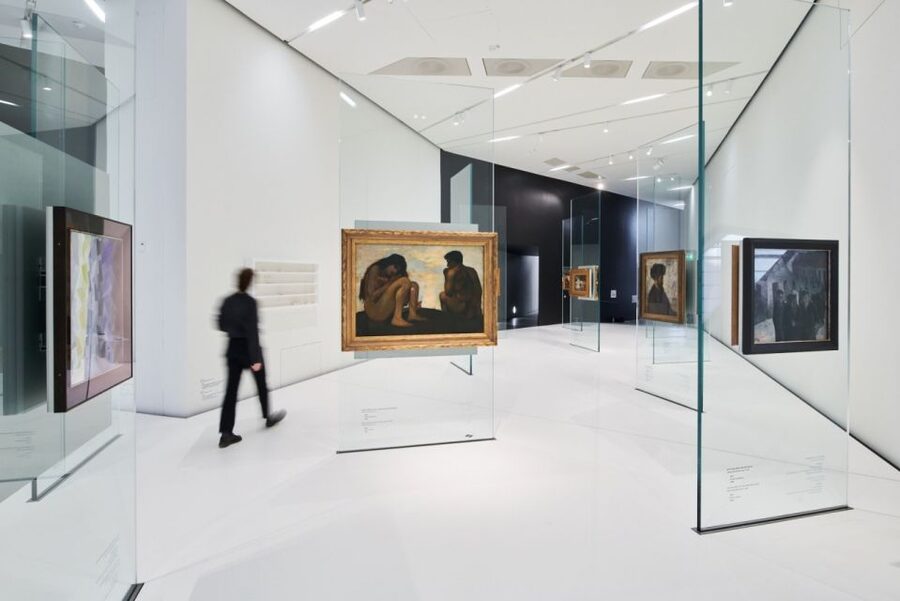
The ticket price is $0 per person, making the museum an exceptional value. You receive access to a major European museum, its permanent displays, symbolic architecture, and the free JMB app without paying an entrance fee.
Free admission does not mean a lightweight visit. You can spend two hours or much longer here, and the material deserves your attention. If you find the museum meaningful, a donation is a thoughtful way to support its work, though it is not required for entry.
The only added costs you might face are transport, food, parking, and any optional audio or headphone service. You may also want a coin for the lockers if you need to store a large bag. One useful practical detail is that lockers may require a euro coin, so keep a little change with you.
Who will appreciate this museum most?
I recommend the Jewish Museum to anyone interested in Berlin’s past, Jewish culture, architecture, design, or modern European history. You do not need prior knowledge to benefit from the displays.
It suits solo visitors because you can set your own pace and spend as long as you like with personal stories. Couples and friends should allow quiet time, since the emotional sections are not ideal for constant conversation.
Families can visit, particularly if older children can handle difficult historical subjects. The interactive stations and unusual building keep the experience active, but the Holocaust material requires care.
If you want a light museum stop, this may not be the right choice. The architecture can be disorienting, the route is extensive, and the subject matter is often sad. If you are willing to think, read, and slow down, the museum gives you far more than a quick lesson in dates.
Should you book the Jewish Museum Berlin?
Yes, I would make time for it, especially because admission is free. Book a time slot if available, bring headphones, keep a euro coin for a locker, and allow at least two hours.
Go for the building, but stay for the fuller story of Jewish life in Germany. The Holocaust sections are painful, yet the museum also presents customs, achievements, art, family life, and continuing Jewish culture. That balance makes the visit more honest and more valuable.
FAQ
How much does admission to the Jewish Museum Berlin cost?
Admission is free according to the provided activity information. Food, drinks, parking, transportation, and guided or audio tours are not included.
How long does a visit take?
The average visit takes about two hours. If you want to read extensively or use the longer app tour, allow two and a half to three hours.
What are the museum’s opening hours?
The museum is open from 10am to 6pm and closes at 6pm.
Is the Jewish Museum Berlin wheelchair accessible?
Yes. The activity information describes the museum as wheelchair accessible.
Should I bring headphones?
Yes. Headphones are recommended if you plan to use the JMB app or listen to audio and video material.
Is an audio tour included?
A guided or audio tour is not included in the activity information. The free JMB app can be downloaded, and audio content is available through it.
Can I visit the Berlinische Galerie at a reduced price?
Yes. Your JMB ticket makes you eligible for reduced-rate admission to the neighboring Berlinische Galerie on the day of your museum visit and during the following two days.
Do I need a coin for the lockers?
You might. A euro coin may be needed to store a large bag in the lockers, so carrying some change is sensible.
Just added around Berlin
- Berlin: Private Guided Tour of the Main Sights★ 5.0 · 13 reviews
- Private Highlights of Berlin Bike Tour★ 5.0 · 13 reviews
- Modern Berlin Private Walking Tour: Diverse, Vibrant and Exciting German Capital★ 5.0 · 13 reviews
- Tour in Berlin from Warnemünde and Rostock Cruise Port★ 4.1 · 13 reviews
- Berlin: Stasi Museum Private Guided Tour with Entry Ticket★ 4.8 · 13 reviews
- Private Food Tour Experience with a born and bred Berliner★ 5.0 · 14 reviews
- Berlin: Rheinsberg Palace Entrance Ticket★ 4.8 · 14 reviews
- Berlin in one day – day tour with an expert guide★ 5.0 · 14 reviews
Museums, compared.


Skip-the-Line: Berlin Wall Museum at Checkpoint Charlie
Read our review →
Browse the lists this tour appears in