
Reviewed · THIRD REICH & WWII TOURS
Berlin: World War Two Third Reich and Cold War Walking Tour
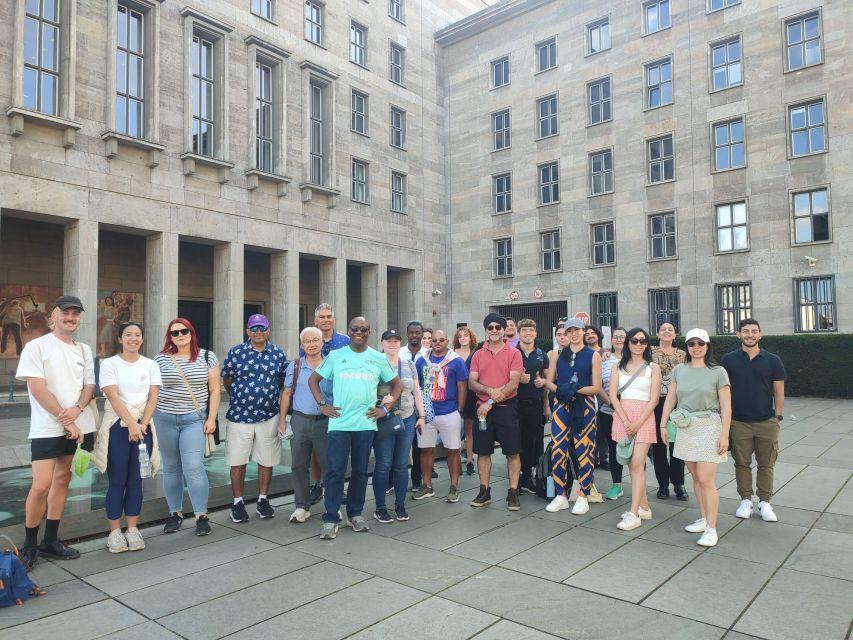
Berlin makes history feel close. I like that this five-hour walking tour connects the Third Reich, East German communism, the Cold War, and the Berlin Wall instead of treating each period as a separate lesson. I also like the low price, $21 per person, which gives you a useful introduction to several major sites with an English-speaking local historian.
The main concern is organization. The meeting point is shared by tours, and one report describes a chaotic check-in in which the advertised tour did not properly take place. You should arrive early, find the white umbrella in front of Generator Berlin Alexanderplatz, and confirm that you are with the correct group before setting off.
In This Review
- Key points to know before booking
- Starting at Alexanderplatz With a Clear Meeting Plan
- From the Third Reich to Berlin’s Wartime Ruins
- Crossing Into the Cold War and East Germany
- Reading the Berlin Wall at East Side Gallery
- Berlin Wall Memorial and the Human Cost of Division
- A Route That Connects Buildings, Art, and Political Change
- Is Five Hours of Walking a Good Use of $21?
- Who Will Get the Most From This Tour?
- Should You Book the Berlin WWII and Cold War Walking Tour?
- FAQ
- Where does the tour begin?
- Where does the tour finish?
- How long does the walking tour last?
- What language is the tour conducted in?
- Is food included?
- Can I cancel the booking?
Key points to know before booking
- One tour, several eras: The route links World War II, the Third Reich, East Germany, the Cold War, and the Berlin Wall.
- Five hours on foot: This is a serious walking commitment, so comfortable shoes, water, snacks, and weather-ready clothing matter.
- Major Berlin landmarks: The itinerary includes the Reichstag, Hitler’s bunker site, the Flak Tower, the Russian-German war museum, East Side Gallery, and the Berlin Wall Memorial.
- A useful price: At $21, the tour can be good value if the full route runs as planned and you want historical background while walking.
- Central start and finish: You meet at the white umbrella outside Generator Berlin Alexanderplatz and return to that same meeting point.
- A guide makes the difference: The tour is in English and depends heavily on how well the local historian explains the sites and connects their stories.
Starting at Alexanderplatz With a Clear Meeting Plan
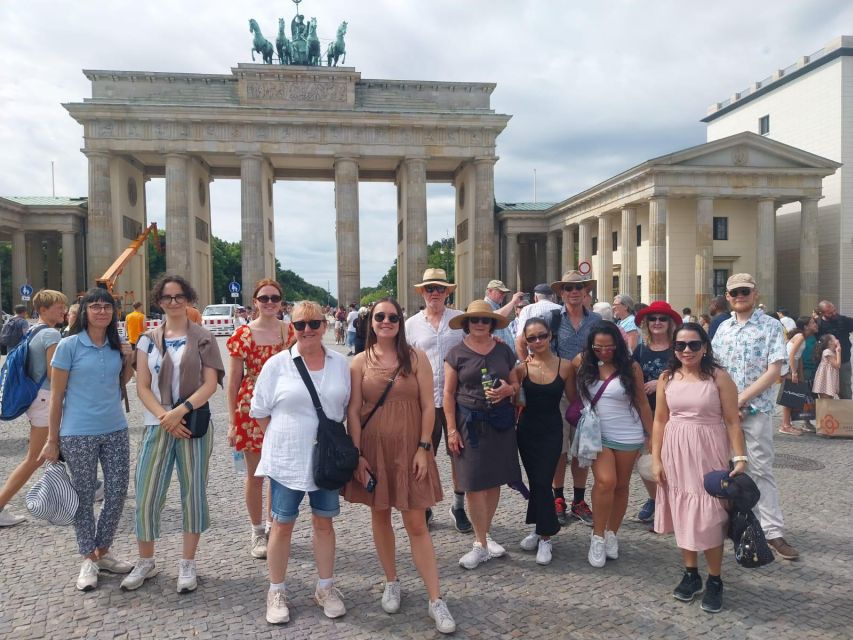
Your morning or afternoon begins at Generator Berlin Alexanderplatz. Look for the white umbrella on the corner in front of the hostel. The meeting point is specific, but it may be shared with other walking tours, so do not simply join the first group you see.
That detail matters because the only supplied rating comment raises a real practical warning. A customer reported arriving to a confused gathering where different tours appeared to be sorted out at the same place, and the advertised tour was not clearly offered. The complaint is especially serious because the person received only pieces of the promised program.
I would arrive with enough time to locate the umbrella, check the tour name, and confirm the guide’s route before the group leaves. No guide name is provided, so you cannot look for a particular historian. The tour is conducted in English, and the guide is described as a local historian.
The activity returns to the same meeting point. That makes the end simple, especially if you want to continue exploring Alexanderplatz or return to your hotel. Hotel pickup and drop-off are not included, so you need to make your own way to the start.
More Third Reich & WWII Tours in Berlin
- Berlin: Third Reich and Cold War 2 Hour Walking Tour
★ 4.9 · 6,830 reviews - Berlin’s Best: 2 Hour Walking Tour Third Reich and the Cold War
★ 5.0 · 5,486 reviews - Third Reich Berlin: Hitler and WWII Walking Tour
★ 5.0 · 3,301 reviews
From the Third Reich to Berlin’s Wartime Ruins
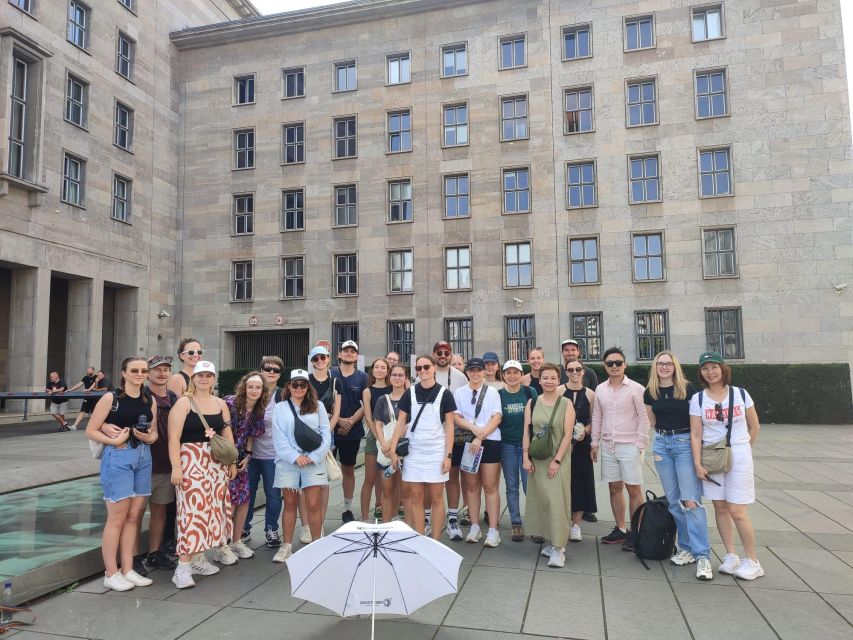
The first part of the walk focuses on Berlin under the Nazi regime and the events of World War II. The experience is designed to place major political decisions alongside the physical sites where they shaped the city.
The Reichstag is one of the key landmarks on the route. Its importance is not just architectural. The building represents Germany’s parliamentary government and the political upheavals that changed the country during the 20th century. A guide can help you read the building as part of Berlin’s wider story, rather than simply as a grand photo stop.
The tour also includes the site associated with Hitler’s bunker. There is no surviving underground attraction to enter here, and you should not expect a dramatic preserved interior. The value is in understanding the location and the final phase of the Nazi government within the modern city around you.
That contrast is one of Berlin’s most striking features. Ordinary streets and newer buildings now occupy places connected with dictatorship and war. A good guide helps you understand what happened without turning the subject into spectacle. This part of the tour is best suited to people who want political and military context, not just a list of buildings.
The Flak Tower adds another layer. These huge wartime defensive structures were built for air defense, and their scale helps show how heavily Berlin was prepared for attack. The tour also visits a Russian-German war museum, giving you another perspective on the conflict and its aftermath.
Because the itinerary includes several sites from the same broad period, the guide’s explanations matter greatly. The tour should help you follow cause and effect: the rise of the Third Reich, the destruction of war, the occupation that followed, and the division of Germany. If the commentary is rushed, some of these connections may feel compressed during a five-hour route.
Crossing Into the Cold War and East Germany
After World War II, the story changes from dictatorship and total war to political division. Berlin became a front line between the Soviet sphere and the Western powers, and the tour uses the city’s streets and remaining structures to explain that shift.
The Cold War section focuses on East Communism and daily life behind the Berlin Wall. That phrase points to an important strength of the experience. You are not only hearing about international politics. You are also being introduced to the effect of division on people who lived, worked, and moved through a city split by a border.
A walk works well for this subject because the Wall was not an abstract line on a map. It cut through streets, neighborhoods, transport routes, and personal lives. The route includes guard towers, escape routes, and less obvious sections of the former barrier. These details can help you picture how the border operated and why crossing it was so dangerous.
You may find that some remnants are modest. Berlin has changed greatly since reunification, and many sections of the Wall have disappeared. That is precisely why a guide can add value. A remaining fragment, an empty strip, or a marked route can mean much more when you know what once occupied the space.
The tour also addresses the people who lived through the period and the spirit of Berliners who resisted or adapted to the division. That human focus should keep the Cold War section from becoming a dry political lecture. Still, the amount of time spent at each site may vary depending on the guide and the group’s pace.
Reading the Berlin Wall at East Side Gallery
East Side Gallery is one of the best-known remaining stretches of the Berlin Wall. Its painted panels turn a former barrier into an outdoor art site, and the tour uses it to discuss both the Wall’s political meaning and Berlin’s cultural response to division.
The art is not simply decoration. It reflects the way Berlin reclaimed a structure associated with fear, surveillance, and separation. Music, revolutionary art, and wider cultural change are part of the tour’s promised story, so this stop should connect the political past with the city’s artistic identity.
You will want time to look closely rather than treat the gallery as a quick backdrop for photographs. The experience does not list a separate art specialist, and the guide’s interpretation will shape how much you get from the paintings. If you care strongly about the artwork itself, you may want to return independently after the tour and spend longer with the panels.
East Side Gallery can also feel different from the quieter Wall sites. The tour presents both the public, highly visible side of the Wall and the more personal stories of escape and separation found elsewhere. That contrast helps you understand why no single Berlin Wall stop tells the whole story.
More Walking Tours in Berlin
- Discover Berlin Half-Day Walking Tour
★ 5.0 · 9,624 reviews - Berlin: Discover Berlin Walking Tour
★ 4.9 · 5,998 reviews - Berlin: Hidden Backyards Guided Walking Tour
★ 4.8 · 5,360 reviews - Berlin: Alternative Berlin Walking Tour
★ 4.6 · 1,204 reviews
Berlin Wall Memorial and the Human Cost of Division
The Berlin Wall Memorial is a more reflective part of the route. Here, the focus moves from the surviving wall art to the structure of the border and the people affected by it.
The itinerary promises information about guard towers, escape routes, and less visible sections. These features are valuable because they explain the Wall as a working border system, not merely a concrete slab. You can better understand how surveillance, restricted movement, and attempted escapes shaped everyday life.
This is likely to be one of the more serious sections of the walk. The subject calls for attention, and five hours is long enough for the tour to connect several events rather than offer a quick photograph and a date. You should expect a substantial amount of standing and walking while listening.
The memorial also helps correct a common misunderstanding. The Wall was not only a symbol of two political systems. It divided families, neighborhoods, and routines. The guide’s role is to make those personal consequences clear while explaining the larger Cold War conflict.
A Route That Connects Buildings, Art, and Political Change
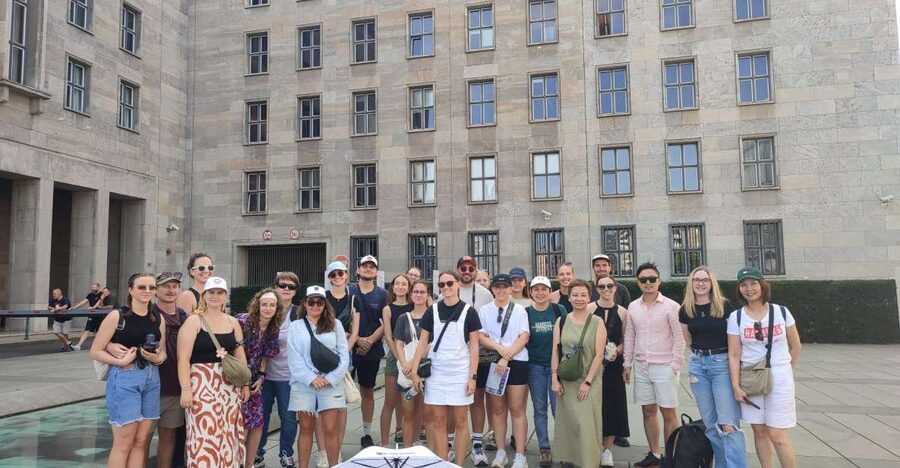
The tour’s broad theme is the way Berlin’s political past continues to shape its architecture and culture. You move among government buildings, wartime remains, Wall sites, museums, and public art. That mix gives you a more complete sense of how the city changed across the 20th century.
The experience also points to Berlin’s cultural impact in music, art, and revolutionary movements. The supplied details do not name particular musicians, artists, or events, so you should not expect a specialized music tour. Instead, culture appears as part of the city’s larger response to war, occupation, division, and reunification.
I like this wider approach because Berlin can be hard to understand if you visit its sights in isolation. The Reichstag, a Wall fragment, a Flak Tower, and East Side Gallery may seem unrelated on a standard sightseeing day. Put together with a clear explanation, they show how each era left physical and cultural marks.
The drawback is scope. The route attempts to cover a great deal in five hours. You may receive a strong overview, but not the detailed treatment of every location that you would get from a full museum visit or a specialist tour focused only on the Third Reich or the Wall.
Is Five Hours of Walking a Good Use of $21?
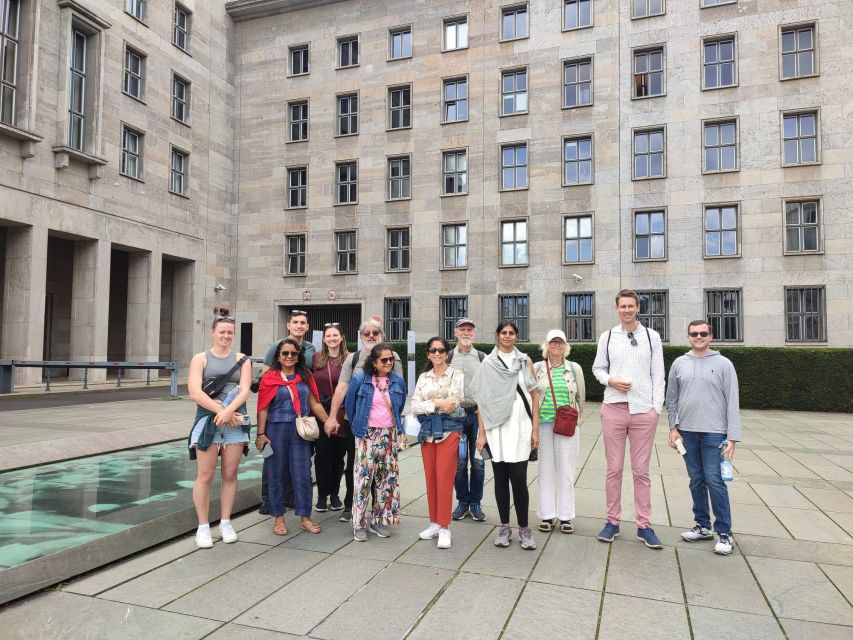
At $21, this is priced as an accessible introduction rather than a premium small-group experience. The value depends on two things: the tour actually operating as advertised and the guide making the many historical stops easy to follow.
If both conditions are met, I consider the price attractive. You receive five hours with a local historian, an English-language presentation, and a route that covers several important parts of Berlin’s 20th-century story. You also finish where you began, which avoids the hassle of working out a return route from an unfamiliar district.
Meals, drinks, and souvenirs are not included. Bring snacks and water, especially because five hours is a long stretch without a planned meal break. The practical list also calls for cash, comfortable shoes, and clothing suited to the weather.
The tour is listed as wheelchair accessible, which is useful information, but the route details do not explain every surface, entrance, or site condition. If you need specific access arrangements, confirm them before booking rather than relying only on the general accessibility label.
Free cancellation is available up to 24 hours before the start for a full refund, and you can reserve now and pay later. Those terms reduce some booking risk, but they do not solve the on-site organization concern. The safest approach is to verify the correct group at the meeting point.
Who Will Get the Most From This Tour?
I would choose this tour if you want a single historical orientation to Berlin and prefer learning while walking. It suits first-time visitors who need the city’s major 20th-century events placed in order, especially those interested in the Third Reich, the Cold War, and the Berlin Wall.
It also suits visitors who like to see how political history affects art and public space. East Side Gallery and the Wall Memorial give the program more range than a route limited to government buildings and war sites.
You may want something else if you dislike long walks, want plenty of time inside museums, or prefer one tightly focused subject. The route is broad, and some stops may be viewed from outside or explained in place. It is not presented as a meal-inclusive excursion, and hotel transport is not part of the service.
Most important, I would not book it casually if your schedule leaves no room for a backup plan. The reported confusion at the meeting point is the tour’s biggest weakness. Berlin offers many historical alternatives, but missing a five-hour program can cost you a valuable day.
Should You Book the Berlin WWII and Cold War Walking Tour?
Book it if the operator confirms the group clearly, you are comfortable walking for five hours, and you want a low-cost introduction to Berlin’s defining political eras. The combination of the Reichstag, Hitler’s bunker site, wartime structures, East Side Gallery, and the Berlin Wall Memorial gives you plenty of historical ground for $21.
I would be more cautious if you need a tightly managed experience or if a missed tour would disrupt your plans. Arrive early at the white umbrella, verify the guide and tour name, bring water and snacks, and wear shoes made for a full day on foot. With those precautions, this can be a useful first look at the city before you return to the sites that deserve more time.
FAQ
Where does the tour begin?
It begins at the white umbrella on the corner in front of Generator Berlin Alexanderplatz in Berlin.
Where does the tour finish?
The activity ends back at the meeting point.
How long does the walking tour last?
The tour lasts five hours. Starting times vary, so you need to check availability for the date you want.
What language is the tour conducted in?
The live tour guide conducts the experience in English.
Is food included?
No. Meals and refreshments are not included. You should bring snacks and drinks for the five-hour route.
Can I cancel the booking?
Yes. You can cancel up to 24 hours in advance for a full refund. Reserve now and pay later is also available.
Just added around Berlin
- Berlin: Private Guided Tour of the Main Sights★ 5.0 · 13 reviews
- Private Highlights of Berlin Bike Tour★ 5.0 · 13 reviews
- Tour in Berlin from Warnemünde and Rostock Cruise Port★ 4.1 · 13 reviews
- Modern Berlin Private Walking Tour: Diverse, Vibrant and Exciting German Capital★ 5.0 · 13 reviews
- Berlin: Stasi Museum Private Guided Tour with Entry Ticket★ 4.8 · 13 reviews
- Private Food Tour Experience with a born and bred Berliner★ 5.0 · 14 reviews
- Berlin: Rheinsberg Palace Entrance Ticket★ 4.8 · 14 reviews
- Berlin in one day – day tour with an expert guide★ 5.0 · 14 reviews
Third Reich & WWII Tours, compared.
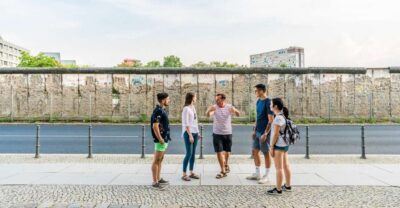
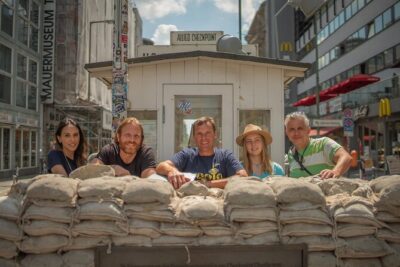
Berlin’s Best: 2 Hour Walking Tour Third Reich and the Cold War
Read our review →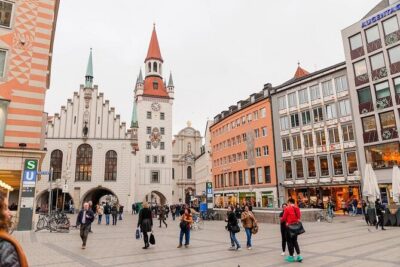
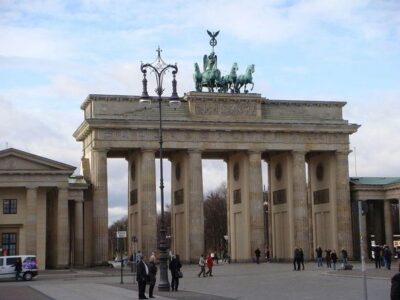
Third Reich Berlin: Hitler and WWII Walking Tour
Read our review →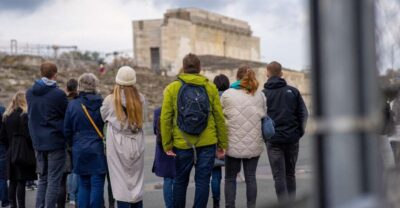
Walking Tour of Former Nazi Party Rally Grounds
Read our review →
Browse the lists this tour appears in