
Reviewed · WALKING TOURS
“Rotes Bier” and “Blaue Zipfel”. A historical-culinary walk
Small sausages, big stories, excellent beer. This two-hour walk through Nuremberg links the old town with local food traditions, serving samples as your guide explains why the city eats and drinks the way it does. I especially like the mix of historic streets and edible stops, plus the chance to try Nuremberg red beer, a proper local bratwurst, and gingerbread in one compact outing.
I also like that the tour asks practical, curious questions rather than simply pointing at old buildings. Why are Nuremberg sausages so small? Since when have local cooks known something like ravioli? The main caution is simple: the tour is held in German, and some of the in-between snacks may feel modest compared with a full meal.
In This Review
- Key points before you book
- Starting at the Altes Rathaus
- Bratwurst Röslein and the case for small sausages
- Hauptmarkt: gingerbread, markets, and local flavor
- Hauptmarkt 2 and the pleasure of surprise samples
- Trödelmarkt and Unschlitthaus: food beyond the famous dishes
- St. Sebaldus Church and the city’s table
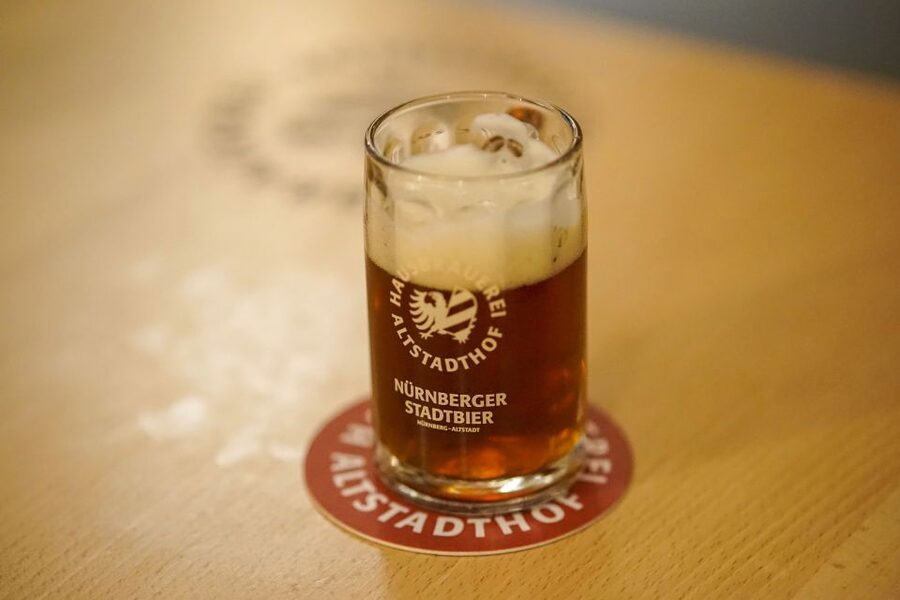
- Altstadthof Brewery and the final red beer
- How much food do you actually receive?
- What the 29 dollar price buys you
- Language, pace, and planning advice
- Who will enjoy this Nuremberg walk?
- Should you book Rotes Bier and Blaue Zipfel?
- FAQ
- Where does the tour begin?
- Where does the tour finish?
- How long does the experience last?
- What language is the tour conducted in?
- Is food included?
- Is Nuremberg bratwurst included?
- Is the tour wheelchair accessible?
- What should I bring?
Key points before you book
- Red beer finishes the route: The walk ends at the Altstadthof Brewery, where local Rotbier gives the food tour its name.
- The old town is your dining room: Stops include the Altes Rathaus, Hauptmarkt, Trödelmarkt, Unschlitthaus, and St. Sebaldus Church.
- Nuremberg bratwurst has a reason for its size: You get to taste the sausage while learning about its local identity.
- Food comes with the history: Samples appear between stories about cooking, trade, religion, and city life.
- German is the only tour language: This matters because the guide’s explanations are the heart of the experience.
- Two hours keeps it manageable: The route is on foot, with walks of roughly three to ten minutes between stops.
Starting at the Altes Rathaus
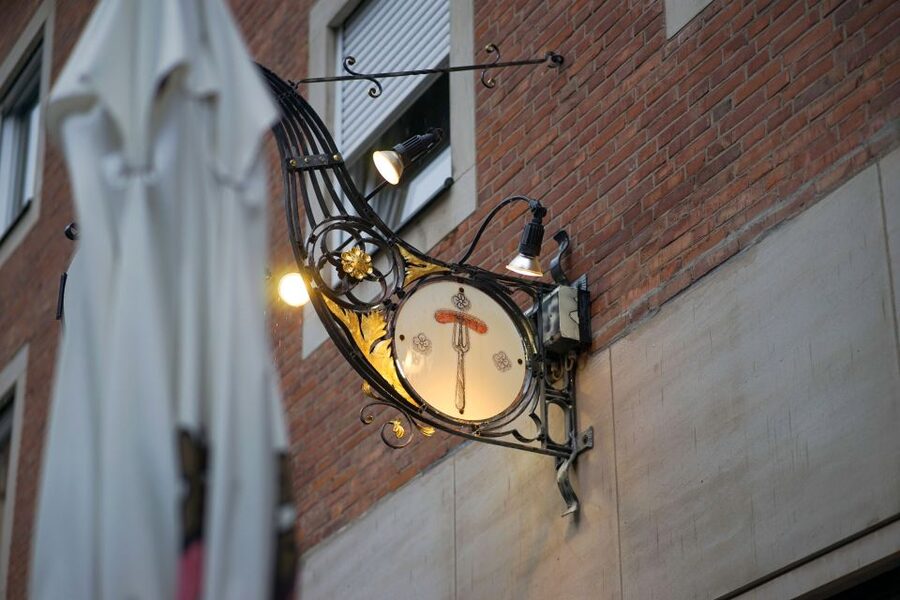
Meet your guide in front of the main entrance of the Alte Rathaus, or Old Town Hall. Look for the picture folder and the green Geschichte Für Alle e.V. logo. That detail matters in a busy historic center, where several groups may gather around the same square.
The tour begins at Rathausplatz and quickly sets food into a city context. Nuremberg’s old town is not just scenery between tastings. The streets, squares, churches, and civic buildings help explain how food moved through the city and how ordinary people ate.
I like this opening because it gives the tour a clear purpose. You are not simply walking toward lunch. You are learning why local dishes developed in a particular place, and why foods that look simple can carry a surprising amount of history.
Your guide leads on foot, with no transport needed once you arrive. The route is wheelchair accessible, although the tour takes place outdoors and continues in rain or shine. Wear comfortable shoes and clothing suited to the weather.
More Walking Tours in Nuremberg
- Bamberg: Guided Walking Tour
★ 4.6 · 3,202 reviews - Nuremberg: Old Town Guided Walking Tour
★ 4.6 · 2,416 reviews - Nuremberg: Walking Tour of Former Nazi Party Rally Grounds
★ 4.7 · 1,665 reviews
Bratwurst Röslein and the case for small sausages
The first food-focused stop is Bratwurst Röslein. Here, the guide connects Nuremberg’s famous sausage with the question many visitors ask: why is a Nuremberg bratwurst so small?
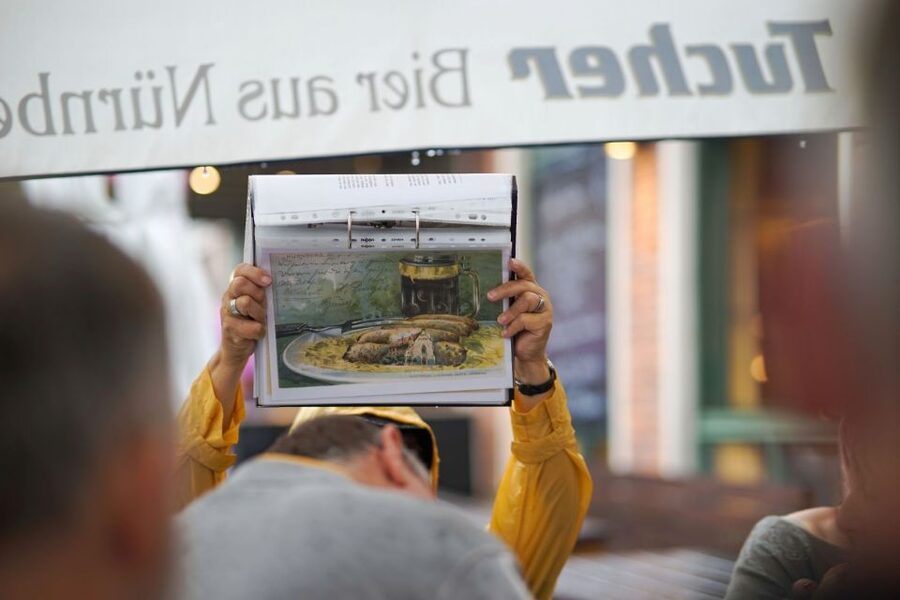
You will have a chance to try a real Nuremberg bratwurst while hearing the story behind its size and name. The tasting gives the explanation some purpose. Instead of hearing a lecture about food traditions and then trying to remember it later, you can connect the story with the taste right away.
Do not expect this to be a full restaurant meal. The bratwurst is one sample in a series of tastings. That is useful if you want variety, but you may want a separate lunch if you arrive hungry.
The stop also introduces a wider theme: Nuremberg food is shaped by rules, customs, and local habits. The questions about the word bratwurst and the sausage’s size are not random trivia. They show how a familiar food can reflect the character of a city.
Hauptmarkt: gingerbread, markets, and local flavor

The walk continues to Hauptmarkt, Nuremberg’s main market square. This is one of the most useful locations for a food-history tour because a market naturally brings together trade, ingredients, sellers, and customers.
Here you taste Nuremberg gingerbread, often called the best gingerbread in the world in the tour description. The phrasing is cheerful and bold, but the real value is the explanation of what makes this local version special. You get more than a sweet bite. You get a reason to pay attention to the ingredients and methods tied to Nuremberg.
The main square also gives the guide room to connect food with public life. Questions about how much meat Nuremberg citizens ate help you think about diet as part of social history. A city’s menu can reveal money, access, custom, and religious practice.
This is a good stop for anyone who likes food with a clear sense of place. If you only want a quick list of famous dishes, the historical discussion may feel slower than expected. If you like knowing why a dish belongs to one city rather than another, it adds real value.
Hauptmarkt 2 and the pleasure of surprise samples
A second stop at Hauptmarkt, listed at Hauptmarkt 2, adds another guided food moment. The supplied details do not specify every sample served at each stop, and that is worth keeping in mind. You can expect several tastings during the walk, but not a fixed menu with exact portion sizes published in advance.
That flexible approach suits the subject. The guide can use small samples to support the story being told at that point in the route. You may taste something sweet, savory, or connected to the day’s discussion, rather than working through a formal tasting flight.
The tour’s strongest praise centers on the explanations. Sonja, one named guide, is described as witty, articulate, and very well prepared. The guide also makes time for questions, which is especially useful when the subject moves between food, language, and city history.
For you, the practical point is this: ask questions. The format appears designed for conversation, not just a memorized speech. Since the tour is in German, your ability to follow and join in will shape how much you get from these stops.
More Historical Tours:
- Bamberg: Guided Beer History Tour with Optional Tasting
★ 4.6 · 772 reviews - Bamberg: Guided Historical Culinary Tour
★ 4.6 · 461 reviews - Nuremberg: 1.5-Hour Private Tour through Historical Old Town
★ 4.8 · 283 reviews - Leipzig: City History Canal Sightseeing Tour on a Motorboat
★ 4.7 · 6,232 reviews
Trödelmarkt and Unschlitthaus: food beyond the famous dishes
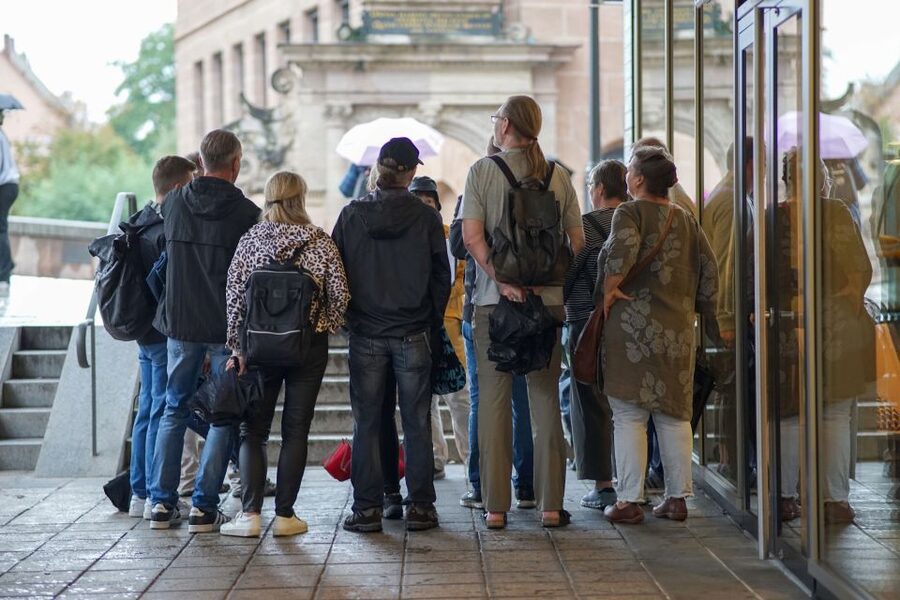
From Hauptmarkt, the group walks for about five minutes to Trödelmarkt. This section helps keep the experience from becoming only a parade of sausage and gingerbread. The tour asks broader questions about Nuremberg’s cooking pot and the food habits that grew around the old town.
The guide discusses subjects such as the city’s knowledge of ravioli and the amount of meat people ate. These questions widen the story beyond today’s signature foods. They also remind you that historic cooking was not isolated from other places. Recipes, techniques, and ingredients moved across borders through trade and travel.
The next stop is Unschlitthaus, after another walk of about five minutes. The name itself gives the guide an opportunity to explain a less polished side of urban food history. You may hear about the meaning of Devil’s Kitchen and how names, places, and food customs became linked in the city.
I appreciate these less obvious stops. A food tour that only visits famous restaurants can leave you with photographs and a full stomach, but not much understanding. Moving through places such as Trödelmarkt and Unschlitthaus gives the stories room to breathe.
The limitation is that the route includes several short walks and standing stops. Two hours is not long, but you will be on your feet for nearly all of it. The tour is wheelchair accessible, though anyone who needs frequent rest should consider the outdoor walking format.
St. Sebaldus Church and the city’s table
The walk then reaches St. Sebaldus Church. This stop brings food into contact with religion and civic life, important subjects in an old European city.
The information supplied does not specify the exact discussion inside or beside the church, so you should not expect a detailed church tour as a separate attraction. Instead, St. Sebaldus serves as one of the historic settings where the guide continues the food story and offers another tasting.
That combination is what makes the route different from a standard city walk. You see an important landmark, then hear how daily food habits fit into the wider life of Nuremberg. The guide’s questions about meat, cooking, and local customs gain more meaning when placed among the city’s old religious and civic buildings.
If you already know Nuremberg’s major sights, this stop can still work because the angle is different. You are not just being told when the church was built. You are hearing how the city’s people lived, ate, and thought about food.
Altstadthof Brewery and the final red beer
The final walk takes about ten minutes and ends at Hausbrauerei Altstadthof, specifically the Rotbierstüberl, brewery, and whisky distillery. This is where you taste the tour’s signature drink, Nuremberg red beer.
Rotbier has a distinctive reddish color and a flavor that makes a fitting close to a food-and-history walk. The experience includes beer, but it is not presented as a brewery production tour with a detailed brewing schedule. Think of the stop as a final tasting and a chance to connect local drink with the city’s culinary traditions.
Ending at a brewery is practical, too. You can linger afterward for your own meal or drink if you want more than the included samples. The tour itself lasts two hours, so the final stop does not turn the outing into a long evening commitment.
This finish is one of the experience’s best choices. A sausage and gingerbread tour could easily become a string of disconnected snacks. Red beer gives the route a final flavor and ties the tastings together.
How much food do you actually receive?
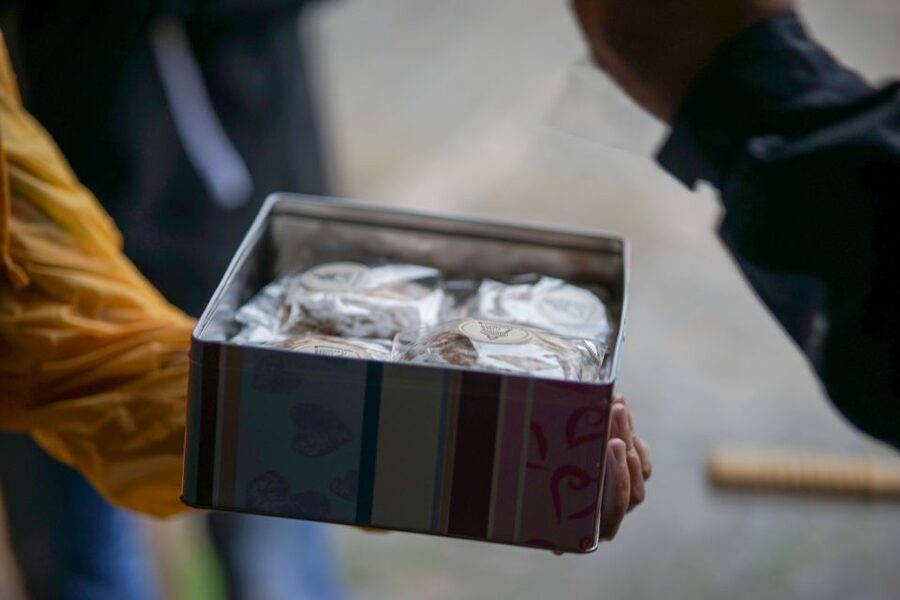
The tour includes snacks and beer, with food samples served along the way. You should think of it as a tasting walk rather than a substitute for lunch or dinner.
You can expect to try:
- A Nuremberg bratwurst
- Nuremberg gingerbread
- Local red beer
- Additional small samples served between historical explanations
The exact quantity and selection of the additional snacks are not specified. One piece of direct feedback is useful here: the bratwurst, gingerbread, and beer were considered top quality, while the smaller samples in between could be more substantial.
That is a fair expectation to set. The value lies in the combination of food and interpretation, not in the amount of food alone. If you judge tours by how many bites you receive, the price may seem less attractive. If you would otherwise pay for a city walk and separate tastings, the package makes more sense.
I would eat a light meal before joining, especially if you prefer a generous lunch. You will have enough to taste local specialties, but you should not arrive expecting a large platter.
What the 29 dollar price buys you
At $29 per person, this is priced as a modest city experience rather than a luxury food tour. The fee covers the walking tour, a live guide, snacks, and beer. Transportation to the meeting point is not included, but the route begins in the center of Nuremberg’s old town, so you only need to arrange your way to the Alte Rathaus.
The value depends on what you want from the outing. For food alone, the portions may not justify the price for everyone. For a two-hour guided walk with several tastings and a local German-speaking guide, it is a reasonable way to combine two activities.
I see the strongest value for a first visit to Nuremberg. You get an orientation to the old town, a taste of the city’s best-known foods, and historical details that can make the rest of your stay more meaningful.
The provider is Geschichte Für Alle e.V., an organization known here for historical city interpretation. Guides such as Sonja are praised for clear explanations, humor, and time for questions. That personal element matters more than a long list of included items.
Language, pace, and planning advice
The tour is conducted in German only. This is the most important booking detail. If you understand German well enough to follow a spoken explanation while walking and tasting, the experience should offer much more than a basic sightseeing route. If you do not, the food samples will not replace the historical content.
The tour lasts two hours and includes short walks of about three and five minutes, plus one ten-minute walk to the brewery. It is a compact route, but you should still wear comfortable shoes.
The tour runs rain or shine. Bring weather-appropriate clothing, and do not count on the weather changing the route. The meeting point is outdoors in front of the Old Town Hall, and the final stop is at Altstadthof Brewery.
You can cancel up to 24 hours before the start for a full refund, and the reserve-now, pay-later option keeps payment flexible. If you book through GetYourGuide, the booking confirmation serves as proof of payment because an invoice cannot be issued for those bookings.
Who will enjoy this Nuremberg walk?
I would recommend it most strongly to:
- German-speaking visitors who want food with historical context
- First-time visitors seeking a short old-town orientation
- People who enjoy local beer, sausage, and gingerbread
- Curious eaters who like asking how dishes developed
- Couples and small groups looking for a relaxed two-hour activity
- Visitors who prefer walking and conversation over a formal restaurant meal
It may be less suitable if you want a large meal, an English-language tour, or a focused brewery visit. It is also not the right choice if you want to spend two hours inside museums or avoid outdoor walking.
The experience works best when you treat each sample as part of a story. Listen for the connections between food, city rules, trade, religion, and daily life. That is where the tour earns its price.
Should you book Rotes Bier and Blaue Zipfel?
Book this tour if you want to understand Nuremberg through its food and you can follow German comfortably. The bratwurst, gingerbread, and red beer give you the classic tastes, while the questions about meat, ravioli, Devil’s Kitchen, and the city’s cooking traditions keep the walk from feeling predictable.
Skip it if you need English commentary or expect a full meal. For everyone else, $29 is a sensible price for a two-hour old-town walk with a guide, several tastings, and a final beer at Altstadthof Brewery. Wear good shoes, eat lightly beforehand, and arrive ready to ask questions.
FAQ
Where does the tour begin?
Meet the guide in front of the main entrance of the Alte Rathaus, or Old Town Hall, at Rathausplatz 5. Look for the picture folder and green Geschichte Für Alle e.V. logo.
Where does the tour finish?
The tour finishes at Hausbrauerei Altstadthof, at the Rotbierstüberl, brewery, and whisky distillery.
How long does the experience last?
The walking and tasting experience lasts two hours.
What language is the tour conducted in?
The live tour guide speaks German. No other tour language is listed.
Is food included?
Yes. Snacks and food tastings are included, along with beer. The exact selection and quantity of the additional snacks are not specified.
Is Nuremberg bratwurst included?
Yes. The route includes a tasting of a real Nuremberg bratwurst at Bratwurst Röslein.
Is the tour wheelchair accessible?
Yes, the activity is listed as wheelchair accessible.
What should I bring?
Bring comfortable shoes and clothing suitable for the weather. The tour takes place rain or shine.
Just added around Nuremberg
- Bayreuth: Private Guided Walking Tour★ 5.0 · 15 reviews
- Nuremberg: St. Johannis Friedhof &Hesperidengärten IN GERMAN★ 4.4 · 15 reviews
- Nuremberg: Medieval Time Travel for Kids★ 4.9 · 15 reviews
- PRIVATE Nuremberg WW2 and Old Town Day Tour (Product code: 87669P16)★ 4.5 · 15 reviews
- Bayreuth City Walking Tour★ 4.6 · 16 reviews
- Nuremberg: Medieval Ages Tour in Spanish★ 4.5 · 16 reviews
- PLAYMOBIL®-FunPark Entrance Ticket★ 4.5 · 17 reviews
- Nuremberg: Private guided tour of the Old Town in German★ 4.9 · 17 reviews
Walking Tours, compared.



Berlin’s Best: 2 Hour Walking Tour Third Reich and the Cold War
Read our review →
Third Reich Berlin: Hitler and WWII Walking Tour
Read our review →Browse the lists this tour appears in