
Reviewed · WALKING TOURS
Discover Munich 2-Hour Small Group Walking Tour
Munich reveals itself on foot. This two-hour walk gives you a useful first look at the city, from Marienplatz and its famous clock to handsome churches, beer halls, local customs, and some darker chapters of the 20th century. I like the clear sense of place the guides bring to the walk, especially when they connect grand buildings with everyday Munich life.
I also like the practical food and beer advice, which can save you from choosing a mediocre meal in a tourist-heavy center. The main caution is group size: it is described as averaging 10 to 15 people, but some departures have reached more than 20, making it harder to hear and stay close on busy streets.
At $27 per person, this is a sensible orientation walk rather than a full historical study. Book it early in your Munich stay, use the guide’s suggestions for the rest of your visit, and treat the tour as a lively introduction to the old town.
In This Review
- Key points at a glance
- Starting on Dachauer Straße
- Walking toward Munich’s historic center
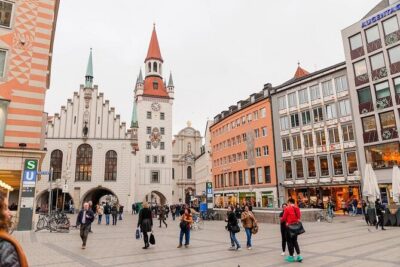
- Marienplatz and the Rathaus-Glockenspiel
- Churches, architecture, and central Munich
- Beer halls, restaurants, and useful local advice
- Munich’s festivals and darker history
- The guides shape the experience
- Group size and the real walking conditions
- Why the two-hour length works
- Booking value and practical planning
- Who should book this Munich walk?
- Should you book it?
- FAQ
- How long does the Munich walking tour last?
- Where does the tour begin?
- Where does the tour finish?
- Is the Rathaus-Glockenspiel included?
- Is food included in the price?
- What language is the tour offered in?
- How large is the group?
- Is the tour wheelchair accessible?
- Can I cancel the booking?
Key points at a glance
- Marienplatz and the Rathaus-Glockenspiel: The tour includes Munich’s central square and its famous clock display, with some departures timed to see it in action.
- A useful first-day orientation: You cover major central sights, churches, beer halls, and streets that help you understand where to return later.
- Guides make the difference: Guides including Sam, Anna, Timmy, Leon, Sarah, and Thomas have been praised for humor, clear explanations, and thoughtful local suggestions.
- History with its rough edges intact: The walk includes Munich’s medieval and cultural story, along with more disturbing 20th-century events.
- Small group, with a caveat: The average group is 10 to 15 people, though some groups have been closer to 24 or 25.
- Easy booking terms: The walk lasts two hours, is offered in English, is wheelchair accessible, and allows cancellation up to 24 hours before departure for a full refund.
Starting on Dachauer Straße
The meeting point is the Radius Tours office at Dachauer Straße 4, 80335 Munich. This is north of the main old town, so the tour begins away from the postcard center and then leads you toward the historic core.
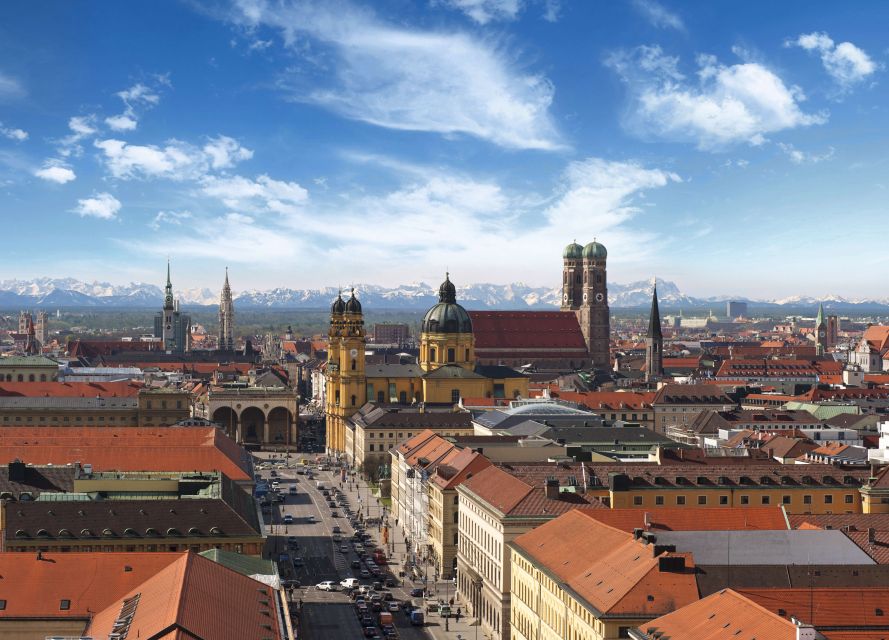
That starting position is useful. You do not spend the whole walk circling Marienplatz. Instead, you begin with the city’s wider setting and gradually reach the central sights. It also gives you a chance to see how Munich changes from the area around the main station toward the older streets.
One practical note: the immediate meeting area may feel less polished than the old town. One person found the nearby street uncomfortable while waiting and advised avoiding a corner around the meeting place. That does not describe the whole tour, but I would arrive with your group rather than linger alone in an unfamiliar side street.
The exact starting times vary, so check availability when booking. Arrive ready to walk, with comfortable shoes and weather protection. Munich can be pleasant and sunny, but one group completed the walk in heavy rain, and the guide had to seek dry spots for explanations.
More Walking Tours in Munich
- Munich: Third Reich & WWII Walking Tour
★ 4.6 · 6,181 reviews - Third Reich Walking Tour Munich
★ 4.5 · 4,291 reviews - Munich: Old Town & Viktualienmarkt City Walk in German
★ 4.7 · 2,304 reviews
Walking toward Munich’s historic center
The route is designed as a broad introduction, not a museum-by-museum tour. You move through central Munich while the guide explains what you are seeing, why it matters, and how the city developed.
That format works well for a first visit. You get enough background to make later sightseeing more rewarding. After hearing a story about a church, square, or old building, you can return on your own and spend more time there.
The pace is generally comfortable. Several people appreciated having time to enter churches along the way, and one guide was praised for allowing short stops inside. Still, this is a walking tour through active city streets, not a slow architectural survey. You may pause at several points, but you should not expect long interior visits or detailed treatment of every building.
The guides tend to mix dates with stories, humor, and everyday observations. That matters because Munich’s past can become a list of rulers, wars, and construction projects if presented too stiffly. Guides such as Leon, Timmy, Anna, Sam, and Sarah have been praised for making the material easy to follow without turning the walk into a classroom lecture.
Marienplatz and the Rathaus-Glockenspiel
Marienplatz is the centerpiece of the experience. This broad square has long served as Munich’s civic heart, and it is where you encounter the New Town Hall and its elaborate Rathaus-Glockenspiel.
The clock is whimsical in appearance, but the guide helps you place it within Munich’s civic and historical setting. If your departure is timed well, you may see the figures move during the display. One couple particularly appreciated reaching the square at noon, while another person praised the guide for arranging the timing so the group could watch the clock.
Timing is important here. The square can become crowded, especially around the clock display. A larger group makes it harder to gather close enough to hear, so stay near the guide and keep an eye on the group’s meeting position.
Marienplatz is also a practical reference point for the rest of your stay. Once you know where it is, you can orient yourself toward churches, shopping streets, beer halls, and other central sights. I would mark the square on your map before the tour, then use the walk to learn the surrounding streets.
Churches, architecture, and central Munich
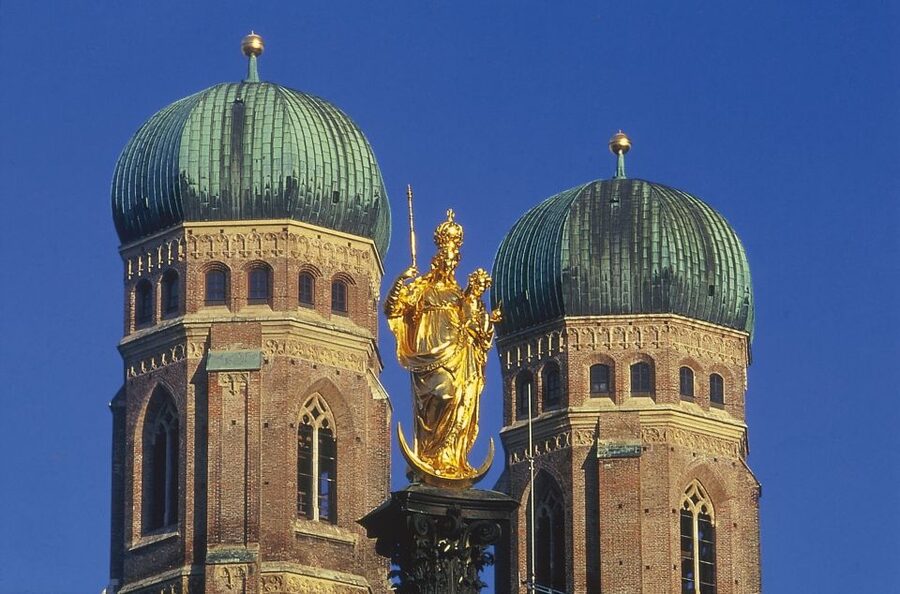
The tour passes beautiful churches and notable buildings in the old town. The emphasis is on seeing the major sights in context rather than entering every one for an extended visit.
That balance suits most first-time visitors. You learn which churches deserve a return visit, how Munich’s architecture reflects different periods, and where the old center opens into busy public spaces. The guides also point out details that you might walk past without noticing.
One person enjoyed passing familiar places with a guide because the buildings took on new meaning once their stories were explained. That is one of the strongest reasons to take this tour early. Munich’s center is pleasant to walk through, but its details can blur together on your first day.
The limitation is coverage. One otherwise positive assessment wished for more points of interest to be highlighted during the walk. In two hours, the guide has to choose between depth and range. You will see a good selection of central Munich, but you will not receive a complete explanation of every monument or neighborhood.
Something different for another day:
- From Munich: Neuschwanstein & Linderhof Castle Full-Day Trip
★ 4.5 · 12,494 reviews - Neuschwanstein & Linderhof Castle-Fairytale Day Tour from Munich
★ 4.5 · 7,275 reviews - Dachau Concentration Camp Memorial Site Tour from Munich by Train
★ 4.5 · 5,637 reviews - Neuschwanstein Castle Tour from Munich
★ 4.5 · 5,117 reviews
Beer halls, restaurants, and useful local advice
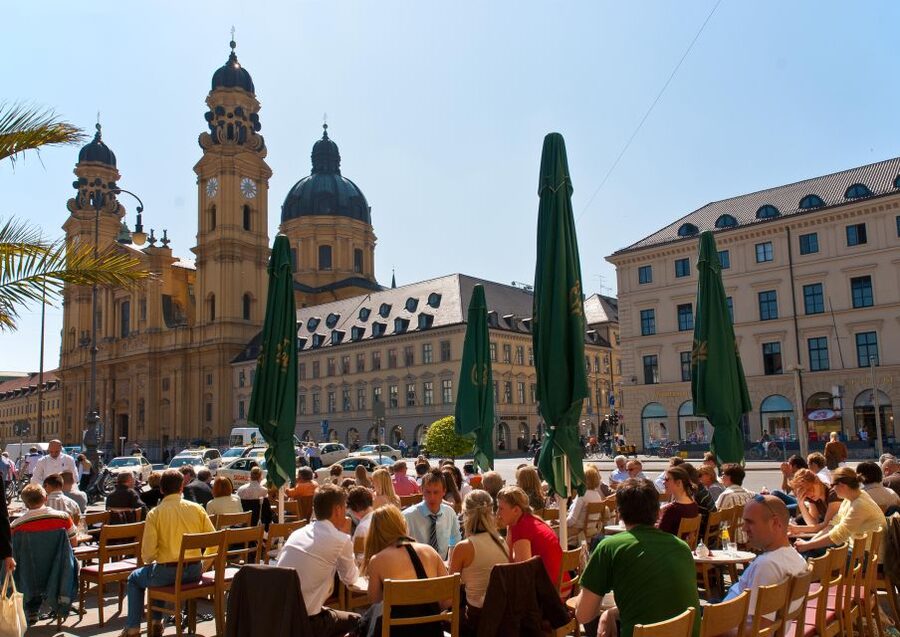
Food and drink are not included, but the advice can be one of the tour’s best practical features. The guides point out famous beer halls and suggest places to eat and drink beer, giving you ideas for later that day.
I value this kind of help more than a long list of restaurants. A guide can explain the difference between a major beer hall and a quieter choice, or suggest what areas are worth exploring after the walk. The information is not a meal reservation, and individual recommendations can vary by guide, but it gives you a starting point.
Several guides were praised for specific suggestions. Daniel recommended a beer garden in the English Garden that one couple later enjoyed. Other guides offered advice on food, bars, additional attractions, and other tours in Munich. Write down names as you walk. The tour moves quickly, and you may not remember every recommendation afterward.
Because food and drinks are excluded, allow room in your budget for your own stop. At $27, the price remains reasonable for a live, two-hour introduction, especially if the advice helps you avoid one disappointing meal. The value is strongest when you use the tour to shape the next two or three days of your visit.
Munich’s festivals and darker history
The walk is not limited to pretty facades and beer traditions. The guide also discusses festivals, cultural life, and the more sinister aspects of Munich’s 20th-century history.
That wider view is important. Munich is easy to reduce to sausages, beer gardens, and grand squares, but the city’s modern identity also involves difficult memories. A responsible city walk should acknowledge them rather than polish the past into a cheerful sightseeing story.
The amount of detail depends on the guide and the group. You should expect an accessible overview, not a specialist course in German history. Still, the inclusion of difficult subjects gives the walk more weight and helps explain why certain places and events matter.
The best guides appear to handle this material with care while keeping the overall tone approachable. Timmy was praised for combining clear history with humor, while Thomas was appreciated for discussing cultural norms in German society. That mix can help you understand Munich as a living city rather than a collection of monuments.
The guides shape the experience
The tour is sold as a walking route, but the guide is the real variable. The strongest praise goes to guides who are warm, clear, funny, and willing to answer questions.
Sam received repeated praise for passion, stories, and keeping children engaged. Anna was described as exceptionally strong on Munich’s history and personal anecdotes. Timmy was noted for speaking clearly, using humor, and looking after a larger group. Leon was praised as funny, down to earth, and entertaining.
Other highly regarded guides include Aileen, Adrian, Katerina, Daniel, Sarah, Patrick, Stevo, Connie, Brett, and Manfred. The repeated pattern is encouraging: the guide’s ability to explain, include, and entertain matters more than a rigid script.
You may get a different guide, so do not book solely because of one name. Instead, look for the qualities that keep appearing: clear speaking, local suggestions, historical stories, and a willingness to answer random questions. Those traits make a major difference when you are standing beside a noisy square or trying to follow a talk in light rain.
Group size and the real walking conditions
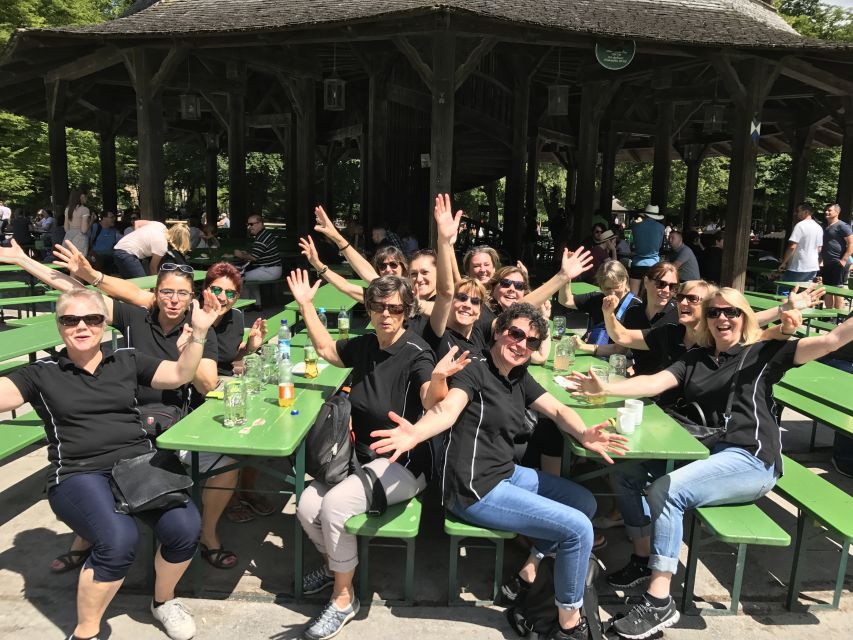
The average group is described as 10 to 15 people, which is a good size for a city walk. You can usually stay close to the guide, ask a question, and hear the explanation without feeling like part of a large procession.
The group is not guaranteed to stay that small. One group had 24 people, and another account also described a larger-than-expected departure. In busy streets, that can affect the experience. You may need to stand farther away, cross roads in stages, or work harder to keep the guide in sight.
The guides generally manage this well. One was specifically praised for making sure everyone could hear and stay together. Even so, if you strongly prefer a quiet, highly personal tour, this may not meet your ideal on a busy day.
The walk is wheelchair accessible, according to the activity details. Since the route uses public streets and includes busy areas, you may still want to confirm the exact conditions for your departure if you have specific mobility needs.
Why the two-hour length works
Two hours is enough time to get your bearings without consuming a whole day. You see the central sights, hear a broad story of Munich, and receive advice for the rest of your visit.
That length also makes the tour easy to fit around other plans. One person had to leave early for a Dachau trip, which shows how important it is to check your schedule carefully. If you have a timed excursion soon afterward, leave a generous buffer rather than assuming the walk will finish exactly on time.
I would choose this tour for the first or second day in Munich. You can use the route to decide which churches deserve a closer look, which beer hall sounds appealing, and which parts of the center you want to revisit at a slower pace.
It is less suitable if you already know Munich well or want extensive interior access. In that case, a focused museum, architecture, or 20th-century history tour may give you more depth.
Booking value and practical planning
At $27 per person, the tour is priced as an affordable introduction. You are paying for two hours with an English-speaking guide, not for food, entrance tickets, or transportation.
The value comes from the combination of orientation and interpretation. A free walk around Munich can show you Marienplatz, but it cannot answer your questions, explain the clock, point out less obvious details, or recommend a beer garden based on local experience.
The flexible booking terms also help. You can reserve now and pay later, and cancellation is allowed up to 24 hours before the start for a full refund. That is useful when your Munich schedule depends on weather, train arrivals, or a separate day trip.
To get the most from the $27, book it near the start of your stay, carry a small notebook or use your phone for recommendations, and ask where the guide would send you for your next meal. The walk is short enough that its real payoff comes afterward.
Who should book this Munich walk?
I would recommend it to first-time visitors, couples, families, and solo visitors who want a friendly introduction before exploring on their own. It also suits people who enjoy stories and local advice more than a formal lecture.
Families may appreciate the lively delivery. Sam was particularly good at keeping children involved, and several guides were praised for humor and an easy manner.
You should think twice if you need a very small private group, a specialist history lesson, or guaranteed time inside every major church. Group size can grow, and the route must cover a lot in two hours.
Should you book it?
Book this tour if you want a low-cost first look at Munich with a real person to explain the city as you walk. The Marienplatz clock, central churches, beer halls, food advice, and difficult history give it more substance than a simple photo stop.
Skip it if you have only a few hours and need a tightly timed attraction visit, or if you already know the old town well. For most first-time visitors, though, the timing, price, and practical advice make this a smart opening move. Just arrive prepared for a group that may be larger than expected and remember that the guide’s personality will shape the day.
FAQ
How long does the Munich walking tour last?
The tour lasts two hours.
Where does the tour begin?
It begins at the Radius Tours office at Dachauer Straße 4, 80335 Munich.
Where does the tour finish?
The listed route returns to Dachauer Straße 4.
Is the Rathaus-Glockenspiel included?
Yes. The walk visits Marienplatz and includes a view of the Rathaus-Glockenspiel. Some departure times may allow you to see the clock display.
Is food included in the price?
No. Food and drinks are not included.
What language is the tour offered in?
The live tour guide conducts the experience in English.
How large is the group?
The group averages 10 to 15 people. Some departures may be larger, with one reported group reaching 24 participants.
Is the tour wheelchair accessible?
Yes, the activity is listed as wheelchair accessible.
Can I cancel the booking?
Yes. You can cancel up to 24 hours before the tour for a full refund. You can also reserve now and pay later.
Just added around Munich
- Munich: Private or Group Third Reich and WWII Walking Tour★ 4.9 · 13 reviews
- From Munich: Neuschwanstein Castle and Linderhof Private Tour★ 5.0 · 13 reviews
- Private Transfer from Munich to Salzburg with 2 hours for sightseeing★ 4.5 · 13 reviews
- Munich: Historical Walking Tour on the Rise of Hitler★ 5.0 · 13 reviews
- Private Scenic Transfer from Munich to Prague with 4h of Sightseeing★ 5.0 · 13 reviews
- From Munich: VIP day trip to Salzburg★ 5.0 · 14 reviews
- National Socialism WWII with licensed guide – private tour★ 5.0 · 14 reviews
- Munich: Walking Tour Old Town 3D VR Tour in GERMAN★ 4.3 · 14 reviews
Walking Tours, compared.


Berlin’s Best: 2 Hour Walking Tour Third Reich and the Cold War
Read our review →
Third Reich Berlin: Hitler and WWII Walking Tour
Read our review →Browse the lists this tour appears in