
Reviewed · WALKING TOURS
Berlin Sightseeing Musical-Historical Walking Tour
Berlin has a soundtrack for every era. This three-hour walking tour links the city’s major sights with music from classical oratorios to hip-hop, giving familiar landmarks a fresh angle. I like the mix of history and sound, and I like that the route covers Museum Island, the Brandenburg Gate, the Reichstag, and Checkpoint Charlie without requiring public transport. The main drawback is that this feels more like an audio tour with a guide than a traditional, talkative walking tour.
You pay $40 per person, which is reasonable if you want a ready-made route and musical context for Berlin’s past. Bring good shoes, though. The tour runs rain or shine, includes only a small break, and is not suitable for wheelchair users or people over 70.
In This Review
- Key points to know before booking
- Berlin’s past, heard through music
- Starting at Alte Nationalgalerie and Museum Island
- Humboldt University and the story of ideas
- Gendarmenmarkt, the longest stop
- The Trabi Museum and Berlin’s divided years
- Potsdamer Platz and the modern city
- The Holocaust Memorial and the weight of memory
- Brandenburg Gate and the symbols of Berlin
- The Reichstag and the final White Crosses stop
- What the headphones change
- Is $40 a fair price?
- Who should take this walk?
- Practical advice before you go
- Should you book the Berlin musical history walk?
- FAQ
- How long is the Berlin Sightseeing Musical-Historical Walking Tour?
- Where does the tour start?
- Which sights are included?
- What languages are available?
- Is food or transportation included?
- What happens if I need to cancel?
Key points to know before booking
- Music leads the tour: Your headphones play narration mixed with music in English, German, or Russian.
- A strong central route: The walk connects Museum Island, Gendarmenmarkt, Potsdamer Platz, the Holocaust Memorial, Brandenburg Gate, and the Reichstag.
- Mostly an audio experience: The guide provides direction and structure, but the commentary comes largely through the headphones.
- Allow three hours on foot: The route includes several 20-minute stops and one longer 30-minute stop at Gendarmenmarkt.
- Technical issues are possible: A faulty audio setup has caused frustration, so check your equipment early.
- Meet at Alte Nationalgalerie: Arrive 10 to 15 minutes before departure and look for a guide holding a headphone sign.
Berlin’s past, heard through music
This tour takes a simple idea and uses it well: cities are easier to remember when you connect them with sound. Instead of treating Berlin as a row of monuments, the walk asks how music reflected political change, social life, and public mood from the 18th century to the 21st.
You may hear material connected with classical oratorios, later popular styles, and hip-hop. The point is not to attend a concert while walking. The music works as a background to the guide’s explanations, helping you think about Berlin as a place with many voices rather than one fixed identity.
I like this approach because Berlin’s landmarks can blur together during a first visit. Museum Island, Gendarmenmarkt, Potsdamer Platz, and the Reichstag all carry different meanings. A musical thread gives the walk a shape, and it may help you remember the sites after you leave.
The audio format also has a clear limit. If you want a guide who talks constantly, answers many questions, and adjusts every explanation to the group, this may feel thin. The person leading the walk mainly acts as a signpost and route leader, while the headphones carry much of the content.
More Historical Tours in Berlin
- Berlin: Natural History Museum Entrance Ticket
★ 4.6 · 3,382 reviews - Berlin: World Heritage Cruise to Potsdam
★ 4.5 · 1,435 reviews - Berlin Historical Highlights Walking Tour
★ 4.9 · 657 reviews
Starting at Alte Nationalgalerie and Museum Island
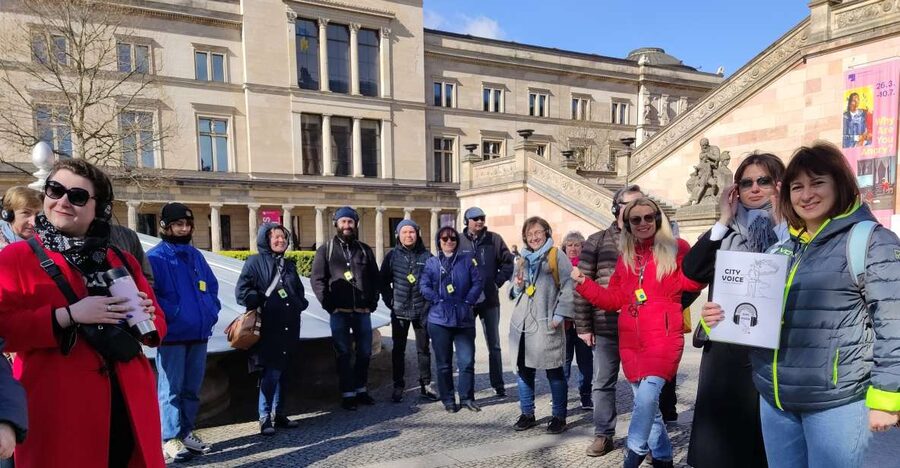
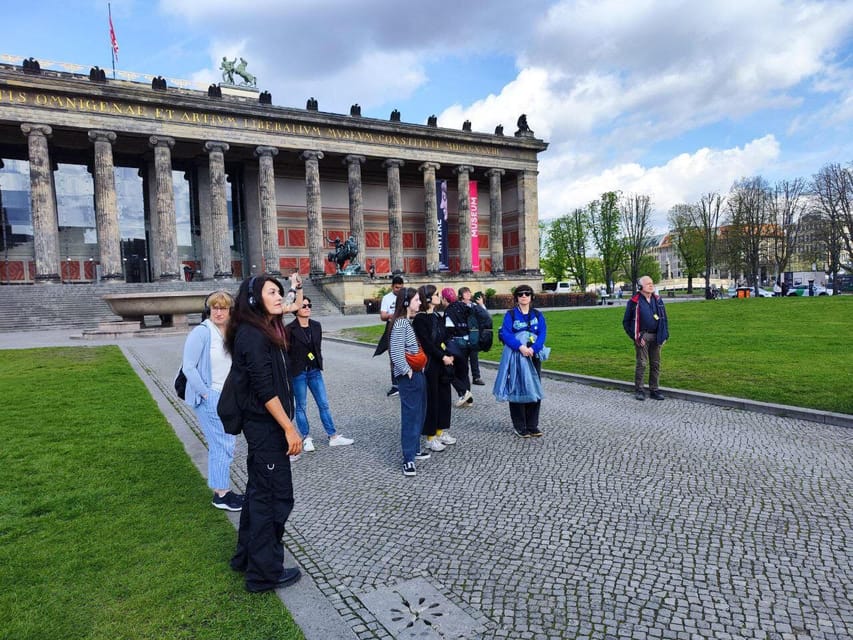
Meet in front of the entrance to the Alte Nationalgalerie. The guide will hold a headphone sign, so the meeting point should be easy to identify. Arrive 10 to 15 minutes early, especially if you need to collect or test the audio equipment.
The opening stop is Museum Island, where the route spends about 20 minutes. This is a strong place to begin because the setting immediately gives you Berlin’s grand cultural face. You are surrounded by major museums and monumental architecture, with the Berliner Dom included among the sights connected to this part of the walk.
The tour does not promise entry into the museums, so think of this as an outdoor introduction rather than a museum visit. If you want time inside the collections, plan that separately for another part of your day.
The music helps here by shifting your attention between buildings and ideas. You are not simply looking at façades. You are listening for how Berlin’s cultural life developed and how art could connect with public events.
Humboldt University and the story of ideas
The next stop is Humboldt University of Berlin, with about 20 minutes for guided sightseeing and walking. The university adds a different kind of history to the route. Museum Island represents public culture and collections, while the university brings education, debate, and intellectual life into the picture.
This part of the walk will suit you if you enjoy connections between music, politics, and society. The tour’s larger question is how music became an engine of history. At a university setting, that question feels especially appropriate because ideas spread through classrooms, books, performances, and public discussion.
Do not expect a long indoor visit. The experience is built around outdoor stops, so the value comes from the explanation and the connection between places. The headphones are important here. If the audio volume is poor or the equipment fails, you lose more than a few background tunes. You lose the main thread of the tour.
Gendarmenmarkt, the longest stop
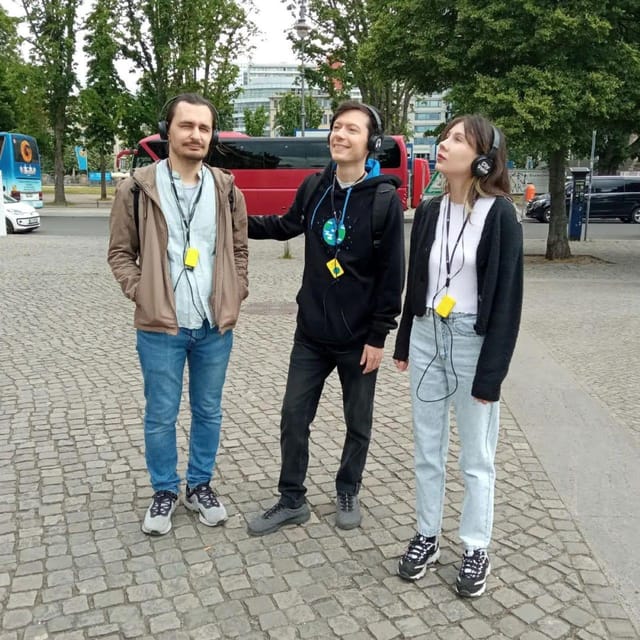
Gendarmenmarkt receives about 30 minutes, making it the longest scheduled stop. That extra time gives the guide more room to explain the square’s architecture and its place in Berlin’s story.
This is one of the best points on the route for simply pausing and taking in the setting. The square has a formal, carefully arranged feel, and it offers a useful contrast to the modern spaces later in the tour. The music can underline that change from older Berlin to newer Berlin.
I would pay close attention here because the stop is not just a quick photo pause. It is the clearest chance to let the musical and architectural parts of the tour work together. You can listen, look around, and get your bearings before the route moves on.
The drawback is pace. Thirty minutes is enough for an introduction, not a full architectural study. If you already know Gendarmenmarkt well, the audio may be more useful than the basic sightseeing.
More Theatre, Cabaret & Comedy in Berlin
- Berlin: 1.5-Hour Comedy Bus Tour in German
★ 4.5 · 1,165 reviews - Berlin: Laughing Spree Comedy Show on a Boat
★ 4.9 · 670 reviews - Quatsch Comedy Club Berlin: Die Live Show Entry Ticket
★ 4.7 · 634 reviews - Berlin: Haunted Guided Live Theatre Tour in German
★ 4.6 · 630 reviews
The Trabi Museum and Berlin’s divided years
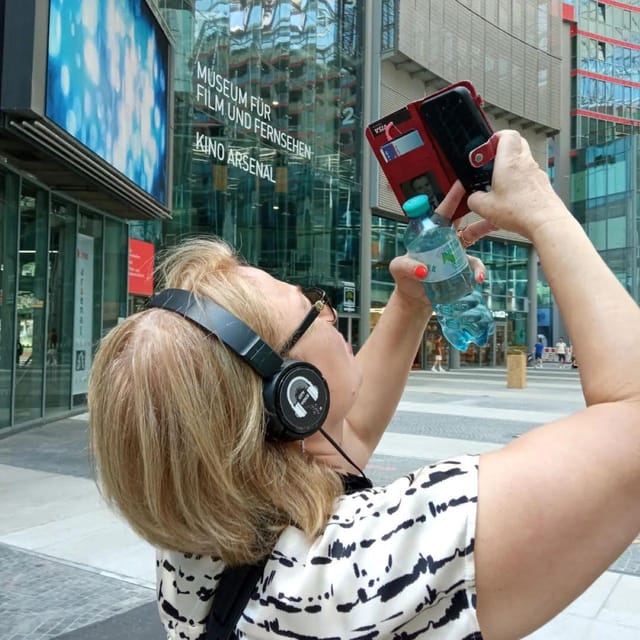
The Trabi Museum is a more playful stop. The Trabant, often called the Trabi, is closely associated with East Germany, and the museum brings everyday material culture into a route otherwise filled with famous monuments.
This stop matters because Berlin’s story is not only about kings, churches, universities, and government buildings. It is also about ordinary life, consumer limits, transport, and the split between East and West. The Trabi gives the tour a physical symbol of that period.
The scheduled time is about 20 minutes. Based on the format, you should treat this as a short visit and guided look rather than an extended museum session. If you have a special interest in East German history, you may want more time on your own.
I like the change of tone. A small car museum can make the past feel less remote than another grand square. It also gives the musical history a more modern, everyday setting.
Potsdamer Platz and the modern city

Potsdamer Platz marks another change in mood. The tour spends about 20 minutes here, using the area to show a newer side of Berlin and the city’s movement into the modern era.
This is a useful stop for understanding how quickly Berlin can change from one block to the next. The route has already taken you through older cultural and civic spaces. At Potsdamer Platz, the focus turns toward redevelopment, modern architecture, and the city’s postwar and contemporary identity.
The audio format is well suited to a place where you may want to look around while listening. You can follow the commentary without standing in one fixed spot. Still, the stop may feel less emotionally powerful than the Holocaust Memorial or Brandenburg Gate. Its value comes from contrast and urban change, not from one single monument.
The Holocaust Memorial and the weight of memory
The walk continues to the Memorial to the Murdered Jews of Europe, commonly called the Holocaust Memorial. The scheduled time is about 20 minutes.
This is a place where you should slow down and listen carefully. The memorial’s open field of concrete slabs creates a serious, unsettling setting. The tour’s musical approach can add emotional depth, but this stop should not be reduced to atmosphere or a soundtrack. It calls for quiet attention and respect.
The route places this memorial among other major political sites, which helps show how Berlin presents its past in public space. You will not get the same experience as an extended museum visit, and there is no promise of entry to the underground information center. If you want detailed Holocaust history, plan a separate visit.
For me, the value here lies in the connection between place, memory, and public responsibility. It is also a point where the headphones may become less important than the physical setting around you.
Brandenburg Gate and the symbols of Berlin
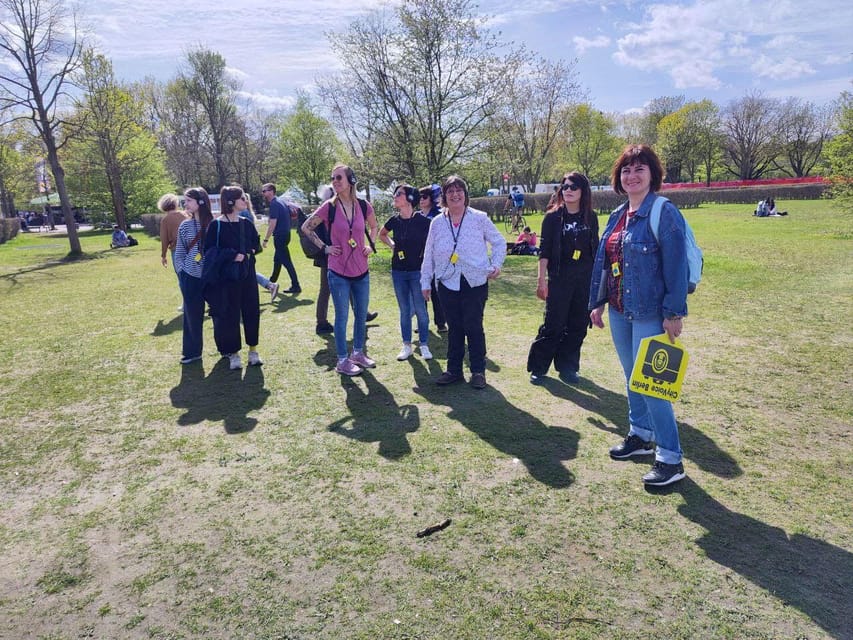
Brandenburg Gate follows the memorial and gives the tour one of its most recognizable views. The stop lasts about 20 minutes.
The gate has served as a symbol of power, division, celebration, and reunification. Its meaning has shifted with Berlin’s political fortunes, which makes it a natural fit for a tour about music and historical change.
You will have time for sightseeing and explanation, but not an extended photography session if the group keeps to schedule. Keep your camera ready before arriving, then listen for the historical connections. The strength of a guided route is that you do not have to work out the context on your own.
This is also a busy public area, so the guide’s headphone sign and group system matter. You can keep moving while still hearing the commentary, though you should stay alert to the group and the streets around you.
The Reichstag and the final White Crosses stop
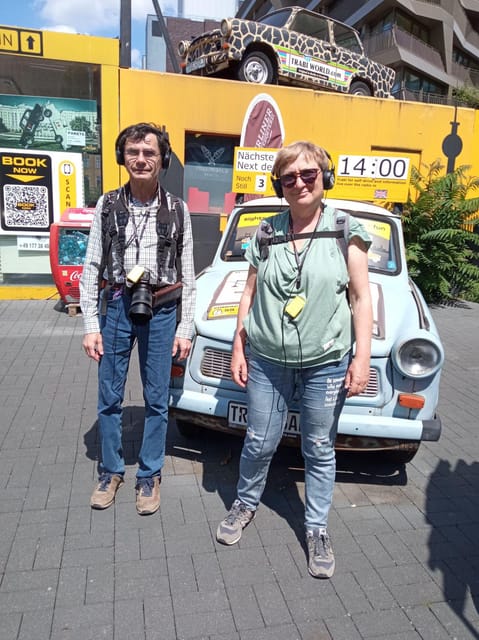
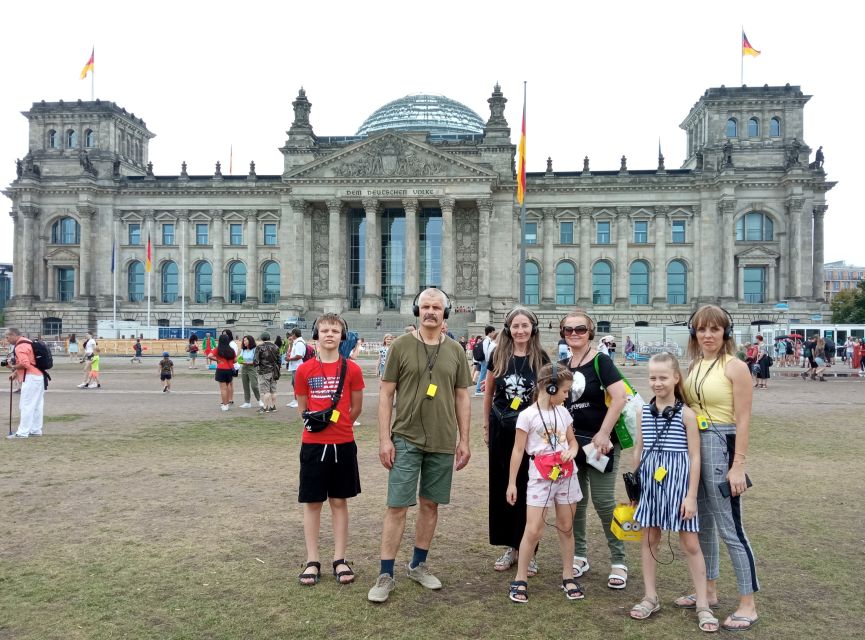
The Reichstag is the final major sightseeing stop, with about 20 minutes. The building represents Germany’s national government and gives the walk a fitting end point before the route concludes at White Crosses.
The tour does not include entry to the Reichstag. You should expect an exterior visit and historical explanation rather than a dome tour or interior access. If the dome is on your Berlin wish list, arrange that separately.
The final location, White Crosses, adds another memorial setting to the route. The supplied meeting information also says the activity ends back at the meeting point, so check the exact end arrangement when you book. The stated itinerary places the finish at White Crosses, and that may affect your next plan.
This last section brings the tour back to memory, government, and the human cost of Berlin’s political history. It is a thoughtful close, though the route covers a lot in three hours.
What the headphones change
Headphones are included, and the audio guide is available in English, German, and Russian. The live guide is also listed in those three languages.
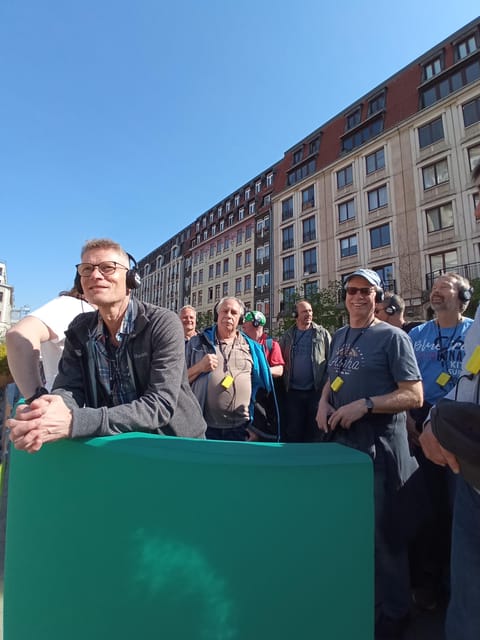
The headphones let you hear the narration and music while walking, which is useful in noisy streets. You do not need to gather tightly around a guide every time the group stops. The format can also help if you prefer to listen quietly rather than join a long discussion.
But you should know what you are buying. This is not a classic walk led entirely by a person speaking directly to the group. The human guide mainly keeps everyone on the route and points out where to go, while the audio supplies the main presentation.
A technical problem with the equipment has caused discontent during the experience. I suggest testing your headphones as soon as you receive them. If you cannot hear clearly at the start, speak up instead of waiting until the tour is underway.
Is $40 a fair price?
At $40 per person, the tour offers three hours of organized sightseeing, a walking guide, headphones, and a route through many of central Berlin’s major landmarks. There is no transport cost built into the experience because you walk between the stops, and food and drinks are not included.
I consider the price fair for someone who wants structure and a clear introduction to Berlin. You cover a lot of ground without arranging your own route, and the music gives the tour a point of view that a standard monument walk may not offer.
The value drops if you want museum admission, a private guide, long stops, or extensive question time. None of those are included. You are paying for the route, the narration, and the musical interpretation, not a series of indoor visits.
The three-hour length is useful for fitting the tour into a morning or afternoon. It is also long enough to become tiring, particularly in poor weather. Wear comfortable clothes and shoes, and bring what you need for rain or sun. The tour runs in all weather, although some locations depend on conditions.
Who should take this walk?
I would recommend it to music lovers, first-time visitors who want an overview, and anyone who enjoys hearing how culture connects with politics. It also suits people who prefer a steady audio presentation to a guide who talks at length in front of each building.
You may want a different tour if you use a wheelchair, are over 70, or find three hours of walking difficult. The experience is specifically not suitable for wheelchair users or people over 70, and the route includes only a small break.
It is also a better match for independent-minded visitors who can keep up and manage their own attention. The guide will help with direction, but you should not expect a personal, question-heavy format.
Practical advice before you go
Arrive 10 to 15 minutes early at the Alte Nationalgalerie entrance. Present your ticket on your phone or as a printout, and look for the guide holding a headphone sign.
Wear comfortable shoes. The route moves through several central areas, and the scheduled stop times add up to a substantial amount of walking. Bring comfortable clothing suited to the forecast, but remember that the tour operates rain or shine.
You can reserve now and pay later, which helps if your plans are still changing. Free cancellation is available up to 24 hours before the activity for a full refund.
Should you book the Berlin musical history walk?
Book it if you want Berlin’s famous sights tied together by music, and if you are happy with an audio-led format. The route is broad, the price is reasonable for a three-hour introduction, and the contrast between Museum Island, the Trabi Museum, Potsdamer Platz, the Holocaust Memorial, and the Reichstag gives the day a clear shape.
Skip it if you want museum entry, a highly interactive guide, or a gentle walk with plenty of rest. For the best experience, test the headphones at the start and leave room in your schedule for the memorials and squares that deserve extra time after the tour.
FAQ
How long is the Berlin Sightseeing Musical-Historical Walking Tour?
The tour lasts three hours. Starting times vary, so check availability when booking.
Where does the tour start?
The guide waits in front of the entrance to the Alte Nationalgalerie. Arrive 10 to 15 minutes early and look for a person holding a headphone sign.
Which sights are included?
The route includes Museum Island, Berliner Dom, Humboldt University, Gendarmenmarkt, the Trabi Museum, Checkpoint Charlie, Potsdamer Platz, the Holocaust Memorial, Brandenburg Gate, the Reichstag, and White Crosses.
What languages are available?
The live guide and audio guide are available in English, German, and Russian.
Is food or transportation included?
No. Pickup, drop-off, food, and drinks are not included. The experience is a walking tour.
What happens if I need to cancel?
You can cancel up to 24 hours in advance for a full refund. You can also reserve now and pay later.
More Walking Tours in Berlin
- Discover Berlin Half-Day Walking Tour
★ 5.0 · 9,624 reviews - Berlin: Third Reich and Cold War 2 Hour Walking Tour
★ 4.9 · 6,830 reviews - Berlin: Discover Berlin Walking Tour
★ 4.9 · 5,998 reviews - Berlin’s Best: 2 Hour Walking Tour Third Reich and the Cold War
★ 5.0 · 5,486 reviews
Just added around Berlin
- Kreuzberg Private Walking Tour: Immigrants, Artists & Hipsters★ 5.0 · 3 reviews
- Private Photo Tour in Kreuzberg★ 5.0 · 3 reviews
- Individual city tour Berlin for max. 8 persons★ 5.0 · 3 reviews
- Berlin’s Jewish Heritage: Private Tour of the Vibrant Jewish District★ 5.0 · 3 reviews
- Berlin & The Third Reich Private Guided Tour★ 5.0 · 3 reviews
- Private Analogue Photography Experience in Berlin★ 5.0 · 3 reviews
- Spy Mission in Berlin: Self-Guided Espionage Puzzle Quest★ 5.0 · 3 reviews
- Berlin Christmas Markets Walking Tour with Local Guide★ 5.0 · 3 reviews
Walking Tours, compared.





Berlin’s Best: 2 Hour Walking Tour Third Reich and the Cold War
Read our review →


Third Reich Berlin: Hitler and WWII Walking Tour
Read our review →Browse the lists this tour appears in