

Reviewed · WALKING TOURS
Berlin: Prussian History Walking Tour with Geo Epoche
Berlin’s past is written in stone. This two-hour walk connects the city’s best-known landmarks with lesser-seen corners of Friedrichswerder, giving you a clear look at how Prussian rulers shaped the capital. I like the way the tour moves beyond grand façades to discuss the people, personalities, and odd details behind them. I also like the compact format, which fits neatly into a day of sightseeing.
The main consideration is language. The live guide speaks German only, so you need a solid command of German to follow the historical explanations and anecdotes. The meeting point can also cause some confusion because several company names appear in the booking information, although a helpful phone contact has assisted people who had trouble finding the guide.
In This Review
- Key Points About This Berlin History Walk
- Why Prussian Berlin Makes a Good Walking Tour Theme
- Starting at the Granite Bowl in Lustgarten
- The City Palace and the Display of Royal Power
- The Dome and Berlin’s Royal Religious Center
- Friedrichswerdersche Church and a Quieter Berlin
- Gendarmenmarkt and the Capital’s Public Stage
- Brandenburg Gate and the Government Quarter
- The Guide’s Storytelling and the Brochure
- Two Hours on Berlin Streets
- Is $29 a Fair Price?
- Who Should Book This Walking Tour?
- Should You Book It?
- FAQ
- Where does the tour meet?
- How long does the walking tour last?
- What language is the tour conducted in?
- What landmarks are included?
- What should I bring?
- Is the tour suitable for people with mobility impairments?
Key Points About This Berlin History Walk
- Lustgarten is the starting point: Meet at the granite bowl in this central square, close to several major Prussian-era landmarks.
- The route covers central Berlin: Expect the Dome, City Palace area, Brandenburg Gate area, Friedrichswerder Church, and Gendarmenmarkt.
- Stories matter as much as buildings: The guide explains surprising details and the lives of figures who helped shape Prussian Berlin.
- Friedrichswerder adds a quieter side: This neighborhood offers a change from Berlin’s famous ceremonial spaces and broad avenues.
- The tour lasts two hours: That is enough time for a focused introduction without taking over your entire day.
- German is the only tour language: Comfortable walking shoes and clothing suited to the weather are essential because the tour runs rain or shine.
Why Prussian Berlin Makes a Good Walking Tour Theme
Berlin can feel like a collection of separate historical chapters. Medieval traces, Prussian monuments, Nazi-era sites, Cold War scars, and modern architecture all share the same city. This walk focuses on the Prussian chapter, when Berlin served as the capital of Prussia and later became closely tied to kings, electors, and emperors.
That focus gives the tour a useful shape. Instead of trying to explain every period at once, the guide can show you how power was displayed through palaces, churches, government buildings, squares, and carefully planned streets. You get a better sense of why central Berlin looks the way it does.
I especially like this kind of tour early in a Berlin visit. After two hours, you should have a stronger map in your head. You will also recognize the names and buildings that appear again as you continue exploring the city on your own.
The route is not built around a single major interior attraction. Its value comes from the connections between places. A palace, a church, a public square, and a government district can tell different parts of the same story. The guide’s comments are meant to make those connections visible.
More Historical Tours in Berlin
- Berlin: Natural History Museum Entrance Ticket
★ 4.6 · 3,382 reviews - Berlin: World Heritage Cruise to Potsdam
★ 4.5 · 1,435 reviews - Berlin Historical Highlights Walking Tour
★ 4.9 · 657 reviews
Starting at the Granite Bowl in Lustgarten
The tour begins at the granite bowl in Lustgarten, a large open space at the heart of Berlin. This is a practical meeting place because it sits near the city’s major historic buildings, but do not treat it as a vague instruction to meet somewhere in the park. Look specifically for the granite bowl.
Lustgarten places you among the former royal and civic centers of Berlin. From here, the City Palace area, the Dome, and Museum Island are close by. The setting immediately makes the tour’s subject clear: this is where royal power, religion, culture, and public ceremony met.
Your guide uses the area to establish the basic story of Prussian Berlin. You will hear about electors, kings, and emperors, along with the people who helped build the capital around them. The emphasis is not simply on dates. The tour aims to show how rulers and institutions affected everyday life and the appearance of the city.
This opening is also useful for orientation. If Berlin is new to you, the central district can seem confusing because major landmarks are close together but belong to different historical chapters. A guide helps you sort out what you are seeing before you begin walking farther into the city.
The City Palace and the Display of Royal Power
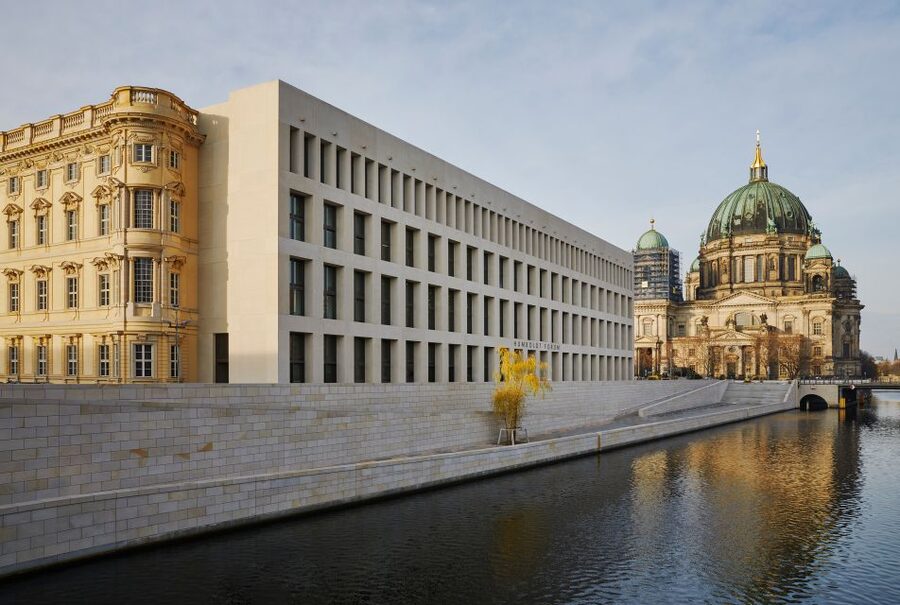
The City Palace area is one of the central subjects of the walk. Its importance is not just architectural. The palace represents the concentration of royal authority in the middle of Berlin, and it helps explain why the surrounding district became such a powerful stage for Prussian rule.
As you walk, pay attention to the relationship between the palace site, Lustgarten, and the Dome. These places were not arranged by accident. Their positions helped create a formal center for the monarchy and the state.
The guide’s job here is to bring the area to life with specific facts and anecdotes. That is where this experience earns its modest price. A quick look at the buildings will show you impressive stonework, but a good explanation can tell you who used the spaces, how they were viewed by the public, and why they mattered to the city.
The tour does not promise entry into the buildings. It is an outdoor walking experience, so you should book it for context rather than for interior visits. If you want a palace museum or a long look inside the Dome, plan that separately.
The Dome and Berlin’s Royal Religious Center

The Berlin Dome is one of the easiest landmarks to recognize on this route. Its size and position make it a natural stop, but the guide’s explanation should help you see more than its grand exterior.
The Dome belongs to the story of Berlin as a royal capital. Churches connected rulers with ceremony, religion, and public image. Here, the guide can place the building within the larger Prussian system rather than treating it as an isolated photo stop.
I find guided explanations especially useful at places like this because the visual impression can overpower the history. You may notice the scale first, then move on. The tour slows that process down and gives you reasons to remember what you saw.
The stop also adds variety to the route. You are not looking only at military or government power. Religion, court life, public ritual, and architecture all enter the picture. That broader view helps explain how a capital presented itself to residents and visitors.
More Walking Tours in Berlin
- Discover Berlin Half-Day Walking Tour
★ 5.0 · 9,624 reviews - Berlin: Third Reich and Cold War 2 Hour Walking Tour
★ 4.9 · 6,830 reviews - Berlin: Discover Berlin Walking Tour
★ 4.9 · 5,998 reviews - Berlin’s Best: 2 Hour Walking Tour Third Reich and the Cold War
★ 5.0 · 5,486 reviews
Friedrichswerdersche Church and a Quieter Berlin
The Friedrichswerdersche Church takes you into the Friedrichswerder neighborhood, where the atmosphere shifts from major ceremonial spaces to a more contained urban setting. This is one of the most appealing parts of the walk for anyone who wants more than Berlin’s standard postcard views.
The church is a reminder that Prussian Berlin was not only royal avenues and monumental squares. Smaller districts had their own character, and the guide uses this area to point out details you might pass without noticing.
The route includes lesser-known corners from the past, but the supplied information does not promise access inside the church. Think of this as an outdoor stop with historical interpretation. If the church is closed or your priority is interior architecture, the value will depend more heavily on the guide’s storytelling.
For me, that is still a fair trade on a short tour. A building becomes more memorable when you understand its place in the neighborhood. The walk through Friedrichswerder also gives your feet a break from the scale of Berlin’s grand center, even though the tour remains an easy city stroll rather than a strenuous hike.
Gendarmenmarkt and the Capital’s Public Stage
Gendarmenmarkt is another major stop and one of the most impressive public squares in central Berlin. It gives the tour a strong sense of finish because the space brings together architecture, authority, and public life in one setting.
The guide explains the history behind the square and its buildings, including the personalities involved in the city’s development. These details can help you read the square as more than a handsome place for photographs.
A useful feature of the stop is the contrast with Friedrichswerder. One area feels more tucked away and neighborhood-based, while Gendarmenmarkt presents Berlin on a grand public scale. That comparison is part of the lesson. Prussian Berlin needed both private districts and formal spaces where the state could display order and power.
The route also covers the area between the City Palace, Brandenburg Gate, and the former Old Reich Chancellery. You may not stop for a full discussion at every point, but the broader route places Gendarmenmarkt within the central web of Prussian government and ceremony.
Brandenburg Gate and the Government Quarter
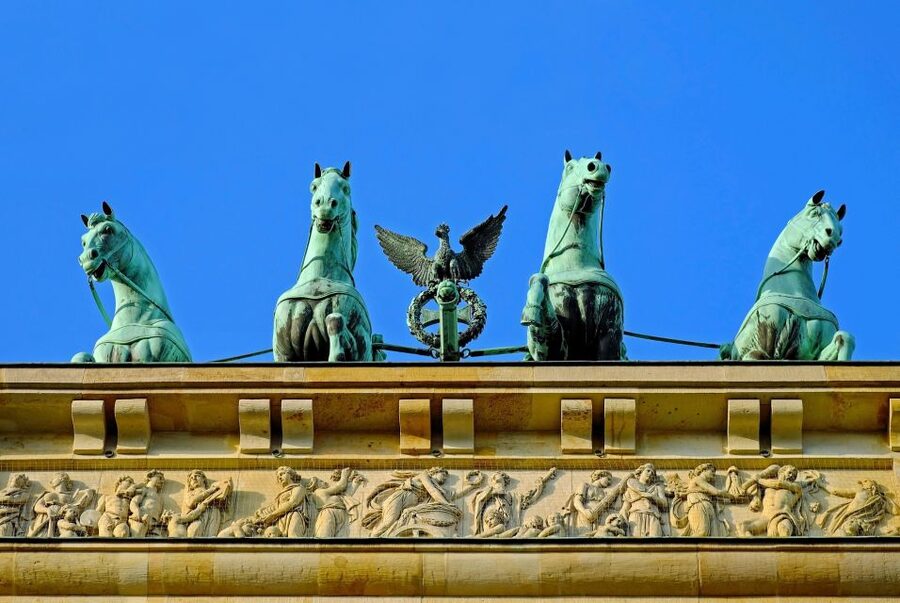
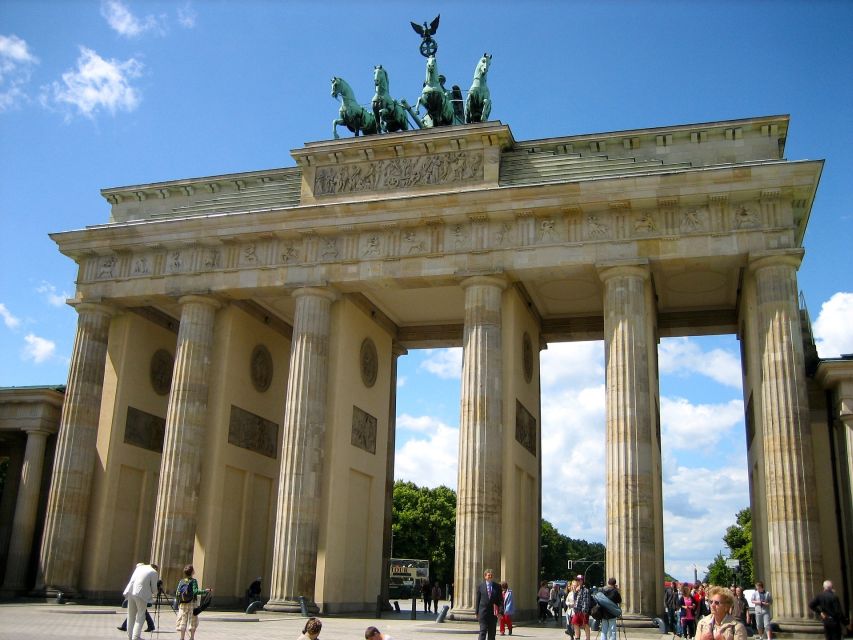
The Brandenburg Gate is one of Berlin’s essential landmarks, yet it can be surprisingly hard to understand without context. It has been used and interpreted in different political eras, and this tour focuses on its place in the Prussian story.
The walk helps connect the gate to the city’s former government center. The mention of the Old Reich Chancellery area also points to how close major political institutions stood to one another. Berlin’s central district was designed to make authority visible, and the route lets you see that pattern on foot.
I would not choose this experience solely for the gate. You can see it without paying for a tour. I would choose the tour because the guide links the gate to other places and explains the historical personalities who shaped the capital.
That is the difference between sightseeing and guided sightseeing. You still get the photographs, but you also leave with a clearer idea of why the monument was built, what it represented, and how it fit into the city around it.
The Guide’s Storytelling and the Brochure
The tour includes a live German-speaking guide and a brochure with illustrative pictures. The brochure should be useful as a visual aid, especially when the guide refers to earlier versions of buildings or historical scenes that are no longer easy to imagine from the street.
The strongest praise for the experience centers on the amount of information and the details that are easy to miss without guidance. That is important. A walking tour like this succeeds when it changes what you notice, not when it simply takes you from one famous address to another.
The guide also shares surprising facts and anecdotes about the sites. Since the tour is in German, you need enough language ability to follow names, dates, and connections. This is not a good choice if you are hoping for an English explanation or a multilingual format.
No individual guide name is supplied, so I cannot point you toward a particular leader. The quality will depend on the person leading your departure, but the structure gives the guide plenty to work with: royal figures, city planners, churches, palace grounds, and the people who lived in the capital.
Two Hours on Berlin Streets
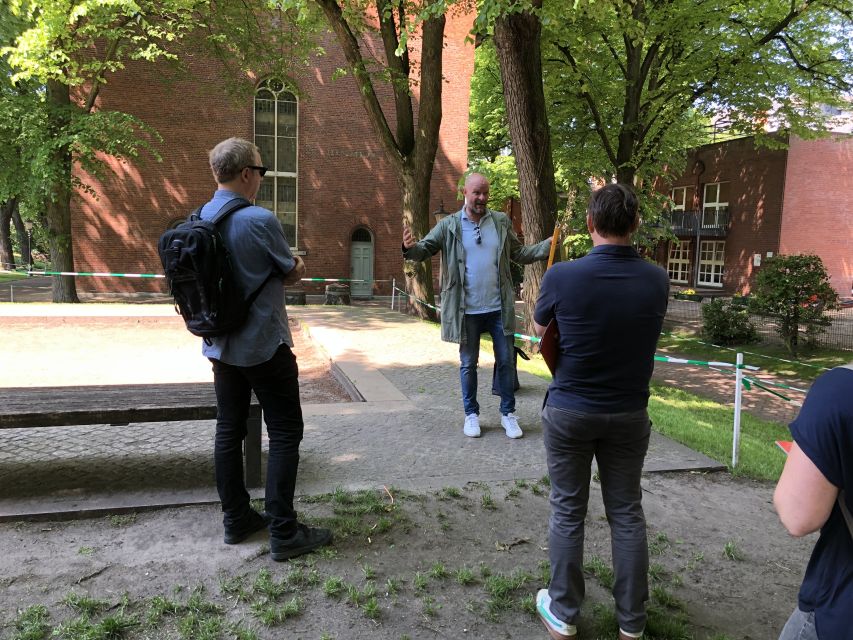
Two hours is a sensible length for this route. It gives you enough time to cover a substantial part of central Berlin without turning the outing into an all-day commitment.
The walking is described as leisurely, but you are still outside for the full tour. There is no hotel pickup or drop-off, and food and drinks are not included. Plan to arrive ready to walk, with comfortable shoes and weather-appropriate clothing.
The tour runs rain or shine. Berlin weather can change quickly, so a light waterproof layer is a better idea than relying on a favorable forecast. Pets are not allowed, and the activity is not suitable for people with mobility impairments.
Because the meeting point is central, you can place this tour alongside other sightseeing in the same district. Still, avoid booking another fixed activity immediately afterward. The walking pace, group movement, and questions can affect the exact finish time.
One practical warning deserves attention: finding the guide at Lustgarten has caused confusion for at least one booking. The assistance phone number was answered and helped resolve the problem, which is reassuring, but you should still double-check the meeting instructions and identify the granite bowl before the start.
Is $29 a Fair Price?
At $29 per person, this is a reasonable price for a two-hour guided walk in central Berlin. You are paying for a focused explanation of several important sites, not for transport, meals, or admission tickets.
The value is strongest if you want historical context and can follow German comfortably. A self-guided walk costs less, of course, but it requires preparation and will not provide live answers or a guide’s selection of small details.
The price is less attractive if you mainly want photographs or already know Prussian Berlin well. You can see most of the major exterior landmarks on your own. The tour earns its fee through interpretation, connections, and stories.
A brochure is included, but it is a supplement rather than the main reason to book. I would consider the tour good value for someone who wants a clear introduction before exploring the museums and monuments independently.
Who Should Book This Walking Tour?
I would recommend it to German-speaking visitors interested in architecture, royal history, urban planning, and the personalities behind Berlin’s development. It also suits repeat visitors who have seen the major landmarks but want to understand how they fit together.
The compact format works well for a first full day in Berlin or as a bridge between museum visits. You can use the route to get your bearings, then return to the buildings that caught your interest.
I would skip it if you need English, dislike outdoor walks in poor weather, or have mobility limitations. I would also think twice if your main goal is to enter historic buildings, since the experience is centered on walking and exterior interpretation.
The rating of 4.4 from four submitted ratings suggests a generally strong experience, but the sample is small. The most consistent strengths are the informative content and the details people might miss alone. The main practical weakness is meeting-point confusion, not the historical subject itself.
Should You Book It?
Book this tour if you want Prussian Berlin explained in plain, connected steps rather than viewed as a string of unrelated monuments. The best reason to go is the guide’s detailed treatment of familiar sites, especially the Dome, City Palace area, Friedrichswerder Church, Brandenburg Gate, and Gendarmenmarkt.
Before paying, confirm that the tour is in German, locate the granite bowl in Lustgarten, and leave room in your schedule for a full two hours outside. If those points work for you, $29 is a fair price for a focused introduction to the people and places that shaped central Berlin.
FAQ
Where does the tour meet?
Meet your guide at the granite bowl in Lustgarten, Berlin.
How long does the walking tour last?
The tour lasts two hours.
What language is the tour conducted in?
The live tour guide speaks German, and the tour is entirely in German.
What landmarks are included?
The route includes the City Palace area, the Brandenburg Gate area, the former Old Reich Chancellery area, the Dome, Friedrichswerdersche Church, and Gendarmenmarkt.
What should I bring?
Bring comfortable shoes and clothing suitable for the weather. The tour operates rain or shine.
Is the tour suitable for people with mobility impairments?
No. The activity is not suitable for people with mobility impairments and includes leisure walking.
Just added around Berlin
- Kreuzberg Private Walking Tour: Immigrants, Artists & Hipsters★ 5.0 · 3 reviews
- Private Photo Tour in Kreuzberg★ 5.0 · 3 reviews
- Individual city tour Berlin for max. 8 persons★ 5.0 · 3 reviews
- Berlin’s Jewish Heritage: Private Tour of the Vibrant Jewish District★ 5.0 · 3 reviews
- Berlin & The Third Reich Private Guided Tour★ 5.0 · 3 reviews
- Private Analogue Photography Experience in Berlin★ 5.0 · 3 reviews
- Spy Mission in Berlin: Self-Guided Espionage Puzzle Quest★ 5.0 · 3 reviews
- Berlin Christmas Markets Walking Tour with Local Guide★ 5.0 · 3 reviews
Walking Tours, compared.





Berlin’s Best: 2 Hour Walking Tour Third Reich and the Cold War
Read our review →


Third Reich Berlin: Hitler and WWII Walking Tour
Read our review →Browse the lists this tour appears in