
Reviewed · WALKING TOURS
Berlin: Old Neukölln Private Walking Tour
Neukölln has a village tucked inside Berlin. I like the way this private 90-minute walk turns Richardplatz into a real place, not just another square on a sightseeing list. I also like the focus on overlooked stories, from the Bohemian settlers to fires that shaped old Rixdorf. The main consideration is that the tour is offered in German and is not suited to people with mobility impairments.
Reinhold Steinle has guided groups through Neukölln since 2008, and the praise for his approach is unusually consistent. The tour suits you best if you want history with personality, small-scale streets, and a side of Berlin that feels far removed from the usual central sights. At $70 for up to six people, it is a fair deal for a private group, though less useful if you want a broad introduction to all of Berlin.
In This Review
- Key points at a glance
- Why old Neukölln feels unlike the Berlin you expect
- Richardplatz and the village center of Rixdorf
- Bethlehem Church and the religious story of Neukölln
- Bohemian Square, Popraci, and the old schoolhouse
- Fires in Rixdorf and the cost of reinvention
- From Rixdorf to Neukölln
- Comenius Garten and the final view of the district
- What makes the guide’s style important
- Price, group size, and practical value
- Who should book this Neukölln walk?
- Should you book the Old Neukölln Private Walking Tour?
- FAQ
- Where does the Old Neukölln Private Walking Tour meet?
- How long does the tour last?
- How much does the private tour cost?
- What language is the tour in?
- Is the tour private?
- What sights are included?
- Can I cancel the tour?
Key points at a glance
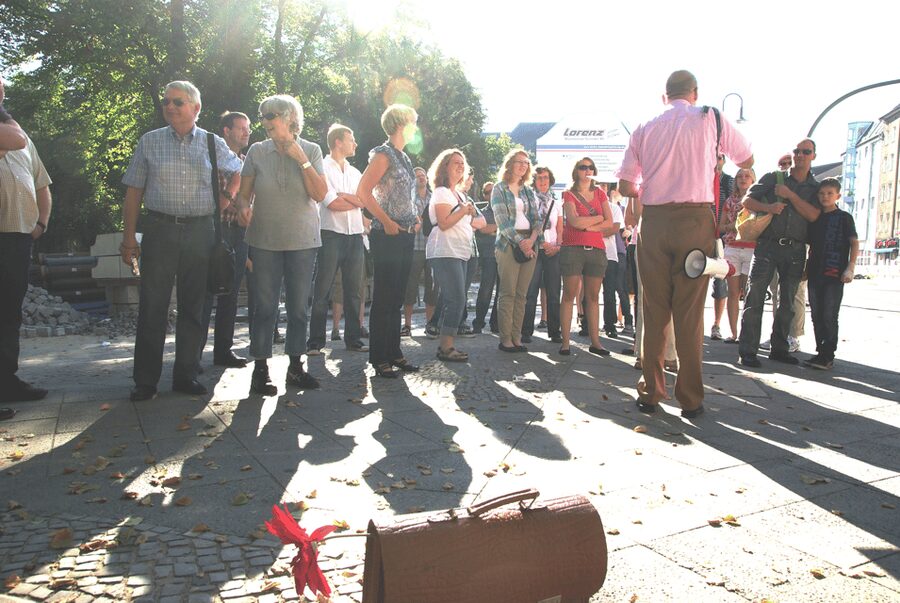
- Richardplatz feels like a village: See one of Berlin’s most unexpected old-world corners in the middle of Neukölln.
- Bohemian history shapes the walk: Learn about the arrival, evacuation, and legacy of Bohemian settlers.
- Bethlehem Church anchors the story: The church and its setting help explain the religious and social past of Rixdorf.
- Old fires still matter: Stories about fires in Rixdorf show how the district changed over time.
- A personal guide makes the difference: Reinhold Steinle brings years of local guiding experience and a clear mission to challenge Neukölln’s negative image.
- Private value for small groups: One fee covers up to six people, making the price more attractive when shared.
Why old Neukölln feels unlike the Berlin you expect
Neukölln is often reduced to a quick label. That is exactly what this walk tries to correct. Instead of treating the district as a single modern neighborhood, Reinhold Steinle presents it as a place with several layers, including the old settlement of Rixdorf, Bohemian religious communities, changing names, fires, and present-day Berlin life.
I like this approach because it gives you a reason to look closely. A street or square is not just attractive or old. It becomes part of a story about migration, faith, government decisions, and the way a district tries to define itself.
The walk centers on Old Neukölln, especially the area around Richardplatz. You are not signing up for a long march between major attractions. The 90-minute length keeps the subject focused, and a private group means the experience can feel more like a conversation than a standard city tour.
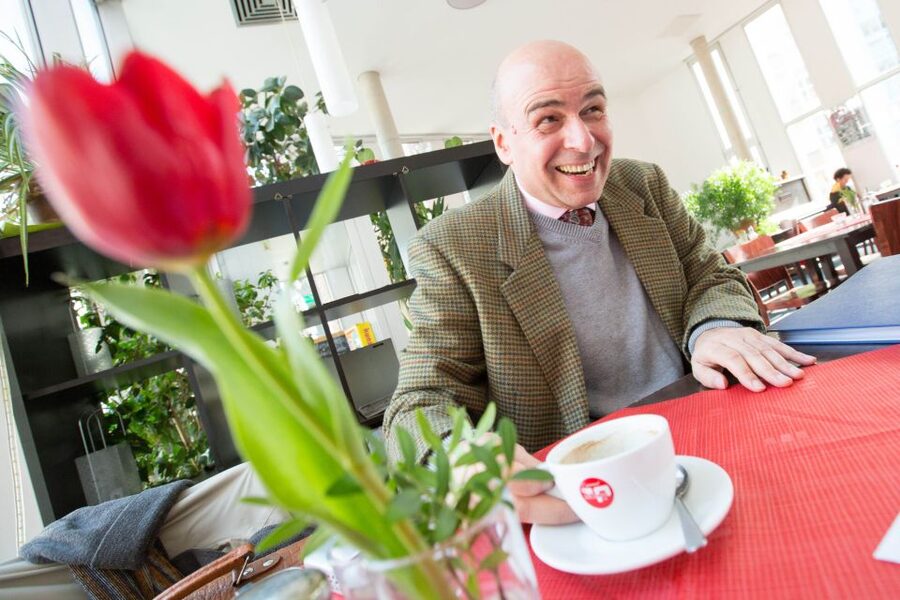
The guide’s personal connection matters here. Steinle was born in southern Germany but considers himself a Berliner at heart. Since 2008, he has regularly led tours through Neukölln, with the stated aim of correcting the district’s often negative reputation. That gives the tour a clear point of view, though you should expect an advocate for Neukölln rather than a detached lecture.
More Walking Tours in Berlin
- Discover Berlin Half-Day Walking Tour
★ 5.0 · 9,624 reviews - Berlin: Third Reich and Cold War 2 Hour Walking Tour
★ 4.9 · 6,830 reviews - Berlin: Discover Berlin Walking Tour
★ 4.9 · 5,998 reviews
Richardplatz and the village center of Rixdorf
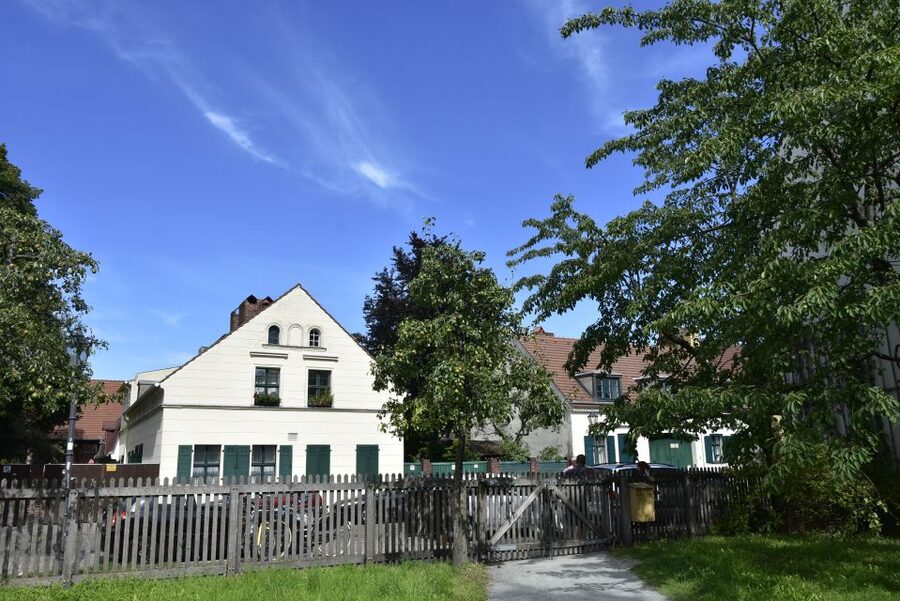
The meeting point is Richardplatz 22, next to the small church. This is a useful starting place because Richardplatz immediately sets the tone. You are in Berlin, but the square offers a village-like atmosphere that feels surprising in such a large capital.
The appeal is not only visual. Richardplatz lets Steinle explain how old Rixdorf fits into today’s Neukölln. The name Rixdorf appears throughout the walk, and understanding that earlier identity helps you follow the district’s changes. The later renaming as Neukölln is one of the subjects included on the route.
I would give yourself a few quiet minutes at the meeting point before the start. The square is the key reference point for many of the tour’s stories, and arriving early gives you time to get oriented without rushing.
Richardplatz is also a good place to notice the contrast that defines this tour. Modern Berlin is close by, but the old village character remains part of the setting. You do not need grand monuments to understand a city. Sometimes a square, a church, and the shape of nearby streets tell you more.
Bethlehem Church and the religious story of Neukölln
Bethlehemskirche, or Bethlehem Church, is one of the central stops. The church is located at Richardplatz, making it easy to connect the building with the wider story of the old settlement.
The tour also introduces Böhmischer Platz, Böhmische Gottescaker, Jan Hus, and the Bohemian villages. These names point to the religious and cultural background of the Bohemian community that helped shape Rixdorf. The exact details are best heard from Steinle in person, since the value lies in how he connects the people, places, and events rather than in simply checking off monuments.
Jan Hus is an especially useful name to encounter here. His inclusion signals that the tour is not limited to local architecture. It reaches into the beliefs and traditions that brought Bohemian settlers to the area and helped give the neighborhood its distinct identity.
The reference to the evacuation of the Bohemians adds another layer. You get a sense that settlement history is not always calm or permanent. Communities can arrive, build institutions, and then face pressure or displacement. That makes the area more than a picturesque old quarter.
If you speak little or no German, this part may be difficult to follow. The live guide language is German, and the tour depends heavily on spoken explanation. The buildings and squares can still be seen, but the historical meaning will be much harder to grasp without enough German.
Bohemian Square, Popraci, and the old schoolhouse
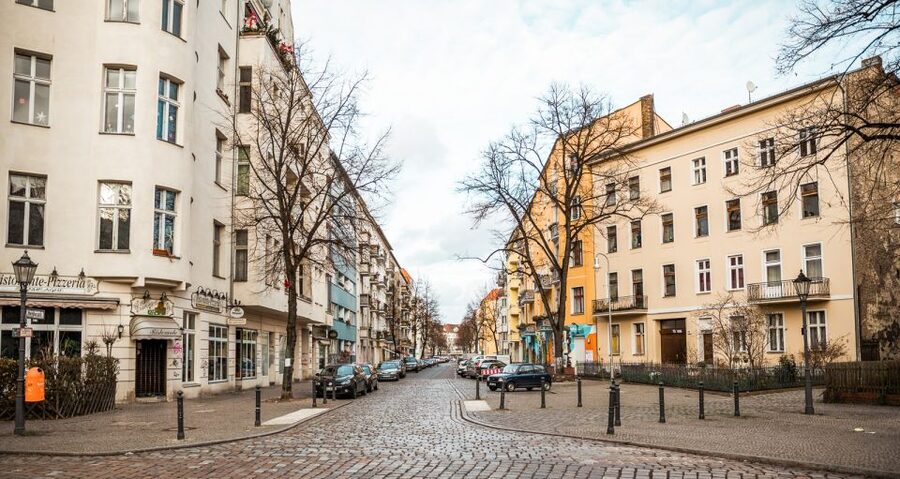
Böhmischer Platz is another important stop, and it helps extend the story beyond Richardplatz. Along with Popraci, the old Bohemian schoolhouse, and the Bohemian villages, it shows how a community leaves its mark through public spaces and institutions.
The old schoolhouse is the kind of place that can be easy to overlook on an independent walk. A sign or facade may tell you that a building is old, but Steinle’s explanations give it a role in the story of local life. You learn to see these modest buildings as evidence of how people organized education, worship, and daily affairs.
Popraci is included among the sights and themes, though the supplied information does not specify a separate attraction description. That is worth keeping in mind. The tour is strongest for people who enjoy following a connected local story, rather than expecting every stop to be a major landmark with a polished display.
The references to Czech partnership also bring the story into the present. The Bohemian and Czech connection is not treated as something sealed away in the past. Instead, you get a link between old settlement history and later cultural ties.
This is where the tour’s mix of history and modern life becomes most useful. You are not simply told that Neukölln was once different. You are shown how old identities continue to appear in names, memorials, partnerships, and surviving buildings.
Something different for another day:
- Berlin: Reichstag, Dome and Government District Guided Tour
★ 4.7 · 18,288 reviews - Berlin: 1-Hour City Tour by Boat with Guaranteed Seating
★ 4.3 · 16,993 reviews - Berlin: Boat Tour Along the River Spree
★ 4.4 · 11,252 reviews - Berlin: Hop-on Hop-off Bus Tour with Live Commentary
★ 4.3 · 8,579 reviews
Fires in Rixdorf and the cost of reinvention
The stories about fires in Rixdorf are among the tour’s more unusual features. Many city walks focus on famous buildings, rulers, or war damage. Fires offer a different way to understand change, since they affect homes, streets, businesses, and the shape of a community.
I like this subject because it makes local history feel immediate. A fire is not just a date in a book. It can explain why an old district contains a mixture of building periods or why parts of a village were rebuilt. The tour uses these events to show that Rixdorf was shaped by more than its Bohemian beginnings.
The fire stories also fit the tour’s wider argument about Neukölln. The district has repeatedly been described, renamed, rebuilt, or judged from the outside. Steinle’s job is not to pretend that every chapter was easy. It is to show that the area has a longer and more complicated story than its reputation suggests.
Do not expect a museum-style presentation or a large historical exhibit. This is a street-level experience. You learn through places, spoken stories, and the guide’s way of linking them. That format works well if you enjoy context and conversation. It may feel less satisfying if you want dates, documents, or a fixed academic lecture.
From Rixdorf to Neukölln
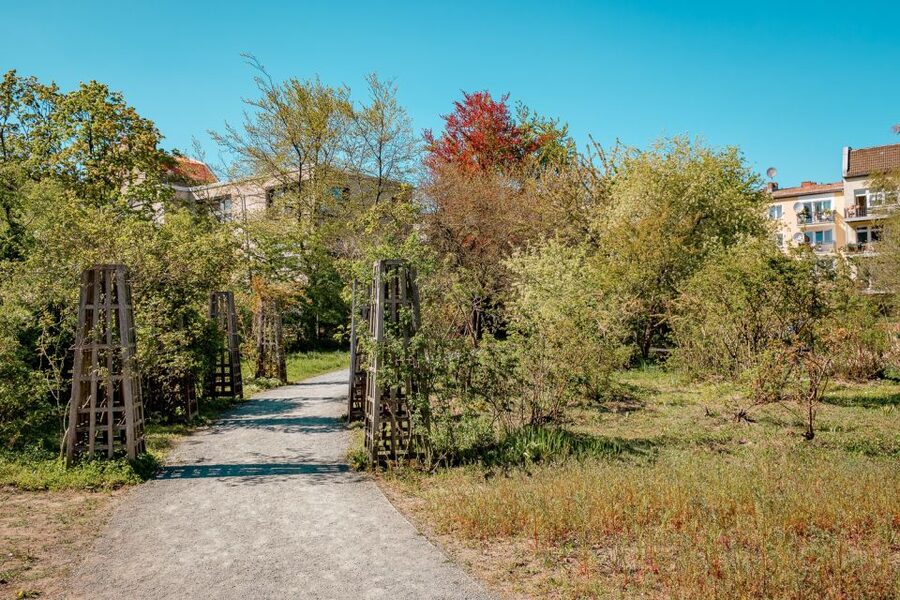
Renaming is one of the tour’s listed themes, and it gives you a practical way to understand how place names carry political and social meaning. Rixdorf and Neukölln are not interchangeable labels in this story. The change reflects an effort to shape how the district was seen.
The tour’s stated goal is to move you beyond the idea of Rixdorf as merely a Bohemian village. That is an important distinction. The village identity is part of the area’s appeal, but it does not explain everything you see. Neukölln also has modern associations, changing communities, and a reputation that Steinle believes deserves correction.
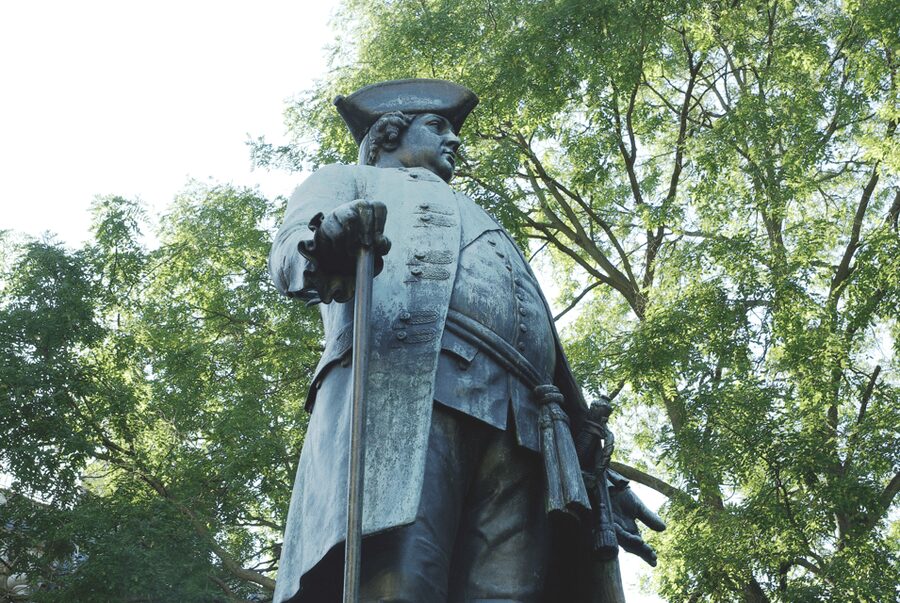
The Friedrich Wilhelm I Memorial adds another historical reference point. It brings a royal figure into a walk otherwise centered on local settlement, religious life, and neighborhood change. The memorial helps widen the frame without turning the tour into a general survey of Prussian Berlin.
Richardstrasse is also included. Like the other streets on the route, its value comes from the guide’s explanation. You may find the street itself less important than the role it plays in connecting Richardplatz, the old schoolhouse, the Comenius Garten, and the wider Bohemian story.
The route is best understood as a chain of clues. You see one place, hear what happened there, and then carry that idea to the next stop. By the end, you should have a more useful mental map of Old Neukölln.
Comenius Garten and the final view of the district
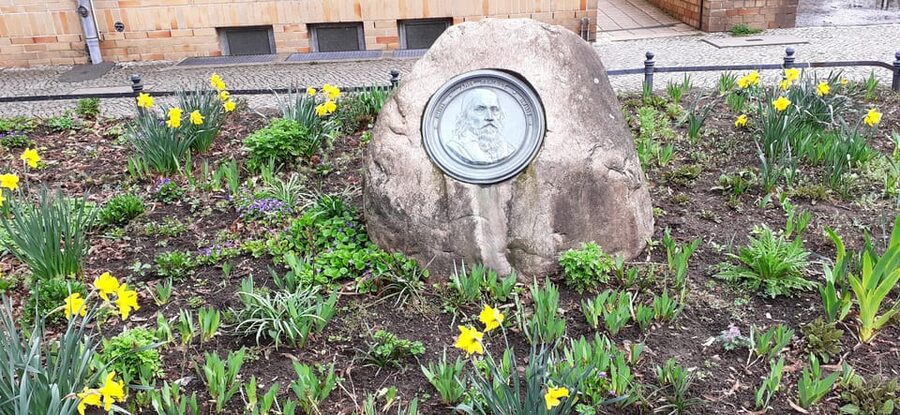
Comenius Garten is included among the sights, along with the Bohemian villages. The supplied details do not promise a specific garden program or interior access, so you should treat it as part of the walking route rather than assume a separate visit with extensive time inside.
Its presence fits the tour’s interest in Czech and Bohemian connections. The name also reinforces the cultural side of the neighborhood, which is easy to miss if you see Neukölln only through its modern image.
The tour does not appear designed around grand views or famous photo stops. Its reward is a better understanding of how a small part of Berlin developed. You may take pictures along the way, but the spoken stories are the main product.
That is also why the private format helps. With up to six people, you have a better chance to ask about a name, a building, or a local detail that catches your attention. The tour is not advertised as a customizable walk, so you should not assume the route can be fully redesigned. Still, a small group generally makes historical conversation easier than a large public tour.
What makes the guide’s style important
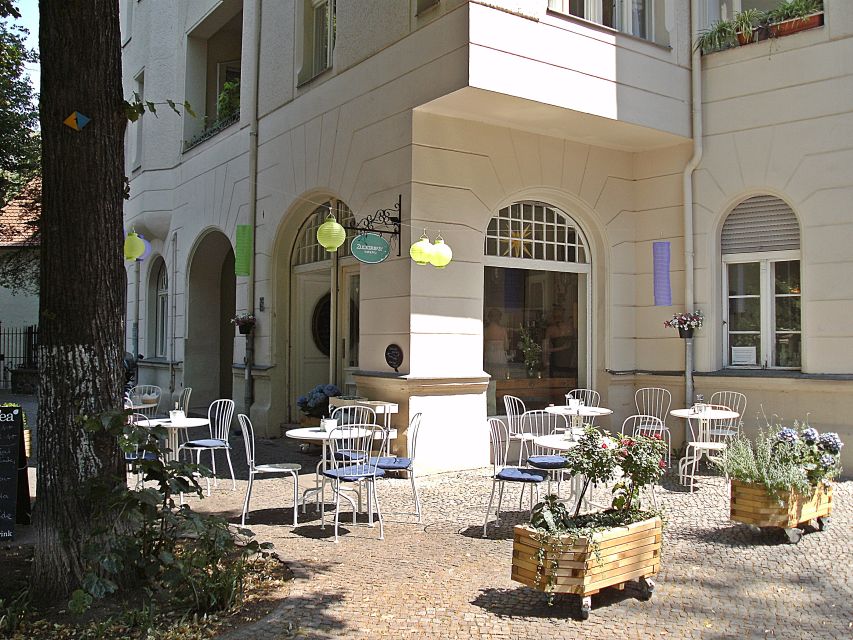
The strongest praise centers on the guide’s way of presenting Neukölln. The comments describe Steinle’s tours as humorous, individual, informative, and full of unexpected stories. One German participant called the presentation highly informed, while another praised the enthusiasm and the connection between past events and the present.
Those comments point to a useful distinction. This is not only a tour about what happened. It is also about how the story is told. Steinle appears to bring a personal interest in Neukölln, and that enthusiasm is central to the experience.
His motto, someone has to do it, sums up the tour’s purpose. He has taken on the job of challenging the district’s bad image one group at a time. That can make the walk lively and memorable, but it also means you are hearing a guide with a clear local mission.
I would book this for someone who enjoys a guide with opinions, humor, and a strong connection to the subject. If you prefer a neutral audio guide or a strictly chronological history lesson, this may not be your ideal match.
The rating is a perfect 5 from eight recorded ratings, with especially positive comments about the unexpected stories, individual attention, enthusiasm, and clear information. That is a small sample, so I would not treat it as proof that every group will have the same experience. Still, the praise is notably consistent in the areas that matter most for a private neighborhood walk.
Price, group size, and practical value
The price is $70 per group of up to six people. For one person, that is not a cheap neighborhood stroll. For six people, it works out to less than $12 per person before any booking-related currency differences, which makes the private format good value.
The 90-minute duration is another strength. You get enough time for a focused story without giving up half a day. Since the tour covers many themes, Steinle will need to keep moving between stops. You should expect a brisk, information-led walk rather than long periods spent inside attractions.
The tour includes the guided walk only. Food, drinks, and personal expenses are not included, so plan those separately. No refreshments are promised during the 90 minutes.
The meeting point is specific: Richardplatz 22, next to the small church, in 12055 Berlin Neukölln. Check the starting time when booking, since several start times may be available. Free cancellation is offered up to 24 hours before the tour, and you can reserve now and pay later, which is useful if your Berlin plans are still shifting.
The practical limitation is mobility. The experience is not suitable for people with mobility impairments. The supplied information does not give a detailed accessibility assessment, so anyone with specific needs should confirm the walking conditions before booking.
Who should book this Neukölln walk?
I would recommend it to you if you have already seen Berlin’s central sights and want a more local subject. It is also a strong choice for repeat visitors, history fans, people interested in migration and religious communities, and anyone curious about how a district’s reputation is formed.
Families or friends sharing the $70 group price can get solid value, especially if everyone understands German. The private setting should also work well for a small group that prefers questions and conversation over a fixed public tour.
I would be cautious if you want the tour in English, need step-free access, or expect a broad overview of Neukölln’s nightlife, food, and current street culture. Modern Neukölln is part of the context, but the emphasis is on Old Neukölln, Rixdorf, Bohemian history, churches, memorials, streets, and local stories.
Should you book the Old Neukölln Private Walking Tour?
Book it if you want Berlin history at neighborhood scale. Richardplatz, Bethlehem Church, Böhmischer Platz, the old schoolhouse, Comenius Garten, the fires of Rixdorf, and the renaming of the district form a focused story that most standard Berlin sightseeing programs skip.
The best reason to choose it is Reinhold Steinle’s personal connection to the subject. His humor, enthusiasm, and effort to replace Neukölln’s negative image with a fuller picture are repeatedly praised. Just remember the two limits: the tour is in German, and it is not designed for people with mobility impairments.
For a small group of up to six, $70 is a sensible price for a private 90-minute walk. If those conditions suit you, this is a good way to see Berlin differently, with fewer famous sights and far more attention to the people and events that made one neighborhood what it is.
FAQ
Where does the Old Neukölln Private Walking Tour meet?
The meeting point is Richardplatz 22, 12055 Berlin Neukölln, next to the small church.
How long does the tour last?
The walking tour lasts 90 minutes.
How much does the private tour cost?
The price is $70 per group of up to six people.
What language is the tour in?
The live tour guide speaks German. German is the only language listed for this activity.
Is the tour private?
Yes. It is offered as a private group experience.
What sights are included?
The tour includes Richardplatz, Bethlehemskirche, Böhmischer Platz, Böhmische Gottescaker, Jan Hus, Popraci, Richardstrasse, the old Bohemian schoolhouse, Comenius Garten, the Friedrich Wilhelm I Memorial, and the Bohemian villages. It also covers the fires in Rixdorf, the renaming of Neukölln, the evacuation of the Bohemians, and the Czech partnership.
Can I cancel the tour?
You can cancel up to 24 hours in advance for a full refund. Reserve now and pay later is also available.
Just added around Berlin
- Kreuzberg Private Walking Tour: Immigrants, Artists & Hipsters★ 5.0 · 3 reviews
- Private Photo Tour in Kreuzberg★ 5.0 · 3 reviews
- Individual city tour Berlin for max. 8 persons★ 5.0 · 3 reviews
- Berlin’s Jewish Heritage: Private Tour of the Vibrant Jewish District★ 5.0 · 3 reviews
- Berlin & The Third Reich Private Guided Tour★ 5.0 · 3 reviews
- Private Analogue Photography Experience in Berlin★ 5.0 · 3 reviews
- Spy Mission in Berlin: Self-Guided Espionage Puzzle Quest★ 5.0 · 3 reviews
- Berlin Christmas Markets Walking Tour with Local Guide★ 5.0 · 3 reviews
Walking Tours, compared.





Berlin’s Best: 2 Hour Walking Tour Third Reich and the Cold War
Read our review →


Third Reich Berlin: Hitler and WWII Walking Tour
Read our review →Browse the lists this tour appears in