
Reviewed · WALKING TOURS
Berlin: Neukölln Walking Tour
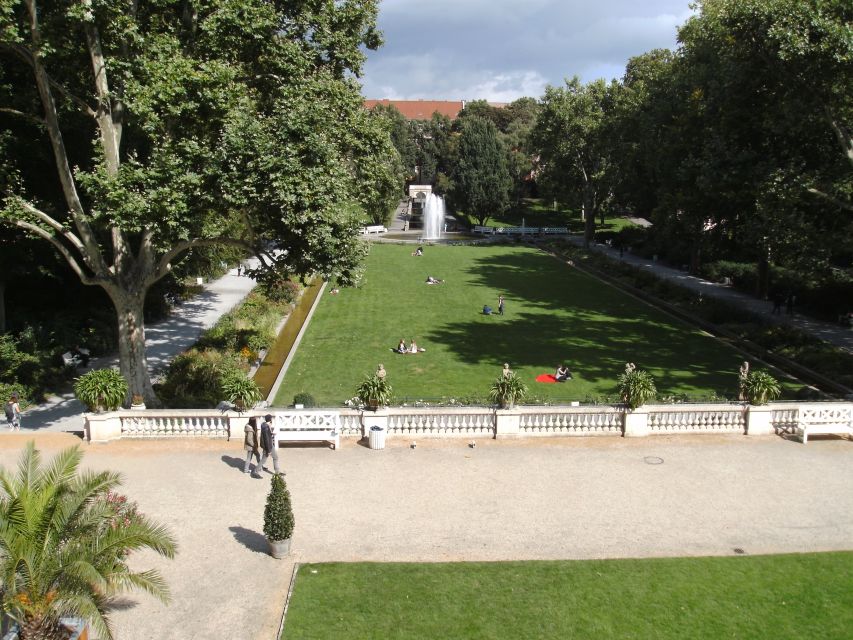
Neukölln rewards a closer look. This private 90-minute walk moves past old housing, local stories, and the striking Körner Park, a neo-Baroque garden tucked among Berlin apartment blocks. I like the personal focus and the way guide Reinhold Steinle connects famous names, overlooked corners, and everyday neighborhood change. The German-language format and limited group size also make the walk feel direct rather than packaged.
I especially like that the tour treats Neukölln as more than a fashionable district. You hear about Will Meisel, the Glory Halls of Neukölln, a 1920s residential complex, a 1912 archaeological discovery, and the area’s link to David Bowie. The main consideration is simple: the tour is conducted in German and is not suitable for people with mobility impairments.
In This Review
- Key points at a glance
- Why Neukölln makes a good walking tour
- Meeting Reinhold Steinle at Siegfriedstraße 19
- Old Neukölln stories, from Will Meisel to the Glory Halls
- Ilsenhof and the value of seeing residential Berlin
- The 1912 archaeological discovery
- Körner Park, the tour’s main visual reward
- David Bowie’s Neukölln connection
- What the guide’s style adds
- Is $70 good value for your group?
- Timing, walking comfort, and who should book
- Booking advice for a flexible Berlin schedule
- Should you book the Neukölln walking tour?
- FAQ
- Where does the Neukölln walking tour meet?
- How long does the tour last?
- How much does the private tour cost?
- Is the tour private?
- What language is the tour in?
- Who guides the Neukölln tour?
- What are the main places and subjects covered?
- What is included after the walk?
- Can I cancel the tour?
- Can I reserve without paying immediately?
Key points at a glance
- Körner Park is the visual prize: This neo-Baroque garden provides a surprising change from Neukölln’s older urban blocks.
- Reinhold Steinle brings a local point of view: His lively, affectionate style includes anecdotes about unusual former residents and the district’s changes over the past decade.
- The stories reach beyond standard Berlin sights: You learn about Will Meisel, the Glory Halls of Neukölln, David Bowie, and an archaeological find from 1912.
- Ilsenhof adds social history: The 1920s residential complex helps explain how Neukölln developed as a place to live, not simply a place to pass through.
- It is private and small: The $70 price covers a group of up to six, which can be good value if you are sharing the cost.
- You leave with follow-up ideas: A written summary and personal suggestions for further places are included at the end.
Why Neukölln makes a good walking tour
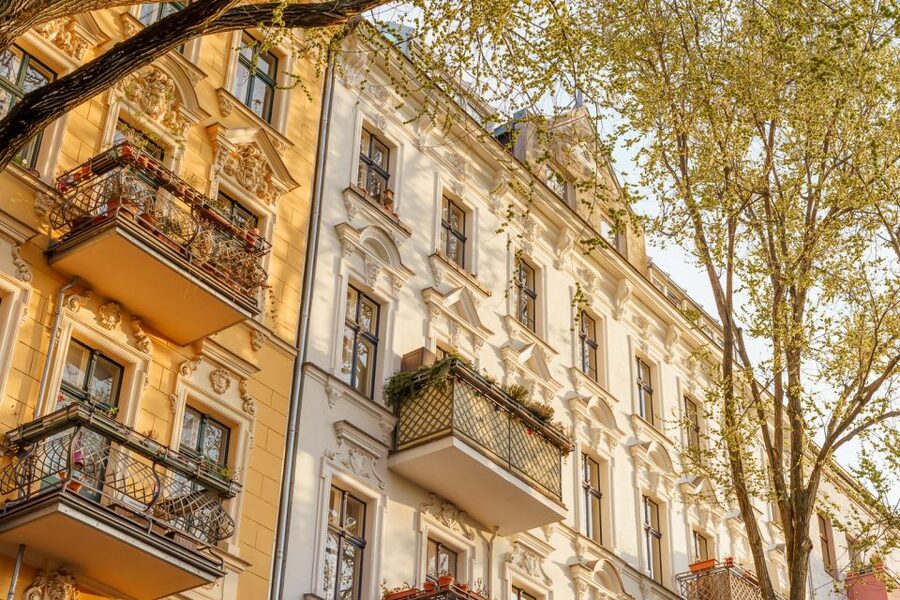
Berlin can be hard to read from a quick visit. One street may suggest a working district, the next may reveal a carefully planned housing complex, and a quiet garden can carry more local meaning than a famous monument. Neukölln is useful for this kind of walk because its story is spread across ordinary streets and buildings.
This is not a tour built around a long list of major attractions. It is a guided reading of the district. You look at places that could easily escape notice, then hear the people and events connected to them. That approach suits you if you prefer local context to a standard city-center circuit.
The tour also gives you a chance to see how Neukölln has changed during the last 10 years. The information provided does not promise a full survey of current politics or housing, so you should not expect an academic study of urban development. Still, the guide’s stated aim is to show both the district’s past and its positive qualities, giving you a more balanced view than a quick visit might provide.
More Walking Tours in Berlin
- Discover Berlin Half-Day Walking Tour
★ 5.0 · 9,624 reviews - Berlin: Third Reich and Cold War 2 Hour Walking Tour
★ 4.9 · 6,830 reviews - Berlin: Discover Berlin Walking Tour
★ 4.9 · 5,998 reviews
Meeting Reinhold Steinle at Siegfriedstraße 19
The walk begins at Leuchtstoff Kaffeebar, at Siegfriedstraße 19, 12051 Berlin. Starting at a café gives the meeting a more neighborhood-based feel than gathering beside a major monument or hotel lobby.
Your guide is Reinhold Steinle. His manner is a major part of the experience. I would expect a guide who speaks with genuine enthusiasm about Neukölln, rather than someone simply reciting dates. That matters here because much of the tour depends on stories, connections, and small details that may not be obvious from the street.
Steinle has been praised for his dedication, lively delivery, and strong personal connection to Neukölln. His storytelling includes anecdotes about former residents, ranging from an erotically themed dancer surrounded by scandal to an eccentric gravel-pit owner. Those details give the walk a touch of local oddness and humor without turning it into a comedy routine.
The tour is in German only. If you understand German comfortably, that should allow the guide’s personality and wordplay to come through. If you do not, this is not the right choice, since no other language is listed.
Old Neukölln stories, from Will Meisel to the Glory Halls
Early in the walk, you learn about the Glory Halls of Neukölln and the figure of Will Meisel. The supplied details do not spell out every stop or explain precisely how each person fits into the district, so you should expect the guide to provide that context on site.
That uncertainty is not necessarily a weakness. A walk like this works best when the guide can point to a building or location and explain why it matters, rather than forcing every detail into a printed outline. The tour’s written summary, given at the end, helps you keep track of the main points afterward.
The stories also show how a neighborhood’s identity is built from many kinds of people. Cultural figures, local characters, residents, and business owners all become part of the district’s memory. You are not only looking at architecture. You are hearing how people gave certain streets their character.
A good tip is to pay attention to the guide’s connections between past and present. The most useful part of this section may not be any single name. It may be the way Steinle explains what has changed, what has survived, and what locals may overlook because it is part of their daily surroundings.
Ilsenhof and the value of seeing residential Berlin
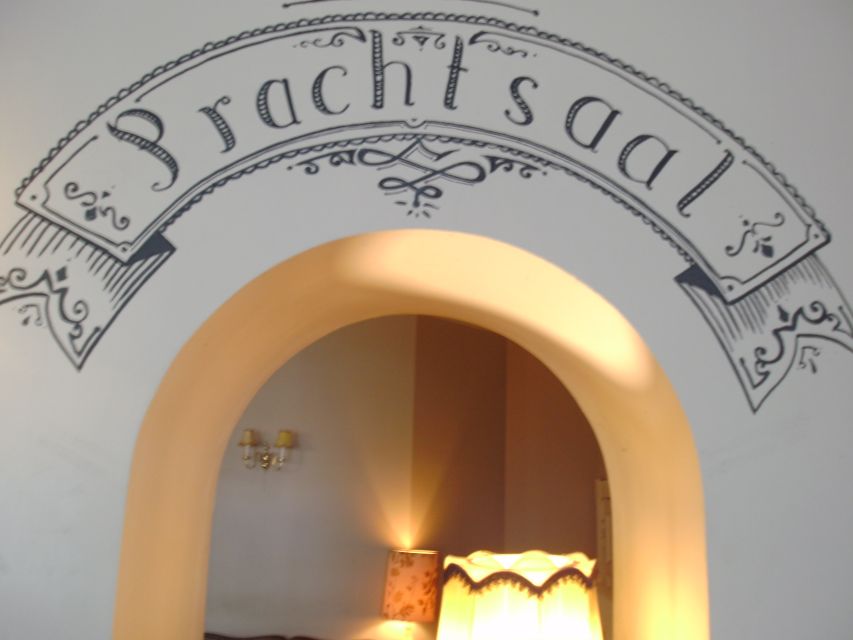
The visit to Ilsenhof brings the tour into the world of 1920s housing. Residential complexes rarely receive the same attention as palaces, museums, or grand public buildings, yet they often tell you more about how a city tried to house its people.
Ilsenhof is valuable because it shifts your attention from individual landmarks to urban planning and daily life. You get a sense of how Neukölln was shaped as a place where people lived, not just as a route between better-known parts of Berlin.
The tour information does not specify the full architectural design or the exact route through the complex. I would therefore treat Ilsenhof as a guided context stop rather than an independent attraction with a long interior visit. The point is likely the setting and the story Steinle attaches to it.
For you, this stop will be most rewarding if you enjoy seeing the less obvious side of a city. It also gives the tour a useful rhythm. Instead of moving only from one personality to another, you spend time considering buildings made for ordinary residents and the social conditions behind them.
Something different for another day:
- Berlin: Reichstag, Dome and Government District Guided Tour
★ 4.7 · 18,288 reviews - Berlin: 1-Hour City Tour by Boat with Guaranteed Seating
★ 4.3 · 16,993 reviews - Berlin: Boat Tour Along the River Spree
★ 4.4 · 11,252 reviews - Berlin: Hop-on Hop-off Bus Tour with Live Commentary
★ 4.3 · 8,579 reviews
The 1912 archaeological discovery
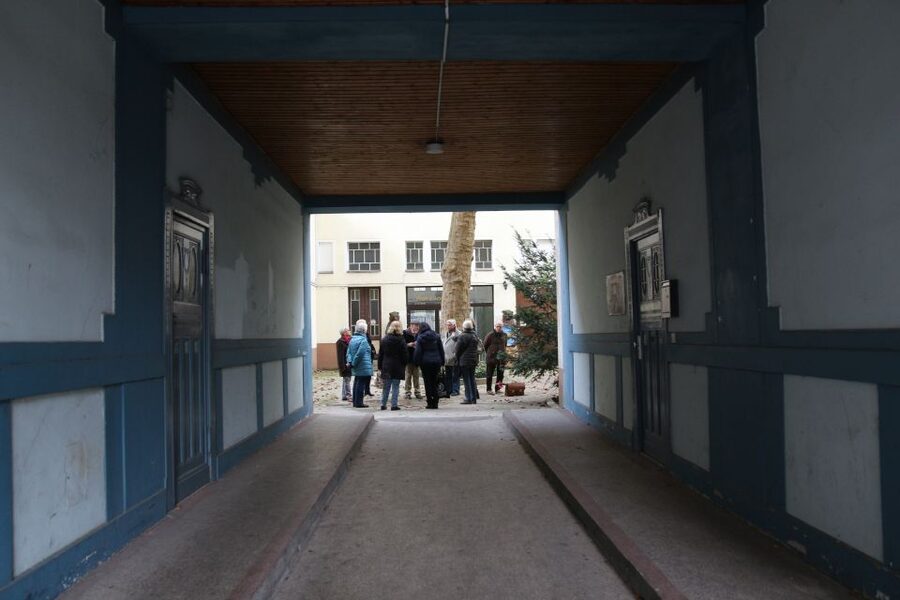
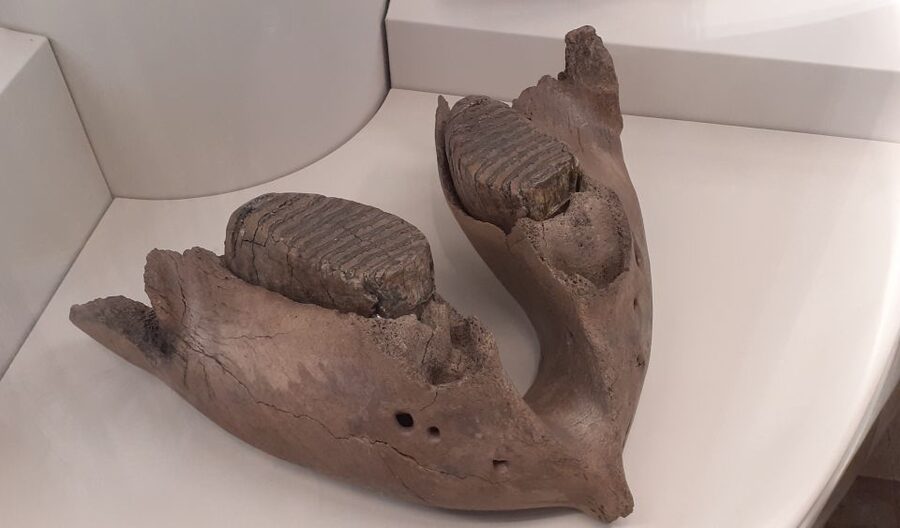
On the way to Körner Park, Steinle points out an archaeological discovery from 1912. The supplied information does not identify the exact object or site, so I would not book this walk expecting a formal archaeological exhibit.
Its value lies in the surprise. Berlin’s past is often imagined through its major political events and monumental architecture. A local discovery from 1912 offers a smaller, more grounded reminder that the city’s story can surface in unexpected places.
This is also the sort of detail that can change how you walk through a district afterward. You may begin looking more closely at old walls, courtyards, street layouts, and building gaps. The guide’s role is to give those ordinary spaces a layer of meaning.
Because the tour lasts only 90 minutes, this stop is likely concise. That is a benefit if you want a focused introduction rather than a full museum-style lesson. If you prefer long explanations at each location, the short format may feel brisk.
Körner Park, the tour’s main visual reward
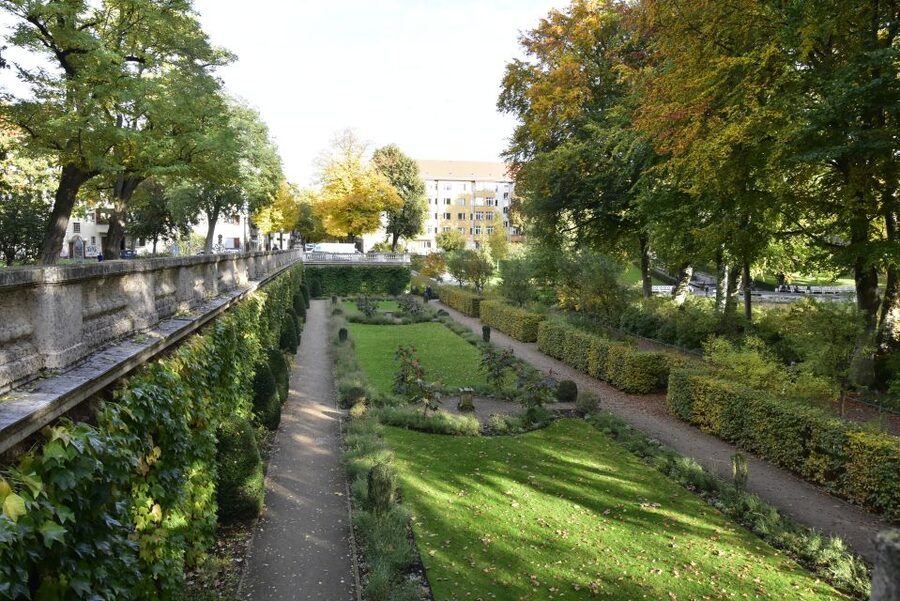
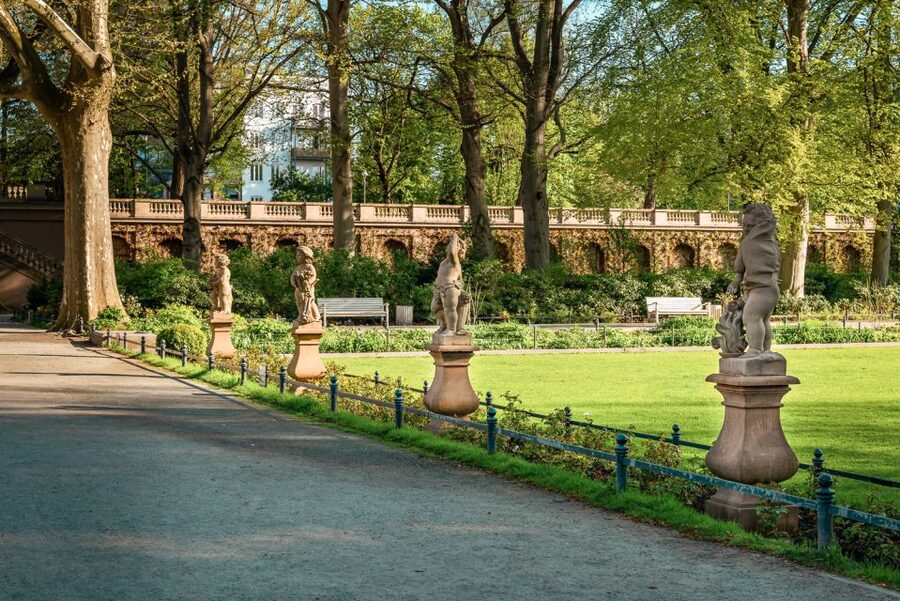
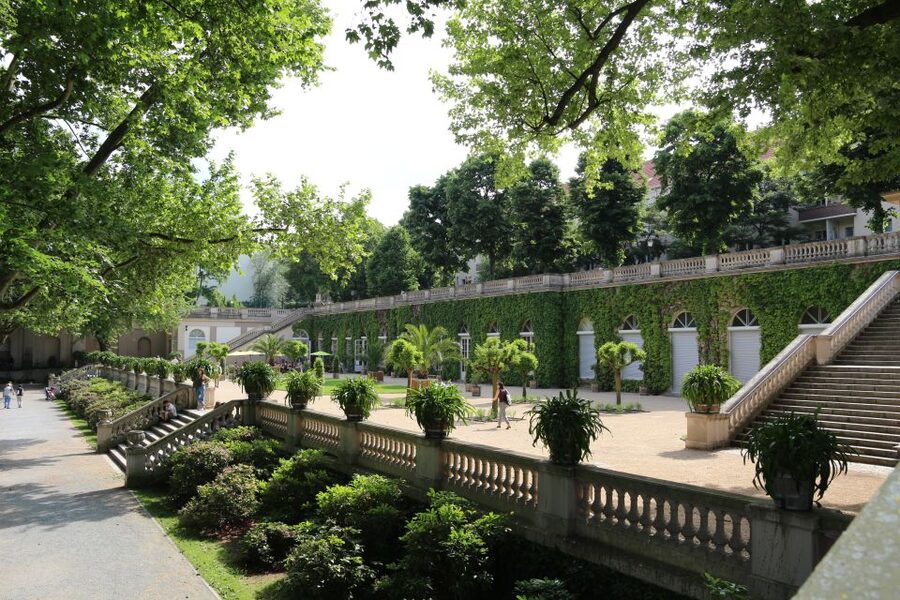
Körner Park is described as the highlight, and it is easy to understand why. A formal neo-Baroque garden in the middle of Neukölln creates a strong contrast with the surrounding old buildings. The garden’s design gives the walk a clear visual payoff after the earlier street-based stories.
The park is also a good example of why a local guide helps. You can admire a garden on your own, but the guide can explain its place in Neukölln and why it is considered Berlin’s most important neo-Baroque garden. The surrounding setting matters just as much as the garden itself. Its effect comes from the contrast between formal design and dense urban life.
You should not expect a full park excursion or a long pause filled with independent exploration. This is a 90-minute walking tour with several subjects to cover. Still, Körner Park gives you a memorable place to pause, take in the setting, and connect the district’s physical appearance with its past.
If you enjoy photography, this should be the most appealing part of the route. The information does not promise particular seasonal displays or special access, so plan for the garden as a public outdoor stop rather than a timed attraction.
David Bowie’s Neukölln connection
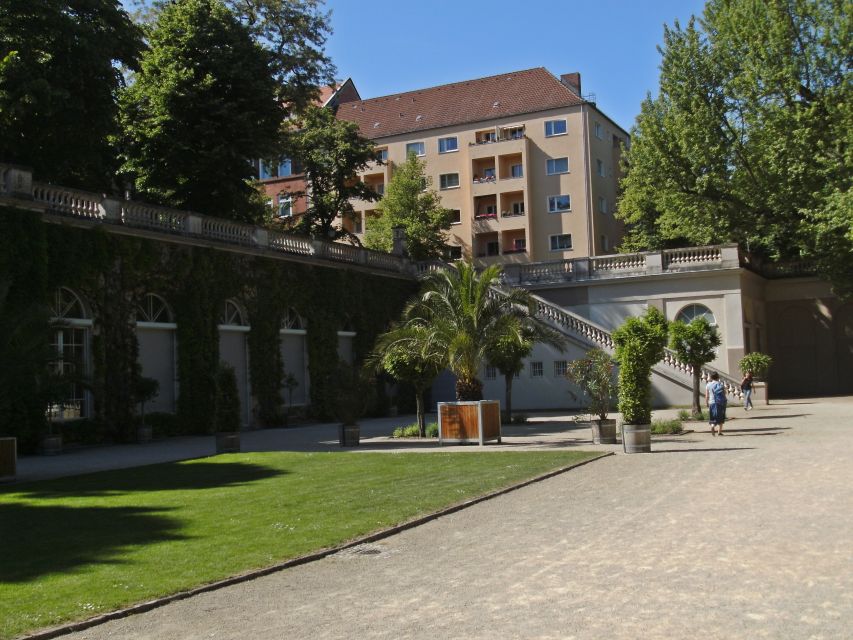
The David Bowie link gives the tour an easy entry point for anyone who knows Berlin through music. The details supplied do not explain the exact connection, so Steinle’s explanation on the day will be important.
That is a useful feature of the walk. Berlin’s music associations are often concentrated in the stories of a few famous central neighborhoods. Learning that Neukölln has its own connection broadens your view of the city’s cultural map.
I would treat this as one thread within the tour, not the main subject. If you are booking specifically for David Bowie history, you may want a more specialized music tour. If you simply enjoy finding unexpected connections, this detail should add character without taking over the walk.
The same applies to the other named figures. Steinle’s strength appears to be linking different kinds of stories into one portrait of Neukölln. You get a district shaped by housing, local personalities, cultural memory, and recent change.
What the guide’s style adds
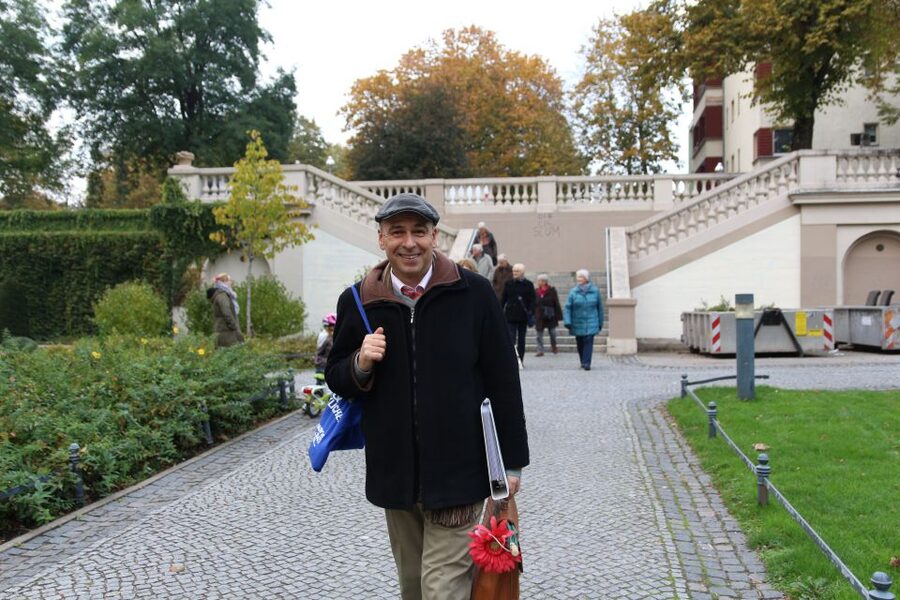
The strongest reason to choose this experience is Steinle’s delivery. He has been described as an ambassador for Neukölln, and that phrase suggests a guide who wants you to understand the district on its own terms.
I would expect a warm, animated style, with a light touch when discussing colorful local characters. One particularly useful detail is the guide’s habit of offering practical suggestions beyond the walk. A past participant used one of his tips to see the overflight of the Rosinenbombers, an evocative Berlin reminder connected with the city’s postwar airlift.
That example shows the benefit of speaking with someone who follows local events and places beyond the basic route. The tour includes tips for further ventures and places worth seeing, so you can use it as a starting point for a longer Neukölln visit.
At the end, you receive a written summary of the main content. I like this addition because a fast walk can leave you with more names than you can remember. The handout lets you sort out the details later instead of trying to take notes while moving.
Is $70 good value for your group?
The price is $70 per group of up to six people. That is not a per-person price, so the value changes sharply depending on your group size.
For six people, the cost works out to less than $12 per person. For two people, it is $35 each. For a solo booking, the same group price becomes expensive compared with a shared walk, but you gain a private guide and a route focused on your interests.
The private format is particularly useful if you want to ask questions or keep the pace comfortable. You are not paying for a large group experience or a long list of included admissions. You are paying for local interpretation, direct conversation, and a compact route.
There is no separate ticket cost listed for the main stops, and the tour includes the written summary and follow-up suggestions. I would call it good value for a small group that wants personal attention and already has an interest in Berlin beyond the center.
It is less compelling if you want major museum interiors, many paid attractions, or a tour in English. The value rests on the guide’s stories and the district itself.
Timing, walking comfort, and who should book
Ninety minutes is a sensible length for a first look at Neukölln. It is long enough to cover several themes without taking up half a day, and short enough to fit around other Berlin plans.
The route includes multiple outdoor stops and is described as unsuitable for people with mobility impairments. You should be comfortable walking through an urban district for the full duration. The information does not specify the distance, rest points, or surface conditions, so ask the provider directly if you need detailed accessibility guidance.
This tour suits you best if:
- You understand German and enjoy story-led guiding.
- You have already seen Berlin’s major central sights.
- You want a private experience for up to six people.
- You like architecture, local history, urban change, and unusual personalities.
- You want practical ideas for continuing your visit after the walk.
It is a weaker match if you need an accessible route, prefer English-language guiding, or want a conventional sightseeing tour with a long list of famous monuments.
Booking advice for a flexible Berlin schedule
You can cancel up to 24 hours in advance for a full refund, and you can reserve now while paying later. Those terms are useful if your Berlin plans are still shifting.
Starting times vary, so check availability before building the rest of your day around the walk. The meeting point is Leuchtstoff Kaffeebar, not one of Neukölln’s headline attractions, so allow enough time to reach Siegfriedstraße 19.
I would also arrive ready for an outdoor walk. The provided information does not list weather arrangements, indoor alternatives, or refreshments beyond the meeting point café. Comfortable walking shoes make sense, and you should not count on the tour itself to provide a meal or a long café stop.
Should you book the Neukölln walking tour?
Book it if you want a short, private introduction to a part of Berlin that many first-time itineraries skip. The combination of Körner Park, Ilsenhof, the 1912 archaeological discovery, local personalities, recent change, and the David Bowie connection gives you a fuller sense of Neukölln than a casual stroll.
I would be especially comfortable recommending it to a German-speaking group of three to six people. At that size, the $70 fee becomes attractive, and Steinle’s direct, enthusiastic style appears to be the main strength.
Skip it if you need English, have limited mobility, or want a major-attraction tour with museum entry. For the right audience, though, this is a personable way to see how Berlin’s local identity lives in gardens, housing blocks, odd stories, and streets that do not advertise their importance.
FAQ
Where does the Neukölln walking tour meet?
The tour meets at Leuchtstoff Kaffeebar, Siegfriedstraße 19, 12051 Berlin.
How long does the tour last?
The walking tour lasts 90 minutes.
How much does the private tour cost?
The price is $70 per group of up to six people.
Is the tour private?
Yes. It is offered for a private group.
What language is the tour in?
The live tour guide speaks German, and German is the listed language for the activity.
Who guides the Neukölln tour?
The guide is Reinhold Steinle, who presents himself as an ambassador for Neukölln.
What are the main places and subjects covered?
The tour includes Körner Park, the Glory Halls of Neukölln, Will Meisel, Ilsenhof, a 1920s residential complex, an archaeological discovery from 1912, and a David Bowie connection.
What is included after the walk?
You receive a written summary of the most important tour content, along with tips from the guide for further places and activities.
Can I cancel the tour?
You can cancel up to 24 hours in advance for a full refund.
Can I reserve without paying immediately?
Yes. The reserve-now-and-pay-later option lets you book while keeping your travel plans flexible.
Just added around Berlin
- Kreuzberg Private Walking Tour: Immigrants, Artists & Hipsters★ 5.0 · 3 reviews
- Private Photo Tour in Kreuzberg★ 5.0 · 3 reviews
- Individual city tour Berlin for max. 8 persons★ 5.0 · 3 reviews
- Berlin’s Jewish Heritage: Private Tour of the Vibrant Jewish District★ 5.0 · 3 reviews
- Berlin & The Third Reich Private Guided Tour★ 5.0 · 3 reviews
- Private Analogue Photography Experience in Berlin★ 5.0 · 3 reviews
- Spy Mission in Berlin: Self-Guided Espionage Puzzle Quest★ 5.0 · 3 reviews
- Berlin Christmas Markets Walking Tour with Local Guide★ 5.0 · 3 reviews
Walking Tours, compared.





Berlin’s Best: 2 Hour Walking Tour Third Reich and the Cold War
Read our review →


Third Reich Berlin: Hitler and WWII Walking Tour
Read our review →Browse the lists this tour appears in