
Reviewed · WALKING TOURS
Berlin: Museum Island Guided Walking Tour
Berlin’s museums need a game plan. This two-hour walking tour gives you one, linking Museum Island’s buildings, Berlin’s past, and the collections inside them without asking you to spend a full day in a museum. I especially like the access to the Altes Museum rotunda and the Humboldt Forum’s Schlüter Courtyard, two interiors that help the architecture come alive.
I also like the way the route reaches beyond the famous museum facades, including the Old Arsenal, Neue Wache, Friedrichswerdersche Kirche, and the Granitschale, the world’s largest granite bowl. The main consideration is simple: museum admission is not included, so think of this as an orientation tour, not a museum visit in miniature.
In This Review
- Key points at a glance
- Why Museum Island can be hard to tackle alone
- Starting at the Bode Museum
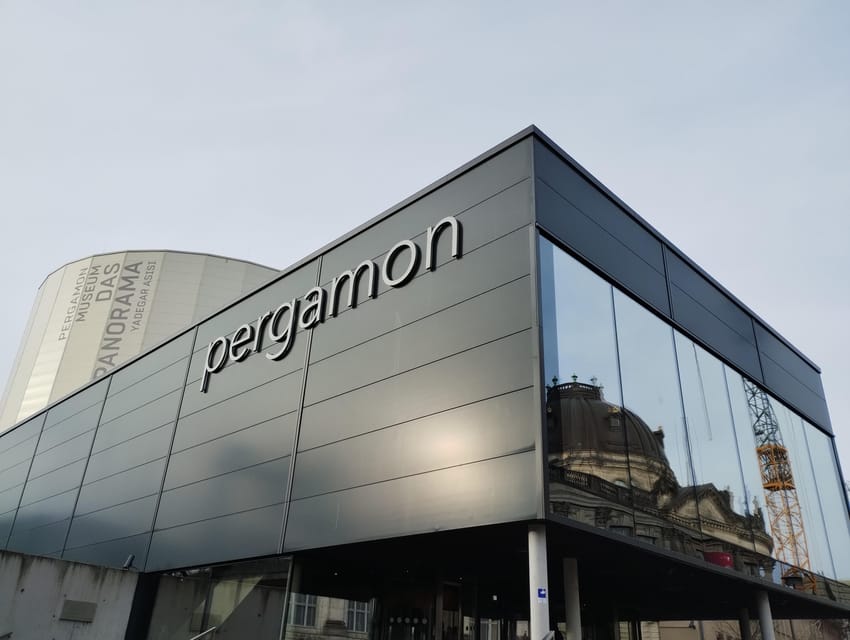
- Pergamon Museum and the island’s museum story
- The Old Arsenal and Berlin’s difficult past
- Neue Wache and Friedrichswerdersche Kirche
- Humboldt Forum and the Schlüter Courtyard
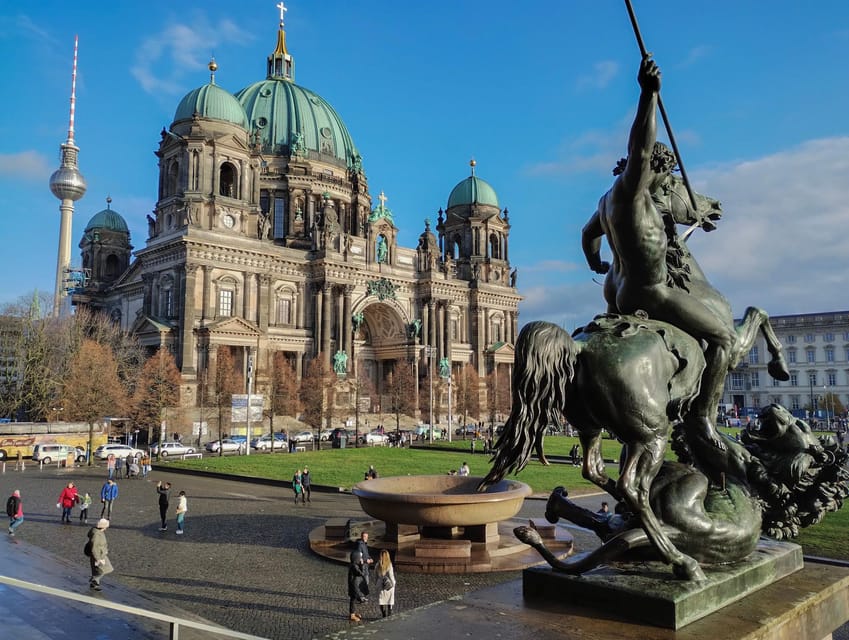
- Lustgarten, Berlin Cathedral, and the Granitschale
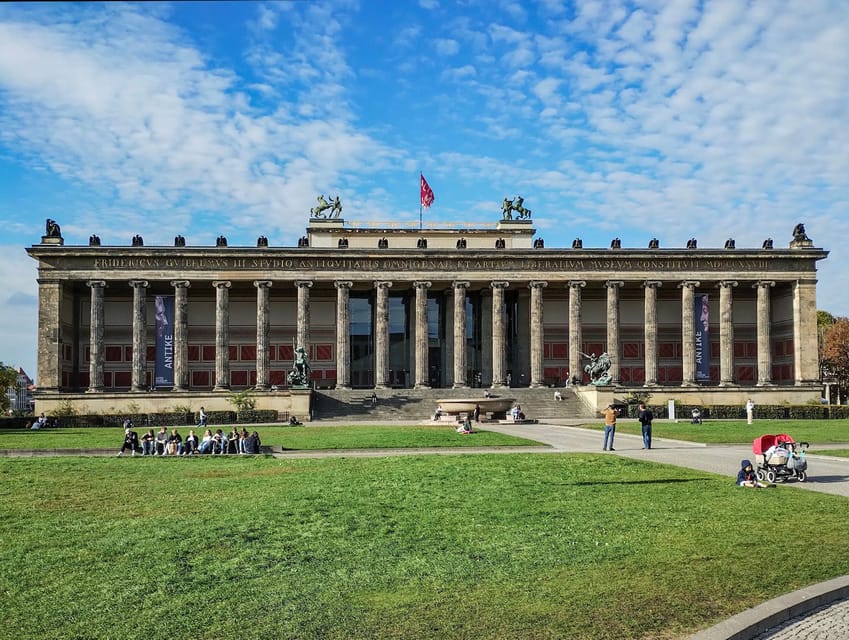
- The Altes Museum and Germany’s first purpose-built museum
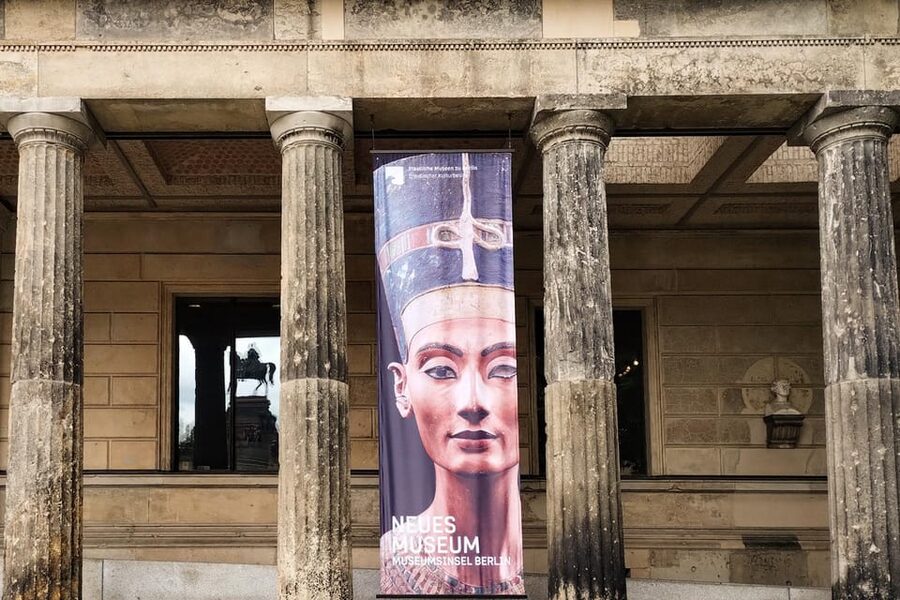
- Alte Nationalgalerie and Neues Museum
- How the guide shapes the experience
- Is $34 a fair price?
- Who should book this Museum Island walk?
- Should you book it?
- FAQ
- How long does the Museum Island tour last?
- How much does the tour cost?
- Where does the tour start?
- How will I identify the guide?
- Which languages are available?
- Does the tour include museum admission?
- Are any interior visits included?
- Is the tour wheelchair accessible?
- Can I book a private group?
- Can I cancel for a full refund?
Key points at a glance
- A smart first look at Museum Island: Cover the major buildings in two hours before choosing which museums deserve your remaining time.
- Three worthwhile interior visits: Enter the Bode Museum entrance hall, the Friedrichswerdersche Kirche sculpture collection, and the Altes Museum rotunda.
- A guide who brings the buildings together: Klaus Wehner is praised for clear explanations, strong historical context, and an engaging pace.
- More than museum facades: The route includes the Old Arsenal, Neue Wache, Lustgarten, Berlin Cathedral, and Friedrichswerdersche Kirche.
- Good value at $34: The price is reasonable if you want orientation and context, but less so if you only want to enter a museum.
- Flexible format: The tour lasts two hours, runs in English or German, is wheelchair accessible, and can be booked as a private group.
Why Museum Island can be hard to tackle alone
Museum Island is compact on a map but large in cultural weight. Five major museum buildings sit together on the Spree, joined by grand squares, bridges, churches, and government-era architecture. It is easy to walk past the right building while still missing what makes it important.
This tour solves that problem by treating the island as one connected story. Instead of focusing only on paintings or archaeological objects, the guide explains why Berlin built these museums, how their roles changed, and how the city’s political history shaped their architecture.
That approach is valuable because Museum Island is not just a row of attractions. The buildings were created at different times and reflect different ideas about education, royal power, public culture, and national identity. You get enough context to make a better choice about where to spend your museum hours later.
I would especially recommend this introduction if you have only a short stay in Berlin. In two hours, you get a map in your head, a list of priorities, and enough background to avoid wandering into a museum simply because its doorway looks grand.
More Museums in Berlin
- Berlin: Jewish Museum Berlin Entrance Ticket
★ 4.5 · 8,393 reviews - Berlin: DDR Museum Tickets
★ 4.3 · 3,443 reviews - Berlin: Natural History Museum Entrance Ticket
★ 4.6 · 3,382 reviews
Starting at the Bode Museum
Meet your guide at the bottom of the stairs in front of the Bode Museum’s main entrance. Look for the guide wearing a name tag. This meeting point is practical, but give yourself enough time to find the entrance since the museum sits at the pointed northern end of the island.
The Bode Museum provides a dramatic opening. Its rounded dome and riverside position make it one of Berlin’s most memorable buildings, and the tour begins inside its entrance hall. This short visit lets you see historic architecture up close instead of hearing about it from the pavement.
The tour does not take you through the Bode Museum’s complete collections. That is important to understand. You get an introduction to the building and its role on Museum Island, not a full art museum experience.
Guide Klaus Wehner receives particularly strong praise for his delivery. His background as a freelance artist and guide appears to shape the way he talks about buildings and objects. The tone is described as enthusiastic and personal without becoming a dry lecture, which matters when several stops involve architecture rather than famous masterpieces.
Pergamon Museum and the island’s museum story
The route continues to the Pergamon Museum, where you learn about the building and its collections from outside. The itinerary allows about ten minutes at each listed stop, so this is a brisk overview rather than a long explanation of every gallery.
The useful part is the connection between the museum’s name, its architectural purpose, and the wider development of Museum Island. You will hear why each institution exists and how the museums fit together, rather than treating them as unrelated buildings.
Because admission is not included, you should not expect to see the major interiors or collections of the Pergamon Museum during this tour. If this is your main reason for coming to Museum Island, plan a separate museum visit and check current opening arrangements before you go.
Still, the outside explanation has practical value. You can decide if the museum belongs at the top of your list or if another building better matches your interests. That kind of guidance is hard to get from a quick photograph or a few lines on a map.
The Old Arsenal and Berlin’s difficult past
The walk reaches the German Historical Museum in the Old Arsenal, or Zeughaus, on Unter den Linden. The building’s history mirrors Berlin’s changes over time, making this one of the route’s most useful stops for anyone trying to understand the city beyond its museums.
The Old Arsenal is not simply another ornate building. Its changing role reflects the city’s political shifts and the way Germany has presented its own past. Your guide uses the building as a doorway into that larger story.
Again, this is an exterior introduction rather than admission to the German Historical Museum. You will not receive a full museum tour for the $34 fee, but you do get a clearer sense of why this institution matters and how it relates to the other cultural sites nearby.
The inclusion of the Old Arsenal also keeps the tour from becoming too narrow. You are not just walking from one art museum to another. You are moving through a central section of Berlin where military, royal, civic, and cultural history overlap.
More Walking Tours in Berlin
- Discover Berlin Half-Day Walking Tour
★ 5.0 · 9,624 reviews - Berlin: Third Reich and Cold War 2 Hour Walking Tour
★ 4.9 · 6,830 reviews - Berlin: Discover Berlin Walking Tour
★ 4.9 · 5,998 reviews - Berlin’s Best: 2 Hour Walking Tour Third Reich and the Cold War
★ 5.0 · 5,486 reviews
Neue Wache and Friedrichswerdersche Kirche
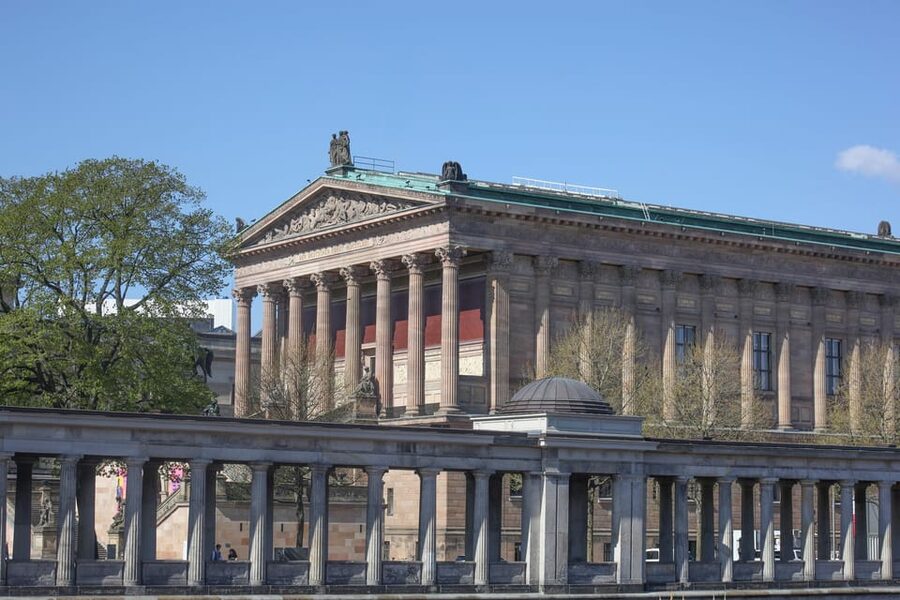
Neue Wache offers another pause for historical context. The stop is brief, but it adds a more reflective note to the route and helps show how memorials and public buildings occupy the same central Berlin streets as museums and palaces.
The itinerary then includes Friedrichswerdersche Kirche, where you visit the sculpture collection. This is one of the tour’s more distinctive inclusions because it gives you a real interior collection visit, not only an explanation from outside.
The church is valuable for the contrast it provides. After grand museum facades and public squares, a church setting changes the mood and scale. You can see sculpture in a building with its own architectural character, while the guide explains how this site fits into Berlin’s cultural story.
The ten-minute estimate means the visit is selective. If sculpture is a major interest, you may want to return later with more time. If you are mainly looking for a well-rounded first look at central Berlin, this short stop adds variety without slowing the route too much.
Humboldt Forum and the Schlüter Courtyard

The Humboldt Forum is one of the route’s strongest architectural stops. The guide explains its place among the museums on the island and takes you into the Schlüter Courtyard, an included interior visit.
This courtyard gives you a closer look at the building’s design than you would get by simply walking around it. It also helps explain how Berlin presents old architectural traditions alongside newer cultural functions.
For you, the value is less about ticking off another attraction and more about seeing how Museum Island continues to change. The tour links the Humboldt Forum to the older museums, showing that the island is an evolving cultural center rather than a preserved block frozen in one period.
As with the other interior visits, this is not entry to the full museum. You will need a separate ticket if you want to explore its exhibitions. The tour gives you an informed beginning and a reason to return.
Lustgarten, Berlin Cathedral, and the Granitschale
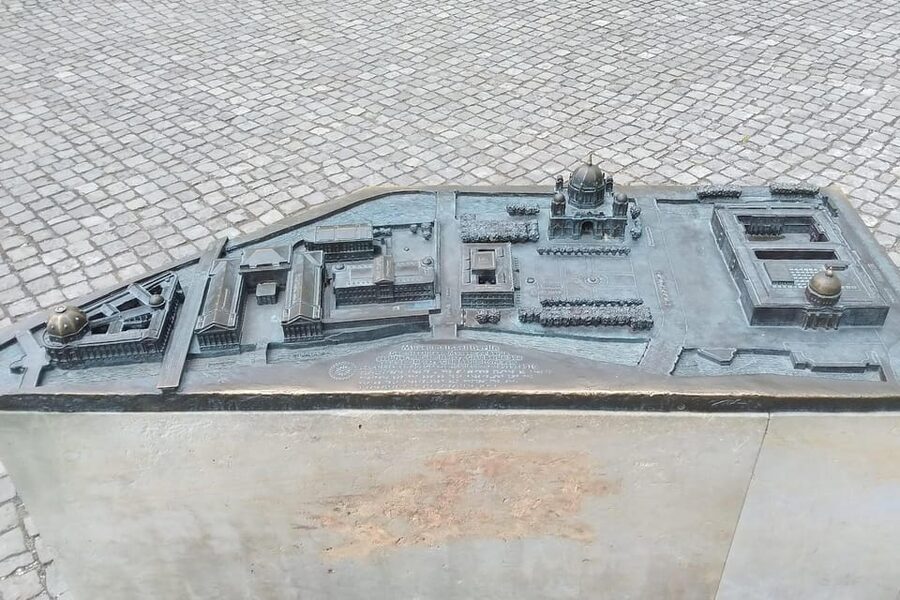
Lustgarten provides an open view across the heart of Museum Island. From here, the buildings make more sense as a group. The square also gives the guide room to explain how public space, royal power, religion, and museums meet in this part of Berlin.
Berlin Cathedral adds another major landmark to the walk. You see its exterior and learn how it relates to the island’s overall composition. The cathedral is visually imposing, but the tour’s strength is placing it in context rather than treating it as a standalone photo stop.
One of the more unusual details is the story of the Granitschale, described as the largest granite bowl in the world. It is the sort of detail you could easily miss while admiring the larger buildings. I like its inclusion because it gives you a specific object to look for and a memorable fact to carry away.
These stops also offer a little breathing room between the more concentrated architectural explanations. You are still walking, but the route is not a nonstop march through doorways and dates.
The Altes Museum and Germany’s first purpose-built museum
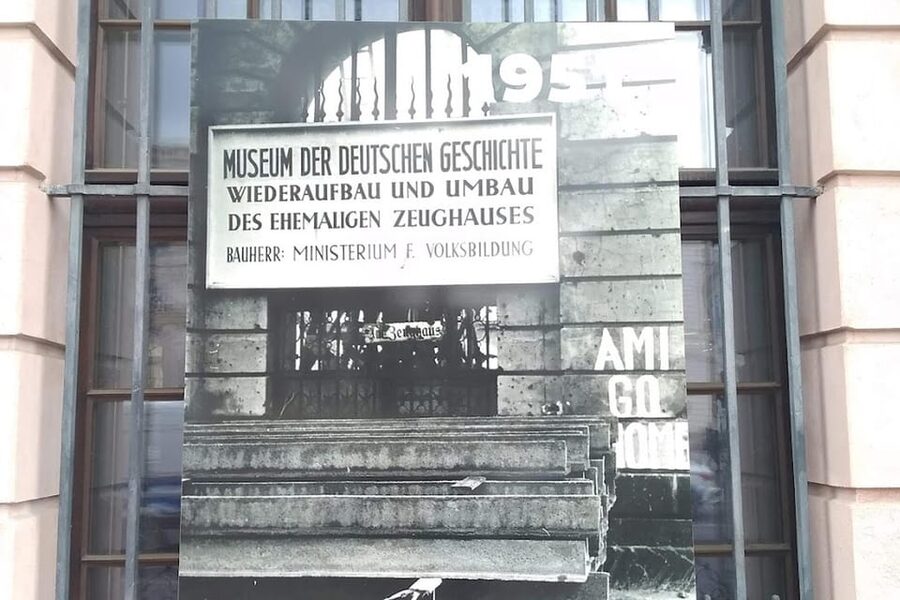
The Altes Museum is central to the tour’s story. You hear about Germany’s first purpose-built museum, an important idea in a city where museums were created to bring art and culture into public life.
The included visit to the Altes Museum rotunda is a major advantage. The rotunda shows the building’s grand design from within and makes the museum’s original ambition easier to understand. A photograph cannot give you the same sense of scale.
This stop is also a useful reminder that museum architecture is part of the collection. The building was designed to shape how people approached culture, not merely to store objects. Your guide connects that design to the wider plan for Museum Island.
You do not receive general admission to the Altes Museum. If you want to see the exhibits, purchase entry separately. But even a short look at the rotunda can help you decide if the museum deserves a longer visit later.
Alte Nationalgalerie and Neues Museum
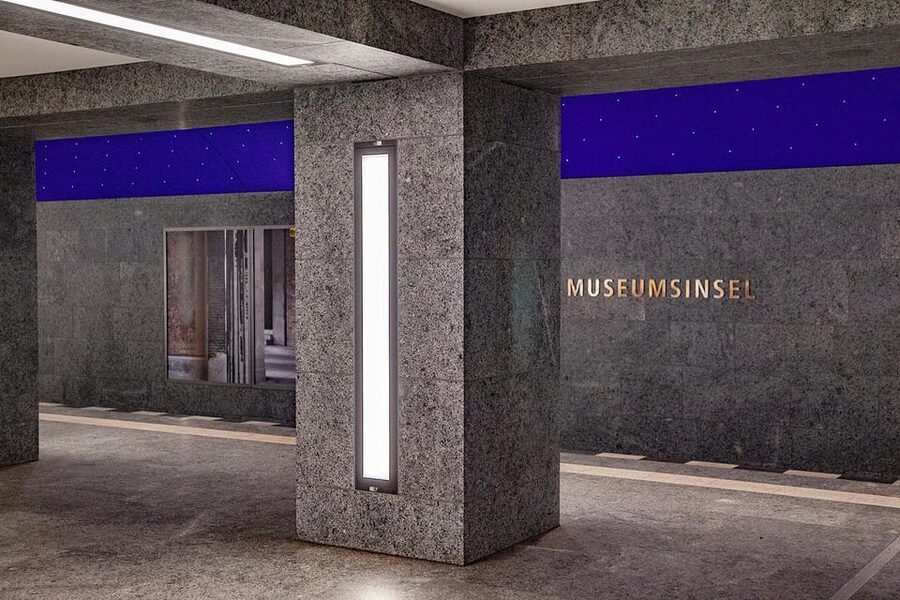
The Alte Nationalgalerie appears next as part of the walk through the island’s major buildings. The guide explains its architecture and role from outside, giving you a sense of how it fits into the sequence of museums around the central area.
The Neues Museum closes the route. Its rebuilding and place among the island’s museums make it an important final stop, especially for anyone planning to return for a longer visit.
The route covers a lot in two hours. You should expect short explanations rather than a slow, scholarly treatment of each building. That is a benefit if you want a clear overview, but a limitation if you prefer to spend twenty minutes at every site.
I like the way the final stops leave you with choices. By then, you can decide if the Neues Museum, Altes Museum, Alte Nationalgalerie, Bode Museum, or Pergamon Museum best suits your interests. The tour gives you the framework, then lets you choose your own follow-up.
How the guide shapes the experience
The guide makes or breaks a walking tour, and Klaus Wehner is the name associated with this experience. His explanations are repeatedly praised for combining historical detail with enthusiasm, humor, and answers to questions.
That does not mean the tour is informal or loose. The route follows a clear plan, with roughly ten minutes assigned to each major stop. The reported pace is comfortable, including for a family with a seven-year-old child.
I would choose this tour if you enjoy asking questions. The guide’s strength appears to be his ability to connect architecture, art, and Berlin’s history rather than recite isolated facts. You are likely to get more from the walk if you stay curious and treat it as a conversation.
The tour is offered in English and German. A private group option is available, which could suit families or small groups wanting more control over the pace and questions. The standard format is still the better value for most independent visitors.
Is $34 a fair price?
At $34 per person, the tour is priced as a guided orientation rather than an admission package. You are paying for two hours of explanation, route planning, selected interior access, and the guide’s ability to connect the buildings.
The value is strongest in three situations:
- You are visiting Berlin for the first time.
- You have limited time and want to choose museums intelligently.
- Architecture and historical context matter as much to you as the collections.
The value is weaker if you mainly want to enter a museum and see objects. Since no museum admission is included, you will need to budget separately for any full museum visits.
For me, the price makes sense if it saves you from spending half a day moving between museums without understanding what you are seeing. It is also a good choice before a longer museum visit, when the background can make the collections more meaningful.
The free cancellation until 24 hours before the tour and reserve-now, pay-later option add useful flexibility. The tour lasts two hours, and starting times depend on availability.
Who should book this Museum Island walk?
I would recommend it to first-time Berlin visitors, history fans, architecture lovers, and anyone who feels overwhelmed by the island’s many choices. Families may also find the shorter explanations and comfortable pace easier than a full museum day.
It suits a short city break particularly well. You can take the tour early in your stay, then return to one or two museums with a better sense of purpose.
I would not book it if you already know Museum Island well or want a long look at the collections. This is a foundation, not a substitute for museum admission.
The tour is wheelchair accessible, which makes the route more practical for a wider range of visitors. Still, ask about current conditions when booking if you have specific mobility needs, since the experience includes historic buildings and walking between sites.
Should you book it?
Book this tour if you want Museum Island to make sense before you start exploring it on your own. The combination of Bode Museum architecture, the Altes Museum rotunda, Friedrichswerdersche Kirche, the Humboldt Forum courtyard, and the route’s lesser-known stops gives you more than a photo tour.
Klaus Wehner’s energetic style is a major reason to choose it. His approach connects buildings to Berlin’s past and keeps the two-hour route lively without turning it into a rushed checklist.
Skip it if you want full museum entry included, or if you already have a detailed plan for every building. For most first-time visitors, though, $34 is a fair price for a focused introduction that helps you spend the rest of your museum time wisely.
FAQ
How long does the Museum Island tour last?
The walking tour lasts two hours.
How much does the tour cost?
The listed price is $34 per person.
Where does the tour start?
Meet your guide in front of the main entrance of the Bode Museum, at the bottom of the stairs.
How will I identify the guide?
The guide will be wearing a name tag.
Which languages are available?
The tour is available in English and German.
Does the tour include museum admission?
No. Entry to the museums is not included.
Are any interior visits included?
Yes. The tour includes the Bode Museum entrance hall, the sculpture collection in Friedrichswerdersche Kirche, the Schlüter Courtyard of the Humboldt Forum, and the rotunda of the Altes Museum.
Is the tour wheelchair accessible?
Yes, the activity is listed as wheelchair accessible.
Can I book a private group?
Yes. A private group option is available.
Can I cancel for a full refund?
Yes. You can cancel up to 24 hours in advance for a full refund.
More Museum Island Tickets
- Berlin: Museum Island Multiple Museum Entry Ticket
★ 4.4 · 2,007 reviews - Berlin: Museum Island Guided Walking Tour
★ 4.9 · 28 reviews - Berlin Museum Island & City PRIVATE TOUR with Dom Ticket Included
★ 5.0 · 3 reviews
Just added around Berlin
- Berlin: Private Guided Tour of the Main Sights★ 5.0 · 13 reviews
- Private Highlights of Berlin Bike Tour★ 5.0 · 13 reviews
- Modern Berlin Private Walking Tour: Diverse, Vibrant and Exciting German Capital★ 5.0 · 13 reviews
- Tour in Berlin from Warnemünde and Rostock Cruise Port★ 4.1 · 13 reviews
- Berlin: Stasi Museum Private Guided Tour with Entry Ticket★ 4.8 · 13 reviews
- Private Food Tour Experience with a born and bred Berliner★ 5.0 · 14 reviews
- Berlin: Rheinsberg Palace Entrance Ticket★ 4.8 · 14 reviews
- Berlin in one day – day tour with an expert guide★ 5.0 · 14 reviews
Walking Tours, compared.




Berlin’s Best: 2 Hour Walking Tour Third Reich and the Cold War
Read our review →
Third Reich Berlin: Hitler and WWII Walking Tour
Read our review →Browse the lists this tour appears in