
Reviewed · WALKING TOURS
Munich: Resistance against Hitler – Historical Walking Tour
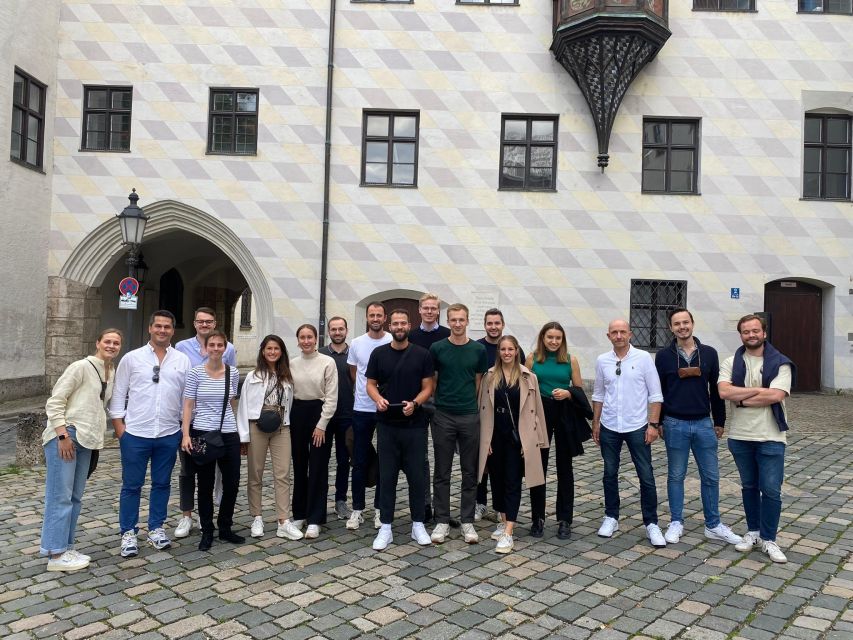
History gets personal in Munich. This two-hour walk follows the people who resisted Hitler in the city where National Socialism first gained power. I like the focus on lesser-known stories alongside the famous White Rose, and I like that local guide Alex uses historical images to connect today’s streets with the people who once risked everything there. The main consideration is that the tour is conducted in German, so you will need strong German skills to get the full value from the storytelling.
I also appreciate the clear route, beginning at Ludwig Maximilian University and ending at Odeonsplatz, with original sites between the two. The subject is grim, but Alex’s warm manner helps keep the atmosphere open and human, according to the strong feedback from participants. Bring comfortable shoes and plan to walk in any weather.
In This Review
- Key points at a glance
- Why Munich is the right place for this difficult story
- Starting at the LMU fountain and the White Rose
- Inside the university story
- From famous resistance to almost forgotten acts
- Munich’s young people and the cost of speaking out
- The former Central Ministry and the city around it
- Finishing at Odeonsplatz
- Alex’s guiding style
- Is two hours enough?
- Is $28 a fair price?
- Who should book this Munich history walk?
- Should you book the Resistance Against Hitler tour?
- FAQ
- Where does the tour begin?
- Where does the tour end?
- How long does the tour last?
- What language is the tour conducted in?
- Is the tour wheelchair accessible?
- What should I bring?
Key points at a glance
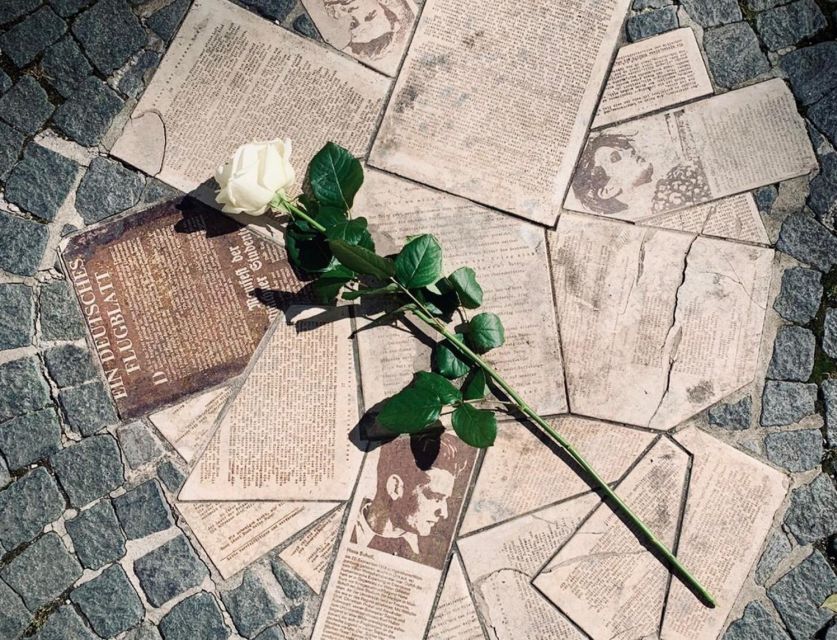
- The White Rose begins at LMU: Start at the university linked with Munich’s best-known youth resistance group.
- Alex brings a local voice: His historical knowledge, personal manner, and use of unusual images are major strengths.
- The stories go beyond the famous names: The walk also covers a secret military plot, a lone bomber, and other resistance efforts that are less widely known.
- The route uses real historical places: See the LMU main building, the former Central Ministry area, and finish at Odeonsplatz.
- Two hours is a useful length: You get a focused history walk without giving up most of your day.
- German is the tour language: This matters more than the walking distance when deciding if the tour suits you.
Why Munich is the right place for this difficult story

Munich was not simply a backdrop to the Nazi period. It was the city where Hitler made his early speeches and where the Nazi Party was founded. The city later became a center of propaganda and remained important to the regime until the end.
That setting gives this tour its force. You are not hearing a general lecture about resistance in Germany while wandering through unrelated streets. You are following acts of courage in the same city that helped Hitler build his public career.
The tour also handles an uncomfortable truth: resistance was never the whole story. Many people endured Nazi rule in silence, and some deliberately looked away. Against that background, the choices of the men and women presented on the walk become harder to dismiss as simple bravery. They faced a system built to punish dissent, yet they acted anyway.
I find this approach more useful than a tour that presents resistance as a neat, uplifting tale. The stories are tragic, but they also show that people still had choices, even in a dictatorship. That tension gives the walk its emotional weight.
More Historical Tours in Munich
- Munich: Guided Tour of the historic Town Hall on Marienplatz
★ 4.8 · 63 reviews - Munich Craft Beer & Cultural Tour With Snack
★ 5.0 · 46 reviews - Munich History Tour: Private & Personalized with a Local Guide
★ 4.5 · 33 reviews
Starting at the LMU fountain and the White Rose
The meeting point is the large fountain in front of the main entrance to the University of Munich, at Geschwister-Scholl-Platz 1. This is a practical starting place because the university itself is central to the first major story on the route.
The White Rose is Germany’s most famous resistance group, and its connection with LMU makes this opening especially direct. You will learn about young people who opposed the Nazi regime and acted at a time when many older Germans were unwilling to look closely at what was happening around them.
The university setting also helps you think about age. These were not distant political figures speaking from a safe office. They were young people in an academic community, making decisions that placed their own lives in danger.
The main university building is one of the original historical sites covered on the route. Seeing the building gives the story a physical anchor. Instead of remembering the White Rose only as names in a textbook, you can picture the setting in which their actions unfolded.
I would allow a few extra minutes before the start so you can find the fountain without rushing. The address is clear, but a major city university can still be a busy place to navigate. Arrive ready to begin on foot.
Inside the university story

The university section is likely to be the emotional center of the walk for anyone who already knows the White Rose. It is also well suited to people who know only the name. One participant who had previously known the White Rose as the main resistance story found the other accounts new and especially interesting.
That is an important strength of the tour. Alex does not treat the White Rose as the entire subject. Instead, he uses the famous group as an entry point into a wider picture of resistance in Munich.
You can expect the guide to explain the historical setting around the university and to connect the place with the choices made by the young resisters. The supplied details do not specify every exact stop inside or around the building, so it is best to think of this part as a guided historical site visit rather than a promise of access to every interior space.
Alex’s use of unusual historical images adds something that a standard street explanation may lack. Matching old photographs or other visual material with the places in front of you can make the changes in Munich easier to grasp. It also gives you a clearer sense of how public spaces functioned during the Nazi era.
The tone matters here. The subject includes imprisonment, sacrifice, and death, but feedback consistently describes Alex as sympathetic and easy to listen to. That does not make the history lighter. It makes it possible to stay engaged with it for two hours.
From famous resistance to almost forgotten acts
One of the best reasons to choose this walk is its wider range. The program includes resistance movements that are well known and others that are almost forgotten. That balance keeps the tour from becoming a single-story presentation of Munich’s past.
The historical material includes a secret military plot against the Nazis. The tour takes you to the original site connected with this dramatic attempted coup. The information provided does not name every building or explain the full plan in advance, which is actually helpful if you want the guide to unfold the story on location.
A military plot can also challenge simple ideas about resistance. Opposition to Hitler did not come from only one political group or one age bracket. As you move through the city, you will hear about different people and different forms of opposition, each with its own risks and motives.
The route also covers the daring plan of one man who built a bomb intended to kill Hitler. This is the story of a lone resister rather than a large organization. The contrast with the White Rose and the military plot gives the walk a useful structure: organized resistance, youth resistance, and the dangerous work of one determined individual.
The guide presents these accounts as human choices, not just episodes in a timeline. That is where local guiding can make a difference. Alex’s strongest quality, based on the feedback, is his ability to explain complex history clearly while answering questions in a natural way.
More Walking Tours in Munich
- Munich: Third Reich & WWII Walking Tour
★ 4.6 · 6,181 reviews - Third Reich Walking Tour Munich
★ 4.5 · 4,291 reviews - Munich: Old Town & Viktualienmarkt City Walk in German
★ 4.7 · 2,304 reviews - Munich: Night Watchman Walking Tour
★ 4.7 · 2,092 reviews
Munich’s young people and the cost of speaking out
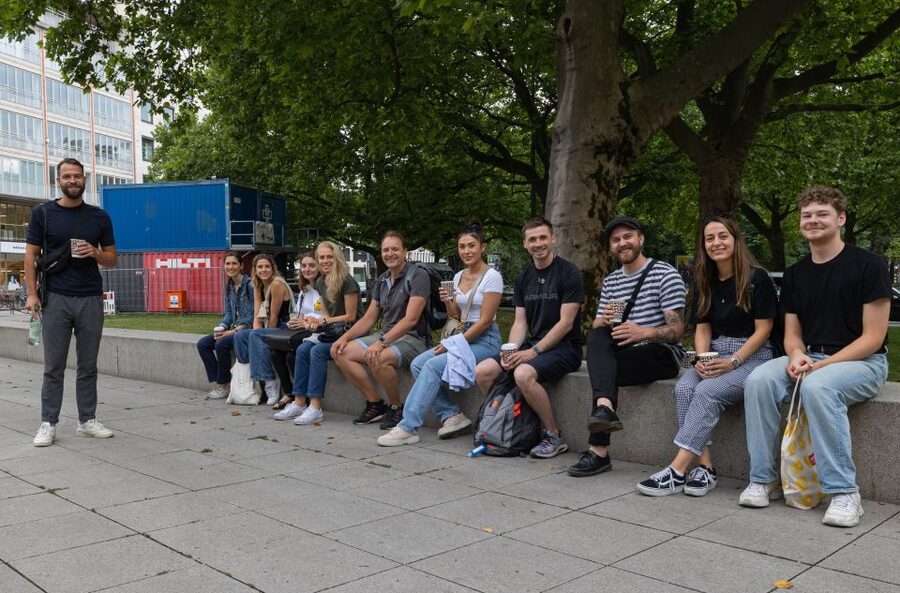
The tour gives special attention to Munich’s youth. This is more than a side note. It asks you to consider why some young people were ready to resist while many adults chose silence or cooperation.
That contrast can be unsettling, but it is one of the most useful parts of the walk. It moves the discussion away from the comforting idea that only a few obvious villains supported the regime. It also shows that age did not automatically determine courage.
Alex appears to be particularly good at making this material approachable. Participants describe him as passionate about history, well prepared, and able to create a relaxed atmosphere despite the seriousness of the subject. One person from Munich, already confident in local history, still learned a great deal from the tour.
That is a good sign if you are not a first-time history tourist. The tour is not designed only for people who know nothing. At the same time, the clear storytelling should help newcomers follow the events without needing a large amount of background knowledge.
You should expect to listen closely. This is not a casual sightseeing walk with occasional historical comments. The value comes from understanding who acted, what they hoped to achieve, and what they risked. If you prefer a light city stroll, this may feel intense. If you want history with moral and personal weight, the focus is a strength.
The former Central Ministry and the city around it
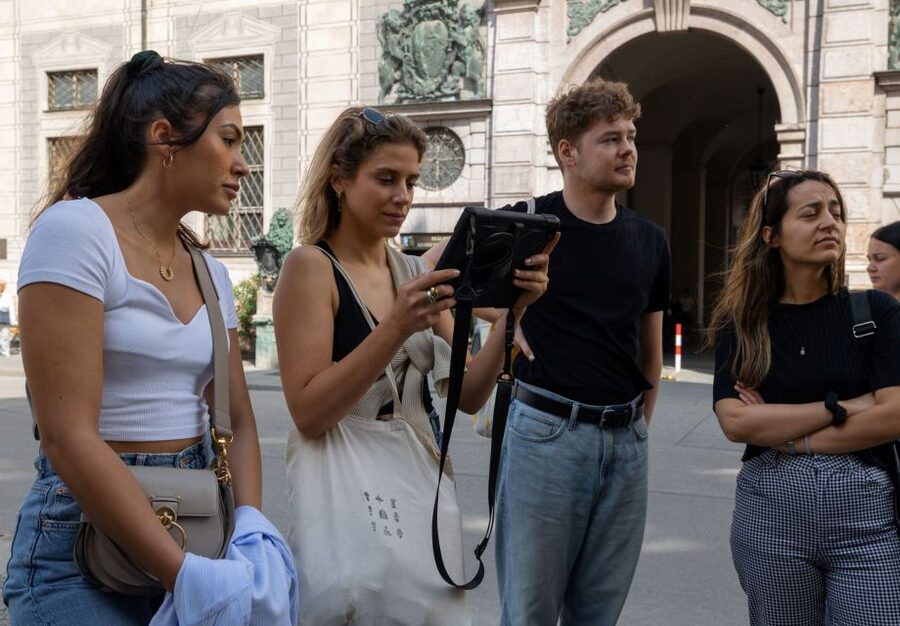
Another original site on the route is the area connected with the former Central Ministry. The walk uses places such as this to show how political power occupied ordinary parts of Munich.
The supplied details do not promise a museum visit or a long interior tour at this stop. Instead, expect Alex to explain the site and place it within the larger story of Nazi rule and resistance. That distinction matters when you plan your day. You are paying for interpretation at historical locations, not for entry to a collection of exhibits.
I like this format for Munich because the city itself becomes part of the lesson. You see how government, universities, public squares, and everyday streets could all be tied to the machinery of dictatorship. The resistance stories then feel less abstract.
Alex’s historical images are especially useful at places where the modern view may not immediately reveal the past. A photograph can show what stood there, who used the space, or how a location looked during the period being discussed. This visual support was singled out as an unusual and welcome part of the experience.
Finishing at Odeonsplatz
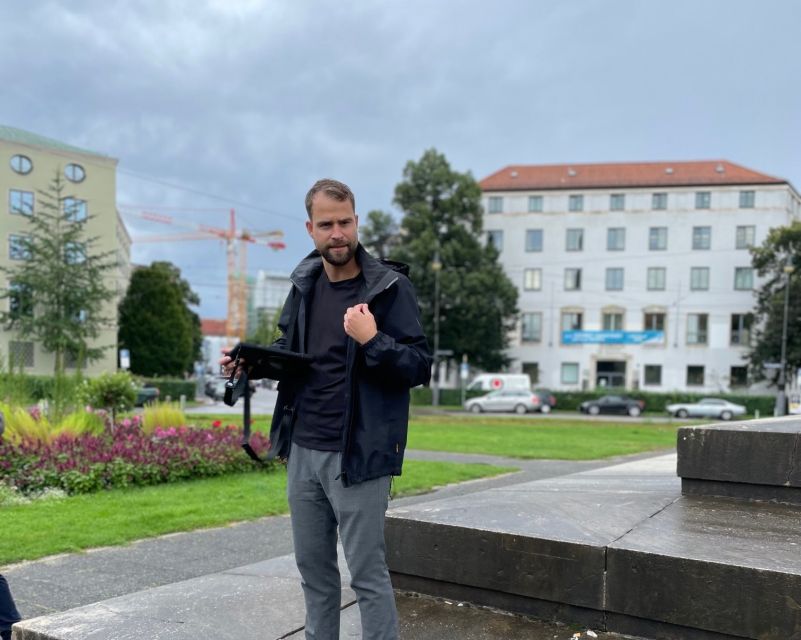
The final story takes place at Odeonsplatz, a handsome square and the last stop after about two hours. It is a fitting place to end because the square is visually memorable and linked to the wider political history of Munich.
The tour does not simply finish at the university after discussing the White Rose. It carries you through several forms of resistance before bringing the story to a public city space. That gives the route a sense of movement and development.
Odeonsplatz is also a useful point from which to continue exploring Munich, though the tour does not include hotel pickup. Alex provides personal recommendations for seeing the city like a local, so save a few minutes at the end if you want suggestions for what to do next.
The final stop may feel less intimate than the university portion, since a public square can be more open and active. Still, it gives the tour a strong visual close. You finish not in an isolated memorial setting, but in the middle of Munich, a city that carried both Nazi power and acts of opposition.
Alex’s guiding style
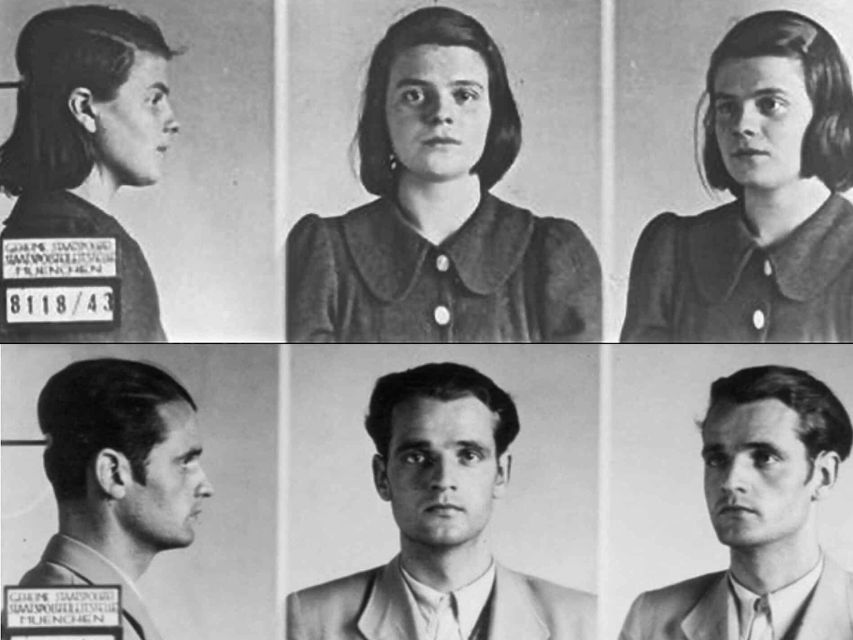
The guide can make or break a history walk, and Alex receives unusually strong praise for three related qualities: historical knowledge, clear preparation, and a friendly manner.
One participant described learning about events that were new even after having good historical knowledge of Munich. Another praised Alex’s ability to answer questions, while another highlighted the way he used exceptional historical images at the places visited.
That combination is important. A guide who knows facts but cannot explain them can leave you lost. A guide who is warm but shallow can make a serious subject feel thin. Alex appears to offer both solid research and an easy conversational style.
The tour is conducted in German. The available details do not list an English-language option, so you should treat German as a firm planning point. If you understand German well, the tour’s personal style should be a major benefit. If you do not, this is not the right booking simply because the subject interests you.
There is also a nice local angle. Alex is from Munich and offers recommendations for exploring the city beyond the tour. Those suggestions are included with the guiding, not sold as a separate add-on.
Is two hours enough?
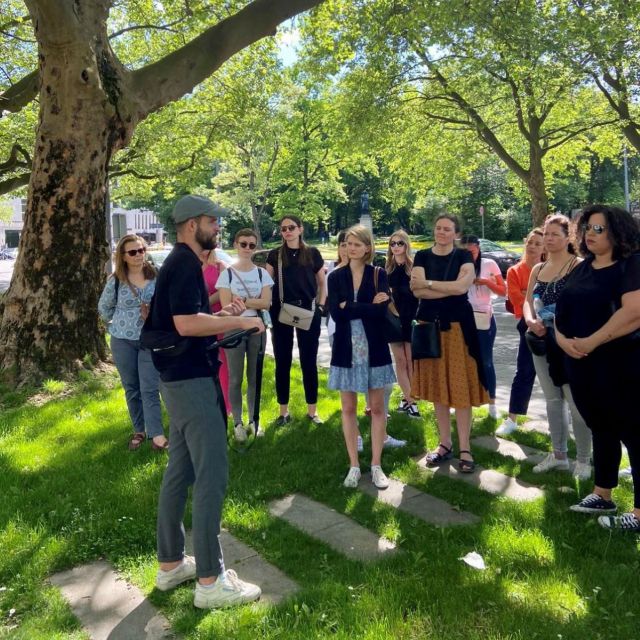
Two hours is a sensible length for this subject. It is long enough to cover the White Rose, the lone bombing plan, the military plot, youth resistance, and other movements without turning into an all-day commitment.
You should not expect every resistance group or every event in Munich to receive equal treatment. The tour aims to cover the most important movements, along with some that are less familiar. A focused selection is better than a rushed list of names.
The walk is best approached as an introduction with depth, not a complete study of German resistance. If one story catches your attention, you may want to continue with a museum, book, or memorial visit on your own.
The route is wheelchair accessible, which makes it a practical choice for many visitors. Still, the tour takes place outdoors and continues rain or shine. Comfortable shoes are specifically recommended. Check the forecast, dress sensibly, and do not assume that serious history means you can ignore ordinary walking comfort.
Is $28 a fair price?
At $28 per person, the tour offers good value if you want a guide-led explanation rather than a self-guided walk. You are paying for two hours with a local guide, historical interpretation at original sites, visual material, and personal Munich recommendations.
The value is strongest for people who would otherwise pass the university, the former ministry area, or Odeonsplatz without understanding their connection to resistance. A map and a few online articles might cost less, but they will not give you Alex’s organized route or his answers to questions on the spot.
The price is less attractive if you already know the subject well and prefer to explore independently. Even then, the feedback suggests Alex adds material beyond the best-known White Rose story, including lesser-known events and images.
Flexible booking also helps. You can reserve now and pay later, and cancellation is free up to 24 hours before the tour for a full refund. Those terms are useful when your Munich schedule is still shifting.
Who should book this Munich history walk?
I would recommend it most strongly to:
- People interested in the White Rose who want a broader picture of resistance
- History-minded visitors who prefer original locations to a classroom lecture
- Visitors who speak German and want a local guide’s interpretation
- Anyone looking for a serious but approachable activity lasting about two hours
- Repeat visitors to Munich who want to see the city through a different historical lens
- People who value questions, discussion, and unusual visual material
I would be more cautious if you need an English-language tour, want a light sightseeing experience, or dislike walking outdoors in poor weather. The topic is serious, and the tour asks you to pay attention.
Should you book the Resistance Against Hitler tour?
Book it if you want to understand Munich as both the birthplace of Nazism and a city where people resisted it. The White Rose gives the tour a familiar starting point, but the wider stories are what make the experience worthwhile.
Alex’s local connection, strong preparation, personal manner, and use of historical images receive the clearest praise. At $28, the price is fair for a focused two-hour walk with a real guide at original sites.
My main advice is simple: book only if German is comfortable for you, wear good shoes, and come ready for difficult material. If those conditions suit you, this is a thoughtful way to see Munich beyond its palaces, beer halls, and postcard views.
FAQ
Where does the tour begin?
The tour begins at the big fountain in front of the main entrance to the University of Munich, LMU. The address is Geschwister-Scholl-Platz 1.
Where does the tour end?
The final stop is Odeonsplatz in Munich.
How long does the tour last?
The walking tour lasts about two hours.
What language is the tour conducted in?
The live guided tour is conducted in German.
Is the tour wheelchair accessible?
Yes, the activity is listed as wheelchair accessible.
What should I bring?
Bring comfortable shoes. The tour takes place rain or shine, so weather-appropriate clothing is also a sensible choice.
Just added around Munich
- Munich WWII and Dachau Concentration Camp Private Tour with Licensed Guide★ 5.0 · 3 reviews
- Munich Photoshoot: A Must-Have Holiday Experience!★ 5.0 · 3 reviews
- München: Braukurs mit Führung und Verkostung★ 4.2 · 4 reviews
- Mozart and German Composers Private Tour in Munich★ 4.8 · 4 reviews
- CITY QUEST Munich: reveal the secrets of this city!★ 4.0 · 4 reviews
- Private audio book city rally in Munich city centre★ 4.0 · 4 reviews
- Culinary Haidhausen – The Food Tour★ 4.3 · 4 reviews
- Private Munich History and Beer Culture Walking Tour★ 5.0 · 4 reviews
Walking Tours, compared.





Berlin’s Best: 2 Hour Walking Tour Third Reich and the Cold War
Read our review →


Third Reich Berlin: Hitler and WWII Walking Tour
Read our review →Browse the lists this tour appears in