Reviewed · MUNICH TOURS
Mozart and German Composers Private Tour in Munich
Music gives Munich a second map. This private walk links Mozart, Wagner, and Strauss with churches, theaters, royal rooms, and the squares you might otherwise see only as postcard scenery. I like the focus on real places, especially the National Theater and Cuvilliés Theater, and I like having a private guide who can shape the conversation around your interests.
The main consideration is time. Two hours passes quickly, and the route covers several major sights without promising lengthy interior visits. One past participant found the guide so engaging that the walk ran a little longer, so keep that possibility in mind if you have a tight schedule afterward.
In This Review
- Key Points at a Glance
- Why Munich’s Musical Story Works So Well on Foot
- Starting at Marienplatz and St. Peter’s Church
- Marienplatz and Frauenkirche: Music in the City Center
- The Munich Residenz and Mozart’s Royal Audience
- The National Theater and the Wagner Connection
- What the Private Format Changes
- How Long the Two-Hour Route Feels
- The Guide’s Role and What the Feedback Suggests
- Who Will Enjoy This Munich Walk?
- Practical Details Before You Book
- Should You Book the Mozart and German Composers Tour?
- FAQ
- How long is the Mozart and German Composers Private Tour?
- Where does the tour meet?
- Where does the tour end?
- Which languages are available?
- Is this a private group tour?
- What is the cancellation policy?
Key Points at a Glance
- Mozart’s Munich connection: Learn about his concert at the Residenz and the 1781 premiere of Idomeneo at the Cuvilliés Theater.
- A musical route through Old Town: Visit Marienplatz, St. Peter’s Church, Frauenkirche, the National Theater, and Munich Residenz.
- Private attention: Your guide can tailor the discussion to composers, church music, opera, court life, or Munich’s cultural past.
- A strong choice for music lovers: The route adds meaning to familiar sights instead of treating them as unrelated monuments.
- Six guide languages: Tours are offered in English, French, German, Italian, Spanish, and Polish.
- Simple central meeting point: Meet in front of BEYOND by Geisel at Marienplatz 22, opposite St. Peter’s Church.
Why Munich’s Musical Story Works So Well on Foot
Munich’s Old Town is compact, and that makes this subject practical. You can move from a church with centuries of choral tradition to a royal residence and then to the opera house without needing a bus or taxi. The city’s music story is written into its streets.
I like this approach because it gives familiar sights a fresh purpose. Marienplatz is not only Munich’s main square. Frauenkirche is not merely the city’s famous twin-towered church. The Residenz is more than a palace. Each stop becomes part of a story about court music, church music, public performances, and the careers of composers who shaped European culture.
Your private guide is there to connect those pieces. The tour promises facts and anecdotes about Mozart, Richard Wagner, Richard Strauss, and other German composers, as well as the musical life of Munich in earlier centuries. If you already know the basic biographies, ask about performance traditions or royal patronage. If classical music is new to you, ask for the simple version. A private format makes both approaches possible.
A few more tours and experiences worth a look
- Munich Private Tour with a Local – Highlights & Hidden Gems
★ 5.0 · 469 reviews - Mike’s Neuschwanstein & Linderhof Private Tour from Munich
★ 5.0 · 197 reviews - Dachau Concentration Camp Private Tour by Train from Munich
★ 5.0 · 185 reviews
Starting at Marienplatz and St. Peter’s Church
The meeting point is in front of BEYOND by Geisel, at Marienplatz 22, opposite St. Peter’s Church. Do not go inside the hotel. The hotel is only a landmark for meeting your guide, and its staff is not informed about the tour.
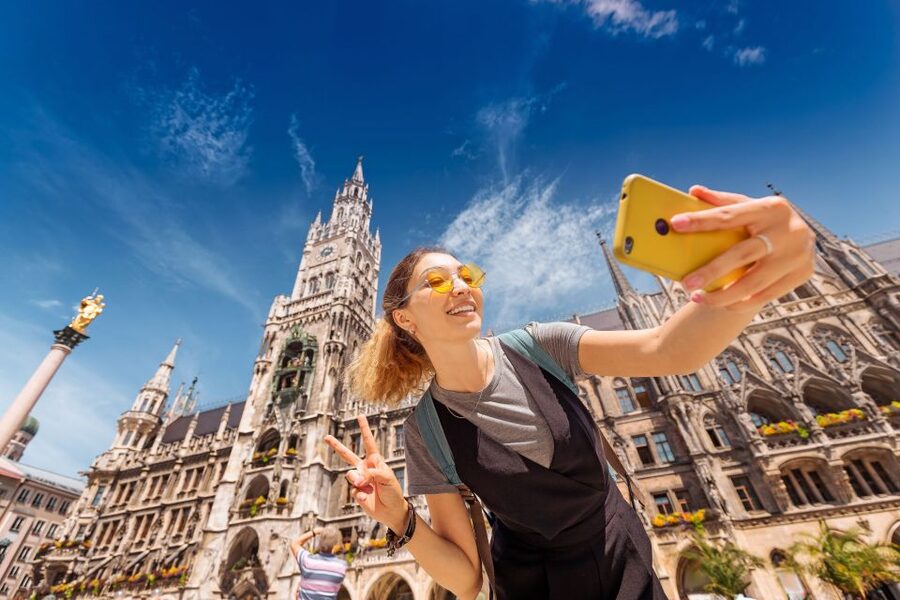
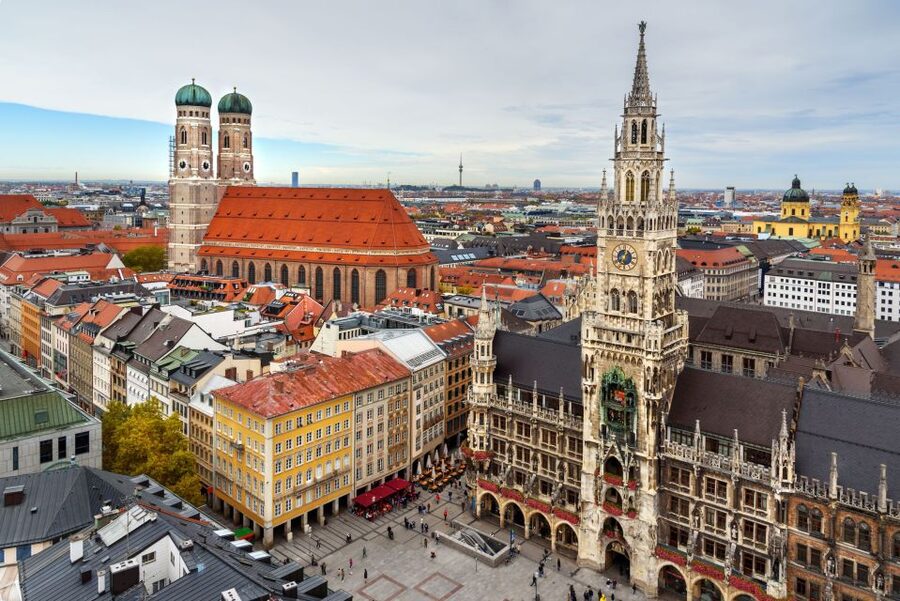
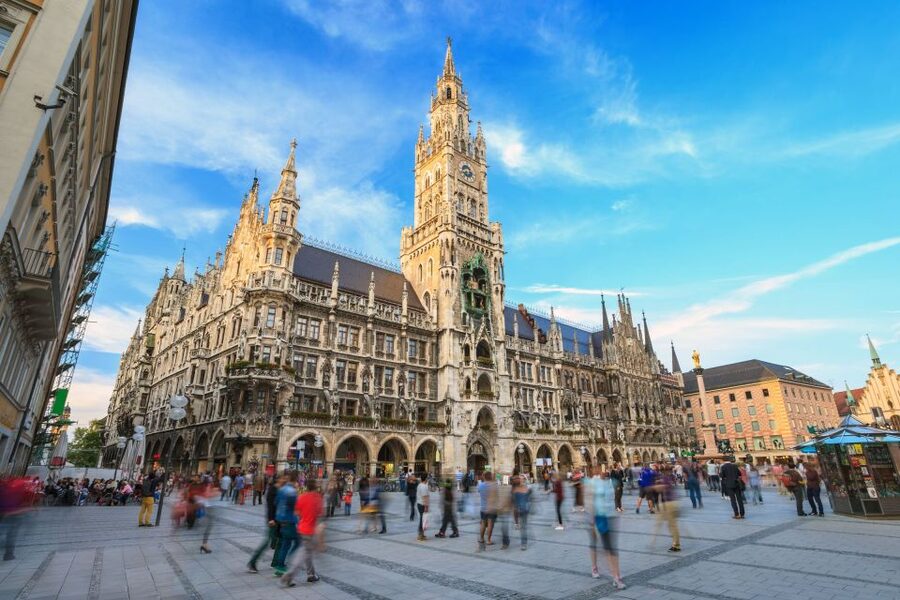
This is a useful starting place because you are immediately in the center of Munich’s Old Town. Marienplatz provides the visual introduction: a major civic square surrounded by landmark buildings and long tied to the public life of the city. From here, your guide can explain how music moved through Munich’s religious, royal, and civic institutions.
The first major musical stop is St. Peter’s Church. Its choir dates back to the early 13th century, giving you a clear link to Munich’s church music tradition. That detail matters because the city’s musical identity did not begin with opera houses or famous composers. Churches were among the earliest places where trained singers, musicians, and organized performances shaped local culture.
I would listen closely here for the connection between religious music and the wider development of Munich as a music center. The tour description places the city’s rise in the context of medieval Europe, so this is where the story begins to reach beyond Mozart and the 19th century.
Marienplatz and Frauenkirche: Music in the City Center

From St. Peter’s, the route continues through Marienplatz toward Frauenkirche. The church is one of Munich’s essential sights, but the musical detail makes it more than a quick photograph. Young musical talents trained here under important musicians, including Orlande de Lassus, one of the leading musicians of the 16th century.
That connection gives you a useful sense of how musical skill was passed from one generation to the next. Music was not simply produced by isolated geniuses. It depended on choirs, churches, teachers, pupils, courts, and audiences. Your guide can place those relationships into the streets and buildings around you.
This part of the walk may appeal most to people who enjoy cultural context. You are not attending a concert, and the tour does not promise live music. Instead, you are learning why particular buildings mattered and how musicians developed their craft within Munich’s institutions.
There is also a practical limit. Old Town churches and squares can be busy, and a two-hour tour cannot linger at every site. If one church or composer especially interests you, tell the guide early. Since this is a private experience, you have a better chance of spending your time where your curiosity is strongest.
The Munich Residenz and Mozart’s Royal Audience
The Munich Residenz brings the story into the world of court music. This large royal complex was a setting for ceremony, patronage, and elite performances. Here, Wolfgang Amadeus Mozart played a concert for Elector Karl Theodor and Ferdinand IV, King of Naples.
That story helps explain why composers needed royal and aristocratic support. Court performances were not casual entertainment. They were displays of status, diplomacy, and cultural ambition. Munich’s rulers used music to present themselves as sophisticated patrons, and musicians gained opportunities, income, and reputation through these connections.
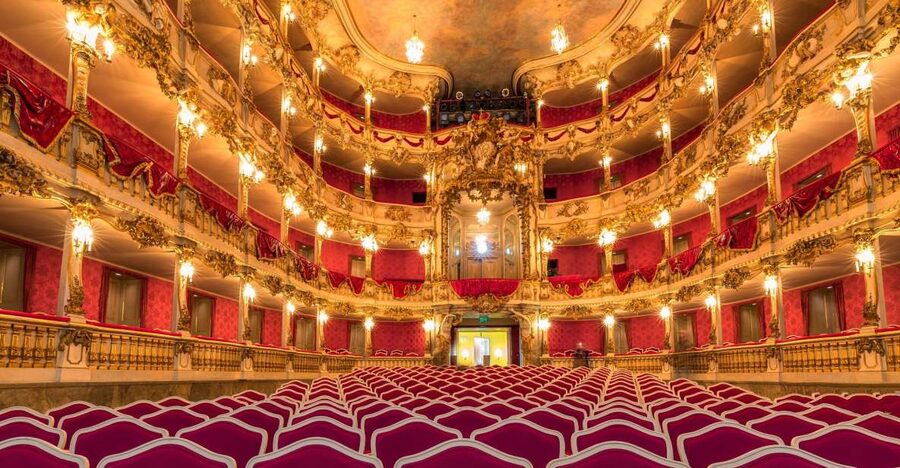
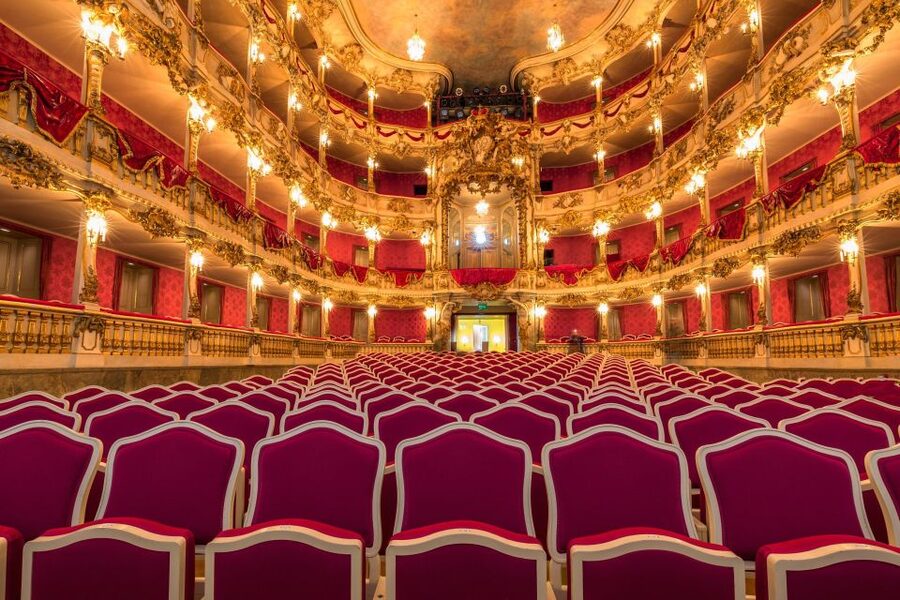
The Residenz also contains the Cuvilliés Theater, one of the most important stops on the route. Mozart premiered his opera Idomeneo there in 1781. Even if you are not an opera specialist, that date and location give you something concrete to remember: an important Mozart work is tied directly to a room in Munich.
The supplied details do not promise admission to every interior on the route, so you should treat the Residenz and Cuvilliés Theater primarily as historical stops unless your booking information says otherwise. This is an important distinction. The value here comes from the guide’s explanation and the connection to Mozart, not from assuming that the tour includes a full palace visit or opera performance.
Something different for another day:
- From Munich: Neuschwanstein & Linderhof Castle Full-Day Trip
★ 4.5 · 12,494 reviews - Neuschwanstein & Linderhof Castle-Fairytale Day Tour from Munich
★ 4.5 · 7,275 reviews - Munich: Third Reich & WWII Walking Tour
★ 4.6 · 6,181 reviews - Dachau Concentration Camp Memorial Site Tour from Munich by Train
★ 4.5 · 5,637 reviews
The National Theater and the Wagner Connection
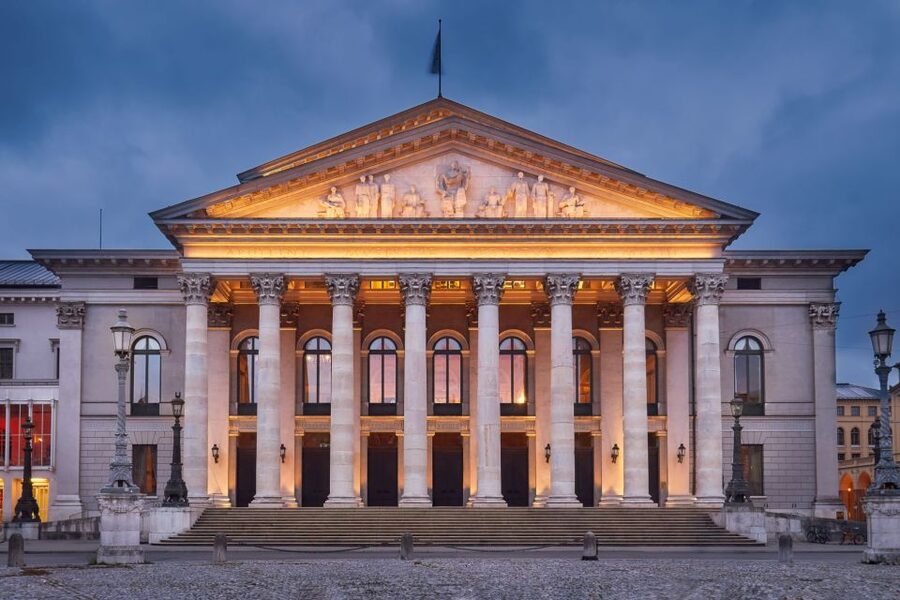
The National Theater is the modern performance center of this musical story. It is home to the Bavarian State Opera, or Bayerische Staatsoper, and many of Richard Wagner’s works were premiered there.
That makes the theater a powerful stop for understanding Munich’s role in opera. Wagner’s music could be grand, demanding, and closely linked to royal support. The National Theater represents the kind of institution that could turn a composer’s work into a major public event.
Richard Strauss also connects to this building. He worked as a third conductor at the National Theater, giving you a link between composition, conducting, and the daily labor of opera production. A composer’s career was not only about writing music. It also involved rehearsals, orchestras, singers, conductors, patrons, and demanding performance schedules.
I like this stop because it brings the tour forward from historic church and court music into the professional opera world. If you are especially interested in Wagner or Strauss, this is the place to ask the guide for more detail. The tour is designed to adapt to your interests, and the private setting should make it easier to focus on the period or figure you care about most.
What the Private Format Changes
A private tour is not automatically better than a group tour, but it changes the experience in useful ways. You are not listening to a speech aimed at a mixed crowd of strangers. You can ask questions, slow down for a favorite composer, or request more attention to church history, opera, or Munich’s royal past.
The guide is described as a licensed five-star guide fluent in your chosen language. Available languages are English, French, German, Italian, Spanish, and Polish. That range is helpful if you want to discuss music in the language you understand most comfortably.
The private format also suits different levels of interest. A serious music fan can ask about Mozart’s Idomeneo, Wagner’s premieres, or Strauss’s work as a conductor. Someone who simply wants to understand Munich better can focus on the churches, palace, and performance venues.
The tradeoff is price. At $215 per person, this is not a budget walking tour. The value improves if you are traveling with people who share your interests, because the cost buys a dedicated guide rather than a general introduction. It is harder to justify if you want only a quick overview of Marienplatz and the main monuments.
How Long the Two-Hour Route Feels
Two hours is enough for a focused introduction, but not enough for every detail. You will cover several important places in central Munich and hear the musical connections between them. You should not expect a full examination of Mozart, Wagner, Strauss, Orlande de Lassus, and Munich’s entire medieval music story in equal depth.
I would think of this as a thematic orientation. It gives you a framework for exploring more on your own. After hearing about the National Theater, you may want to attend a performance. After learning about the Cuvilliés Theater, you may decide to return to the Residenz. After the church stops, you may pay closer attention to Munich’s choral and organ traditions.
One useful detail is that the tour ends back at the original meeting point. That makes it easier to continue sightseeing in Old Town, return to your hotel, or find a restaurant nearby. Still, leave a little flexibility after the scheduled finish. One participant noted that the guide continued longer than expected, which suggests that a good conversation may extend the walk.
The Guide’s Role and What the Feedback Suggests
The strongest praise centers on the guide’s command of the subject and pleasant manner. One music-loving participant particularly enjoyed hearing stories about composers and musicians and seeing where they performed. That is exactly where this tour should earn its keep: not by rushing you past famous façades, but by explaining why those places mattered.
Another participant said the guide gave a good account of Munich’s music, churches, and history, with the only complaint being that the walk went a little longer. I see that as a minor concern rather than a serious flaw, but it matters if you have a dinner reservation, museum entry, or train to catch.
The overall rating is 4.8 from four reviews. That is a small sample, so I would not treat it as a guarantee. Still, the pattern is clear: the tour works best when you value informed storytelling and personal attention more than a fast checklist of sights.
Who Will Enjoy This Munich Walk?
I would recommend it most strongly to:
- People who already love Mozart, Wagner, Strauss, or opera
- Visitors who want history explained through music
- First-time visitors looking for a meaningful Old Town orientation
- Couples, families, or small private groups with shared interests
- Anyone who prefers questions and conversation over a fixed group presentation
You do not need to read music or know the difference between a symphony and an opera. The route uses famous names as entry points into Munich’s churches, court culture, and theaters. That said, if you have no interest in classical music at all, a standard city highlights walk may offer better value.
The tour also works well early in a Munich stay. The guide provides recommendations for other places to visit, and the central route helps you understand where the city’s main sights fit together. You can then decide which church, palace, theater, or museum deserves more of your time.
Practical Details Before You Book
The experience lasts two hours, with starting times based on availability. Check the time carefully before booking, especially if you plan to combine it with a concert or a timed museum admission.
Meet in front of BEYOND by Geisel at Marienplatz 22, 80331 Munich, opposite St. Peter’s Church. Do not enter the hotel to ask for the guide. Check your email the day before because important tour information is sent there.
The activity offers free cancellation up to 24 hours before the start for a full refund. You can also reserve now and pay later, which is useful if your Munich schedule is still taking shape.
Should You Book the Mozart and German Composers Tour?
Book it if you want Munich’s major Old Town sights tied together by a clear musical story. The strongest reasons are the private guide, the Mozart connections at the Residenz and Cuvilliés Theater, the Wagner and Strauss links at the National Theater, and the early church music history at St. Peter’s and Frauenkirche.
Think twice if you want extensive interior sightseeing, a concert, or a low-cost introduction to Munich. At $215 per person, the tour depends on the quality of the guide and your interest in the subject. For music lovers, that is a fair exchange for a focused private conversation in the places where the story happened. For everyone else, choose it only if you like the idea of seeing Munich through music rather than monuments alone.
FAQ
How long is the Mozart and German Composers Private Tour?
The walking tour lasts two hours. Starting times depend on availability.
Where does the tour meet?
Meet your guide in front of BEYOND by Geisel, Marienplatz 22, 80331 Munich, opposite St. Peter’s Church. The hotel is only a meeting point, so do not enter to ask the hotel staff about the tour.
Where does the tour end?
The activity ends back at the same meeting point in front of BEYOND by Geisel.
Which languages are available?
The live guide is available in English, French, German, Italian, Spanish, and Polish.
Is this a private group tour?
Yes. The experience is organized for a private group, with a guide who can tailor the tour to your interests.
What is the cancellation policy?
You can cancel up to 24 hours in advance for a full refund. Reserve now and pay later is also available.
Just added around Munich
- Munich WWII and Dachau Concentration Camp Private Tour with Licensed Guide★ 5.0 · 3 reviews
- Munich Photoshoot: A Must-Have Holiday Experience!★ 5.0 · 3 reviews
- München: Braukurs mit Führung und Verkostung★ 4.2 · 4 reviews
- CITY QUEST Munich: reveal the secrets of this city!★ 4.0 · 4 reviews
- Private audio book city rally in Munich city centre★ 4.0 · 4 reviews
- Culinary Haidhausen – The Food Tour★ 4.3 · 4 reviews
- Private Munich History and Beer Culture Walking Tour★ 5.0 · 4 reviews
- Munich: Dachau Concentration Camp Memorial Site Tour by Car★ 3.0 · 4 reviews
Munich Tours, compared.


Neuschwanstein & Linderhof Castle-Fairytale Day Tour from Munich
Read our review →
Dachau Concentration Camp Memorial Site Tour from Munich by Train
Read our review →

Munich Hop-On Hop-Off Tour: 1-Day or 2-Day Ticket
Read our review →