
Reviewed · WALKING TOURS
Culinary-historical walk through Bamberg
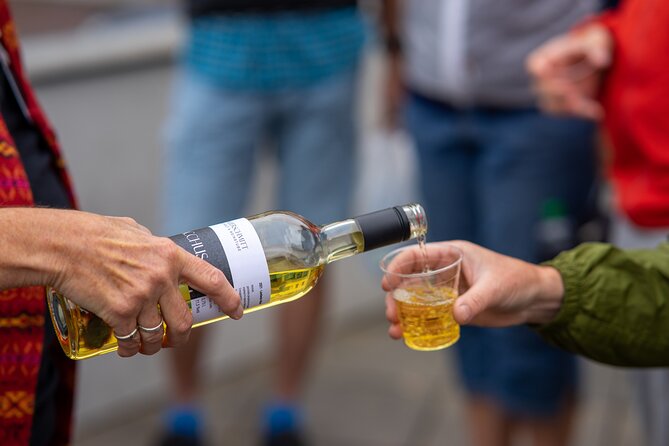
Bamberg tastes better on foot. This two-hour culinary-historical walk links the city’s medieval food customs, market traditions, Regnitz waterfront, and famous brewing culture. I like the small tasting moments, including two kinds of Hörnla and a final beer of your choice, and I like how the route connects food with real places rather than treating Bamberg as a backdrop. The main drawback is clear: the tour is German-speaking, so it will not suit anyone who cannot follow German comfortably.
The route begins at Am Kranen and ends at Eckerts Wirtshaus, with seven short stops along the way. I also like the relaxed structure, since each stop lasts about ten minutes and includes something to look at, smell, taste, or discuss. One point to weigh is the group size, which can reach 30 people, making the experience less intimate than a private food walk.
In This Review
- Key points at a glance
- Why Bamberg works so well for a food walk
- Am Kranen and the meat-heavy medieval table
- Grüner Markt through smells and guessing games
- From brewing fame back to Bamberg’s wine years
- Untere Brücke and the fishermen’s quarter
- Schlenkerla and the taste of smoked beer
- Pfahlplätzchen and the old idea of going downstairs
- Eckerts Wirtshaus and the final beer
- How the timing and group size affect the experience
- Language, food expectations, and who will enjoy it
- Is the $28.92 price fair?
- Should you book this Bamberg walk?
- FAQ
- Where does the culinary-historical walk begin?
- Where does the tour end?
- What time does the experience start?
- How long does the walk last?
- Is the tour offered in English?
- Is a beer included?
- Are food tastings included?
- How many people can join the tour?
- Is a mobile ticket available?
- Can I cancel for a full refund?
Key points at a glance
- Bamberg’s beer story begins with wine: The walk explains that the city was once known as a wine town before beer became its great culinary symbol.
- Two kinds of Hörnla are part of the tasting: These local specialties give the food side of the tour a distinctly Bamberg flavor.
- The market stop uses scent samples and guessing games: You do more than listen to a standard lecture at Grüner Markt.
- Schlenkerla anchors the brewing story: The famous smoked beer brewery provides a memorable setting for Bamberg’s brewing traditions.
- The route ends with your choice of beer: At Eckerts Wirtshaus, you can select a beer and continue the tasting in a classic local inn.
- The tour is German-speaking and capped at 30 people: Language and group size matter when deciding if this is right for you.
Why Bamberg works so well for a food walk
Bamberg is a city where food and place are closely tied. Its three waterways are part of the city’s identity, and beer is treated almost like a third river. The walk uses that idea well, moving from old eating habits to the market, the river, brewing, and finally the inn.
I like this approach because it gives you more than a list of local dishes. You see where the city’s food culture developed and how its trade, religious buildings, fishermen’s houses, and breweries fit together. The route also shows that Bamberg’s beer identity was not always the whole story. Wine once mattered here too.
The tour starts at 4:00 pm and lasts about two hours. That timing should work well if you want a structured afternoon activity before dinner. Since the final stop is an inn, you can also treat the tour as a light introduction to the city’s evening food and drink scene.
The price is $28.92 per person. For that fee, you receive a guided walk, several tasting moments, historical interpretation, and a beer at the final inn. The value depends heavily on your language ability and interest in culinary history. If you want a full meal or a long list of beer samples, this is not that kind of outing. If you want context, a few tastes, and a clear introduction to Bamberg’s food traditions, the price is reasonable.
More Walking Tours in Nuremberg
- Bamberg: Guided Walking Tour
★ 4.6 · 3,202 reviews - Nuremberg: Old Town Guided Walking Tour
★ 4.6 · 2,416 reviews - Nuremberg: Walking Tour of Former Nazi Party Rally Grounds
★ 4.7 · 1,665 reviews
Am Kranen and the meat-heavy medieval table
The meeting point is Alter Schlachthof at Am Kranen 1. Here, the guide sets the tone by discussing eating habits in the Middle Ages. Your first taste shows how important meat was to the old diet.
That opening is useful because it puts modern Bamberg food in perspective. Medieval meals were shaped by status, supply, local custom, and the church calendar. The stop does not simply tell you that people ate meat. It gives you a taste connected to the subject, which makes the opening lesson easier to remember.
You should not expect a full meal at this point. The stop lasts about ten minutes, and it functions as an introduction rather than a major tasting course. Arrive ready to listen and sample, not hungry for dinner.
The location also helps set up the walk. Am Kranen places you near the water and the old city center, so the tour begins with both geography and food. From here, the route moves toward the market and the central streets.
Grüner Markt through smells and guessing games
At Grüner Markt, the focus shifts from medieval eating habits to Bamberg’s market culture. Scent samples and guessing games make this a more active stop than a standard explanation of market history.
This is one of the strongest parts of the experience for families and anyone who enjoys learning through the senses. Smells can bring back old food memories, and a guessing game makes you pay attention to ingredients in a way a spoken description may not. The market’s long role in city life also gives you a better sense of why food has such a strong place in Bamberg’s daily identity.
The stop lasts about ten minutes, so expect a quick taste of the subject rather than a long market visit. The supplied details do not promise time to shop or browse stalls independently. If you want to explore Grüner Markt at your own pace, plan to return separately.
Still, this short section gives the walk some energy. You are not only looking at buildings. You are asked to use your nose and make a guess, which keeps the group involved.
From brewing fame back to Bamberg’s wine years
The next stop is at the Igor Mitoraj sculpture Centurione I. From here, the guide turns to Bamberg’s brewing tradition, then offers a useful correction to the usual beer-only picture.
Bamberg is now famous for beer, but in the Middle Ages it was a wine town. The view toward the monastery on Michelsberg helps connect that older wine culture to the city’s religious and agricultural setting. The experience includes a chance to test this part of the story yourself, giving the stop a tasting element rather than making it only a scenic pause.
I find this historical contrast especially valuable. Visitors often arrive knowing Bamberg for Rauchbier, or smoked beer, and may assume brewing has always defined the city. Learning that wine once played the leading role gives the later beer stops more meaning.
The sculpture also provides a change of visual focus. The route is not just brewery after brewery. You get public art, a view, and a story about an earlier period before moving on to the Regnitz.
More Historical Tours in Nuremberg:
- Bamberg: Guided Beer History Tour with Optional Tasting
★ 4.6 · 772 reviews - Bamberg: Guided Historical Culinary Tour
★ 4.6 · 461 reviews - Nuremberg: 1.5-Hour Private Tour through Historical Old Town
★ 4.8 · 283 reviews - “Rotes Bier” and “Blaue Zipfel”. A historical-culinary walk
★ 4.4 · 190 reviews
Untere Brücke and the fishermen’s quarter
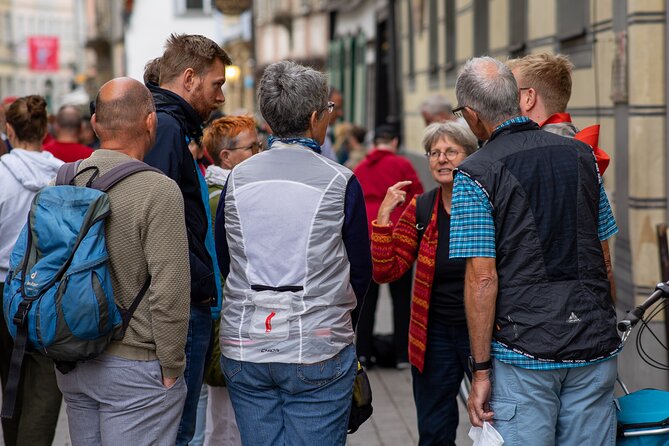
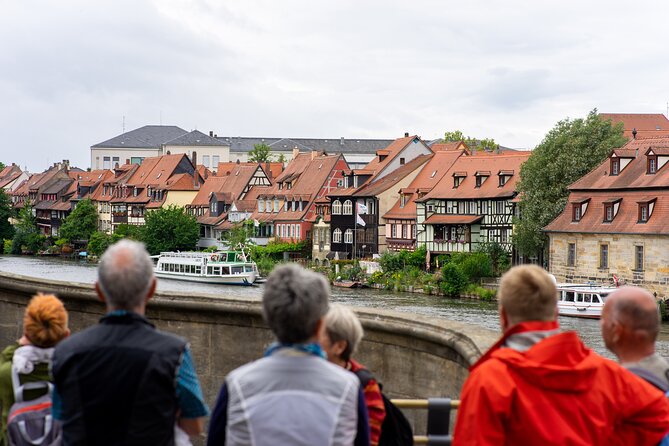
At Untere Brücke, the tour reaches one of Bamberg’s most picturesque settings. The view toward the former fishermen’s houses from the 17th century helps explain the nickname Little Venice and the importance of the Regnitz.
This is a good place to connect food with work. The river was not simply scenery. It was a lifeline for the city, and the houses along it reflect the lives of people who depended on the water. The guide’s stories here add a human scale to the route.
The stop lasts about ten minutes, which is enough for a short explanation and a look around. You may want to take photographs, but remember that the tour continues on a schedule. This is not a long scenic break.
I like the way this section broadens the theme. Culinary culture is not limited to recipes and breweries. Rivers, trade, fishing, neighborhoods, and daily labor all influence what a city eats and drinks. The route makes that connection without requiring a full museum visit.
Schlenkerla and the taste of smoked beer
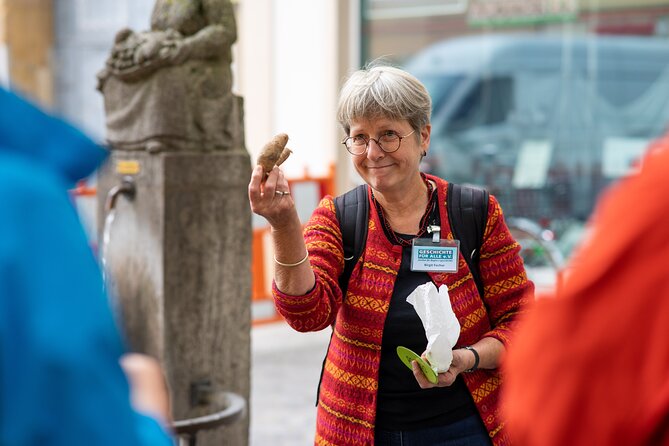
The Schlenkerla smoked beer brewery is the most obvious beer landmark on the route. With the historic brewery in view, the guide explains Bamberg’s brewing craft and the place of beer in the city’s identity.
For many people, this will be the tour’s main event. Rauchbier has a flavor unlike ordinary lager, and the brewery’s name is closely linked with Bamberg’s reputation. The value here is not only the beer itself. You learn why brewing became such a major part of local culture and how the city’s beer tradition developed over time.
The available details do not say that you receive a full glass inside Schlenkerla at this stop. The brewery is used as the setting for the explanation, while the final confirmed beer choice comes at Eckerts Wirtshaus. Keep that distinction in mind if you are booking mainly for a tasting at Schlenkerla.
This stop also works well in the late afternoon. The route has moved from medieval food to the market, wine, the river, and finally the brewery tradition that most people associate with Bamberg.
Pfahlplätzchen and the old idea of going downstairs
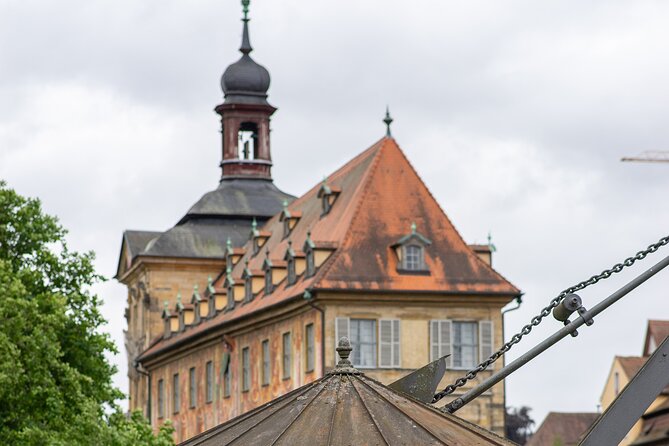
At Pfahlplätzchen, you receive another tasty sample before following the saying go to the cellar. The wording points toward Bamberg’s old beer-cellar culture and the traditional way people connected beer with cool storage and social life.
This is a short stop, but it adds another layer to the brewing story. Beer was not only made and sold. It was stored, served, and enjoyed in places shaped by the city’s terrain and buildings. The phrase gives the guide a simple way to explain that older custom.
The exact food at this stop is not specified, so you should think of it as an additional tasting rather than a known dish you can plan around. The same applies to the first meat sample and the other small tastes. The experience offers variety, but it does not present a fixed restaurant-style menu.
That uncertainty is not a major problem if you enjoy trying local items as they come. It could matter if you have allergies, strict dietary needs, or want to know every ingredient in advance. The details provided do not list dietary accommodations or a complete tasting menu.
Eckerts Wirtshaus and the final beer
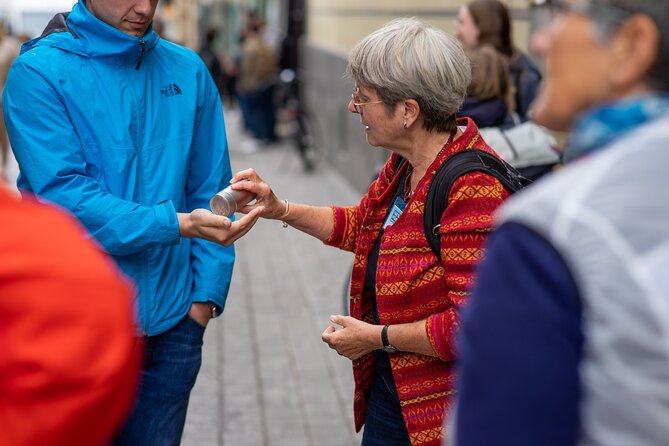
The tour ends at Eckerts Wirtshaus on Obere Mühlbrücke 9. Here, you choose a beer and get a chance to judge Bamberg’s brewing tradition for yourself in a classic local inn.
This final stop is a smart finish. Instead of ending beside a landmark after one last explanation, the walk finishes at a place where you can sit with a drink and continue the experience. The final beer is included in the tour price, and you choose the style from the options available there.
The inn also gives the history a practical ending. You have heard about medieval eating, the market, wine, the Regnitz, smoked beer, and cellars. Now you get to take part in the city’s social drinking culture.
A posted comment praised the tour’s useful and tasty information, its young male guide, and the excellent place chosen for the ending. That praise points to the experience’s strongest feature: it combines a lively guide with a satisfying final setting. No guide’s name is provided, so you should not expect to request a particular person.
How the timing and group size affect the experience
Seven stops are listed, each planned for about ten minutes. That leaves time for walking between locations, short explanations, and tastings within the approximate two-hour duration.
The pace should feel active but not rushed if the group stays on schedule. You will cover several central areas, so the walk works best for someone who wants a compact introduction rather than a long, slow food crawl.
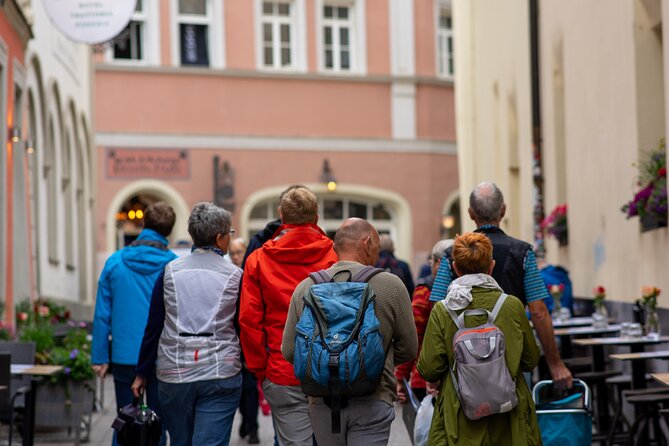
The maximum group size is 30 people. That is manageable for a city walk, but it is not a tiny group. You may need to stay close to the guide, especially at the market, bridge, or brewery stops. Tastings may also feel less personal in a larger group.
The tour begins at Alter Schlachthof, Am Kranen 1, and ends at Eckerts Wirtshaus. Since the start and finish are different, you should plan around the endpoint rather than assuming you will return to where you began. Both the start area and route are near public transportation.
A mobile ticket is provided, and confirmation arrives when you book. Service animals are allowed, and most people can participate. The supplied information does not give a detailed accessibility description, so anyone needing specific mobility information should confirm the route before booking.
Language, food expectations, and who will enjoy it
This is a German-speaking tour. That is the most important practical point. If you understand German well, the language may add local flavor and make the guide’s jokes and wordplay easier to catch. If you do not, the food and scenery alone may not make up for missing the explanations.
I would choose this walk if you like local stories, short tastings, and a clear route through Bamberg’s central sights. It is also a good fit if you want to understand why smoked beer matters instead of simply ordering one without context.
The walk may suit:
- People interested in beer and food traditions
- Visitors who prefer a guided introduction to Bamberg
- Couples or friends looking for a light afternoon activity
- Families who enjoy scent games and interactive stops
- Anyone who wants a beer at a local inn without booking a full food tour
I would hesitate if you need a substantial meal, a large number of beer samples, an English-language guide, or a private group. The tasting portions are described as small experiences along the route, and only the final beer is clearly identified as a selectable included drink.
Dietary information is not supplied. Because the first sample relates to meat and the walk includes several food tastings, ask about ingredients before booking if you avoid meat or have allergies. The tour may still work for you, but the available details do not promise substitutions.
Is the $28.92 price fair?
At $28.92, the experience costs more than a simple self-guided walk but less than a full meal-based food tour. You are paying for a guide, local interpretation, several tasting points, and a final beer at Eckerts Wirtshaus.
The price looks strongest for someone who would otherwise spend time trying to piece together Bamberg’s food story alone. The route gives you a sequence: meat, market, wine, river life, brewing, cellar culture, and the inn. That structure saves planning time and helps you notice connections you could miss while sightseeing independently.
The value is weaker if you mainly want to drink Rauchbier. You could visit a brewery or inn on your own, but you would miss the medieval food customs, scent samples, wine background, and river stories that make this a broader experience.
Free cancellation is available if you cancel at least 24 hours before the 4:00 pm start time. Cancellations or changes made less than 24 hours in advance are not refunded or accepted, so keep the local cut-off time in mind.
Should you book this Bamberg walk?
Book it if you want a short, focused introduction to Bamberg’s food and beer culture, and you can follow German. The best parts are the unusual shift from wine town to beer city, the sensory market games, the view of the fishermen’s houses, and the final beer at Eckerts Wirtshaus.
Skip it if you want an English tour, a private guide, or a full dinner with carefully listed courses. For the right audience, though, this is a friendly way to connect Bamberg’s streets, river, market, and brewing traditions in one compact afternoon.
FAQ
Where does the culinary-historical walk begin?
It begins at Alter Schlachthof, Am Kranen 1, 96047 Bamberg, Germany.
Where does the tour end?
The tour ends at Eckerts Wirtshaus, Obere Mühlbrücke 9, 96049 Bamberg, Germany.
What time does the experience start?
The start time is 4:00 pm.
How long does the walk last?
The experience lasts approximately two hours.
Is the tour offered in English?
No. This is a German-speaking tour.
Is a beer included?
Yes. At Eckerts Wirtshaus, each participant can choose a beer of their choice.
Are food tastings included?
Yes. The walk includes several tasting moments, including two types of Hörnla, a meat-related first taste, and another sample at Pfahlplätzchen.
How many people can join the tour?
The maximum group size is 30 people.
Is a mobile ticket available?
Yes. The experience includes a mobile ticket, and confirmation is received at the time of booking.
Can I cancel for a full refund?
Yes, if you cancel at least 24 hours before the experience begins. Cancellations or changes made less than 24 hours before the start time are not refunded or accepted.
Just added around Nuremberg
- Private Guided Walking Tour of Bayreuth With A Professional Guide★ 5.0 · 3 reviews
- Get to know Nuremberg. Highlights in the old town★ 5.0 · 4 reviews
- Nuremberg Culinary Walking Tour★ 4.0 · 4 reviews
- PRIVATE – Nuremberg Combo Tour WWII + Old Town★ 5.0 · 4 reviews
- Private transfer from Nuremberg to Munich with 2h for sightseeing★ 5.0 · 4 reviews
- Nuremberg: World War 2 History Tour with Beer Tasting★ 5.0 · 4 reviews
- Discover Nuremberg’s Christmas Market Magic with a Local★ 5.0 · 5 reviews
- Airport Transfer in or to Nuremberg★ 4.5 · 5 reviews
Walking Tours, compared.





Berlin’s Best: 2 Hour Walking Tour Third Reich and the Cold War
Read our review →


Third Reich Berlin: Hitler and WWII Walking Tour
Read our review →Browse the lists this tour appears in