
Reviewed · WALKING TOURS
Berlin’s Gay, Lesbian, and Queer Scene Small-Group Walking Tour
Queer Berlin rewards curious walkers. This three-and-a-half-hour tour connects Schöneberg, Tiergarten, and Kreuzberg while tracing LGBTQ history from the 19th century to today. I like its mix of famous names, street-level stories, and real places, especially the links to Marlene Dietrich, Klaus Wowereit, and Christopher Isherwood. I also like the small maximum of 15 people, which should make questions easier. The main drawback is the pace: with walking, public transport, and several districts, a hot day or a longer-than-advertised outing can feel tiring.
The €24.14 price is unusually low for a specialist history tour, though you need to pay separately for food, drinks, and a Berlin AB day ticket costing about €7. I would also take care at the meeting point, Neue Promenade 3, since several tours may gather nearby and one person had trouble finding the correct guide. Guides such as Finn, Mal, Lorna, Tom, and Trevor have led this walk, and the experience can depend on who is holding the map that day.
In This Review
- Key points to know before you book
- Why this queer history walk matters in Berlin
- Starting at Neue Promenade and finding the right group
- Kreuzberg and the city’s modern alternative side
- Südblock, a community space with a larger role
- The famous club and Berlin’s 1990s nightlife
- Schöneberg, Christopher Isherwood, and an established queer district
- The Gay Museum and the question of museum time
- Guides, storytelling, and how much the style matters
- Price, timing, and physical comfort
- Who should book this Berlin walk
- Should you book it?
- FAQ
- Where does the tour start?
- What time does the tour begin?
- Where does the tour end?
- How long does the walking tour last?
- What language is the tour offered in?
- How much does the tour cost?
- Is public transportation included?
- Is the Gay Museum part of the experience?
- What happens in bad weather?
- How large is the group?
- Is hotel pickup included?
- Can I cancel for a full refund?
Key points to know before you book
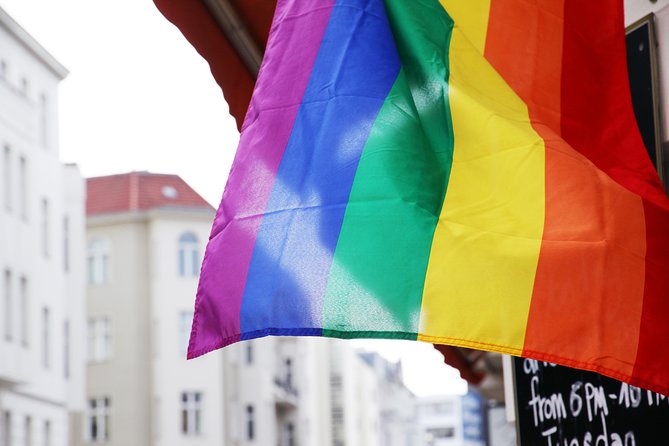
- Berlin’s queer story spans centuries: The tour reaches back to the 19th century and includes both progress and persecution.
- Three districts, three different moods: Schöneberg, Tiergarten, and Kreuzberg show how queer Berlin has changed across the city.
- Südblock is more than a bar: This queer-run restaurant and meeting place helps explain how community life works today.
- A famous club gets historical context: You hear how a club linked to the 1990s gay scene became an all-hours Berlin institution.
- The Gay Museum adds depth: It offers a closer look at LGBTQ culture and history, though your interest in museums may affect how much value you get from that stop.
- Prepare for a long outing: The official duration is about 3 hours 30 minutes, but some tours have lasted roughly four to four and a half hours.
Why this queer history walk matters in Berlin
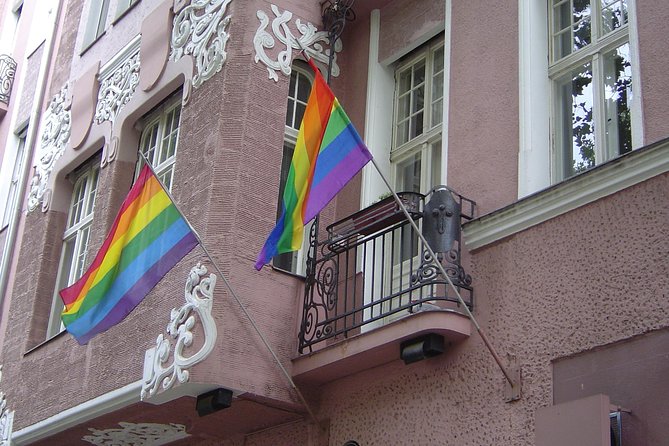
Berlin is often presented through grand buildings, war memorials, and Cold War landmarks. This tour gives you another way to read the city. It shows how queer life shaped neighborhoods, nightlife, art, politics, and public memory.
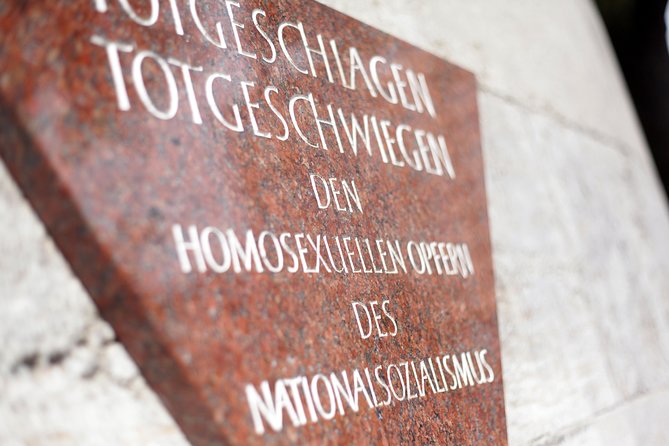
The subject is not treated as a parade of amusing anecdotes. The route also addresses the harder parts of LGBTQ life in Berlin, including intolerance, danger, and the need for continued vigilance. One especially strong part of the experience is the way the guide places moments of acceptance beside periods of repression. That approach gives the tour weight without turning it into a classroom lecture.
I would choose this walk early in your Berlin stay if queer history is a major interest. It can help you recognize parts of the city later, rather than seeing Schöneberg or Kreuzberg as just another collection of cafés and apartment blocks. It also works well for anyone who wants a social history tour with a clear focus, rather than a general city walk.
The tour is offered in English and uses a mobile ticket. It has a maximum of 15 participants, a useful size for a topic that benefits from conversation. Still, do not assume every outing will feel identical. Several guides lead the experience, and their delivery styles vary. Finn, for example, has used an iPad to show photographs and people connected to the places along the route. Tom has been praised for his passion and large store of facts, while Mal, Lorna, and Trevor have also led well-received outings.
More Walking Tours in Berlin
- Discover Berlin Half-Day Walking Tour
★ 5.0 · 9,624 reviews - Berlin: Third Reich and Cold War 2 Hour Walking Tour
★ 4.9 · 6,830 reviews - Berlin: Discover Berlin Walking Tour
★ 4.9 · 5,998 reviews
Starting at Neue Promenade and finding the right group
The meeting point is Neue Promenade 3 in central Berlin, with a noon start. The practical warning here is simple: arrive early, but listen carefully before joining a group.
Multiple walking tours may assemble in the same area. One participant accidentally followed a street-art group after missing the announcement for the queer tour. That confusion is avoidable if you confirm the guide and tour name before leaving. The guides usually announce the group aloud, but the information may be easy to miss in a busy gathering spot.
The first moments set the tone. Your guide introduces queer culture as a part of Berlin’s story for centuries, not as a recent addition to the city’s identity. You then begin connecting historic people and events with the places around you.
Because the walk starts at noon and runs through the afternoon, wear practical shoes and bring water. The tour operates in all weather, so a rain jacket, sun protection, or an extra layer can matter. The route includes public transport, and the Berlin Transport AB day ticket is not included. Your guide can provide one on the day, at about €7.
Kreuzberg and the city’s modern alternative side
Kreuzberg brings the tour into modern-day Berlin. The district is linked with alternative culture, changing neighborhoods, independent venues, and queer community life. Here, the walk moves away from a purely chronological history lesson and shows how identity is expressed through everyday places.
I like this part because it keeps the subject grounded. You are not only hearing about famous figures from the past. You are also looking at the social spaces where people meet, eat, organize, and build community.
The route may feel less polished than a standard sightseeing tour. That is part of its value, but it also means you should not expect a series of grand monuments. Much of the interest comes from what the guide explains about ordinary streets and institutions.
Kreuzberg is also where the physical demands of the tour can begin to register. You are moving between districts, and the route uses public transportation as well as walking. The city ticket is an added cost, but it saves the tour from becoming an exhausting all-day march and lets the guide connect areas that are too far apart on foot.
Südblock, a community space with a larger role
Südblock is one of the most useful stops because it shows queer life as something practical and communal. It is a queer-run bar and restaurant, but the tour presents it as more than a place to order a drink or meal.
Your guide explains how Südblock functions as an important LGBTQ community institution. That gives you a clearer picture of the networks behind Berlin’s queer scene. Bars and restaurants can be social spaces, political spaces, and safe meeting places at the same time.
This is also a good point to think about the difference between nightlife and community. A famous club may attract worldwide attention, but a place such as Südblock helps support regular local life. It connects the story to the present in a direct way.
Food and drinks are not included, so do not count on the tour price covering a stop at the bar or restaurant. The provided information does not promise a meal, tasting, or included break. Think of Südblock as a site you learn about, with the option of handling your own refreshments if the schedule allows.
Something different for another day:
- Berlin: Reichstag, Dome and Government District Guided Tour
★ 4.7 · 18,288 reviews - Berlin: 1-Hour City Tour by Boat with Guaranteed Seating
★ 4.3 · 16,993 reviews - Berlin: Boat Tour Along the River Spree
★ 4.4 · 11,252 reviews - Berlin: Hop-on Hop-off Bus Tour with Live Commentary
★ 4.3 · 8,579 reviews
The famous club and Berlin’s 1990s nightlife
Another stop covers one of Berlin’s best-known clubs. Its story begins in the 1990s gay scene and continues into the open-all-hours reputation associated with Berlin nightlife today.
The appeal here is the context. Instead of treating the club as a difficult-to-enter party destination, the guide explains how nightlife grew from queer spaces and how those spaces helped shape Berlin’s modern identity. You hear about the club’s roots and its place in the city’s larger story.
The experience is not a club entry package. There is no promise of admission, a queue bypass, or a night out. That matters if you book this tour expecting a party activity. You are getting historical interpretation, not a club ticket.
I find this kind of stop most useful for first-time visitors who know the club’s reputation but not its connection to queer Berlin. It also gives the tour a nice change of scale, moving from individual lives and neighborhood institutions to a venue recognized far beyond Germany.
Schöneberg, Christopher Isherwood, and an established queer district
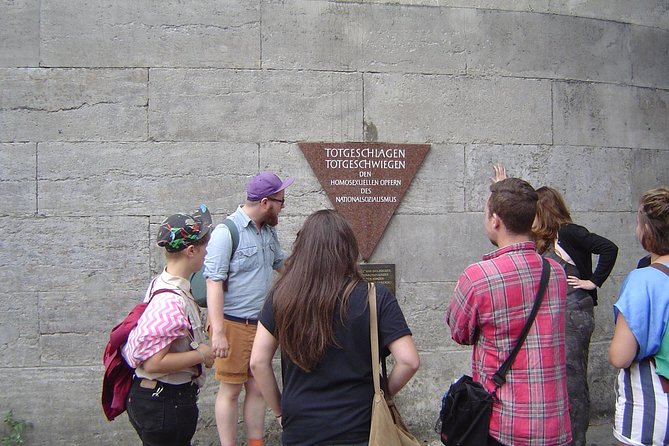
Schöneberg is the emotional center of the route for many people. The district is one of Europe’s oldest and best-established LGBTQ neighborhoods, and the tour uses it to explain how queer Berlin became visible, organized, and culturally influential.
The walk includes Christopher Isherwood, whose life and writing are closely tied to Berlin. You learn about the world he encountered and the people and places associated with his time in the city. This is not just literary name-dropping. Isherwood helps connect personal observation, nightlife, and the social changes of Berlin.
Schöneberg also brings the tour back to recognizable public figures. Marlene Dietrich and former mayor Klaus Wowereit appear among the personalities used to explain Berlin’s queer culture. Their stories help show that queer history includes artists, politicians, performers, residents, and community organizers.
The district is a strong reason to choose this tour over a generic nightlife walk. You are not simply told that Schöneberg is LGBTQ-friendly. You learn how that identity developed and why the neighborhood still matters.
The Gay Museum and the question of museum time
The itinerary includes a visit to the Gay Museum, also known as Schwules Museum. The museum offers a closer look at LGBTQ history and culture, and it can add objects, images, and exhibitions to the stories you hear outside.
The important practical point is to clarify how much museum time you want. The walking tour itself is already substantial, and not everyone in a group may wish to spend the same amount of time inside. One person found the museum less useful as part of the group outing and felt the walk had enough material on its own.
I would treat the museum as an added benefit rather than the sole reason to book. If you enjoy exhibitions and want more than street explanations, it can strengthen the experience. If you prefer a fast-moving neighborhood walk, the museum portion may feel less essential.
The available information does not specify an admission fee or guarantee a particular exhibition. You should check those details when booking or ask the guide at the start. The safest expectation is that the tour introduces you to the museum as part of the route, while the exact amount of time and emphasis may depend on the day.
Guides, storytelling, and how much the style matters
The strongest part of the experience is the guide-led storytelling. The subject covers several centuries, many people, and painful as well as celebratory events. A good guide makes those connections clear and keeps the walk human.
Finn has received particular praise for being friendly, entertaining, and well prepared, with an iPad used to show reference images. That kind of visual aid is helpful when an original building has changed or when a historical person is unfamiliar to you.
Tom has been praised for presenting the subject with enthusiasm and respect, especially when discussing difficult parts of queer life. Mal and Lorna have also been singled out for strong, engaging tours. Trevor led one outing that was mistaken for a different tour at the start, but the problem was the group mix-up rather than the quality of his guiding once the walk was underway.
The downside is that your guide can shape the day. Some guides may focus more on political history, others on personalities, neighborhoods, or nightlife. If you already know a great deal about Berlin’s queer past, you may want to ask questions early and use the guide’s images and local knowledge to go beyond familiar material.
Price, timing, and physical comfort
At $24.14 per person, this is a strong value for a specialist tour lasting roughly three and a half hours. You receive a professional guide and a focused route through several important districts. Comparable private history walks would normally cost far more, though this is a shared group experience.
The actual value depends on your interests. If you want a general overview of Berlin’s main sights, this is not the right purchase. If you want queer history, community spaces, political context, and neighborhood connections, the price is modest.
Allow extra time. The stated duration is about 3 hours 30 minutes, but one outing ran around four and a half hours, and another account described four hours as tiring in hot weather. I would keep the rest of your afternoon flexible rather than booking a museum reservation or train immediately afterward.
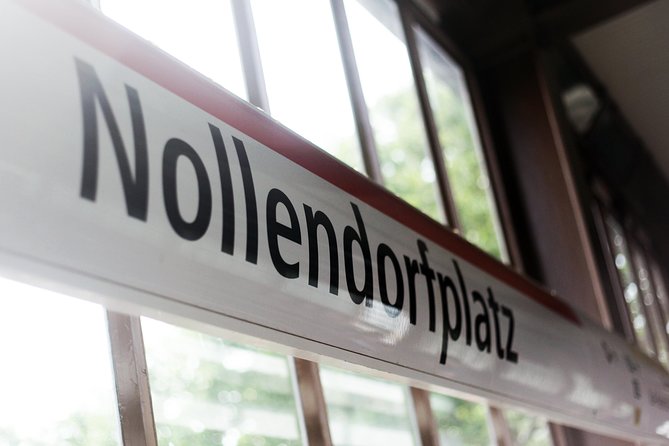
The route is near public transportation, and most people can participate. Service animals are allowed. Hotel pickup and drop-off are not included, so you make your own way to Neue Promenade and leave from Nollendorfplatz, 10787 Berlin.
Free cancellation is available if you cancel at least 24 hours before the start time. Changes or cancellations inside that window are not accepted for a refund.
Who should book this Berlin walk
I would recommend it to LGBTQ visitors who want historical context for the city they are exploring. It is also a good choice for allies, students, readers of Berlin social history, and anyone tired of tours that treat queer culture as a footnote.
You will get the most from it if you enjoy walking, listening, and asking questions. The route is not designed as a quick photo stop at a single landmark. It asks you to follow a story across neighborhoods and time periods.
I would hesitate if you dislike long walks, need a tightly fixed schedule, or want nightlife access included. The AB transport ticket costs extra, food and drinks are separate, and the museum may not receive equal attention for every group.
Should you book it?
Yes, if Berlin’s queer past and present are central to your trip. The combination of Schöneberg, Kreuzberg, Tiergarten, Südblock, the club story, and the Gay Museum gives you far more than a list of bars. At $24.14, it is a particularly good buy for a specialist walking tour.
Book it with sensible expectations: arrive early at Neue Promenade, confirm the correct group, wear comfortable shoes, carry weather protection, and leave your afternoon open. If you do that, this walk should give you a thoughtful, lively way to understand why queer culture is part of Berlin’s identity.
FAQ
Where does the tour start?
The tour starts at Neue Promenade 3, 10178 Berlin, Germany.
What time does the tour begin?
The scheduled start time is 12:00 pm.
Where does the tour end?
The tour ends at Nollendorfplatz, 10787 Berlin, Germany.
How long does the walking tour last?
The advertised duration is approximately 3 hours 30 minutes. Some outings have lasted four to four and a half hours, so allow extra time.
What language is the tour offered in?
The tour is offered in English.
How much does the tour cost?
The listed price is $24.14 per person.
Is public transportation included?
No. A Berlin Transport AB ticket is not included. A day pass costs approximately €7 and is available from the guide on the day.
Is the Gay Museum part of the experience?
The itinerary includes a visit to the Gay Museum, also called Schwules Museum, for more context on LGBTQ history and culture.
What happens in bad weather?
The tour operates in all weather conditions, so you should dress appropriately for the forecast.
How large is the group?
The tour has a maximum of 15 participants.
Is hotel pickup included?
No. You need to make your own way to the starting point, and hotel drop-off is not included.
Can I cancel for a full refund?
Yes, if you cancel at least 24 hours before the experience start time. Cancellations or changes made less than 24 hours before the start time are not accepted for a refund.
More LGBTQ-Friendly
- Berlin: Gay Berlin Out in Schöneberg Walking Tour
★ 4.8 · 281 reviews - Street Art & Berlin Gay, Queer, Trans History + Free Gay Map
★ 4.9 · 15 reviews
Just added around Berlin
- Berlin: Private Guided Tour of the Main Sights★ 5.0 · 13 reviews
- Private Highlights of Berlin Bike Tour★ 5.0 · 13 reviews
- Modern Berlin Private Walking Tour: Diverse, Vibrant and Exciting German Capital★ 5.0 · 13 reviews
- Tour in Berlin from Warnemünde and Rostock Cruise Port★ 4.1 · 13 reviews
- Berlin: Stasi Museum Private Guided Tour with Entry Ticket★ 4.8 · 13 reviews
- Private Food Tour Experience with a born and bred Berliner★ 5.0 · 14 reviews
- Berlin: Rheinsberg Palace Entrance Ticket★ 4.8 · 14 reviews
- Berlin in one day – day tour with an expert guide★ 5.0 · 14 reviews
Walking Tours, compared.
Berlin’s Best: 2 Hour Walking Tour Third Reich and the Cold War
Read our review →
Third Reich Berlin: Hitler and WWII Walking Tour
Read our review →Browse the lists this tour appears in