
Reviewed · WALKING TOURS
Warnemünde: Guided Walking Tour
Warnemünde rewards slow walking. This compact tour brings together old fishermen’s houses, the riverfront, the lighthouse, the Teepott, and the beach in one well-paced outing. I especially like the focus on small local details and the chance to hear how Warnemünde’s fishermen lived and worked. I also like that the route includes a look at the beach’s geology, not just postcard sights.
The main point to consider is simple: the tour is in German only. At $17 per person, it is a fair buy for a short introduction, but entry to attractions is not included, and the 1.5-hour walk leaves little time for extended stops.
In This Review
- Key points at a glance
- Why a short walk works well in Warnemünde
- Starting at Rostock Information Warnemünde
- Old fishermen’s houses and Warnemünde’s narrow lanes
- Bannhofsbrücke and the old river
- The Edvard Munch House
- Lighthouse, Teepott, and the seafront
- Warnemünde Beach and its geological story
- Optional sights near the route
- Is $17 a fair price?
- Who should book this Warnemünde walk?
- Practical details before you reserve
- Should you book it?
- FAQ
- Where does the Warnemünde walking tour meet?
- How long does the tour last?
- What language is the tour offered in?
- What sights are included on the walking route?
- Does the tour include Warnemünde Beach?
- Are attraction entry tickets included?
- How much does the tour cost?
- Can I cancel the booking for a refund?
Key points at a glance
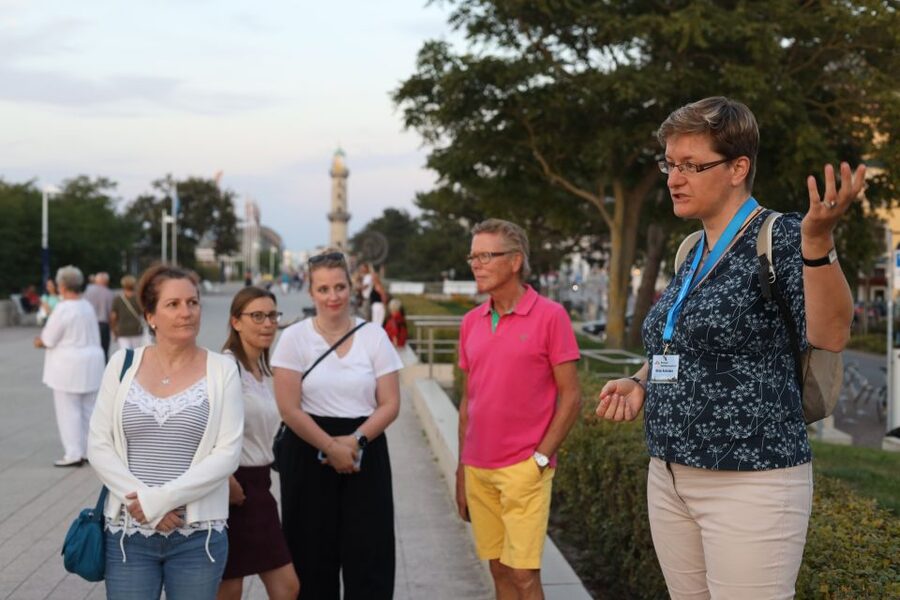
- Small details make the walk worthwhile: The tour goes beyond the lighthouse to local customs, fishermen’s traditions, and lesser-known corners.
- A compact old-town route: You stroll through charming alleys lined with old fishermen’s houses rather than spending the whole time on the main promenade.
- Several signature sights fit into 90 minutes: The route includes Bannhofsbrücke, the old river, the Edvard Munch House, Warnemünde Lighthouse, and the Teepott.
- Beach geology adds an unusual angle: You learn about the physical story of Warnemünde Beach, not only its views.
- German is the only listed language: This matters if you need an English-language guide.
- Good value for a first look: At $17, the tour is priced for orientation and local context, not a full sightseeing day.
Why a short walk works well in Warnemünde
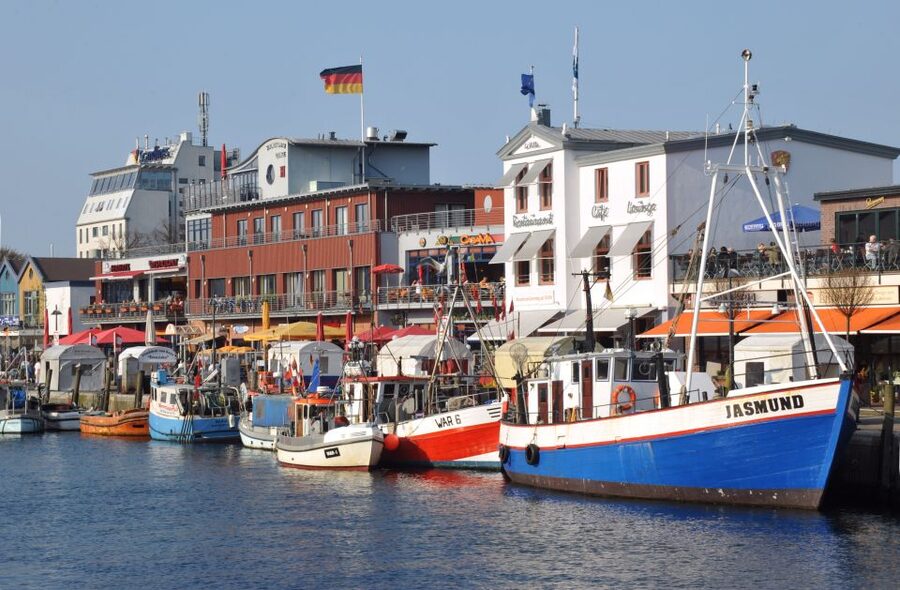
Warnemünde is easy to cover on foot, but that does not mean it explains itself. The resort has a pleasant mix of fishing-village character, waterfront scenery, old homes, and seaside architecture. Without some local context, you may see attractive streets without understanding how the village developed.
This tour gives you that context in 90 minutes. I like the format for a first visit, especially if you have only part of a day in town. You get a clear sense of the place, then you can return to the spots that caught your attention.
The pace should suit most people who are comfortable walking through town and along the beach. It is not an attraction-by-attraction admission tour. It is a guided orientation, with the guide doing the explaining while you move through the streets.
That distinction matters. If you want to enter buildings, climb the lighthouse, or spend a long time at one sight, this tour will feel limited. If you want the story of Warnemünde tied to the places in front of you, the short format makes good sense.
More Walking Tours:
- Rostock: City Walking Tour
★ 4.9 · 198 reviews - Discover Berlin Half-Day Walking Tour
★ 5.0 · 9,624 reviews - Berlin: Third Reich and Cold War 2 Hour Walking Tour
★ 4.9 · 6,830 reviews
Starting at Rostock Information Warnemünde
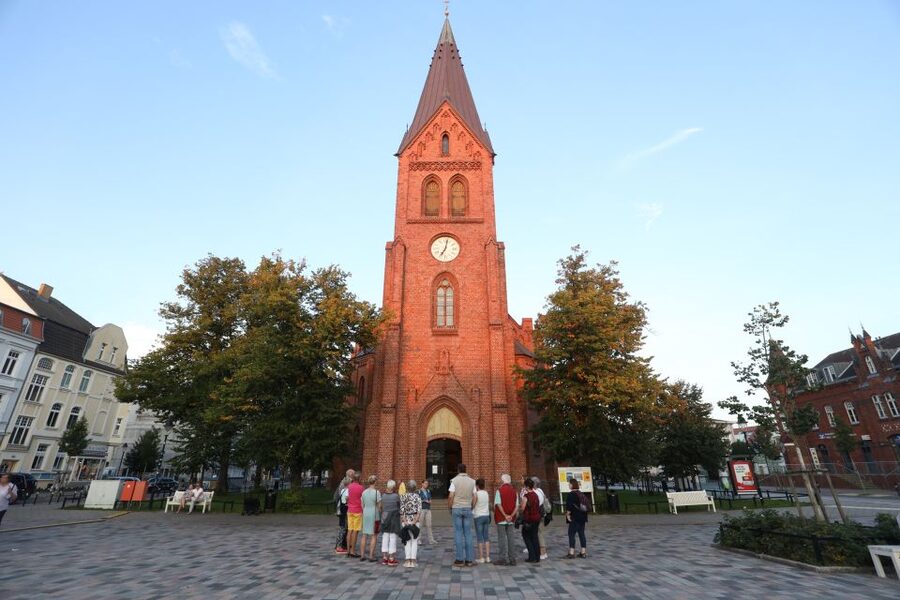
The meeting point is in front of Rostock Information Warnemünde, at the corner of Alexandrinenstraße and Kirchenstraße. This is a useful central starting place because you begin among the older streets rather than at a distant attraction.
Arrive with the meeting point written down. The tour uses a German name for the location, Treffpunkt für den Rundgang, and the street corner is more useful than relying on a general map pin. You should also check the available starting time when booking, since the schedule is not fixed in the information provided.
The opening part of the walk introduces Warnemünde as a small fishing village and seaside resort. That combination is the key to understanding the town. It was not created only for beach visitors. Its older identity comes from fishing, river traffic, local trade, and the lives of the people who lived in its narrow streets.
The guide also explains local culture and traditions. One memorable subject is how fishermen used to lure their catch. That kind of detail gives the walk character. It is the sort of practical local story that helps old houses and waterfront spots feel connected to real work rather than arranged as scenery.
Old fishermen’s houses and Warnemünde’s narrow lanes
The old lanes are among the strongest parts of the route. Warnemünde’s traditional fishermen’s houses give the town its visual identity, and walking past them with an explanation is more useful than simply photographing the facades.
I would pay attention to the shape and placement of the homes as you move through the alleys. The tour does not just point out old buildings. It connects them to the former fishing village and to the habits of the people who lived there.
This is also where the walk’s praise for small details matters most. A broad sightseeing route can easily skip over modest corners, minor features, and local stories. Here, those details are part of the appeal. The strongest feedback about the experience centers on the little things the guide points out, which suggests that you should listen closely even when the subject seems ordinary.
The drawback is that German is the listed tour language. If you do not understand German, the value of these stories drops sharply. The sights remain easy to see, but the local background is the main reason to pay for a guide.
Bannhofsbrücke and the old river
The route continues toward Bannhofsbrücke, the local bridge, and the old river. These stops help you read Warnemünde as a place shaped by water on more than one side.
The bridge offers a natural pause in the walk and a change of viewpoint. From here, you can better understand how the town’s streets relate to the water and why a fishing settlement grew in this location. The old river adds another layer, linking the town’s everyday life to its waterfront setting.
Do not expect a long formal stop at every location. The tour lasts only 90 minutes and covers several sights. You will likely hear the explanation while walking or during brief pauses. That keeps the outing moving, but it also means you may want to return later for photographs.
I like this part because it adds structure to the visit. Instead of treating the old town, bridge, and river as separate pretty scenes, the guide shows how they fit together.
A few more tours and experiences worth a look
- Rostock: Guided tour of the historic city center
★ 4.5 · 311 reviews - Distillery tour with guide!
★ 4.7 · 14 reviews - Brewery tour with guide!
★ 4.8 · 13 reviews - Berlin: Reichstag, Dome and Government District Guided Tour
★ 4.7 · 18,288 reviews
The Edvard Munch House
One of the more unusual stops is the house that Edvard Munch once called home. This gives the walk a cultural link beyond local fishing and seaside tourism.
The information provided does not promise an interior visit, museum access, or an exhibit. You should treat it as an exterior point of interest and a story stop. That is still worthwhile, especially for anyone interested in Munch or in the artists and visitors connected with coastal towns.
The Munch House also helps break up the route. Warnemünde is not presented only as a traditional village or a beach resort. The stop adds another human story to the streets and shows how the town has attracted people for different reasons.
Because no entry is included, you should not plan on seeing an indoor collection as part of this tour. The guide’s explanation is the experience here.
Lighthouse, Teepott, and the seafront
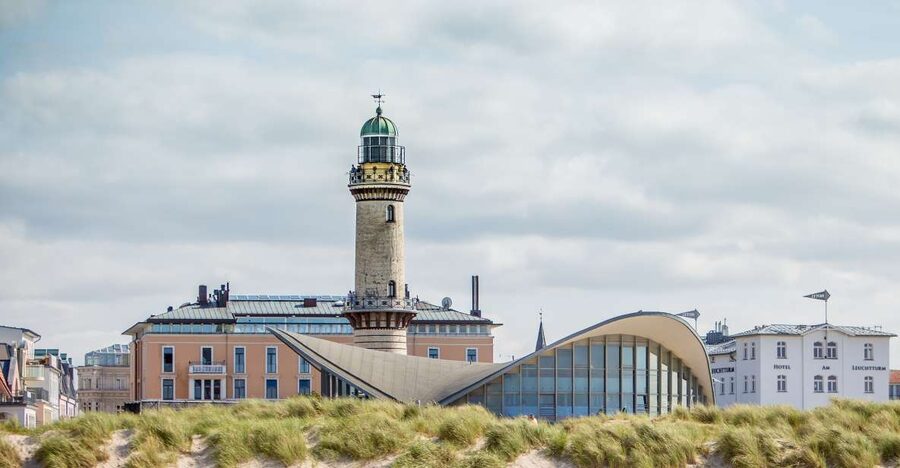
Warnemünde Lighthouse is the tour’s most recognizable landmark. It gives the promenade a strong visual anchor and offers an easy reference point for the rest of your visit.
The Teepott, beside the lighthouse area, adds a very different note. Together, these two sights show the contrast between Warnemünde’s older maritime character and its later seaside identity. The lighthouse speaks to navigation and the coast. The Teepott reflects the resort promenade and its public-facing architecture.
This is likely the most immediately photogenic part of the walk. You can expect the guide to explain the sights as you pass along the promenade, with anecdotes woven into the route. Since the tour does not include attraction entry, do not assume you will go inside either site.
The value here is orientation. After the walk, you will know exactly where the lighthouse and Teepott are, which makes it easier to return at your own pace. If you want uninterrupted photographs, plan to come back after the guided portion. A walking tour has to keep moving, and the guide’s job is to cover the route rather than wait for every camera.
Warnemünde Beach and its geological story
The beach portion gives the tour a welcome change of subject. Instead of treating the sand and water as background scenery, the guide explains the geology of Warnemünde Beach.
That is a useful touch for curious visitors. Beaches often look simple, but their shape, sand, and position reflect natural forces. The supplied details do not specify which geological features or processes are discussed, so you should not expect a technical lecture with named rock formations. Still, the subject adds substance to a stop that many visitors would otherwise experience only as a photo opportunity.
I like this angle because it keeps the tour from becoming a list of buildings. Warnemünde is a coastal town, and understanding the beach is part of understanding the place.
Weather may affect how much you enjoy this section. The walk is outdoors, and a breezy beach can feel much colder than the town’s lanes. Wear shoes suited to a mixed urban and beach route, and dress for the coast rather than only for the temperature at your hotel.
Optional sights near the route
The tour information also allows for discovering Warnemünde Train Station and Neuer Strom if you wish. These are not presented as separate admission visits, and the exact amount of time spent there is not specified.
Neuer Strom is especially useful as a point of orientation because it helps tie the town to its waterway. The train station can also be handy for visitors arriving by rail or using the walk to understand how the town connects to the wider area.
Since the duration is fixed at 1.5 hours, ask the guide about these places early if they matter to you. The route may need to balance them against the old lanes, bridge, river, Munch House, lighthouse, Teepott, and beach. The more interests you bring, the more important it is to keep expectations realistic.
Is $17 a fair price?
At $17 per person, this is a sensible price for a local introduction. You are paying for a live guide, local stories, and a route that connects the old village with the waterfront and beach. The strongest value comes from the details that would be easy to miss on your own.
The price is less attractive if you already know Warnemünde well or if you want a private, slow-paced tour. It is also not the right choice if you need English, since German is the listed language.
No attraction entries are included. That keeps the cost down, but budget separately if you hope to enter any sights during your visit. The tour itself is about seeing the town from the outside and understanding what you are seeing.
The 4.3 rating from 102 reviews suggests a generally positive but not flawless experience. I read that as a fair signal for a short city walk: many people value the guide’s local observations, while the language, pace, and lack of included admissions may not suit everyone.
Who should book this Warnemünde walk?
I would choose this tour if you are visiting Warnemünde for the first time and want a quick sense of the town before exploring on your own. It is also a good fit for anyone who prefers local stories to a long list of dates and formal facts.
The route should appeal to you if you enjoy:
- Old residential streets and traditional fishermen’s houses
- Small-town customs and stories about working life
- Coastal views and seaside landmarks
- Art history connected to a real local building
- A short walk that covers several parts of town
- Natural details, including the geology of the beach
I would skip it if you need an English-speaking guide, dislike outdoor walking, or want to spend a long time inside attractions. The tour is also not ideal for someone who has already explored every main sight and wants something highly specialized.
For the best experience, arrive ready to listen while walking. The most valuable parts may not be the obvious landmarks. They are the brief explanations about the village, fishermen, houses, and beach that turn a pleasant stroll into a more informed visit.
Practical details before you reserve
The tour lasts 1.5 hours, so it fits neatly into a morning or afternoon plan. Check starting times before booking, since availability varies.
The guide is live and German-speaking. No other language is listed. If you understand German well enough to follow a spoken walking tour, you should be able to get the full benefit from the anecdotes and local background.
Cancellation is free up to 24 hours in advance for a full refund. You can also reserve now and pay later, which helps if your schedule in Warnemünde may change.
The meeting point is in front of Rostock Information Warnemünde at the corner of Alexandrinenstraße and Kirchenstraße. Bring weather-appropriate clothing and comfortable shoes. You will be moving through town, along the promenade, and toward the beach.
Should you book it?
Book this walk if you want a short, local introduction to Warnemünde with more substance than a self-guided photo walk. The combination of old fishermen’s lanes, Bannhofsbrücke, the old river, the Munch House, lighthouse, Teepott, and beach geology gives you a useful first picture of the resort.
Skip it if German is a barrier or if you want interior visits and long stops. For the right audience, $17 is a reasonable way to learn the small details that make Warnemünde more than a beach and a lighthouse.
FAQ
Where does the Warnemünde walking tour meet?
The meeting point is in front of Rostock Information Warnemünde at the corner of Alexandrinenstraße and Kirchenstraße.
How long does the tour last?
The walking tour lasts 1.5 hours.
What language is the tour offered in?
The live tour guide speaks German. German is the only listed tour language.
What sights are included on the walking route?
The route includes Warnemünde’s old fishermen’s houses and alleys, Bannhofsbrücke, the old river, the Edvard Munch House, Warnemünde Lighthouse, and the Teepott.
Does the tour include Warnemünde Beach?
Yes. The guide discusses the geology of Warnemünde Beach during the walk.
Are attraction entry tickets included?
No. Entry to attractions is not included in the tour price.
How much does the tour cost?
The listed price is $17 per person.
Can I cancel the booking for a refund?
Yes. You can cancel up to 24 hours in advance for a full refund.
Just added around Rostock
- Brewery tour with guide!★ 4.8 · 13 reviews
- Distillery tour with guide!★ 4.7 · 14 reviews
- Rostock: Hot Rod Harbor City Tour★ 4.9 · 16 reviews
- Warnemünde Shore Excursion: Private Tour of Berlin’s World War II and Cold War Sites★ 5.0 · 17 reviews
- Rostock: Hot Rod Sightseeing Tour to Warnemünde★ 5.0 · 19 reviews
- Rostock: Tour with the Rostocker Executioner★ 4.7 · 28 reviews
- Berlin and Sachsenhausen: Shore Trip from Warnemünde Port★ 4.8 · 40 reviews
- Lovely Rostock and Warnemünde Shore Excursion for Cruise Ships★ 5.0 · 44 reviews
Walking Tours, compared.




Berlin’s Best: 2 Hour Walking Tour Third Reich and the Cold War
Read our review →
Third Reich Berlin: Hitler and WWII Walking Tour
Read our review →Browse the lists this tour appears in