
Reviewed · MUSEUMS
Stuttgart: Stuttgart Wine Museum Wine Tasting
Wine and Stuttgart make a fine Friday pairing. This one-hour tasting brings you to the Stuttgart Wine Museum for three regional wines, a small plate of salami, olives, cheese, and bread, plus a guided look at local grapes. I like the changing weekly selection, which keeps the tasting from feeling fixed, and I like the way the museum setting adds context beyond the glass. The main catch is simple: the tour is German only, so it works best if you understand German well enough to follow a spoken explanation.
You will taste one white, one red, and one rosé, with each pour measuring 0.1 liter. I also appreciate the clear focus on Stuttgart and Baden-Württemberg rather than a broad, generic wine lesson. At $31 per person, the price is fair for three wines, snacks, and an expert-led hour, though serious wine drinkers may find the pours modest.
In This Review
- Key points to know before booking
- Arriving at the Stuttgart Wine Museum
- Three 0.1-liter pours, from white to red to rosé
- What the guide explains about Stuttgart wine
- Salami, olives, cheese, and bread between sips
- Why the changing weekly menu matters
- Is $31 a fair price for one hour?
- Who will enjoy this Stuttgart tasting most?
- German-only guidance and other practical points
- Should you book the Stuttgart Wine Museum tasting?
- FAQ
- How long does the Stuttgart Wine Museum wine tasting last?
- How many wines are included?
- What food is included with the tasting?
- What language is the tour offered in?
- Are children allowed to join?
- Can I cancel the booking for a refund?
Key points to know before booking
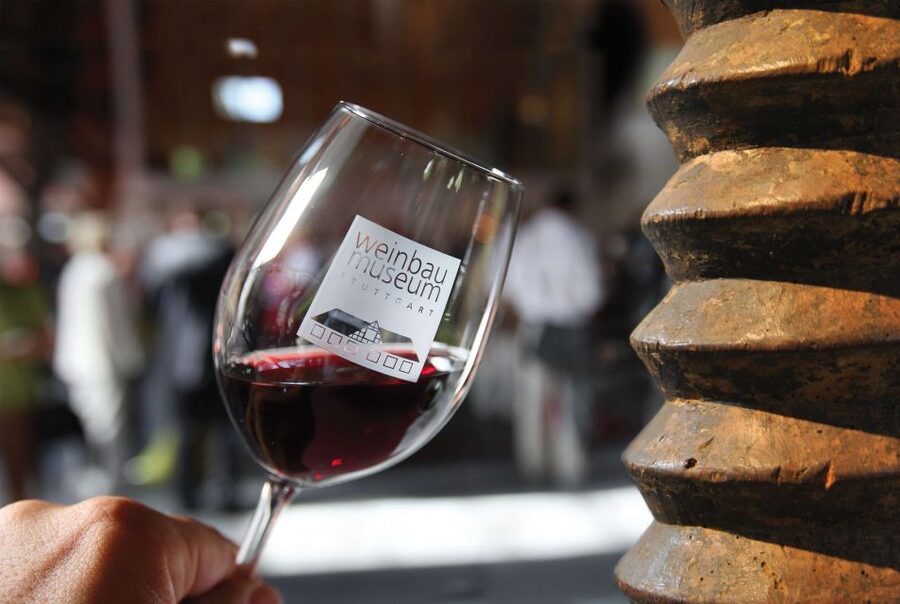
- Three wines in one hour: You receive one 0.1-liter tasting glass each of white, red, and rosé wine.
- The lineup changes weekly: A return visit can offer a different set of regional wines and grape varieties.
- Local grapes take center stage: Expect discussion of varieties such as Riesling, Pinot Gris, and Lemberger.
- Museum setting adds useful context: The tasting includes background on viticulture, wineries, and the Stuttgart area.
- German is the only tour language: This is the most important practical consideration for English-speaking visitors.
- A small savory snack is included: Salami, olives, cheese cubes, and bread make the tasting feel more social and relaxed.
Arriving at the Stuttgart Wine Museum
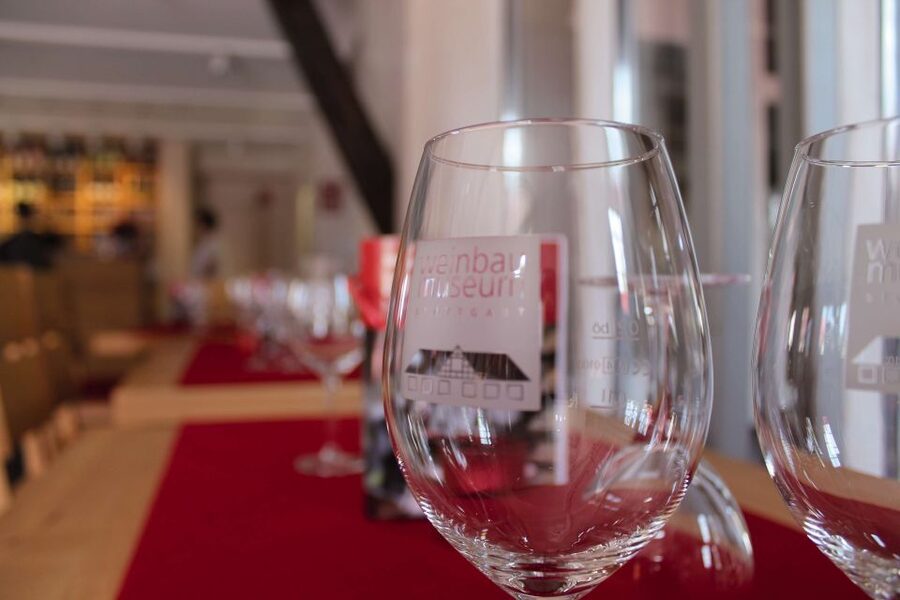
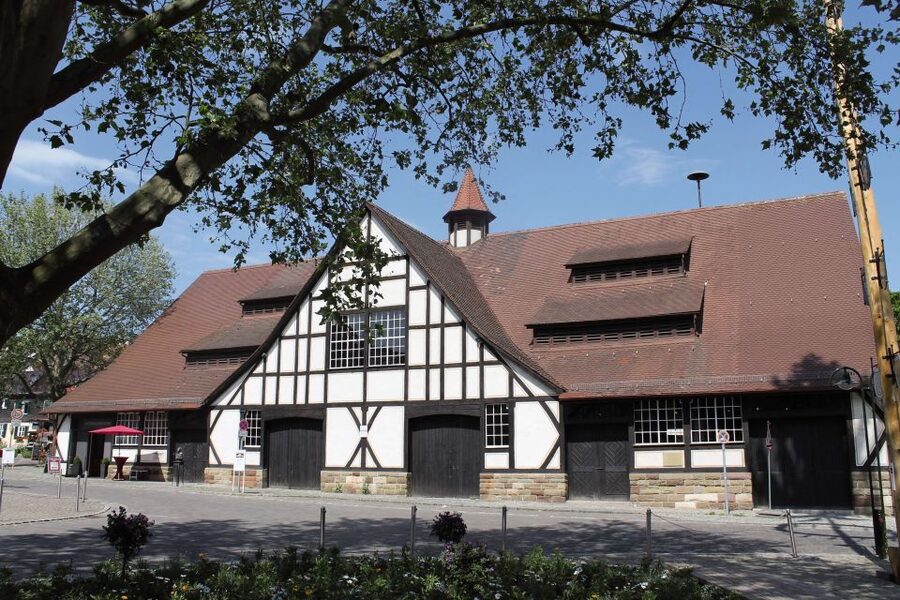
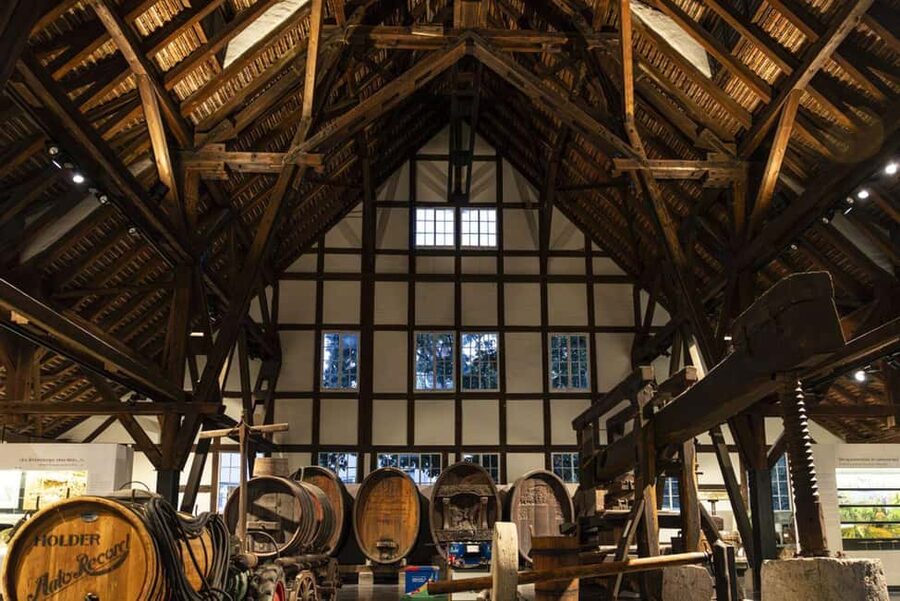
The experience begins at the Stuttgart Wine Museum, where you meet the wine expert leading the session. The setting matters. You are not simply seated at a bar with three anonymous glasses. The museum gives the tasting a clear local frame, connecting the wines to Stuttgart and the surrounding Baden-Württemberg wine country.
The exact starting time depends on availability, so check the schedule before you plan dinner or another evening activity. Since the tasting lasts only one hour, it fits neatly into a night out. You can use it as a relaxed first stop rather than giving up half a day to a winery visit.
Once the group is assembled, the guide introduces the tasting and explains how the hour will work. The emphasis is on learning as you drink, not on formal wine-school technique. You do not need advanced knowledge of wine to take part.
A verified German-language booking rated the experience four out of five and praised the information about wine growing. Another especially liked the story and background of the museum and its surroundings, as well as the wine itself. That is a useful clue about the character of this activity: the setting and explanation are at least as important as the alcohol.
More Wine Tours:
- Stuttgart: Guided Wine Walk & Wine Tasting
★ 4.6 · 28 reviews - Premium wine hike Stuttgart with games and winemaker’s snack
★ 4.7 · 26 reviews - Trier: Guided City Walk with Wine Tasting
★ 4.8 · 979 reviews
Three 0.1-liter pours, from white to red to rosé
The central tasting includes three regional wines. You receive one 0.1-liter pour of white wine, one red, and one rosé. That is enough to compare the styles without leaving you weighed down for the rest of your evening.
The white wine selection may include a crisp Riesling or a Pinot Gris. The experience specifically introduces the range from tangy Riesling to Pinot Gris, so you can expect the guide to explain how grape variety affects aroma, acidity, and overall style. The red wine may feature Lemberger, a variety known in the region for a spicier character.
The weekly rotation is one of the best features. You are not promised the same three bottles every time, and the changing selection gives the session a sense of discovery. It also means the published examples should be treated as possibilities, not a guaranteed menu. If you have a particular grape in mind, ask the guide what is being poured that week.
The rosé completes the basic comparison. Tasting white, red, and rosé side by side helps you notice differences in color, body, freshness, and flavor without needing a long lecture. For a first introduction to Stuttgart wine, the format is tidy and easy to follow.
The pours are tasting sizes, not full glasses. That is a benefit if you are heading elsewhere afterward, but it can feel light if you hoped for a long, leisurely wine session. The experience gives you three samples, not a full bottle equivalent.
What the guide explains about Stuttgart wine
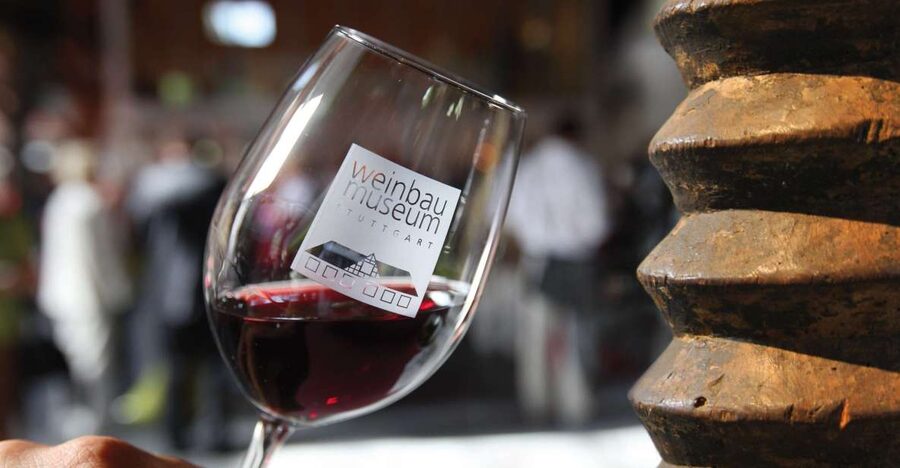
The guide covers local viticulture, grape varieties, and the wineries behind the bottles. This is where the tasting earns its place in a museum rather than simply becoming a snack with drinks.
You learn how grapes are grown in the Stuttgart region and why different varieties produce different results. The guide also supplies background on the wineries, helping you connect the wine in your glass with the people and places that produced it.
The information appears designed for a general audience. You will hear interesting facts about grapes and wine growing, but the activity is not presented as a technical certification course. I would choose it if you want a friendly introduction with useful local detail. If you already know Stuttgart wine well, the weekly bottle changes may matter more to you than the basic explanations.
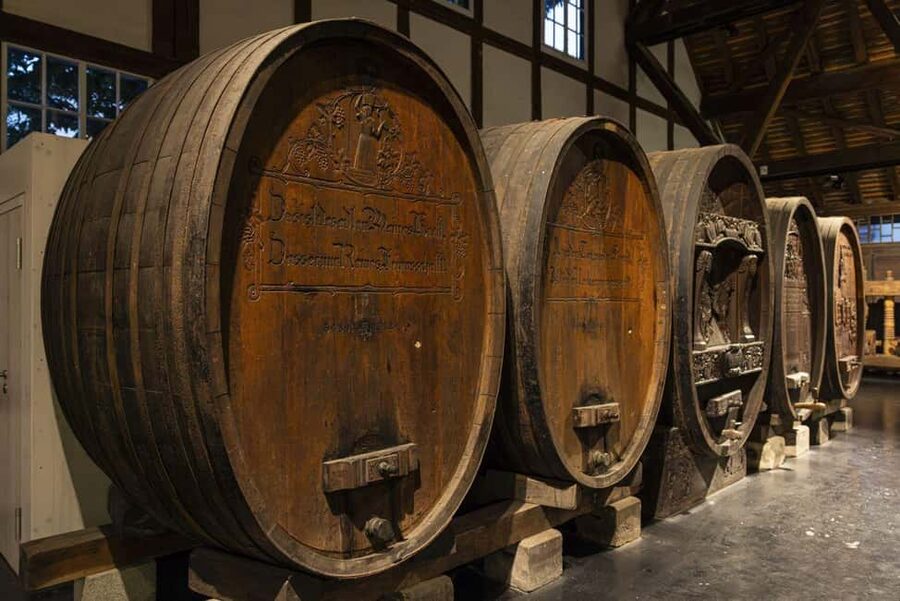
The museum surroundings add another layer. One of the strongest points noted in the supplied feedback was the history and background connected with the museum and the surrounding area. That makes the hour more than a sequence of tastings. You get a sense of why wine belongs in Stuttgart’s local identity.
The German-only format deserves careful attention here. Wine vocabulary can be harder to follow than everyday conversation, especially when the guide explains grape traits and growing methods. If you understand only a little German, you may still enjoy the food and wine, but you could miss much of the activity’s value.
Salami, olives, cheese, and bread between sips
The snack is small but well chosen. Salami, olives, cheese cubes, and bread give you something salty and savory to eat while tasting. These foods also make the hour feel social, which suits a weekend evening with friends.
Do not expect a full meal. The portion is meant to support the tasting, not replace dinner. Plan another meal if you arrive hungry or intend to stay out for several hours.
The snack also serves a practical purpose. Food changes how wine tastes, and small bites can soften the effect of alcohol. With three 0.1-liter pours, the total amount is limited, but eating along the way still makes for a more comfortable session.
I like this balance. A tasting with no food can feel hurried or overly formal, while a large meal would distract from the wines. Here, the plate keeps the mood relaxed without turning the experience into a restaurant visit.
More Food Tours:
- Stuttgart: Bean District Walking Tour with Swabian Food
★ 4.6 · 40 reviews - Cologne: Brewery Tour with 3 Kölsch Beer Tastings
★ 4.7 · 3,108 reviews - Hamburg: St. Pauli Highlights Guided Tour with Beer for 18+
★ 4.7 · 2,353 reviews - Hamburg: Elbphilharmonie Plaza and HafenCity Food Tour
★ 4.7 · 1,711 reviews
Why the changing weekly menu matters
Many short tastings suffer from a fixed script and the same bottles every time. This one changes its wine selection each week. That gives the activity more appeal for repeat visits and makes it a useful option if you are staying in Stuttgart for several days.
The changing lineup also reflects the variety of the region. One week may place more attention on Riesling or Pinot Gris. Another may give Lemberger a stronger role, with a different white or rosé alongside it. You cannot count on a specific bottle, but you can count on the basic structure of three regional wines.
This is a good reason to ask what is being poured when you arrive. The guide can explain the current selection and help you compare the wines as a set. Since the official examples include tangy Riesling, Pinot Gris, and spicy Lemberger, you have a useful starting point for questions.
For first-time visitors, the changing menu is less important than the local focus. You are getting a snapshot of Stuttgart wine rather than a final answer on the region. That is a strength. It keeps the activity open-ended and encourages you to notice your own preferences.
Is $31 a fair price for one hour?
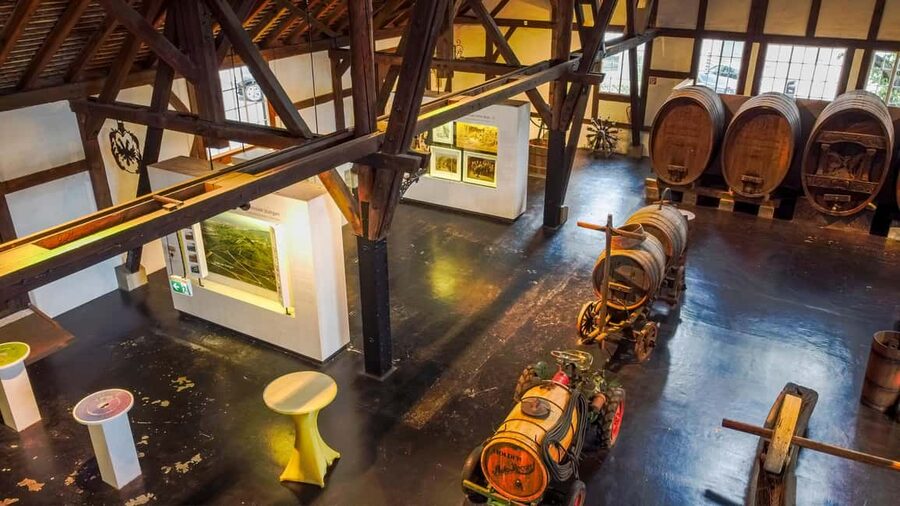
At $31 per person, the value depends on what you want from a tasting. You receive three regional wines, three 0.1-liter pours, snacks, and a live wine expert. You also get access to a museum setting and an explanation of local grape varieties and viticulture.
That is a reasonable package for a compact introduction. The cost covers more than the retail value of three small pours. You are paying for the guide’s explanation, the organized comparison, the food, and the local setting.
Still, keep the scale in mind. This is not a long winery tour, a vineyard visit, or a full evening meal. There is no promise of cellar access, extensive food pairings, or large pours. If your main goal is to drink as much wine as possible, you may find the price less attractive.
I see the best value for someone who wants a simple, structured way to learn about Stuttgart wine. It is especially useful at the start of a weekend, when you want an activity that gives you local context without taking over the day.
The ability to reserve now and pay later also helps if your plans are still moving. You can cancel for a full refund up to 24 hours in advance, subject to the stated booking terms. That makes it easier to fit the tasting around changing evening plans.
Who will enjoy this Stuttgart tasting most?
This experience suits adults who enjoy wine but do not need a formal, high-level lesson. You will get the most from it if you like hearing the story behind a drink and can follow German comfortably.
It also works well for friends beginning a night out. The food is easy to share, the format is short, and the three styles give everyone something to discuss. The tasting has enough structure to feel worthwhile, but it should not leave you committed to an entire evening at the museum.
Wine beginners may find the white, red, and rosé format approachable. You can compare the glasses without needing to identify every aroma or understand technical terms. The guide supplies the local background, so you can simply notice which wine you prefer.
Repeat visitors to Stuttgart may also find a reason to return because the selection changes weekly. That feature is less useful for a one-time visitor who only wants a specific grape or bottle, since the menu is not fixed.
Children under 18 are not allowed. The activity is intended for adults, and everyone should bring a passport or ID card. The venue is wheelchair accessible, which makes it a practical option for visitors who need step-free access, though the supplied details do not describe the exact room layout.
German-only guidance and other practical points
The language issue is the biggest decision point. The live tour guide speaks German, and no other language is listed. You should be comfortable listening to German explanations about grapes, wine growing, wineries, and the museum.
Bring a passport or ID card. This is a stated requirement, so do not assume another form of identification will be accepted.
The tasting lasts one hour, but the start time is not fixed in the information provided. Check availability before booking and allow enough time to arrive at the Stuttgart Wine Museum without rushing.
The experience is wheelchair accessible. That is a useful advantage, especially for a short evening activity where you may want a simple, comfortable venue. Since no details are given about the tasting room itself, contact the provider if you need information beyond general wheelchair access.
Stuttgart-Marketing GmbH operates the experience. The overall score is 4.7 out of 5 from 55 ratings, and the strongest praise centers on the information about wine growing, the museum and surrounding area, and the taste of the wines. That matches the activity’s clearest strength: it connects drinking with a sense of place.
Should you book the Stuttgart Wine Museum tasting?
Book it if you want an affordable, one-hour introduction to Stuttgart wine with three regional pours, simple snacks, and local explanation. The museum setting and weekly wine changes give it more character than a standard fixed-menu tasting.
Skip it if you need an English-language guide, want a full meal, or prefer a long vineyard and cellar visit. The pours are modest, the menu changes, and German is the only tour language.
For the right audience, this is a smart way to begin a weekend in Stuttgart. You get a taste of Riesling, Pinot Gris, Lemberger, or other regional selections, learn how the area’s wine culture works, and still have the rest of the evening ahead of you.
FAQ
How long does the Stuttgart Wine Museum wine tasting last?
The wine tasting lasts one hour.
How many wines are included?
You receive three regional wines: one white, one red, and one rosé. Each pour is 0.1 liter.
What food is included with the tasting?
The included snacks are salami, olives, cheese cubes, and bread.
What language is the tour offered in?
The live guided tasting is offered in German only.
Are children allowed to join?
No. The activity is not suitable for children under 18 years.
Can I cancel the booking for a refund?
Yes. You can cancel up to 24 hours in advance for a full refund.
More Museums
- Stuttgart: Mercedes-Benz Museum Entry Ticket
★ 4.8 · 1,400 reviews - Stuttgart: Museum of Illusions Entry Ticket
★ 4.2 · 507 reviews - Berlin: Jewish Museum Berlin Entrance Ticket
★ 4.5 · 8,393 reviews - Berlin: DDR Museum Tickets
★ 4.3 · 3,443 reviews
Just added around Stuttgart
- Stuttgart: Landesmuseum Württemberg Old Castle Entry Ticket★ 4.5 · 15 reviews
- Stuttgart: Winter Sunday Brunch Buffet★ 4.6 · 16 reviews
- Stuttgart : Guided Walking Tour With A Guide (Private Tour)★ 4.5 · 20 reviews
- Stuttgart: Exklusive Floßboote Finne & Fischle★ 4.5 · 23 reviews
- Premium wine hike Stuttgart with games and winemaker’s snack★ 4.7 · 26 reviews
- Stuttgart city library – an architectural tour★ 4.4 · 27 reviews
- Stuttgart: Guided Wine Walk & Wine Tasting★ 4.6 · 28 reviews
- Stuttgart: Karlshöhe Crime Mystery Tour★ 4.6 · 34 reviews
Museums, compared.





Skip-the-Line: Berlin Wall Museum at Checkpoint Charlie
Read our review →
Browse the lists this tour appears in