

Reviewed · WALKING TOURS
Stuttgart: Bean District Walking Tour with Swabian Food
Stuttgart has a quieter side. This two-hour walk through the Bean District, or Bohnenviertel, takes you along narrow lanes, historic buildings, courtyards, cafés, bars, boutiques, and antique shops close to the city center. I like the mix of old neighborhood character and present-day local life, plus the included Swabian appetizer plate gives the walk a tasty finish. The main drawback is that the tour is conducted in German, and access to some rear courtyards and workshops may not always be possible.
I also like the human touch. Guide Norman Stümpfig has earned particular praise for his humor, clear storytelling, and unusual facts beyond standard textbook history. At $42 per person, the tour is good value if you want a guided introduction to a compact Stuttgart quarter, though drinks cost extra and the food portion is an appetizer, not a full meal.
In This Review
- Key points at a glance
- Why Stuttgart’s Bean District is worth your time
- Starting at Restaurant Amadeus
- Walking the narrow lanes and old courtyards
- Shops, cafés, bars, and antique finds
- A guide who adds humor and local color
- Tasting Swabian food at the end
- Is $42 a fair price?
- Who will enjoy this walk most?
- Planning the rest of your day around it
- My verdict on the Bean District tour
- FAQ
- Where does the Bean District walking tour meet?
- How long does the Stuttgart Bean District tour last?
- What language is the tour conducted in?
- Is food included in the tour price?
- What should I wear or bring?
- Can I cancel the booking for a refund?
Key points at a glance
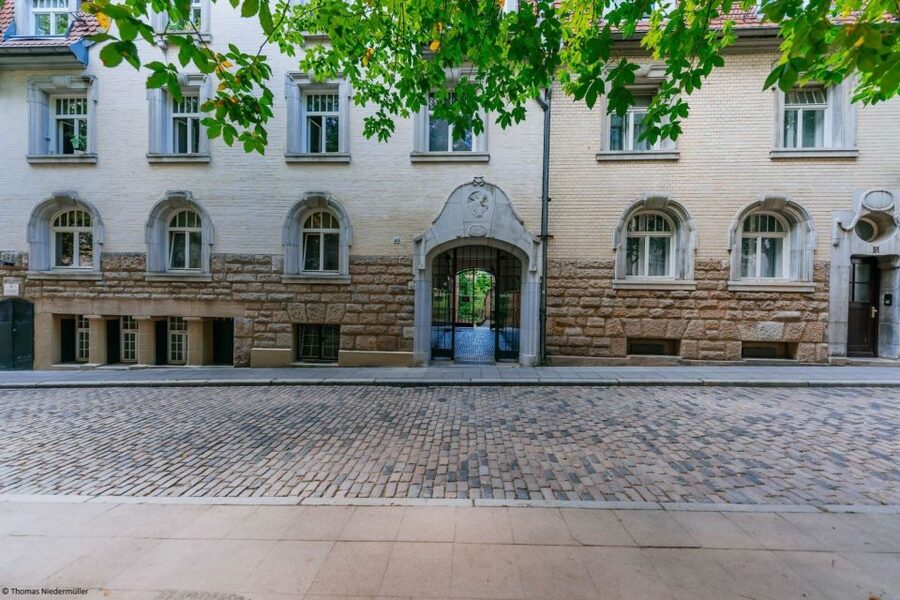
- Sixteenth-century roots: The district takes its name from the beans that formed an important part of the poorer residents’ diet.
- Quiet lanes near the center: You can move from central Stuttgart into narrow streets and calm courtyards within a short walk.
- A local food finish: The included Swabian plate offers several small tastes rather than one large dish.
- Guide-led neighborhood stories: Norman Stümpfig is noted for engaging anecdotes, humor, and facts outside the usual history lesson.
- German-only guiding: You should be comfortable following a live tour in German.
- A useful two-hour length: The timing works well for a first look at the district without taking up an entire day.
Why Stuttgart’s Bean District is worth your time
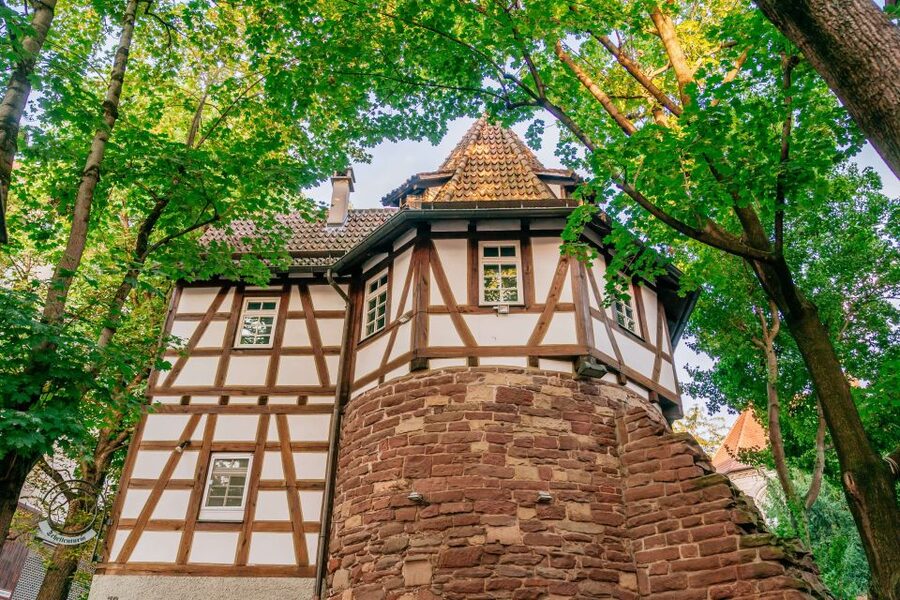
Stuttgart is often reduced to cars, traffic, and business. The Bean District gives you a different picture. This old quarter sits near the center, yet its narrow lanes and inner courtyards can feel removed from the main city flow.
The name comes from the sixteenth century, when poorer residents lived here and relied heavily on beans as a basic food. That detail gives the neighborhood a plain, human beginning. You are not just looking at attractive old buildings. You are seeing a part of Stuttgart shaped by ordinary work, limited means, and a simple staple food.
The district has changed. Renovations have repaired and refreshed many buildings, while small businesses have moved into the streets. Still, the area has kept enough of its earlier character to make a guided walk worthwhile. I like this balance. The quarter is not presented as a preserved museum piece, since you will also see modern cafés, fashion shops, bars, and antique stores.
This is the sort of outing that helps you understand how Stuttgart works at street level. You get architecture, local stories, food, and a sense of how an older neighborhood has adapted to current city life.
More Walking Tours in Stuttgart
- Stuttgart: Guided Ghost Walking Tour
★ 4.5 · 662 reviews - Stuttgart: City Highlights – Guided Walking Tour
★ 4.7 · 189 reviews - Stuttgart: Private Guided Circular City Walk
★ 4.7 · 129 reviews
Starting at Restaurant Amadeus
The meeting point is the Biergarten at Restaurant Amadeus. That gives you a clear place to begin, though you should allow enough time to find the restaurant and locate the beer garden area before the scheduled start.
The tour runs for two hours, so punctuality matters. A walking tour with several stops can lose useful time if the group waits for late arrivals. Wear comfortable shoes and clothes, as requested, since the route leads through narrow streets and requires steady walking.
No transportation is included or needed during the activity. The value here is in moving at street level, where you can notice building fronts, lane widths, shop windows, and small courtyards that would be easy to miss from a vehicle.
The listing does not give a group size or a precise route. That means you should think of this as a guided neighborhood introduction rather than a fixed monument-to-monument tour. The exact order of streets and stops may vary.
Walking the narrow lanes and old courtyards
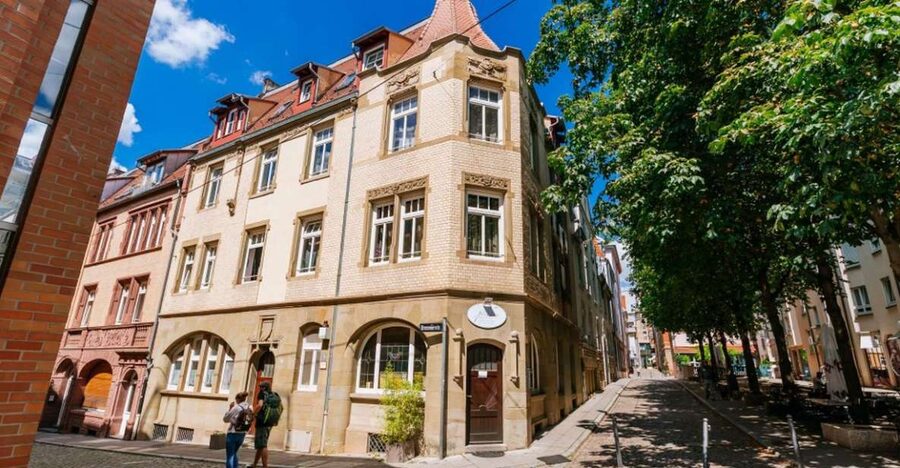
The first part of the experience centers on the physical character of the Bohnenviertel. Expect narrow lanes, historic buildings, and characteristic courtyards rather than grand squares or major landmarks.
That is part of the appeal. The district rewards close attention. Look up at façades, watch for entrances, and notice how the lanes connect. Your guide’s stories help turn these details into a readable picture of the quarter.
The courtyards are especially important. They offer a glimpse of the spaces behind the street façades, where the neighborhood’s older layout becomes easier to understand. Access can vary, however. One person who had taken the tour before was disappointed that some rear courtyards and workshops were no longer available to visit. You should not assume every courtyard is open or that you will enter all the working spaces behind the buildings.
That limitation does not cancel the value of the walk, but it is useful to know. If seeing private or semi-private interiors is your main goal, this may not always meet your expectations. If you enjoy the overall street pattern, exterior architecture, and stories tied to the neighborhood, the experience remains more dependable.
Bring your phone or camera if you like taking photographs. The compact lanes, old buildings, and courtyards provide plenty of small-scale subjects. The photo opportunities are about texture and atmosphere, not sweeping city views.
Shops, cafés, bars, and antique finds
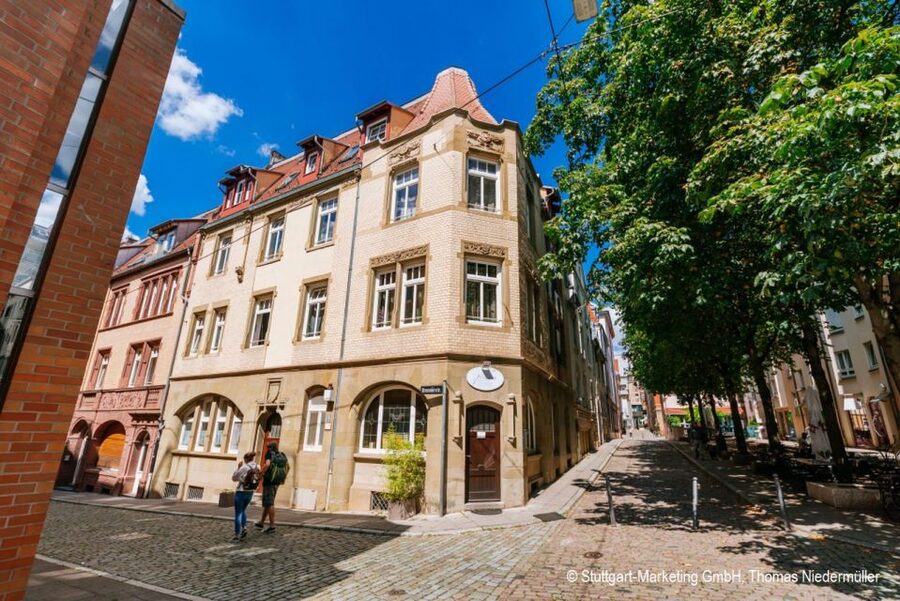
The Bohnenviertel is not only old stone and local history. Its current identity comes from a colorful collection of small businesses.
As you walk, you can spot small fashion boutiques, antique shops, cafés, and distinctive bars. These places help explain why the district feels active without losing its older shape. A shop window may tell you as much about today’s neighborhood as an old façade tells you about its past.
The tour is useful here because a guide can point out the character of the area instead of leaving you to wander without context. You will hear stories while moving through the streets, and the combination of sights, sounds, smells, and food makes the outing more rounded than a basic architecture walk.
Still, this is not a dedicated shopping tour. The available information does not promise time to browse inside each business, nor does it list particular shops by name. Treat the boutiques and antique stores as part of the neighborhood setting, not as scheduled shopping stops.
If you find a shop or café you like, make a note of it and return later. The two-hour schedule is designed to keep the group moving. You may not have time to stop for a long coffee or examine every antique display during the guided portion.
More Food Tours:
- Stuttgart: Stuttgart Wine Museum Wine Tasting
★ 4.7 · 55 reviews - Stuttgart: Guided Wine Walk & Wine Tasting
★ 4.6 · 28 reviews - Cologne: Brewery Tour with 3 Kölsch Beer Tastings
★ 4.7 · 3,108 reviews - Hamburg: St. Pauli Highlights Guided Tour with Beer for 18+
★ 4.7 · 2,353 reviews
A guide who adds humor and local color
The guide can make or break a neighborhood tour. In this case, Norman Stümpfig receives especially strong praise for his engaging anecdotes, humor, and clear delivery. One description also singled out his wonderful voice, an underrated advantage when you are walking with a group and trying to follow a story in an active street setting.
His approach appears to combine facts with a relaxed manner. That matters because a district like this is best understood through small details, not a long list of dates. Stories about daily life, changes to the area, and facts beyond standard schoolbook history can help the neighborhood feel more real.
Other feedback also praised the guide’s pacing. A steady tempo is important on a two-hour walk. You want enough time to look around and listen without feeling rushed from one stop to the next.
Norman is not the only possible guide. A highly positive account also praised a well-informed and humorous female guide, but no name was provided. The experience is offered in German, so your enjoyment will depend heavily on your ability to understand spoken German.
If you speak German comfortably, the language can add a natural local feel. If you do not, this is not the right choice unless you have a strong reason to join a German-language tour. The information provided does not mention an English option, written translations, or audio support.
Tasting Swabian food at the end
The included Swabian appetizer plate is one of the best reasons to choose this tour over a simple neighborhood walk. At the end, you get a selection of local foods rather than only a verbal introduction to regional cooking.
The plate is described as a variety of Swabian appetizers. The exact items are not specified, so you should not book this expecting one particular dish. Think of it as a small tasting that lets you sample local flavors after hearing how the district developed.
That format suits the tour well. Swabian cooking is often associated with filling, practical food, and the appetizer plate connects nicely with the district’s story of humble ingredients and everyday life. It also gives you a chance to pause after walking through the lanes.
The food has received strong praise, including comments that it was very tasty. I would still plan another meal if you are hungry. This is an appetizer plate, not a full lunch or dinner, and drinks are not included.
You should also consider dietary needs before booking. The supplied information does not list ingredients, vegetarian choices, allergy handling, or substitutions. If those details matter to you, ask the provider before reserving.
Is $42 a fair price?

At $42 per person, the cost is reasonable if you value a live guide and a local food sample. You are paying for two hours of guided walking, neighborhood interpretation, and the included Swabian plate, not for transportation or a major attraction ticket.
The value is strongest for first-time visitors who might otherwise walk past the Bohnenviertel without understanding its past or current character. A guide helps you connect the beans, the old buildings, the courtyards, and the modern shops into one story.
The price is less attractive if you only want to stroll independently or if you speak little German. You can see the streets without joining a tour, and you will need to pay separately for drinks. The experience earns its keep through the guide’s storytelling and the food, so language fit is central.
A 4.6 rating from 40 reviews suggests a strong overall response, with repeated praise for the guides, food, pacing, and fresh view of Stuttgart. There is also a useful note of caution about reduced access to some rear courtyards. I would regard that as a possible route variation rather than a reason to reject the tour outright.
Who will enjoy this walk most?
I would recommend it to you if you want a short, local introduction to Stuttgart that goes beyond the city’s best-known subjects. It suits couples, solo visitors, and small groups who enjoy history in ordinary streets rather than only famous monuments.
It is also a good fit if you want to pair sightseeing with food. The appetizer plate adds a clear regional element and may help you decide what Swabian dishes to seek later in your trip.
The tour may suit returning visitors especially well. If you have already seen Stuttgart’s central sights, the Bean District offers a different angle. One strong account described discovering quiet places only a few meters from the city center and leaving with a much better opinion of Stuttgart. That is exactly the kind of change a good local walk can provide.
You should think twice if you need an English-language guide, dislike walking, or want a full meal. The route requires comfortable shoes, the duration is fixed at two hours, and no alternative language is listed.
Planning the rest of your day around it
The two-hour length makes this easy to fit into a Stuttgart schedule. You can place it before another sightseeing activity, after a morning in the city center, or near a meal break. Because the food is an appetizer plate, do not treat it as your only planned meal unless you are comfortable eating lightly.
The meeting point at Restaurant Amadeus may also help you organize your timing, but the information provided does not say how long you will spend there before or after the walk. Drinks are extra, so budget accordingly if you want something to drink with the food.
I would wear shoes with good comfort for walking and clothing suited to the day. The district’s lanes are the focus, and you will get more from the experience if you can pay attention to the guide instead of thinking about sore feet.
The provider allows free cancellation up to 24 hours before the start for a full refund. You can also reserve now and pay later, which is useful if your Stuttgart plans are still shifting. Starting times depend on availability, so check the schedule before building the rest of your day around it.
My verdict on the Bean District tour
Book this tour if you want a German-language, two-hour introduction to local Stuttgart life with history, small businesses, old courtyards, and a Swabian tasting plate. The strongest reasons to go are the compact route, the food, and the guides’ reported warmth and humor, especially Norman Stümpfig.
Skip it if you need English guiding, a substantial meal, or guaranteed access to every courtyard and workshop. For everyone else, $42 is a fair price for a focused neighborhood walk that can change Stuttgart from a city of traffic and cars into a place of quiet lanes, everyday stories, and good food.
FAQ
Where does the Bean District walking tour meet?
Meet your guide at the Biergarten of Restaurant Amadeus.
How long does the Stuttgart Bean District tour last?
The walking tour lasts two hours.
What language is the tour conducted in?
The live tour guide speaks German. No other language is listed.
Is food included in the tour price?
Yes. A Swabian appetizer plate is included. Drinks are not included.
What should I wear or bring?
Bring comfortable shoes and wear comfortable clothes suitable for walking.
Can I cancel the booking for a refund?
Yes. You can cancel up to 24 hours in advance for a full refund. The activity also offers a reserve-now, pay-later option.
More Walking Tours
- Stuttgart: Stäffele Guided Walking Tour
★ 4.8 · 61 reviews - Stuttgart : Guided Walking Tour With A Guide (Private Tour)
★ 4.5 · 20 reviews - Discover Berlin Half-Day Walking Tour
★ 5.0 · 9,624 reviews - Berlin: Third Reich and Cold War 2 Hour Walking Tour
★ 4.9 · 6,830 reviews
Just added around Stuttgart
- Stuttgart: Landesmuseum Württemberg Old Castle Entry Ticket★ 4.5 · 15 reviews
- Stuttgart: Winter Sunday Brunch Buffet★ 4.6 · 16 reviews
- Stuttgart : Guided Walking Tour With A Guide (Private Tour)★ 4.5 · 20 reviews
- Stuttgart: Exklusive Floßboote Finne & Fischle★ 4.5 · 23 reviews
- Premium wine hike Stuttgart with games and winemaker’s snack★ 4.7 · 26 reviews
- Stuttgart city library – an architectural tour★ 4.4 · 27 reviews
- Stuttgart: Guided Wine Walk & Wine Tasting★ 4.6 · 28 reviews
- Stuttgart: Karlshöhe Crime Mystery Tour★ 4.6 · 34 reviews
Walking Tours, compared.



Berlin’s Best: 2 Hour Walking Tour Third Reich and the Cold War
Read our review →
Third Reich Berlin: Hitler and WWII Walking Tour
Read our review →Browse the lists this tour appears in