
Reviewed · THIRD REICH & WWII TOURS
Nazi Berlin and the Jewish Community Tour
Nazism leaves clues everywhere. This three-hour Berlin tour connects those clues, from Hitler’s rise in 1933 to the persecution of Jewish Berliners and the German resistance. I like the clear link between political power and personal lives, and I especially like the visit to the Otto Weidt Workshop for the Blind, a small site with a deeply human story. The main drawback is that you need an AB public transport ticket in addition to the tour price.
I also like the range of places covered for $27. You see the German Resistance Memorial, Anhalter Bahnhof, the New Synagogue, the old Jewish quarter, and the former workshop in one compact route. The pace is purposeful rather than leisurely, so comfortable shoes and careful attention will help.
In This Review
- Key points to know before you book
- Why this tour gives Berlin’s Nazi past a wider frame
- Hitler’s rise and the Nazi headquarters area
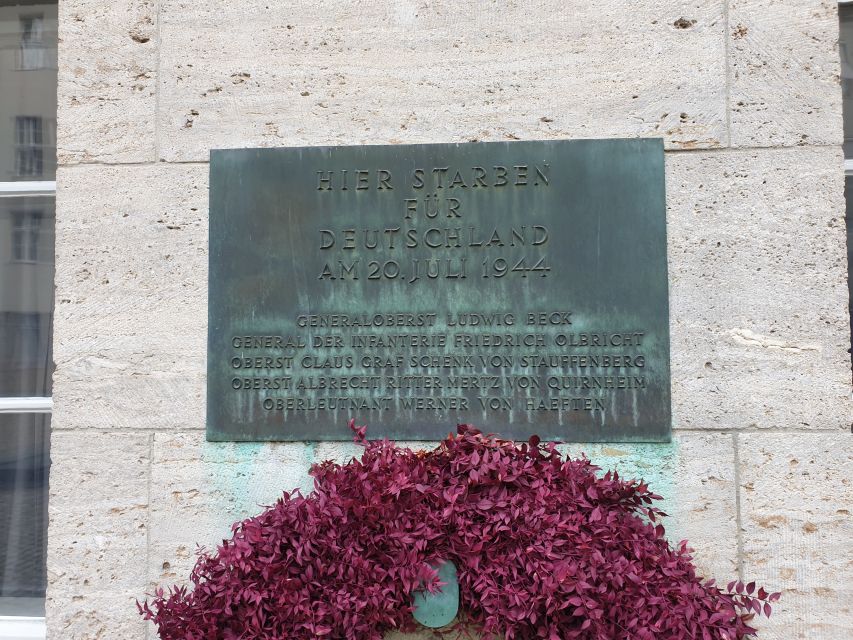
- The German Resistance Memorial and Operation Valkyrie
- Anhalter Bahnhof and the marks of wartime Berlin
- The story of Varian Fry and rescue from Nazi Europe
- Operation T4 and the machinery of Nazi murder
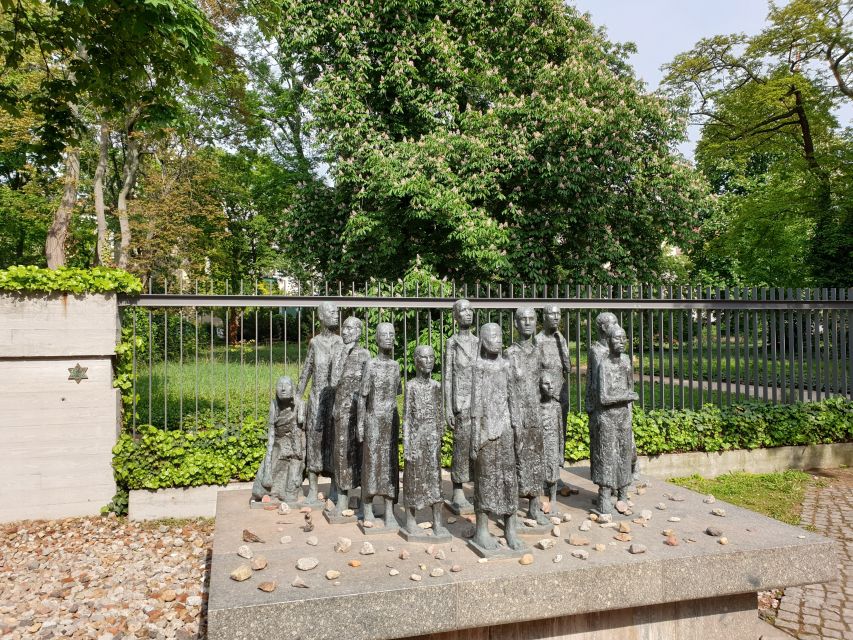
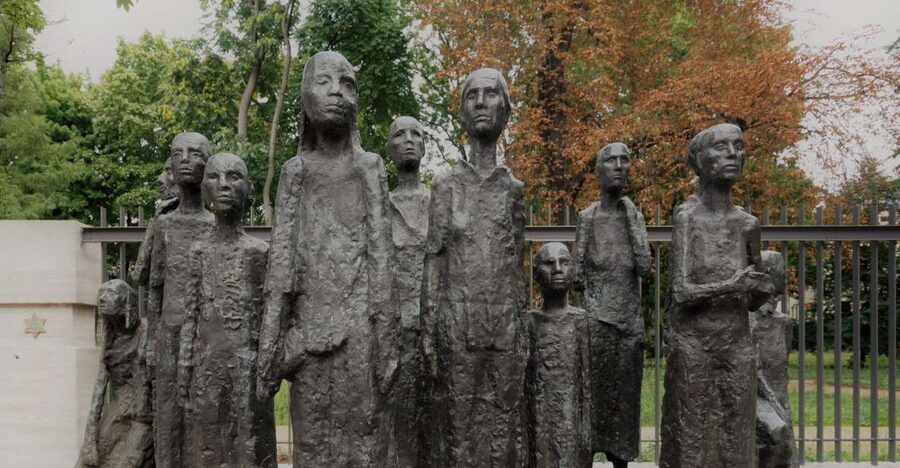
- The old Jewish quarter and the New Synagogue
- The Otto Weidt Workshop for the Blind
- What the $27 price really includes
- Who will get the most from this three-hour route
- Should you book Nazi Berlin and the Jewish Community Tour?
- FAQ
- How long does the Nazi Berlin and the Jewish Community Tour last?
- What languages are available?
- What is included in the price?
- Do I need a public transport ticket?
- Where does the tour start?
- Where does the tour finish?
- Is the tour wheelchair accessible?
- What should I bring?
- Can I cancel the booking?
Key points to know before you book
- A three-hour route across several parts of Berlin: The tour uses public transport to connect Nazi headquarters, resistance sites, and the old Jewish district.
- The Otto Weidt story gives the tour a personal focus: You finish at a museum dedicated to a man who protected Jewish workers from persecution and deportation.
- The German Resistance Memorial adds needed complexity: The tour looks beyond the usual story of total German support for Hitler and explains organized opposition.
- The New Synagogue reveals Jewish Berlin before the Nazi period: Its golden dome and long community history provide important context before the deportations.
- French and Italian are the available guide languages: This matters if you want a detailed explanation in one of those languages.
- The public transport ticket is extra: You need an AB all-day ticket, so add that cost when judging the total value.
Why this tour gives Berlin’s Nazi past a wider frame
Many Berlin history tours focus on Hitler, the war, and the ruins left behind. This one adds two necessary questions: How did dictatorship become possible, and what happened to the Jewish community that had lived in Berlin for centuries?
The route also gives room to discuss German resistance. That is important because Nazi rule was not simply a story of one leader acting alone. The tour examines the institutions, offices, and people that helped the dictatorship function, then shows those who resisted it.
I appreciate that the program does not treat history as a string of dates. The guide connects Hitler’s rise in 1933 with the later machinery of forced labor, deportation, sterilization, and mass murder. You get a picture of how persecution grew through government decisions and daily enforcement.
The subject matter is difficult. This is not a light sightseeing walk, and the tone should be serious. Still, the route includes enough variety to keep the three hours from becoming one long lecture. You move between memorials, historic streets, a synagogue, a railway site, and a museum.
More Third Reich & WWII Tours in Berlin
- Berlin: Third Reich and Cold War 2 Hour Walking Tour
★ 4.9 · 6,830 reviews - Berlin’s Best: 2 Hour Walking Tour Third Reich and the Cold War
★ 5.0 · 5,486 reviews - Third Reich Berlin: Hitler and WWII Walking Tour
★ 5.0 · 3,301 reviews
Hitler’s rise and the Nazi headquarters area
The first part of the tour deals with the political foundations of Nazi rule. You learn how Hitler’s rise to power in 1933 became possible and how the dictatorship developed its control over German society.
The exact starting point depends on the option you book, so check the meeting details carefully. Once the tour begins, the guide places nearby buildings and memorials into the story of Nazi administration and wartime command.
This section is valuable because Berlin often presents Nazi history through dramatic remains, but the real subject is power. The tour asks you to consider how a government changes laws, controls institutions, and turns prejudice into official policy.
A good guide can make this part especially useful by explaining what happened before the war, not only what happened during it. The supplied information emphasizes the political changes of 1933, so you should expect context on the establishment of the dictatorship rather than a simple march through military history.
The tour also passes ruins that still carry scars from World War II fighting. These damaged structures help you picture Berlin during the final days of the war, leading to Germany’s surrender in May 1945. They are not just old walls. They show how the city’s political center became a battlefield.
The German Resistance Memorial and Operation Valkyrie
The German Resistance Memorial is one of the strongest stops on the route. It marks the site from which Operation Valkyrie was directed and now honors Germans who opposed and fought against Nazism.
The memorial gives the tour a needed change of angle. You hear about people who rejected the regime, including those involved in organized attempts to remove Hitler. The guide can explain how resistance took different forms, from military opposition to individual acts of protection.
Do not expect this stop to suggest that resistance was widespread or easy. Its value comes from showing that the choices available under dictatorship were varied and dangerous. Some people complied, some benefited, some stayed silent, and some took serious risks to oppose the regime.
The scheduled guided explanation here lasts about 20 minutes. That is enough time to understand the site, though anyone wanting a full study of German resistance will need a separate museum visit. For this tour, the memorial works well as a focused introduction.
I find this stop particularly useful for families and students because it complicates a common assumption: that all Germans accepted Nazi rule. The memorial does not erase the scale of complicity, but it makes room for courage and moral choice.
Anhalter Bahnhof and the marks of wartime Berlin
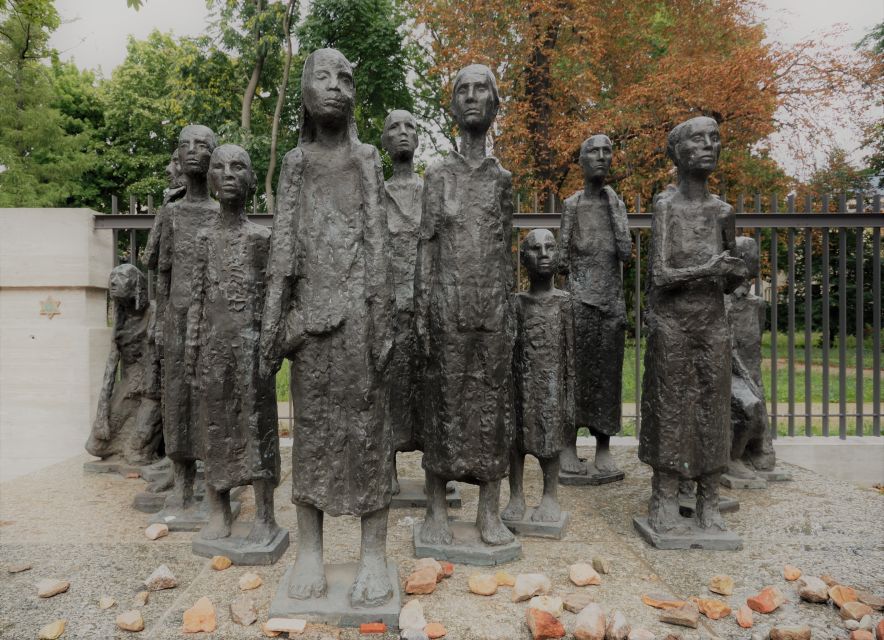
The route includes Anhalter Bahnhof, once one of Berlin’s major railway stations. Today, the surviving structure and its damaged surroundings point to a city reshaped by war.
The stop is brief, about 10 minutes of guided touring, so expect a concise explanation rather than a long exploration. Its role is to connect the wider war with the physical remains around you.
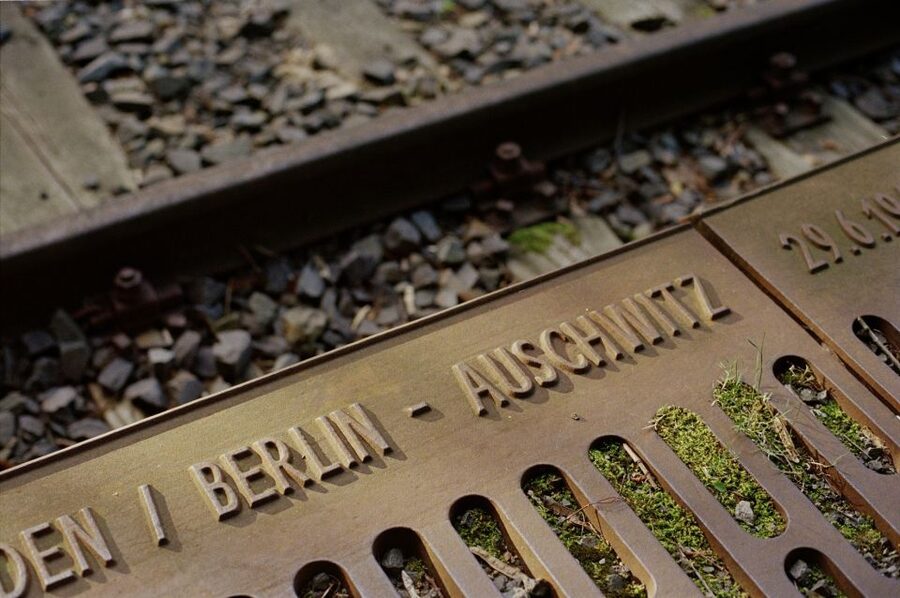
Railway sites are especially important in any study of Nazi persecution because trains were used in deportations across occupied Europe. The information provided for this tour places Anhalter Bahnhof within the story of wartime Berlin, while the Jewish quarter later brings the deportation of Berlin Jews into sharper focus.
The public transport between sites is part of the experience. One segment uses a bus or coach for about 10 minutes, and another uses a train for about 10 minutes. This keeps the route practical, but it also means the tour is not a continuous walking circuit. You will need to stay with the group and keep your ticket ready.
That movement through modern Berlin can be sobering. Cafes, offices, traffic, and ordinary city life surround places linked to dictatorship and war. The contrast is part of what makes a history tour here so powerful.
Something different for another day:
- Berlin: Reichstag, Dome and Government District Guided Tour
★ 4.7 · 18,288 reviews - Berlin: 1-Hour City Tour by Boat with Guaranteed Seating
★ 4.3 · 16,993 reviews - Berlin: Boat Tour Along the River Spree
★ 4.4 · 11,252 reviews - Discover Berlin Half-Day Walking Tour
★ 5.0 · 9,624 reviews
The story of Varian Fry and rescue from Nazi Europe
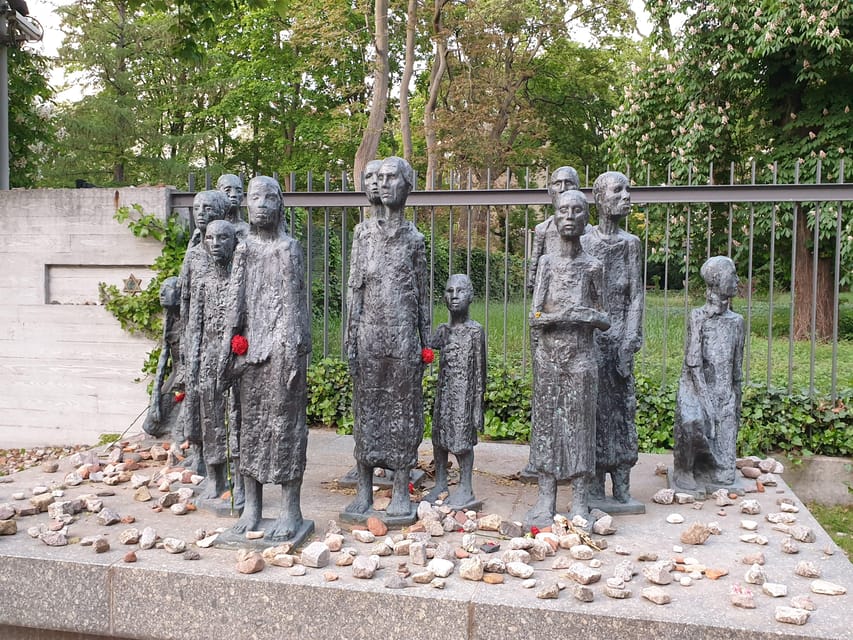
One of the less familiar memorials on the route honors Varian Fry, an American journalist who helped more than 3,000 persecuted Jews escape Nazi-occupied Europe.
His rescue work included helping people such as painter Marc Chagall, philosopher Hannah Arendt, and writer Heinrich Mann. These names make the story memorable, but the larger point is more important: escape often depended on networks of people willing to forge documents, arrange transport, find hiding places, and take personal risks.
This stop adds an international element to the Berlin story. Nazi persecution crossed borders, and efforts to save people did too. You are encouraged to think about the practical work behind rescue, rather than seeing survival as a matter of luck alone.
The information provided does not give the exact length of this stop, so the guide may fit it into the broader route according to time and group needs. Treat it as an important piece of context rather than a separate museum visit.
Operation T4 and the machinery of Nazi murder
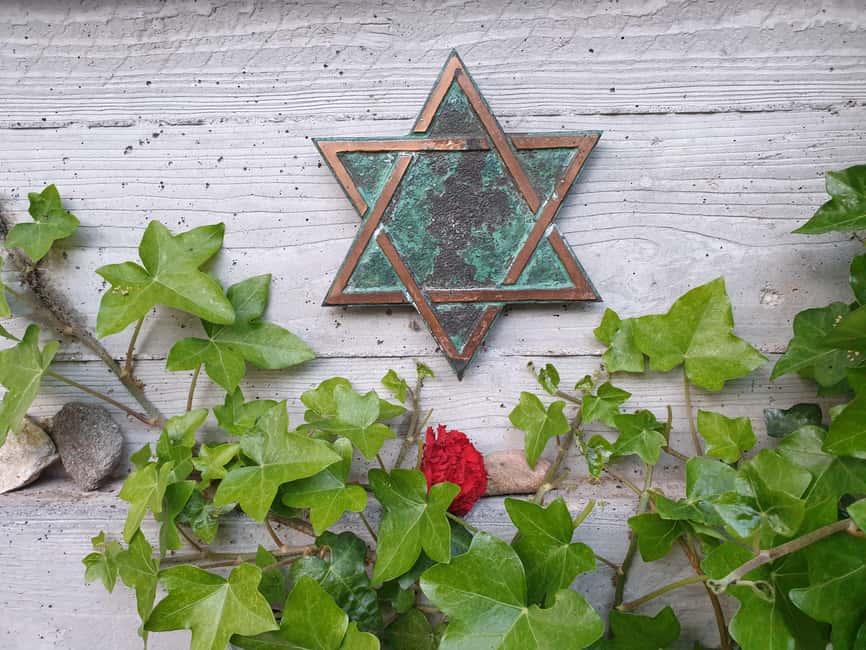
The tour also visits the former command center of Operation T4. From there, the SS planned the extermination and sterilization of tens of thousands of disabled citizens.
This is one of the most difficult subjects on the route. It shows that Nazi mass murder was not improvised at the end of the war. Policies of sterilization and killing were planned, organized, and carried out through official systems.
The stop matters because it expands the discussion beyond Jewish persecution, while still showing how different Nazi crimes were connected by the same ideology and administrative machinery. People with disabilities were targeted as supposedly unfit, and the program helped develop methods later used on a much larger scale.
I value the inclusion of Operation T4 because many short Berlin tours leave it out. You should be prepared for a direct discussion of state violence and medical abuse. The guide’s job here is to explain the site clearly without turning the subject into spectacle.
The old Jewish quarter and the New Synagogue
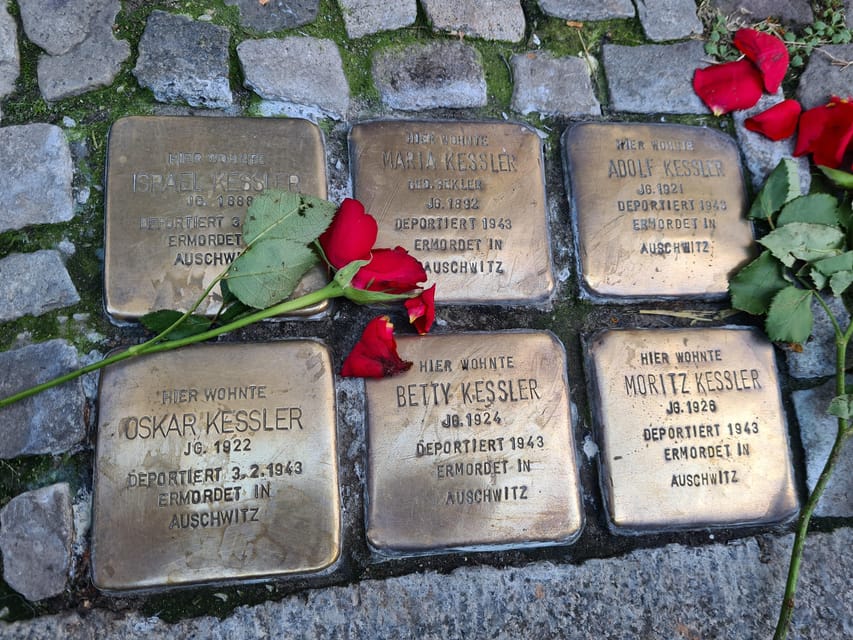
After the Nazi headquarters and resistance sites, your guide takes you by public transport to the historic district of Berlin’s Jewish community. This shift is central to the tour.
You learn about the long presence of Jewish Berliners before the Nazis came to power. That earlier history matters. It reminds you that Jewish life in Berlin was not created in response to the Holocaust and did not begin with persecution. It was an established part of the city.
The New Synagogue, with its striking golden dome, is the visual centerpiece of this section. The building dates from the 19th century and is now associated with the Jewish community and the New Synagogue Berlin Jewish Centre.
The scheduled guided visit lasts about 15 minutes. That makes it a brief introduction, not a complete examination of the building or Jewish life in Berlin. Still, the synagogue helps you understand the scale and visibility of the community before Nazi rule.
From there, the guide explains forced labor and the deportation of Berlin Jews during World War II. This is where the earlier political discussion becomes personal. Laws and institutions stripped people of rights, forced them into labor, and eventually moved them out of the city toward death camps.
The old Jewish quarter is best approached with patience. Modern streets can make it hard to picture what once existed, and not every trace is obvious. The guide provides the links that buildings alone cannot.
The Otto Weidt Workshop for the Blind
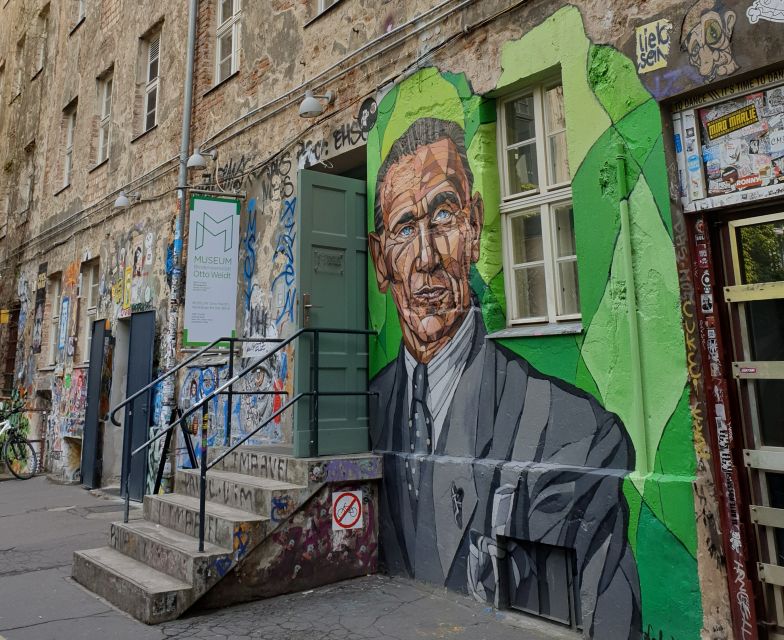
The tour ends at the Museum Blindenwerkstatt Otto Weidt, also called the Otto Weidt Workshop for the Blind. This small museum tells the story of Otto Weidt, a Righteous Among the Nations who tried to protect his Jewish workers from persecution and deportation.
Weidt operated a workshop that employed blind and deaf Jewish people. As the danger increased, he found hiding places for some of them, including a space on the premises of what is now the museum.
This is a fitting final stop because it brings the subject down to individual decisions. Earlier sites explain political systems and military resistance. Here, you see one person trying to protect people directly under his care.
The museum is not just a tribute to a brave individual. It also shows how fragile protection could be. Workers depended on documents, personal relationships, hiding places, and continued willingness to take risks. The story makes clear that rescue was difficult, uncertain, and never guaranteed.
The guided portion is listed at about 15 minutes. That is short, so you may want to return independently if you want more time. Even with a compact visit, the museum gives the tour an emotional center without turning the experience into a simple good-versus-evil story.
What the $27 price really includes
At $27 per person, the tour offers good value if you want a structured introduction to several major themes. A guide leads you through political history, resistance, Jewish life, deportation, and personal rescue in about three hours.
The price includes the tour guide, with French or Italian available. It does not include the AB all-day public transport ticket, which you need for the route. Factor that extra cost into your budget before booking.
The value depends on what you want. If you prefer to spend an hour or more at each museum, this tour will feel too fast. If you want a guided framework before exploring Berlin on your own, it works well.
You are paying less for long museum visits and more for the connections between sites. That can be a smart choice in Berlin, where historical locations are spread across the city and the meaning of one place often becomes clearer after another.
Who will get the most from this three-hour route
I would recommend this tour to you if you want a serious overview and prefer a guide to explain the connections between scattered sites. It suits first-time Berlin visitors who want more than a general war tour, especially those interested in Jewish history and German resistance.
It is also a good fit if you speak French or Italian and want a live explanation in one of those languages. A previous participant specifically praised a guide named Lorenzo as professional, well prepared, and engaging. Guide assignments can vary, so do not assume Lorenzo will lead every departure, but his presence suggests the company can offer a strong human guide experience.
The tour may be less suitable if you dislike public transport during organized activities. The route includes bus or coach and train segments, and the meeting point can vary by booking option. You should check the starting location and allow yourself enough time to arrive.
The tour is wheelchair accessible, but the route uses public transport and several separate sites. If you have specific mobility needs, confirm the practical details at booking. Comfortable shoes are a must, even though the route is not described as a long walking tour.
Free cancellation is available up to 24 hours in advance, and you can reserve now and pay later. Those options help if your Berlin plans are still shifting.
Should you book Nazi Berlin and the Jewish Community Tour?
Book it if you want a concise, serious route that links Nazi power with Jewish Berlin, German resistance, disability persecution, and individual rescue. The New Synagogue gives you the community context, the Resistance Memorial adds moral complexity, and the Otto Weidt Workshop ends the tour with a personal story of protection.
Skip it if your main goal is extended time inside museums or a slow architectural walk. Three hours is enough for an introduction, not a complete study.
For $27, I think the strongest reason to book is the structure. You do not simply see isolated memorials. You follow a story from dictatorship to persecution, resistance, deportation, and rescue, while moving through the actual city where these events unfolded. Add the AB transport ticket, wear comfortable shoes, and arrive ready for a thoughtful rather than cheerful afternoon.
FAQ
How long does the Nazi Berlin and the Jewish Community Tour last?
The tour lasts three hours. Starting times depend on availability and the option selected.
What languages are available?
The live guide is available in French or Italian.
What is included in the price?
The tour guide is included. The required AB all-day public transport ticket is not included.
Do I need a public transport ticket?
Yes. You need an AB public transport ticket for the tour.
Where does the tour start?
The meeting point may vary depending on the option you book. Check the selected option for the exact starting location.
Where does the tour finish?
The activity ends back at the meeting point.
Is the tour wheelchair accessible?
Yes, the activity is listed as wheelchair accessible.
What should I bring?
Bring comfortable shoes. You also need the required AB public transport ticket.
Can I cancel the booking?
Yes. You can cancel up to 24 hours in advance for a full refund. You can also reserve now and pay later.
Just added around Berlin
- Berlin: Private Guided Tour of the Main Sights★ 5.0 · 13 reviews
- Private Highlights of Berlin Bike Tour★ 5.0 · 13 reviews
- Modern Berlin Private Walking Tour: Diverse, Vibrant and Exciting German Capital★ 5.0 · 13 reviews
- Tour in Berlin from Warnemünde and Rostock Cruise Port★ 4.1 · 13 reviews
- Berlin: Stasi Museum Private Guided Tour with Entry Ticket★ 4.8 · 13 reviews
- Private Food Tour Experience with a born and bred Berliner★ 5.0 · 14 reviews
- Berlin: Rheinsberg Palace Entrance Ticket★ 4.8 · 14 reviews
- Berlin in one day – day tour with an expert guide★ 5.0 · 14 reviews
Third Reich & WWII Tours, compared.
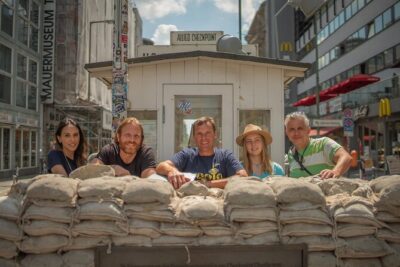
Berlin’s Best: 2 Hour Walking Tour Third Reich and the Cold War
Read our review →
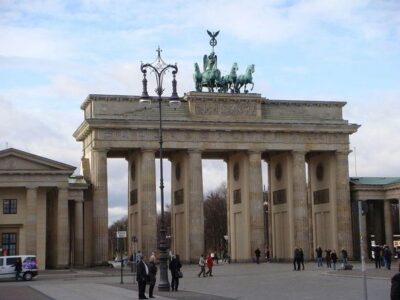
Third Reich Berlin: Hitler and WWII Walking Tour
Read our review →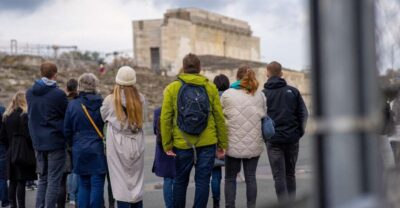
Walking Tour of Former Nazi Party Rally Grounds
Read our review →
Browse the lists this tour appears in