
Reviewed · THIRD REICH & WWII TOURS
Hitler’s Germany: Berlin During the Third Reich & WWII
Berlin’s darkest streets still speak. This four-hour walk links Hitler’s bunker site, the Reichstag, the Holocaust Memorial, and lesser-seen Nazi buildings into one clear story. I like the route’s mix of major sights and easy-to-miss memorials. I also like the guides’ strong command of English and their ability to explain grim events without turning the tour into a dry lecture. The main drawback is simple: you spend four hours outside, and you do not enter any buildings.
At $23 per person, this is a good-value introduction to Berlin under the Third Reich and during World War II. Guides such as Rebecca, Glen, Jonathan N, Emma, Jimmy, Artie, and Amelie have been praised for their storytelling, warmth, and command of detail. Bring sturdy shoes, a public transport ticket, and the right frame of mind for difficult subject matter.
In This Review
- Key points to know before you go
- Why this Berlin history walk works
- Starting with Jewish Berlin and Anhalter Bahnhof
- The former Luftwaffe headquarters
- Gestapo and SS power at the Topography of Terror
- Propaganda, T4, and the Holocaust
- Memorials near the Tiergarten
- Finishing at the Reichstag and the Battle of Berlin
- What the $23 price really buys you
- Weather, walking, and group style
- Who should book this tour?
- Should you book Hitler’s Germany in Berlin?
- FAQ
- How long does the tour last?
- What language is the tour offered in?
- Does the tour enter the bunker or other buildings?
- Is public transport included?
- What places does the tour visit?
- Is a private group option available?
- Can I cancel the tour?
Key points to know before you go
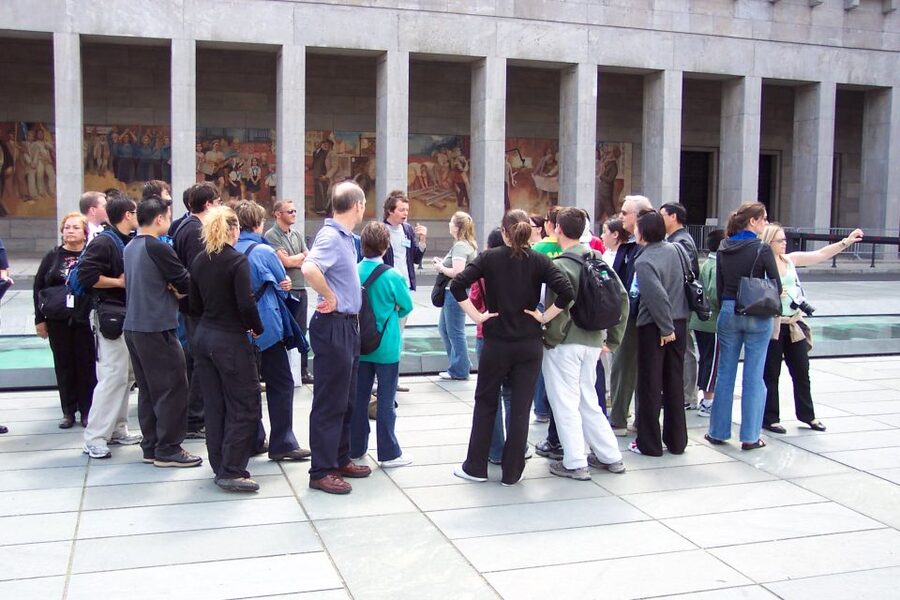
- A four-hour route through central Berlin: You connect Anhalter Bahnhof, the former Nazi government district, the Sinti and Roma memorial, and the Reichstag in one walking itinerary.
- The bunker site is an outdoor stop: You see the location associated with Hitler’s final days, but there is no bunker interior to visit.
- The former Luftwaffe headquarters still looms large: This colossal building offers one of Berlin’s clearest surviving examples of Nazi-era architecture.
- The Topography of Terror area explains Nazi power: The route passes the former Gestapo and SS headquarters, with time for a break near the museum.
- The tour tackles more than battlefield dates: Guides discuss propaganda, the T4 murder program, persecution of Jewish people, and the Holocaust.
- You need public transport money: A single AB ticket is needed for the short metro ride, depending on the route and meeting point.
Why this Berlin history walk works
This is not a tour built around one grand monument. It works by placing Nazi history into the ordinary streets of modern Berlin. You pass office buildings, government buildings, parks, memorials, and open spaces while your guide explains what once occupied those sites and how the city changed under dictatorship and war.
I like that approach because Berlin’s Nazi past is often easy to miss. A plain-looking building may have housed a major ministry. An empty patch of ground may mark a site tied to Hitler’s final days. A memorial may be quiet and understated, asking you to stop rather than supplying a dramatic spectacle.
The route also gives you a useful timeline. You begin with the destruction of Berlin’s nearby Jewish district, move through the machinery of Nazi government and terror, then reach the final battle for the city. That order helps you see how persecution, propaganda, military power, and mass murder fit together.
The subject is heavy, but the guides appear to handle it with care. Several praised guides, including Jonathan N, Jimmy, Rohan, Glen, Quincy, and Artie, are noted for making the material understandable and holding attention for the full four hours. That matters here. A bad guide can reduce this period to a string of dates. A good one shows how policy became action, and how choices affected real people.
More Third Reich & WWII Tours in Berlin
- Berlin: Third Reich and Cold War 2 Hour Walking Tour
★ 4.9 · 6,830 reviews - Berlin’s Best: 2 Hour Walking Tour Third Reich and the Cold War
★ 5.0 · 5,486 reviews - Third Reich Berlin: Hitler and WWII Walking Tour
★ 5.0 · 3,301 reviews
Starting with Jewish Berlin and Anhalter Bahnhof
Your guide meets you in central Berlin. The exact meeting place depends on the option you book, so check your confirmation rather than assuming you will begin at a familiar landmark.
The opening discussion covers Berlin’s Jewish district and the Nazi destruction of Jewish life in the area. This gives the walk a human starting point. Instead of beginning with Hitler’s headquarters or military plans, you first consider the communities that were targeted and dismantled.
You then take a short metro ride to Anhalter Bahnhof. The station was once one of Berlin’s major rail terminals, but World War II left it badly damaged. Today, the remaining facade and the surrounding open space help you picture the scale of wartime destruction without needing a surviving palace or museum display.
This is one reason to carry an AB public transport ticket. It is not included in the $23 price, and the tour uses public transport for this short connection. The ticket is a small extra cost, but it is worth planning for so you are not scrambling at the start.
From Anhalter Bahnhof, the route becomes a walking tour through the former government district. Expect a steady pace, with frequent stops for explanations. The itinerary covers a lot of ground, so comfortable shoes are more useful than stylish ones.
The former Luftwaffe headquarters
One of the most striking outdoor stops is the former headquarters of the Luftwaffe, the German air force led by Hermann Göring. The huge building is one of the best surviving examples of Nazi architecture in Berlin.
You do not enter it, but the exterior makes the point. Nazi architecture often aimed to project control, permanence, and state power. The scale and severity of this building help explain how the regime wanted its institutions to appear: massive, disciplined, and difficult to challenge.
This stop also helps separate the Nazi state from the narrow image of Hitler alone. Your guide can place Göring, the air force, the civil service, and the wider leadership structure into the story. That is useful if your knowledge begins and ends with the familiar names.
The building is still part of modern Berlin, which creates an uneasy contrast. You are not looking at a preserved movie set. You are seeing a working piece of the city connected to a government responsible for war and persecution. The guide’s explanation is essential because the exterior alone cannot tell you what happened there.
Gestapo and SS power at the Topography of Terror
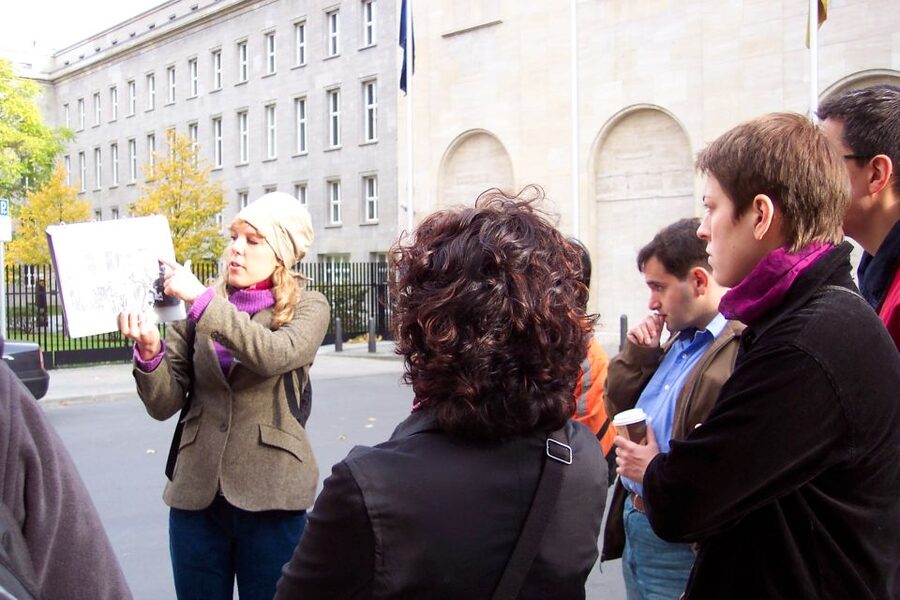
The walk continues to the former Gestapo and SS headquarters. These agencies were central to political repression, surveillance, imprisonment, and terror throughout Nazi-controlled Europe.
The site now houses the Topography of Terror Museum. However, this particular tour does not enter buildings. The itinerary allows for a break in the museum area before the guide continues, but you should not expect an indoor museum visit as part of the tour itself.
That distinction matters. If you want time with documents, photographs, and exhibits, plan a separate visit to the museum. The walking tour gives you the location and the historical explanation, while a museum visit gives you a slower, more detailed look at the evidence.
I like the way this stop shifts the focus from monumental buildings to the practical machinery of dictatorship. The Gestapo and SS were not simply symbols. They were institutions with offices, staff, records, and systems that turned ideology into arrests, deportations, and murder.
The break is also helpful. Four hours of serious history can be tiring, especially in cold or wet weather. A pause gives you time to collect yourself before the tour moves into the Nazi regime’s most disturbing policies.
Something different for another day:
- Berlin: Reichstag, Dome and Government District Guided Tour
★ 4.7 · 18,288 reviews - Berlin: 1-Hour City Tour by Boat with Guaranteed Seating
★ 4.3 · 16,993 reviews - Berlin: Boat Tour Along the River Spree
★ 4.4 · 11,252 reviews - Discover Berlin Half-Day Walking Tour
★ 5.0 · 9,624 reviews
Propaganda, T4, and the Holocaust
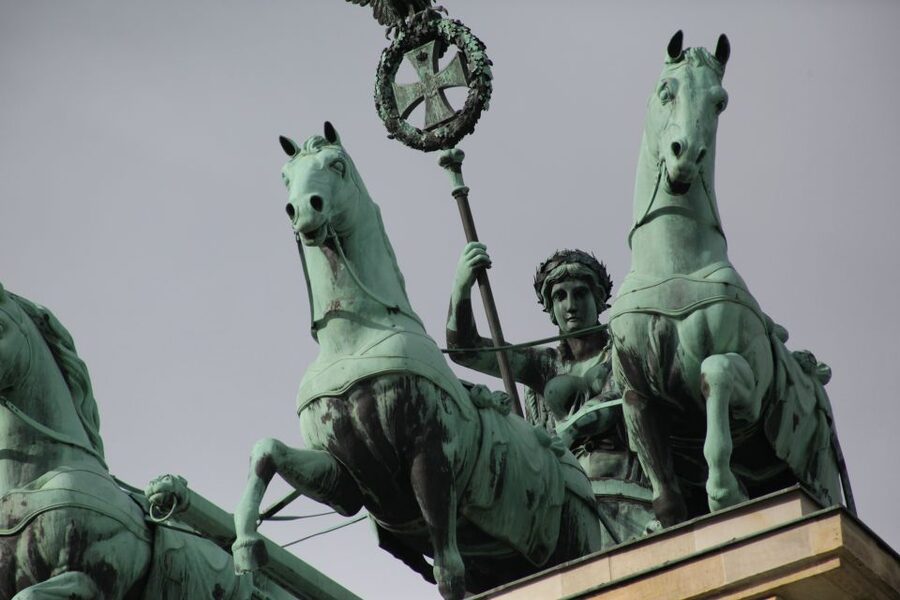
After the break, the guide discusses Joseph Goebbels and the Nazi use of propaganda. This part is important because it shows how the regime shaped public language, information, and emotion before and during the war.
The tour also covers the T4 euthanasia program, the organized murder of people with disabilities. This subject is often left out of basic city tours, yet it reveals the regime’s wider obsession with racial purity, social control, and the removal of people it considered undesirable.
From there, the walk addresses the Holocaust. You should expect a serious explanation rather than a quick mention. The earlier stops give this section a useful framework: the destruction of Jewish life, the growth of state terror, the power of propaganda, and the administrative systems that made mass murder possible.
Several guides have been praised for treating this material with respect while still keeping the group engaged. Amelie, a historian who speaks fluent English, German, and French, has used maps, photographs, and documents to make the changing city easier to understand. That sort of visual aid can be especially useful because so much of wartime Berlin has been rebuilt or altered.
The tour does not turn suffering into entertainment. Some guides use gentle humor to keep the group attentive, but the tone remains serious. If you prefer a light sightseeing walk, this is not the right choice. If you want a clear account of how Nazi rule affected Berlin and its victims, the subject matter is handled with care.
Memorials near the Tiergarten
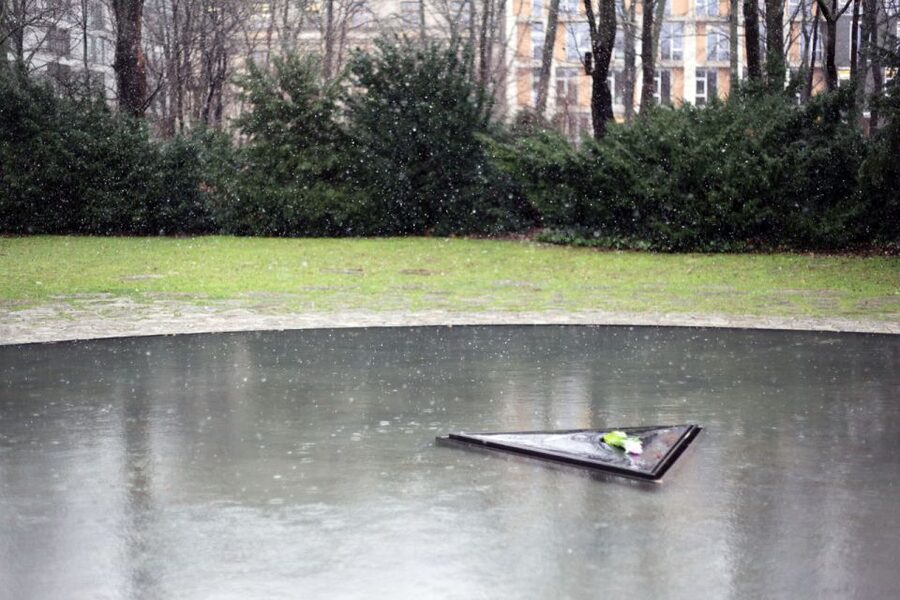
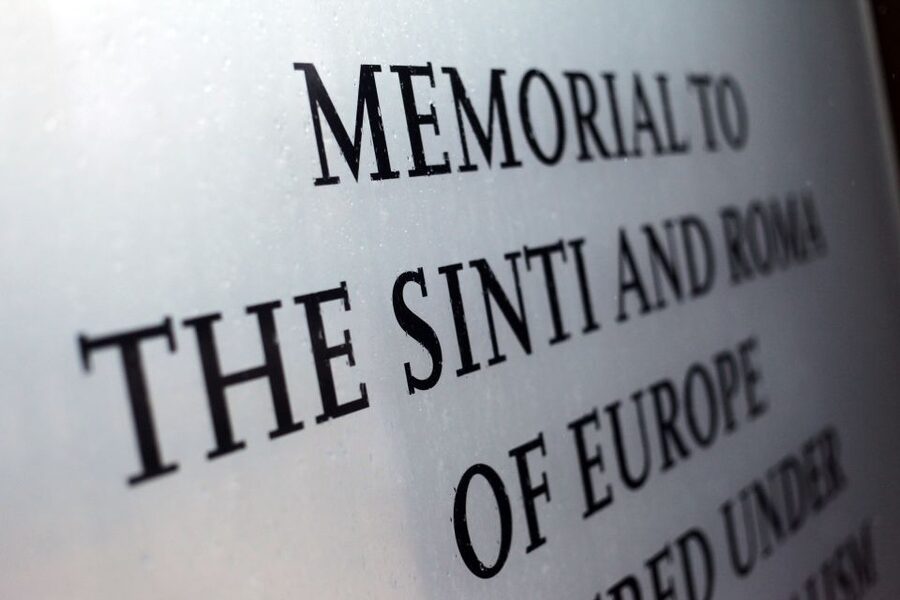
As you move toward the Tiergarten, Berlin’s large central park, the route visits the Memorial to the Sinti and Roma Victims of National Socialism. This is a quieter stop, but an important one. It broadens the story beyond the persecution of Jewish people and shows how Nazi racial policy targeted other groups.
The walk also includes the memorial to 96 politicians arrested by the Nazis as they seized power in 1933. This stop helps explain that the dictatorship did not appear fully formed overnight. Political opponents were identified, detained, and silenced as the Nazis consolidated control.
These memorials are valuable partly because they are not always on a first-time visitor’s route. You might pass nearby without understanding what they mark. A guide gives each place a name, a date, and a human meaning.
Berlin’s memorial culture can feel scattered at first. That is not a flaw in the city so much as a reflection of its difficult past. This tour helps connect separate sites into a story about victims, resistance, political repression, and public memory.
Finishing at the Reichstag and the Battle of Berlin
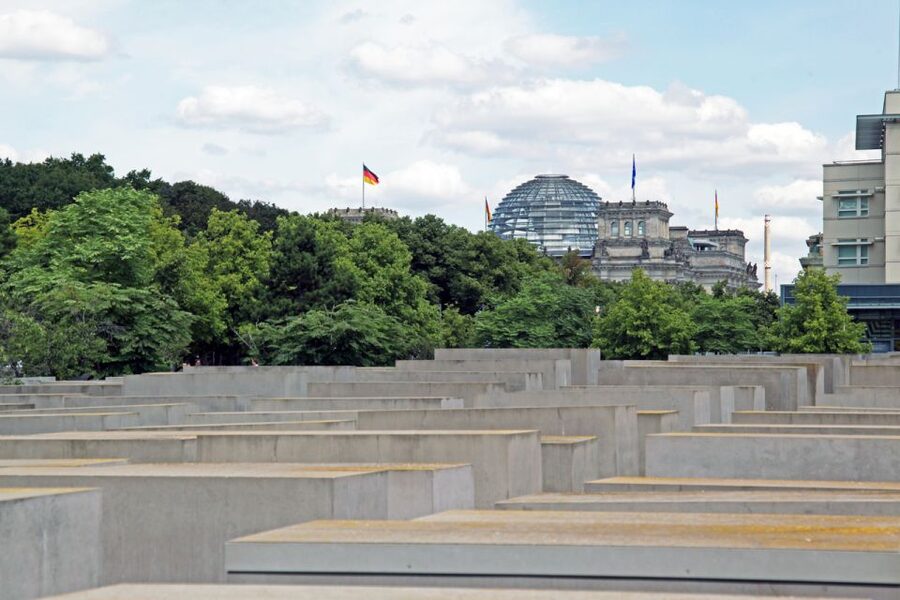
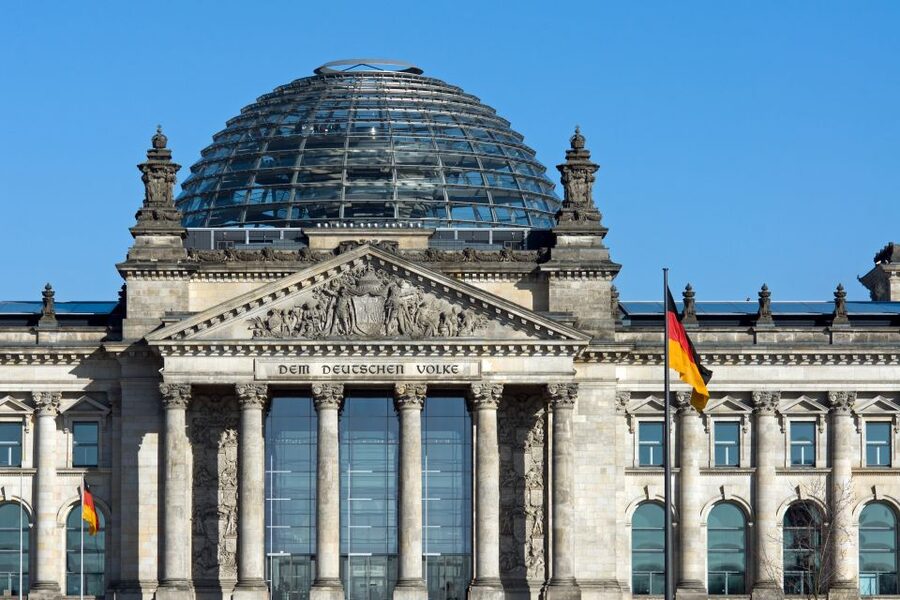
The tour ends in front of the Reichstag, Germany’s parliament building. This is a fitting final stop because the building links the Nazi seizure of power with the destruction of the regime in 1945 and the later return of parliamentary government.
Your guide explains Hitler and Albert Speer’s plan to rebuild Berlin as Germania, a giant imperial capital. The plan was meant to express world power through monumental avenues and huge state buildings. Most of it was never completed, but the idea reveals how architecture and political ambition worked together in Nazi thinking.
The final section covers the Battle of Berlin. Soviet soldiers attacked the Reichstag under anti-aircraft fire while Hitler was in his bunker nearby, preparing to take his own life. The physical distance between the Reichstag and the bunker site makes the ending more immediate. You have walked through the city and can understand that these were not distant, unrelated locations.
The Reichstag is also a strong place to finish because the building’s present purpose contrasts sharply with the regime that once sought to dominate the city. Your guide can help you think about that change without pretending the past has disappeared.
What the $23 price really buys you
At $23, you are paying mainly for context and guidance, not admission tickets. No building entry is included, and a public transport ticket may be required. Still, the cost is low for four hours with an English-speaking guide across central Berlin.
You could walk past some of these sites alone, but you would miss much of what connects them. The former air force headquarters might look like a large government building. The Gestapo site might seem like another urban block. The memorials might not be obvious. The guide turns scattered locations into a route with meaning.
The value is strongest if this is your first serious look at Nazi Berlin. It can also work for repeat visitors. One traveler who had already seen Berlin’s major attractions found the walk revealed memorials and historical points that had previously gone unnoticed.
The 4.8 rating from 476 ratings reflects a strong record, and the praise is remarkably consistent about the guides. Names change from departure to departure, but the repeated strengths are clear: strong subject knowledge, good storytelling, friendliness, and attention to the group.
You should not expect the same guide each time, and individual style will vary. Some guides may use maps or photographs. Others may lean more on stories and questions. The supplied comments praise Rebecca, Glen, Jonathan N, Emma, Padraig, Rohan, Artie, Quincy, Tom, Steve, and others, so the provider has a broad bench of well-regarded guides.
Weather, walking, and group style
The tour runs in all weather and on public holidays. Berlin rain can make four hours outside feel longer, so bring waterproof clothing and shoes with good grip. One guide, Jimmy, even carried spare umbrellas for the group on a wet day, but you should still arrive prepared rather than count on that.
The tour may be shared or private, depending on the option you choose. One small group had nine people, which allowed the guide to speak with individuals and answer questions. A private group gives you more control over the pace and discussion, but the shared option is the lower-cost way to join.
There are no building interiors included, so your experience depends heavily on the guide and the weather. You will need to listen outdoors, sometimes near city traffic or open public spaces. If you have trouble hearing, stay close to the guide and ask questions when needed.
The four-hour length is well judged for the route. It is long enough to cover the major themes without reducing everything to a short overview, yet several people found the time passed quickly because the guides kept the story moving. You will want a break afterward, especially if the weather is poor.
Who should book this tour?
I would choose this walk if you want a serious introduction to Berlin’s Nazi period and World War II sites. It suits adults, history fans, and families with older teenagers. One parent found that even three teenagers stayed interested, which says a lot about the guides’ ability to explain difficult material in a lively way.
It is also useful if you want more than Hitler’s bunker and the Holocaust Memorial. The route adds the Luftwaffe headquarters, the Gestapo and SS site, the Sinti and Roma memorial, and the memorial to the arrested politicians.
I would not choose it if you want indoor shelter, a museum-heavy experience, or a casual city stroll. You also may prefer a shorter tour if four hours of wartime history feels too intense.
Book it early in your Berlin stay if possible. The route gives you a working map of the city’s Nazi-era sites, and you can return later to the Topography of Terror Museum or other memorials with a better sense of where they fit.
Should you book Hitler’s Germany in Berlin?
Yes, if you want a well-priced, serious walking tour led by a guide who can connect Berlin’s streets to the Nazi rise, persecution, war, and collapse. The strongest reason to book is not one single sight. It is the way the route joins major landmarks with less obvious places and explains what you are seeing.
Bring an AB transport ticket, prepare for four hours outdoors, and remember that buildings are viewed from outside. If that suits your plans, $23 buys a thoughtful, unusually useful introduction to one of Berlin’s most difficult chapters.
FAQ
How long does the tour last?
The tour lasts four hours.
What language is the tour offered in?
Live guiding is available in English and German. Native-level English is specifically offered for the expert guides.
Does the tour enter the bunker or other buildings?
No. The tour does not enter any buildings. The bunker site and other locations are viewed from outside.
Is public transport included?
No. A single AB public transport ticket is needed for the tour if required by the route.
What places does the tour visit?
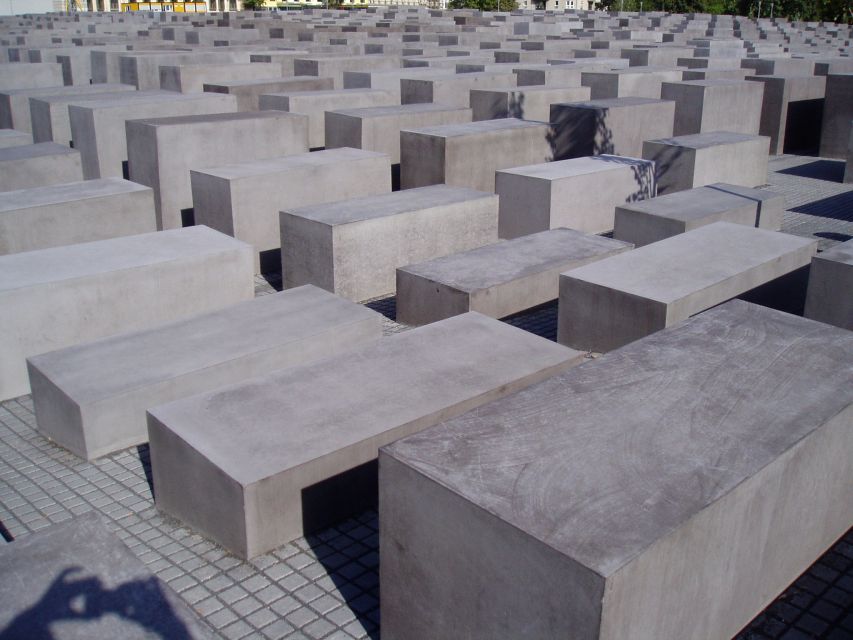
The route includes Anhalter Bahnhof, the former Luftwaffe headquarters, the former Gestapo and SS headquarters near the Topography of Terror Museum, the Memorial to the Sinti and Roma Victims of National Socialism, the memorial to 96 politicians arrested in 1933, and the Reichstag. It also discusses the site of Hitler’s bunker and the Holocaust Memorial.
Is a private group option available?
Yes. You can choose a private group, or join a shared group depending on the booking option.
Can I cancel the tour?
Yes. You can cancel up to 24 hours in advance for a full refund. You can also reserve now and pay later.
Just added around Berlin
- Berlin: Private Guided Tour of the Main Sights★ 5.0 · 13 reviews
- Private Highlights of Berlin Bike Tour★ 5.0 · 13 reviews
- Modern Berlin Private Walking Tour: Diverse, Vibrant and Exciting German Capital★ 5.0 · 13 reviews
- Tour in Berlin from Warnemünde and Rostock Cruise Port★ 4.1 · 13 reviews
- Berlin: Stasi Museum Private Guided Tour with Entry Ticket★ 4.8 · 13 reviews
- Private Food Tour Experience with a born and bred Berliner★ 5.0 · 14 reviews
- Berlin: Rheinsberg Palace Entrance Ticket★ 4.8 · 14 reviews
- Berlin in one day – day tour with an expert guide★ 5.0 · 14 reviews
Third Reich & WWII Tours, compared.
Berlin’s Best: 2 Hour Walking Tour Third Reich and the Cold War
Read our review →
Third Reich Berlin: Hitler and WWII Walking Tour
Read our review →
Walking Tour of Former Nazi Party Rally Grounds
Read our review →
Browse the lists this tour appears in