
Reviewed · WALKING TOURS
Berlin: The Time of National Socialism Walking Tour
Berlin’s darkest stories are written into its streets. This two-hour walking tour connects the Brandenburg Gate, Reichstag, Holocaust Memorial, Hitler’s former bunker site, and wartime government buildings with clear historical context. I especially like the small group limit of 10 and the chance to walk with a native Berliner such as Carlo, whose lively explanations and helpful local tips have earned strong praise. The route also brings you to the Soviet T-34 tanks in Tiergarten, an unusual reminder of the war that many visitors miss.
I also like that the tour includes the German Resistance, not just Hitler and the Nazi leadership. That gives you a fuller picture of Berlin under dictatorship. The main drawback is its serious subject and brisk two-hour schedule. You will be outside in all weather, and the tour is listed in German, so check that the language suits you before booking.
In This Review
- Key points to know before you go
- Why this two-hour walk matters in Berlin
- Meeting at Pariser Platz and the Brandenburg Gate
- The Reichstag and the Nazi seizure of power
- Soviet tanks in the Tiergarten
- The Holocaust Memorial and the space of remembrance
- Hitler’s bunker site and the former New Reich Chancellery
- Resistance at the Johann Georg Elser Memorial
- Detlev-Rohwedder-Haus and the former government quarter
- Finishing at the Topography of Terror
- Group size, language, and pace
- Is $43 a fair price?
- Who should book this Berlin history walk?
- Should you book it?
- FAQ
- How long does the Berlin National Socialism walking tour last?
- Where does the tour meet?
- Where does the tour finish?
- What language is the live tour conducted in?
- Is the tour wheelchair accessible?
- How many people can join the tour?
- Does the tour operate in bad weather and on public holidays?
Key points to know before you go
- Start at Brandenburg Gate: The meeting point is outside S+U Brandenburger Tor, exit B, beside Pariser Platz.
- Follow a focused Nazi-era route: The walk links major sites from Brandenburg Gate to the Topography of Terror.
- See wartime traces in plain sight: Soviet T-34 tanks and artillery remain at the Tiergarten memorial.
- Learn about resistance as well as repression: The Johann Georg Elser Memorial adds an important personal story.
- Expect a small group: The tour is limited to 10 people and lasts about two hours.
- Plan for outdoor conditions: Wear suitable walking clothes, since the tour runs in all weather and on public holidays.
Why this two-hour walk matters in Berlin
Berlin offers plenty of grand monuments, but the Nazi period can be hard to understand from isolated plaques and museums. This tour helps you connect the places. You begin at the Brandenburg Gate, pass through the government quarter, reach the former center of Nazi power, and finish near the Topography of Terror, where the machinery of persecution is explained in greater detail.
I find that order useful. It moves from public spectacle to political power, then to war, mass murder, resistance, and the police state. You are not simply ticking off famous buildings. You are following how a dictatorship used the capital, its streets, and its institutions.
The subject is painful, and the guide’s approach matters. Carlo, also called Carlos in some tour information, receives repeated praise for explaining difficult material with energy, clarity, and a strong sense of context. One especially useful feature is his willingness to answer questions and offer further Berlin suggestions after the formal walk ends.
The tour is conducted in German. It is described as a guided city walk with a professional, certified, multilingual guide, but the specific live-tour language is German. If you need English, confirm availability before reserving.
More Walking Tours in Berlin
- Discover Berlin Half-Day Walking Tour
★ 5.0 · 9,624 reviews - Berlin: Third Reich and Cold War 2 Hour Walking Tour
★ 4.9 · 6,830 reviews - Berlin: Discover Berlin Walking Tour
★ 4.9 · 5,998 reviews
Meeting at Pariser Platz and the Brandenburg Gate
The walk begins at Call a Bike, directly at the exit of S+U Brandenburger Tor, exit B, in the direction of Pariser Platz and Straße des 17. Juni. Look for the guide holding the Get Your Guide, You in Berlin flag. This is a busy central area, so arriving a little early should make the meeting easier.
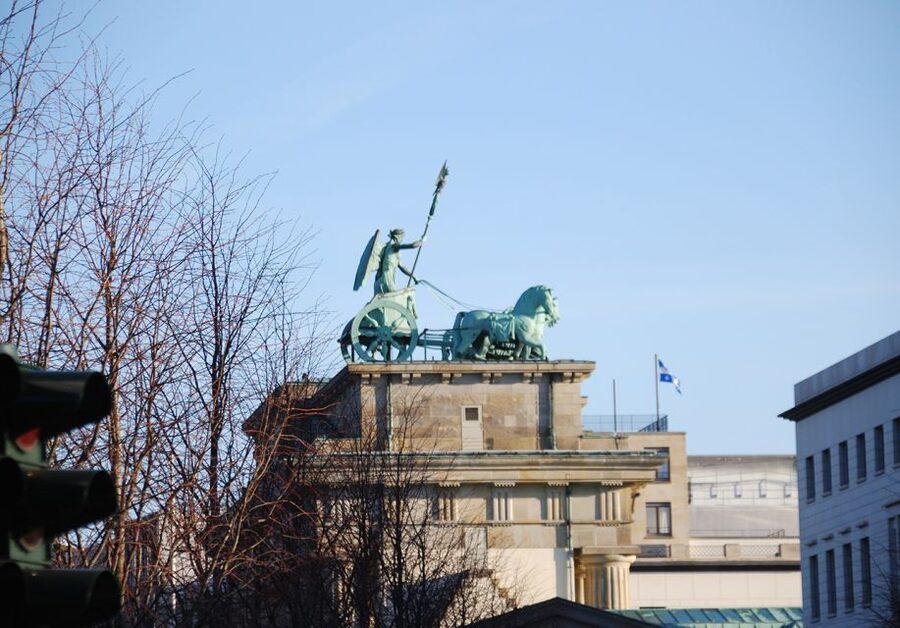
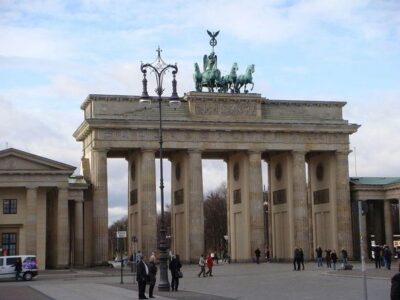
Pariser Platz is more than a pretty square for photographs. The Brandenburg Gate became a major symbol in Nazi propaganda and was used for political marches during the National Socialist period. Your guide sets the gate within that setting, showing how a familiar civic monument could be turned into a backdrop for power.
I like beginning here because Berlin’s later memorial culture is easier to understand once you see the older use of public space. The gate is elegant, famous, and heavily photographed. The tour asks you to look past the postcard view and consider how governments shape the meaning of a place.
There is no indoor shelter built into this opening portion, so your clothing matters. In January, icy streets and bitter cold can make the route harder. Carlo received special praise for taking care with footing during a cold, slippery walk, but sensible shoes remain your responsibility.
The Reichstag and the Nazi seizure of power
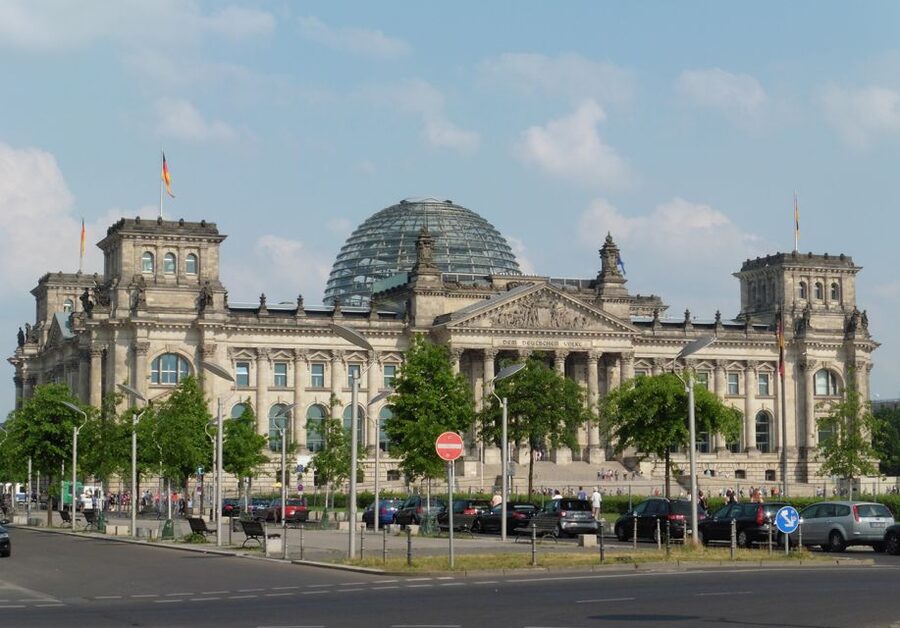
From the Brandenburg Gate, you walk toward the Reichstag, now the home of Germany’s Parliament. The building is important not only because of its architecture and present-day role, but because the Nazi Party, the NSDAP, and Adolf Hitler came to power in 1933.
This stop helps separate several ideas that are often blurred together. Hitler did not simply appear as a dictator overnight. The transfer of power took place through Germany’s political system, followed by the rapid destruction of democratic safeguards. A good guide can explain that process while you are standing beside one of the country’s most important political buildings.
You will see the Reichstag from outside as part of the walking route. The information provided does not include entry to the building or its glass dome, so do not book this experience expecting an interior visit. The value here is the historical explanation and the connection between the building, parliamentary government, and the events of 1933.
Soviet tanks in the Tiergarten
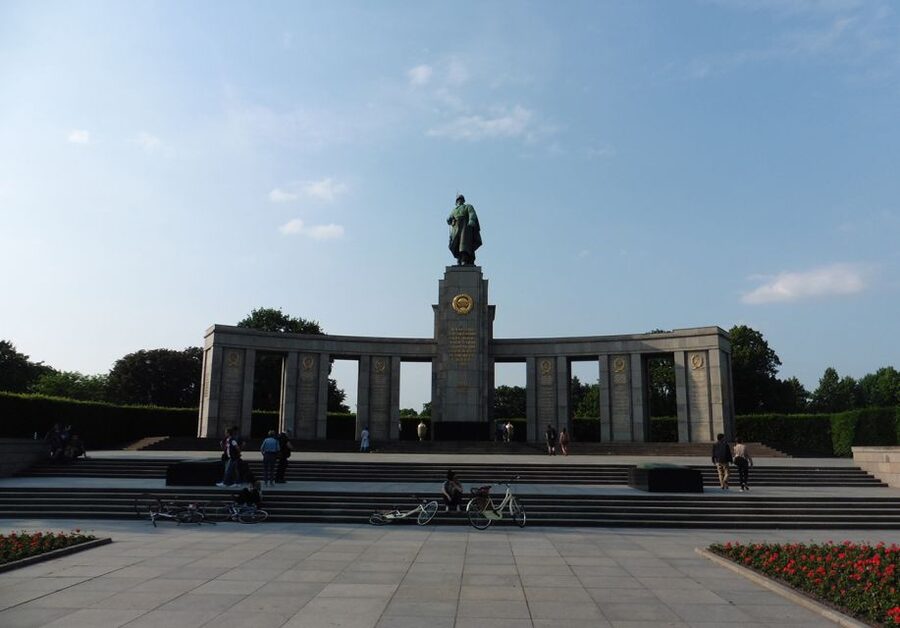
The route then enters the Tiergarten, Berlin’s central park, to visit the Soviet War Memorial. Here you can see Soviet T-34 tanks and artillery from World War II. These are direct, physical traces of the conflict, and they give the walk a change of pace after the political discussion around the Reichstag.
The memorial also places the final phase of the war within the city itself. You are not only hearing about battles on a distant front. You are looking at military equipment displayed in the capital where the Nazi regime made its last stand.
This stop should appeal to anyone who wants to see surviving wartime objects rather than only read descriptions on a wall. It also adds balance to the route. The tour is centered on Nazi Germany, but the Soviet memorial reminds you that Berlin’s story includes the defeat of the regime and the enormous cost of the war.
The park portion is still outdoors, and the tour runs in all weather. Rain, cold, or heat can affect how much you enjoy the walk. Wear layers and shoes suitable for city walking, especially if your visit falls during colder months.
Something different for another day:
- Berlin: Reichstag, Dome and Government District Guided Tour
★ 4.7 · 18,288 reviews - Berlin: 1-Hour City Tour by Boat with Guaranteed Seating
★ 4.3 · 16,993 reviews - Berlin: Boat Tour Along the River Spree
★ 4.4 · 11,252 reviews - Berlin: Hop-on Hop-off Bus Tour with Live Commentary
★ 4.3 · 8,579 reviews
The Holocaust Memorial and the space of remembrance
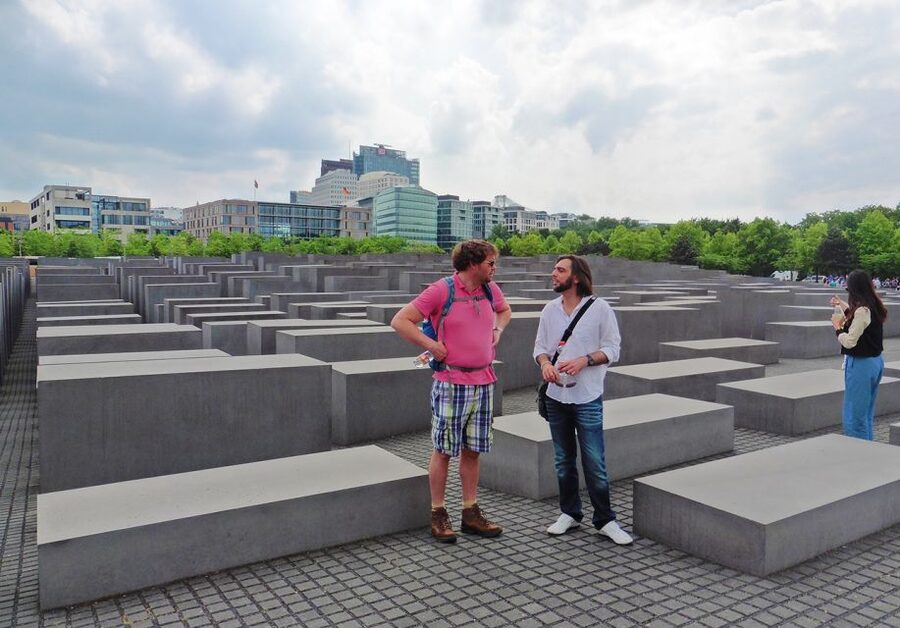
The next major stop is the Memorial to the Murdered Jews of Europe, commonly called the Holocaust Memorial. Its field of concrete blocks occupies a large area near the center of Berlin and is one of the city’s most serious places for reflection.
A guide adds value here by explaining the memorial’s place in modern Berlin and by connecting it to the persecution and murder of Europe’s Jews. The tour does not list an interior visit to the memorial’s underground information center, so the experience focuses on the outdoor site and the explanation provided during the walk.
Give yourself time to take the setting seriously. The blocks vary in height, and the ground changes as you move through them. It is not a conventional monument with one easy viewpoint. Your guide can help you understand the memorial without reducing it to a quick photo stop.
This is also where the route’s tone becomes especially heavy. I would choose this tour for a day when you have room for difficult history, not when you are looking for light sightseeing between shopping stops. The guide’s role is to provide facts and context, but the subject remains upsetting.
Hitler’s bunker site and the former New Reich Chancellery
The walk continues to the place where Adolf Hitler’s bunker and the New Reich Chancellery were located. These sites are important precisely because so little grand architecture remains to mark them. The tour helps you understand the location without turning it into a shrine.
That distinction matters. The bunker has attracted endless curiosity, but the historical value lies in understanding the final days of the dictatorship and the buildings that once housed its leadership. The New Reich Chancellery, meanwhile, represented the scale and authority the regime wanted to project.
You should expect a location-based explanation rather than a dramatic underground attraction. The information provided does not include access to the former bunker, and the route treats the area as part of the city’s historical record. That approach is appropriate for a subject that can easily be sensationalized.
This section also opens the door to a wider look at Berlin’s government district during the Nazi period. Your guide explains how power was organized across the center of the city, helping you see the capital as a working administrative machine rather than a collection of unrelated monuments.
Resistance at the Johann Georg Elser Memorial
One of the tour’s most valuable stops is the Johann Georg Elser Memorial. Elser attempted to kill Hitler with a bomb in 1939. His story brings attention to individual opposition against the dictatorship, a subject that can be overlooked when tours focus only on Nazi leaders and military events.
The memorial gives the route a human scale. You are asked to consider what it meant for one person to act against a regime that controlled the state and punished dissent. It also corrects the mistaken idea that nobody in Germany resisted.
The tour promises stories of German resistance throughout the walk, not just at this one memorial. That is a strong reason to choose it over a route that deals only in buildings and dates. You get a look at choices made by people who opposed the dictatorship, along with the risks they faced.
For teenagers and young adults, this part may be especially useful. A recent family booking found the subject suitable for teens and young adults, provided they are ready for serious material. The guide’s lively storytelling can help hold attention, but parents should still explain the nature of the topic before the walk.
Detlev-Rohwedder-Haus and the former government quarter
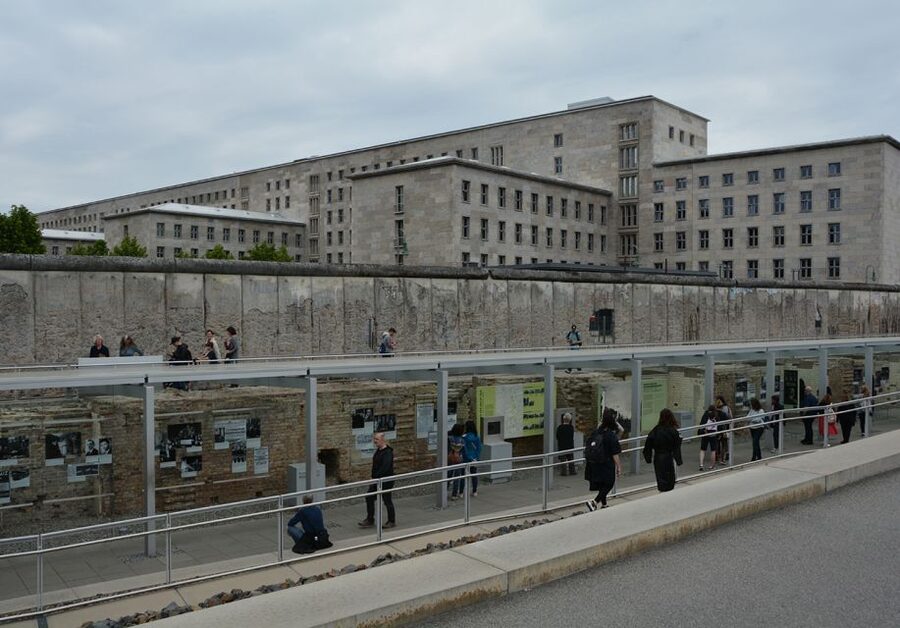
The Detlev-Rohwedder-Haus adds another piece to the story of Nazi-era administration. The building was connected to the Reich Aviation Ministry during World War II and is part of the route through the former government district.
This stop is less immediately familiar than the Brandenburg Gate or Holocaust Memorial. That is exactly why it earns its place. Berlin’s dictatorship was supported not only by rallies and leaders, but by ministries, offices, police departments, and layers of administration.
The building helps you think about how government space can outlast the political system that built it. Your guide explains what was located there during the war and how the area functioned within the Nazi state. The tour lists the stop for sightseeing and walking, so expect an exterior visit rather than a scheduled interior tour.
I appreciate this kind of stop because it makes the history less theatrical. You are looking at a real government building and considering the ordinary office work that helped an extraordinary crime operate. That can be more revealing than another grand monument.
Finishing at the Topography of Terror
The tour ends at the Topography of Terror Documentation Center. The site covers the former headquarters of the SS, the Secret State Police, and the Reich Security Main Office. It also explains the role of the Reich Aviation Ministry in the wartime government area.
Ending here gives the route a clear destination. The earlier stops show symbols, political buildings, memorials, and physical remains. At the Topography of Terror, the focus turns directly to the institutions that organized surveillance, repression, and persecution.
The information provided does not say that admission to the documentation center is included. Treat the finish as the end of the guided walk, then ask your guide about continuing on your own if you want to spend more time inside. The center is a natural follow-up because the tour has already brought you to the location of the former SS and police headquarters.
The final stop also makes the tour practical for the rest of your day. You finish in central Berlin, rather than returning to the starting point. Plan your next activity from the Topography of Terror area, and remember that the two-hour duration covers the walking route and explanations, not an extended museum visit.
Group size, language, and pace
The group is limited to 10 participants. That is a useful size for a serious history walk. You can usually hear a guide more easily than in a large crowd, and there is a better chance to ask questions at the key stops.
The small format may become even more personal if few people book a particular departure. Carlo led several visits that effectively became private tours because only one or two people attended. You should not assume that outcome, but the limit of 10 gives the experience a more focused feel than a large city walk.
The stated live-tour language is German. The overview describes the guide as multilingual, but the practical activity details specify German. This is the single point I would clarify before payment if you are not comfortable following a detailed historical explanation in German.
The pace is designed for two hours of city walking. The route includes several outdoor stops, park paths, and central streets. It is listed as wheelchair accessible, though the weather and street conditions can still affect comfort. Ask about the exact route if you have mobility concerns, especially during icy or wet conditions.
Is $43 a fair price?
At $43 per person, this is not the cheapest way to walk through central Berlin. You can visit many of these locations independently for little or no admission cost. The price pays for the guide’s route, preparation, explanations, and the chance to connect sites that can otherwise feel scattered.
I think the value is strongest if you are new to Berlin’s twentieth-century history or want a structured introduction before visiting museums. Carlo and Carlos receive particular praise for strong subject knowledge, lively delivery, patient answers, and practical Berlin advice. A guide who can explain both the major buildings and less obvious sites makes the fee more worthwhile.
The value is weaker if you already know the Nazi-era sites well or prefer to read at your own pace. The walk does not include a listed museum admission, meals, transport, or a return transfer. You are paying for a focused guided experience, not a full-day historical program.
Flexible booking improves the financial risk. You can cancel up to 24 hours before the start for a full refund, and you can reserve now and pay later. Those terms are helpful when Berlin weather or your schedule remains uncertain.
Who should book this Berlin history walk?
I would recommend it to adults and older teenagers who want a serious introduction to the Nazi period in Berlin. It suits you if you prefer learning from places themselves, want to hear about resistance as well as state power, and appreciate a compact route with a clear beginning and end.
It also works well as an early trip activity. After two hours, you will have a map of major sites and several ideas for further visits, especially the Topography of Terror. The guide may also point you toward other Berlin subjects, as Carlo did after several walks.
I would hesitate to recommend it to anyone seeking a relaxed sightseeing stroll. The material includes dictatorship, war, genocide, and political violence. It is also not the best choice if you need an English-language tour unless the provider confirms that option.
Weather deserves a final warning. The walk operates in rain, cold, and other conditions, including public holidays. Wear proper shoes and clothing, and avoid placing it between activities that require you to look fresh and dry.
Should you book it?
Book this tour if you want Berlin’s Nazi-era sites explained as one connected story rather than as separate photo stops. The combination of Brandenburg Gate, Reichstag, Soviet tanks, Holocaust Memorial, bunker site, resistance memorial, former ministries, and Topography of Terror gives you a strong two-hour orientation.
The best reason to choose it is the guide. Carlo’s careful handling of cold and icy conditions, lively storytelling, answers to questions, and extra Berlin tips add a personal quality to the walk. Just confirm the German-language format, prepare for serious subject matter, and dress for the weather. For those conditions, $43 is a fair price for a small, focused introduction to one of Berlin’s most important chapters.
FAQ
How long does the Berlin National Socialism walking tour last?
The tour lasts two hours.
Where does the tour meet?
Meet the guide directly at the exit of S+U Brandenburger Tor, exit B, in the direction of Pariser Platz and Straße des 17. Juni. Look for the Get Your Guide, You in Berlin flag.
Where does the tour finish?
The walking tour finishes at the Topography of Terror.
What language is the live tour conducted in?
The activity details list German as the live-tour language.
Is the tour wheelchair accessible?
Yes, the tour is listed as wheelchair accessible.
How many people can join the tour?
The tour is a small-group experience limited to 10 participants.
Does the tour operate in bad weather and on public holidays?
Yes. The tour takes place in all weather conditions and on all public holidays, so you should wear suitable clothing for walking.
Just added around Berlin
- Berlin: Private Guided Tour of the Main Sights★ 5.0 · 13 reviews
- Private Highlights of Berlin Bike Tour★ 5.0 · 13 reviews
- Modern Berlin Private Walking Tour: Diverse, Vibrant and Exciting German Capital★ 5.0 · 13 reviews
- Tour in Berlin from Warnemünde and Rostock Cruise Port★ 4.1 · 13 reviews
- Berlin: Stasi Museum Private Guided Tour with Entry Ticket★ 4.8 · 13 reviews
- Private Food Tour Experience with a born and bred Berliner★ 5.0 · 14 reviews
- Berlin: Rheinsberg Palace Entrance Ticket★ 4.8 · 14 reviews
- Berlin in one day – day tour with an expert guide★ 5.0 · 14 reviews
Walking Tours, compared.

Berlin’s Best: 2 Hour Walking Tour Third Reich and the Cold War
Read our review →
Third Reich Berlin: Hitler and WWII Walking Tour
Read our review →Browse the lists this tour appears in