
Reviewed · MUSEUMS
Berlin: Museum Europäischer Kulturen Entry Ticket
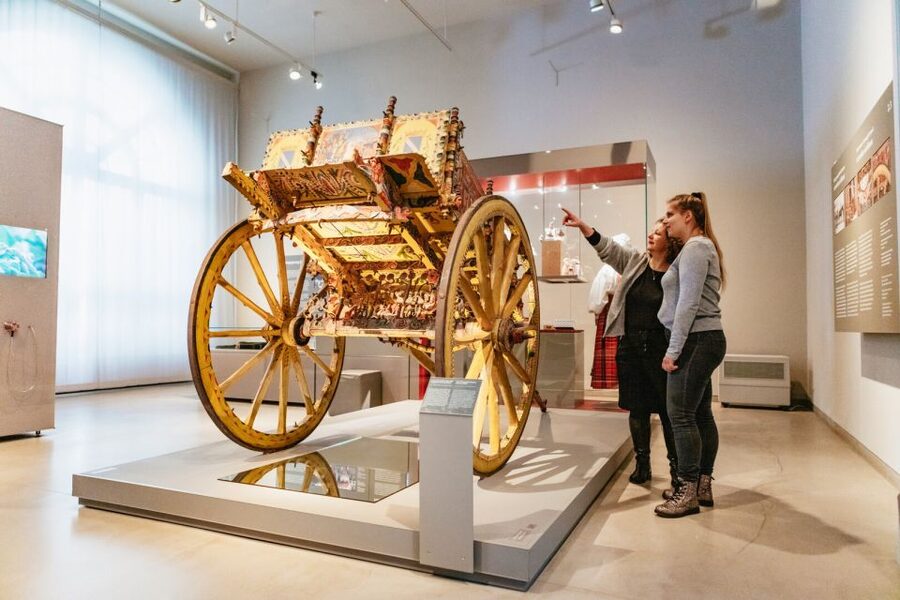
Europe fits inside a museum case. Berlin’s Museum Europäischer Kulturen brings together ordinary objects, art, music, crafts, and food traditions from across the continent, showing how people have lived and changed from the 18th century to today. I like the mix of historical pieces and modern questions, and I like that the museum focuses on everyday culture rather than only famous paintings or grand monuments. The main drawback is practical: backpacks are not allowed, and the museum is not suitable for wheelchair users.
At $11, this is an easy museum visit to add to a Berlin day, especially if you enjoy social history and objects with a human story. You can enter for one day and see the permanent exhibitions, with temporary displays adding another reason to check what is showing before you go.
In This Review
- Key points to know before you go
- What the Museum Europäischer Kulturen is really about
- Beginning with Cultural Contacts: Living in Europe
- Everyday objects instead of only famous artworks
- Moving from the 18th century to modern Europe
- Temporary exhibitions add a second reason to visit
- How much time should you allow?
- Is the $11 ticket good value?
- Practical details that affect your visit
- Who will enjoy this museum most?
- Should you book the Museum Europäischer Kulturen?
- FAQ
- How much does the Museum Europäischer Kulturen entry ticket cost?
- How long is the ticket valid?
- What does the ticket include?
- What are the museum’s closing times?
- Are backpacks allowed inside?
- Is the museum suitable for wheelchair users?
Key points to know before you go
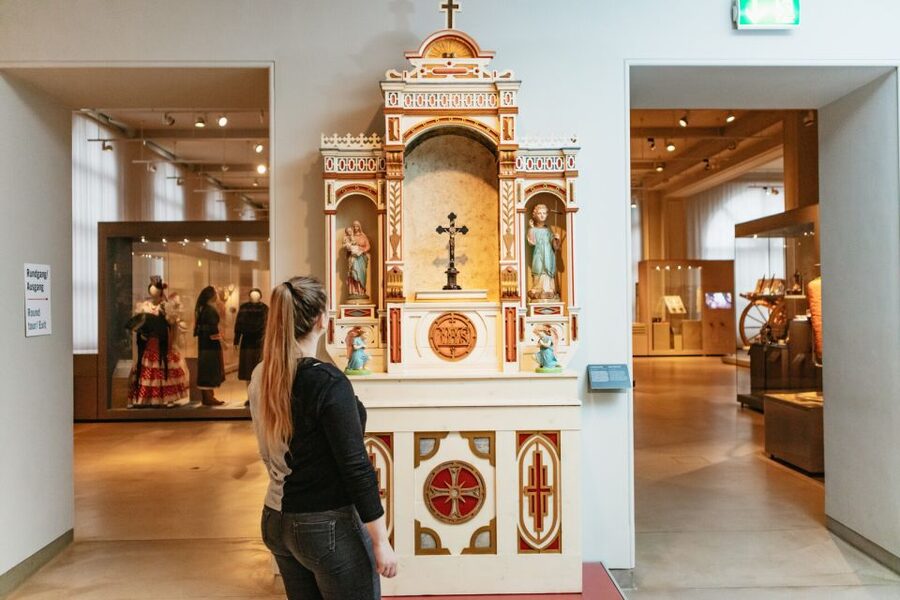
- The permanent exhibition connects Europe through daily life: Expect objects linked to customs, work, belief, music, food, clothing, and other parts of ordinary experience.
- The museum covers the 18th century to today: You move between historical collections and modern material, so the visit is not limited to the distant past.
- Cultural contact is the central idea: The displays look at how European cultures meet, influence one another, and change across borders.
- Temporary exhibitions can be a major draw: A past exhibition about fast and slow fashion offered a focused look at a current issue through culture and material objects.
- The ticket costs $11 and lasts one day: That price offers good value if you plan to spend time with both the permanent and temporary displays.
- Plan around the practical limits: Backpacks are not allowed, wheelchair users may find the museum unsuitable, and closing time is 5:00 PM Tuesday through Friday or 6:00 PM Saturday and Sunday.
What the Museum Europäischer Kulturen is really about
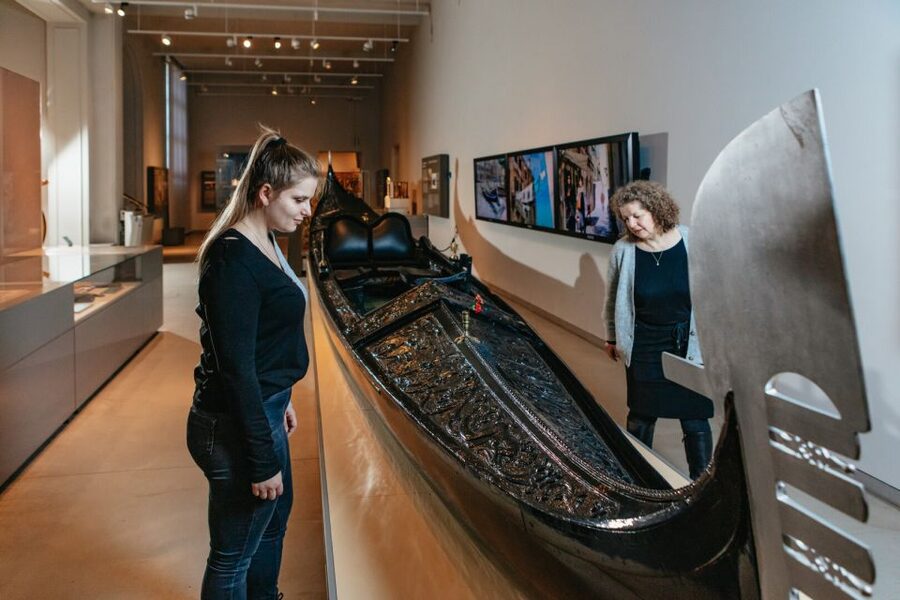
This is not a museum built around one nation, one artist, or one famous historic event. Its subject is the way people across Europe live, make things, celebrate, eat, work, remember, and express identity.
That focus gives the visit a different feel from Berlin’s major art museums. Instead of asking you to admire a masterpiece from a distance, the museum often asks you to think about how objects function in real life. A piece of clothing, a musical item, a household object, or a craft tradition can reveal social habits and shared values.
The collection reaches from the 18th century to the present. That long time span helps you see both continuity and change. An old object may show a local tradition, while a modern item may point to migration, changing tastes, consumer habits, or contact between cultures.
I find this approach especially useful if you want a better sense of Europe as a group of connected societies. Borders matter here, but they are not treated as solid walls. Ideas, styles, foods, materials, and customs have moved across them for centuries.
More Museums in Berlin
- Berlin: Jewish Museum Berlin Entrance Ticket
★ 4.5 · 8,393 reviews - Berlin: DDR Museum Tickets
★ 4.3 · 3,443 reviews - Berlin: Natural History Museum Entrance Ticket
★ 4.6 · 3,382 reviews
Beginning with Cultural Contacts: Living in Europe
The permanent exhibition, Cultural Contacts: Living in Europe, is the main reason to visit. It presents sections of the museum’s collections and research through the theme of contact between cultures.
That title gives you a helpful way to read the displays. You are not simply looking at objects from separate European countries. You are considering how different communities interact and how cultural habits are borrowed, adapted, shared, or challenged.
You might find displays that work best when you slow down and connect several objects rather than rushing from case to case. A single artifact can be interesting, but a group of objects often says more about a custom or tradition. Look for links between material, use, design, and setting.
The exhibition also draws on a public study called the Contemporary Showcase. This brings present-day perspectives into the museum rather than leaving modern Europe outside the historical galleries. The result is a visit that shifts between inherited traditions and questions people are dealing with now.
That balance is one of the museum’s strongest features. You can begin with a historical collection, then encounter material that asks how European life is changing. For visitors who dislike museums that feel frozen in the past, this modern element keeps the experience relevant.
Everyday objects instead of only famous artworks
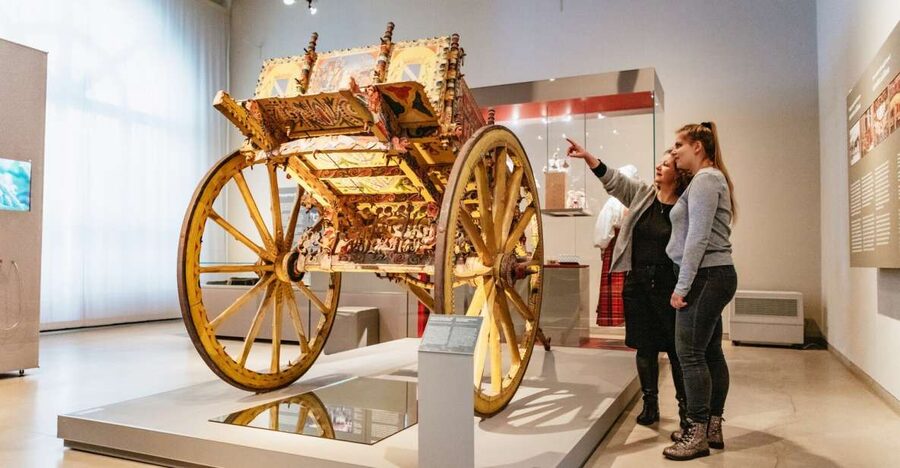
The museum’s collection includes arts and crafts, music, and culinary culture. Those categories may sound broad, but that is the point. European identity is not presented as something found only in churches, palaces, or national galleries.
The everyday focus can be more revealing than a display of celebrated art. A craft object may show what a community valued. A musical item may point to a shared tradition or a local form of expression. Food-related material can show how habits develop through geography, trade, migration, and family life.
You should expect the museum to reward curiosity more than speed. If you usually visit museums by seeking a short list of famous highlights, this may require a small change of approach. Let the objects lead you toward questions about the people who made them and the people who used them.
This is also a good place to visit with someone who has different interests from you. One person may focus on design, another on history, and another on current cultural issues. Since the displays cover several forms of expression, you do not have to share the same reason for coming.
Moving from the 18th century to modern Europe
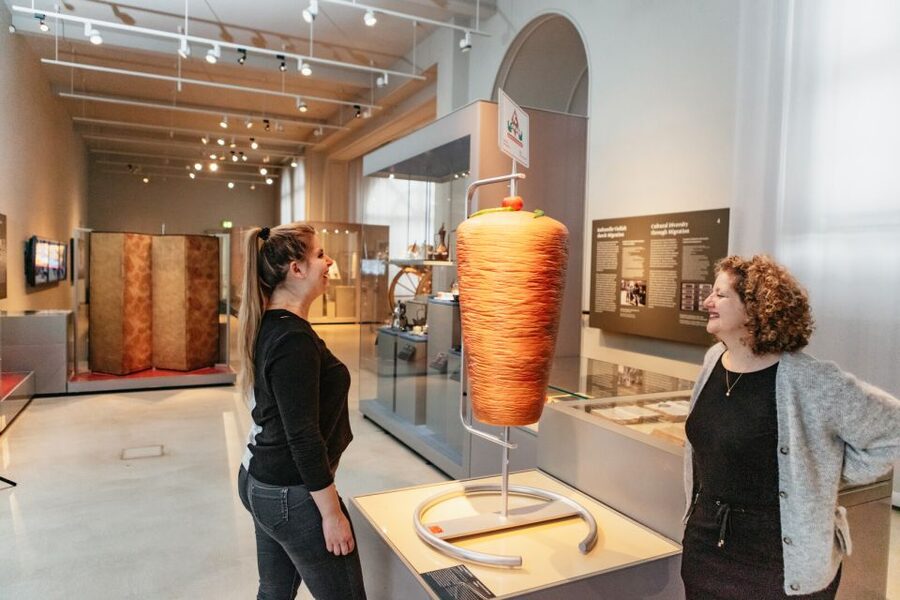
The historical material gives the museum its timeline. By starting in the 18th century and continuing to today, the displays allow you to notice gradual changes rather than treating the past and present as separate worlds.
You might see how artistic traditions develop, how practical objects change shape, or how cultural habits gain new meanings. The museum’s value is less about memorizing dates and more about seeing the relationship between material culture and daily life.
The shift to modern objects matters. It reminds you that culture is not finished, neatly boxed, and ready for display. People continue to adapt traditions, combine influences, and create new forms of identity.
This can make the experience more thought-provoking than a simple collection of old things. The historical sections provide context, while the contemporary sections ask you to consider how similar processes are happening now.
Give yourself enough time to make these connections. The ticket is valid for one day, but the museum closes at 5:00 PM from Tuesday through Friday and at 6:00 PM on Saturday and Sunday. A late arrival may leave you looking at objects without enough time to read and think.
Something different for another day:
- Berlin: Reichstag, Dome and Government District Guided Tour
★ 4.7 · 18,288 reviews - Berlin: 1-Hour City Tour by Boat with Guaranteed Seating
★ 4.3 · 16,993 reviews - Berlin: Boat Tour Along the River Spree
★ 4.4 · 11,252 reviews - Discover Berlin Half-Day Walking Tour
★ 5.0 · 9,624 reviews
Temporary exhibitions add a second reason to visit
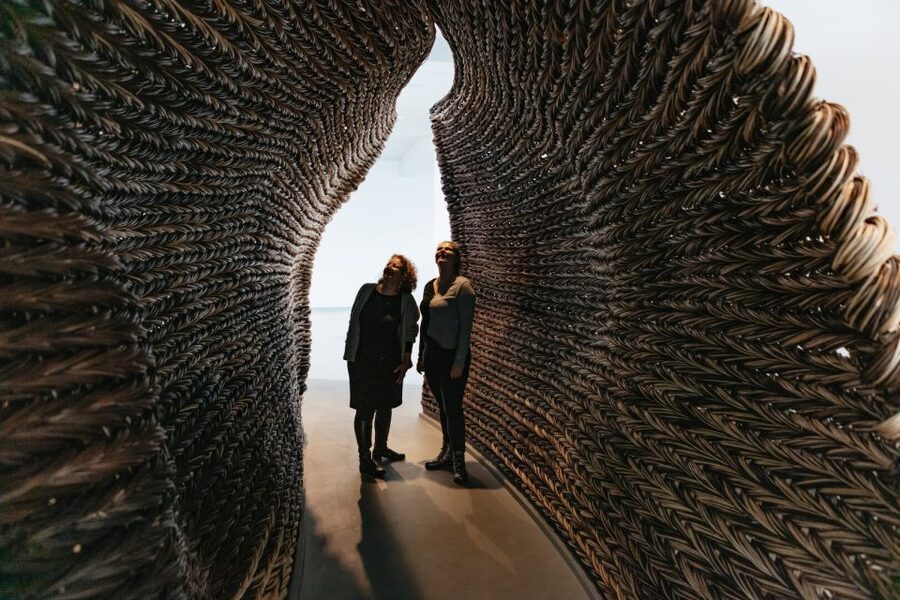
The permanent exhibition gives you the broad framework, while temporary exhibitions can focus on one subject with greater detail. A past exhibition about fast versus slow fashion shows the kind of modern issue the museum can handle well.
Fashion is an especially useful subject for this setting because it links personal choice with labor, materials, trade, consumption, and cultural identity. A comparison between fast and slow fashion can move beyond clothing as style and ask how products are made, bought, used, and discarded.
If a temporary exhibition is running during your visit, check its subject before buying your ticket. It may be the element that turns a pleasant museum stop into a particularly timely one. The temporary and permanent displays are both described as interesting and well organized, so you should allow time for each instead of treating the temporary show as a quick extra.
The exact temporary program will change. That means the museum may feel different on a return visit. It also means I would not judge the entire experience from the permanent display alone. The temporary program can give the visit a sharper focus and connect the collection to a current debate.
How much time should you allow?
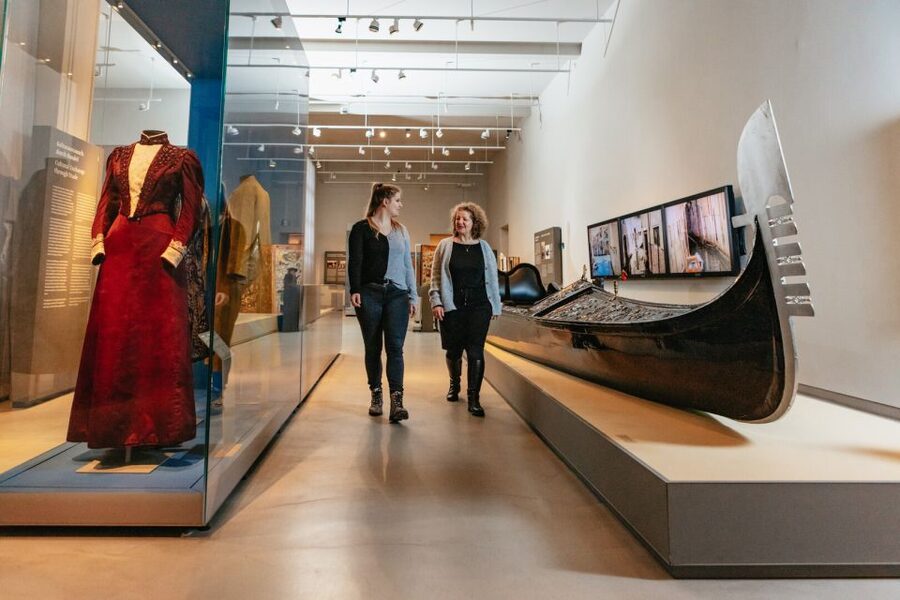
The ticket is valid for one day, but you do not need to spend the entire day inside unless you want a slow, detailed visit. The available information does not specify a required route, guided program, or fixed start time, so you can shape the visit around your own pace.
For a short visit, concentrate on Cultural Contacts: Living in Europe and then see the temporary exhibition if one is open. For a more serious museum visit, move through the historical collections slowly and return to objects that connect with your interests.
I would avoid arriving shortly before closing. The museum shuts at 5:00 PM Tuesday through Friday and 6:00 PM Saturday and Sunday. Those hours give you a useful planning rule: a morning or early afternoon arrival is safer, especially if you like reading labels and comparing displays.
Because the ticket covers entrance to the museum and permanent exhibitions, it works best for people who want freedom rather than a tightly timed tour. You can set your own pace, pause at a particular theme, and leave when your attention begins to fade.
Is the $11 ticket good value?
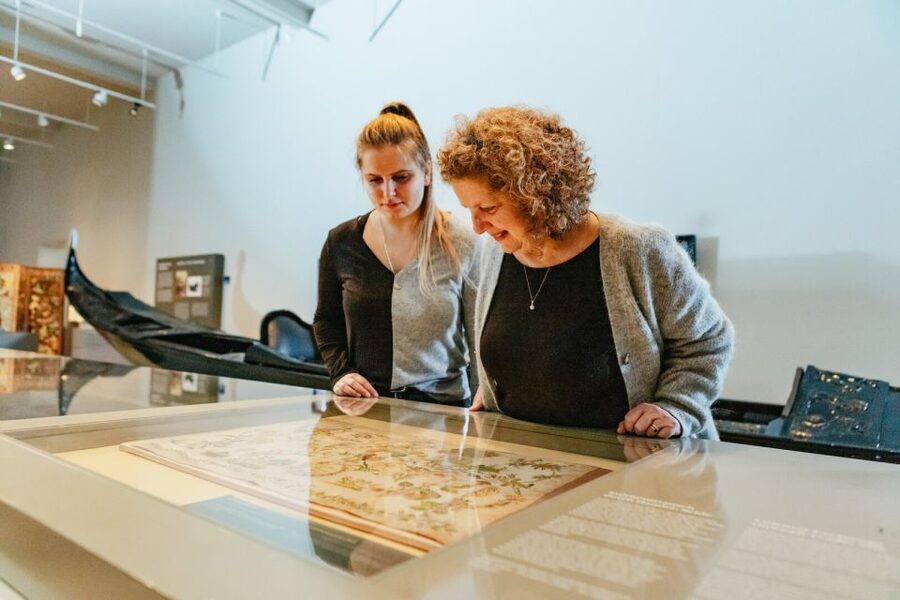
At $11 per person, the admission is modest for a full day of access. The value is strongest if you care about European social history, material culture, contemporary issues, or the way traditions cross borders.
The price is less compelling if you only want a quick look at famous paintings or a short list of iconic Berlin sights. This museum is based on context and comparison. Its rewards build as you connect objects and themes, so a rushed visit may not give you the same value.
The inclusion of the permanent exhibitions makes the ticket easier to judge. You are not paying only for one small display. You receive access to the central exhibition and the museum’s broader presentation of European cultural objects. If a worthwhile temporary exhibition is available, the same visit can offer even more.
At this price, I would consider it a sensible choice for a rainy afternoon, a quieter cultural stop, or a day when you want something less predictable than another major art museum. The rating of 4.8 from seven verified bookings also points to strong satisfaction, though the small number means you should treat it as a useful signal rather than a guarantee.
Practical details that affect your visit
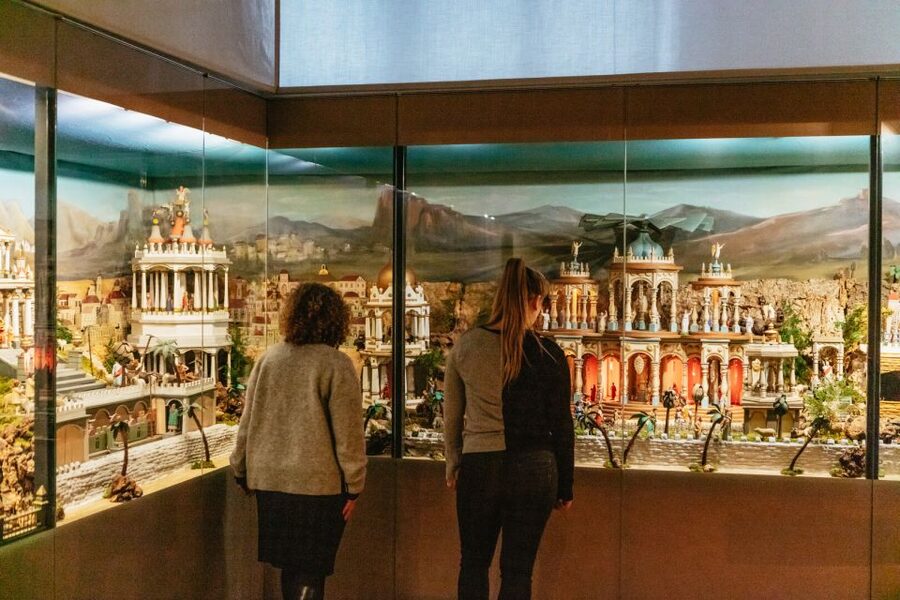
Pack light. Backpacks are not allowed, so bring only what you need in a permitted small bag or make another arrangement before arriving. The supplied information does not explain storage options, so do not assume that a large bag can be checked at the entrance.
Wheelchair users should note that the experience is listed as unsuitable for them. If step-free access or other mobility support is important to you, confirm the museum’s current arrangements before booking. This is not a minor detail, since it may determine whether the visit is workable at all.
A medical or FFP2 mask is recommended but not mandatory. You can plan to follow that recommendation if it suits your comfort and health needs.
There is no guide, group size, transportation, or set route described for this ticket. That tells you what kind of experience this is: independent museum entry, not a guided tour through Berlin. You will need to read, observe, and decide how deeply to follow each theme on your own.
The ticket is non-refundable, so check the date and your schedule carefully before purchasing. Since it is valid for one day, choose a day when you can arrive well before closing rather than trying to squeeze it between several fixed activities.
Who will enjoy this museum most?
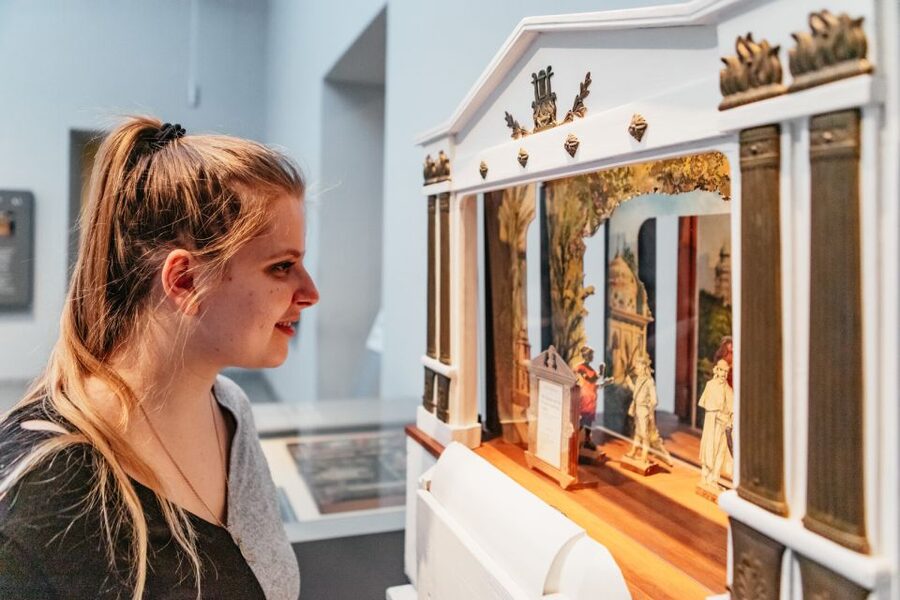
I would recommend it to you if you like museums that explain how people live, not only what rulers commissioned. It should suit anyone interested in European customs, folk art, crafts, food traditions, music, clothing, and current cultural debates.
It is also a good choice for repeat visitors to Berlin who want a less obvious subject. The permanent exhibition offers a broad view, while temporary projects can give you a reason to return.
Families and mixed-interest groups may find something to discuss, though the supplied information does not describe special family programming or child-focused displays. If you are visiting with children, decide based on their interest in objects, stories, and cultural comparison rather than expecting an entertainment center.
You may want to skip it if your priority is famous paintings, monumental architecture, or a guided overview of Berlin’s political past. The museum’s focus is everyday European culture, and that requires patience with objects whose importance comes from their use and meaning rather than their fame.
Should you book the Museum Europäischer Kulturen?
Book it if you want an affordable, self-paced museum visit that links European life from the 18th century to today. The strongest reasons are the permanent Cultural Contacts: Living in Europe exhibition, the attention to everyday objects, and the chance to connect historic traditions with present-day concerns.
The temporary program can make the decision even easier, particularly when it tackles a clear issue such as fast versus slow fashion. Check what is showing, leave your backpack behind, and plan to arrive early enough for a thoughtful visit.
I would pass only if you need wheelchair access, want a guided tour, or prefer a museum built around famous artworks. For everyone else, $11 is a fair price for a museum that asks useful questions about how Europe’s cultures meet and change.
FAQ
How much does the Museum Europäischer Kulturen entry ticket cost?
The ticket costs $11 per person.
How long is the ticket valid?
The ticket is valid for one day.
What does the ticket include?
It includes entrance to the museum and its permanent exhibitions.
What are the museum’s closing times?
The museum closes at 5:00 PM Tuesday through Friday and at 6:00 PM Saturday and Sunday.
Are backpacks allowed inside?
No. Backpacks are not allowed.
Is the museum suitable for wheelchair users?
The experience is listed as not suitable for wheelchair users.
Just added around Berlin
- Kreuzberg Private Walking Tour: Immigrants, Artists & Hipsters★ 5.0 · 3 reviews
- Private Photo Tour in Kreuzberg★ 5.0 · 3 reviews
- Individual city tour Berlin for max. 8 persons★ 5.0 · 3 reviews
- Berlin’s Jewish Heritage: Private Tour of the Vibrant Jewish District★ 5.0 · 3 reviews
- Berlin & The Third Reich Private Guided Tour★ 5.0 · 3 reviews
- Private Analogue Photography Experience in Berlin★ 5.0 · 3 reviews
- Spy Mission in Berlin: Self-Guided Espionage Puzzle Quest★ 5.0 · 3 reviews
- Berlin Christmas Markets Walking Tour with Local Guide★ 5.0 · 3 reviews
Museums, compared.


Skip-the-Line: Berlin Wall Museum at Checkpoint Charlie
Read our review →
Browse the lists this tour appears in