
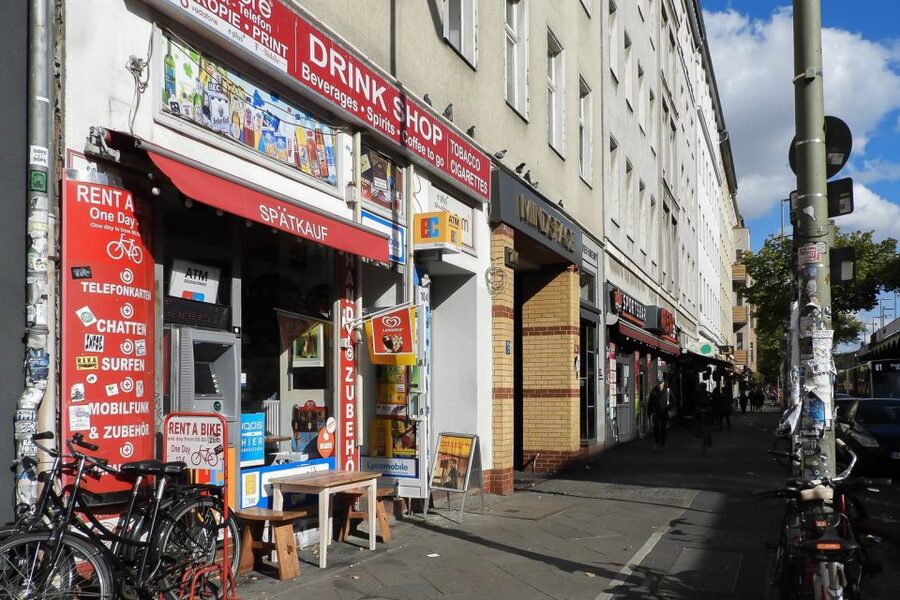
Reviewed · WALKING TOURS
Berlin: Kreuzberg Guided Walking Evening Tour
Kreuzberg tells its stories after dark. This two-hour walk takes you from Kottbusser Tor through Oranienstraße, past punk-era landmarks, and into Görlitzer Park, where Berlin’s rebellious side comes into focus. I like the route’s strong sense of place, and I like that a live guide can explain the neighborhood instead of leaving you to decode it alone. The main consideration is that the walk is story-heavy, so it suits curious adults more than anyone seeking grand monuments or a relaxed café crawl.
At $27 per person, this is a fair price for a small-group or private walk with a guide who knows Kreuzberg personally. Guides such as Stefan and Kevin have received especially warm praise, with visitors noting their detailed explanations, easy conversation, and ability to answer questions. You should bring good shoes and weather-ready clothing, since this is a real street walk rather than a short set of photo stops.
In This Review
- Key points to know before you book
- Why Kreuzberg works so well for an evening walk
- Starting at Kottbusser Tor, or Kotti
- Oranienstraße and the making of a crowded district
- Mariannenstraße and the stories behind the streets
- Lausitzer Platz and the route toward SO36
- Görlitzer Park and Berlin’s Jack the Ripper
- The Pamukkale fountain ruins and the final streets
- How much walking and how much storytelling?
- The guides are the main reason to book
- Is $27 a fair price for Kreuzberg?
- Who will enjoy this walk most?
- Final verdict: book it for the stories, not the monuments
- FAQ
- How long does the Kreuzberg evening tour last?
- What languages are available?
- Where does the tour begin?
- Where does the tour finish?
- What should I bring?
- Can I cancel the tour or pay later?
Key points to know before you book
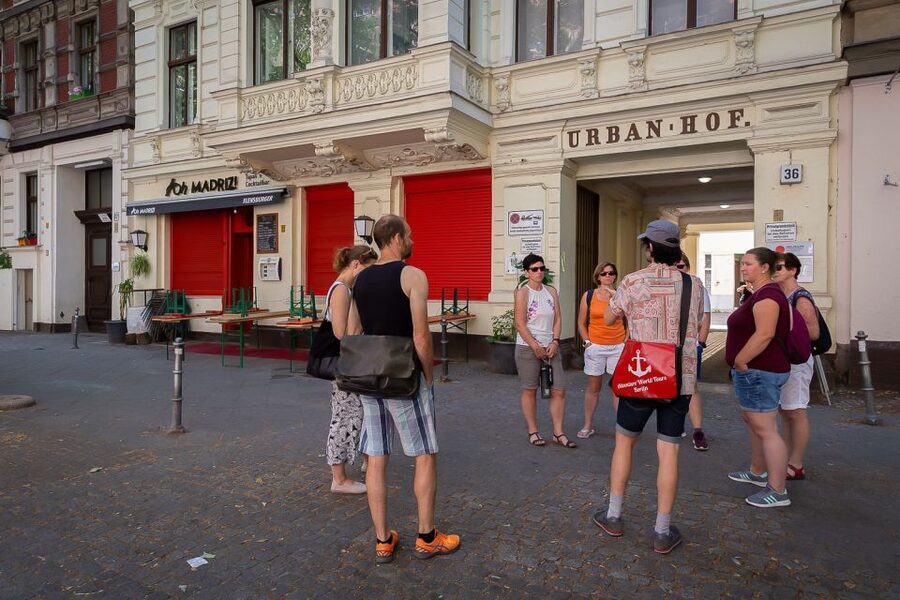
- Kottbusser Tor is the starting point: Known locally as Kotti, this busy junction gives you an immediate introduction to Kreuzberg’s urban character.
- The route follows Oranienstraße: You hear how the densely settled district developed in the 19th century and how its social tensions grew.
- SO36 brings punk history into the walk: This famous club is tied to anarchist punk, new wave music, police conflict, and political protest.
- Görlitzer Park adds a darker tale: The guide tells the story of Berlin’s own Jack the Ripper, giving the evening a touch of mystery.
- The tour ends on Bevernstraße: You finish near the route’s eastern side rather than returning to Kottbusser Tor, so plan your onward trip.
- The guide makes the difference: German and English tours are available, and private or small groups allow more room for questions.
Why Kreuzberg works so well for an evening walk
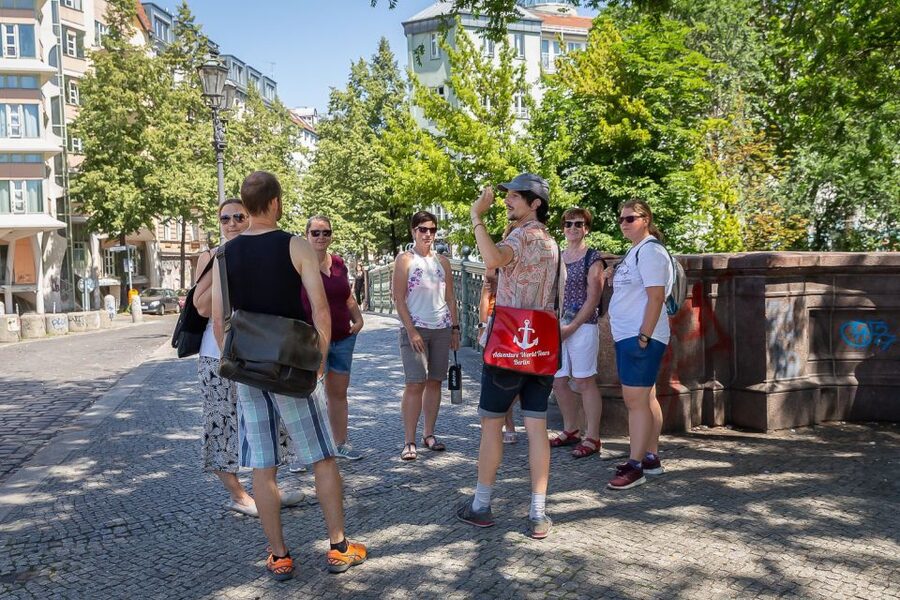
Kreuzberg is not a district you understand from one landmark. Its character comes from the mix of old streets, immigrant life, protest culture, music, cafés, bars, and layers of political change. An evening tour gives you the right setting, since the neighborhood begins to fill with people and its bars and cafés take on a different energy.
I like the way this experience uses the streets as its main exhibits. You are not simply shown a building and handed a date. The guide connects places to the people and conflicts that shaped them, including the district’s rebellious reputation and the famous Mother of all Street Fights.
That approach is useful if you are new to Berlin. You get a local framework for seeing Kreuzberg later on your own. You may return to Oranienstraße for food, revisit SO36, or simply recognize why Kotti and Görlitzer Park matter beyond their appearance on a map.
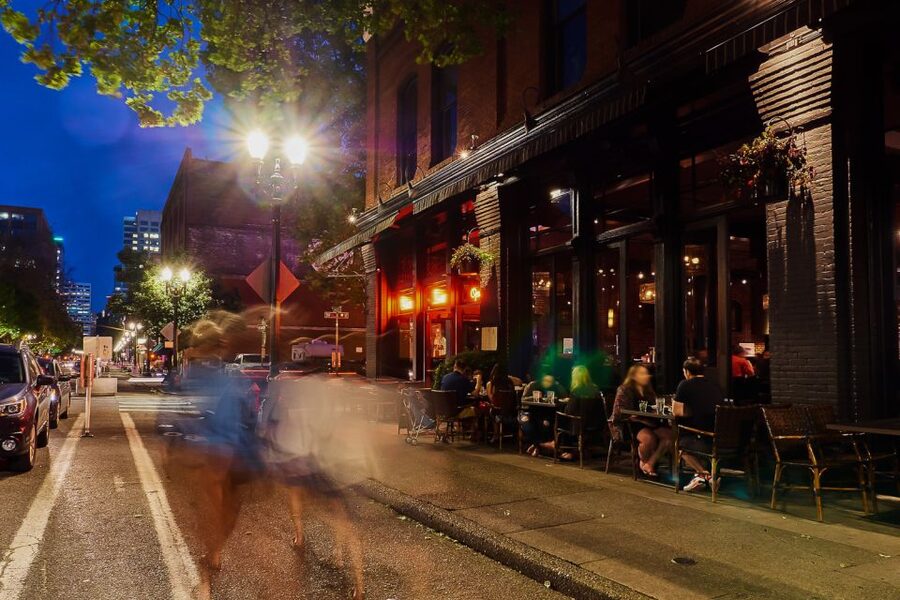
The evening timing also changes what you notice. Packed cafés and bars make the area feel social and active, while the stories about protest, policing, and crime add a sharper edge. This is not a polished old-town stroll. Kreuzberg can feel rough around the edges, and that is part of the point.
More Walking Tours in Berlin
- Discover Berlin Half-Day Walking Tour
★ 5.0 · 9,624 reviews - Berlin: Third Reich and Cold War 2 Hour Walking Tour
★ 4.9 · 6,830 reviews - Berlin: Discover Berlin Walking Tour
★ 4.9 · 5,998 reviews
Starting at Kottbusser Tor, or Kotti
The walk begins at one of two possible meeting points, FightClub Casino or Cems Burgerhouse, depending on the option you book. Check the exact meeting place before you set out, since the starting location can vary.
From there, the route reaches Zentrum Kreuzberg and Kottbusser Tor, usually called Kotti. This is the neighborhood’s best first lesson. Kotti is a busy urban meeting point, and the guide uses it to explain Kreuzberg’s life, culture, and past.
You should expect an orientation rather than a grand monument. The value is in understanding how this part of Berlin functions and why it has such a strong identity. The first stop is listed as a short photo and sightseeing stop, so do not expect a long visit inside a museum or building.
Kotti is also a practical place to get your bearings. Listen closely at the beginning, because later stories about housing, protest, and neighborhood change will make more sense once you understand this central setting.
Oranienstraße and the making of a crowded district
The route then moves along Oranienstraße, with stops at numbers 24 and 190. Together, these sections provide the main historical spine of the walk.
Here the guide traces Kreuzberg back to the 19th century, when the district became densely populated. That context matters. The area’s political and social tensions did not appear from nowhere. They grew within a crowded urban district where housing, policing, migration, and public space were all closely linked.
I appreciate this part because it gives you more than a postcard image of Berlin. Oranienstraße is a lived-in street, and the guide helps you connect its present-day cafés and shops with earlier periods of pressure and change.
The stop at Oranienstraße 24 includes a photo opportunity and a guided explanation. The later stop at number 190 adds another point of reference, with more time listed for walking and sightseeing. Exact pacing will depend on the group and the guide, but you should be ready to move along the street rather than linger at one address.
The big subject here is Kreuzberg’s rebellious spirit. You learn why the district became associated with resistance and street action, including the events known as The Mother of all Street Fights. That phrase points to a major episode of conflict between protesters and police, and it helps explain why Kreuzberg became such a symbol of opposition.
This is likely one of the tour’s strongest sections if you enjoy social history. If you prefer architecture, royal Berlin, or famous museums, it may feel less immediately rewarding.
Mariannenstraße and the stories behind the streets
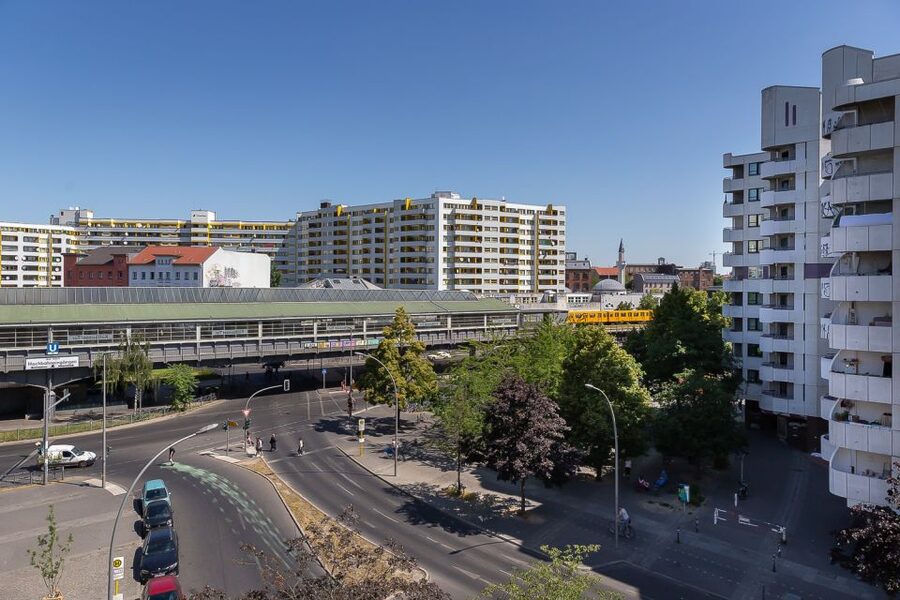
The walk continues to Mariannenstraße 15, where the guide adds another piece to the neighborhood’s story. The stop is relatively brief, but it breaks up the longer stretch along Oranienstraße and gives the group another local reference point.
One benefit of a guided route like this is that you do not need to know which ordinary-looking addresses matter. Kreuzberg’s important stories are often tied to streets and buildings that do not announce their significance. The guide supplies the connection.
At this stage, ask questions if your guide invites them. Several of the strongest comments about the experience focus on the chance to ask plenty of questions and explore interesting places together. A guide who works well with a small group can turn a standard walk into a conversation rather than a speech.
The experience is available in German and English. If language matters to you, confirm your selected option carefully when booking. The information provided for this tour does not promise a multilingual tour at the same time, so you should choose the language you can follow most comfortably.
Something different for another day:
- Berlin: Reichstag, Dome and Government District Guided Tour
★ 4.7 · 18,288 reviews - Berlin: 1-Hour City Tour by Boat with Guaranteed Seating
★ 4.3 · 16,993 reviews - Berlin: Boat Tour Along the River Spree
★ 4.4 · 11,252 reviews - Berlin: Hop-on Hop-off Bus Tour with Live Commentary
★ 4.3 · 8,579 reviews
Lausitzer Platz and the route toward SO36
Next comes Lausitzer Platz 8 A, another photo and sightseeing stop. This section helps move the walk from broad neighborhood history toward Kreuzberg’s music and protest culture.
The route includes SO36, the legendary club associated with anarchist punk and new wave bands in the 1970s and 1980s. The club’s importance is not only musical. Performances and the surrounding scene provoked conflict with the government and police, making SO36 part of the district’s political story as well as its nightlife.
I like this stop because music makes the past easier to picture. You can understand how a club became a meeting point for artists, punks, activists, and people who did not fit comfortably into official Berlin life. The guide’s job is especially important here, since you are mainly seeing the outside setting rather than attending a performance.
Do not expect a concert or entry into the club as part of the tour. SO36 is a stop within a wider walking route. The appeal is the explanation and the atmosphere of the surrounding streets.
Görlitzer Park and Berlin’s Jack the Ripper
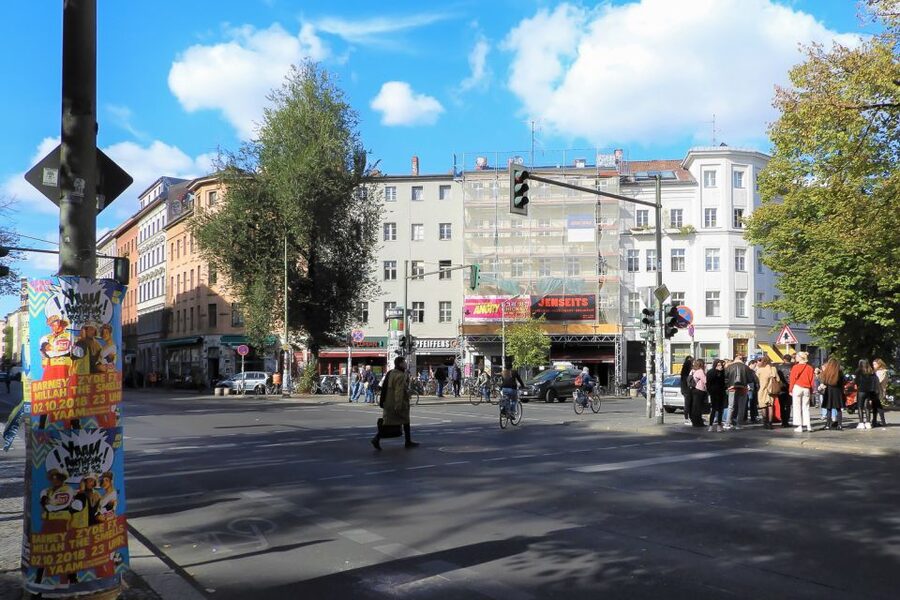
The walk reaches Görlitzer Park, one of the route’s longer stops. Here the subject changes from political conflict and music to a crime story: the tale of Berlin’s own Jack the Ripper.
That story adds variety to the evening. After hearing about 19th-century growth, street fights, and punk culture, you get a local mystery tied to the city’s darker side. The guide can set the scene and explain why the tale remains part of Kreuzberg’s folklore.
You should treat this section as a story stop, not a visit to a formal crime museum. The appeal lies in hearing the account in the place connected with it. Some people will find this memorable; others may prefer the social and music history.
Görlitzer Park also changes the feel of the route. It is a broad public space rather than a tight run of city streets, and the evening setting gives the guide room to tell the story at a slower pace. As with any walk through a large urban park, stay with the group and keep your attention on the guide.
The Pamukkale fountain ruins and the final streets
The route continues to the Ruinen des Pamukkale-Brunnens, the ruins of the Pamukkale Fountain. This is a short photo and sightseeing stop, but it offers a different visual note from the surrounding streets.
The site is connected to an ambitious fountain project that did not survive in its intended form. From the information provided, the tour treats the ruins as a place to see and discuss rather than as a major monument visit. The stop should appeal to you if you like unusual urban remains and the way Berlin’s public spaces carry traces of failed or changed projects.
From there, the group walks to Oppelner Straße 3 and then Bevernstraße 6. These final stops continue the neighborhood-focused format, with more explanation, photos, and time to look around.
The tour ends at Bevernstraße 6. That is useful to know when planning dinner, drinks, or public transport afterward. You do not finish where you started, so check the map before booking a restaurant near Kotti.
How much walking and how much storytelling?
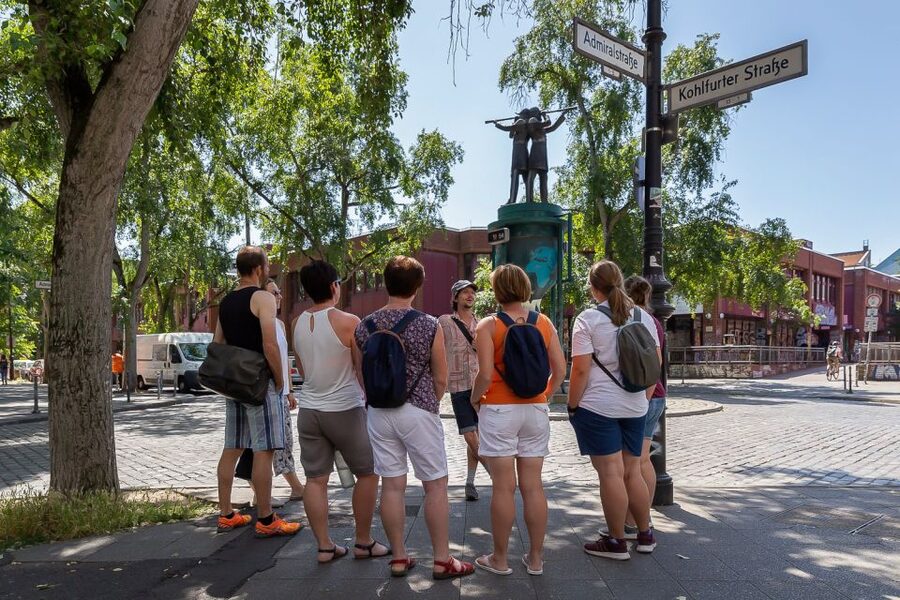
The experience lasts two hours, with guided walks and stops throughout the route. The published stop timings suggest a fairly active program, with several 10 to 20 minute sections. The individual times appear approximate, since they add up to longer than two hours when read as separate segments.
For you, the practical meaning is simple: expect steady movement and do not plan a tight appointment immediately afterward. Comfortable shoes are specifically recommended, and that advice is worth taking. Weather-appropriate clothing matters too, because the experience takes place outside in the evening.
This is not a tour built around long indoor breaks. You will spend the time on streets, at public spaces, and near outdoor landmarks. Berlin evenings can feel cool or wet, so a coat or rain layer may make the difference between enjoying the stories and wishing the route would hurry up.
The tour can be private or arranged for a small group. That matters because the subject rewards questions. A small group gives you a better chance to ask about Kreuzberg’s personalities, events, and local details without interrupting a large crowd.
The guides are the main reason to book
The most consistent praise centers on the guides. Stefan is described as an excellent guide who knows Kreuzberg’s special character and explains it with enthusiasm. Kevin is praised for making the tour informative and easy to follow. Other comments highlight guides with seemingly endless local information and a friendly style.
That is important here. The route itself is easy to walk, but the addresses would mean much less without a guide who can connect them. A strong guide turns a normal street corner into a story about protest, music, migration, or crime.
The available comments also point to a useful balance of detail and entertainment. One German-language assessment describes the tour as very informative and enjoyable, while another calls it well planned with detailed explanations. A Portuguese-language assessment also praises the clear planning and thorough guide commentary.
You should still allow for some variation. The exact guide affects the tone, depth, and amount of conversation. A private or small-group booking gives you the best chance of shaping the discussion around your interests.
Is $27 a fair price for Kreuzberg?
At $27 per person, I consider this good value if you want context rather than simple sightseeing. You are paying for two hours with a live guide, in German or English, through a neighborhood whose meaning is difficult to grasp from a guidebook paragraph.
The price is less compelling if you only want photographs. Most of the route is outdoors, and the tour does not include food, drinks, club entry, museum admission, or transportation. You are paying for the guide’s explanations and the chance to see Kreuzberg in an organized sequence.
Private and small-group options may also change the final price, so check the selected format. The base price gives you a useful benchmark, but the value rises when you can ask questions and keep the route focused on your interests.
Flexible booking terms add practical value. You can cancel up to 24 hours before the tour for a full refund, and the reserve-now, pay-later option lets you keep your plans open. Those details are helpful when Berlin weather or your evening schedule is uncertain.
Who will enjoy this walk most?
I would choose this experience if you want to understand Berlin’s counterculture, street politics, music scene, and neighborhood life. It also suits repeat visitors who have already seen the Brandenburg Gate and Museum Island and want a less formal side of the city.
The tour is a good match for:
- Adults interested in urban and social history
- Music fans curious about punk and new wave culture
- Visitors who like local stories and unusual city landmarks
- People who enjoy asking questions during a guided walk
- Anyone looking for an evening activity near bars and cafés
I would be more cautious if you have limited mobility, since the activity involves outdoor walking and no accessibility details are provided. I would also look elsewhere if you want Berlin’s major monuments, grand architecture, or a food-focused evening.
Families may find the crime and street-conflict subjects either fascinating or too dark, depending on the children’s ages. Since no age guidance is provided, use your own judgment.
Final verdict: book it for the stories, not the monuments
I recommend the Kreuzberg Guided Walking Evening Tour if you want a clear introduction to one of Berlin’s most politically charged and culturally distinctive districts. Its best features are the route through Kotti and Oranienstraße, the SO36 music history, the tale from Görlitzer Park, and the guides’ ability to make local events understandable.
Book it when you have two free evening hours, comfortable shoes, and an interest in the people and conflicts behind the streets. Skip it if you want indoor attractions or a gentle stroll with little narration. For $27, the tour earns its price through context, personality, and access to stories you would probably miss walking Kreuzberg alone.
FAQ
How long does the Kreuzberg evening tour last?
The tour lasts two hours.
What languages are available?
The live tour guide is available in German and English.
Where does the tour begin?
The starting location may be FightClub Casino or Cems Burgerhouse, depending on the option booked. Check your selected booking details for the exact meeting point.
Where does the tour finish?
The tour finishes at Bevernstraße 6.
What should I bring?
Bring comfortable shoes and clothing suited to the weather.
Can I cancel the tour or pay later?
Yes. You can cancel up to 24 hours in advance for a full refund. A reserve-now, pay-later option is also available.
Just added around Berlin
- Berlin: Private Guided Tour of the Main Sights★ 5.0 · 13 reviews
- Private Highlights of Berlin Bike Tour★ 5.0 · 13 reviews
- Modern Berlin Private Walking Tour: Diverse, Vibrant and Exciting German Capital★ 5.0 · 13 reviews
- Tour in Berlin from Warnemünde and Rostock Cruise Port★ 4.1 · 13 reviews
- Berlin: Stasi Museum Private Guided Tour with Entry Ticket★ 4.8 · 13 reviews
- Private Food Tour Experience with a born and bred Berliner★ 5.0 · 14 reviews
- Berlin: Rheinsberg Palace Entrance Ticket★ 4.8 · 14 reviews
- Berlin in one day – day tour with an expert guide★ 5.0 · 14 reviews
Walking Tours, compared.



Berlin’s Best: 2 Hour Walking Tour Third Reich and the Cold War
Read our review →
Third Reich Berlin: Hitler and WWII Walking Tour
Read our review →Browse the lists this tour appears in