
Reviewed · WALKING TOURS
Berlin: 2.5-Hour Walking Tour through Kreuzberg 61
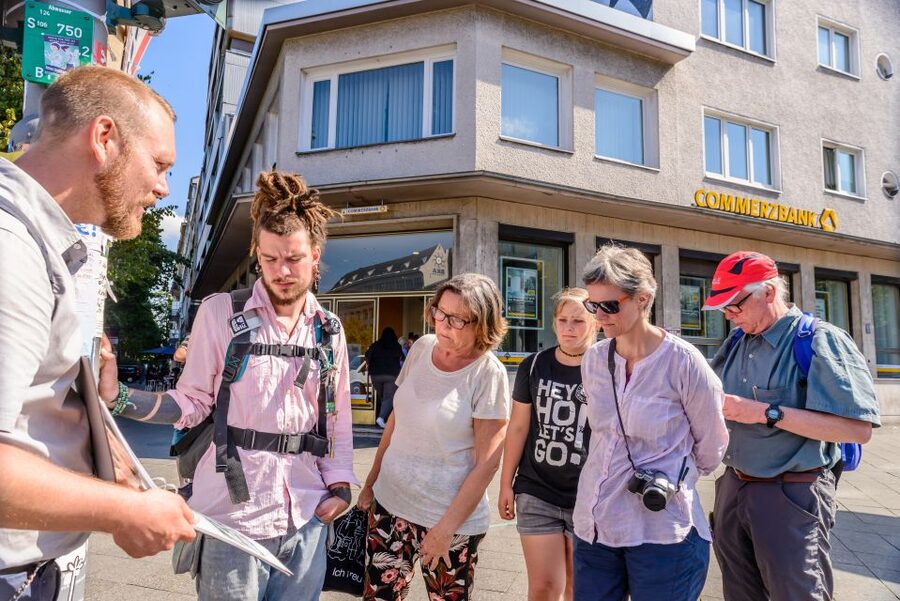
Kreuzberg rewards curious walkers. This $23 walking tour moves beyond Berlin’s famous sights, linking military buildings, grand apartments, quiet courtyards, a hilltop monument, and neighborhood streets. I especially like the stop at Viktoriapark, where a waterfall and city views offer a welcome change from urban pavement, and the close look at Kreuzberg’s lesser-known architecture around Chamissoplatz and Riehmers Hofgarten.
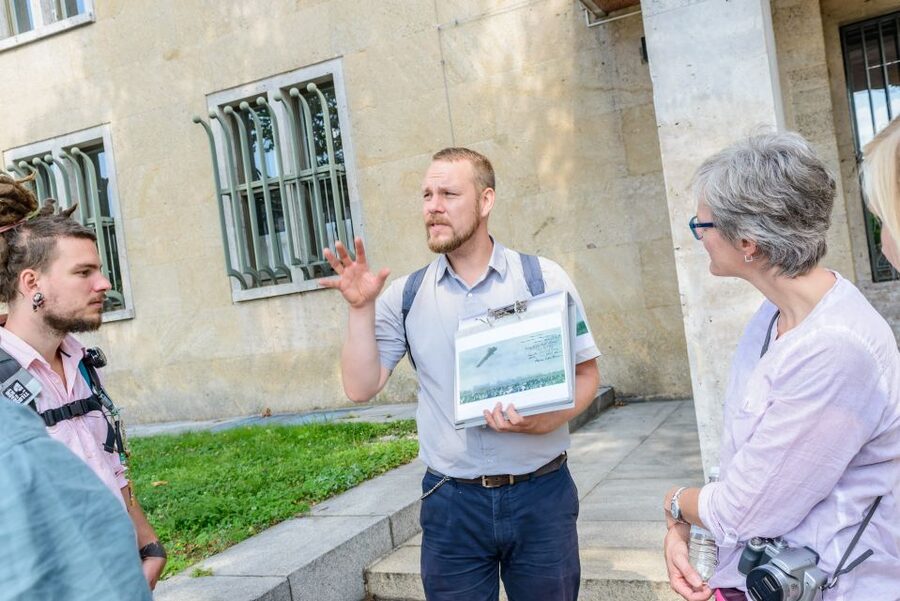
The guide adds real value here. Past tours led by Tobias Schwabe have been praised for friendly storytelling, local detail, and the ability to point out things most people would walk straight past. My one caution is simple: this is 2.5 hours on foot, with no proper meal stop built in, so wear comfortable shoes and eat beforehand.
In This Review
- Key points at a glance
- Why Kreuzberg 61 deserves two and a half hours
- Starting at Platz der Luftbrücke
- Small memorials and overlooked corners
- Viktoriapark and the climb to Kreuzberg
- Riehmers Hofgarten and 19th-century housing
- From Sarotti chocolate to reused urban spaces
- Bergmannstraße and the neighborhood today
- Chamissoplatz, the Fachwerkhof, and Marheineke Markthalle
- What the guide adds to the experience
- Is $23 a fair price?
- Who should book this Kreuzberg walk?
- Should you book it?
- FAQ
- How long is the Kreuzberg 61 walking tour?
- How much does the tour cost?
- Where does the tour begin?
- Which parts of Kreuzberg does the tour cover?
- Which languages are available?
- Does the tour visit Viktoriapark?
- Will I see the Prussian Monument for the Liberation Wars?
- Is there time for shopping?
- Is food included?
- Can I cancel the booking?
Key points at a glance
- Kreuzberg beyond the clichés: See the western part of the district through architecture, urban planning, politics, and everyday local life.
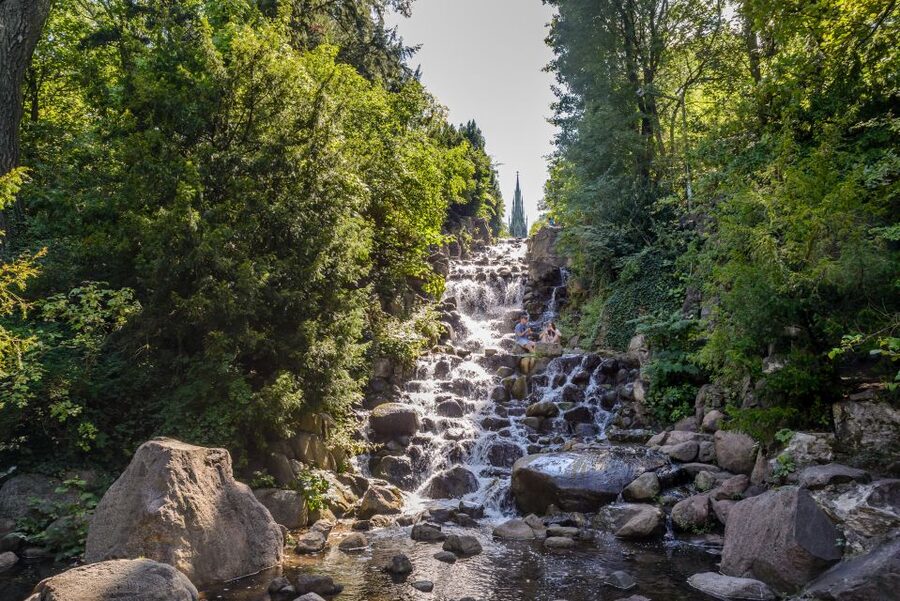
- A waterfall in the city: Viktoriapark gives the route its most refreshing pause, along with a view from Kreuzberg hill.
- Schinkel’s national monument: The Prussian Monument for the Liberation Wars provides one of the tour’s strongest visual moments.
- Courtyards and old facades: Riehmers Hofgarten, the Fachwerkhof, and Chamissoplatz reveal a quieter side of Berlin’s 19th-century building culture.
- An expert-led walk: The guide explains both what you see and the background that makes it matter.
- Flexible booking: The tour runs in English or German, costs $23 per person, and allows cancellation up to 24 hours before departure for a full refund.
Why Kreuzberg 61 deserves two and a half hours
Kreuzberg is often reduced to street art, Turkish restaurants, nightlife, and alternative culture. Those things are part of the district, but western Kreuzberg, sometimes called Kreuzberg 61, has a broader story.
This route runs between Platz der Luftbrücke and Mehringdamm, through an area shaped by 19th-century military planning, apartment construction, political change, migration, and neighborhood life. You are not simply ticking off monuments. You are learning how a Berlin district grew, changed hands, and developed several different personalities within a fairly small area.
I like that the tour does not depend on one blockbuster sight. Its pleasure comes from connections: a military building helps explain the setting, a residential courtyard reveals social history, and a local square shows how architecture influences daily life. The guide’s job is important because many of these places do not explain themselves.
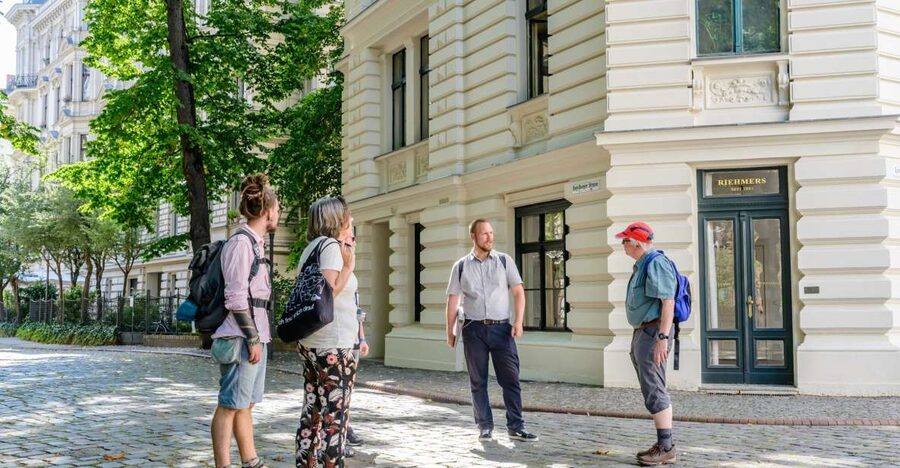
Tobias Schwabe is the guide name most closely associated with this experience. His tours have earned repeated praise for combining historical information with personal stories and an easy conversational manner. That matters on a neighborhood walk. You get room to ask questions instead of listening to a fixed speech while hurrying toward the next photo stop.
More Walking Tours in Berlin
- Discover Berlin Half-Day Walking Tour
★ 5.0 · 9,624 reviews - Berlin: Third Reich and Cold War 2 Hour Walking Tour
★ 4.9 · 6,830 reviews - Berlin: Discover Berlin Walking Tour
★ 4.9 · 5,998 reviews
Starting at Platz der Luftbrücke
The tour begins at or near Platz der Luftbrücke, with the exact meeting point depending on the option you book. Mehringdamm 129 is listed as one possible starting location, so check your confirmation carefully rather than assuming every departure begins in the same place.
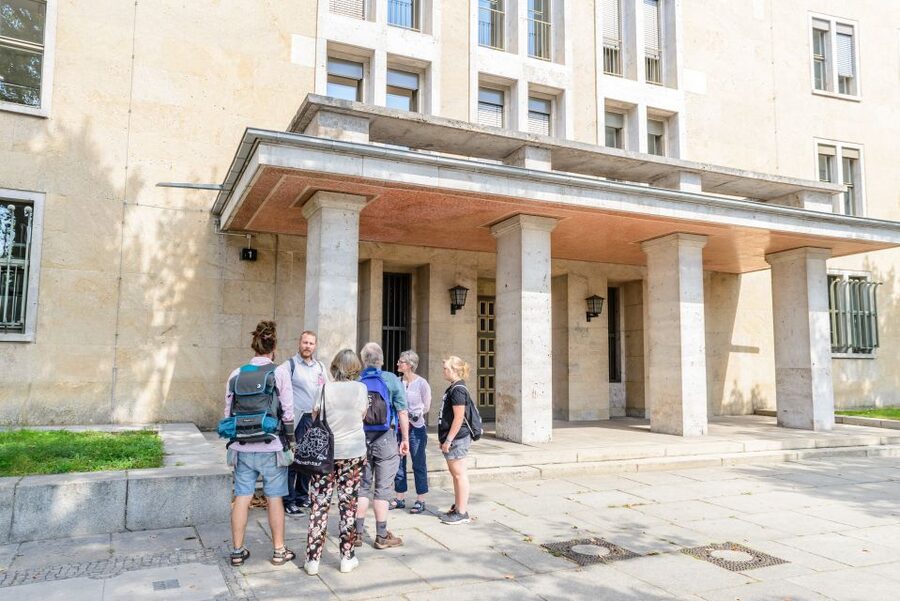
Platz der Luftbrücke gives the walk a strong opening. The square is tied to Berlin’s airlift history and framed by major military-era buildings. The route does not treat the square as an isolated wartime monument. Instead, it uses the setting to introduce the wider story of Kreuzberg’s architecture and its changing role in Berlin.
You spend about 25 minutes here, including guided explanation, sightseeing, and walking past the surrounding buildings. This is a useful amount of time for context, though anyone expecting an interior museum visit should adjust expectations. The experience is outdoors and focused on the district itself.
From the beginning, you can expect the guide to point out details that are easy to miss from a passing bus or a standard city-center route. That close attention is one of the walk’s main strengths.
Small memorials and overlooked corners
The next stops include the Verband der deutschen Buchdrucker monument and Sixtusgarten 10. Each receives about 10 minutes, and both fit the tour’s larger purpose: finding meaning in places that are not usually on a first-time Berlin checklist.
The book printers’ monument opens a door into the history of organized work and political life. It is the sort of stop that becomes more interesting when a guide explains who it commemorates and why it belongs in this particular neighborhood.
Sixtusgarten 10 is listed as a photo stop and sightseeing point. The short visit suggests that this is less about a major attraction and more about seeing a particular building, corner, or detail within the area. You may not spend long there, but that is part of the rhythm: brief discoveries linked by a longer walk.
This section will appeal most to you if you enjoy urban details and local history. If your ideal Berlin tour means entering grand museums or spending half an hour at each famous monument, this route may feel modest. Its rewards are quieter and depend on your attention.
Viktoriapark and the climb to Kreuzberg
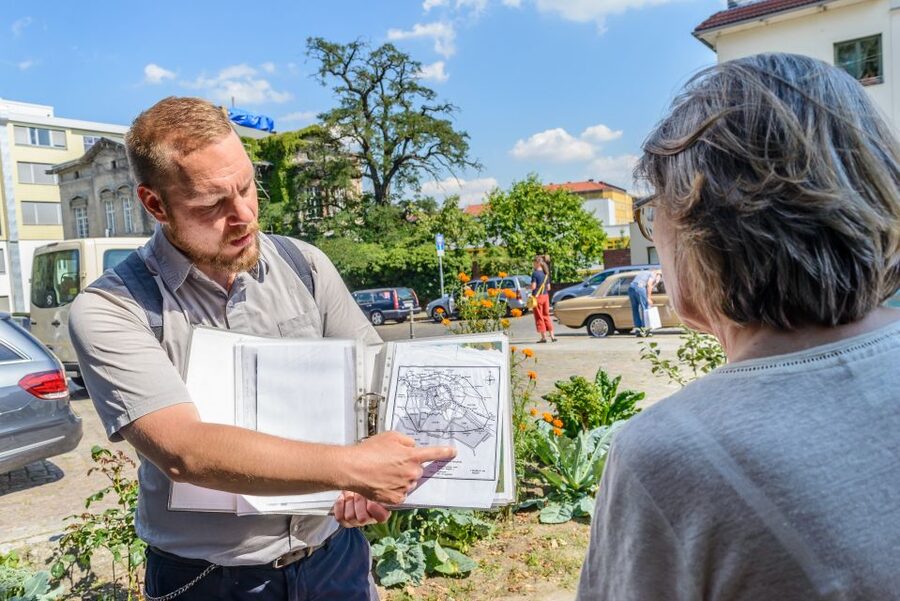
Viktoriapark is the route’s longest stop, at about 35 minutes. It includes a photo stop, guided sightseeing, scenic views, and time to walk through the park.
The park provides an oasis of calm after the harder architectural edges of Platz der Luftbrücke. Its waterfall is an unusual sight in a major European capital, and the route uses it well as a pause in the story. You get a change of pace, a chance to take photographs, and an outdoor setting where the district feels less dense.
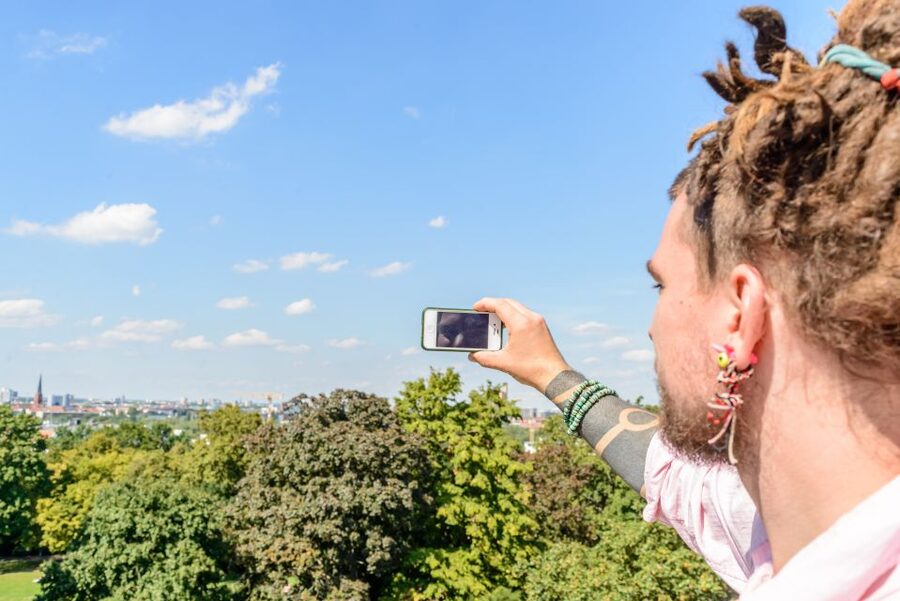
The hill called Kreuzberg gives the neighborhood its name. Above the apartment blocks and former military buildings, Schinkel’s national monument offers a broad view across Berlin. The panorama helps you understand the city physically: this is not just a collection of streets, but a district with a high point that changes how you see the surrounding urban area.
The walk includes scenic views, but do not mistake this for a dedicated viewpoint tour. The panorama is one part of a broader neighborhood experience. Weather may also affect how rewarding the view feels, especially during the cold season or on a gray day.
The route then reaches the Prussian Monument for the Liberation Wars. You get around 10 minutes for a photo stop and explanation. This is an important visual anchor, and the guide can place the monument within Berlin’s political and architectural story rather than leaving it as a decorative object on a hill.
Something different for another day:
- Berlin: Reichstag, Dome and Government District Guided Tour
★ 4.7 · 18,288 reviews - Berlin: 1-Hour City Tour by Boat with Guaranteed Seating
★ 4.3 · 16,993 reviews - Berlin: Boat Tour Along the River Spree
★ 4.4 · 11,252 reviews - Berlin: Hop-on Hop-off Bus Tour with Live Commentary
★ 4.3 · 8,579 reviews
Riehmers Hofgarten and 19th-century housing
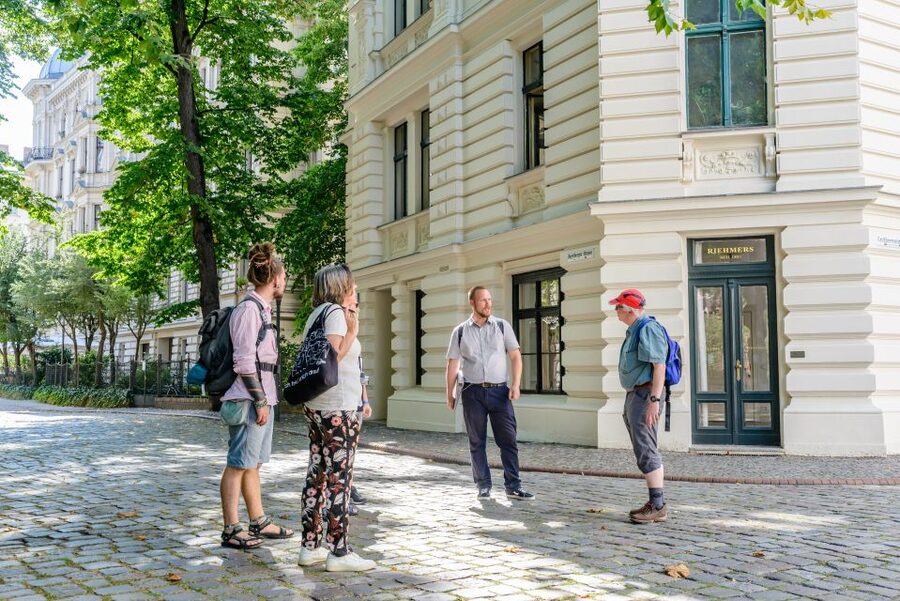
After the park, the tour returns to Kreuzberg’s built environment. Riehmers Hofgarten receives about 10 minutes, with time for photographs, walking, and a guided look at the site.
This is where the tour’s architecture focus becomes especially clear. Berlin’s old apartment blocks are often admired from the street, but a courtyard can tell you more about how residents once lived and how developers organized dense housing. The enclosed garden setting offers a calmer view of the city than the busy roads outside.
You will want to listen for the guide’s explanation of design, class, and daily life. The tour is not simply asking you to admire preserved facades. It is showing how buildings, courtyards, and streets reflect the social choices of their era.
The area is also a good reminder that Kreuzberg is not one uniform neighborhood. A few blocks can shift from monumental to residential, from formal to intimate, and from heavily trafficked to surprisingly quiet.
From Sarotti chocolate to reused urban spaces
Schmelzwerk in den Sarottihöfen is another 10-minute stop. The site connects Kreuzberg to its industrial and commercial past, including the former Sarotti chocolate works.
This adds useful balance to the tour. Berlin’s story is not only about kings, wars, walls, and memorials. Factories, food production, workers, and later changes in building use have also shaped the district. A former industrial site now encountered as part of the neighborhood shows how old structures can acquire new lives.
The stop includes a photo opportunity and a short walk-by. Again, this is not a long indoor visit, so the value comes from the guide’s interpretation and the surrounding streets rather than from an extended attraction visit.
I appreciate this kind of stop because it helps connect architecture with economics. You see where work once happened, then compare that setting with the homes, shops, and public spaces encountered later.
Bergmannstraße and the neighborhood today
The route reaches Bergmannstraße for about 20 minutes. This is the most active commercial section of the walk, with sightseeing, walking, and time to notice shops and the street’s multicultural character.
Bergmannstraße is a good place to see how Kreuzberg functions as a lived-in district rather than a museum display. The street brings together food, shopping, local routines, and the cultural mix that has become part of Kreuzberg’s public identity.
The guide can help you move past the easy cliché of artists and Turkish restaurants. One past participant who had lived in Berlin for four years still discovered unfamiliar parts of the district on this route, especially the architecture. That is a useful clue about the tour’s level: it can work for a first visit, but it may also surprise people who already know central Berlin.
Do not expect a long shopping session. Twenty minutes is enough to understand the atmosphere and perhaps note places to return to later. If you want time to eat or browse at length, plan to stay in the area after the tour.
Chamissoplatz, the Fachwerkhof, and Marheineke Markthalle
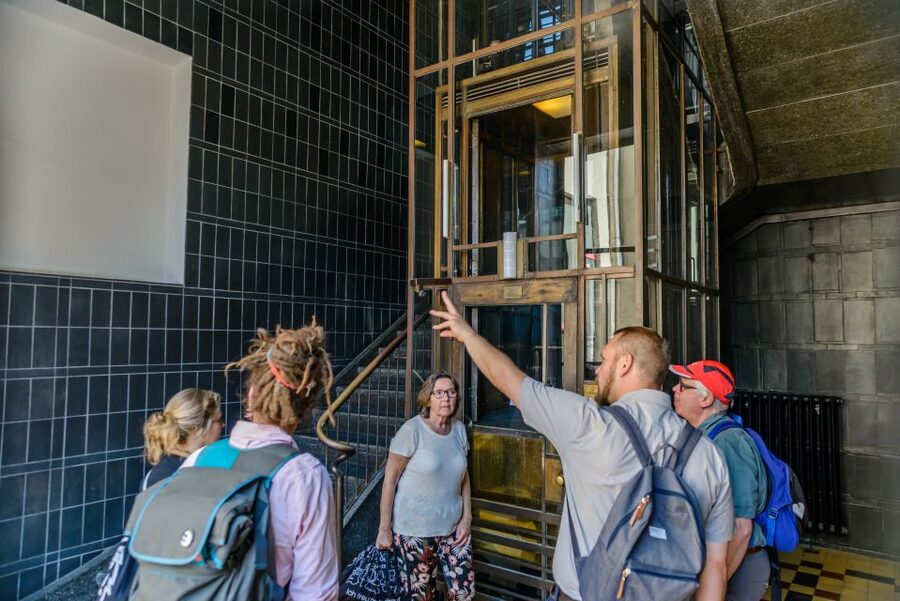
The walk continues to the Fachwerkhof in Berlin Kreuzberg, a brief five-minute stop that includes sightseeing, shopping, and photographs. The short timing makes sense for a small architectural feature or courtyard. You may find this especially rewarding if you enjoy old construction details that are easy to miss beside larger buildings.
Chamissoplatz receives another five minutes. This charming square is one of the tour’s clearest examples of well-preserved architecture and a more peaceful residential setting. It gives you a chance to compare the formal buildings here with the industrial traces and commercial activity seen earlier.
The final stop is Marheineke Markthalle, with about five minutes listed for a break, guided sightseeing, walking, and shopping. This is not presented as a full food tour or scheduled lunch. Think of it as a short orientation to a useful local market, with the option to return afterward if you want more time.
The route’s ending is practical. You finish near the Bergmannstraße area, where you can continue exploring independently. Since the scheduled break is brief, bring water and consider eating before the walk if you prefer not to wait until the end.
What the guide adds to the experience
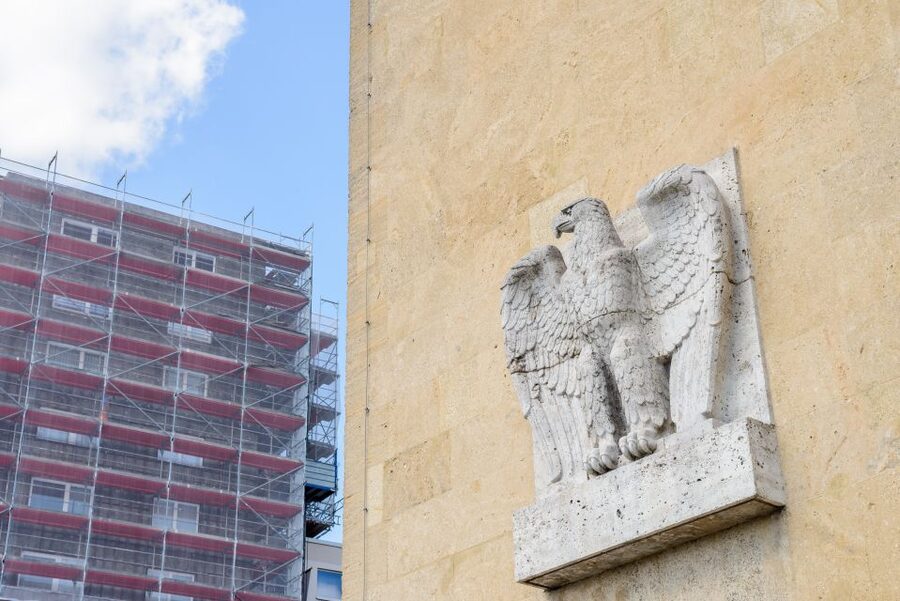
The strongest praise for this tour centers on the guide’s ability to explain places in a friendly, personal way. Tobias Schwabe has been described as someone who combines historical and personal stories, answers questions, and notices corners that would otherwise go unseen.
That style suits Kreuzberg 61. A guide can tell you that a building is old, but a good guide also explains why its design matters, how the neighborhood changed, and what makes one street different from the next. Several past participants also valued the coverage of German life, politics, architecture, and history beyond the usual focus on the Second World War and the Cold War.
The language options are English and German. The wording of the tour suggests a live guide rather than an audio recording, so you can ask questions as the walk develops. A private date, time, and meeting point may also be arranged for you and your group on request, which is useful if the standard departure does not fit your plans.
There is one practical uncertainty: the group size is not specified. That means the feel of the experience may depend on the departure you choose. A small group should make the conversation easier, while a larger group may require you to stay close and speak up when you want clarification.
Is $23 a fair price?
At $23 per person, this is a strong value if you want more than a basic orientation walk. The route lasts 2.5 hours and covers several distinct settings: a major square, a memorial, a park, a hilltop monument, historic housing, an industrial courtyard, a commercial street, a market hall, and two attractive residential areas.
You are paying primarily for interpretation. There is no meal, museum admission, or special transport included. That keeps the cost low, but it also means the tour’s success depends on the guide and on your interest in listening while walking.
For a visitor who would otherwise pass through Kreuzberg without understanding its layers, $23 is reasonable. It can also be worthwhile for Berlin residents. One past participant took the walk specifically to learn more about an area they thought they knew, while another said it helped reveal parts of the neighborhood that had gone unnoticed.
The best value comes if you stay in or near Kreuzberg afterward. Use the tour to get your bearings, then return to Bergmannstraße, Chamissoplatz, or Marheineke Markthalle at your own pace.
Who should book this Kreuzberg walk?
I would choose this tour if you like architecture, urban history, local politics, and neighborhoods that reward close looking. It is also a good choice if you have already seen Berlin’s main landmarks and want a more grounded view of how people live among them.
The walk suits solo visitors, couples, groups, and residents. The guide’s conversational approach should work well if you enjoy asking questions and comparing what you see with your own city.
I would think twice if you have limited mobility, dislike walking for several hours, or want a fast list of famous sights. The route includes a hill at Viktoriapark, and the supplied details do not describe accessibility arrangements. It is also less suitable if you want a food-focused experience, since Marheineke Markthalle receives only a short break.
Wear comfortable shoes, check the meeting point, and allow extra time afterward for food or shopping. English and German departures are available, and free cancellation is offered up to 24 hours before the tour, with a reserve-now, pay-later option for flexible plans.
Should you book it?
Book this Kreuzberg 61 tour if you want Berlin explained through ordinary streets, courtyards, monuments, and local life rather than only through headline attractions. The combination of Viktoriapark’s waterfall, Schinkel’s hilltop monument, Riehmers Hofgarten, Chamissoplatz, and Bergmannstraße gives the walk plenty of variety.
I would make it a priority for architecture fans and repeat Berlin visitors. First-time visitors should book it too if they can spare 2.5 hours and want a thoughtful introduction to a district that is easy to stereotype and much more interesting when seen block by block.
FAQ
How long is the Kreuzberg 61 walking tour?
The tour lasts 2.5 hours.
How much does the tour cost?
The listed price is $23 per person.
Where does the tour begin?
The meeting point may vary by booking option. Mehringdamm 129 is listed as one possible starting location, and a special meeting point can be arranged for a group on request.
Which parts of Kreuzberg does the tour cover?
The route focuses on western Kreuzberg, between Platz der Luftbrücke and Mehringdamm, ending around the Bergmannstraße and Marheineke Markthalle area.
Which languages are available?
The live tour guide is available in English and German.
Does the tour visit Viktoriapark?
Yes. The route spends about 35 minutes at Viktoriapark, including a waterfall, scenic views, a photo stop, and guided sightseeing.
Will I see the Prussian Monument for the Liberation Wars?
Yes. The monument is included as a guided sightseeing and photo stop, with about 10 minutes scheduled there.
Is there time for shopping?
Yes. Bergmannstraße, the Fachwerkhof, and Marheineke Markthalle include opportunities for shopping or browsing, though the tour does not provide a long shopping session.
Is food included?
No food or meal is listed as included. Marheineke Markthalle includes a short break of about five minutes.
Can I cancel the booking?
You can cancel up to 24 hours in advance for a full refund. A reserve-now, pay-later option is also available.
Just added around Berlin
- Berlin: Private Guided Tour of the Main Sights★ 5.0 · 13 reviews
- Private Highlights of Berlin Bike Tour★ 5.0 · 13 reviews
- Modern Berlin Private Walking Tour: Diverse, Vibrant and Exciting German Capital★ 5.0 · 13 reviews
- Tour in Berlin from Warnemünde and Rostock Cruise Port★ 4.1 · 13 reviews
- Berlin: Stasi Museum Private Guided Tour with Entry Ticket★ 4.8 · 13 reviews
- Private Food Tour Experience with a born and bred Berliner★ 5.0 · 14 reviews
- Berlin: Rheinsberg Palace Entrance Ticket★ 4.8 · 14 reviews
- Berlin in one day – day tour with an expert guide★ 5.0 · 14 reviews
Walking Tours, compared.


Berlin’s Best: 2 Hour Walking Tour Third Reich and the Cold War
Read our review →
Third Reich Berlin: Hitler and WWII Walking Tour
Read our review →Browse the lists this tour appears in