
Reviewed · WALKING TOURS
Potsdam, City of Emperors Walking Tour
Potsdam packs centuries into one day. This guided excursion links Prussian kings, elegant baroque streets, the Bridge of Spies, and the site of the Potsdam Conference in a well-planned outing from Berlin. I especially like the small-group format and the way public transport connects several far-flung sights without requiring you to plan the routes yourself.
I also like the strong mix of palaces, gardens, architecture, and 20th-century politics. The main catch is that the tour ends outside Sanssouci Palace, and the palace admission is extra, so you need to budget more than the $80 tour price. You will also walk 5 to 6 kilometers and use trains, buses, and trams.
In This Review
- Key Points Before You Book
- Why Potsdam Makes a Good Day Trip from Berlin
- Starting Near Zoologischer Garten
- Glienicke Bridge and the Cold War
- Potsdam Center and Bassinplatz
- Babelsberg Palace and Potsdam’s Royal Identity
- Cecilienhof and the Potsdam Conference
- Potsdam’s Brandenburg Gate
- Finishing at Sanssouci Palace
- The Guides Make the Difference
- Walking, Transport, and the Pace
- Who Will Get the Most from This Tour
- Is the $80 Price Worth It?
- Should You Book the City of Emperors Tour?
- FAQ
- Where does the tour start?
- Where does the tour end?
- Is transportation to Potsdam included?
- Is Sanssouci Palace admission included?
- Is Sanssouci Palace open every day?
- How much walking does the tour involve?
- Is there a lunch break?
- How large is the group?
- Can children join the tour for free?
Key Points Before You Book
- Bridge of Spies opening: The tour begins in Potsdam at Glienicke Bridge, the Cold War crossing made famous by prisoner exchanges.
- Four major historical settings: You visit or view Babelsberg Palace, Cecilienhof Palace, Potsdam’s Brandenburg Gate, and Sanssouci Palace.
- Public transport is part of the experience: You need an ABC ticket, priced at €3.40 for a single trip, before meeting the guide.
- Sanssouci admission is separate: The tour finishes at the palace, but entry costs about €12 and the guide does not provide a full palace visit.
- A lot of walking: Comfortable shoes matter, especially because the route covers several parts of Potsdam.
- Guide quality matters: Guides such as Sophia, Rodrigo, Susan, Alice, and Rochelle have been praised for making complicated history clear and lively.
Why Potsdam Makes a Good Day Trip from Berlin
Potsdam is not simply Berlin with more palaces. It was the residence city of Prussian kings and later German Kaisers, shaped by military power, royal ambition, and grand building projects. The city also carries the weight of 1945, when the Allied leaders met at Cecilienhof to negotiate the postwar order.
That combination gives the tour a useful structure. You begin with royal and military Potsdam, move through its palaces and gardens, then reach the Cold War and World War II chapters. Instead of seeing one palace in isolation, you get a sense of how the city’s buildings fit into German political history.
The $80 price is reasonable if you want a guide to explain the connections and manage the transport. It is less attractive if you prefer to explore at your own pace or plan to spend several hours inside Sanssouci. The tour’s value lies mainly in the guiding, the route planning, and the amount of ground covered.
The experience lasts about five and a half hours, though it is often described as a six-hour outing. You start at 10:00 a.m. near Berlin’s Zoologischer Garten station and return to the same general area by public transport.
More City Tours in Berlin
- Berlin: 1-Hour City Tour by Boat with Guaranteed Seating
★ 4.3 · 16,993 reviews - Berlin: City Sightseeing Hop-On Hop-Off Bus Tour
★ 4.1 · 4,233 reviews - Potsdam: City and Castles Tour
★ 4.7 · 3,721 reviews
Starting Near Zoologischer Garten
Your meeting point is in front of the Starbucks at Joachimsthaler Str. 1-4, near Zoologischer Garten station. This is a practical location in central Berlin, but you should allow enough time to find the exact meeting spot and purchase your transport ticket.
You need an ABC travel ticket for the journey to Potsdam. The stated single-trip price is €3.40, and transport is not included in the tour price. Since the group uses public trains, buses, and trams during the day, check with the guide about the correct ticket before setting off.
This opening section is simple, but it is worth arriving prepared. You will not want to begin a long walking day by searching for a ticket machine or sorting out the fare zones at the last moment.
Glienicke Bridge and the Cold War
The first major stop is Glienicke Bridge, better known as the Bridge of Spies. This crossing between Berlin and Potsdam became associated with Cold War prisoner exchanges, giving you an immediate look at the political tension that divided Germany and Europe.
The stop lasts about 30 minutes. That is enough time for the guide to explain why the bridge mattered and for you to take in its setting before the group moves on. The bridge is not a palace or museum, so the value comes from the story and the location rather than from an interior visit.
I like this as an opening sight because it prevents the tour from becoming only a parade of royal buildings. Potsdam is also a place of borders, intelligence, negotiation, and divided power. The Bridge of Spies makes that clear early in the day.
Potsdam Center and Bassinplatz
After reaching Potsdam, the group takes a short bus ride toward the center and explores the area around Bassinplatz. The tour presents central Potsdam as part of Germany’s largest UNESCO World Heritage site, a broad collection of palaces, gardens, streets, and historic buildings.
The focus here is on baroque architecture and the city’s growth under several generations of Prussian rulers. You can expect the guide to point out the relationship between the streets, squares, churches, and royal projects rather than simply naming buildings as you pass.
This is one of the better sections for understanding Potsdam as a planned royal city. It was formed first as a garrison city, and its later elegance grew from the power and ambitions of the Prussian monarchy. The contrast between military purpose and decorative architecture gives the city much of its character.
The central walk also includes the Dutch Quarter elsewhere along the route. Its orderly streets and distinctive architecture add variety after the grand royal sites. Because the group is moving on foot between stops, you get a better feel for the city than you would from a coach window.
More Walking Tours in Berlin
- Discover Berlin Half-Day Walking Tour
★ 5.0 · 9,624 reviews - Berlin: Third Reich and Cold War 2 Hour Walking Tour
★ 4.9 · 6,830 reviews - Berlin: Discover Berlin Walking Tour
★ 4.9 · 5,998 reviews - Berlin’s Best: 2 Hour Walking Tour Third Reich and the Cold War
★ 5.0 · 5,486 reviews
Babelsberg Palace and Potsdam’s Royal Identity
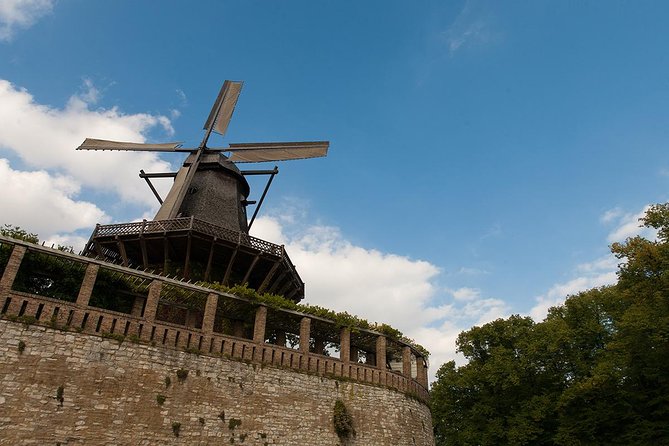
The itinerary then shifts by tram to Babelsberg Palace. This former royal residence helps explain why Potsdam became closely linked with German kings and Kaisers. The stop lasts about 30 minutes and is mainly an exterior and historical visit.
You will hear about the royal family, the Prussian army, and the palace-building program that shaped the city. The information is especially useful if you are unsure how Prussia fits into the later story of Germany. Potsdam’s palaces were not just country houses. They reflected the power, taste, and political reach of the ruling family.
The stop also connects Potsdam with the Babelsberg film studios, which adds another layer to the city’s identity. You should not expect a film-studio tour as part of this excursion. The attraction here is the palace setting and the explanation of its place in Potsdam’s royal past.
The tram ride is practical, but it also means the day has a steady rhythm of walking, boarding, and regrouping. One person described the experience as covering a lot of ground, both in distance and in information. That is accurate. The route is efficient, but it is not a relaxed stroll through one compact park.
Cecilienhof and the Potsdam Conference
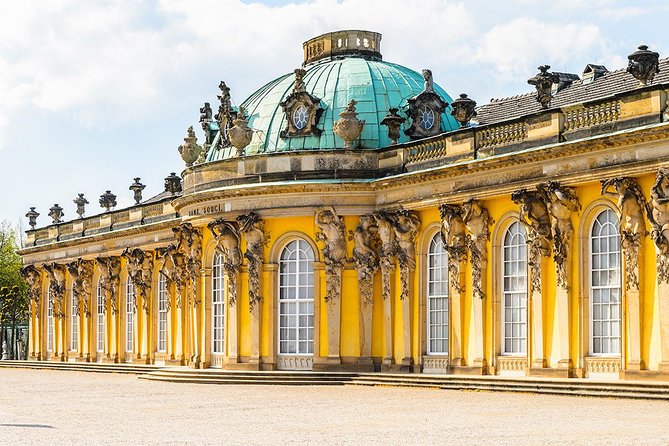
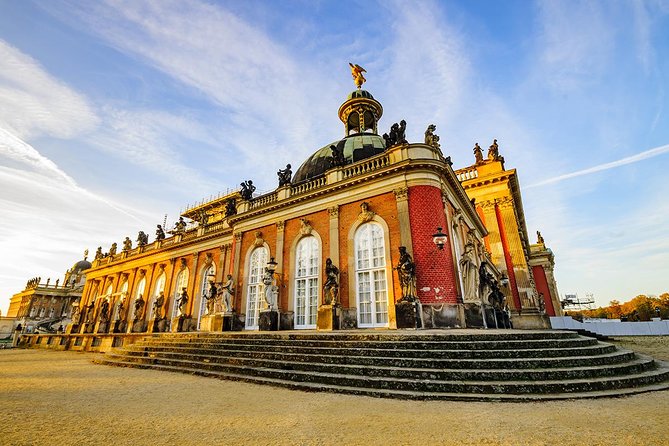
The next major setting is Neuer Garten, or New Garden, where you find Cecilienhof Palace. This UNESCO World Heritage site is central to the tour’s 20th-century story.
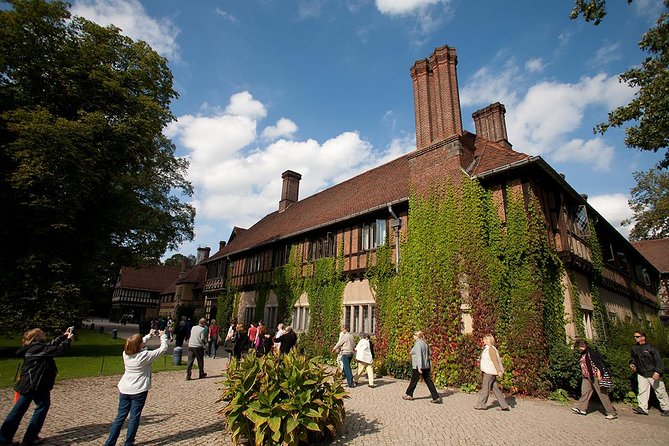
Cecilienhof was the home of the German Crown Prince before the monarchy ended. The palace later became the setting for the Potsdam Conference, where the Allied leaders met in 1945 to discuss Germany and the postwar settlement. The tour uses the palace to connect the final years of the German monarchy with the negotiations that followed World War II.
This section gives the day its strongest historical turn. Earlier, you are hearing about kings, armies, royal residences, and baroque city planning. At Cecilienhof, that world gives way to the political decisions that helped shape postwar Europe.
The stop is scheduled for about 30 minutes. That is enough for an outdoor introduction and the main stories, but not enough for a slow, detailed palace visit. If the conference rooms are a priority, check what you can see independently after the tour or arrange extra time in Potsdam.
Potsdam’s Brandenburg Gate
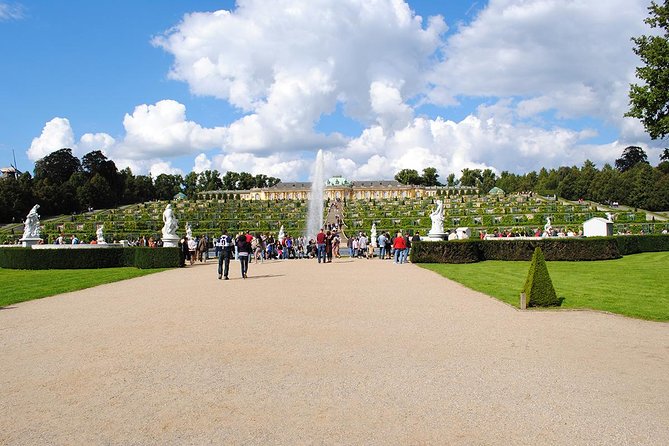
Potsdam has its own Brandenburg Gate, separate from Berlin’s better-known monument. The tour stops here to explain the city’s growth under four generations of exceptional kings and to place that growth within the larger story of the two world wars.
This is a short stop, but it helps tie together what you have seen. The gate is a reminder that Potsdam was designed to express royal power. It also marks the edge of the historic city center, making it a useful point for discussing how Potsdam changed over time.
You may find the stop more interesting after the earlier explanations of Prussian rule. On its own, the gate is attractive but fairly quick to view. In context, it becomes part of the larger story of a city shaped by monarchy, war, and political change.
Finishing at Sanssouci Palace
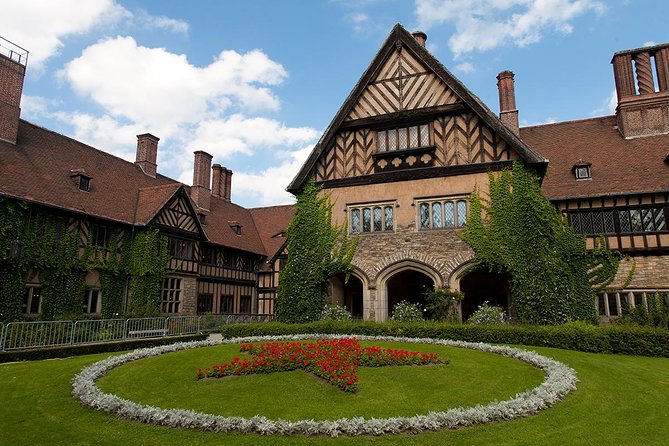
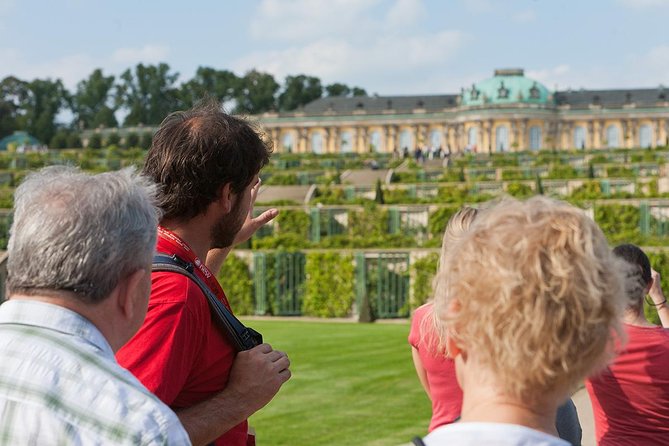
The tour ends at Sanssouci Palace, the former summer residence of Frederick the Great, King of Prussia. The palace is one of Potsdam’s most famous sights, and the views across the grounds are a fitting close to the day.
Your guide explains the palace’s history and architecture, then gives advice on buying tickets at the best price and avoiding long lines. Admission is not included, and the stated entrance fee is about €12. The tour itself does not take you through the palace interior.
This point needs careful attention because it can affect your satisfaction. The experience description may sound like a palace visit, but the guided portion finishes outside. If you expect an included interior tour, you may feel shortchanged. If you understand that Sanssouci is the final orientation stop, then you can decide if you want to pay for entry and continue independently.
Sanssouci Palace is closed on Mondays, so do not book this experience for that day. The tour can still cover other Potsdam sights, but the advertised finish at Sanssouci will not work as expected.
The palace grounds also change with the season. In winter, statues may be covered, which can make the gardens feel less complete. Even so, the palace view remains an important part of a first visit to Potsdam.
The Guides Make the Difference
A good guide is essential here because the route contains several layers of German history. The strongest guide feedback has focused on clear explanations, enthusiasm, and the ability to make people feel cared for during a long day.
Sophia was praised for a smooth, well-informed outing. Rodrigo brought energy to stories about important people and events. Susan made the past feel close and accessible during a very small departure with only two people.
Alice was especially attentive to the group and made an effort to look after everyone. Rochelle received high marks for covering a great deal of ground while keeping the historical commentary strong. These names matter because guide quality can vary, and the tour allows independent guides some flexibility in how they shape the day.
The stated maximum is 30 people. One experience had 26, which felt crowded for a walking tour and made it harder to stay close and hear everything. Other departures have been much smaller. If you prefer a quiet, intimate experience, the group size is the main uncertainty to consider.
Walking, Transport, and the Pace
You should be comfortable walking 5 to 6 kilometers and boarding several forms of public transport. The tour requires a moderate level of physical fitness, with no promise that the route will be easy or slow.
The public transport is useful because Potsdam’s sights are spread out. You avoid the work of plotting each connection, and the guide keeps the day moving. The tradeoff is that you may spend part of the tour waiting, boarding, or keeping track of a group in busy stations.
Wear supportive shoes and carry water. Food and drinks are not included, but there is a lunch break. The schedule gives you a chance to eat, though the specific restaurant or length of the break can vary.
You can return to central Berlin with the guide by train at the end, or remain in Potsdam and continue on your own. This flexibility is valuable if you want extra time at Sanssouci or another palace. Just remember that remaining behind means arranging your own return.
Who Will Get the Most from This Tour
I would choose this tour if you want a guided introduction to Potsdam and prefer historical explanation over independent wandering. It suits first-time visitors to the city, especially those who want to connect Prussian monarchy with the Cold War and the Potsdam Conference.
It is also a good match for anyone who wants to see several important sites in one day without renting a car. The guide handles the general route, while the public transport makes it possible to reach places that are not clustered around one station.
I would hesitate if your main goal is a long visit inside Sanssouci Palace. You will need to pay separately and continue on your own after the guided portion. I would also think twice if you dislike group movement or have trouble walking several kilometers.
Children under 13 may join free, which can improve the value for families. Still, the long duration, transport changes, and amount of walking may suit older children better than very young ones.
Is the $80 Price Worth It?
At $80, this is not the cheapest way to reach Potsdam. You must add the ABC transport fare and, if you enter Sanssouci, about €12 for admission. Food and drinks are also separate.
The price makes more sense when you consider the range of the route. You see the Bridge of Spies, central Potsdam, Babelsberg Palace, Neuer Garten, Cecilienhof, Potsdam’s Brandenburg Gate, and Sanssouci in one organized outing. The guide also supplies the historical links that are easy to miss when you visit the sites separately.
The value drops if you plan to spend most of the day inside one palace. It rises if you want a broad first look, clear historical context, and help with public transport. The strong overall rating of 4.7 from 169 ratings and a 93 percent recommendation suggest that the experience usually delivers what it promises, but the group size and Sanssouci expectations deserve attention.
Should You Book the City of Emperors Tour?
Book it if you want a full, active day that combines royal Potsdam, Cold War politics, and the 1945 conference site. The route is busy, but the subject matter is varied, and the best guides make the complicated story easy to follow.
Before paying, confirm that you understand three points: transport costs extra, Sanssouci entry costs extra, and the guided tour ends outside the palace. If those terms suit you, this is a useful and well-organized introduction to Potsdam from Berlin.
Cancel at least 24 hours before the 10:00 a.m. start for a full refund. Changes or cancellations inside that period are not refundable.
FAQ
Where does the tour start?
It starts at 10:00 a.m. in front of the Starbucks at Joachimsthaler Str. 1-4, near Berlin’s Zoologischer Garten station.
Where does the tour end?
The tour ends in Potsdam at Sanssouci Palace. You can remain in Potsdam or return with the guide by train to the Zoologischer Garten area in Berlin.
Is transportation to Potsdam included?
No. You must purchase an ABC travel ticket before joining the tour. A single-trip ABC ticket is listed at €3.40.
Is Sanssouci Palace admission included?
No. The tour ends outside Sanssouci Palace, and entrance costs about €12. The guide provides advice about tickets and avoiding long lines.
Is Sanssouci Palace open every day?
No. Sanssouci Palace is closed on Mondays.
How much walking does the tour involve?
The route covers about 5 to 6 kilometers of walking. A moderate level of physical fitness is recommended, and comfortable shoes are important.
Is there a lunch break?
Yes. A break for lunch is included, but food and drinks are not included in the tour price.
How large is the group?
The maximum group size is 30 people. Group sizes can vary, with some departures much smaller and others reaching more than 20 people.
Can children join the tour for free?
Children under age 13 may join free. The tour still includes several hours of walking and public transport.
Just added around Berlin
- Berlin: Private Guided Tour of the Main Sights★ 5.0 · 13 reviews
- Private Highlights of Berlin Bike Tour★ 5.0 · 13 reviews
- Modern Berlin Private Walking Tour: Diverse, Vibrant and Exciting German Capital★ 5.0 · 13 reviews
- Tour in Berlin from Warnemünde and Rostock Cruise Port★ 4.1 · 13 reviews
- Berlin: Stasi Museum Private Guided Tour with Entry Ticket★ 4.8 · 13 reviews
- Private Food Tour Experience with a born and bred Berliner★ 5.0 · 14 reviews
- Berlin: Rheinsberg Palace Entrance Ticket★ 4.8 · 14 reviews
- Berlin in one day – day tour with an expert guide★ 5.0 · 14 reviews
Walking Tours, compared.

Berlin’s Best: 2 Hour Walking Tour Third Reich and the Cold War
Read our review →
Third Reich Berlin: Hitler and WWII Walking Tour
Read our review →Browse the lists this tour appears in