
Reviewed · WALKING TOURS
Dresden: Taste of Dresden Food Walk
Dresden tastes better with a local story. This 2.5-hour walk through the Old Town mixes six Saxon food and drink tastings with tales of medieval inns, Baroque coffee culture, and everyday life under communism. I like the easy mix of sightseeing and sampling, and I especially like that the stops include regional wine, beer, Eierschecke cake, chocolate, and coffee. The main drawback is clear: if you want a meal-sized food crawl with generous portions, this may feel more like a history walk with carefully chosen bites.
The tour starts at the Dresden Tourist Information in the basement of the QF Passage beside the Frauenkirche and finishes at the same place. I also like the modest price, about $22 per person, which makes it a sensible way to get your bearings in the Altstadt without committing half a day. The tour is conducted in German, so you need enough German to follow the stories and explanations.
In This Review
- Key points to know before booking
- Starting beside the Frauenkirche
- A walking tour with six small discoveries
- Saxon wine and the local drinking table
- Eierschecke, Dresden’s signature sweet stop
- Chocolate and coffee at Dresdner Kaffeerösterei
- From medieval inns to communist-era daily life
- What the German-language format means
- Is $22 good value?
- Who will enjoy this Dresden food walk?
- Useful booking details for your day
- My call: book it for context, not dinner
- FAQ
- Where does the Dresden food walk start?
- Where does the tour finish?
- How long does the food walk last?
- How many food and drink tastings are included?
- What language is the tour conducted in?
- Can I cancel or pay later?
Key points to know before booking
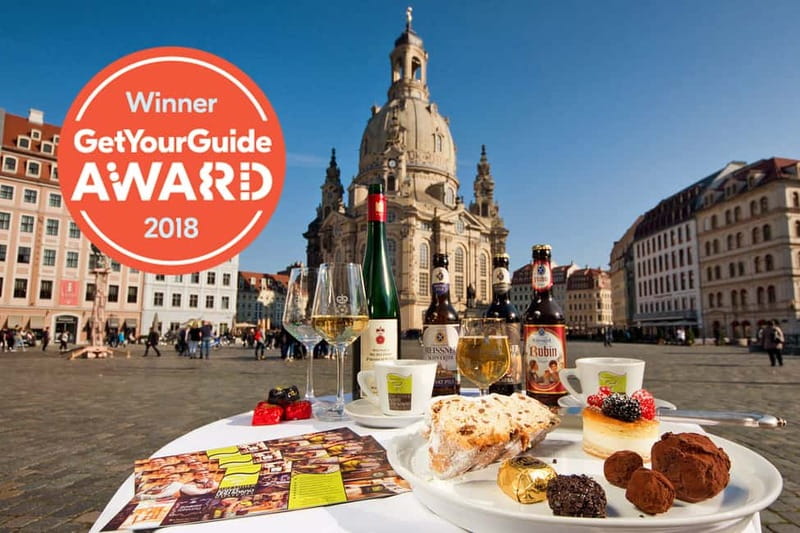
- Six tastings build a picture of Saxony: You sample regional wine, local beer, Eierschecke, fine chocolate, and coffee, with one additional food or drink specialty included.
- The Old Town is part of the meal: The route links food with Dresden’s streets, squares, and stories rather than treating each tasting as a stand-alone stop.
- The history moves across several eras: Expect references to the Middle Ages, Baroque coffee culture, and improvised daily life during the communist period.
- German is the tour language: The live guide leads the experience in German, so language ability matters as much as appetite.
- The value is strongest for first-time visitors: At roughly $22, you get a guided walk, six samples, and a useful introduction to local tastes.
- Allow 2.5 hours: This is long enough for a relaxed introduction, but not a replacement for lunch or dinner.
Starting beside the Frauenkirche
Your meeting point is easy to place once you are at Neumarkt. Go to the Dresden Tourist Information in the basement of the QF Passage, directly by the Frauenkirche. That central location matters because the tour begins in the heart of Dresden’s Old Town, not at an outlying restaurant or transport stop.
I would arrive with a few minutes to spare. The supplied meeting point is specific, but the QF Passage and the Frauenkirche area can feel busy and confusing if you are rushing. You do not need to arrange transport for the walk itself. The tour starts and ends at the same place, which makes it simple to continue sightseeing afterward.
The opening setting also gives the guide a useful stage. Dresden’s Old Town is not just background scenery here. As you move through it, the guide connects local eating and drinking habits with the city’s long story of hospitality, trade, celebration, and survival.
More Food Tours in Dresden
- Dresden: Guided tour VW factory , test drive & food
★ 4.6 · 143 reviews - Dresden: Advent Tour with Stollen Tasting and Mulled Wine
★ 4.4 · 140 reviews - Dresden: Guided Beer Tour of the Historic Old City
★ 4.8 · 95 reviews
A walking tour with six small discoveries
The exact order of the tastings can depend on the day, so you should think of the experience as a guided route with six food and drink stops rather than a fixed restaurant menu. Each sample is meant to explain something about Saxony and Dresden.
That distinction is important. You are not booking a sit-down feast. You are getting a series of tastes spread through the Old Town, with the guide providing the thread between them. The format keeps you moving and leaves room for landmarks, stories, and conversation.
The strongest part of the plan is its range. Beer alone would tell you only one part of the region’s food culture. Here, wine, cake, chocolate, and coffee widen the picture. You get the sense of Dresden as a place where drinking customs, sweet baking, and café life matter alongside hearty regional food.
Saxon wine and the local drinking table
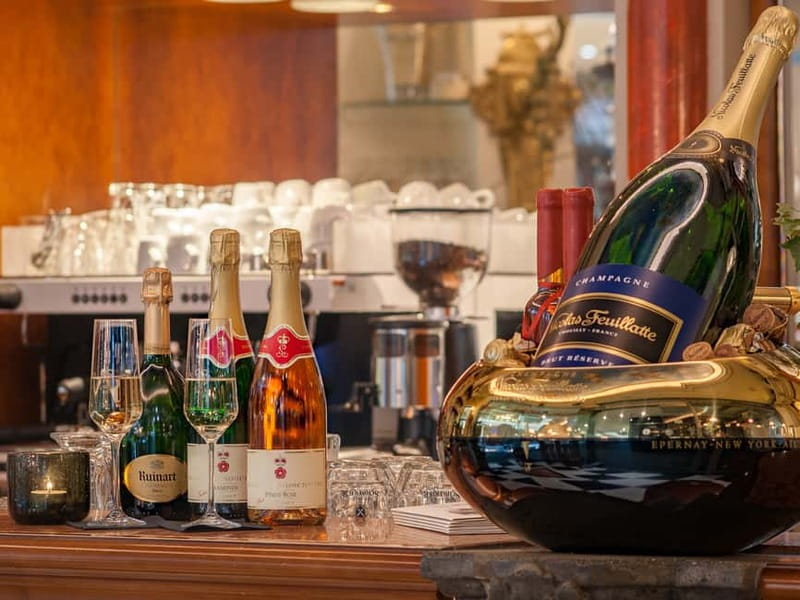
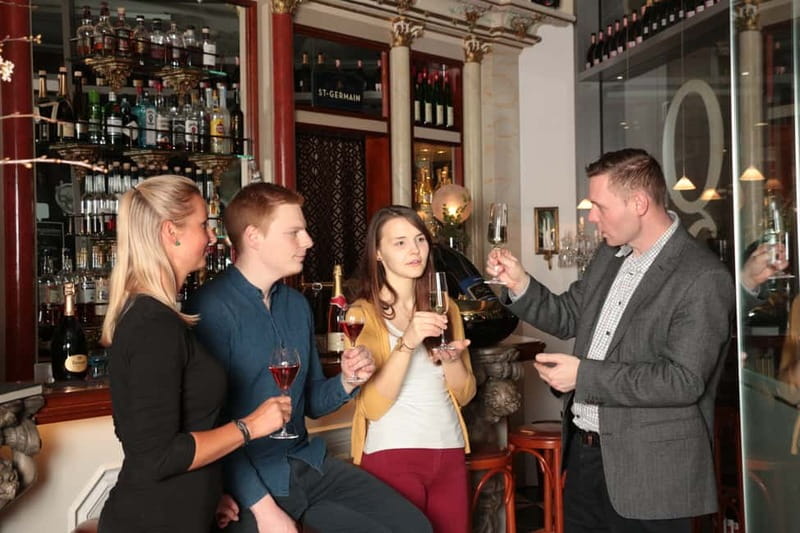
One tasting is an exclusive wine from Saxony. That is a useful inclusion because many visitors associate Germany mainly with beer and overlook the country’s wine regions. The sample gives the guide a chance to explain a less obvious side of Saxon food culture.
The wine is also a good example of the tour’s regional focus. It is not simply a generic drink offered to fill a tasting slot. The point is to introduce a product tied to Saxony and to show that local hospitality has more than one traditional pour.
Another stop features a typical beer from the region. Beer helps balance the sweeter tastings and gives you a familiar reference point, even if you already know German beer. The value comes from hearing how it fits into local customs and the social life of inns.
Do not expect a full beer tasting or a long session at a brewery. The information provided promises one regional beer tasting, not a flight of several styles. If you are mainly interested in brewing, you would need a more specialized tour. For a general introduction to Dresden, one beer alongside local wine is a better mix than repeating similar samples.
Eierschecke, Dresden’s signature sweet stop
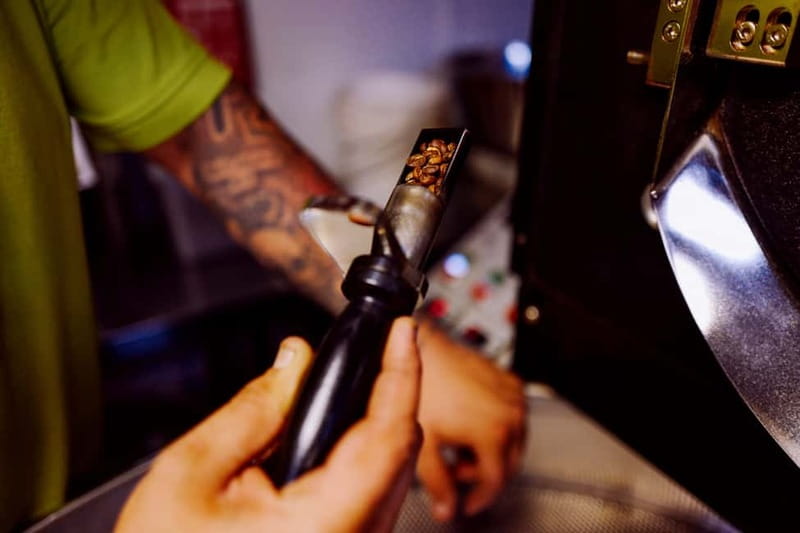
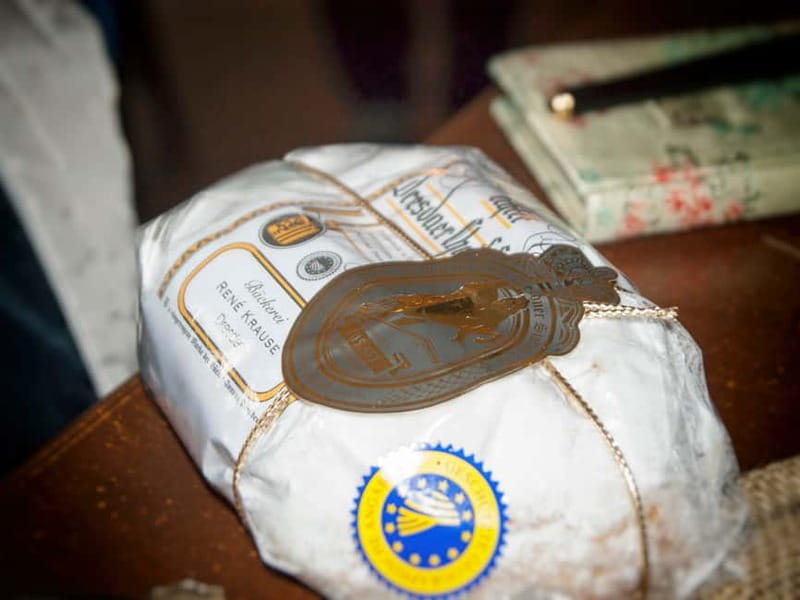
The Eierschecke tasting is likely to be the food moment many people remember. It is a traditional German cheesecake, and this tour presents what is described as the best Eierschecke in town. That wording points to a chosen local stop rather than an anonymous supermarket sample.
Eierschecke gives you a direct taste of Saxon baking culture. Its place in the walk also shows how the tour handles food: one regional specialty, a little context, then back into the streets. The portion is a tasting, so you should not count on it as dessert after a large meal.
I like this stop because it is specific. A broad promise to sample local sweets would be easy to ignore. Naming Eierschecke tells you exactly what regional item you will encounter and gives you something to look for in Dresden bakeries later.
If you have a strong sweet tooth, you may wish the cake portion were larger. That is part of the larger tradeoff here. The tour gives you six different tastes, but variety usually means smaller servings. You are sampling a city, not settling in for a three-course meal.
More Walking Tours in Dresden
- Dresden: City & Semperoper Guided Walking Tour
★ 4.8 · 2,293 reviews - Dresden: Guided City Walk with a Cup of Coffee
★ 4.7 · 1,568 reviews - Görlitz: Old Town Guided Walking Tour
★ 4.7 · 723 reviews - Dresden: Complete Walking Tour with Frauenkirche Visit
★ 4.8 · 700 reviews
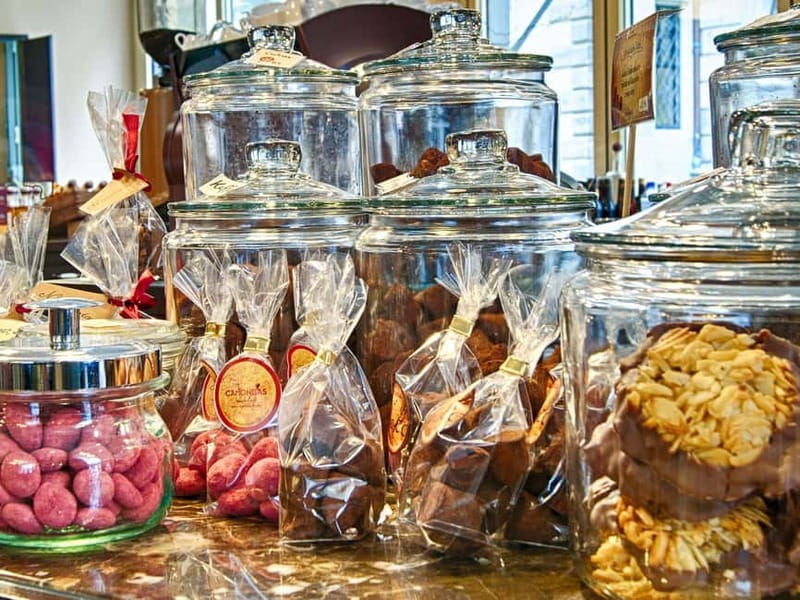
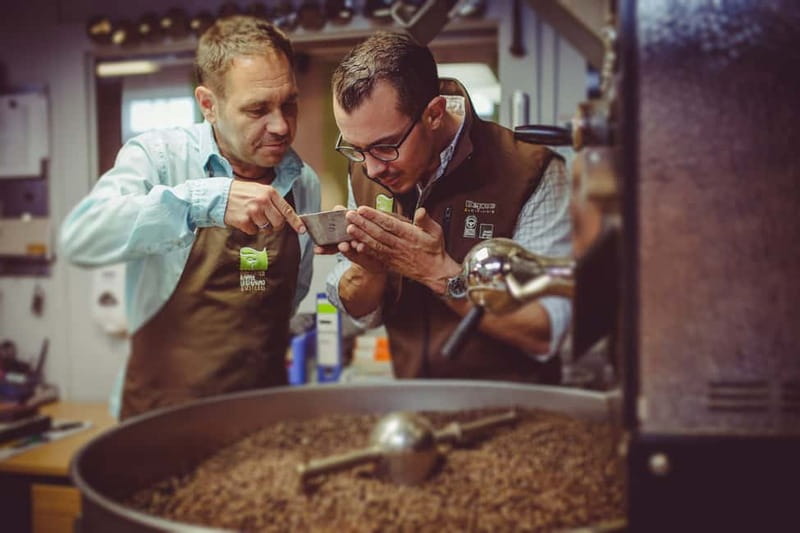
Chocolate and coffee at Dresdner Kaffeerösterei
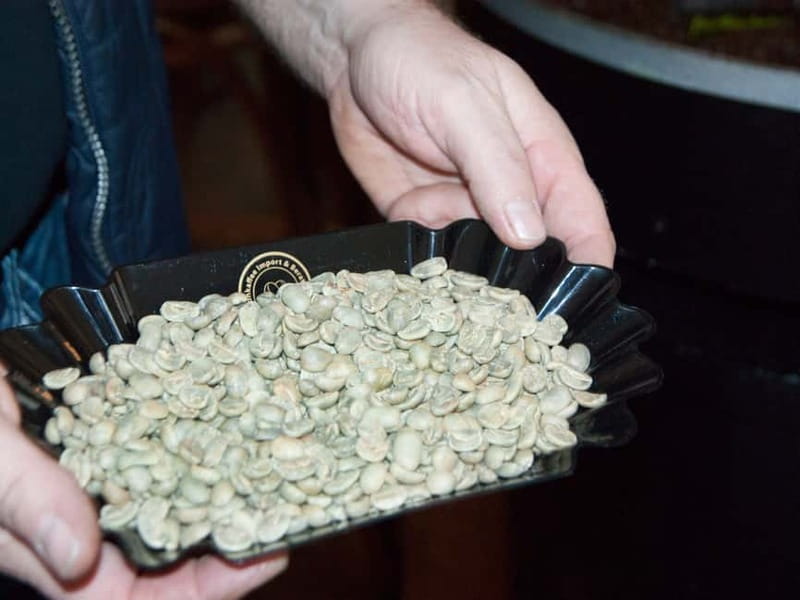
The tour also includes fine chocolate and coffee from the Dresdner Kaffeerösterei. This pairing connects two pleasures that have long belonged together in European café culture, while also pointing toward Dresden’s Baroque-era interest in coffee.
The coffee stop gives the walk a slower, more polished change of pace. After stories about medieval inns and regional drinking, coffee lets the guide explain how café habits became part of Dresden’s social life. The chocolate adds another local flavor without turning the experience into a simple sweets tour.
For me, this is one of the most appealing combinations on the route. Coffee and chocolate are familiar, but the value comes from tasting them in a Dresden setting and learning why coffee culture matters here. The stop should also appeal to people who do not drink beer or wine.
The name Dresdner Kaffeerösterei is useful for you after the tour. If the coffee or chocolate suits you, you have a specific local place to revisit or remember. The experience does not simply tell you that Dresden has cafés. It points you toward a named source connected to the tasting.
From medieval inns to communist-era daily life
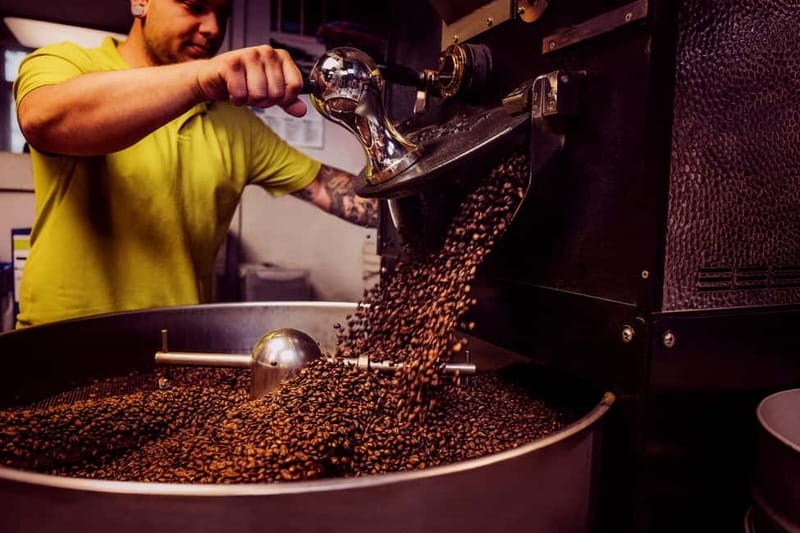
Food tours can become a string of snacks with little sense of place. This one tries to avoid that by using the city’s past as its main structure. The guide discusses the excesses of medieval inns, then moves to Baroque coffee culture and later to the improvised joy of life under communism.
That range is one of the tour’s best features. You are not hearing only polished stories about Dresden’s grand past. The communist-era section adds a more ordinary and human layer, focused on how people created enjoyment with limited options. It helps you see hospitality as something practical and adaptable, not just a tradition preserved for visitors.
The medieval inn stories should give the beer and wine tastings extra meaning. Inns were places to eat, drink, meet, and hear news, so the tour uses them to explain how food and drink shaped social life. The Baroque coffee section then shifts the focus toward refinement and café habits.
I would not book this as a detailed political history tour. The information promises stories and context, not a long academic lecture. The historical material works best as seasoning for the food walk, giving each stop a reason to be there.
What the German-language format means
The live tour guide speaks German. This is the most important practical point to consider before paying. If you understand German comfortably, the language adds an immediate local feel and lets you follow the jokes, stories, and explanations as they unfold.
If your German is limited, the food may still be enjoyable, but you could miss the part that makes the tour different from visiting bakeries and cafés on your own. The tastings are only half the experience. The other half is learning how they connect to Dresden’s past and local hospitality.
The available information does not identify the guide by name, so you should not expect to select a particular person. The guide quality appears to be a major strength, with praise focused on the guide being great and the experience receiving a strong 4.6 rating from 348 reviews. That is encouraging, but the German-only format remains a real filter.
Is $22 good value?
At around $22 per person, I consider this a good-value introduction to Dresden, especially for a first visit. You receive a 2.5-hour guided walk and six tastings in a central part of the city. Buying six comparable samples separately, while also paying for a guide’s time and historical interpretation, could easily approach the same cost.
The best value comes if you would otherwise spend your first afternoon wandering without a plan. The tour gives you a route, local specialties to try, and ideas for places to revisit. It can also help you decide which flavors deserve a larger purchase later.
The value is weaker if you measure tours by portion size. Six tastings do not mean six full servings. You should eat something beforehand or plan a proper meal afterward, particularly if you are hungry. The tour is about range and context, not calories.
The price also works well for couples, families, or anyone trying to keep a Dresden day affordable. Children’s tickets can be booked, but a maximum of four children’s tickets may be booked per adult. That rule matters for larger family groups, so check your party size before reserving.
Who will enjoy this Dresden food walk?
I would recommend it most to first-time visitors who want a gentle introduction to Dresden’s Old Town and regional tastes. It suits you if you like walking, short tastings, and stories that explain why a food or drink belongs to a place.
It is also a good choice for anyone curious about Saxony beyond the usual sightseeing list. The wine, beer, Eierschecke, chocolate, and coffee create a useful first look at the region without requiring a full day devoted to food.
Families may appreciate the manageable 2.5-hour length, though children’s ticket limits apply. Coffee and cake lovers should find plenty to like, while people who do not drink alcohol still have several nonalcoholic or sweet options among the named tastings.
I would hesitate if your priority is a large meal, a brewery visit, or an English-language explanation. I would also choose something else if you have already spent several days eating your way through Dresden and want a more specialized culinary experience. The tour is broad and introductory by design.
Useful booking details for your day
Check the available starting times before you plan the rest of your Dresden schedule. Since the walk lasts 2.5 hours and returns to the Frauenkirche area, you can pair it with nearby Old Town sightseeing either before or after, but leave a little breathing room around the scheduled start.
The activity offers free cancellation up to 24 hours in advance, and you can reserve now and pay later. That is handy when your Dresden plans depend on weather, train times, or a changing museum schedule.
The activity is described as skipping the ticket line, though the main value is the guided walk and tastings rather than entry to a major paid attraction. You are not booking a museum admission with food on the side. You are booking a centrally located route through Dresden’s culinary traditions.
My call: book it for context, not dinner
Book this food walk if you want six well-chosen tastes paired with Dresden stories and you can follow a German-language guide. The price is fair, the route is practical, and the mix of Saxon wine, regional beer, Eierschecke, chocolate, and coffee gives you more variety than a single café stop.
Skip it if you need an English tour, a large meal, or a specialist beer and wine experience. For everyone else, this is a smart first-day activity: short enough to fit a busy itinerary, local enough to add flavor, and informative enough to make the Old Town feel less like a collection of monuments and more like a lived-in city.
FAQ
Where does the Dresden food walk start?
It starts at the Dresden Tourist Information in the basement of the QF Passage at the Frauenkirche, Neumarkt.
Where does the tour finish?
The activity ends back at the meeting point by the Frauenkirche.
How long does the food walk last?
The tour lasts 2.5 hours. Starting times vary, so check availability when booking.
How many food and drink tastings are included?
Six food and drink tastings are included. Named examples include Saxon wine, regional beer, Eierschecke, chocolate, and coffee from the Dresdner Kaffeerösterei.
What language is the tour conducted in?
The live tour guide conducts the tour in German.
Can I cancel or pay later?
You can cancel up to 24 hours in advance for a full refund. You can also reserve your spot and pay later.
More Food Tours
- Hamburg: Elbphilharmonie Plaza and HafenCity Food Tour
★ 4.7 · 1,711 reviews - Bavarian Beer and Food Evening Tour in Munich
★ 4.5 · 1,575 reviews - Berlin Center Food Tour with 8+ Authentic Local Tastings
★ 5.0 · 1,227 reviews - Munich: Viktualienmarkt Food Tour
★ 4.5 · 1,127 reviews
Just added around Dresden
- From Dresden: Guided Day Tour by Bus of Seiffen Toy Village★ 4.0 · 13 reviews
- Dresden: Christmas Sightseeing Tour with a ‘Pflaumentoffel’★ 4.5 · 13 reviews
- Dresden: Bike Rental – City Bike with Option Children Seat★ 4.5 · 13 reviews
- Sightseeing tour by ConferenceBike★ 5.0 · 14 reviews
- Dresden Neustadt: Scavenger Hunt for Children★ 4.8 · 15 reviews
- Dresden: Scavenger Hunt to Elbe River & Castles★ 4.7 · 15 reviews
- Street Art Tour Dresden Neustadt★ 4.0 · 15 reviews
- Dresden: 150-minute Trabi tour as a guided city tour★ 4.9 · 15 reviews
Walking Tours, compared.


Berlin’s Best: 2 Hour Walking Tour Third Reich and the Cold War
Read our review →
Third Reich Berlin: Hitler and WWII Walking Tour
Read our review →Browse the lists this tour appears in