
Reviewed · WALKING TOURS
Cologne classic walking tour
Cologne reveals itself one layer at a time. This two-hour walk gives you a clear introduction to the city, from Roman foundations and the towering cathedral to medieval squares, Rhine-side houses, wartime destruction, and famous perfumes. I especially like the compact route and the fact that Sara, the Italian-speaking guide, mixes solid facts with odd little stories and useful city tips.
I also like the use of historical images, which helps you picture Cologne before the Second World War and compare it with the city you see today. The main consideration is time: two hours is enough for a well-shaped introduction, but not enough for long interior visits or a slow look at every monument.
In This Review
- Key points to know before booking
- Starting beside Cologne Cathedral
- Roman Cologne and the medieval old town
- The Rhine promenade and Cologne’s colorful houses
- Cologne’s perfume story at Farina and 4711
- Seeing the damage and rebuilding after the war
- How Sara’s guiding style shapes the experience
- What $23 buys you in two hours
- Who should take this Cologne walk
- Practical timing and booking advice
- Should you book the Cologne Classic Walking Tour?
- FAQ
- How long is the Cologne Classic Walking Tour?
- What language is the tour conducted in?
- Where does the tour meet?
- How much does the tour cost?
- Is the tour wheelchair accessible?
- Can I cancel the booking?
Key points to know before booking
- A two-hour route with real range: Roman Cologne, the medieval center, the Rhine, post-war rebuilding, and modern cultural districts all fit into one walk.
- Italian-speaking guidance: Sara leads the tour in Italian and has been praised for her warmth, preparation, patience, and willingness to answer questions.
- The cathedral is the visual anchor: The walk begins near Cologne Cathedral, whose great height gives the tour an immediate sense of place.
- History comes with visual proof: Historical photographs show how much Cologne changed after wartime destruction.
- A good price for orientation: At $23 per person, the tour costs less than many longer city activities and can help you plan the rest of your stay.
- Flexible booking: You can cancel up to 24 hours ahead for a full refund, and reserve now while paying later.
Starting beside Cologne Cathedral
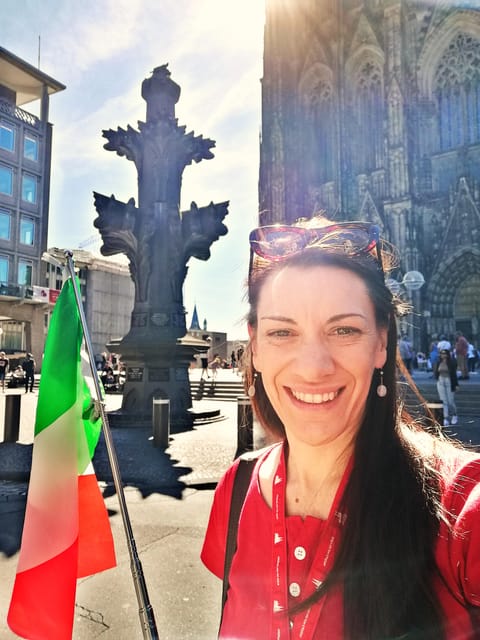
The meeting point is beside the copy of the cathedral’s large pinnacle. That detail matters because the cathedral square is busy, and a precise landmark is easier to find than a vague instruction to meet near the church.
From here, the tour begins with Cologne’s Roman origins. The modern city grew from the ancient Roman colony, and the Roman Arch gives you an early clue that Cologne is much older than its familiar medieval skyline suggests. You will not simply see a famous church and move on. The opening section places the cathedral and the surrounding square within the city’s much longer story.
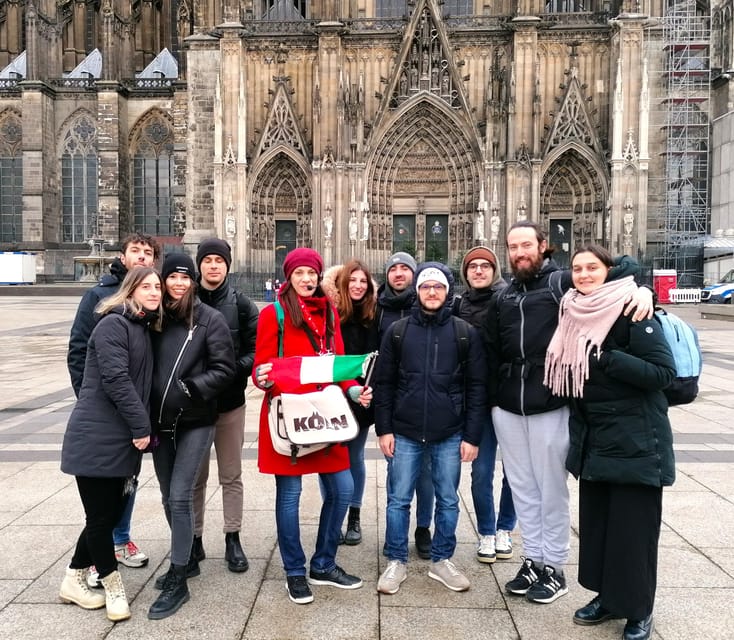
The cathedral itself is the first major visual shock. Its height can make the surrounding streets feel small, even before you learn how much time and effort went into creating this Gothic landmark. The walk focuses on the outside setting and the cathedral’s place in Cologne’s story, so this is not the tour for a long interior visit or a climb up the towers. Still, beginning here is smart. You get your bearings quickly, and the cathedral becomes a fixed point as you move through the old center.
More Walking Tours in Cologne
- Cologne: The Night Watchman Old Town Walking Tour in German
★ 4.6 · 1,395 reviews - Cologne: Old Town Highlights Walking Tour
★ 4.6 · 1,093 reviews - Cologne: Südstadt Guided Foodie Walking Tour
★ 4.6 · 624 reviews
Roman Cologne and the medieval old town
After the cathedral area, the route heads into squares and narrow streets tied to medieval Cologne. This is where the city’s past shifts from Roman colony to powerful church center and trading city.
The archbishop once held major influence here, while merchants helped shape the city’s independent character. That tension between church authority and commercial freedom gives the old town more meaning than a collection of attractive façades. When you reach the Town Hall tower, you can read the city’s pride in its architecture. The tower reflects the importance of the free merchant city and gives the medieval story a strong physical marker.
Alter Markt is one of the key stops. Its open square helps you understand how public life worked in the old city. You may notice that Cologne’s historic center is not preserved as one untouched medieval scene. Instead, different periods sit beside one another, with rebuilt structures, surviving fragments, and modern repairs all part of the view.
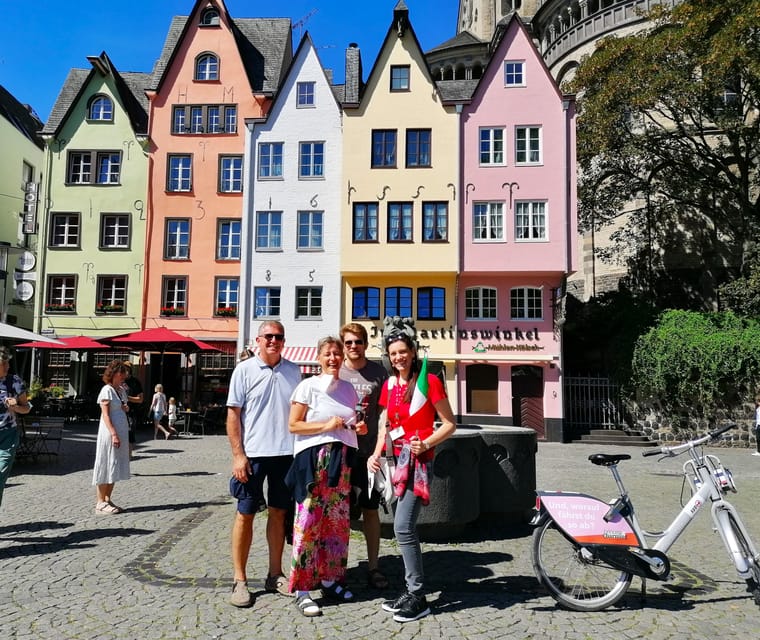
Groß Sankt Martin adds another recognizable church profile to the walk. Along with Fischmarkt, it helps form one of the most photogenic sections of the route. The houses around Fischmarkt are among Cologne’s most colorful, and the contrast between their cheerful façades and the city’s difficult recent past is worth noticing.
I like this part of the tour because it links buildings to power, money, religion, and everyday urban life. You are not just collecting names. You are learning why these places mattered.
The Rhine promenade and Cologne’s colorful houses
The Rhine section gives you a change of pace. After the tight streets and busy squares, the riverfront opens the view and lets you see how Cologne relates to its main waterway.
The promenade passes historic breweries and leads toward colorful houses near Fischmarkt. The route includes Salzgasse and Heumarkt, two places that help connect the riverfront with the broader old-town network. You will see how close Cologne’s major historic areas are to one another, which is one reason a walking tour works well here.
This is also a useful moment to ask Sara practical questions. The guide has been praised for being available and easy to approach, not simply for delivering a prepared speech. If you want to know which parts of the old town deserve a second look, or how to shape the rest of your time in Cologne, this is a good point to ask.
The Rhine views are attractive, but keep your expectations realistic. This is a city-history walk, not a dedicated river excursion. You get a meaningful stretch beside the river, along with historic buildings and brewery context, but the tour keeps moving toward its next stops.
Cologne’s perfume story at Farina and 4711
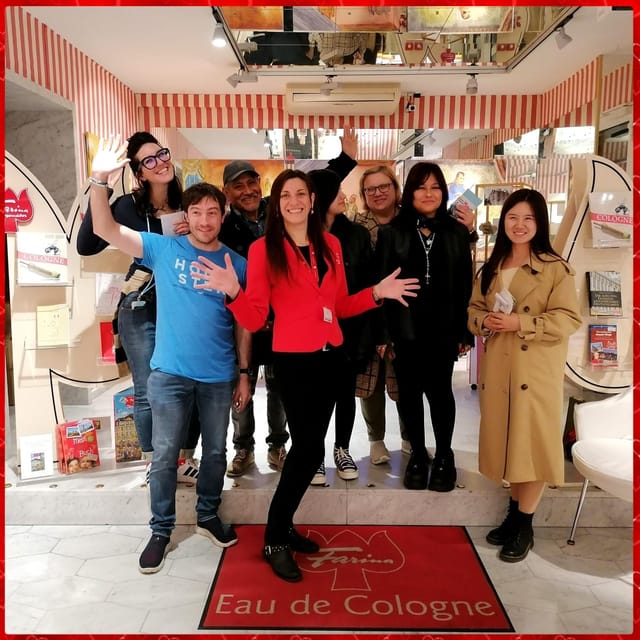
Cologne has given its name to one of the world’s best-known types of fragrance. The tour explains that story through Eau de Cologne Farina and Eau de Cologne 4711, two names that make the city’s water famous in a very different way from the Rhine.
The stop at Farina introduces the older perfume tradition. Later, 4711 adds another chapter to Cologne’s fragrance identity. Placing the two within a walking route makes the subject easier to remember because you encounter the actual places rather than hearing only a short historical note.
This part should appeal to you if you enjoy small, specific details that reveal how a city built its public identity. Cologne is not presented only through emperors, archbishops, and monuments. Its perfume trade also shaped the way the city became known far beyond Germany.
The guide’s anecdotes are especially useful here. Sara has been praised for adding trivia and unusual facts to the standard sights. That style can make a familiar subject, such as Eau de Cologne, feel fresh instead of like a quick souvenir-shop reference.
Something different for another day:
- Cologne: Panoramic City Cruise
★ 4.3 · 5,698 reviews - Cologne: Brewery Tour with 3 Kölsch Beer Tastings
★ 4.7 · 3,108 reviews - Cologne: Top Sights Rhine River Cruise – Skyline Tour
★ 4.4 · 3,030 reviews - Cologne: Chocolate Museum Entrance Ticket
★ 4.4 · 2,790 reviews
Seeing the damage and rebuilding after the war
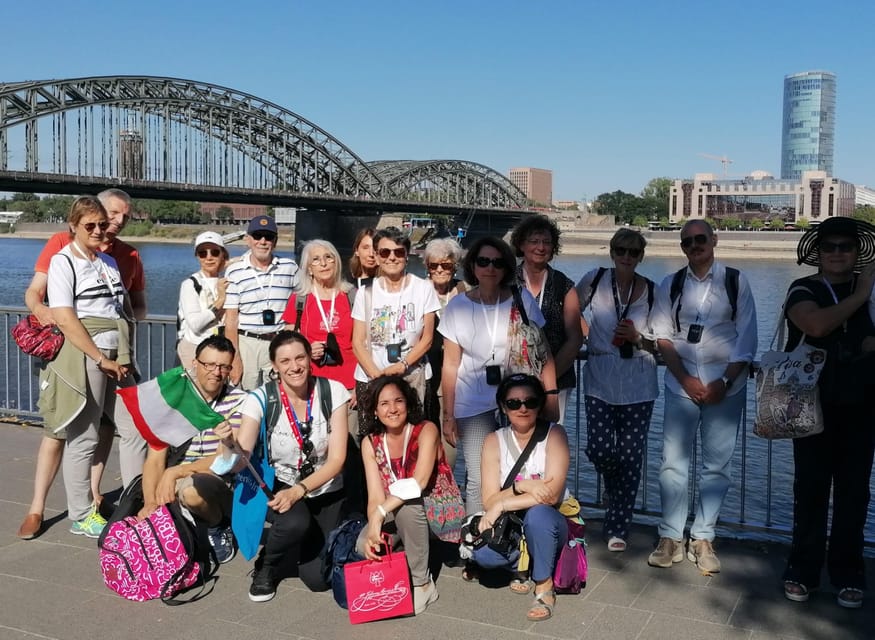
The strongest part of the walk may be the change from old-town charm to wartime memory. Historical images are used to show the difference between past and present, including the wounds left by the Second World War.
That visual comparison is important. Without it, a visitor could assume that every old-looking street and church survived intact. Cologne’s present-day center includes both surviving historic elements and major reconstruction. The photographs help you see the gaps, repairs, and changed streets more clearly.
The route through the Opera and Kolumba districts continues this theme. These areas show the work of rebuilding, the city’s effort to remember the post-war period, and the growth of modern Cologne. You get a more honest picture than a tour that presents only picturesque squares and restored façades.
Kolumba is particularly useful in this section because it connects memory, architecture, and modern city life. The Opera district adds another layer, showing that Cologne is not frozen in the Middle Ages. The route moves from Roman beginnings through medieval power and wartime loss to the choices made by a modern metropolis.
I appreciate that the tour gives this difficult subject room without turning into a specialized war-history walk. The treatment is part of a larger story, so you leave with context rather than a long list of dates.
How Sara’s guiding style shapes the experience
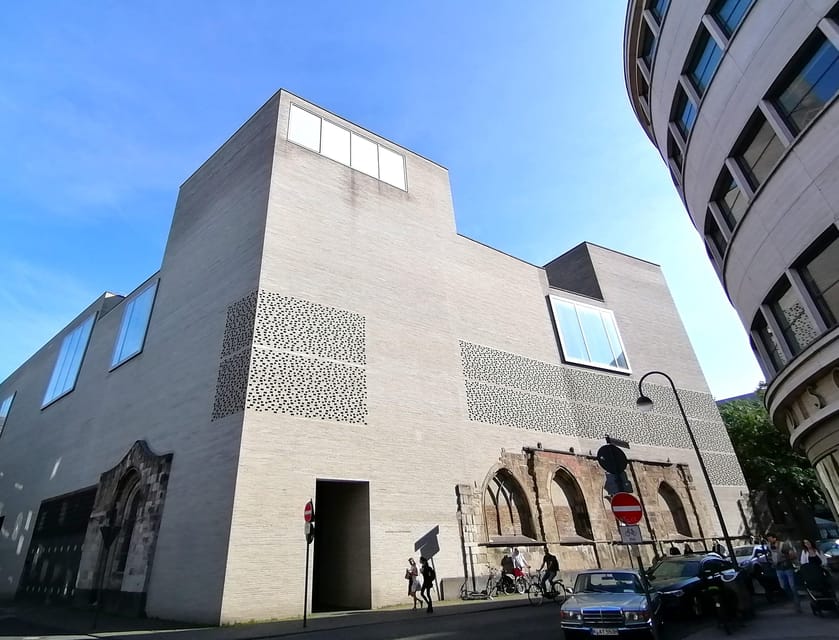
Sara is the guide named for this experience, and the strongest feedback about her centers on three things: preparation, friendliness, and curiosity. Italian-speaking guests have described her as very well prepared, approachable, and willing to respond to questions.
That matters on a city walk. Cologne has a large amount of history packed into a small central area, and a guide can easily overwhelm you with names and dates. The praise for Sara suggests a more conversational style, with anecdotes and historical photographs helping break up the information.
Her approach also appears suited to different kinds of visitors. You can listen to the main story, then ask about a building, church, square, or local detail that caught your eye. Several people who joined the walk with her also expressed interest in taking her other tours, which suggests that the experience can work as a first introduction rather than a one-off checklist.
The tour is in Italian only. That is a major advantage if Italian is your strongest language, but it is also the clearest limitation for anyone expecting German or English guidance. Check the language carefully before reserving.
What $23 buys you in two hours
At $23 per person, the value is strongest if you want orientation and historical structure. You are paying for a professional guide certified by the tourist board, a central route, and a focused explanation of Cologne’s major eras.
The walk covers a lot: Roman remains, the cathedral, the Town Hall, Alter Markt, Groß Sankt Martin, Fischmarkt, the Rhine promenade, Salzgasse, Heumarkt, both perfume landmarks, Kolumba, the Opera, and Wallrafplatz. That is a generous list for two hours.
The trade-off is pace. You will pass many places, but the format does not leave room for a long stop at every one. If you want detailed museum visits, extensive cathedral study, or plenty of time for photographs, you will need to return independently.
For a first day in Cologne, I consider the price fair. The route helps you understand where the central sights fit together, and the guide’s tips can make the rest of your visit more efficient. It is also a sensible choice if you have only a short stay and want more than a quick look at the cathedral.
The 4.9 rating from 25 reviews supports the idea that the tour delivers a consistently positive experience, especially for people who value a friendly guide and a good spread of city history. A high rating is not a substitute for checking the language and pace, but here it matches the specific praise given to Sara.
Who should take this Cologne walk
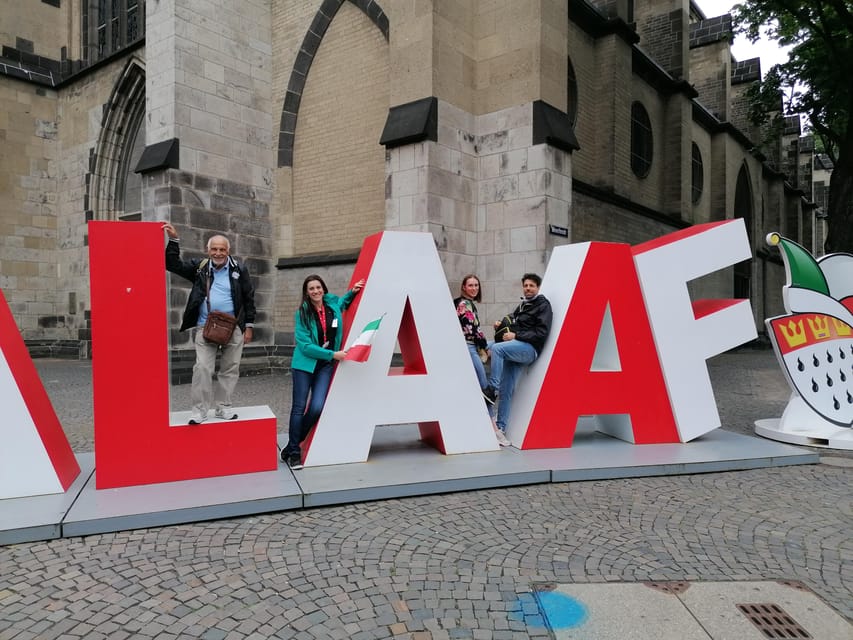
I would choose this tour if you want a clear first look at Cologne without committing half a day. It should suit couples, families, solo visitors, and small groups who prefer a guide-led introduction to wandering without a plan.
It is especially well matched to:
- Italian-speaking visitors who want a native Italian-speaking guide.
- First-time visitors who need a practical map of the central sights.
- History fans who want Roman, medieval, wartime, and modern context in one route.
- People who enjoy anecdotes, trivia, and historical photographs.
- Visitors with limited time who want a compact city introduction.
- Anyone who prefers an accessible walking route through central Cologne.
You may want something else if you prefer a long museum visit, a single-period history tour, or a tour in another language. You should also allow extra time afterward if the cathedral, perfume history, or Kolumba area catches your interest.
The activity is wheelchair accessible, which makes the central route more useful for visitors who need that option. Exact starting times depend on availability, so check the schedule before making other plans.
Practical timing and booking advice
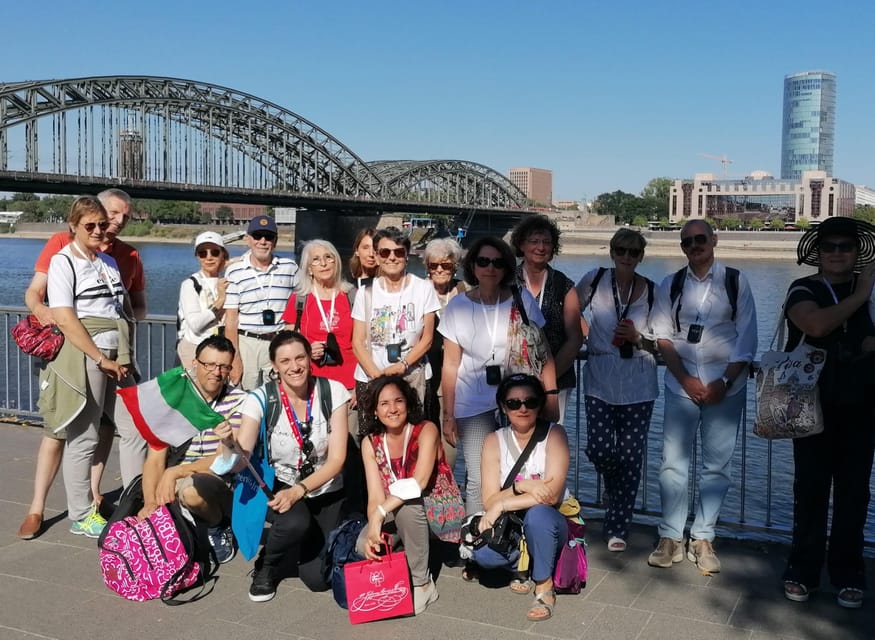
Plan to arrive at the cathedral pinnacle meeting point with enough time to identify the landmark. The cathedral square can be crowded, and a calm start is better than trying to find the group at the last second.
Two hours is short enough to fit into a morning or afternoon. I would place it early in your stay if possible, since the route introduces the cathedral, old town, Rhine, Heumarkt, perfume sites, and cultural districts you may want to revisit.
The booking terms are friendly for uncertain plans. You can reserve now and pay later, and cancellation is available up to 24 hours in advance for a full refund. Those conditions reduce the risk of booking around changing travel plans.
Should you book the Cologne Classic Walking Tour?
Book it if you want an efficient Italian-language introduction led by a guide who combines major sights with personal stories, trivia, and historical images. The route gives you far more than the cathedral and old town postcard view. It explains Roman Cologne, medieval power, merchant pride, river life, perfume, wartime destruction, and modern rebuilding in one sensible walk.
Skip it if you need English or German, want extended time inside monuments, or prefer a narrow specialist tour. For everyone else, $23 is a reasonable price for two hours of orientation, especially at the beginning of a Cologne visit. Sara’s strong reputation for preparation and warmth makes this a particularly appealing choice for Italian-speaking visitors.
FAQ
How long is the Cologne Classic Walking Tour?
The tour lasts two hours.
What language is the tour conducted in?
The live tour guide speaks Italian. The listed language for the experience is Italian.
Where does the tour meet?
The meeting point is beside the copy of the large pinnacle of Cologne Cathedral.
How much does the tour cost?
The price is $23 per person.
Is the tour wheelchair accessible?
Yes, the activity is listed as wheelchair accessible.
Can I cancel the booking?
Yes. You can cancel up to 24 hours in advance for a full refund. You can also reserve now and pay later.
Just added around Cologne
- e-Scavenger hunt Aachen: Explore the city at your own pace★ 4.0 · 13 reviews
- RhineRiverBoatTour from Bonn to Königswinter with Live Guide★ 4.3 · 13 reviews
- Cologne Walking Tour with Audioguide: City and Cathedral★ 4.5 · 14 reviews
- Aachen Scavenger Hunt and Sights Self-Guided Tour★ 5.0 · 14 reviews
- Roman Cologne: A Self-Guided Audio Tour★ 4.0 · 15 reviews
- Bonn: Private Guided Walking Tour★ 4.3 · 15 reviews
- Cologne: Fables, Fairy Tales, and Legends Tour in German★ 4.9 · 15 reviews
- Cologne: Virtual escape game adventure at 7th Space★ 4.3 · 15 reviews
Walking Tours, compared.
Berlin’s Best: 2 Hour Walking Tour Third Reich and the Cold War
Read our review →
Third Reich Berlin: Hitler and WWII Walking Tour
Read our review →Browse the lists this tour appears in