
Reviewed · MUSEUMS
Bremen: Übersee Museum Entrance Ticket
The world fits inside one Bremen museum. I like the wide range of exhibits, from Asian rainforests and African wildlife to Indigenous cultures in the Americas. I also like how the museum connects people, trade, and nature instead of treating each subject as a separate school lesson. The main drawback is the sheer amount to see, so a quick visit may feel rushed.
Your $17 ticket is valid for one day from first activation and includes a media guide and free Wi-Fi. The museum is wheelchair accessible, and private photography is allowed without flash or a tripod. The presentation is varied, beautiful, and informative, but some sections deal with difficult subjects such as Germany’s colonial past, migration, and climate change.
In This Review
- Key points to know before you go
- Why the Übersee-Museum works so well in Bremen
- Entering the Asia section, from rainforest nights to mega cities
- Africa’s animals and the story of human origins
- The Americas, Indigenous life, and Pre-Columbian gold
- Germany’s colonial past, presented as part of the visit
- Interactive stations make a large museum easier to handle
- What makes the world go round: current issues
- Übermaxx and the pleasure of unexpected objects
- Is $17 a fair price for the experience?
- Who should visit the Übersee-Museum?
- My practical plan for a better visit
- Should you book the Übersee-Museum ticket?
- FAQ
- Where is the experience located?
- How much does admission cost?
- How long is the ticket valid?
- What does the ticket include?
- Is a tour guide included?
- Can I cancel my booking?
- Can I reserve now and pay later?
- Is the museum wheelchair accessible?
- Can I take photographs inside?
- Where does the activity begin and end?
Key points to know before you go
- One ticket covers a full day: You can return to the galleries during the ticket’s one-day validity, beginning when you first activate it.
- The museum joins culture and nature: Exhibits link trade, daily life, animals, belief, and environmental change across different parts of the world.
- Colonial history receives attention: Germany’s past is part of the museum experience, giving the collections useful context rather than presenting them as simple curiosities.
- Hands-on stations break up the displays: You can pause, sit, try activities, and use your senses instead of reading labels from start to finish.
- Übermaxx adds a treasure-room feel: This section presents objects from around the world and rewards visitors who enjoy close looking.
- The ticket is practical for mixed groups: Families, curious adults, and visitors with different interests can each find something to hold their attention.
Why the Übersee-Museum works so well in Bremen
Bremen has long been linked with shipping and international trade, so a museum focused on the wider world fits the city naturally. The Übersee-Museum uses that connection to tell a broad story about how people, goods, animals, beliefs, and ideas move across borders.
I appreciate that the museum does not limit itself to decorative objects. You are also asked to think about power, commerce, environmental pressure, and the effects of colonial rule. That gives the visit more weight than a simple collection of faraway things.
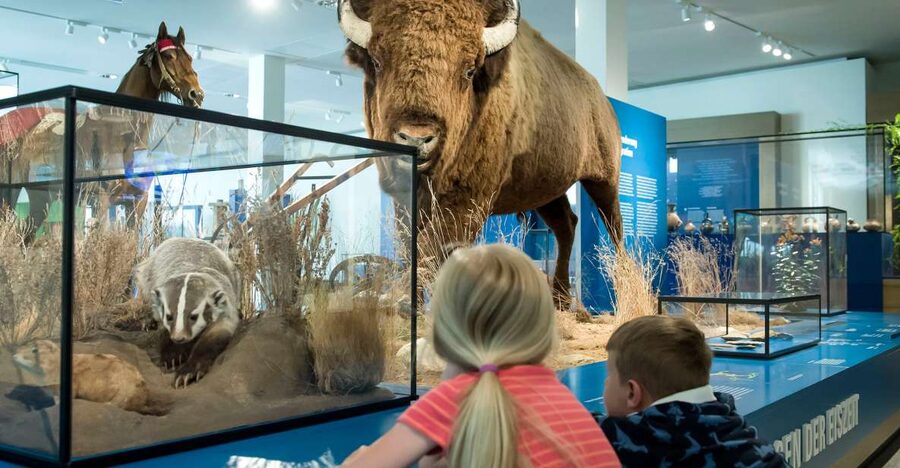
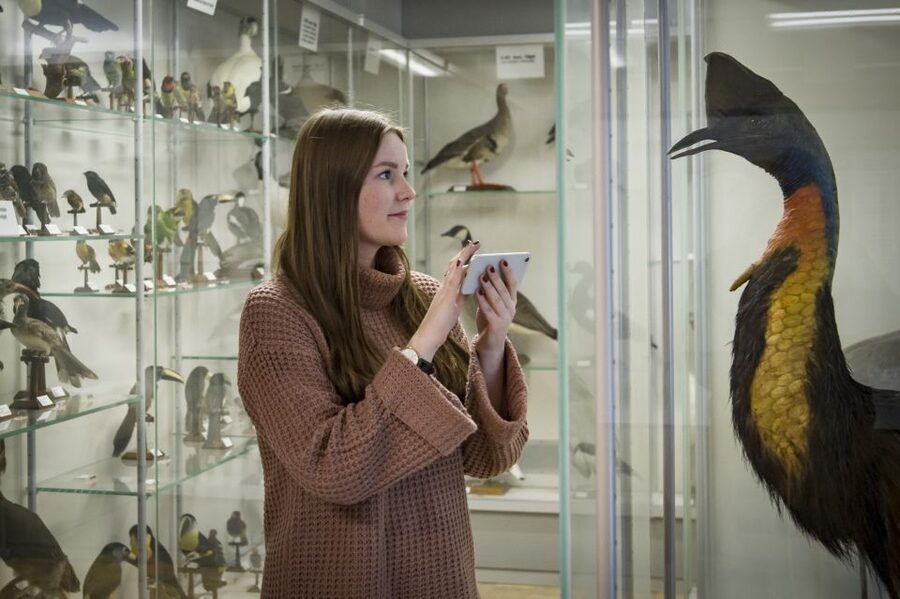
The museum’s approach is especially useful if you want a single indoor activity with several different moods. One room may show wildlife and natural habitats. Another may focus on traditional or spiritual life. Elsewhere, you encounter current subjects such as migration and climate change.
That variety is the reason the museum earns strong praise for being interesting and informative. It also explains why the visit suits a group with mixed tastes. You can follow one subject closely, or move between regions and return to the displays that catch your attention.
More Museums:
- Berlin: Jewish Museum Berlin Entrance Ticket
★ 4.5 · 8,393 reviews - Berlin: DDR Museum Tickets
★ 4.3 · 3,443 reviews - Berlin: Natural History Museum Entrance Ticket
★ 4.6 · 3,382 reviews
Entering the Asia section, from rainforest nights to mega cities
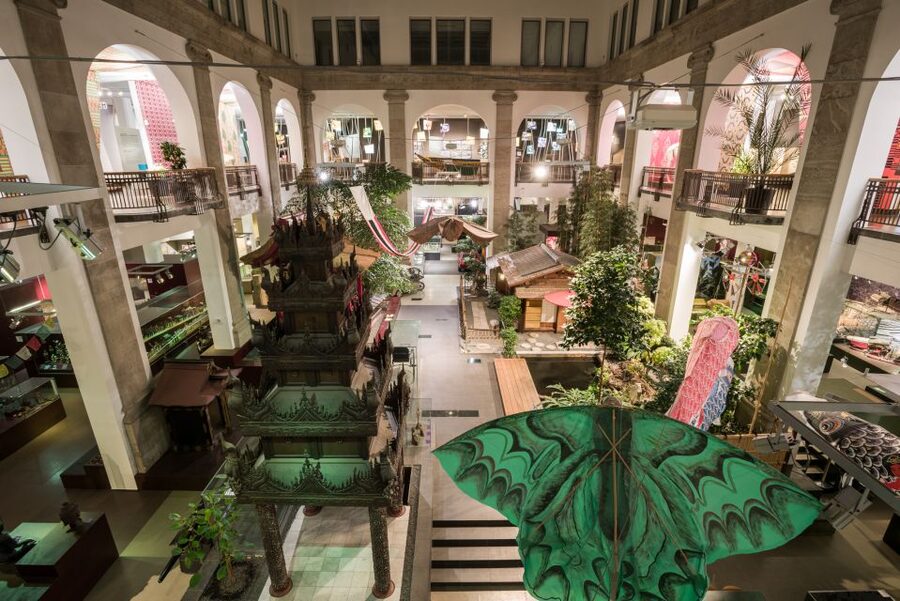
The Asia galleries are designed to give you several ways into the subject. You might begin with the natural world, including an Asian rainforest shown by night, then move toward the human world of cities, trade, faith, and tradition.
The nighttime rainforest setting gives this section a change of pace. Instead of viewing nature only through labels and specimens, you get a sense of an environment after dark. The presentation invites you to notice how animals, plants, and people relate to one another.
The mega-city material provides a sharp contrast. Dense urban life, commerce, and modern routines replace the quieter rainforest setting. That shift helps show Asia as more than an exotic destination or a collection of old traditions.
You can also spend time with spiritual and traditional subjects. The museum does not force you into one narrow story, which is useful because Asia covers such a large area and includes many different cultures. The section works best when you give yourself time to move between its natural, urban, and cultural displays.
This is one area where the media guide can help. Use it when you want added explanation, then put it aside when you prefer to look around at your own pace. Since the ticket is valid for the whole day, you do not need to absorb every label during one pass.
Africa’s animals and the story of human origins
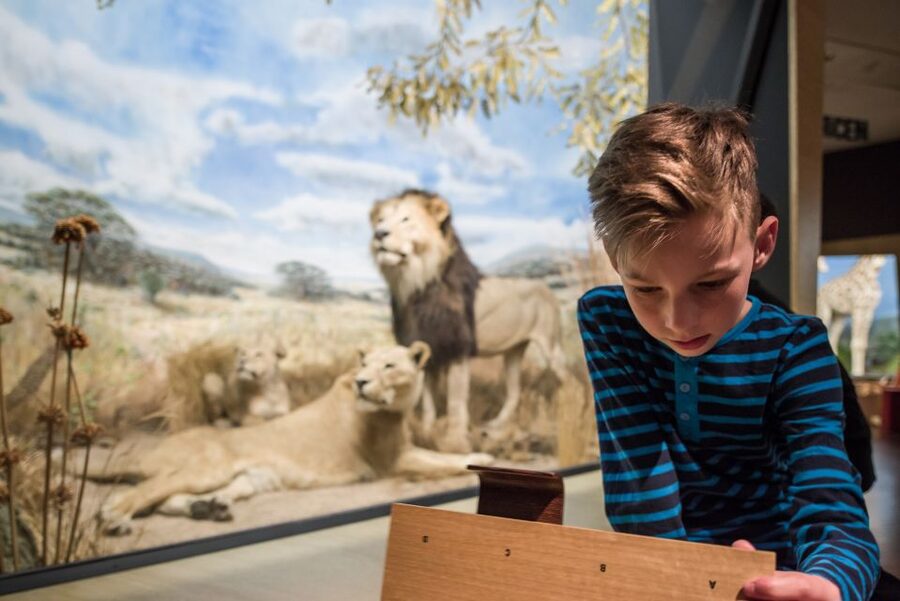
The Africa section combines human history with the continent’s natural spaces. You can learn about the cradle of mankind, see material connected with ancient Egypt, and view carefully staged animal dioramas.
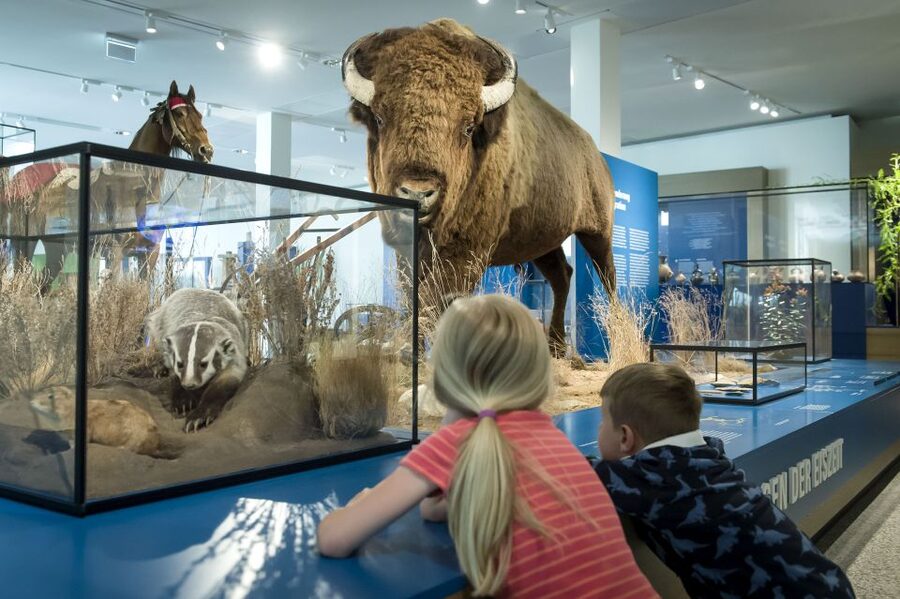
The animal displays are likely to be a major draw for children and anyone who enjoys natural history. Dioramas can make wildlife easier to understand because they place animals within a setting rather than presenting them as isolated objects. The staging also gives this part of the museum a strong visual quality.
Ancient Egypt adds another layer. It gives you a look at one of Africa’s best-known early civilizations, while the broader gallery keeps the focus from narrowing to a single country or period. The result is a section that moves between human achievement, belief, archaeology, and natural life.
I would plan to slow down here. It is easy to focus on the animals and miss the historical material nearby. The museum’s larger idea is that people and nature are connected, and this section makes that point through both objects and settings.
The displays may be especially useful for families because they offer several levels of interest. Younger visitors can begin with the animals and visual scenes. Older children and adults can spend more time with the questions of human origins, ancient Egypt, and the ways African societies are represented.
The Americas, Indigenous life, and Pre-Columbian gold
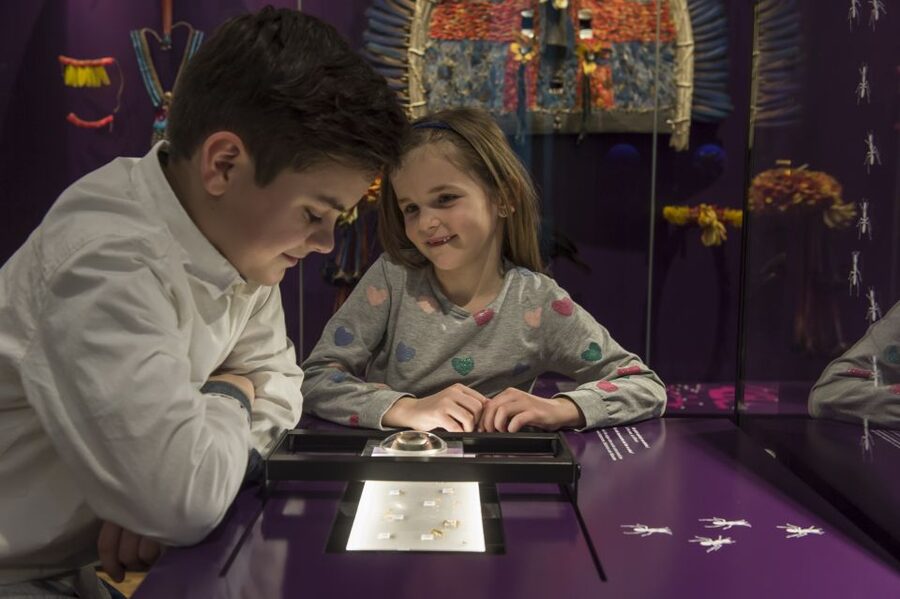
The Americas section looks at Indigenous life in North and Latin America and includes Pre-Columbian golden treasure. These displays offer a chance to see cultural traditions and artistic skill without reducing the region to a single story.
The gold objects are a natural attention grabber. Their color and craftsmanship provide a memorable focal point, but the surrounding material matters just as much. Try to consider the objects within the cultures that made and used them, rather than treating them only as valuable possessions.
The focus on Indigenous populations gives the gallery a human center. You can learn about life, tradition, and identity across two large parts of the Americas. That broad reach is useful, though it also means you should not expect a detailed account of every country or community.
This is another place where the media guide may add helpful context. A short explanation can make the difference between simply seeing a striking object and understanding why it matters. If you have limited time, the Pre-Columbian material is an easy starting point, then you can decide which cultural displays deserve a longer look.
A few more tours and experiences worth a look
- Bremerhaven: German Emigration Center Entrance Ticket
★ 4.8 · 447 reviews - Bremen: Universum Science Center Entrance Ticket
★ 4.6 · 324 reviews - Dresden: Semperoper Tickets and Guided Tour
★ 4.7 · 12,102 reviews - Berlin: Berlin Story Bunker Entry Ticket
★ 4.6 · 6,759 reviews
Germany’s colonial past, presented as part of the visit
The museum directly addresses Germany’s colonial history. That is important because collections from other parts of the world can raise questions about how objects were acquired, who had power, and how European institutions presented foreign cultures in the past.
You should expect this material to be more serious than the animal dioramas or interactive stations. It may also change how you view other galleries. A beautiful object is not separate from the history of collecting, trade, and colonial control.
This approach makes the museum more useful for an adult audience and for students studying global history. It gives you a chance to think about the museum itself, not only the cultures and objects on display.
The subject can make the visit feel less lighthearted at times. That is not a flaw, but it is worth knowing before you arrive. If you want only cheerful entertainment, parts of the museum may feel challenging. If you value an honest look at how global collections were formed, this is one of the strongest reasons to visit.
Interactive stations make a large museum easier to handle
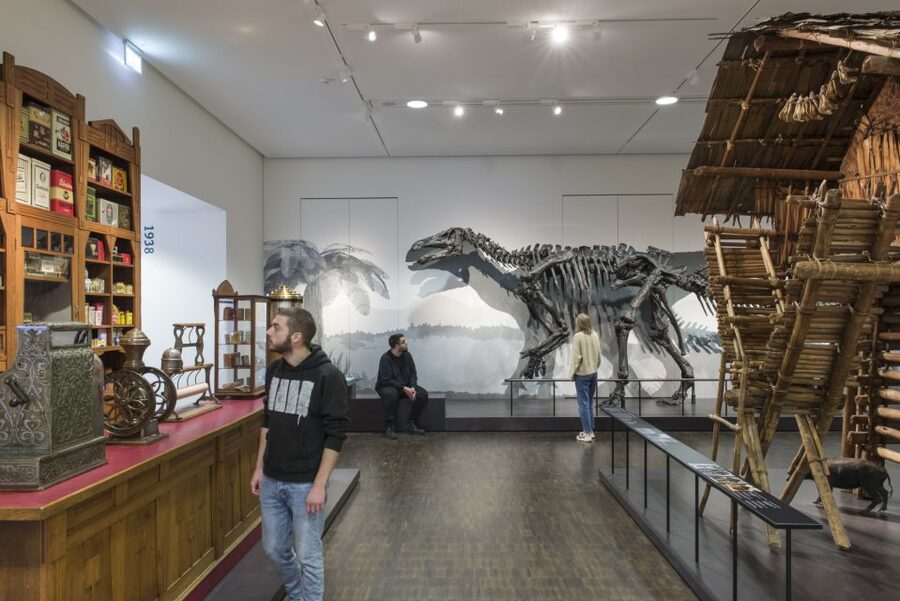
The Übersee-Museum is not built only for silent reading. Along the route, you find stations where you can pause, rest, and try things out. These features help keep the visit active, especially for children or anyone who tires of long rows of text.
The interactive displays also support the museum’s educational purpose. A subject such as trade, migration, or climate change can feel abstract on a wall panel. A sensory or hands-on station gives you another way to approach it.
I like that the museum includes places to sit and take a break. A large international collection can become tiring, even when every room is well made. Use the pauses rather than trying to race through the entire building.
Free Wi-Fi is included, and the media guide gives you another tool for moving through the exhibits. You can use the guide selectively. There is no need to turn the visit into a formal audio tour if you would rather explore at your own speed.
What makes the world go round: current issues
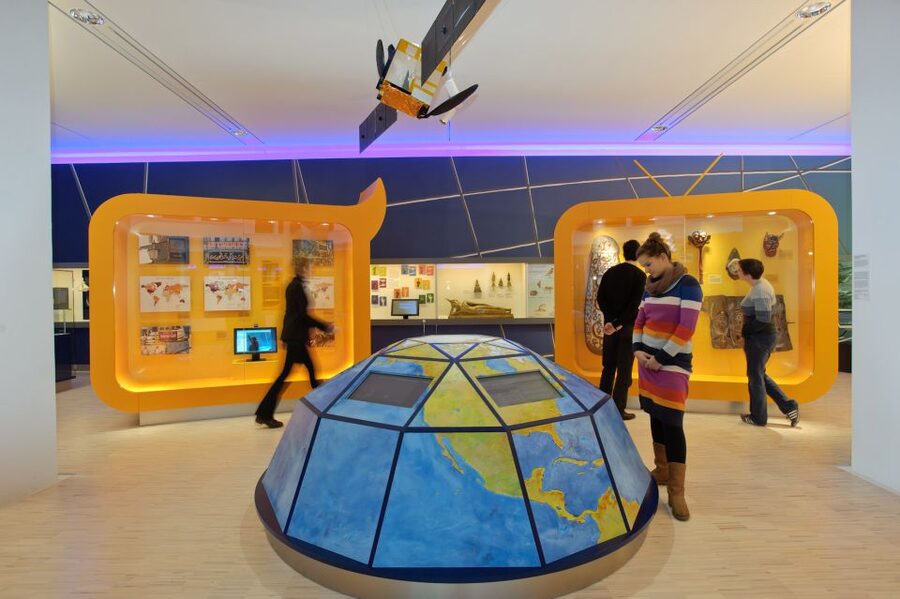
The What makes the world go round exhibition brings the museum into the present. Its subjects include migration and climate change, two issues that affect borders, economies, communities, and natural systems.
This section helps connect the older objects to the world you know today. A display about historical trade can lead into questions about modern commerce. A presentation about people moving between countries can add context to the word migration. Climate change links the museum’s natural collections with urgent changes affecting habitats and communities.
You may find this section more reflective than entertaining. It is not simply a collection of dramatic sights. Instead, it asks you to think about how the world operates and what pressures shape life across continents.
I would save extra time for this part if current affairs interest you. It gives the visit a clear purpose and keeps the museum from becoming a collection of disconnected regional rooms.
Übermaxx and the pleasure of unexpected objects
The Übermaxx exhibit gathers treasures from around the world. Its appeal comes from the range of objects and the chance to find something unexpected.
This section works well near the end of your visit because you already have some context from the regional galleries. You can look at the objects with a better sense of how collecting, trade, culture, and history overlap.
Do not treat Übermaxx as a quick add-on. Give yourself time to browse. The strength of a display like this is often the small detail that catches your eye, not one single famous object.
The word treasures can suggest only precious materials, but the interest here is broader. Objects become valuable because of their design, use, age, cultural meaning, or connection to a place. That makes Übermaxx a good final stop for visitors who enjoy close observation.
Is $17 a fair price for the experience?
At $17 per person, the ticket offers solid value if you can give the museum several hours or use the full day. You are paying for access to multiple regional sections, current-issue displays, interactive stations, Übermaxx, a media guide, and free Wi-Fi.
The value is weaker if you only have time for a very short visit. The museum’s range is its strength, but also its challenge. A rushed hour may leave you with attractive impressions without much understanding.
The one-day validity helps. Once you first activate the ticket, you can use it during that day, which gives you flexibility to take a break and return to a section. That is useful in Bremen if you want to combine the museum with other plans.
You can also reserve now and pay later, keeping your schedule flexible. Cancellation is free up to 24 hours in advance for a full refund. These terms matter if your Bremen plans are still changing.
Who should visit the Übersee-Museum?
I would recommend this museum to:
- Families who need a mix of animals, visual displays, and hands-on activities
- Adults interested in culture, colonial history, and current global issues
- Students looking for a broad introduction to world regions
- Museum fans who enjoy natural history alongside anthropology
- Visitors seeking a weather-proof Bremen activity
- Anyone who wants a flexible, self-guided visit rather than a fixed group tour
You may want to choose another activity if you prefer a narrowly focused collection or a live guide who explains every room. The included media guide helps, but it is not a personal tour guide.
The museum is wheelchair accessible, which makes it a practical choice for many visitors with mobility needs. Photography for private use is allowed, but you must leave your flash and tripod at home. Any exhibit that cannot be photographed is marked clearly.
My practical plan for a better visit
Start with the section that interests you most, then use the regional galleries to build a larger picture. If animals are your priority, begin with Africa. If you prefer culture and city life, start in Asia. For art and Indigenous history, head toward the Americas.
Keep the media guide available for the sections that need more context, especially colonial history and the current-issues displays. Use the interactive stations as natural breaks instead of saving every activity for the end.
Plan around the museum’s size. The best visit is not a race to see every object. Choose a few galleries for careful attention, then skim the rest and return to anything you want to understand better.
Private photography can help you remember visual details, but follow the signs and do not use a tripod or flash. Free Wi-Fi is included, so you have a practical way to stay connected while using the museum’s resources.
Should you book the Übersee-Museum ticket?
Book it if you want a broad, thoughtful museum visit that combines wildlife, world cultures, trade, and present-day concerns. The varied and informative displays are the strongest reason to go, and the Pre-Columbian gold, African dioramas, Asian rainforest, and Übermaxx collection give you plenty of visual highlights.
Think twice if you have only a few minutes or want a guided tour with a human expert. For $17, the ticket is a good buy when you can give the museum enough time to unfold. Its best quality is not one famous object, but the way many subjects come together in one accessible Bremen stop.
FAQ
Where is the experience located?
The experience takes place at the Übersee-Museum in Bremen, Germany.
How much does admission cost?
The ticket costs $17 per person.
How long is the ticket valid?
The ticket is valid for one day, beginning when you first activate it.
What does the ticket include?
It includes entrance to the Übersee-Museum, a media guide, and free Wi-Fi.
Is a tour guide included?
No. A media guide is included, but a personal tour guide is not.
Can I cancel my booking?
Yes. You can cancel up to 24 hours in advance for a full refund.
Can I reserve now and pay later?
Yes. The booking option allows you to reserve your place and pay later.
Is the museum wheelchair accessible?
Yes. The activity is wheelchair accessible.
Can I take photographs inside?
Yes. Private photography is allowed, but you cannot use flash photography or a tripod. Exhibits that prohibit photography are marked.
Where does the activity begin and end?
You begin by showing your voucher at the Übersee-Museum. The activity ends back at the meeting point.
Just added around Bremen
- Bremen: Full-Day Kayak Rental on the Wümme River★ 4.8 · 14 reviews
- Above the rooftops of Bremen★ 4.1 · 19 reviews
- Truth or lie? – A special tour through Bremen’s Old town★ 4.3 · 20 reviews
- Bremen: Private pub crawl with insider-guide & free shots★ 4.5 · 22 reviews
- Bremen: Private Walking Tour with a Professional Guide★ 4.2 · 22 reviews
- e-Scavenger hunt Bremen: Explore the city at your own pace★ 4.0 · 24 reviews
- Bremen: Outdoor Escape Game in the Old Town★ 4.4 · 41 reviews
- Bremen: Underworld Tour with the Cellar of the Theatre★ 4.2 · 74 reviews
Museums, compared.

Skip-the-Line: Berlin Wall Museum at Checkpoint Charlie
Read our review →
Browse the lists this tour appears in