

Reviewed · BREMEN TOURS
Bremerhaven: German Emigration Center Entrance Ticket
History can feel surprisingly personal here. The German Emigration Center in Bremerhaven turns 300 years of migration into a guided journey through farewells, ocean crossings, immigration checks, and new lives in America. I like the individual iCard stories, which give the visit a human face, and I like the free family research room, where you can start tracing your own ancestors. The main drawback is time: you need to arrive at least two hours before closing, and the computer stations may be full when you reach them.
This is not a museum you simply walk through and read. Your electronic boarding pass activates audio stations and interactive displays as you follow one emigrant from Europe to the New World. The route is thoughtful and moving, though some ship sections are tight, so visitors using wheelchairs need to be comfortable maneuvering in narrow spaces.
In This Review
- Key points to know before you go
- Why this museum works better than a standard history display
- At the quay, farewell becomes the first stop
- Three passenger-ship eras, including the Columbus in 1929
- The Ellis Island immigration test changes the mood
- The exhibition halls explain why people moved
- The family research room is the most personal reward
- Is the $23 admission a good value?
- Who will appreciate the German Emigration Center most?
- Practical planning for a smoother visit
- Should you book this museum visit?
- FAQ
- Where is the German Emigration Center located?
- How long is the ticket valid?
- How much does admission cost?
- What does the entrance ticket include?
- Can I research my own ancestors at the museum?
- How much time should I allow for the visit?
- Is the museum wheelchair accessible?
- Can I bring a pet?
Key points to know before you go
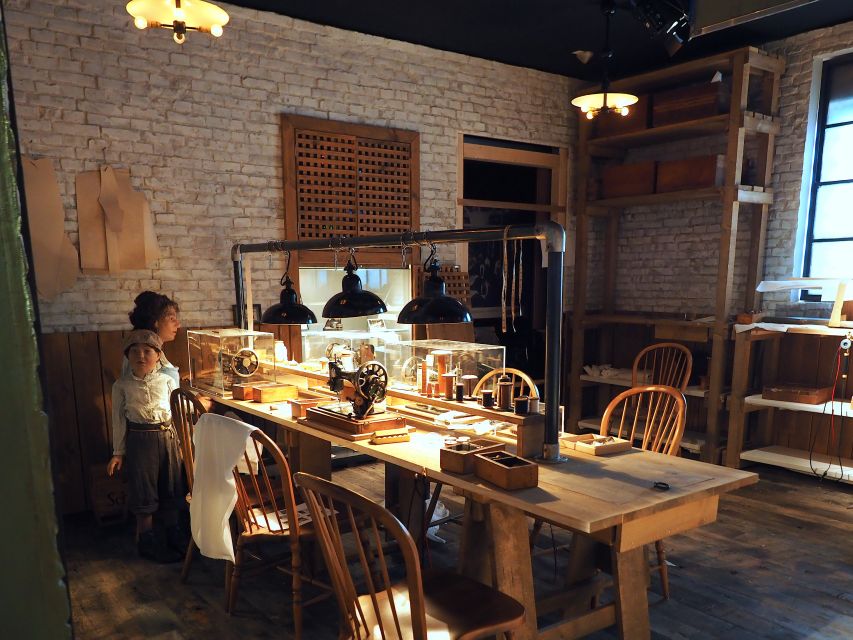
- Seven million journeys begin in Bremerhaven: Follow the routes of Europeans who left through this port for the New World.
- Your iCard gives the visit a personal thread: It carries the story of one emigrant and activates displays along the way.
- Three centuries unfold in one museum: The exhibits cover immigration and emigration from roughly 300 years of history.
- Passenger ships become part of the story: See recreated ship areas from several eras, including the ocean liner Columbus from 1929.
- Ellis Island enters the picture: Test your chances at an immigration desk before continuing toward Grand Central in New York.
- Family research is included: A trained assistant can help you begin searching for emigrated ancestors at no extra charge.
Why this museum works better than a standard history display

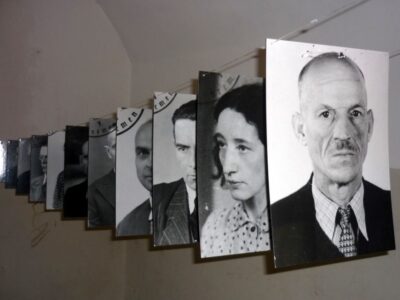
The German Emigration Center is built around movement. You do not begin with a wall of dates and end with a gift shop. Instead, you receive an electronic boarding pass, or iCard, tied to the story of a particular person who left Europe for the New World.
That choice matters. Migration can sound abstract when it is reduced to population figures. One person’s departure gives the larger story a face, a worry, and a destination. As you move through the museum, the iCard activates audio stations and interactive displays connected to that individual’s journey.
I like this approach because it gives you a reason to pay attention. You are not just learning that millions of people emigrated. You are following one path and then placing it within the larger movement of families seeking work, safety, or a new start.
The museum covers about 300 years of immigration and emigration history. The emphasis is strongly connected to European departures for the New World, especially through Bremerhaven, where seven million Europeans left their homes. It also looks at what happened after arrival, so the story does not end when the ship reaches America.
Plan on allowing plenty of time. The museum advises arriving at least two hours before closing. That is sensible advice, especially if you want to listen to the audio material, study the exhibits, and use the family research facilities rather than rushing through the main route.
A few more tours and experiences worth a look
- Bremen: Universum Science Center Entrance Ticket
★ 4.6 · 324 reviews - Bremen: Übersee Museum Entrance Ticket
★ 4.3 · 59 reviews - Dresden: Semperoper Tickets and Guided Tour
★ 4.7 · 12,102 reviews
At the quay, farewell becomes the first stop
Your visit begins at the quay, where you meet emigrants from several European countries. This opening focuses on the emotional moment before departure. These people are not yet passengers in the practical sense. They are still saying goodbye to home, relatives, and a familiar way of life.
That makes the departure scene an important part of the visit. A port is often pictured as a place of ships and cargo, but for emigrants it was also a point of no easy return. The museum asks you to consider the uncertainty of leaving for a country you may know only through letters, rumors, or hopeful promises.
The iCard helps keep the experience grounded in one person’s story. You can follow that person’s path while also seeing how many others made similar decisions. This personal scale is one of the strongest reasons to visit the museum rather than simply reading about migration in a book.
Families should find plenty to discuss here. Younger visitors may connect with the idea of saying goodbye and moving to a completely unfamiliar place. Adults may spend more time thinking about the cost of leaving, the risks involved, and the family choices behind each departure.
Three passenger-ship eras, including the Columbus in 1929
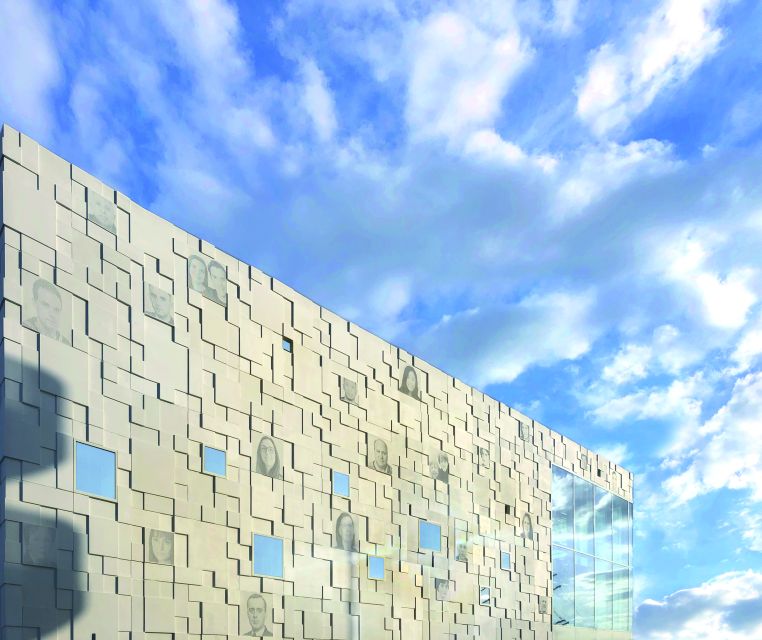
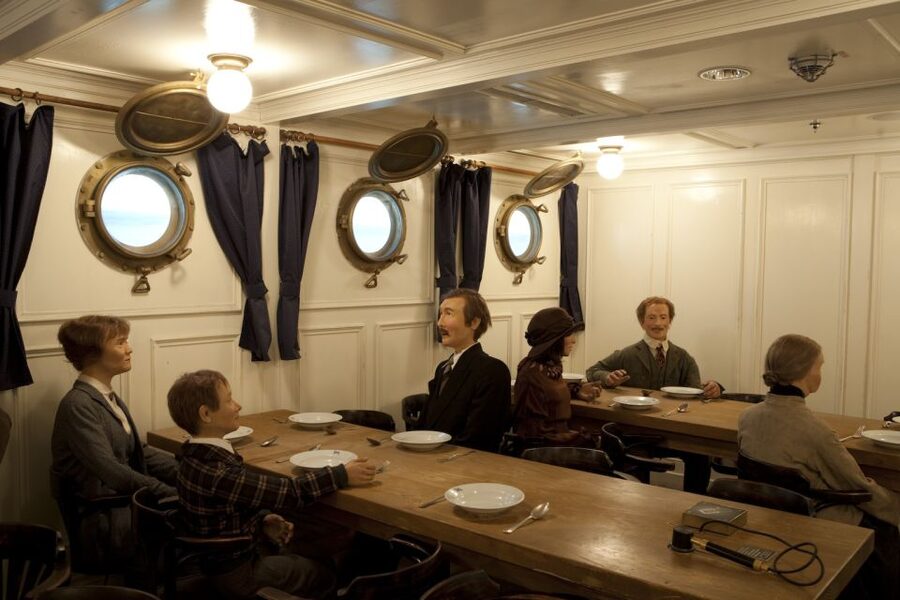
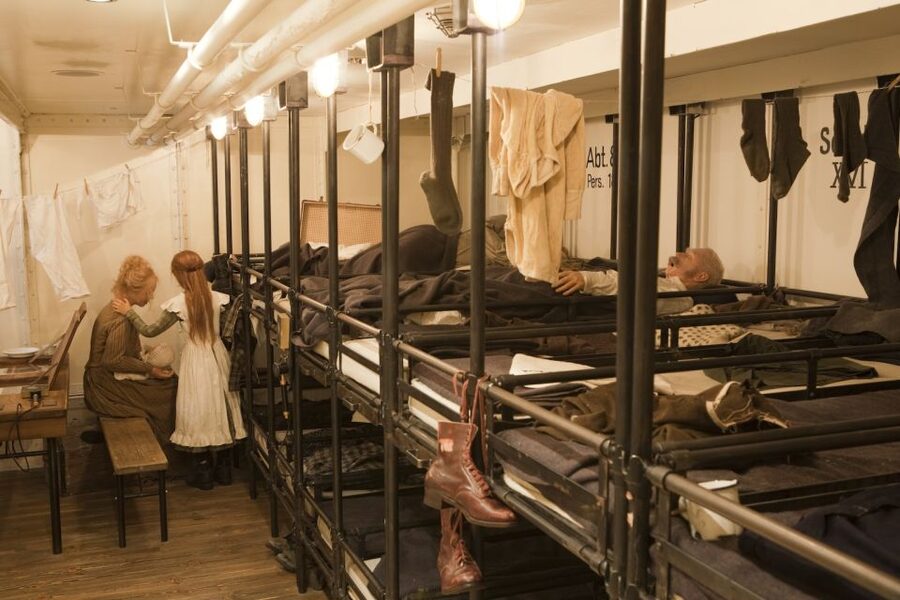
From the quay, the route takes you aboard ships from three periods of passenger travel. One example is the ocean liner Columbus in 1929. The ship areas help explain that an ocean crossing was not one uniform experience. Conditions changed with the era, the type of ship, and the passenger’s place aboard.
You get a glimpse of life at sea rather than simply seeing a ship model from a distance. That physical setting helps you understand how an emigrant journey unfolded between departure and arrival. The ship is not a pleasant cruise in the modern sense. It is part of a long, uncertain passage separating the old home from the hoped-for new one.
Some of the older ship sections are tight. A German-language review described the museum as something you can experience with all your senses, but also noted that wheelchair users must be able to maneuver in narrow areas on the intermediate decks of the old emigrant ships. The museum is wheelchair accessible overall, but accessible does not mean every passage feels roomy.
That is useful advice for anyone who needs extra space. Take your time, and expect some careful maneuvering in the ship sections. The restriction is not a flaw in the museum’s central idea. The cramped spaces help convey the physical conditions of historic passenger travel, but they can make the route less comfortable for some people.
The Ellis Island immigration test changes the mood
After the ocean crossing, the museum brings you to the immigration station on Ellis Island. Here, you face an immigration test at the legal desk. With an entry permit in hand, you continue toward Grand Central in New York.
This part of the route shifts the focus from leaving to being accepted. Reaching America did not automatically mean a new life had begun. New arrivals still had to pass official checks and deal with the rules of the receiving country.
The legal desk gives that process a clear shape. You are no longer standing at a European quay with a suitcase and a farewell. You are now at a border, waiting for permission to enter. That change helps explain why migration includes both personal hope and government control.
The trip toward Grand Central then points you into life in the New World. The museum looks at how emigrants lived after arrival, giving you a chance to consider work, family, identity, and the practical business of starting again.
I appreciate that the museum does not treat the Atlantic crossing as the entire story. Departure is dramatic, but what follows is often harder to understand. The exhibits after Ellis Island help connect the official arrival process with the daily lives of people who had to build a future in an unfamiliar place.
Something different for another day:
- Bremen: Walking Tour in German with Night Guard
★ 4.7 · 2,922 reviews - Bremen: City Center Guided Walking Tour
★ 4.5 · 2,709 reviews - Bremen: Underground Guided Tour
★ 4.1 · 1,408 reviews - Bremen: 3-Hour Beck’s Brewery Tour
★ 4.6 · 1,091 reviews
The exhibition halls explain why people moved
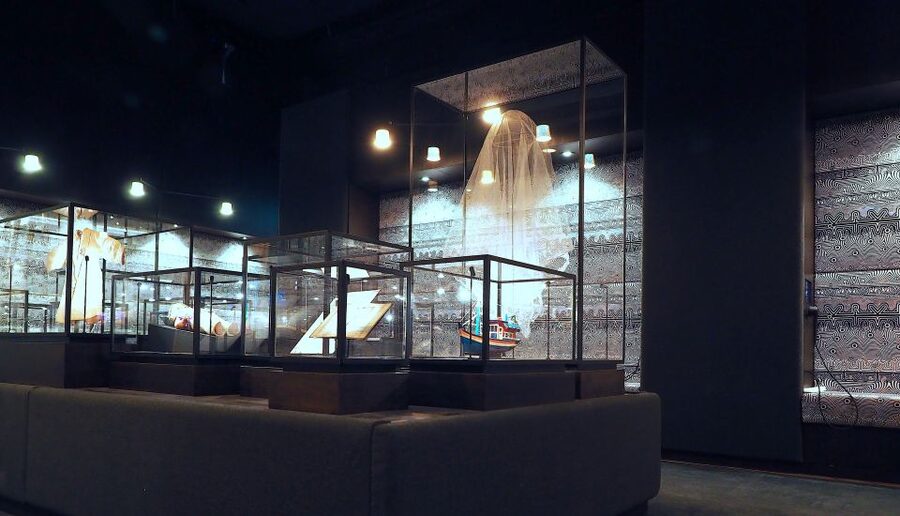
Once you finish the main route, additional exhibition halls examine the forces behind migration. The museum covers both emigration and immigration, so you can look at movement from more than one direction.
The exact details you focus on will depend on how much time you spend at each audio station and interactive display. The iCard gives structure, but you are free to pause and investigate. This is not a quick photo stop. It rewards attention.
The subject is also broader than a single national story. People left different parts of Europe, and the museum places their individual journeys within 300 years of migration. You can consider the pressures at home, the promises of the New World, and the realities found after arrival.
That wider view is useful if your family has an emigration story but you do not know much about the historical setting. Even if you find no direct family connection, the museum gives you a better sense of the decisions that shaped millions of lives.
The interactive format should appeal to visitors who find traditional museums too passive. You receive information through audio, physical settings, and choices along the route. Still, anyone who prefers quiet galleries and long written explanations may find the museum’s approach more guided and theatrical than expected.
The family research room is the most personal reward
After following the wider story, you can visit the Family Research room and begin looking for your own emigrated ancestors. This service is free, and a trained assistant is available to guide you through the search.
That free help adds real value to the admission price. Genealogy can become confusing quickly, especially when names, dates, countries, and spellings change across records. Having an assistant nearby gives you a place to begin rather than leaving you alone with a computer and a long list of possibilities.
You should allow time for this room if family research matters to you. The main exhibition can easily absorb your available hours, and computer stations may be occupied when you arrive. One visitor specifically found it disappointing that all the computer places were taken.
That is the clearest practical warning in the available feedback. If the research room is a major reason for your visit, do not assume you can sit down immediately. Ask about availability when you enter, and keep some flexibility in your schedule. The research service is free, but your time is still limited.
The museum cannot promise that you will find a relative. What it does provide is a starting point, an assistant, and a setting that connects your family questions to the larger history of emigration. That makes the room worthwhile even when the search remains unfinished.
Is the $23 admission a good value?
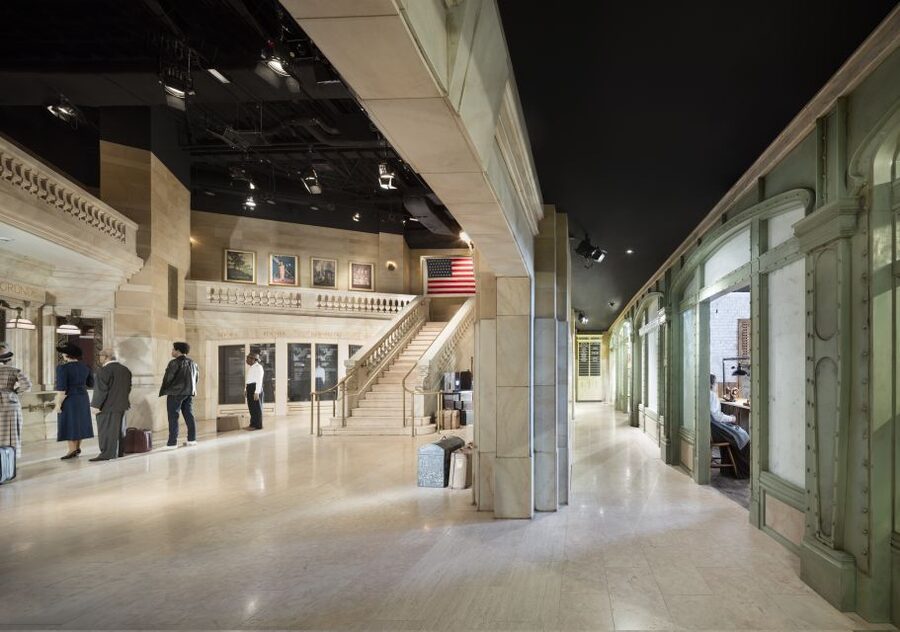
At about $23 per person, this is not the cheapest museum stop in Germany. The price makes more sense when you consider what the ticket includes: a full-day admission, the iCard journey, interactive material, the ship areas, the immigration sequence, and access to the family research room.
You are paying for an experience that can occupy several hours, not for a small collection you see in 30 minutes. If you use the audio stations, follow the displays carefully, and spend time in the research room, the cost is reasonable.
The value is especially strong for anyone with European family roots. The free genealogy assistance can make the ticket feel much more worthwhile, even if you only uncover a small clue. History students, family groups, and visitors interested in migration will likely get more from the museum than someone looking for a quick architectural visit.
Food and drinks are not included, so plan for those separately. The activity begins and ends at the main entrance on Columbusstraße 65, and the ticket is valid for one day. There is no need to treat the visit as a timed tour with a fixed guide-led departure, but you do need to protect enough time before closing.
Who will appreciate the German Emigration Center most?
I would recommend this museum to several types of visitors:
- People researching family roots: The dedicated research room and trained assistance give your questions a practical starting point.
- Visitors interested in migration: The museum connects 300 years of movement with personal stories and official immigration procedures.
- Families: The physical ship areas and interactive iCard system offer more variety than a conventional text-heavy museum.
- History students: The route links personal decisions, ocean travel, border controls, and life after arrival.
- Visitors who like independent pacing: You can move through the displays with your own iCard and spend more time where your interest is strongest.
You may enjoy it less if you want a short, casual stop. The museum asks for attention, and the best visit takes time. It may also be less comfortable if narrow ship sections are difficult for you to navigate, even though the museum is wheelchair accessible.
The high overall rating of 4.8 from 447 reviews fits the museum’s strongest qualities: it is interactive, personal, and more engaging than a basic display of documents and objects. The most praised feature is the way you can experience the subject with more than just your eyes. You hear stories, move through recreated settings, and take part in the immigration process.
Practical planning for a smoother visit
Use the main entrance at Columbusstraße 65. Since the activity ends back at the same meeting point, you do not need to arrange a separate return transfer.
Arrive at least two hours before closing. That minimum matters because the experience has several stages, and the family research room can add substantial time. Arriving late could leave you choosing between the main route and the genealogy facilities.
The museum is wheelchair accessible, but the old emigrant ship decks can be narrow. If you use a wheelchair, plan for careful maneuvering in those sections. Assistance dogs are allowed, but other pets are not.
The ticket can be canceled up to 24 hours in advance for a full refund. You can also reserve now and pay later, which is useful if your schedule in Bremen is still changing.
Should you book this museum visit?
Book it if you want history to feel close and personal, especially if your family has European emigrants or you are curious about how migration actually worked. The iCard journey, the ship settings, the Ellis Island immigration test, and the free family research room give the $23 admission real substance.
I would skip it only if you have very little time, dislike interactive museums, or need wide, easy passage everywhere. For most visitors, this is one of the more thoughtful ways to spend several hours in Bremerhaven. Just arrive early, save time for the genealogy room, and expect the historic ship sections to be tight.
FAQ
Where is the German Emigration Center located?
The museum is located at Columbusstraße 65 in Bremerhaven, in the German state of Bremen. Enter through the main entrance.
How long is the ticket valid?
The entrance ticket is valid for one day. Check availability for the available starting times.
How much does admission cost?
The listed price is $23 per person.
What does the entrance ticket include?
The ticket includes admission to the German Emigration Center. The visit includes the iCard journey, the museum exhibitions, and access to the family research room.
Can I research my own ancestors at the museum?
Yes. The Family Research room offers a free service, and a trained assistant can help you begin searching for emigrated ancestors.
How much time should I allow for the visit?
You should arrive at least two hours before closing so you have enough time to see the exhibition. Extra time is useful if you want to use the family research computers.
Is the museum wheelchair accessible?
Yes, the museum is wheelchair accessible. Some intermediate decks in the old emigrant ships are narrow, so wheelchair users should be able to maneuver carefully in those areas.
Can I bring a pet?
Pets are not allowed. Assistance dogs are permitted.
Just added around Bremen
- Bremen: Full-Day Kayak Rental on the Wümme River★ 4.8 · 14 reviews
- Above the rooftops of Bremen★ 4.1 · 19 reviews
- Truth or lie? – A special tour through Bremen’s Old town★ 4.3 · 20 reviews
- Bremen: Private pub crawl with insider-guide & free shots★ 4.5 · 22 reviews
- Bremen: Private Walking Tour with a Professional Guide★ 4.2 · 22 reviews
- e-Scavenger hunt Bremen: Explore the city at your own pace★ 4.0 · 24 reviews
- Bremen: Outdoor Escape Game in the Old Town★ 4.4 · 41 reviews
- Bremen: Übersee Museum Entrance Ticket★ 4.3 · 59 reviews
Bremen Tours, compared.





Browse the lists this tour appears in