
Reviewed · THEATRE, CABARET & COMEDY
Bremen: Underworld Tour with the Cellar of the Theatre
Look beneath Bremen’s polished streets. This two-hour tour links a former synagogue cellar and old prison cells with the theatrical machinery beneath Theater Bremen. I like the way it connects difficult local history with unusual working spaces, and I especially like that the final theater stop can include a look beneath the stage during preparations for a performance. The main drawback is the title: Bremen’s underworld is mostly a series of vaulted rooms beneath different buildings, not one continuous tunnel network.
The German-speaking guide is another strong point. One February guide was praised for bringing personal passion to the city’s history and explaining the wider setting, not just reciting dates. Still, the first stops may feel less gripping if you have already toured former prisons or studied Nazi-era Jewish history in other cities.
In This Review
- Key points to know before booking
- What Bremen’s underground tour really offers
- Meeting at Passage Bischofsnadel
- The former synagogue cellar and a difficult memorial
- The bunker that became an art venue
- Inside the cells of Ostertorwache
- The Kulissenkeller beneath Theater Bremen
- Why the guide makes the difference
- Is $18 a fair price?
- Who will enjoy this experience most?
- Practical tips for getting more from the tour
- Should you book Bremen’s underground tour?
- FAQ
- Where does the tour meet?
- How long does the tour last?
- What language is the tour conducted in?
- What places are visited?
- Is the theater cellar always available?
- What does the $18 price include?
Key points to know before booking
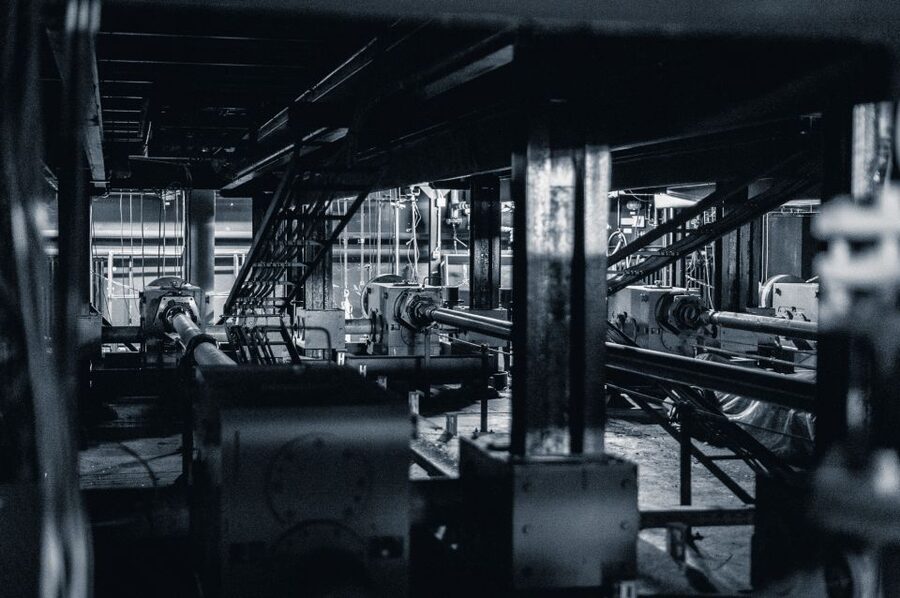
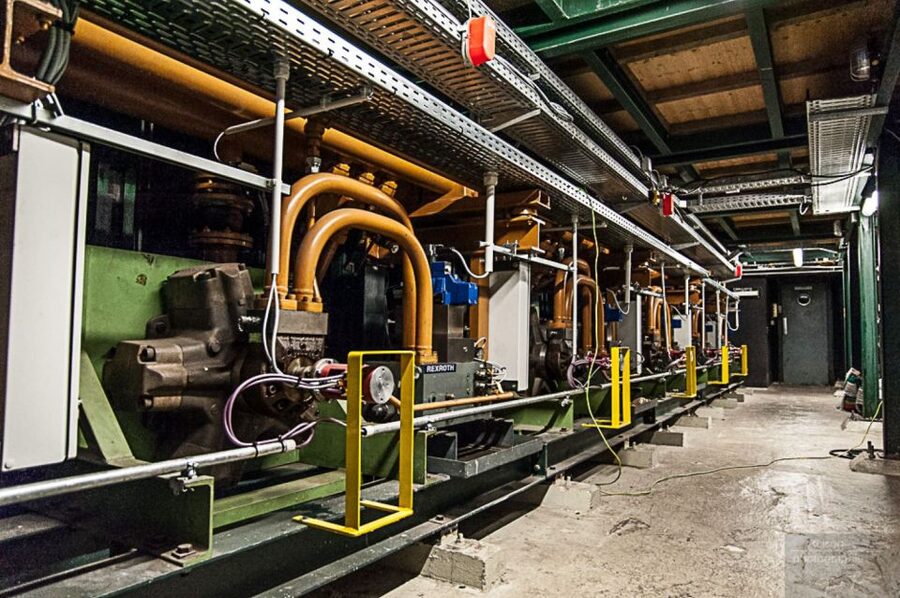
- Theater Bremen’s Kulissenkeller is the likely highlight: Expect backstage corridors, machine rooms, and a large cellar used for scenery and stage work.
- The synagogue cellar is a memorial site: It offers a sober reminder of the synagogue destroyed by the Nazis in 1938.
- Ostertorwache adds a grim prison setting: You enter the old cells known as the Cells for Impure Women.
- The tour is not one underground passage: You visit subterranean rooms in several buildings around central Bremen.
- German is the only listed tour language: This matters if you need English commentary.
- The price is modest for a two-hour guided visit: At $18 per person, the value is strongest if the theater and memorial sites are open.
What Bremen’s underground tour really offers
Bremen often presents itself through its market square, riverfront, old merchants’ houses, and Hanseatic past. This tour asks you to look in another direction, down into basements, cells, service areas, and forgotten rooms beneath the city center.
I like that approach because it gives you a less polished view of Bremen. You are not simply admiring a monument from outside. You are seeing places built for practical, painful, or hidden purposes: a prison, a destroyed house of worship, an art bunker, and the working underside of a theater.
The experience lasts about two hours. That is long enough to give each location some context without turning the tour into an all-day commitment. The route includes several different types of underground space, so the mood changes from stop to stop.
The title may set your expectations too high. You should not book this expecting a vast medieval tunnel system or a continuous maze under the entire city. The more accurate picture is a guided walk between several buildings, with visits to their underground rooms and corridors.
That distinction is important. If you want a classic subterranean adventure, the tour may feel more architectural and historical than mysterious. If you enjoy seeing places that ordinary sightseeing rarely reaches, it offers plenty to think about.
More Theatre, Cabaret & Comedy:
- Cologne: 1.5-Hour Comedy Bus Tour
★ 4.3 · 1,299 reviews - Berlin: 1.5-Hour Comedy Bus Tour in German
★ 4.5 · 1,165 reviews - Berlin: Laughing Spree Comedy Show on a Boat
★ 4.9 · 670 reviews
Meeting at Passage Bischofsnadel
The meeting point is beside the water at Passage Bischofsnadel, between the tunnel and the sculpture Das Ende. Look for the guide carrying a bag marked with the red and white StattReisen Bremen footprints.
This is a practical meeting place, but you should allow a few minutes to find the exact spot. The guide’s bag is the useful visual clue. Since there is no hotel pickup or drop-off, you need to make your own way to the start and leave independently after the tour.
The guide leads the tour in German. The feedback points to guides who explain their subjects with real enthusiasm, especially when discussing local events and the broader setting around them. That can make a major difference on a tour like this. Underground rooms do not explain themselves. Their value comes from understanding why they exist and what happened there.
Because the language is German, you should be comfortable following spoken German to get the full benefit. The supplied information does not list an English option, so do not assume that translation will be available.
The former synagogue cellar and a difficult memorial
One of the most important stops is the cellar of a former synagogue. The building was destroyed by the Nazis in 1938, and the remaining cellar now serves as a memorial site.
This is not a cheerful sightseeing stop, and it should not be treated as one. The bare cellar setting can feel restrained, even stark. That simplicity may be part of its force. Instead of a grand museum display, you are confronted with a surviving fragment of a place that was deliberately destroyed.
I value this stop because it puts Bremen’s local story into a physical space. You are not only hearing about persecution in general terms. You are standing at the remains of a specific building and considering what its destruction meant for the Jewish community of Bremen.
At the same time, you should keep your expectations realistic. A cellar cannot provide the same scale or detail as a large museum. If you already know Jewish history in Germany well, the stop may feel brief or familiar. Its strength is the location itself and the chance to connect national events with one Bremen address.
The guide’s explanation matters here. A good account can help you understand the place without turning it into a list of dates. Based on the positive comments about the guides, this part is handled with care and clear explanation.
The bunker that became an art venue
The tour also includes a bunker that later became an art venue. This is one of the more unusual changes of purpose covered on the route.
A bunker suggests war, protection, concrete, and confinement. An art venue suggests public life, creativity, and a new use for a difficult structure. Seeing those ideas in the same place gives you a useful glimpse into how cities deal with buildings shaped by painful periods.
The available details do not specify the exact exhibits or the length of time spent inside the bunker. That means you should think of it as one part of a wider route, not as a full art exhibition visit. The interest lies in the building and its change in purpose.
This stop may appeal most if you enjoy urban reuse and the way old structures acquire new lives. It may feel less dramatic if you are mainly interested in tunnels, prison architecture, or theater mechanics. The tour works best because it places this bunker among several very different underground sites.
Something different for another day:
- Bremen: Walking Tour in German with Night Guard
★ 4.7 · 2,922 reviews - Bremen: City Center Guided Walking Tour
★ 4.5 · 2,709 reviews - Bremen: Underground Guided Tour
★ 4.1 · 1,408 reviews - Bremen: 3-Hour Beck’s Brewery Tour
★ 4.6 · 1,091 reviews
Inside the cells of Ostertorwache
At the old prison Ostertorwache, you enter the cells known as the Cells for Impure Women. The wording is severe, and the setting is meant to feel oppressive rather than comfortable.
This stop gives the tour its clearest prison atmosphere. Small cells and heavy institutional spaces can make social attitudes of the past feel more immediate. The name alone points to the way women were judged and confined under older systems of authority.
I would not expect a large prison complex. The information describes cells within the old prison, not a full prison museum with many rooms and displays. That is why the stop may seem less surprising if you have already visited former prisons elsewhere.
Still, the short visit has value. It adds a human and social dimension to the tour. The synagogue cellar deals with persecution and memory on a communal scale. Ostertorwache turns attention toward punishment, shame, and confinement at the individual level.
The mood here may be heavy, so families should consider how children respond to prison settings. One highly positive comment noted that children enjoyed the overall tour, but the experience is not designed as a playful attraction. The guide’s tone and your own family’s interests will shape how well this section works.
The Kulissenkeller beneath Theater Bremen
The final theater stop is the part I would most look forward to. Beneath Theater Bremen is the large Kulissenkeller, a backstage cellar with theatrical machine rooms and labyrinthine corridors.
This is where the tour moves from historical remains to a working cultural building. You may see the practical side of theater production rather than only the polished stage seen by an audience. That contrast is excellent: above ground, theater can appear controlled and finished; below the stage, it depends on storage, machinery, corridors, and constant preparation.
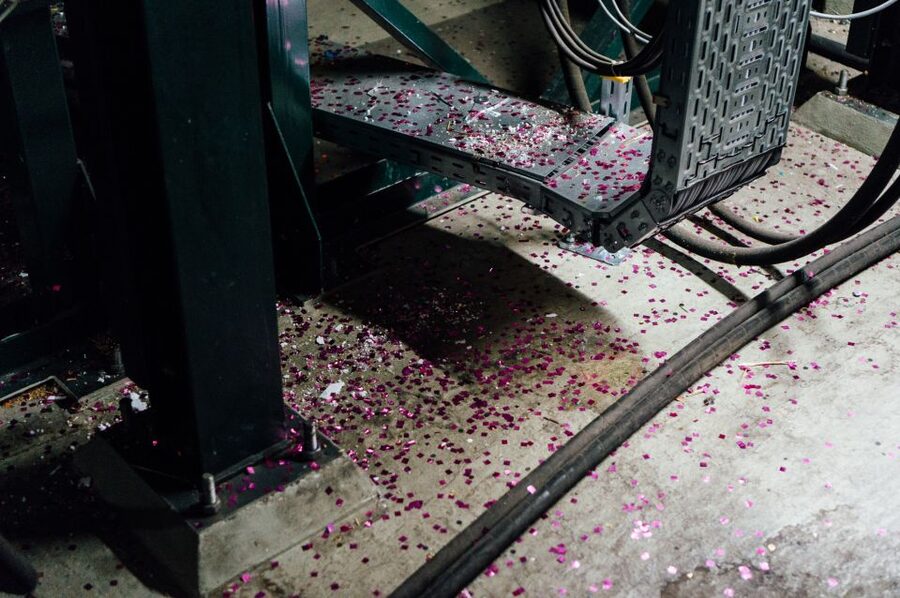
A February tour received especially strong praise for this section because the stage was being prepared for an evening premiere. The group could go onto and under the stage and look into the scenery cellar while the production was being assembled. That kind of access can turn a familiar theater into a place of tools, movement, and hidden labor.
This detail also points to the tour’s biggest variable. The theater may be in a different state on your visit, and access can change because of organization or closures. You should ask the operator shortly before your tour if a particular location is available.
If the theater section is operating normally, it may be the most memorable part of the route. The machinery, backstage spaces, and maze-like passages provide the sense of discovery that the tour’s title promises. You are seeing how a performance takes shape from the less glamorous side.
Do not assume that every visit will include the exact same stage access. The program can change, but an alternative location is promised if a stop is closed. That flexibility is sensible, though it means the tour cannot guarantee one fixed experience on every date.
Why the guide makes the difference
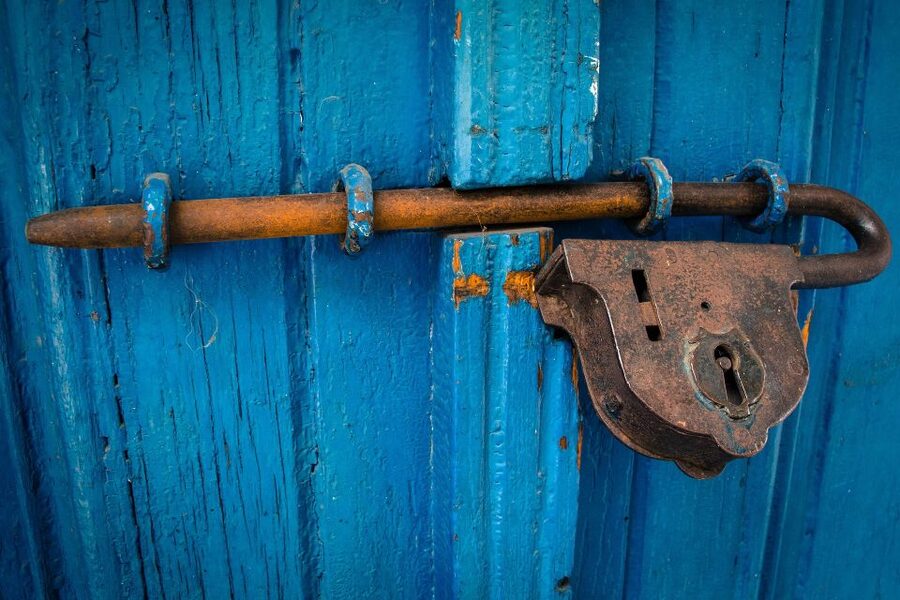
Underground sites can be visually plain. A cellar is still a cellar if no one explains its purpose, and an old cell can blur into the next one without context.
That is why the guide is central to the experience. The strongest feedback praised a guide who clearly cared about the work and spent personal time studying local history and related subjects. That kind of enthusiasm helps turn separate rooms into a connected story about Bremen.
You should listen for the links between the stops. The tour is not just about going below street level. It is about how the city has used, lost, adapted, and remembered its buildings.
The tour is conducted in German, so language ability is a practical part of the decision. If you understand German well, the live explanations should add much more than a self-guided walk. If you do not, the physical settings may still interest you, but you would miss much of the historical meaning.
Is $18 a fair price?
At $18 per person, the tour is reasonably priced for two hours with a live guide and entry to the places visited. The price includes access to the tour stops, depending on the option booked, and does not add a separate admission fee for each location.
The value depends on what opens on your date. If you receive the full sequence, including the synagogue cellar, Ostertorwache, bunker, and Theater Bremen’s Kulissenkeller, the mix gives you more variety than a standard walking tour. You are paying for access and interpretation, not just a stroll through central streets.
The theater access is especially important to the value calculation. A look into the stage machinery and scenery cellar can be hard to arrange independently. The memorial cellar and old prison cells also offer access to places you might otherwise pass without knowing what lies below.
If the first two stops are your main interest, the value may feel more modest. One assessment found the prison and synagogue cellar less exciting than the theater, partly because the visitor already had experience with similar sites. That is fair. The tour’s appeal grows when you want variety rather than one single major attraction.
The reserve-now, pay-later option can help if your schedule is still changing. Free cancellation is available up to 24 hours before the tour for a full refund. These policies are useful, but the language and possible program changes matter more than the payment terms.
Who will enjoy this experience most?
I would recommend the tour to people who like local history, unusual architecture, memorial sites, and the working side of cultural buildings. It is also a good choice if you have already seen Bremen’s main landmarks and want a different way to understand the city.
Families may find the variety helpful. The theater can hold children’s attention better than a conventional historical lecture, and one family reported that the children enjoyed the tour. Still, the synagogue memorial and prison cells require a respectful mood.
The tour suits visitors who can follow German. That is not a minor detail. The guide’s explanations are a large part of the experience, so anyone who needs English should ask the operator before booking rather than assume an alternative language.
You may want to skip it if you are seeking a dramatic cave system, a long underground walk, or a single grand attraction. The route is made of separate subterranean spaces, and the first locations may feel restrained.
Practical tips for getting more from the tour
Ask shortly before the date whether the Theater Bremen section and any specific location will be open. The operator notes that organizational needs can force changes, and the substitute may not be the site you most want to see.
Arrive at Passage Bischofsnadel with enough time to identify the tunnel, the sculpture Das Ende, and the guide’s red and white footprints bag. Since there is no pickup service, plan your route to the meeting point in advance.
Wear clothes suited to spending time below street level. The supplied information does not specify temperature, flooring, or accessibility, so I would avoid assuming that every passage is easy for all mobility levels. Ask the operator directly if you have concerns about stairs, narrow corridors, or uneven surfaces.
Keep the two-hour schedule in mind. This is a focused city tour, not a full-day historical program. The number of stops means some locations will receive a shorter explanation than others.
Most of all, keep the title in perspective. Think of the experience as Bremen’s underground rooms and working cellars, connected by a guide. That is less theatrical than a single secret tunnel, but it is also more grounded in the city’s real buildings and difficult past.
Should you book Bremen’s underground tour?
Book it if you want a compact, German-language tour that combines memorial history, prison rooms, a former bunker, and the backstage workings of Theater Bremen. The $18 price is fair, and the theater cellar can be a terrific payoff, especially when stage preparations are underway.
Think twice if you need English commentary, dislike sober historical sites, or expect a continuous underground labyrinth. The tour is at its best when you appreciate context, changing building uses, and the chance to see spaces normally kept out of sight.
My advice is to confirm the theater stop shortly before booking and choose this tour for variety rather than spectacle. If those conditions suit you, it offers an unusual and worthwhile way to see Bremen from below.
FAQ
Where does the tour meet?
The meeting point is at the waterside of Passage Bischofsnadel, between the tunnel and the sculpture Das Ende. The guide carries a bag with the red and white StattReisen Bremen footprints.
How long does the tour last?
The tour lasts about two hours. Starting times depend on availability.
What language is the tour conducted in?
The listed tour language is German. No other language is specified.
What places are visited?
The tour can include the cellar of the former synagogue destroyed by the Nazis in 1938, the old prison Ostertorwache, the bunker that became an art venue, and the basement and backstage areas of Theater Bremen.
Is the theater cellar always available?
The program can change because of organizational constraints. You can ask the operator shortly before the tour date whether a particular location will be open. An alternative location is provided if a stop is closed.
What does the $18 price include?
The price is $18 per person and includes the tour guide and access to all places visited, depending on the option booked. Pickup and drop-off are not included.
Just added around Bremen
- Bremen: Full-Day Kayak Rental on the Wümme River★ 4.8 · 14 reviews
- Above the rooftops of Bremen★ 4.1 · 19 reviews
- Truth or lie? – A special tour through Bremen’s Old town★ 4.3 · 20 reviews
- Bremen: Private pub crawl with insider-guide & free shots★ 4.5 · 22 reviews
- Bremen: Private Walking Tour with a Professional Guide★ 4.2 · 22 reviews
- e-Scavenger hunt Bremen: Explore the city at your own pace★ 4.0 · 24 reviews
- Bremen: Outdoor Escape Game in the Old Town★ 4.4 · 41 reviews
- Bremen: Übersee Museum Entrance Ticket★ 4.3 · 59 reviews
Theatre, Cabaret & Comedy, compared.




Quatsch Comedy Club Berlin: Die Live Show Entry Ticket
Read our review →


Browse the lists this tour appears in