

Reviewed · WALKING TOURS
Berlin: City Center Walking Tour
Berlin reveals itself one square at a time. This three-hour walking tour links Alexanderplatz, Nikolaiviertel, Berlin Cathedral, Unter den Linden, the Holocaust Memorial, and Brandenburg Gate in one clear route. I like the sensible center-city focus, and I like that the group is limited to a maximum of 12 people.
The main consideration is language: the live guide speaks German only. You should also confirm the cancellation terms carefully, since the general booking information allows cancellation up to 24 hours ahead, while the special minimum-group rule says groups of three or more must cancel three days before the tour. The walk takes place in all weather, though rain ponchos are provided when needed.
In This Review
- Key points to know before you book
- Starting beneath the Fernsehturm at Alexanderplatz
- The Red Town Hall and Berlin’s changing city center
- Nikolaiviertel, where Berlin feels older
- Schlossplatz and Berlin Cathedral
- Walking Unter den Linden from Schlossplatz toward the center
- Bebelplatz and the Prinzessinnenpalais garden
- A coffee pause at Gendarmenmarkt
- The Holocaust Memorial and Brandenburg Gate
- What the $24 price really buys you
- Language, group size, weather, and timing
- Who will get the most from this walk
- Should you book the Berlin City Center Walking Tour?
- FAQ
- Where does the Berlin City Center Walking Tour start?
- How close is the meeting point to public transportation?
- How early should I arrive?
- How will I identify the guide?
- Where does the tour end?
- How long is the walking tour?
- What language does the guide speak?
- Is food or coffee included?
- Does the tour operate in rainy weather?
- What is the group size?
Key points to know before you book
- Alexanderplatz is the starting point: Meet at the World Clock, only about one minute from the Alexanderplatz S-Bahn and U-Bahn station.
- The route covers Berlin’s central story: You move from medieval Nikolaiviertel and royal Berlin to the Cold War-era Fernsehturm and the modern capital near Brandenburg Gate.
- The group stays small: A maximum of 12 people should make it easier to hear the guide and ask questions.
- The walk includes a coffee stop: Gendarmenmarkt provides a natural pause, though your coffee and food are not included.
- The guide keeps the tour focused: The strongest praise centers on seeing and explaining the essential sights in a pleasant, concise way.
- The tour returns to Alexanderplatz: You do not need to arrange a separate ride back to your hotel or another part of town.
Starting beneath the Fernsehturm at Alexanderplatz
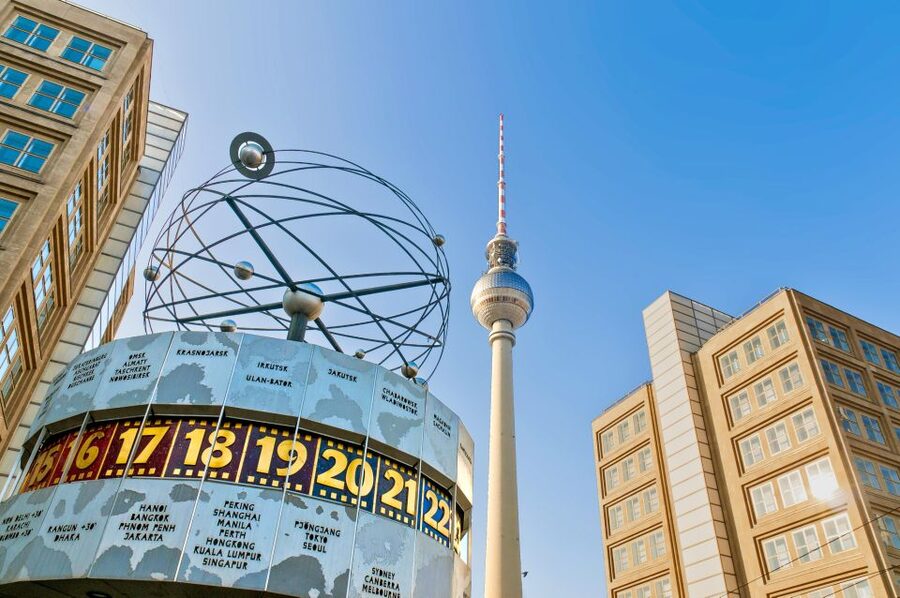
Alexanderplatz is a practical starting point because it is easy to reach and hard to miss. The meeting point is the World Clock, directly in the open square and about one minute on foot from the S-Bahn and U-Bahn station. Arrive 15 minutes early and look for a guide holding a sign with the local partner’s logo.
The World Clock is more than a meeting marker. It is one of the square’s familiar symbols, with time zones displayed around the globe. It also gives you an immediate sense of Berlin’s mix of old and new. Nearby, the Fernsehturm rises high above the city, while the Red Town Hall offers a more traditional architectural counterpoint.
I like beginning here because the guide can explain Berlin through its contrasts right away. Alexanderplatz feels broad, open, and modern. The Red Town Hall points toward the city’s civic past. The Fernsehturm recalls East Berlin and the German Democratic Republic. You get three useful reference points before the walk has properly begun.
The broad square can feel exposed, especially in bad weather, so dress for wind and rain. This is not a tour where you simply drift from one postcard view to another. The opening stop helps place the rest of the route on a historical map.
More City Tours in Berlin
- Berlin: 1-Hour City Tour by Boat with Guaranteed Seating
★ 4.3 · 16,993 reviews - Berlin: City Sightseeing Hop-On Hop-Off Bus Tour
★ 4.1 · 4,233 reviews - Potsdam: City and Castles Tour
★ 4.7 · 3,721 reviews
The Red Town Hall and Berlin’s changing city center
From Alexanderplatz, the route takes in the Red Town Hall. Its red-brick exterior gives the building a strong visual identity, and its role as a civic landmark makes it a good stop early in the walk. You should not expect a long interior visit based on the information provided. The value is in seeing the building in relation to the surrounding center.
The nearby Fernsehturm is impossible to ignore. Even when you are not visiting the tower itself, it helps you understand how Berlin’s central districts fit together. The tour includes the view and explanation, not a tower admission or ascent, so do not book this walk expecting a ride to the top.
The guide’s role matters here. The tour’s strongest praise is simple but useful: the guide shows the essential sights and explains them in a lively, easy-to-follow way. That is exactly what you want in a three-hour city introduction. You get context without spending half the day inside one museum or waiting in a ticket line.
Nikolaiviertel, where Berlin feels older
The Nikolaiviertel brings a different mood. This historic quarter sits close to the city’s oldest central area and offers a more intimate setting after the open spaces around Alexanderplatz. The route is described as exciting and varied, which fits the change in scale: smaller streets and older-looking buildings replace the wide modern square.
This is one of the most useful parts of the walk for first-time visitors. Berlin can feel scattered, with major sights separated by large streets and open spaces. Nikolaiviertel gives you a more compact sense of the old center and helps connect the city’s present-day layout with its earlier beginnings.
Keep your expectations measured. The tour is a walking overview, not a detailed architectural study of every building. You will see the quarter and hear about its importance, then continue toward the Schlossplatz. That pace is a benefit if you want a broad introduction, but a drawback if you prefer long stops and close examination.
Schlossplatz and Berlin Cathedral
The route then crosses Schlossplatz, one of the central spaces where Berlin’s royal, political, and modern identities meet. It is a useful transition point between the older quarter and the grand boulevard ahead.
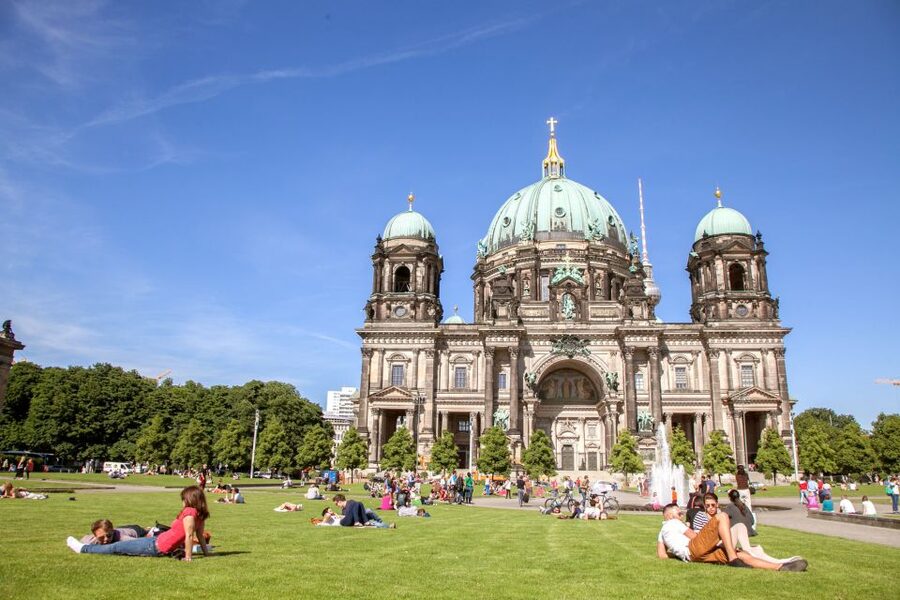
Berlin Cathedral provides one of the most imposing views along the route. The tour takes you to the cathedral area, but the listed program does not include an interior visit or a climb into the dome. You should think of this stop as an exterior sight with a guide’s explanation rather than a cathedral tour.
That distinction helps you judge the price. For $24 per person, you are paying for a live German-language guide, a carefully connected route, and local explanation. You are not paying for admission tickets, food, drinks, or hotel transport. If you already plan to visit the cathedral inside, you will need to arrange and pay for that separately.
More Walking Tours in Berlin
- Discover Berlin Half-Day Walking Tour
★ 5.0 · 9,624 reviews - Berlin: Third Reich and Cold War 2 Hour Walking Tour
★ 4.9 · 6,830 reviews - Berlin: Discover Berlin Walking Tour
★ 4.9 · 5,998 reviews - Berlin’s Best: 2 Hour Walking Tour Third Reich and the Cold War
★ 5.0 · 5,486 reviews
Walking Unter den Linden from Schlossplatz toward the center
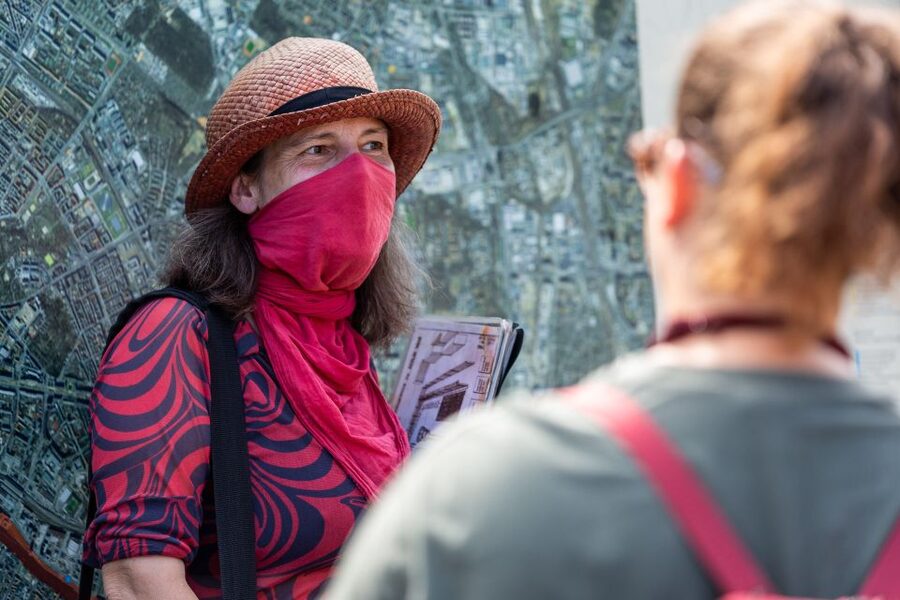
Unter den Linden is Berlin’s famous historic main street, and walking part of its length gives the tour a strong central spine. The broad avenue ties together several major sights and lets you see how Berlin’s ceremonial center was planned.
I like this part because it turns a list of monuments into a walkable story. Instead of treating Berlin Cathedral, Bebelplatz, Gendarmenmarkt, and Brandenburg Gate as separate stops, the route shows how they sit along the same central axis. You also get a better feel for distances, which is helpful when planning the rest of your stay.
The boulevard is a walking route, not a vehicle transfer. Three hours may sound generous, but the time includes movement, explanations, stops, and a coffee break. You should wear comfortable shoes and avoid scheduling a tight appointment immediately afterward.
The pace is described as easy-going, and the maximum group size of 12 is a real advantage. A small group usually means less waiting for people to gather and a better chance to hear the guide in open public spaces. Still, this remains a city walk on normal streets and squares, so rain, crowds, and uneven pacing can affect the day.
Bebelplatz and the Prinzessinnenpalais garden
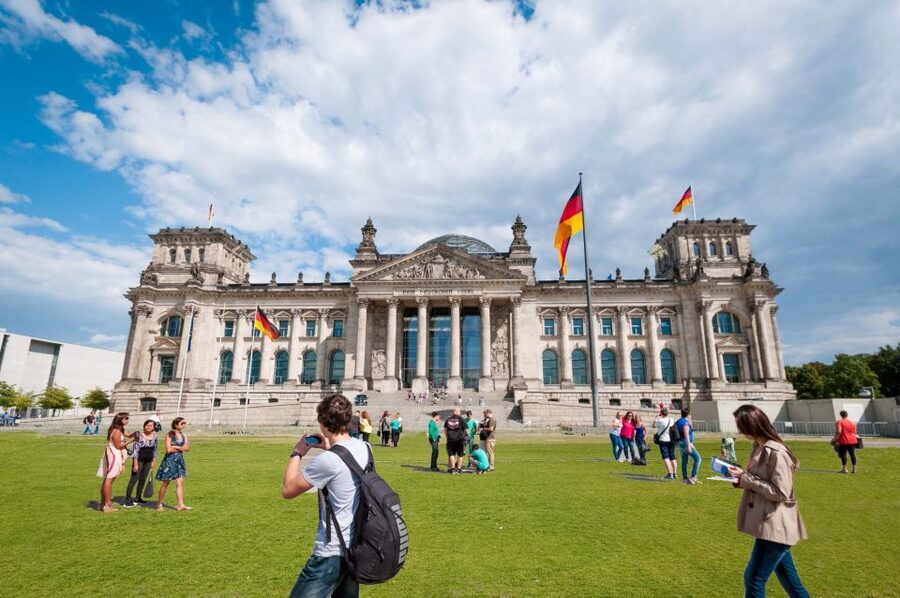
Bebelplatz is one of the most thoughtful stops on the route. It is not simply another handsome square along Unter den Linden. The area carries difficult historical meaning, and the tour connects that setting with the gardens of the Prinzessinnenpalais.
The garden is described as intimately beautiful, which gives the route a welcome change of scale. After large avenues and monumental buildings, a smaller garden can make the walk feel more personal. It also shows you a quieter side of central Berlin without requiring a long detour.
The information supplied does not promise entry into the palace or a formal garden tour. You should expect to see the setting from the route and hear the guide explain its place in the city. That is enough for a first look, but anyone seeking detailed royal history or interior access will need another activity.
Bebelplatz also works well as a reminder that Berlin’s beauty and painful memory often share the same few blocks. A good guide can make that connection clear without turning the whole walk into a lecture. The positive comments about the tour being interesting and pleasantly paced suggest that the presentation aims to keep this balance.
A coffee pause at Gendarmenmarkt
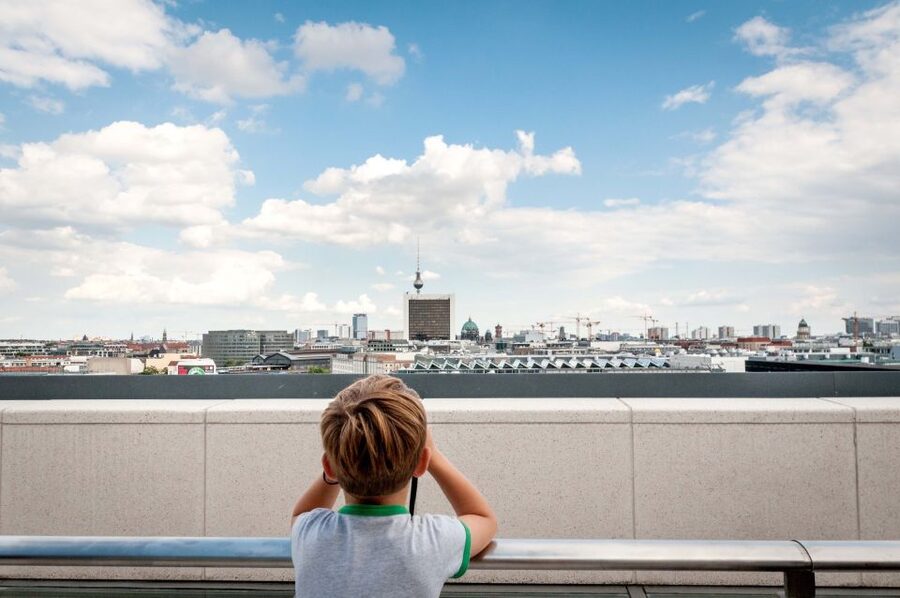
Gendarmenmarkt is the natural rest stop. The square is one of central Berlin’s most elegant public spaces, and sitting down for coffee gives you a chance to absorb the route so far.
Food and drinks are not included, so bring money or a payment method for your own order. The exact length of the break is not stated, and the tour schedule may depend on the guide and the group. Think of it as a practical pause rather than a full meal stop.
This break adds value in two ways. First, three hours on foot is easier when you have a chance to sit. Second, a café stop gives you a moment to ask the guide about places you want to revisit later. Since the tour ends back at Alexanderplatz, you can use the pause to compare the route ahead with your own plans.
Gendarmenmarkt also marks a shift in the walk. The earlier sights help explain Berlin’s origins and royal center. The later stops bring you closer to the city’s twentieth-century history and the modern political heart around Brandenburg Gate.
The Holocaust Memorial and Brandenburg Gate
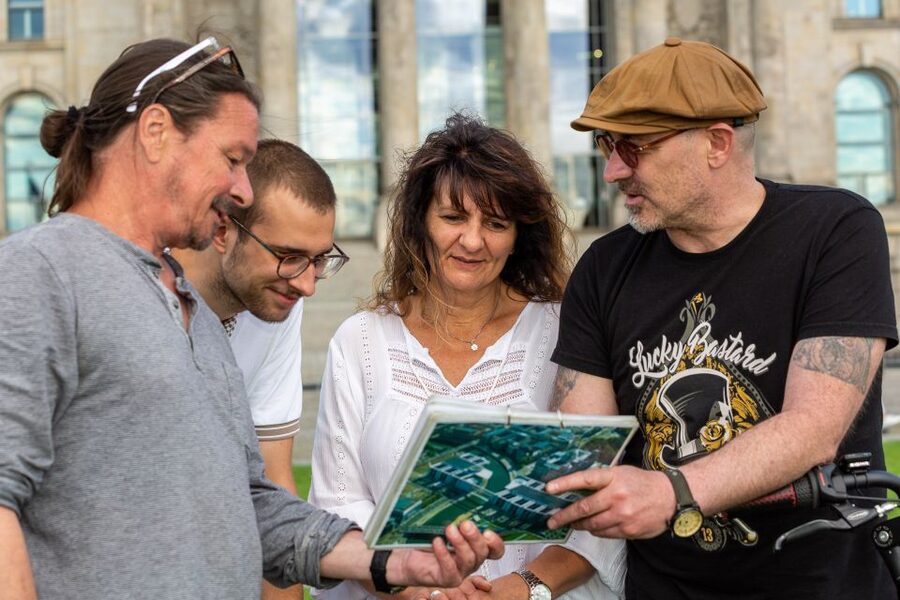
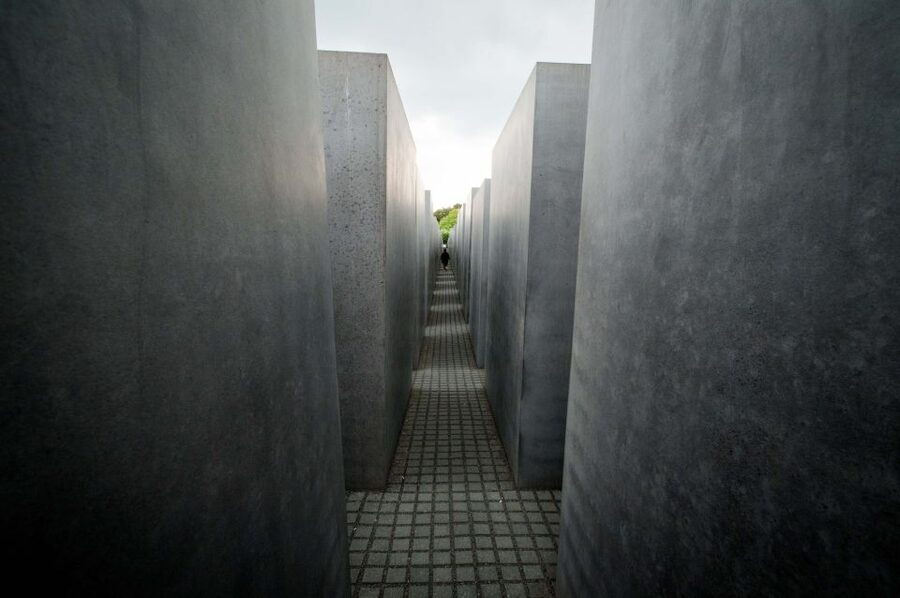
The Holocaust Memorial is one of the tour’s most powerful stops. Its field of concrete stelae creates a sober, unsettling space close to the center of government and tourism. The experience works best when you slow down and allow the place to speak for itself.
The tour includes the memorial as a sight and historical stop. It does not list an indoor museum visit, so do not assume that the underground Information Centre is included. If you want that additional material, ask the guide whether there is enough free time afterward or plan a separate visit.
Brandenburg Gate provides the route’s natural finish. It is one of Berlin’s best-known symbols and a fitting place to connect the city’s divided past with its present role as Germany’s capital. The gate is not just a grand photo stop. Its location near the Holocaust Memorial and other central landmarks lets you see how political power, memory, and public space sit close together.
The walk does not end here, however. The activity returns to the original meeting point at Alexanderplatz. That may sound less dramatic than ending at Brandenburg Gate, but it is useful. You finish where you began, near major public transport, rather than needing to find your way back across the center.
What the $24 price really buys you
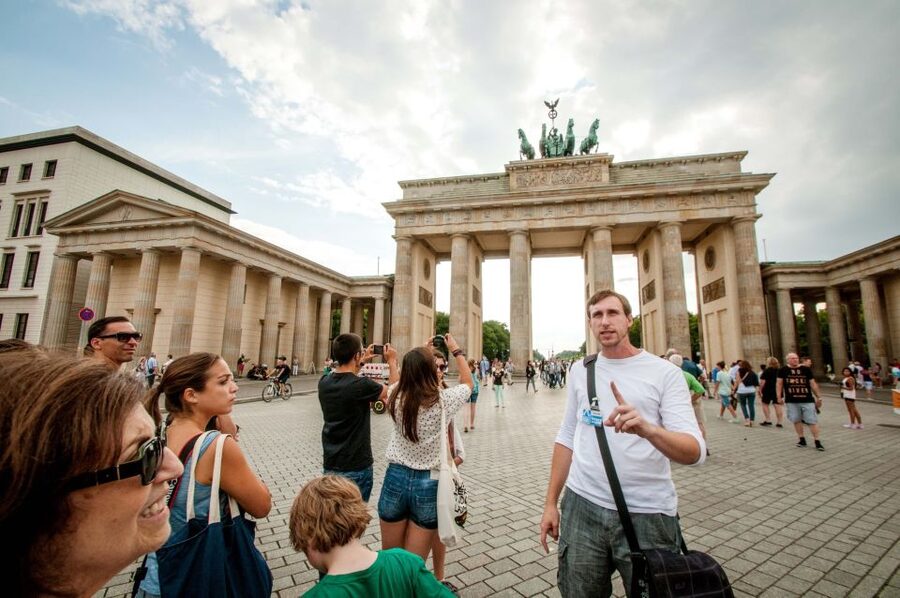
At $24, this is a reasonably priced orientation walk if you want live explanation in German. The route covers many of Berlin’s major central sights in three hours, and the small maximum group size improves the basic value.
You are paying for the guide and the structure. Without a guide, you can walk to Alexanderplatz, Unter den Linden, Gendarmenmarkt, the memorial, and Brandenburg Gate on your own. The fee makes sense if you want someone to connect the sights, keep the route moving, and explain what you are seeing.
The price is less attractive if you need English or another language, want entry tickets, or prefer to explore at your own speed. Food, drinks, and hotel pickup are extra. Rain ponchos are supplied when necessary, which is a thoughtful practical touch, but you should still arrive dressed for the weather.
The rating of 4.7 from 45 reviews supports the idea that the basic format works well. The most repeated praise is not about a flashy extra. It is about a guide who covers the essential sights and explains them in an interesting, enjoyable way. That is the right standard for this kind of city walk.
Language, group size, weather, and timing
The live tour guide speaks German. This is the single most important booking question. If you understand German well enough to follow historical explanations, the format should be straightforward. If you do not, the value drops sharply because the guide’s commentary is the main product.
The group requires a minimum number to operate. The information gives two versions: one says a minimum of three participants, while the important information says a minimum of two. Because those details do not fully match, confirm the current requirement when you book. The operator can cancel at short notice if the minimum is not reached.
There is also a difference in the cancellation wording. General booking terms say you can cancel up to 24 hours before the activity for a full refund. The special rule says groups of three or more must cancel three days before the scheduled tour. If you are booking for three or more people, treat the three-day deadline as the safer rule and verify it before paying.
The walk operates in all weather. Ponchos may be provided on rainy days, but they do not replace sensible shoes and a warm layer. Check the starting time when you reserve, and arrive 15 minutes early at the World Clock.
Who will get the most from this walk
I would recommend this tour to a first-time visitor who wants a clear introduction to Berlin’s central sights without spending a full day on foot. It also suits anyone who prefers a small group to a large coach or crowded public tour.
It is a good fit for people who enjoy moving through a city rather than collecting indoor admissions. You see the setting around each landmark, learn how the districts connect, and finish with a better sense of where to return on your own.
The tour may not suit you if you need English commentary, dislike walking in rain, or want a slow photographic tour with long pauses. It is also not the right choice if your main goal is entering the Fernsehturm, Berlin Cathedral, or a museum. Those admissions are not included.
No guide name is supplied in the booking details, so you cannot request a particular guide based on the available information. The praise for the guide’s clear coverage and lively explanations is encouraging, but the experience will still depend on who leads the day.
Should you book the Berlin City Center Walking Tour?
Book it if you want a compact, affordable introduction to central Berlin in German. The route is well chosen, the group size is limited, the coffee break keeps the pace human, and the return to Alexanderplatz makes the logistics easy.
Skip it if you need another language or want substantial time inside monuments. Before booking, confirm the minimum group size and the cancellation deadline for your party. For the right audience, $24 buys a useful first map of Berlin, delivered on foot and with enough historical context to make the city’s famous squares and streets easier to understand.
FAQ
Where does the Berlin City Center Walking Tour start?
The tour starts at the World Clock on Alexanderplatz.
How close is the meeting point to public transportation?
The World Clock is about one minute on foot from the Alexanderplatz S-Bahn and U-Bahn station.
How early should I arrive?
You should arrive 15 minutes before the scheduled start time.
How will I identify the guide?
The guide will carry a sign with the local partner’s logo.
Where does the tour end?
The tour ends back at the meeting point on Alexanderplatz.
How long is the walking tour?
The tour lasts three hours.
What language does the guide speak?
The live guide speaks German.
Is food or coffee included?
No. Food and drinks are not included, including the coffee stop at Gendarmenmarkt.
Does the tour operate in rainy weather?
Yes. The tour takes place in all weather, and rain ponchos are provided when necessary.
What is the group size?
The maximum group size is 12 people. A minimum number of participants is required, but the supplied information gives both two and three as the minimum, so confirm the current rule when booking.
Just added around Berlin
- Berlin: Private Guided Tour of the Main Sights★ 5.0 · 13 reviews
- Private Highlights of Berlin Bike Tour★ 5.0 · 13 reviews
- Modern Berlin Private Walking Tour: Diverse, Vibrant and Exciting German Capital★ 5.0 · 13 reviews
- Tour in Berlin from Warnemünde and Rostock Cruise Port★ 4.1 · 13 reviews
- Berlin: Stasi Museum Private Guided Tour with Entry Ticket★ 4.8 · 13 reviews
- Private Food Tour Experience with a born and bred Berliner★ 5.0 · 14 reviews
- Berlin: Rheinsberg Palace Entrance Ticket★ 4.8 · 14 reviews
- Berlin in one day – day tour with an expert guide★ 5.0 · 14 reviews
Walking Tours, compared.


Berlin’s Best: 2 Hour Walking Tour Third Reich and the Cold War
Read our review →
Third Reich Berlin: Hitler and WWII Walking Tour
Read our review →Browse the lists this tour appears in