
Reviewed · WALKING TOURS
Augsburg’s Water Management System – City Walking Tour
Water shaped Augsburg’s story. This two-hour walking tour makes that story easy to see, from Lech quarter canals and cobbled lanes to the old waterworks at Rotes Tor. I like the route’s mix of outdoor sights and practical city history, and I especially like that it brings you to several fountains, including the Augustus, Merkur, and Herkules fountains. The main thing to consider is the tour’s focus: it leans toward historical facts and the story of water supply, not a hands-on explanation of engineering techniques.
You meet in front of the Tourist Information Center, then walk through the old city with a live guide in German or English. The tour costs about $20 per person, or €14 plus a €3 administration fee according to the supplied pricing details. It offers good value if you want a clear introduction to Augsburg’s UNESCO-listed water system without paying separate admission fees.
In This Review
- Key Things to Know Before You Book
- Starting at the Tourist Information Center
- Augsburg’s Fountains: Public Art With a Practical Purpose
- Walking Through the Lech Quarter Canals
- Rotes Tor and Europe’s Oldest Existing Waterworks
- Understanding the UNESCO Water Management System
- The Guide Makes the Difference
- Is the Two-Hour Format Good Value?
- Who Should Take This Augsburg Walking Tour?
- Weather, Timing, and Practical Comfort
- Final Verdict: Book It for Context, Not Machinery
- FAQ
- Where does the Augsburg water management tour begin?
- How long does the walking tour last?
- How much does the tour cost?
- Which languages are available?
- What sights are included on the route?
- What is special about the Rotes Tor waterworks?
- Are attraction entrance tickets included?
- Can I use an audio amplification system?
- Is the tour wheelchair accessible?
Key Things to Know Before You Book
- The route connects 22 parts of Augsburg’s water system, giving you a useful introduction rather than a visit to just one canal or fountain.
- Rotes Tor contains the oldest existing waterworks in central Europe, making it the tour’s most important historical stop.
- The Lech quarter brings the subject down to street level, with small canals, red-roofed houses, and cobblestones.
- The fountains are part of the city’s public story, especially the Augustus, Merkur, and Herkules fountains.
- The tour lasts two hours and is wheelchair accessible, though comfortable shoes still matter on old streets.
- You can use the free elysium sound system with your own smartphone, headphones, and internet connection.
Starting at the Tourist Information Center
The meeting point in front of the Tourist Information Center is practical. You begin in the heart of Augsburg, so the tour quickly moves into the old city rather than spending time on a long transfer.
That matters because the water system is spread across ordinary streets and public spaces. You do not simply arrive at one museum and receive a display of old equipment. Instead, you follow the city’s water story as it appears in fountains, channels, buildings, and old neighborhoods.
The guide leads the walk in German or English. A good guide can make this route feel like a connected story instead of a list of dates. Brigitte Plonner, one guide associated with the tour, has been praised for explaining Augsburg’s water system in a clear and engaging way, even when the group was very small. That kind of personal attention can be a real advantage.
The pace is designed for a two-hour walk, but you should still wear comfortable shoes. Cobblestones are part of the setting, not a minor detail. Bring clothing suitable for the weather as much of the experience takes place outdoors.
More Walking Tours in Germany:
- Discover Berlin Half-Day Walking Tour
★ 5.0 · 9,624 reviews - Berlin: Third Reich and Cold War 2 Hour Walking Tour
★ 4.9 · 6,830 reviews - Munich: Third Reich & WWII Walking Tour
★ 4.6 · 6,181 reviews
Augsburg’s Fountains: Public Art With a Practical Purpose
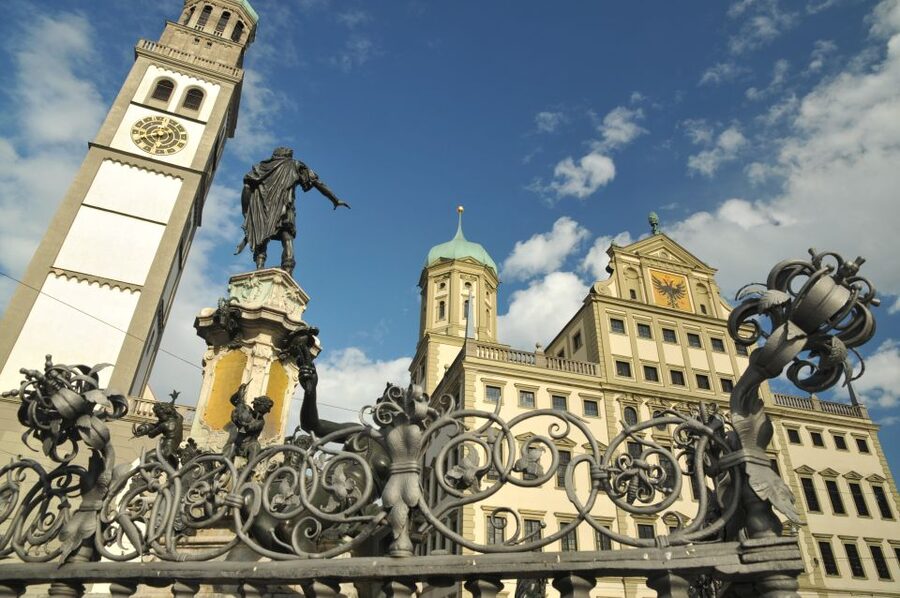
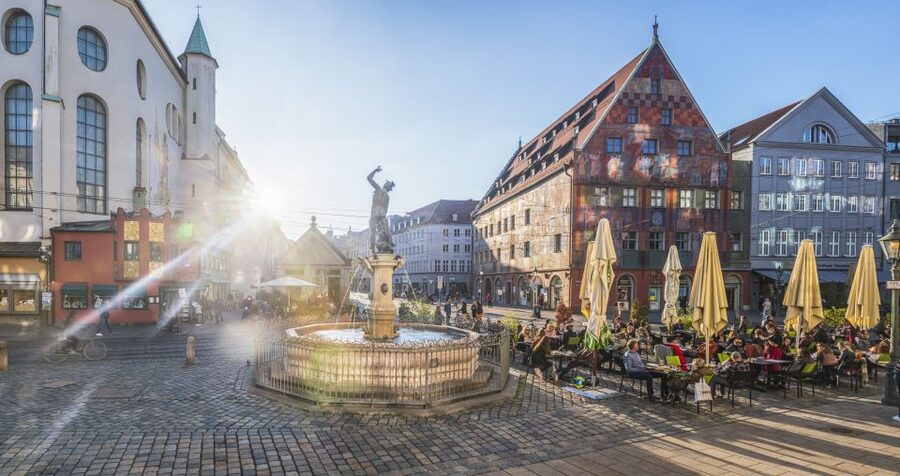
The fountains are among the easiest parts of the tour to appreciate. They are large, handsome, and placed in prominent parts of the city, so you can enjoy them even if technical history is not your main interest.
The Augustus fountain is one of the tour’s key sights. You also see the Merkur fountain and the Herkules fountain. Your guide explains how these fountains fit into Augsburg’s long water story, rather than treating them as unrelated monuments.
This is where the tour adds value to a simple sightseeing walk. You might otherwise admire a fountain for its sculpture and move on. Here, you learn to look at it as part of a public system that helped supply, organize, and display water in the city.
The tour does not promise entry into every attraction, and admission tickets are not included. The strength of this part of the route is the explanation given beside the public monuments. If you prefer museums, indoor exhibits, or mechanical demonstrations, you may find the fountain stops less satisfying on their own.
Still, I like the way these stops break up the walking route. You get memorable visual landmarks, and the water story remains tied to places you can revisit later without a ticket.
Walking Through the Lech Quarter Canals
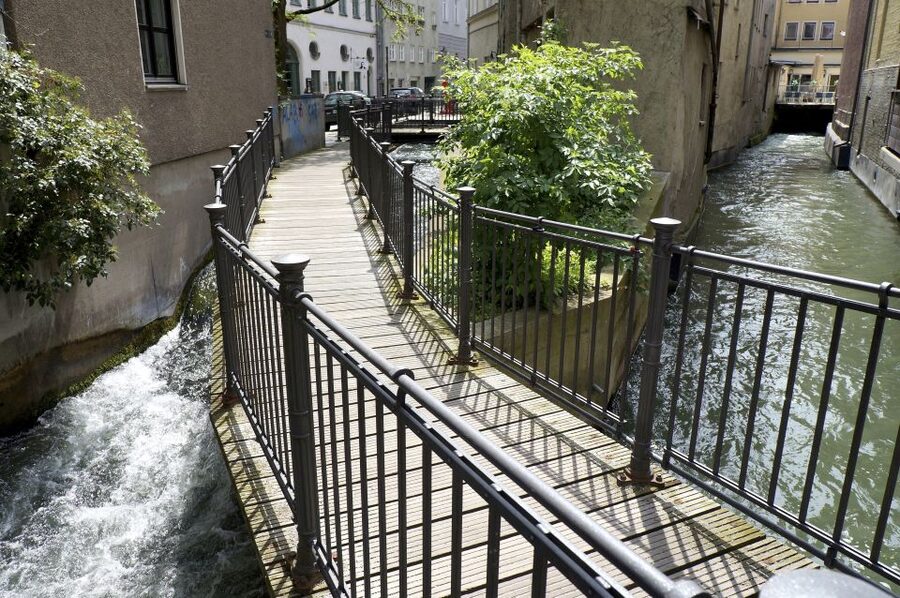
The Lech quarter is likely to be the most charming part of the walk. Here, small historic canals run through an old neighborhood of red-roofed houses and cobbled streets.
The canals show that Augsburg’s water management was not confined to grand fountains or impressive waterworks. Water was part of the city’s everyday structure. In the Lech quarter, you see it moving through the neighborhood, close to homes and streets.
I like this portion because it gives the subject a human scale. The grand fountains explain civic ambition, while the narrow canals help you picture how water shaped daily life. The route also gives you a change of mood: after formal city sights, you move into a quieter quarter with a more intimate feel.
The tradeoff is that the canals are small. Do not expect a wide riverfront or a dramatic industrial site. Their appeal comes from the way they fit into the streetscape. If you enjoy noticing details in old neighborhoods, this stop should reward you. If you want large structures and visible machinery, the later visit to Rotes Tor will matter more.
The cobblestones can be slippery in wet weather, and one tour group found rainy conditions less pleasant. The guide cannot control the weather, so a rain jacket and sensible footwear are useful choices.
Rotes Tor and Europe’s Oldest Existing Waterworks
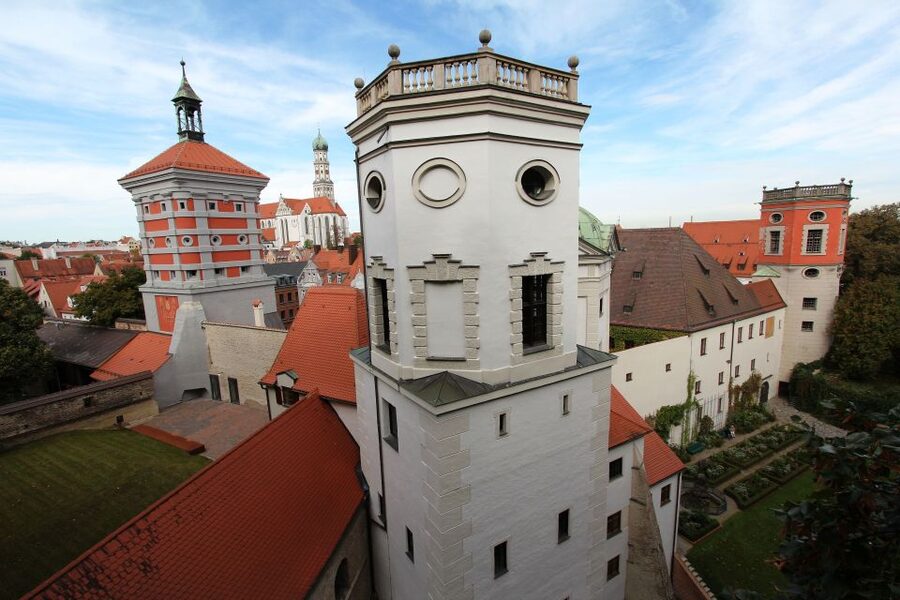
The Rotes Tor waterworks is the tour’s central historical payoff. At this imposing city site, you learn about what is described as the oldest existing waterworks in central Europe.
That claim gives the tour a clear reason to exist. Augsburg’s water system is not just an attractive collection of canals and fountains. It represents a long-running effort to manage water for the city, and Rotes Tor is the place where that story becomes most concrete.
Your guide explains the waterworks as part of Augsburg’s wider system. You are not only looking at one building. You are connecting it with the canals, fountains, and other elements encountered earlier in the walk.
It is worth keeping expectations in check. This tour is more about the history of water supply than a detailed lesson in technical processes. One clear description of the experience is that it covers the interesting history of water provision, but not the techniques in great depth.
That focus will suit you if you want context, dates, and an understanding of why the waterworks mattered. If you are especially interested in pumps, construction methods, or step-by-step mechanical operation, you may want to seek out additional information elsewhere.
Even with that limitation, Rotes Tor gives the walk a strong ending. The stop ties the scattered pieces together and explains why Augsburg’s water system earned UNESCO World Heritage status.
More City Tours in Germany:
- Berlin: 1-Hour City Tour by Boat with Guaranteed Seating
★ 4.3 · 16,993 reviews - Leipzig: City History Canal Sightseeing Tour on a Motorboat
★ 4.7 · 6,232 reviews - Cologne: Panoramic City Cruise
★ 4.3 · 5,698 reviews - Berlin: City Sightseeing Hop-On Hop-Off Bus Tour
★ 4.1 · 4,233 reviews
Understanding the UNESCO Water Management System
The tour introduces several of the 22 elements that make up Augsburg’s water management system. You will not study every element in two hours, and the route is not presented as a complete technical survey. Instead, you get a guided sample of the city’s major water-related sights.
That approach makes sense for a short city walk. You see fountains, canals, and waterworks in different parts of Augsburg, then learn how they relate to one another. The guide supplies the missing connections.
UNESCO recognition can sometimes feel abstract when you see it on a sign or brochure. This tour makes it more useful. You hear facts beside the actual structures, then continue through the city and see how water management affected public spaces and neighborhoods.
The quality of the explanation matters a great deal. The most positive response connected the experience with Brigitte Plonner’s ability to make the subject clear and lively. Another guide was described simply as a good storyteller. At the same time, some participants found the presentation heavy on historical facts and light on personal stories or anecdotes.
So, know your preferred style. If you enjoy a structured account filled with dates and information, you should be comfortable here. If you want jokes, local legends, or lots of personal storytelling, the experience may feel more formal.
The Guide Makes the Difference
A walking tour about water systems depends heavily on the guide. The sights are public, and you can see many of them independently. You pay for the explanation, the route, and the connections between places.
The best version of this tour is conversational and clear. Brigitte Plonner’s approach, described as especially visual and easy to follow, suggests how much a good guide can add. A small group may also create more room for questions and discussion.
Group size is not specified, so you should not book expecting a private tour. One unusually small group nearly caused the tour not to run, but the guide went ahead for three participants. That shows a commendable willingness to offer the experience even with limited attendance, though you should not assume every departure will work the same way.
The guide speaks German or English. If English is important to you, confirm the selected language when booking. The live explanation is central to the experience, so language choice affects how much you take from the walk.
The optional elysium sound amplification system is a thoughtful extra. It is free, but you need your own smartphone, an internet connection, and headphones. This can help you hear the guide more clearly, especially if the group is larger or the streets are noisy.
Is the Two-Hour Format Good Value?
At about $20 per person, this is a reasonably priced introduction to Augsburg’s water system. The listed breakdown is €14 for the tour plus a €3 administration fee, though the displayed price is also given as $20. Check the current amount and currency before booking.
You are paying for a two-hour guided walk, not for entrance to a series of indoor attractions. Entry tickets, food, and drinks are not included. That keeps the base cost fairly simple, but it also means you should not expect a museum visit bundled into the price.
I think the value is strongest for a first visit to Augsburg. You see several important sights in one organized route and gain enough context to understand why they matter. The tour can also help you decide which water-related places deserve a longer independent visit later.
The value is weaker if you already know Augsburg well or have read extensively about its water system. Much of the route uses public streets and visible monuments, so a well-prepared independent visitor can see some sights without paying.
Still, the guide’s explanations are the main product. You avoid piecing together the 22 elements yourself, and you hear the story in a logical order. For many people, that is worth the modest fee.
Who Should Take This Augsburg Walking Tour?
I would recommend the tour to first-time visitors who want a focused introduction to Augsburg beyond its general old-town appearance. It is also a good fit for anyone interested in city planning, public water supply, fountains, and historic infrastructure.
Families with older children may enjoy it if the children can manage a two-hour walk and listen to historical explanations. The fountains and canals provide visual interest, though the tour is not described as a special children’s program.
It suits visitors who prefer a calm, informative walk rather than a fast list of photo stops. You get time to notice the city’s streets and water channels, while the guide supplies the facts.
The tour may be less suitable for you if you want a technical demonstration. The emphasis is on the historical development of water supply, not detailed engineering. It may also disappoint if you expect every stop to involve indoor access or included admission.
The route is wheelchair accessible, which makes it available to a wider range of visitors. Since cobbled streets and outdoor walking are part of the experience, check your own comfort level and use the optional sound system if hearing the guide clearly is a concern.
Weather, Timing, and Practical Comfort
The tour lasts two hours, and starting times depend on availability. That makes it easy to fit into a day of sightseeing, especially at the beginning of your visit when you want to get oriented.
Because the route is outdoors, weather has a real effect. Rain can make the cobblestones less comfortable and may take some pleasure out of the canals and fountains. Bring weather-appropriate clothing rather than relying on a sunny forecast from earlier in the morning.
Comfortable shoes are the most important item. You will walk through the old town and the Lech quarter, where uneven paving is part of the atmosphere. Good footwear lets you pay attention to the guide instead of each step.
There is no food or drink included, so carry what you need or plan a stop before or after the walk. The two-hour duration is long enough to feel substantial but short enough to leave room for lunch, a museum, or more independent sightseeing.
Free cancellation up to 24 hours before the start and the option to reserve now and pay later make the booking less rigid. You can also skip the ticket line for the tour itself, though that does not mean separate attractions are included.
Final Verdict: Book It for Context, Not Machinery
You should book Augsburg’s Water Management System walking tour if you want to understand how fountains, canals, neighborhoods, and waterworks fit into one UNESCO-listed story. The Lech quarter canals and Rotes Tor waterworks give the walk a strong visual and historical shape, while the Augustus, Merkur, and Herkules fountains add memorable public sights.
I would be more cautious if your main interest is engineering detail. The tour explains the history of water supply well, but it does not promise an in-depth account of the techniques behind the system. In that case, treat this as an introduction and plan further research afterward.
For most first-time visitors, the two-hour length and modest price make it a sensible addition to an Augsburg itinerary. Wear good shoes, dress for the weather, and bring headphones if you want to use the free sound system. You will leave with a much clearer idea of why Augsburg’s water is more than a pretty canal beside an old house.
FAQ
Where does the Augsburg water management tour begin?
The tour begins in front of the Tourist Information Center in the heart of Augsburg.
How long does the walking tour last?
The tour lasts two hours.
How much does the tour cost?
The supplied price is about $20 per person. The detailed price is listed as €14 per person plus a €3 administration fee.
Which languages are available?
The tour is offered in German and English.
What sights are included on the route?
The route includes parts of Augsburg’s old town, the Lech quarter canals, the Augustus fountain, the Merkur fountain, the Herkules fountain, and the waterworks at Rotes Tor.
What is special about the Rotes Tor waterworks?
Rotes Tor is described as the location of the oldest existing waterworks in central Europe.
Are attraction entrance tickets included?
No. Entry tickets to attractions are not included in the tour price.
Can I use an audio amplification system?
Yes. The free elysium sound amplification system is optional. You need your own smartphone, an internet connection, and headphones.
Is the tour wheelchair accessible?
Yes, the activity is listed as wheelchair accessible. Comfortable shoes and weather-appropriate clothing are recommended.
Just added around Germany
- e-Scavenger hunt Aachen: Explore the city at your own pace★ 4.0 · 13 reviews
- Munich: Private or Group Third Reich and WWII Walking Tour★ 4.9 · 13 reviews
- Canyoning Advanced Day Trip★ 5.0 · 13 reviews
- Wiesbaden Biebrich: Outdoor Escape Game★ 4.7 · 13 reviews
- Berlin: Private Guided Tour of the Main Sights★ 5.0 · 13 reviews
- From Munich: Neuschwanstein Castle and Linderhof Private Tour★ 5.0 · 13 reviews
- Trier, Moselle: Wine excursion with boat trip★ 3.9 · 13 reviews
- From Dresden: Guided Day Tour by Bus of Seiffen Toy Village★ 4.0 · 13 reviews
Walking Tours, compared.




Berlin’s Best: 2 Hour Walking Tour Third Reich and the Cold War
Read our review →

Third Reich Berlin: Hitler and WWII Walking Tour
Read our review →Browse the lists this tour appears in