
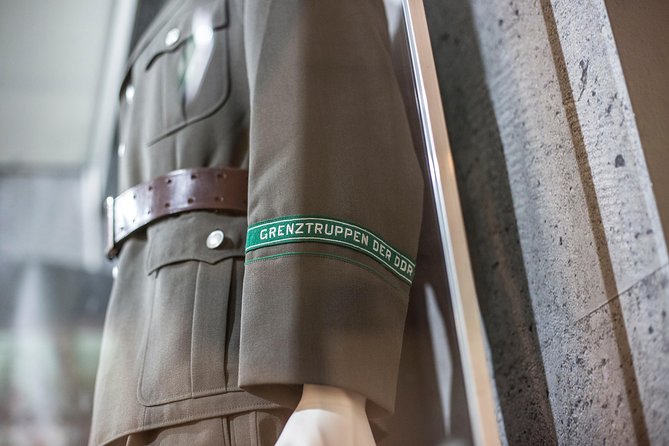
Reviewed · MUSEUMS
Your ticket to The Wall Museum Berlin
Berlin’s Wall story deserves more than a postcard. The Wall Museum at the East Side Gallery offers a multimedia look at Berlin from 1945 to 1990, and I like that it attempts to tell the full story rather than showing only the Wall’s final days. I also like the modest $12.02 price, which makes this an easy add-on to a day in Friedrichshain. The main caution is that some equipment is dated, and the museum is self-guided.
I would allow 45 minutes to an hour, though your pace may vary. The museum can be informative and moving, especially if you want basic political context before walking along the East Side Gallery. But a few screens may not work, and the presentation can feel uneven, with old monitors and mannequins that do not always help the story.
In This Review
- Key points to know before you go
- What The Wall Museum tries to explain
- Starting in postwar Berlin, from 1945 onward
- Seeing how the Wall changed everyday life
- Multimedia screens, useful when they work
- Why the East Side Gallery location helps
- Is $12.02 a fair price?
- How long should you plan to stay?
- Who will get the most from this visit?
- What may frustrate you
- Booking, language, and cancellation
- Should you book The Wall Museum Berlin?
- FAQ
- Where is The Wall Museum located?
- How long does a visit take?
- How much does admission cost?
- Is the ticket mobile?
- Is the museum offered in English?
- Can I cancel for a full refund?
Key points to know before you go
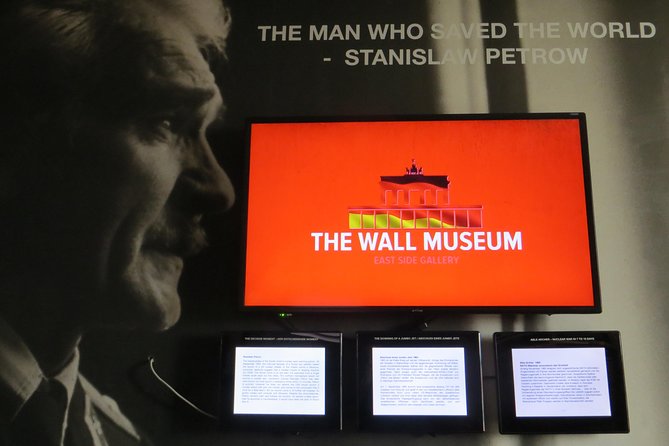
- The museum covers 1945 to 1990, linking the postwar division of Germany with the Wall’s construction, daily impact, and fall.
- The visit is self-guided, so you can move at your own pace, but you will not have a guide providing extra explanation or answering questions.
- Multimedia is central to the display, with screens and other visual material used to tell the story.
- The setting near the East Side Gallery adds context, letting you connect the indoor exhibition with a surviving stretch of the former Wall.
- Plan on 45 minutes to one hour, making it suitable for a short cultural stop rather than a full-day museum visit.
- The low admission price offers decent value, though older equipment and occasional nonworking monitors can affect the experience.
What The Wall Museum tries to explain
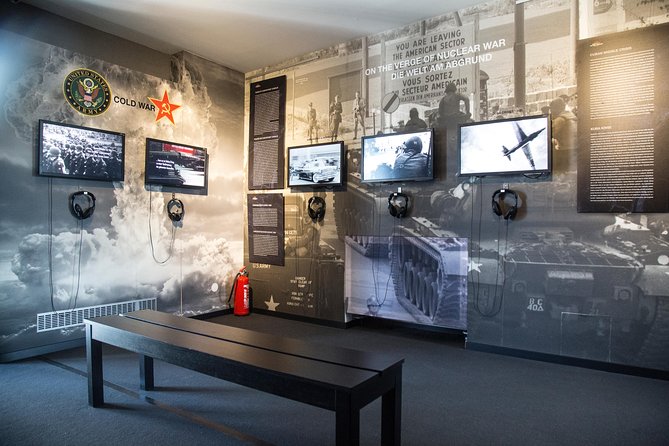
The Wall Museum opened in 2016 with a clear purpose: to present the complete history of the Berlin Wall in one exhibition. That means the focus is not only on the famous fall in November 1989. The story begins in the aftermath of the Second World War and continues through the division of Germany until reunification in 1990.
That wider timeline matters. If you visit only the East Side Gallery, you see painted sections of the former Wall, but you may not understand why Berlin was divided, how the division developed, or why the Wall became such a powerful symbol. This museum tries to supply that missing framework.
You can expect a multimedia exhibition, with visual displays and screens supporting the historical material. The approach is designed to make the subject more accessible than a room filled only with documents and dates. For a first visit to Berlin, that can be useful. The basic sequence helps you connect major events instead of treating the Wall as an isolated monument.
Still, the museum’s ambition is bigger than its execution in some places. The presentation does not always feel fully connected, and the quality of the displays can vary. I would approach it as a compact introduction, not as the final word on this complicated period.
More Museums in Berlin
- Berlin: Jewish Museum Berlin Entrance Ticket
★ 4.5 · 8,393 reviews - Berlin: DDR Museum Tickets
★ 4.3 · 3,443 reviews - Berlin: Natural History Museum Entrance Ticket
★ 4.6 · 3,382 reviews
Starting in postwar Berlin, from 1945 onward
The historical starting point is 1945, when Germany and Berlin were divided after the war. This date gives the museum a chance to explain the conditions that led to the later construction of the Wall.
For anyone with limited background, this is one of the most useful parts of the visit. The Wall did not appear out of nowhere. Its story grew from the political split between the Soviet-controlled East and the Western Allies, with Berlin becoming a particularly visible point of tension.
You will get more from the exhibition if you keep asking one simple question: how did a divided city become a city physically cut apart? The museum’s chronological approach should help you follow that progression, even if some displays feel old-fashioned.
The self-guided format gives you freedom here. You can pause when a subject catches your attention, move past material that feels repetitive, or spend extra time with a screen if it is working properly. The tradeoff is that nobody is there to fill in gaps or explain a confusing transition.
Seeing how the Wall changed everyday life

The strongest reason to visit is the museum’s focus on the Wall as more than a concrete barrier. Its story is also about families, neighborhoods, movement, fear, separation, and the loss of normal city life.
That human angle makes a difference. A painted section of Wall can be striking, but it does not automatically explain what it meant to live beside a guarded border. An indoor exhibition can connect the physical structure with the political decisions and personal consequences behind it.
I like that the museum covers the whole period instead of rushing toward the famous ending. The construction of the Wall and its effect on Berlin are essential to understanding why its fall carried such force.
Do not expect every display to deliver the same impact. Some of the mannequins have been described as poor quality, and parts of the presentation can feel disconnected. If you prefer polished museum design, you may find the staging distracting. If you are mainly looking for a straightforward account of the Wall’s history, the information may matter more than the display style.
Multimedia screens, useful when they work
The museum makes heavy use of screens and other multimedia tools. This can bring movement and sound to a subject that is often presented through static photographs and written panels.
When the equipment functions, it should help the exhibition feel more immediate. You may find it easier to follow political events when they are paired with visual material. The format also suits visitors who want a short visit with several different ways to absorb information.
There is a clear weakness: some monitors may not be working. That matters because the multimedia format is not a minor extra here. If a screen is central to one section, a fault can leave the presentation feeling incomplete.
I would not cancel your whole Berlin plan over this issue, but I would keep expectations sensible. This is not a high-tech attraction where every display depends on perfect production. It is a small museum using multimedia tools that may show signs of age.
The experience is also self-guided. You will not join a scheduled group or follow a named guide through the rooms. That makes the timing flexible, but it means the museum has to do all the teaching through its own signs and displays.
Something different for another day:
- Berlin: Reichstag, Dome and Government District Guided Tour
★ 4.7 · 18,288 reviews - Berlin: 1-Hour City Tour by Boat with Guaranteed Seating
★ 4.3 · 16,993 reviews - Berlin: Boat Tour Along the River Spree
★ 4.4 · 11,252 reviews - Discover Berlin Half-Day Walking Tour
★ 5.0 · 9,624 reviews
Why the East Side Gallery location helps
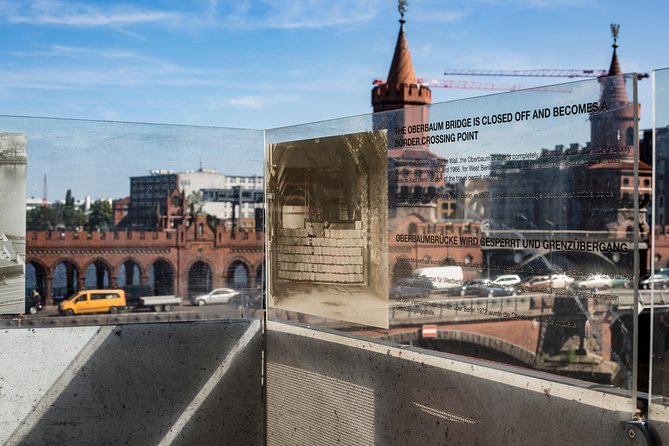
The Wall Museum is connected with the East Side Gallery area, one of Berlin’s best-known places for seeing surviving sections of the former Wall decorated with large murals.
The indoor exhibition and the outdoor setting work well together. Inside, you can focus on dates, causes, and political change. Outside, you can see the physical remains and the way artists transformed them into a public memorial. The two experiences answer different questions.
I would visit the museum before spending time along the gallery if you need historical background. Afterward, the painted Wall may feel less like a collection of colorful photo backdrops and more like part of a difficult story.
The location is also practical for a day in Berlin. The museum is near public transportation, so you do not need to build your whole schedule around it. That makes a 45 minute to one hour stop easy to fit between other sights.
The setting cannot solve every weakness inside the museum. A convenient location and famous nearby landmark do not guarantee a polished exhibition. Think of the museum as a useful companion to the East Side Gallery, not a substitute for seeing the outdoor site itself.
Is $12.02 a fair price?
At $12.02 per person, the admission is reasonably priced for a central Berlin cultural stop. You are not committing a large part of your sightseeing budget, and the visit takes less than an hour for most people.
The value depends on what you want. If you need an introduction to the Berlin Wall and want a compact indoor visit, the price is easy to justify. You receive a chronological presentation, multimedia material, and a chance to think about the period before and after the Wall itself.
If you expect a large, carefully restored museum with flawless technology and a polished guided presentation, the value looks weaker. Older screens and uneven staging can make the admission feel less worthwhile, especially if several displays are unavailable.
I would view the ticket as good value for a first-time visitor who is already planning to see the East Side Gallery. The museum adds context without taking half a day. For someone who has already studied the Wall in detail, the content may feel basic.
The average booking lead time is about 19 days, which suggests that many people plan this stop ahead of their Berlin visit. You do not necessarily need to treat it like a major timed attraction, but booking in advance can make it easier to fit into your schedule.
How long should you plan to stay?
The stated duration is approximately 45 minutes to one hour. That is enough time for a focused visit, though you may spend less if you read quickly or more if you stop carefully at the multimedia displays.
I would allow a full hour in your plan. This gives you room to move through the exhibition without turning it into a race. It also protects you against the common mistake of allowing only 20 minutes and leaving before the historical sequence makes sense.
The short duration is one of the museum’s practical strengths. Berlin has many major sights, and you can add this visit without sacrificing an entire afternoon. It works well before or after a walk along the East Side Gallery.
The short visit also tells you what not to expect. This is not a vast institution with multiple floors of collections. You will not spend hours examining hundreds of original objects. The value comes from the concise historical overview and the connection with the Wall outside.
Who will get the most from this visit?
I would recommend The Wall Museum to a first-time Berlin visitor who wants more context than the outdoor murals provide. It should also suit anyone with only a short window and an interest in twentieth-century European history.
Families and mixed-age groups may appreciate the visual format, although the self-guided structure means younger children may need help staying engaged. The museum can provide a starting point for explaining why Berlin was divided and how the Wall affected ordinary life.
It is also a sensible choice for visitors who prefer to learn at their own pace. You can pause, skip, and revisit sections without keeping up with a group. The mobile ticket and nearby public transportation make the stop simple to add to a larger day out.
I would be more cautious if you want a fully guided interpretation, cutting-edge displays, or a highly refined museum presentation. The exhibition has useful material, but the uneven equipment and dated staging may test your patience.
Visitors with service animals can bring them, and most people can participate. The museum is near public transportation, which helps with access, though the available information does not provide a detailed breakdown of every physical feature inside.
What may frustrate you
The largest concern is presentation quality. Some equipment may not function, and the old screens can reduce the impact of an exhibition built around multimedia material.
The mannequins are another possible weakness. They may strike you as low quality rather than convincing, and they do not always add much to the historical explanation. If you are sensitive to museum design, these details can make the visit feel less professional.
The lack of a guide is both a benefit and a drawback. I like having control over my pace, but you need to arrive ready to read and think for yourself. If the sequence becomes confusing, there may be no staff-led explanation to repair the gap.
The museum may also feel warm, since air conditioning has been reported as a problem. That detail could matter on a hot day, particularly if you plan to spend additional time walking outdoors at the East Side Gallery afterward.
None of these concerns makes the museum worthless. They simply point to the right mindset. Come for the historical outline and the location, not for a flawless production.
Booking, language, and cancellation
The ticket is a mobile ticket, and the experience is offered in English. Confirmation is received at the time of booking, which is useful if you are organizing several Berlin activities around fixed times.
Free cancellation is available if you cancel at least 24 hours before the scheduled start time. If you cancel less than 24 hours in advance, you will not receive a refund, and changes made inside that same period are not accepted.
The cut-off follows local Berlin time. I would check your booking carefully before the deadline, especially if your plans depend on weather or transport.
Should you book The Wall Museum Berlin?
Book it if you want a short, affordable introduction to the Berlin Wall and plan to visit the East Side Gallery. The chronological coverage from 1945 to 1990 is useful, and the self-guided format lets you control the pace.
Skip it if you demand modern museum technology, a live guide, or a highly polished display. The aging equipment, occasional broken monitors, weak mannequins, and possible lack of air conditioning are real considerations.
For $12.02, I think the museum is worth considering as a context-builder. Give it about an hour, pair it with the outdoor Wall art, and treat the multimedia displays as helpful tools rather than guaranteed showpieces. That approach gives you the best chance of finding value in this compact and imperfect museum.
FAQ
Where is The Wall Museum located?
The Wall Museum is located at the East Side Gallery in Berlin, Germany.
How long does a visit take?
The visit takes approximately 45 minutes to one hour.
How much does admission cost?
The ticket price is $12.02 per person.
Is the ticket mobile?
Yes. The experience includes a mobile ticket.
Is the museum offered in English?
Yes. The experience is offered in English.
Can I cancel for a full refund?
Yes, if you cancel at least 24 hours before the experience start time. Cancellations made less than 24 hours in advance are not refunded, and changes within that period are not accepted.
Just added around Berlin
- Berlin: Private Guided Tour of the Main Sights★ 5.0 · 13 reviews
- Private Highlights of Berlin Bike Tour★ 5.0 · 13 reviews
- Modern Berlin Private Walking Tour: Diverse, Vibrant and Exciting German Capital★ 5.0 · 13 reviews
- Tour in Berlin from Warnemünde and Rostock Cruise Port★ 4.1 · 13 reviews
- Berlin: Stasi Museum Private Guided Tour with Entry Ticket★ 4.8 · 13 reviews
- Private Food Tour Experience with a born and bred Berliner★ 5.0 · 14 reviews
- Berlin: Rheinsberg Palace Entrance Ticket★ 4.8 · 14 reviews
- Berlin in one day – day tour with an expert guide★ 5.0 · 14 reviews
Museums, compared.




Skip-the-Line: Berlin Wall Museum at Checkpoint Charlie
Read our review →
Browse the lists this tour appears in