
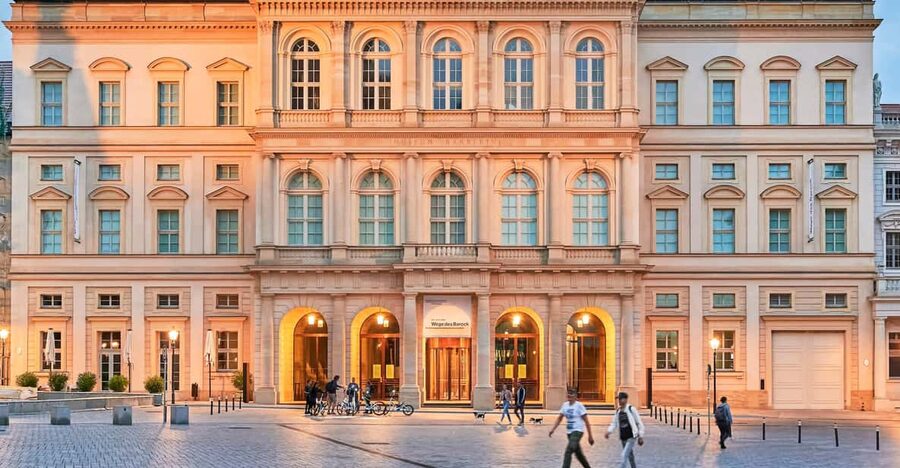
Reviewed · MUSEUMS
Potsdam: Museum Barberini Entry Ticket
Art rewards a slower pace. Museum Barberini gives you two focused hours with more than 100 Impressionist paintings in a reconstructed palace at the heart of Potsdam. The collection centers on works from Hasso Plattner, including paintings by Claude Monet, Pierre-Auguste Renoir, Berthe Morisot, Gustave Caillebotte, and Paul Signac.
I especially like the large Monet collection, described as the second largest in Europe, and the chance to see paintings by Berthe Morisot and Caillebotte alongside better-known names. I also like that your $11 ticket includes both the permanent collection and a special exhibition. The main drawback is time: two hours is enough for a focused visit, but not enough if you want to study every painting or attend one of the museum’s extra programs.
In This Review
- Key points to know before you go
- Arriving at Museum Barberini in Potsdam
- The permanent collection and its Impressionist focus
- Monet’s paintings are the main draw
- Morisot, Caillebotte, Renoir, and Signac add balance
- Using the free Barberini digital guide
- Special exhibitions change the shape of your visit
- A two-hour route that keeps the visit manageable
- Practical rules that affect your visit
- Who will get the most from this ticket
- Should you book Museum Barberini?
- FAQ
- How much does entry to Museum Barberini cost?
- How long does the museum visit last?
- What does the ticket include?
- Is the digital audio guide included?
- Are workshops and museum events included?
- Is Museum Barberini wheelchair accessible?
Key points to know before you go
- More than 100 Impressionist paintings: Expect a serious collection rather than a quick display of famous names.
- Monet receives special attention: The museum holds Europe’s second-largest collection of his paintings.
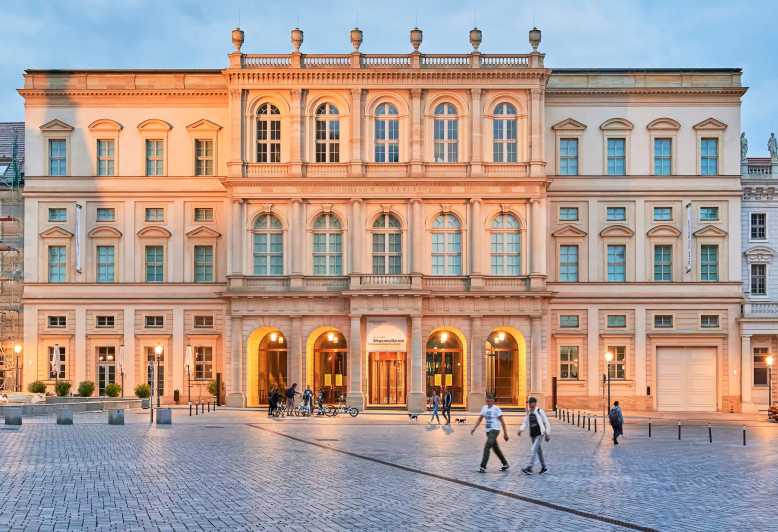
- A palace setting in Potsdam: The art is shown inside a reconstructed palace in the city’s historic center.
- Your ticket covers special exhibitions: You receive access to the main collection and the current special exhibition.
- The Barberini app adds context: Download the free digital audio guide before or during your visit.
- $11 offers solid value: The ticket includes a substantial collection, a special exhibition, and about two hours of art.
Arriving at Museum Barberini in Potsdam
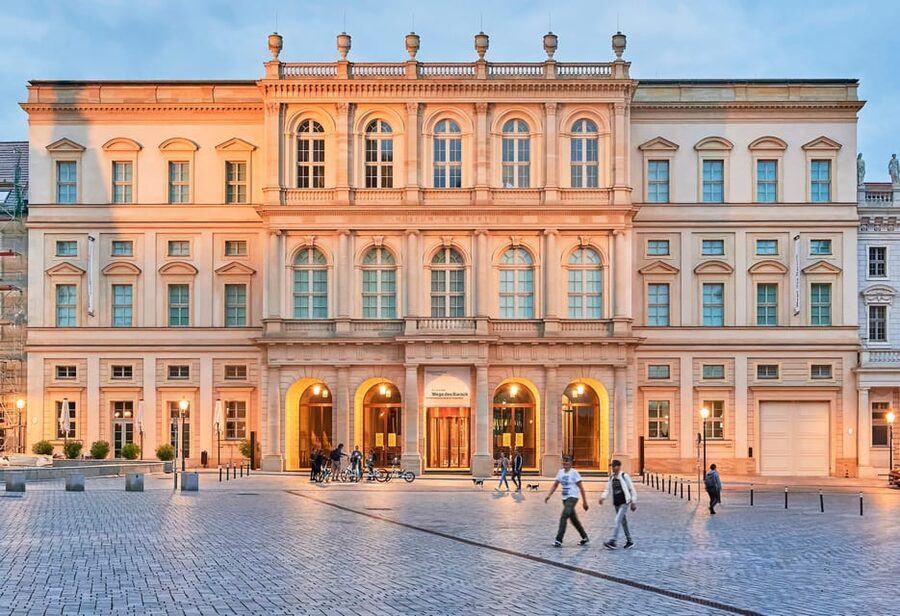
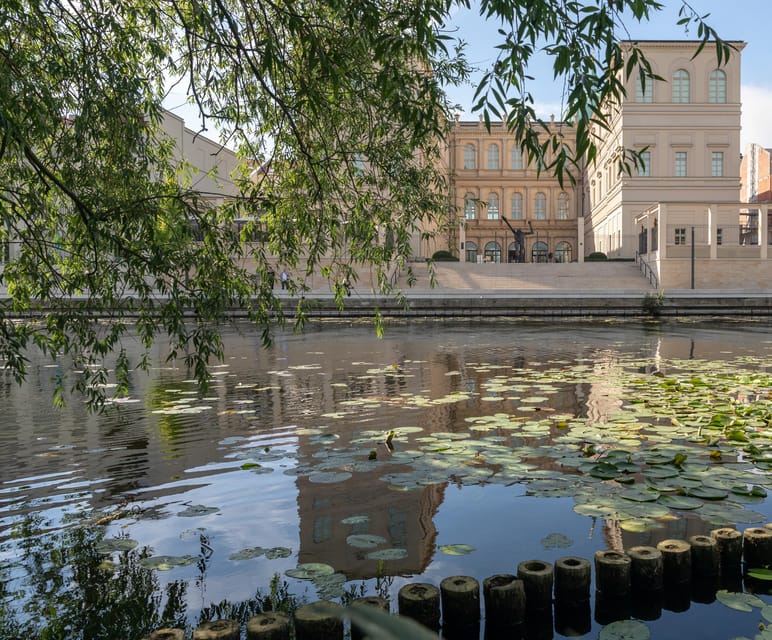
Museum Barberini is in Potsdam’s historic center, inside a reconstructed palace. That setting matters. You are not entering a plain modern gallery box, but a museum designed to connect its art with the character of the surrounding city.
Potsdam makes a good day out from Berlin, and Museum Barberini gives you a clear cultural focus once you arrive. The museum itself is compact enough to visit without exhausting yourself, yet substantial enough to justify setting aside a proper block of time.
Your admission costs $11 per person. For that price, you get entry to the permanent Impressionist collection, access to the special exhibition, and a digital audio guide through the Barberini app. That is a fair deal, especially if the current temporary exhibition interests you. Many major museums charge a similar amount for a single collection or temporary show, while this ticket combines both.
Allow about two hours. I would not treat that as a strict limit, but it is a sensible planning figure. You can see the main rooms, pause before major paintings, and use the app without rushing badly. If you like to read every label or sketch, plan your priorities in advance.
More Museums in Berlin
- Berlin: Jewish Museum Berlin Entrance Ticket
★ 4.5 · 8,393 reviews - Berlin: DDR Museum Tickets
★ 4.3 · 3,443 reviews - Berlin: Natural History Museum Entrance Ticket
★ 4.6 · 3,382 reviews
The permanent collection and its Impressionist focus
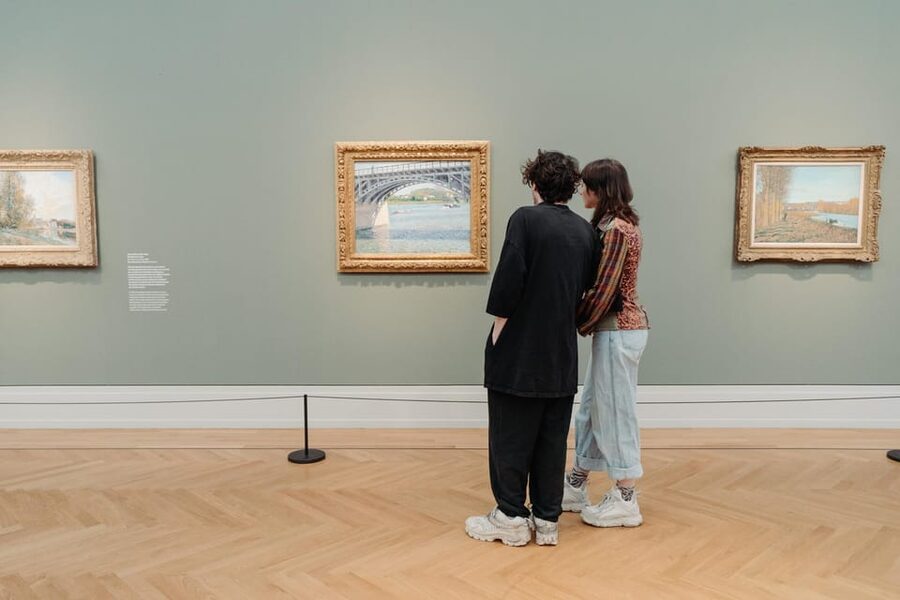
The main attraction is the collection of more than 100 Impressionist paintings. This is not simply a room with one Monet and a Renoir added for decoration. The collection lets you compare several artists working with light, atmosphere, color, and quick visual impressions.
You will see works by Claude Monet, Pierre-Auguste Renoir, Berthe Morisot, Gustave Caillebotte, and Paul Signac. Those names give the collection a useful range. Monet is known for repeated observations of changing light. Renoir often brings a softer, more social quality to his scenes. Morisot offers an important view of Impressionism through one of its leading women painters. Caillebotte’s work can feel more structured and sharply observed, while Signac brings the color experiments of Neo-Impressionism into the conversation.
I like museums that let you compare artists rather than placing each painter in isolation. Here, you can look at how different artists treated similar subjects and ask what the eye actually notices first. One painter may build a scene with small color touches, while another uses stronger outlines or more solid forms.
The collection also makes a good case for looking closely at technique. From a distance, an Impressionist painting can appear realistic. Move nearer, and the image may break into visible marks and patches of color. Your eye joins those marks together. The painting is not a photograph, yet it can give you a convincing sense of water, air, trees, buildings, or changing weather.
Monet’s paintings are the main draw
If Claude Monet is the reason you are considering this museum, the ticket makes particular sense. Museum Barberini has the second-largest collection of Monet paintings in Europe, giving you a chance to see how his approach developed across multiple works rather than judging him from a single famous canvas.
That concentration helps explain why Monet matters. You can study how he returned to related subjects and changed his handling of color and light. The point is not only to recognize the name. It is to notice what shifts from one painting to another.
Give yourself time to look at the paintings from several distances. From across the room, you may read the scene as a whole. Up close, you can follow the brushwork and see how an apparently solid image is built from separate touches. This is where the museum’s focus on observation becomes most useful.
The Monet collection is also a strong reason to visit even if you have already seen his work elsewhere. A larger group changes the experience. Instead of thinking, I know this style, you start noticing the decisions behind it.
Morisot, Caillebotte, Renoir, and Signac add balance
A Monet-heavy visit could easily become repetitive, but the other artists keep the collection from feeling one-note. Berthe Morisot deserves special attention. Her presence gives the collection a broader view of Impressionism and reminds you that the movement was not limited to the most familiar male painters.
Gustave Caillebotte is another useful comparison. His work can help you see how an artist connected close observation with a more organized sense of space. Set his paintings beside Monet’s, and you can ask why one scene feels more stable while another seems to dissolve into changing light.
Renoir and Signac widen the story again. Renoir’s paintings can bring a different mood and handling of color, while Signac points toward later experiments with separated color marks. The collection is valuable because you can trace relationships without needing a long lecture to tell you what to think.
You do not need an art history degree for this visit. Start with a simple question: what does this painter want my eye to notice? Then compare the answer from one room to the next. The museum’s digital guide can add facts and interpretation when you want more background.
Something different for another day:
- Berlin: Reichstag, Dome and Government District Guided Tour
★ 4.7 · 18,288 reviews - Berlin: 1-Hour City Tour by Boat with Guaranteed Seating
★ 4.3 · 16,993 reviews - Berlin: Boat Tour Along the River Spree
★ 4.4 · 11,252 reviews - Discover Berlin Half-Day Walking Tour
★ 5.0 · 9,624 reviews
Using the free Barberini digital guide
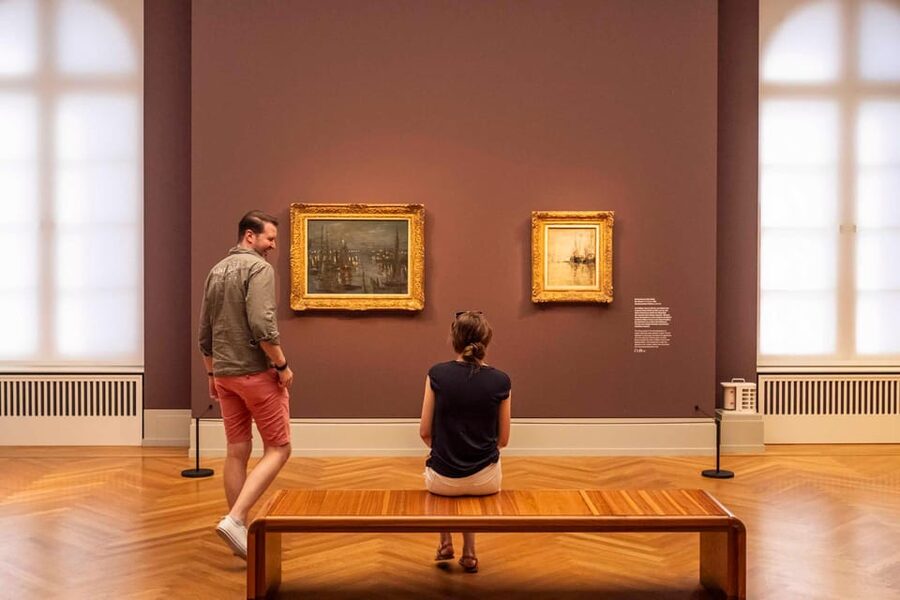
The free digital audio guide is provided through the Barberini app. Download it to your phone before you enter if possible, since that saves time once you begin looking at the art.
A digital guide works best when you use it selectively. You do not need to listen to every entry. Choose the paintings that catch your eye, then use the commentary to understand the artist, technique, or subject. If you listen continuously, two hours can disappear quickly and the visit may feel more like a lesson than a personal look at the collection.
Bring enough phone battery for the app. The information provided does not specify whether headphones are supplied, so using your own is the practical choice if you prefer audio in a gallery. The guide is included, which adds real value to a modestly priced ticket.
Special exhibitions change the shape of your visit
The museum presents three special exhibitions each year, using loans from international museums and private collections. Your admission includes access to the current special exhibition, which means the experience can change substantially depending on your travel dates.
This is one of the strongest reasons to check what is on before booking. If the special exhibition connects with Impressionism, it may create a natural second chapter after the permanent collection. If it covers a different subject, you will get a broader art visit, but you may need to manage your time carefully.
Loans can also bring works that are not normally part of the museum’s collection. That makes a return visit worthwhile for repeat visitors to Potsdam. The permanent collection gives you a stable reason to come, while the temporary exhibitions keep the museum from feeling exactly the same each time.
The ticket does not include education programs, workshops, or special events. Those require an extra ticket. Keep that in mind if you see a guided tour, reading, concert, film evening, symposium, or workshop advertised. The museum offers an active program, but the basic entry ticket is for the galleries and included exhibition access.
A two-hour route that keeps the visit manageable
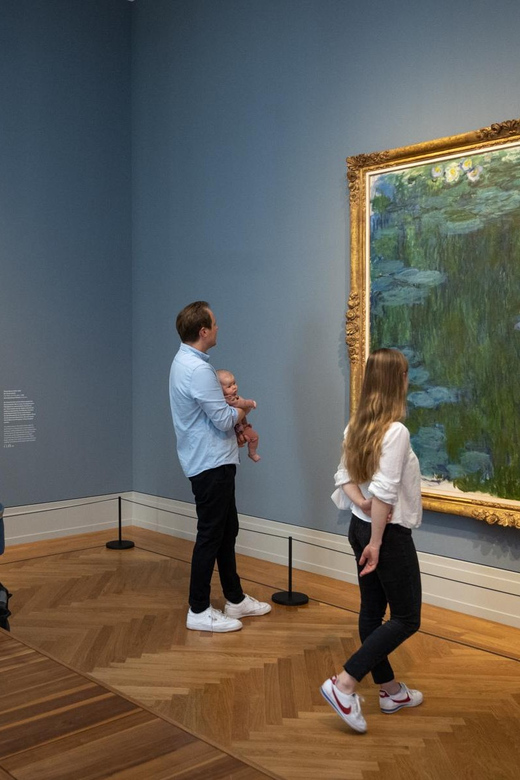
I would divide the visit into three parts. Begin with the permanent collection and get a feel for the museum’s main artistic focus. Do not rush straight to the audio guide. First look at a few paintings without commentary so you can form your own response.
Next, spend your main time with the Monet works and compare them with Morisot, Renoir, Caillebotte, and Signac. This is the heart of the visit. Pick a few paintings to study closely instead of trying to give every work equal attention.
Use the final part for the special exhibition. If a particular temporary show is important to you, reverse the order and see it first. A popular exhibition can deserve your freshest attention, while the permanent collection remains a dependable second stop.
At the end, allow a little time for the museum store and Barberini Café. These are optional, but they provide a pleasant finish after concentrated gallery time. The available information does not give details about the café menu or prices, so I would treat it as a convenient add-on rather than plan the whole outing around it.
Practical rules that affect your visit
Museum Barberini is wheelchair accessible. That makes the visit easier to plan for people who need step-free access, although the supplied information does not specify details such as seating, restrooms, or entrance arrangements.
You cannot bring food or drinks into the museum. Backpacks and bags are not allowed, and bikes are also prohibited. Assistance dogs are allowed, but other pets are not.
The museum also forbids touching the exhibits, climbing, littering, and making fire. These rules are ordinary for an art museum, but the restriction on backpacks and bags is the one most likely to affect your plans. Pack lightly and check the current storage arrangements before you set out, since no cloakroom details are provided here.
The free cancellation policy gives you flexibility. You can cancel up to 24 hours before the visit for a full refund, and the reserve now, pay later option lets you hold a place without paying immediately. Check available starting times when selecting your date, since the two-hour duration does not mean the museum has unlimited entry at any hour.
Who will get the most from this ticket
I would recommend Museum Barberini to anyone who enjoys Impressionism, especially if Monet is high on your list. The size of the collection gives you more to work with than a brief display, and the inclusion of a special exhibition makes the $11 price appealing.
It also suits people who want a manageable museum visit in Potsdam. Two hours is long enough to feel worthwhile but short enough to fit into a larger day in the city. The palace setting adds atmosphere without requiring you to commit to an enormous museum complex.
Families and mixed-interest groups may find the visit practical if some people enjoy art more than others. The digital guide can give interested visitors extra information, while others can move through the rooms at their own pace. Workshops and events may offer more active participation, but they cost extra and are not part of this ticket.
I would be less enthusiastic if you are looking for a broad survey of all European art. This museum has a clear Impressionist center. Its strength is focus, not variety across every period and style.
The current rating is 4.6 from 403 ratings, which matches the experience promised by the collection. Recent feedback includes a Dutch comment praising the beautiful museum and collection, while a Polish entry simply refers to unicorns. That second note offers no useful practical guidance, but it does add a small bit of mystery to the otherwise clear picture: the art collection is the reason to come.
Should you book Museum Barberini?
Book it if you want a focused art stop in Potsdam, particularly if you like Monet or want to compare several major Impressionist painters in one place. The $11 ticket is good value because it includes the permanent collection, a special exhibition, and a digital guide.
Before committing, check the current special exhibition and prepare for the bag restrictions. Download the app, allow two hours, and decide whether you want a close study of a few paintings or a quicker survey of the rooms.
I would book this as a calm, well-priced part of a Potsdam day, not as a rushed add-on squeezed between unrelated sights. Give the paintings time to work on you, and the visit should feel much more rewarding than its modest price suggests.
FAQ
How much does entry to Museum Barberini cost?
The ticket costs $11 per person.
How long does the museum visit last?
The stated duration is two hours. You can use that time to see the permanent collection and special exhibition, with extra time if you choose to visit the museum store or Barberini Café.
What does the ticket include?
Admission includes entry to Museum Barberini, access to the permanent Impressionist collection, access to the special exhibition, and a digital audio guide through the Barberini app.
Is the digital audio guide included?
Yes. You can download the free digital guide through the Barberini app and use it on your phone during the visit.
Are workshops and museum events included?
No. Education programs, workshops, symposia, readings, guided tours, concerts, and film evenings require an extra ticket.
Is Museum Barberini wheelchair accessible?
Yes, the museum is wheelchair accessible. Food and drinks, pets other than assistance dogs, bikes, backpacks, and bags are not allowed.
Just added around Berlin
- Berlin: Private Guided Tour of the Main Sights★ 5.0 · 13 reviews
- Private Highlights of Berlin Bike Tour★ 5.0 · 13 reviews
- Modern Berlin Private Walking Tour: Diverse, Vibrant and Exciting German Capital★ 5.0 · 13 reviews
- Tour in Berlin from Warnemünde and Rostock Cruise Port★ 4.1 · 13 reviews
- Berlin: Stasi Museum Private Guided Tour with Entry Ticket★ 4.8 · 13 reviews
- Private Food Tour Experience with a born and bred Berliner★ 5.0 · 14 reviews
- Berlin: Rheinsberg Palace Entrance Ticket★ 4.8 · 14 reviews
- Berlin in one day – day tour with an expert guide★ 5.0 · 14 reviews
Museums, compared.




Skip-the-Line: Berlin Wall Museum at Checkpoint Charlie
Read our review →
Browse the lists this tour appears in