
Reviewed · MUSEUMS
Lübeck Day Pass – Day ticket for Lübeck museums
Lübeck rewards curious museumgoers. This $14 pass links the city’s major museums, from Caspar David Friedrich and Edvard Munch to the Buddenbrooks and North German carved altars. I like the freedom to visit more than once during its 32-hour validity, and I like how the collection moves beyond art into literature, nature, religion, and Lübeck’s past. The main drawback is timing: most museums close Mondays, so a poorly chosen start date can shrink your options.
I also appreciate that the pass works well for different kinds of visitors. You can study paintings, step into a historic church, learn about Günter Grass, or explore world cultures without buying separate tickets. Just remember that guided tours, food, and drinks are not included, so this is a self-guided museum day rather than a packaged tour.
In This Review
- Key points to know before you go
- What the Lübeck Day Pass actually gives you
- Begin with Lübeck’s literary side
- Compare Friedrich and Munch with Lübeck’s art collections
- Make St. Annen your major museum stop
- Add history at the Holstentor and Katharinenkirche
- Leave room for nature and world cultures
- How to plan the 32-hour validity
- Is $14 a good value?
- Who should buy the Lübeck Day Pass?
- FAQ
- How long is the Lübeck Day Pass valid?
- Which museums are included?
- Can I visit the museums more than once?
- Are the museums open on Mondays?
- Are guided tours included?
- Who can enter Lübeck’s museums for free?
- Is the pass wheelchair accessible?
Key points to know before you go
- One pass covers Lübeck’s major museum network: Use one ticket for sites including the Buddenbrookhaus, Behnhaus Drägerhaus, Holstentor, St. Annen museums, and the Museum für Natur und Umwelt.
- The 32-hour validity gives you breathing room: You do not have to force every stop into one frantic day, provided your chosen museums are open.
- Literature gets equal billing with art: The Buddenbrookhaus and Günter Grass-Haus add a strong literary side to the museum program.
- Art ranges from Caspar David Friedrich to Edvard Munch: The collection offers both famous names and a broader look at Northern European art.
- St. Annen is a major stop for religious art: Its collection of North German carved altars is a key reason to make time for the museum.
- Monday requires careful planning: All listed museums except the Holstentor and Günter Grass-Haus are closed Mondays, with limited public-holiday exceptions.
What the Lübeck Day Pass actually gives you
The Lübeck Day Pass is a single admission ticket for the museums in the Lübeck Museums Association. It permits unlimited visits on the selected day, with the stated validity lasting 32 hours. That wording matters. You should check the available starting times and confirm how the validity period applies when booking, rather than assuming it means two full calendar days.
The pass covers a broad set of museums and museum sites:
- Buddenbrookhaus
- Günter Grass-Haus
- Katharinenkirche
- Museum Behnhaus Drägerhaus
- Museum für Natur und Umwelt
- Museum Holstentor
- Museumsquartier St. Annen
- Kunsthalle St. Annen
- St. Annen-Museum
- Sammlung Kulturen der Welt
The list includes connected museum areas, which explains why the pass may be described as admission to nine museums even though several named buildings and collections appear separately. Either way, the practical point is simple: you get access to Lübeck’s principal museum offerings under one ticket.
More Museums in Germany:
- Berlin: Jewish Museum Berlin Entrance Ticket
★ 4.5 · 8,393 reviews - Berlin: DDR Museum Tickets
★ 4.3 · 3,443 reviews - Berlin: Natural History Museum Entrance Ticket
★ 4.6 · 3,382 reviews
Begin with Lübeck’s literary side
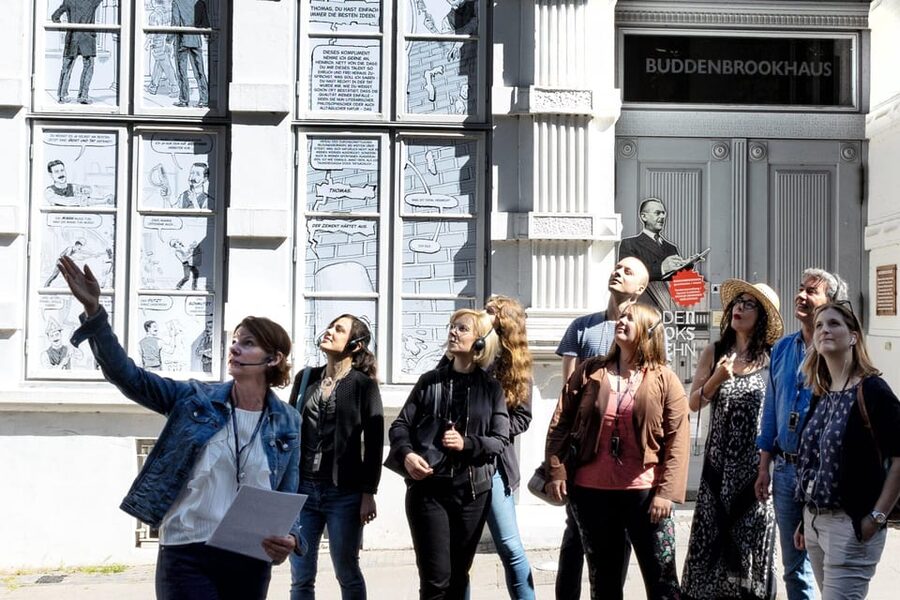
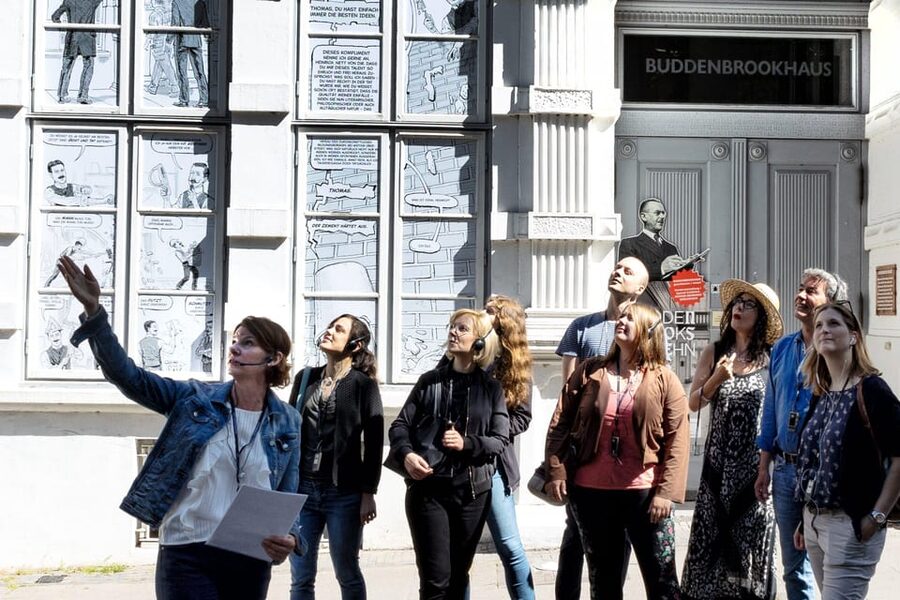
The Buddenbrookhaus is the natural first stop if you know Thomas Mann’s Buddenbrooks or want a cultural introduction to Lübeck through literature. The museum focuses on the Buddenbrook family and helps place the novel within the city that inspired it.
This stop is particularly useful for readers. You can connect the story of the fictional family with Lübeck’s identity, its old merchant culture, and the city’s place in German literature. If you arrive without knowing the book, the museum still gives you a clear reason to understand why Buddenbrooks matters here.
The building is not just another neutral exhibition hall. Its subject is tied directly to Lübeck, which gives the visit a sense of place. Allow enough time to read rather than treating it as a quick photo stop. The drawback is that literary museums reward patience more than speed, so you may get less from it if your goal is only to see paintings.
The Günter Grass-Haus adds another literary voice. Grass is one of Germany’s best-known modern writers, and this museum broadens the city’s cultural story beyond the Mann family. It is also one of the two locations that remains open on Mondays, making it useful when much of the museum network is closed.
Some material may be presented in its original language. If you need translated interpretation, check what is available before relying on a particular exhibit for your visit. The pass grants admission, but it does not include a guided tour.
Compare Friedrich and Munch with Lübeck’s art collections
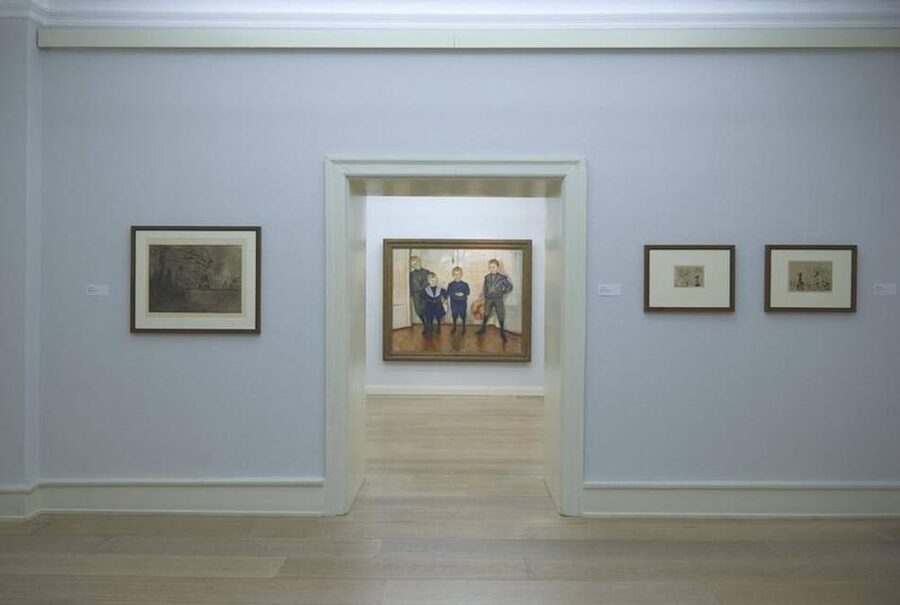
The art portion of the pass gives you a reason to slow down. The program highlights works ranging from Caspar David Friedrich to Edvard Munch, placing German Romanticism and modern Northern European art within the same museum visit.
The Museum Behnhaus Drägerhaus is the key address for this side of Lübeck’s culture. It is also where you can learn more about the Buddenbrooks, linking art, literature, and the city’s wealthy historic households. That mix is useful because you are not looking at isolated objects. The building and its collections help connect artistic taste with the people and society that shaped Lübeck.
I would give this museum a generous portion of your time. Friedrich and Munch represent very different moods and periods, so the appeal is not simply ticking off famous names. You can watch how art changes from Romantic feeling to more modern, emotionally charged work.
The Kunsthalle St. Annen provides another important art stop. Its placement within the St. Annen museum complex makes it easy to pair with religious art and the collection of world cultures. That combination is one of the pass’s strongest features. You can compare formal art exhibitions with older devotional objects and material from other parts of the world, all within the same museum circuit.
The pass does not tell you how long to spend in each place, and that is both its strength and its challenge. You set the pace, but you must also manage your energy. If you try to see every room in every museum, the final stops may blur together.
Make St. Annen your major museum stop
The St. Annen-Museum is the place to prioritize if medieval and religious art interest you. Its largest collection of North German carved altars is a major reason to include it in your plan.
These altars give you more than decorative detail. They show how religious art once organized public worship, storytelling, and craft. Carved figures, painted surfaces, and elaborate scenes can be read as both art and evidence of how people understood faith and community.
The nearby Museumsquartier St. Annen and Kunsthalle St. Annen make this area especially efficient. You can treat the complex as a substantial half-day visit, then use the pass to return to a favorite section later if your 32-hour validity allows.
The benefit here is variety without constant travel across the city. The limitation is that St. Annen can feel demanding if you are not interested in religious objects or detailed historical displays. I would not skip it automatically, though. Even a short visit gives you a better sense of Lübeck’s artistic character than a quick walk through the city streets alone.
The Sammlung Kulturen der Welt adds another angle. The supplied details do not specify the individual regions or objects displayed, so I would treat it as an opportunity to encounter material from different cultures rather than plan around particular pieces. Its value is greatest for visitors who enjoy comparing artistic traditions and museum approaches.
A few more tours and experiences worth a look
- Dresden: Semperoper Tickets and Guided Tour
★ 4.7 · 12,102 reviews - Berlin: Berlin Story Bunker Entry Ticket
★ 4.6 · 6,759 reviews - Hamburg: Hamburg Dungeon Admission Ticket
★ 4.7 · 5,745 reviews - Munich Hop-On Hop-Off Tour: 1-Day or 2-Day Ticket
★ 4.3 · 4,161 reviews
Add history at the Holstentor and Katharinenkirche
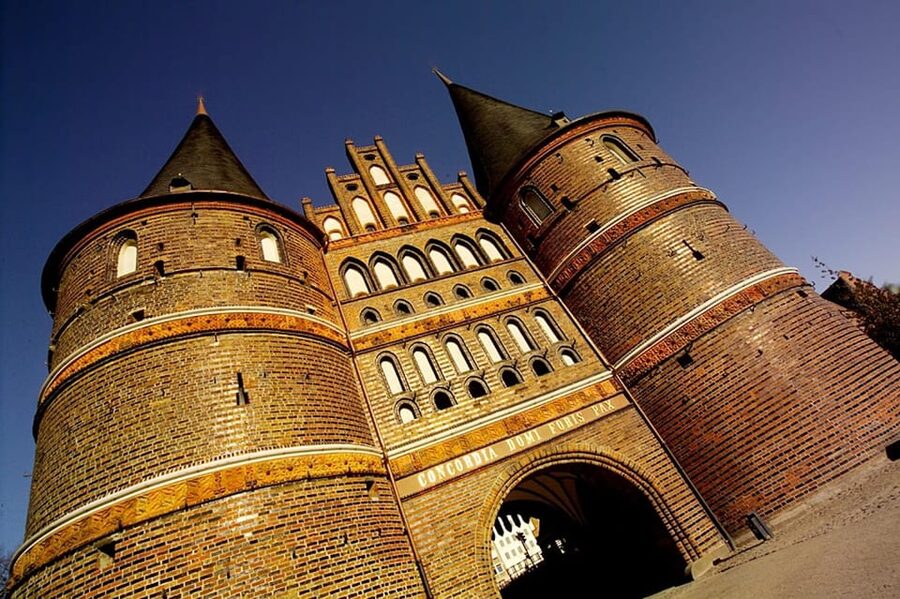
The Museum Holstentor brings Lübeck’s history into a landmark setting. The Holstentor is one of the city’s best-known historic structures, and its museum role helps turn a famous exterior into a place for understanding Lübeck’s past.
This is a good stop for anyone who wants context before visiting the art museums. It can also provide a change of pace after several indoor galleries. The museum is one of the two listed sites open on Mondays, so it becomes especially useful on a day when most of the network is unavailable.
The Katharinenkirche offers a different kind of historic experience. Here, the building itself is part of the attraction. Rather than approaching it like a standard gallery, take time to notice how the church setting shapes your understanding of the objects and architecture.
Together, the Holstentor and Katharinenkirche help prevent the pass from becoming an art-only itinerary. You get city history, sacred architecture, literature, and painting in one program. That breadth is where the ticket earns much of its value.
Leave room for nature and world cultures
The Museum für Natur und Umwelt gives the pass a welcome change of subject. If you are traveling with children or simply need a break from historic interiors, this museum can make the day feel less repetitive.
The supplied information does not specify its individual displays, so I would not promise a particular animal, fossil, or scientific exhibit. Instead, think of it as a chance to add natural science to a museum plan otherwise dominated by art and cultural history.
This range is one of the ticket’s quiet strengths. A person who is not interested in every painting can still find something worthwhile in nature, literature, architecture, or world cultures. Families may also appreciate having different types of stops available, although children under 18 enter Lübeck’s museums free, so the pass is mainly an adult value calculation.
How to plan the 32-hour validity
You should plan by neighborhood and interest, not by trying to race through the entire list. A sensible first day might pair the Buddenbrookhaus, Behnhaus Drägerhaus, and the St. Annen complex. Another approach is to combine one major art stop with the Holstentor, Katharinenkirche, and the Museum für Natur und Umwelt.
The 32-hour period is useful because it lets you spread visits across more than one calendar day. That matters if you want to read carefully, take a meal break, or return to a favorite museum. Still, opening hours control the real value of the pass. Most museums close on Mondays.
The exceptions are the Holstentor and Günter Grass-Haus. The other museums are closed Mondays unless Monday falls on one of these holidays:
- Easter Monday
- Labor Day, May 1
- Whit Monday
- German Unity Day, October 3
- The second Christmas holiday, December 26
Do not build a full Monday museum plan without checking this rule. If Monday is your only available museum day, concentrate on the two open sites and confirm current hours before you go. For any other day, check each museum’s schedule and use the 32-hour validity to spread out your visits.
Is $14 a good value?
At $14 per person, the pass can be good value if you visit several museums. The more sites you enter, the less you pay per stop compared with buying separate admissions, though the exact comparison depends on each museum’s individual price.
The pass is especially sensible for an adult who wants art, literature, and history in the same visit. You can choose based on your mood rather than worrying about another ticket each time. Unlimited visits also remove some pressure. If one museum feels too dense after an hour, you can leave and return within the valid period.
The calculation changes for children under 18, students, Lübeck Card holders, honorary card holders, and people with a severe disability rating of at least 50. These groups receive free admission to Lübeck’s museums, so you should confirm eligibility before paying for a pass.
Food and drinks are not included, and neither are guided tours. That is not a serious weakness for independent visitors, but it matters if you want a structured explanation at every stop. You are buying access and flexibility, not a hosted sightseeing program.
Who should buy the Lübeck Day Pass?
I recommend the pass most strongly for museum-focused adults, art lovers, readers interested in Thomas Mann or Günter Grass, and anyone spending enough time in Lübeck to visit several sites. It also suits families who want options, though free admission for children may make separate adult tickets the better choice.
You may want to skip it if you only have time for one museum, prefer outdoor sightseeing, or are visiting on a Monday with no chance to see the Holstentor and Günter Grass-Haus. The pass works best when you use its range and flexibility.
Book it if you can set aside a full museum day, or a day plus part of the next morning, and choose a date when your priority museums are open. Start with the sites most important to you, keep St. Annen high on the list for its North German carved altars, and use the Holstentor or Museum für Natur und Umwelt to break up the art-heavy sections.
FAQ
How long is the Lübeck Day Pass valid?
The pass is valid for 32 hours. Check the available starting times when booking so you can plan around the validity period.
Which museums are included?
It includes the Buddenbrookhaus, Günter Grass-Haus, Katharinenkirche, Museum Behnhaus Drägerhaus, Museum für Natur und Umwelt, Museum Holstentor, Museumsquartier St. Annen, Kunsthalle St. Annen, St. Annen-Museum, and Sammlung Kulturen der Welt.
Can I visit the museums more than once?
Yes. The ticket allows unlimited visits to the participating museums during the selected day and its stated 32-hour validity.
Are the museums open on Mondays?
All listed museums except the Holstentor and Günter Grass-Haus are closed on Mondays. They may open when Monday falls on Easter Monday, May 1, Whit Monday, German Unity Day on October 3, or December 26.
Are guided tours included?
No. The pass includes museum admission, but guided tours are not included.
Who can enter Lübeck’s museums for free?
Children under 18, students, Lübeck Card holders, honorary card holders, and people with a severe disability rating of at least 50 receive free admission.
Is the pass wheelchair accessible?
Yes. The activity is listed as wheelchair accessible. Some content is presented in its original language.
Just added around Germany
- e-Scavenger hunt Aachen: Explore the city at your own pace★ 4.0 · 13 reviews
- Munich: Private or Group Third Reich and WWII Walking Tour★ 4.9 · 13 reviews
- Canyoning Advanced Day Trip★ 5.0 · 13 reviews
- Wiesbaden Biebrich: Outdoor Escape Game★ 4.7 · 13 reviews
- Berlin: Private Guided Tour of the Main Sights★ 5.0 · 13 reviews
- From Munich: Neuschwanstein Castle and Linderhof Private Tour★ 5.0 · 13 reviews
- Trier, Moselle: Wine excursion with boat trip★ 3.9 · 13 reviews
- From Dresden: Guided Day Tour by Bus of Seiffen Toy Village★ 4.0 · 13 reviews
Museums, compared.

Skip-the-Line: Berlin Wall Museum at Checkpoint Charlie
Read our review →
Browse the lists this tour appears in