
Reviewed · WALKING TOURS
Hamburg: Guided Walking Tour in Danish
Hamburg tells its story on foot. I like the way this Danish-language tour links the Townhall, St. Nikolai Memorial, Speicherstadt, HafenCity, and the Elbphilharmonie into one clear route. I also like its focus on the forces that shaped the city, especially trade, fire, war, and port life. The main drawback is pace: two hours is short for so many major sights, and the walk is not suited to wheelchair users or people with mobility, hearing, or visual impairments.
The tour costs $280 per group of up to 30 people, so its value depends heavily on your group size. For a large family, club, or Danish-speaking group, that can be a fair price for a private-feeling introduction. For only two or three people, it is a much bigger outlay than a standard group walk.
In This Review
- Key points at a glance
- Why this Danish walking tour works
- From Jungfernstieg to Hamburg’s Townhall
- Deichstrasse and the city that fire changed
- The Patriotic Society and Hamburg’s civic character
- St. Nikolai Memorial and Operation Gomorrah
- Laeiszhof and the old port economy
- Speicherstadt, Hamburg’s red-brick warehouse district
- HafenCity and a newer Hamburg
- Ending beneath the Elbphilharmonie
- How the guide affects the experience
- Who should book this Hamburg walk?
- Should you book it?
- FAQ
- What language is the tour conducted in?
- How long does the walking tour last?
- Where does the tour begin?
- Where does the tour finish?
- What sights are included?
- Does the tour visit the Elbphilharmonie Plaza?
- Is food or drink included?
- What should I bring?
- Does the tour operate in bad weather?
- Is the walk suitable for wheelchair users?
Key points at a glance
- Danish from start to finish: You get a live guide in Danish, useful for history that can lose its meaning when translated on the spot.
- A route through three sides of Hamburg: The walk connects the historic center, the red-brick Speicherstadt, and modern HafenCity.
- A clear 1200-year story: You hear how a Saxon marketplace became a Hanseatic city and then one of the world’s largest ports.
- War history has a real place: The St. Nikolai Memorial explains the damage caused during Operation Gomorrah in 1943.
- A strong finish at the Elbphilharmonie: The tour ends at the concert hall, where you can continue to the Plaza and public viewing platform on your own.
- A guide who can make the difference: Christian Meyer-Pedersen is praised for lively, well-organized explanations of Hamburg’s history and culture.
Why this Danish walking tour works
Hamburg can feel scattered at first. The Townhall is inland, Speicherstadt sits beside the old port, and HafenCity feels like a different city altogether. This route gives you a useful map in your head, linking those districts through the events that changed them.
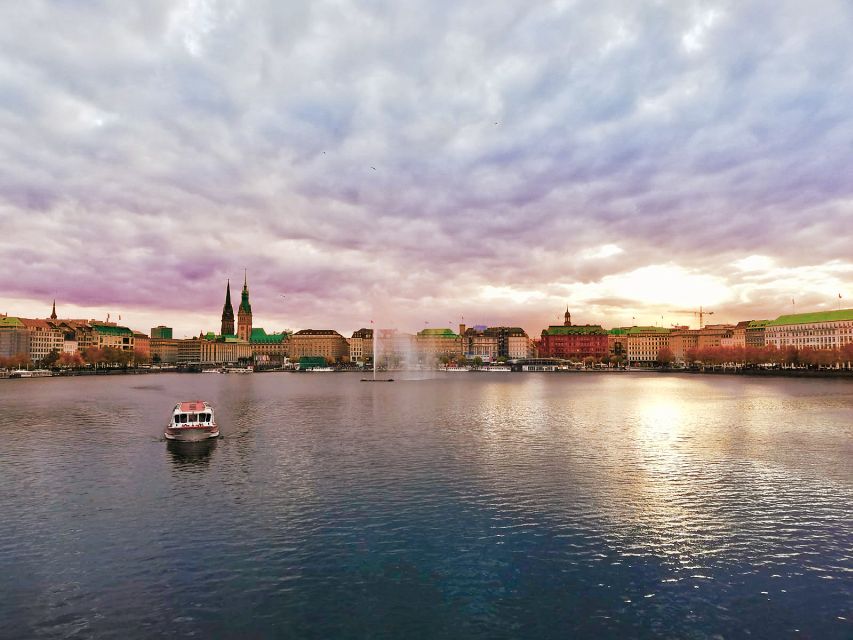
You begin at Swatch Jungfernstieg, at the corner of Jungfernstieg and the Alsterarkaden. From there, the licensed Danish-speaking guide leads you through the center toward the Elbe. The route takes two hours and is entirely on foot, so comfortable shoes are essential.
I especially like the language choice here. If Danish is your strongest language, you can follow details about medieval trade, wartime destruction, and modern architecture without stopping to translate every sentence. A history walk is only useful when the story remains easy to follow.
The group price needs a careful look. At $280 for up to 30 people, the per-person cost becomes reasonable with a large party. A group of 10 pays $28 each, while a couple effectively pays $140 per person. That makes this a better fit for a Danish-speaking family reunion, school group, business party, or organized visit than for a solo sightseer.
More Walking Tours in Hamburg
- Hamburg: Guided Walking Tour for Magic Fans
★ 4.8 · 1,992 reviews - Reeperbahn Walking Tour with St. Pauli Local
★ 4.8 · 577 reviews - Hamburg: Speicherstadt Walking Tour with Coffee Tasting
★ 4.6 · 360 reviews
From Jungfernstieg to Hamburg’s Townhall
The meeting point is easy to identify: meet in front of the Swatch Shop at the corner of Jungfernstieg and the Alsterarkaden. This is a central starting point, but you should still allow time to find the exact corner, especially if you are unfamiliar with Hamburg.
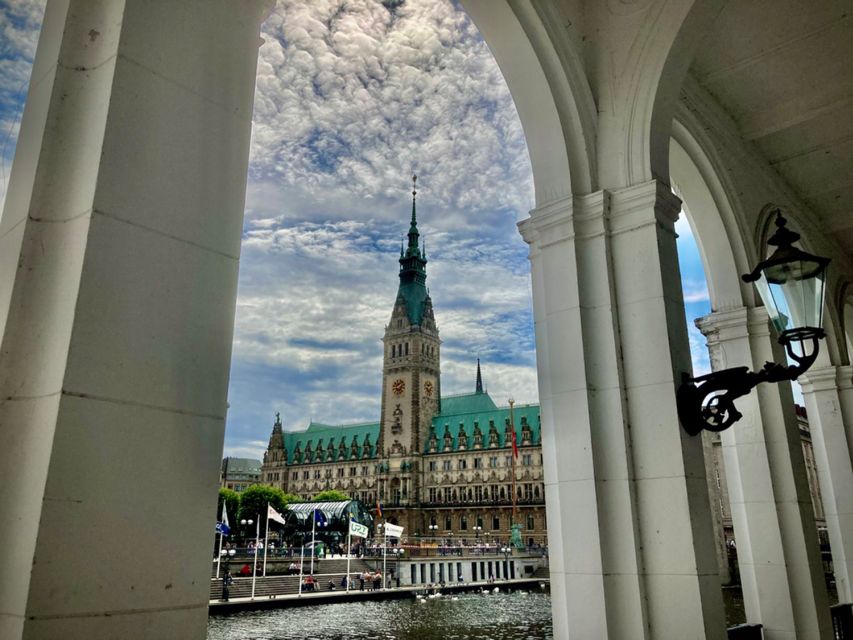
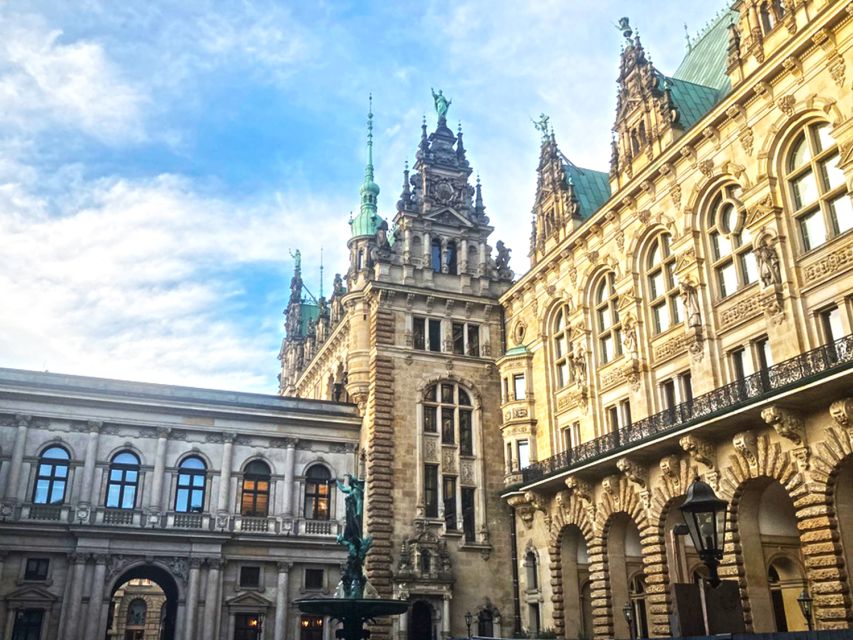
The first major stop is Hamburg Townhall, with about 20 minutes of guided explanation. This gives the tour its civic starting point. You learn how the city developed from its early beginnings through its role in the Hanseatic League and into its modern position as a major economic and cultural center.
The Townhall is a useful place to begin because it represents Hamburg as a city of government and commerce, not just a port. Listen for the links between political power, trade, and the city’s growth. The guide also explains where Hamburg was founded, which helps you understand why the historic center sits where it does.
Twenty minutes is enough for orientation and outside commentary, but it is not a full architectural visit. The walk is about seeing the important setting and hearing the story, not spending an hour inside one building.
Deichstrasse and the city that fire changed
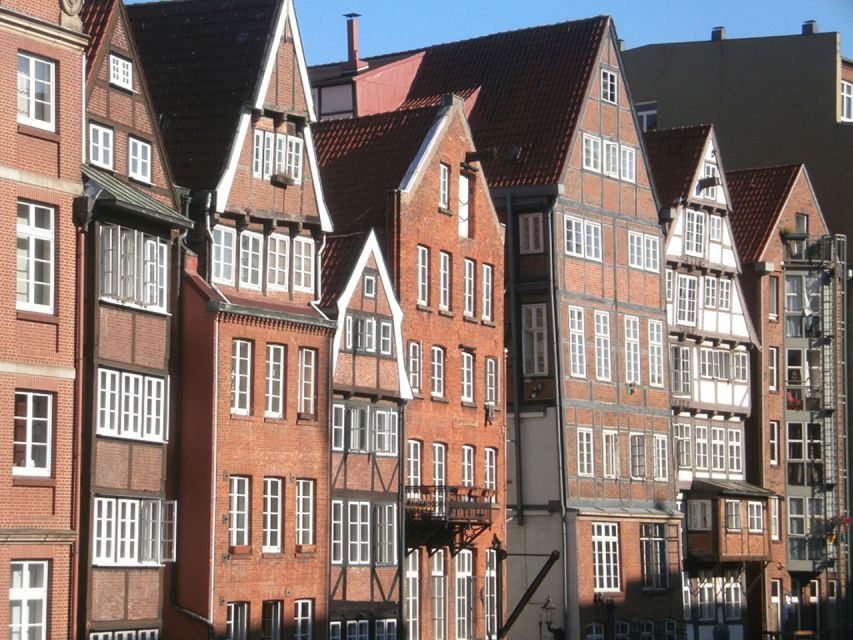
From the Townhall, the route continues to Deichstrasse for about 15 minutes. This is where the tour’s discussion of fire becomes especially useful. Hamburg’s history was shaped not only by trade and shipping but also by repeated destruction and rebuilding.
The guide explains why fire played such an important role in the city’s development. You also hear the intriguing point that Hamburg’s Old Town is actually quite new. That sounds contradictory until you connect it with the fires and later rebuilding that changed the city’s historic fabric.
This section is valuable because it keeps you from treating old-looking Hamburg as one untouched medieval scene. Some buildings and streets preserve earlier forms, but the city has been repeatedly remade. In a short time, you get a better sense of why the central area looks the way it does today.
The stop lasts only about 15 minutes, so you should expect a concise explanation rather than a long architectural study. If you enjoy building details, take mental notes and return later at your own speed.
The Patriotic Society and Hamburg’s civic character
The next stop is the Patriotic Society of 1765, with around 10 minutes of guided commentary. Its place on the route adds another layer to Hamburg’s story: the city was shaped by civic organizations as well as by rulers, merchants, and port authorities.
This is a short stop, but it helps break up the walk between the better-known sights. The tour is not simply a checklist of famous buildings. It uses less obvious locations to explain how Hamburg’s public life developed.
You should not expect a long visit or a separate museum experience here. Think of it as a brief historical marker along the route. The guide’s skill matters most at this kind of stop, since the building itself may mean little without context.
Something different for another day:
- Hamburg: Sex and Crime in St. Pauli Tour for Ages 18+
★ 4.7 · 15,447 reviews - Hamburg: 1.5-Hour Harbor and Speicherstadt Day Cruise
★ 4.6 · 14,200 reviews - Hamburg: 90-Minute Evening Lights Harbor Cruise
★ 4.5 · 7,728 reviews - Hamburg: 2-Hour XXL Port of Hamburg Cruise Tour
★ 4.7 · 6,979 reviews
St. Nikolai Memorial and Operation Gomorrah
The St. Nikolai Memorial receives about 15 minutes. The church was bombed by Allied forces during Operation Gomorrah in 1943, and the remains now house a World War II memorial and museum.
This is one of the most serious parts of the tour. The ruined church gives the war story a physical presence, while the memorial and museum connect the site to the destruction Hamburg suffered. The stop also reminds you that the city’s modern appearance comes from more than economic success and rebuilding. It is marked by loss.
The time here is enough for an introduction, but not for a detailed museum visit. If the subject matters to you, plan to return separately. The walking tour gives you the setting and the basic history, while a longer visit would allow more time for exhibits and reflection.
I value the inclusion of St. Nikolai because it keeps the tour balanced. Hamburg is not presented only as a handsome port city with striking new buildings. Its difficult past is part of the city’s identity.
Laeiszhof and the old port economy
The route then reaches Laeiszhof for around 15 minutes. This stop continues the port and commerce story, placing Hamburg’s business history alongside its buildings and streets.
The tour explains how Hamburg became a leading member of the Hanseatic League in the Middle Ages. That background matters because the city’s later importance did not appear overnight. Trade networks, shipping, and a strong commercial role helped set the course for Hamburg’s future.
Laeiszhof also prepares you for Speicherstadt. By this point, you have heard about Hamburg’s early market origins, its medieval trading power, and its later development as a major port. The next district makes those ideas visible in brick and canal-side warehouses.
Again, the stop is guided rather than an extended interior visit. You are moving through the city, so wear shoes that can handle two hours of steady walking.
Speicherstadt, Hamburg’s red-brick warehouse district
Speicherstadt is one of the tour’s strongest stops. The guide spends about 15 minutes here, introducing the world’s largest warehouse district.
This district makes Hamburg’s trading past easier to picture. The scale of the warehouses shows how goods were stored and moved through the port, while the architecture gives the old commercial city a distinct look. Even with limited time, you can see why Speicherstadt is one of Hamburg’s signature areas.
I like that the tour places Speicherstadt after the earlier history. Without context, it is easy to see only attractive brick buildings and waterways. With the Hanseatic and port story already in place, the district becomes evidence of Hamburg’s commercial reach.
The 15-minute visit is a preview, not a full exploration. You will see and discuss the area, but you will not have time to wander every passage or spend long inside nearby attractions. If you like photography or want a slower look, save time after the tour or return later.
HafenCity and a newer Hamburg
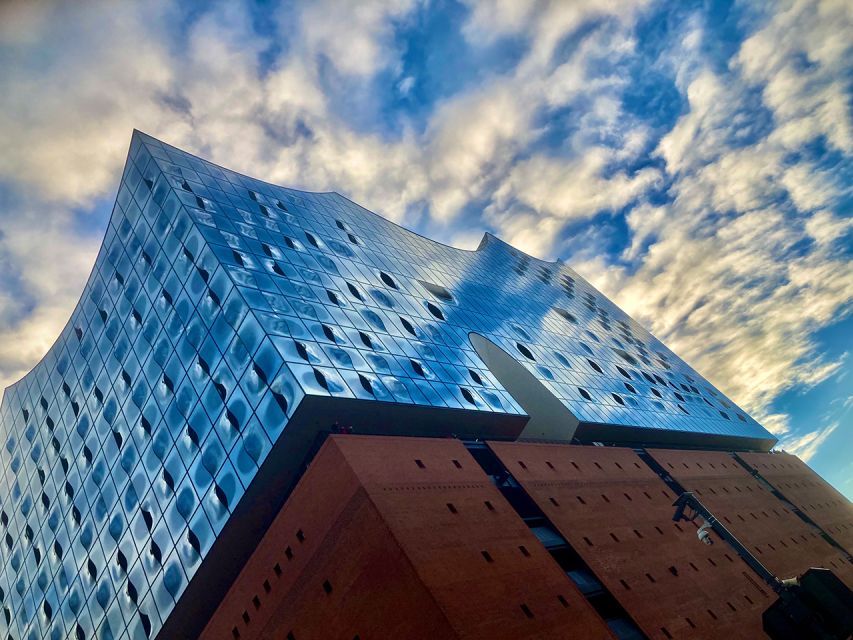
After Speicherstadt, the route moves into HafenCity for about 15 minutes. This residential and business district shows Hamburg in the present tense, with new construction and a different urban feel from the older warehouse quarter.
The contrast is the point. You move from a historic storage district tied to port trade into a modern part of the city designed for homes, offices, and public life. The guide uses HafenCity to explain how Hamburg continues to change while keeping its connection to the Elbe and the harbor.
HafenCity may appeal most to you if you enjoy cities as works in progress. It is less about preserved old streets and more about how a port city adapts to new needs. The tour does not treat history as something finished in the past. It shows how Hamburg keeps rewriting itself.
Since the route crosses several districts, you should expect city streets, changing surfaces, and normal urban traffic. The experience is not suitable for people with mobility impairments, wheelchair users, or visual or hearing impairments, according to the tour information.
Ending beneath the Elbphilharmonie
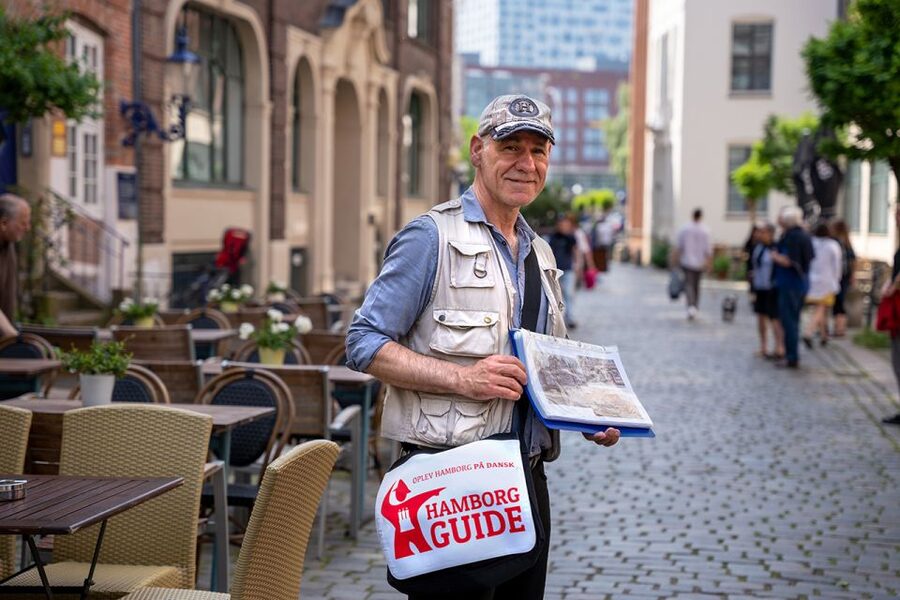
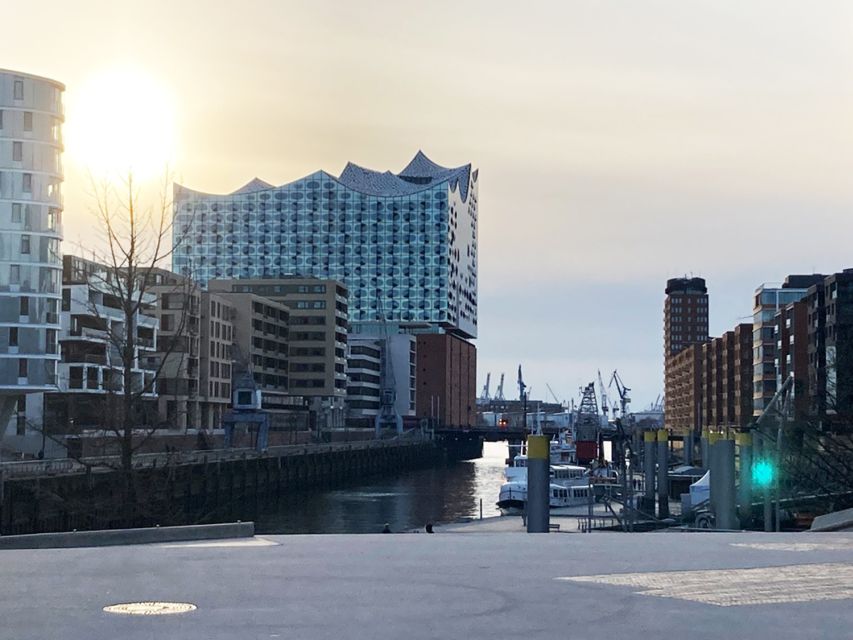
The final guided stop is the Elbphilharmonie, with about 15 minutes. This grand concert hall in HafenCity gives the tour a memorable modern ending.
The building provides a sharp contrast with Townhall, Deichstrasse, and Speicherstadt. By the time you reach it, you have followed Hamburg from medieval trade to industrial port power, wartime destruction, and modern redevelopment. The Elbphilharmonie represents the city’s cultural ambitions as much as its economic strength.
The tour finishes at Platz der Deutschen Einheit, 20457 Hamburg. That ending is practical because you are not left in the middle of an unrelated neighborhood. You finish beside one of Hamburg’s most recognizable modern sights, with a clear next step available.
You can explore the Elbphilharmonie Plaza and its public viewing platform on your own after the walk. The guided portion does not include food, drinks, or a separate visit to the concert hall. Treat the Plaza as an optional continuation rather than part of the two-hour guided experience.
How the guide affects the experience
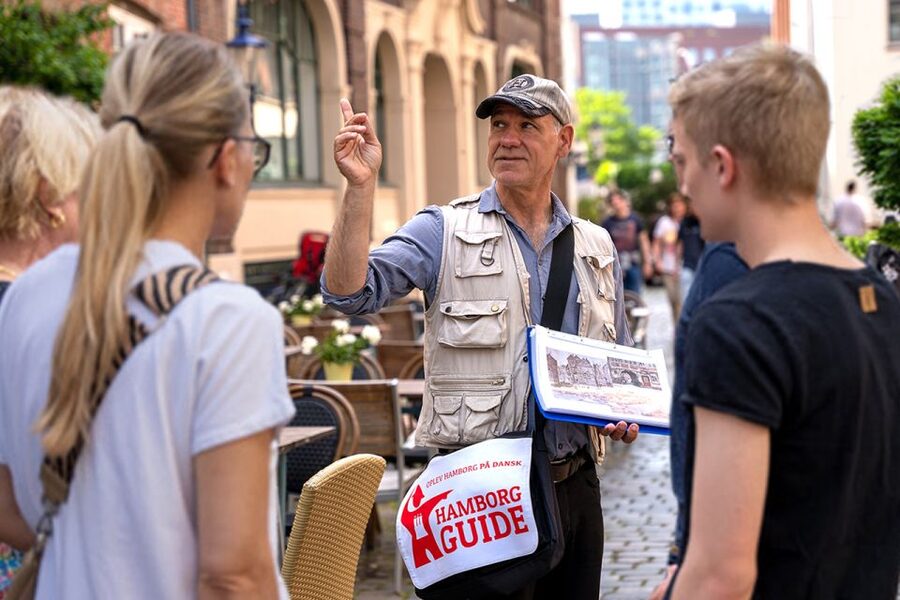
A history walk can be either a string of dates or a story you can actually remember. The strongest praise for this tour focuses on the guide’s delivery in Danish. Christian Meyer-Pedersen is singled out for his huge knowledge of Hamburg’s history and culture, along with lively and well-organized explanations.
That distinction matters. The route includes many stops, but several are short. At the Patriotic Society, Laeiszhof, and the modern districts, the guide has limited time to make the setting meaningful. Clear storytelling is what turns those pauses into useful parts of the tour.
The Danish language also helps with tone and detail. People who speak Danish can ask questions and follow the story without relying on English or German. The tour has received a perfect rating from 11 reviews, with praise focused on its informative content, pleasant atmosphere, and Danish presentation.
One practical point: the tour runs rain or shine. Bring comfortable clothes, comfortable shoes, and cash. There is no food or drink included, so handle those needs before the walk or afterward.
Who should book this Hamburg walk?
I would choose this tour if you want a broad first look at Hamburg and prefer to hear the story in Danish. It suits you especially well if you are visiting with a larger Danish-speaking group and want one guide to connect the city’s major districts.
It is also a good match for people who want history without committing to a full-day tour. Two hours is long enough to cover the central sights, but short enough to fit around other plans. The route ends at a place where you can continue exploring on your own.
You may want something else if you prefer long visits inside museums, a very slow pace, or a tour focused only on architecture. The schedule gives each stop roughly 10 to 20 minutes, so you will hear the main story rather than study every site in depth.
Children under six cannot join. The route is also not suitable for wheelchair users, people with mobility impairments, people with visual impairments, or people with hearing impairments. The walk takes place outdoors in all weather, so a cold or rainy day can affect your comfort. One Danish participant described a very cold outing but still found it highly informative, which is a useful warning to dress seriously for the season.
Should you book it?
Book this walk if Danish is important to you, your group is large enough to make the $280 price sensible, and you want a well-structured introduction to Hamburg. The route covers the city’s key contrasts: civic center, fire-shaped Old Town, wartime ruins, historic warehouses, modern HafenCity, and the Elbphilharmonie.
Skip it if you are traveling alone or as a couple and the group price feels too high. You should also look elsewhere if mobility access, indoor time, or a slower pace is essential. For the right group, though, this is an efficient way to understand Hamburg before exploring the city at your own speed.
FAQ
What language is the tour conducted in?
The live tour guide speaks Danish.
How long does the walking tour last?
The tour lasts two hours.
Where does the tour begin?
It begins in front of the Swatch Shop at the corner of Jungfernstieg and the Alsterarkaden.
Where does the tour finish?
The walk ends at Platz der Deutschen Einheit in HafenCity, near the Elbphilharmonie.
What sights are included?
The route includes Hamburg Townhall, Deichstrasse, the Patriotic Society of 1765, St. Nikolai Memorial, Laeiszhof, Speicherstadt, HafenCity, and the Elbphilharmonie.
Does the tour visit the Elbphilharmonie Plaza?
The tour ends at the Elbphilharmonie and gives you the opportunity to visit the Plaza and public viewing platform on your own.
Is food or drink included?
No. Food and drinks are not included.
What should I bring?
Bring comfortable shoes, comfortable clothes, and cash.
Does the tour operate in bad weather?
Yes. The tour takes place rain or shine, so you should dress for the forecast.
Is the walk suitable for wheelchair users?
No. It is not suitable for wheelchair users, people with mobility impairments, people with visual impairments, or people with hearing impairments. Children under six are also not permitted.
Just added around Hamburg
- St George’s Culinary Food Tour★ 5.0 · 3 reviews
- Discover Hamburg: Private Walking Tour★ 5.0 · 3 reviews
- Private Hamburg rickshaw tour for 2 people★ 5.0 · 3 reviews
- private city tour of Hamburg’s UNESCO World Heritage Site★ 5.0 · 3 reviews
- 10 secrets of Hamburg’s old town – exciting scavenger hunt tour★ 4.5 · 3 reviews
- Hamburg Private Food Tours with a Local: 100% Personalized★ 5.0 · 3 reviews
- The Beatles on St. Pauli★ 5.0 · 3 reviews
- Short walk St. Pauli – the St. Pauli quickie★ 5.0 · 3 reviews
Walking Tours, compared.





Berlin’s Best: 2 Hour Walking Tour Third Reich and the Cold War
Read our review →


Third Reich Berlin: Hitler and WWII Walking Tour
Read our review →Browse the lists this tour appears in