
Reviewed · WALKING TOURS
Hamburg: 2-Hour St. Georg Walking Tour
Hamburg’s most revealing streets sit near its busiest station. This two-hour St. Georg walking tour moves beyond the usual Hamburg sights and into a neighborhood shaped by migrants, religious minorities, student protest, cafés, nightlife, and the city’s gay community. I like the mix of everyday streets and serious history, and I like that the guide connects places you can see with the people and movements that shaped them. The main consideration is simple: the tour is conducted in German, so you will need strong German skills to get its full value.
The $23 price is fair for two hours with a local guide, especially if you want context rather than a quick photo stop. I also appreciate the manageable route, which begins and ends at the same place by Trinity Church. It is not the right choice if you want Hamburg’s grand harbor sights or a general introduction to the whole city.
In This Review
- Key Points About This St. Georg Tour
- Why St. Georg Is Worth Two Hours
- Beginning at Trinity Church
- Lange Reihe and the Quarter’s Social Center
- Mosques, the Catholic Cathedral, and Religious Variety
- The Red-Light District and St. Georg’s Contrasts
- Hamburg’s Gay Village
- Migration, Minorities, and Student Revolt
- A Quieter Alternative Near Hamburg’s Main Station
- What the $23 Price Buys You
- Who Will Enjoy This Walk Most
- Practical Details Before You Book
- Should You Book the St. Georg Walking Tour?
- FAQ
- Where does the St. Georg walking tour begin?
- Where does the tour end?
- How long is the tour?
- What language is the tour conducted in?
- How much does the tour cost?
- What areas does the tour visit?
- Does the tour discuss Hamburg’s history?
- Is the tour suitable for someone seeking an alternative side of Hamburg?
- Can I cancel the tour for a refund?
Key Points About This St. Georg Tour
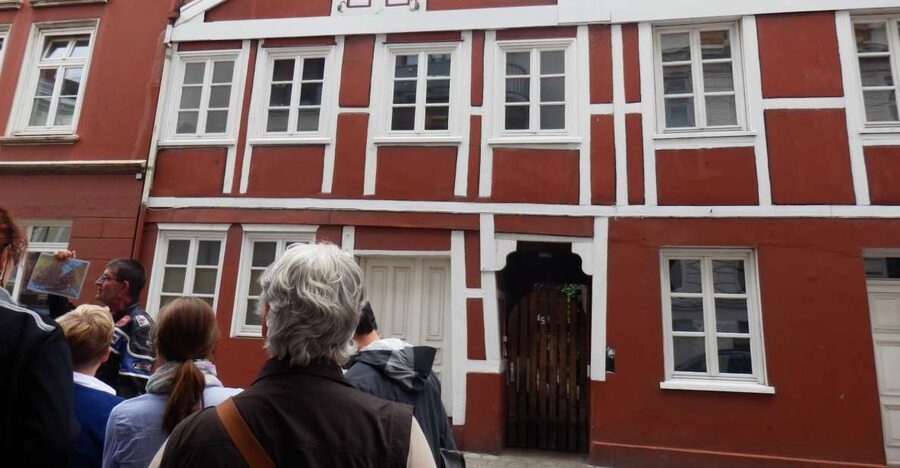
- Lange Reihe sets the tone: Start among coffee shops, sidewalk cafés, and the quarter’s informal center.
- One neighborhood holds many faiths: The walk brings together mosques, a Catholic cathedral, and other signs of religious life.
- The history is social, not just architectural: Migration, minority communities, and student revolt all help explain St. Georg.
- You see Hamburg’s alternative side: The route leaves the busiest main streets for quieter corners and local streets.
- The gay village is part of the story: St. Georg’s LGBTQ scene is treated as a central part of the neighborhood.
- The guide’s personal touch matters: The tour is designed around local insight, with insider information and personal explanation.
Why St. Georg Is Worth Two Hours
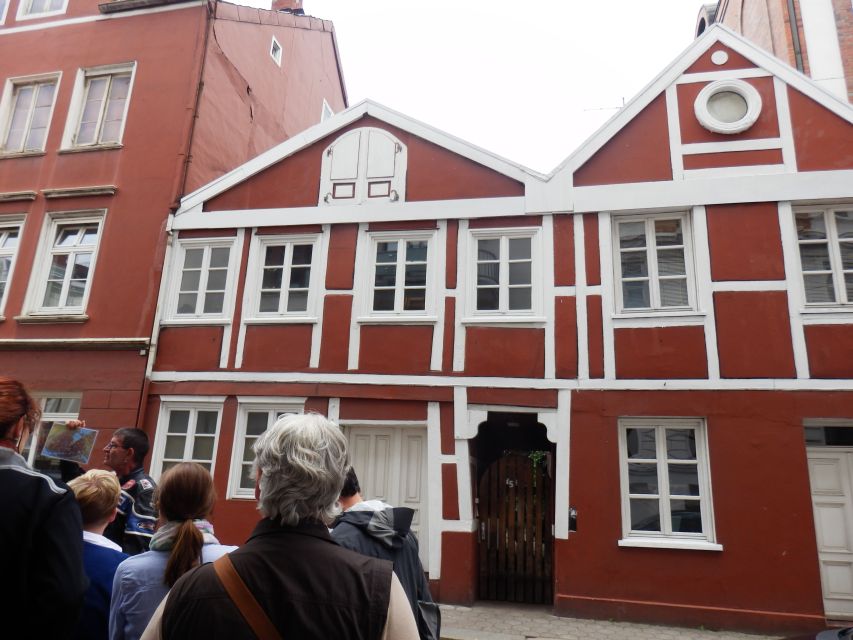
St. Georg is a useful place to see how a city changes block by block. It lies close to Hamburg’s main station, yet it does not feel like a mere transport district. Alongside cafés and attractive squares, you find religious buildings, nightlife, a red-light area, and a well-known gay scene.
That mixture gives the tour its purpose. You are not simply walking past buildings and collecting dates. You are looking at how migration, faith, politics, sexuality, and daily life share the same small area.
I find this kind of walk more revealing than a polished sightseeing route. St. Georg does not present one tidy identity. It asks you to notice contrasts: quiet streets close to the station, fashionable cafés near places tied to nightlife, and religious buildings within a neighborhood known for social change.
The tour also offers a useful alternative to Hamburg’s busy main streets. If you have already seen the city center or want something less formal, this walk gives you a closer look at how Hamburg feels at neighborhood level.
More Walking Tours in Hamburg
- Hamburg: Guided Walking Tour for Magic Fans
★ 4.8 · 1,992 reviews - Reeperbahn Walking Tour with St. Pauli Local
★ 4.8 · 577 reviews - Hamburg: Speicherstadt Walking Tour with Coffee Tasting
★ 4.6 · 360 reviews
Beginning at Trinity Church
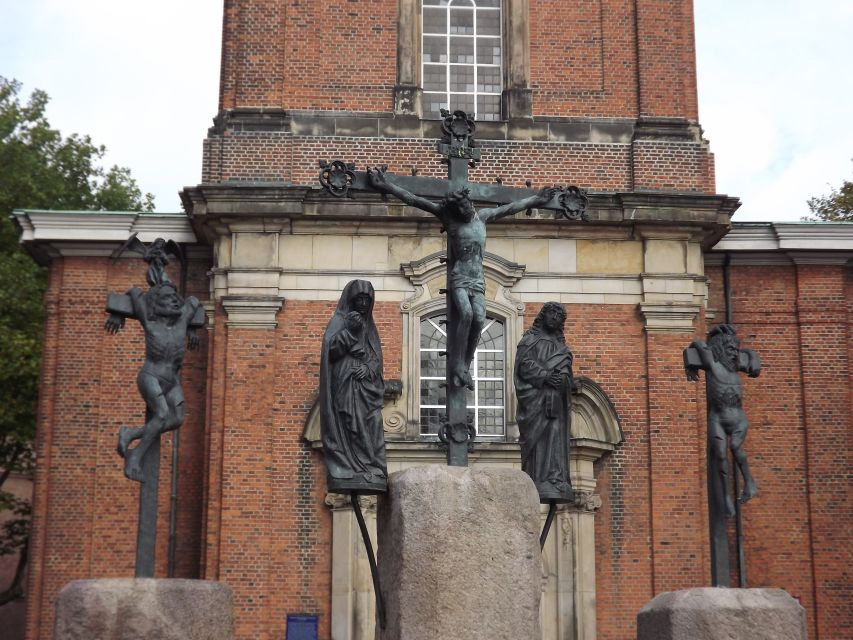
The meeting point is the Crucifixion Group statue in front of Trinity Church, at St. Georg Kirchhof, 20099 Hamburg. This gives you a precise place to begin, rather than a vague instruction to meet somewhere near the station.
The church setting also prepares you for one of the tour’s themes: religion is not a side note in St. Georg. From the start, you are in a part of Hamburg where faith communities have a visible place in the streets and local story.
The tour ends back at the same meeting point. I consider that a real advantage. You do not need to learn a new return route at the end, and you can plan the walk before another activity near the main station or central Hamburg.
Since the tour lasts two hours, wear shoes suited to ordinary city walking. The supplied details do not state the exact distance, group size, or route order, so you should think of this as a neighborhood walk rather than a tightly measured sightseeing circuit.
Lange Reihe and the Quarter’s Social Center
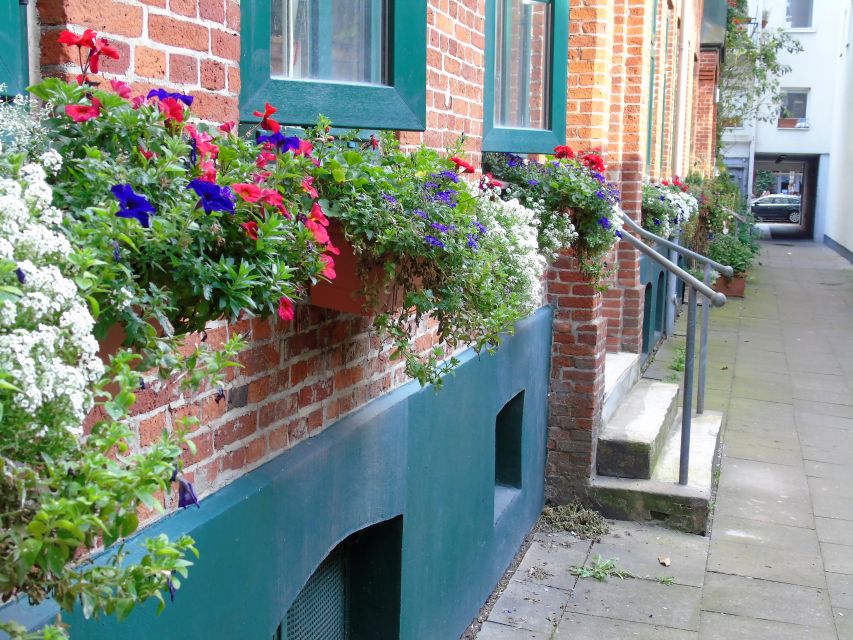
One of the first important areas is Lange Reihe, described as the quasi-center of St. Georg. This is where you can expect coffee shops, trendy sidewalk cafés, and a more relaxed public life than the station area might suggest.
The appeal is not only the chance to stop for a drink. Lange Reihe helps you understand the quarter’s current character. It is a social street, a place where people meet, eat, linger, and watch the neighborhood move around them.
A local guide can add meaning that you would miss by walking through alone. You might notice a café or square, but the guide can explain how the area fits into St. Georg’s wider development and why it attracts a younger or more alternative crowd.
I would pay attention to the contrast between appearance and background here. A fashionable café street can look like any other modern European district. On this tour, it becomes part of a longer story about population changes, public life, and the way a neighborhood presents itself.
Mosques, the Catholic Cathedral, and Religious Variety
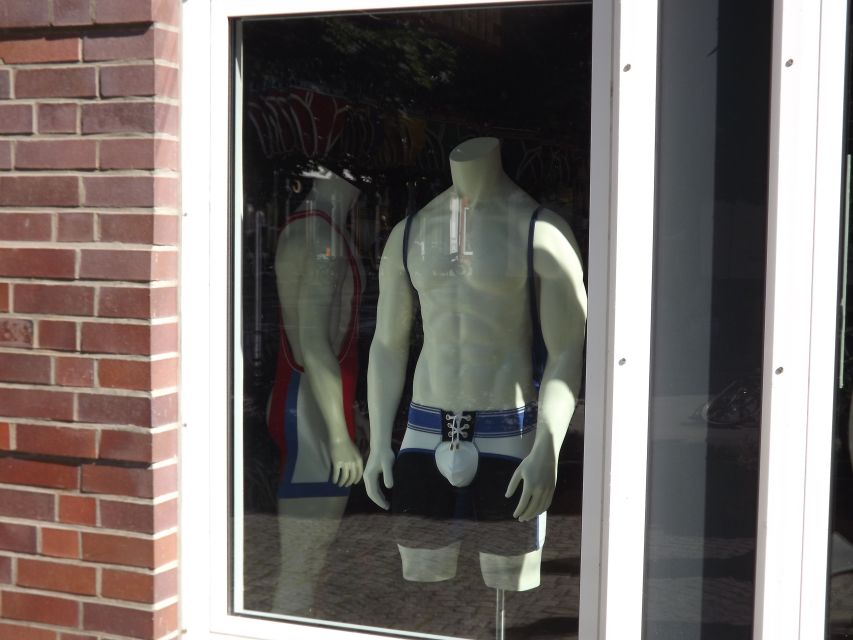
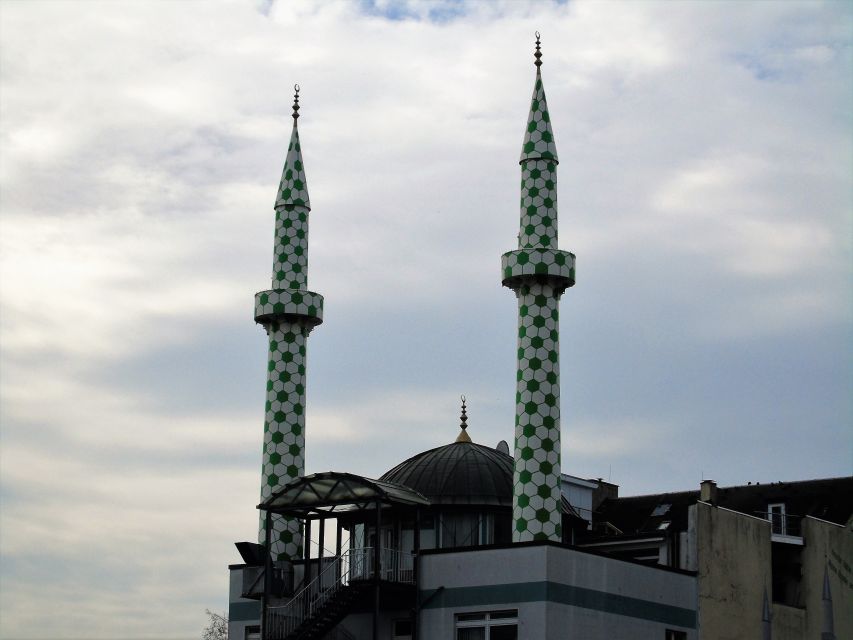
The route includes mosques and the Catholic Cathedral, giving you a chance to see several religious traditions within one compact neighborhood. That is one of the strongest reasons to choose this experience over a generic city walk.
The value is in the comparison. You are not seeing religion as an isolated monument. You are seeing different communities as part of the same urban setting, alongside homes, businesses, cafés, and nightlife.
The tour specifically places religious minorities within the history of St. Georg. That means the guide is likely to discuss more than the appearance of the buildings. You can expect attention to migration and the way newcomers have helped shape the quarter.
The information provided does not name the individual mosques or explain whether you enter any religious building. Plan on viewing these places from the public route unless your guide tells you otherwise. Even from the street, the subject gives the walk a useful human focus.
For me, this is where the tour becomes more than a neighborhood orientation. It helps you ask who lives in St. Georg, how communities establish a presence, and how a city makes room for different forms of worship.
Something different for another day:
- Hamburg: Sex and Crime in St. Pauli Tour for Ages 18+
★ 4.7 · 15,447 reviews - Hamburg: 1.5-Hour Harbor and Speicherstadt Day Cruise
★ 4.6 · 14,200 reviews - Hamburg: 90-Minute Evening Lights Harbor Cruise
★ 4.5 · 7,728 reviews - Hamburg: 2-Hour XXL Port of Hamburg Cruise Tour
★ 4.7 · 6,979 reviews
The Red-Light District and St. Georg’s Contrasts
The walk also includes the red-light district. This may be the part of the route that some people find most uncomfortable, but it is important to the neighborhood’s identity and not something the tour hides.
You should expect a frank look at an area shaped by adult nightlife. The supplied information does not promise specific venues, shows, or interior visits, so this is a walking and interpretation experience, not an entertainment package.
What makes this stop useful is its place within the larger route. The red-light area is not presented as the whole of St. Georg. It sits alongside religious buildings, cafés, homes, and the gay village, showing how varied city districts can be.
I would choose this tour if you prefer an honest look at urban life to a carefully polished version of Hamburg. If you want only postcard scenery, the red-light district may not suit your plans.
Hamburg’s Gay Village
St. Georg’s gay village is another central stop. The tour presents Hamburg’s gay scene as part of the neighborhood’s social history, rather than as a separate theme added for color.
That matters because LGBTQ life has helped shape the public character of St. Georg. A guide can point out how the gay village fits into the quarter and explain its role in the area’s identity.
The details do not promise visits to particular bars, clubs, or businesses. You should expect to walk through the area and learn about it, not take part in a nightlife crawl.
This portion may be especially useful if you want to understand Hamburg beyond its major museums and harbor attractions. It shows how a neighborhood can become associated with a community and how that association affects cafés, streets, and public life.
The tour’s treatment of this subject also supports its broader goal: presenting St. Georg as a place where different groups meet, sometimes comfortably and sometimes with tension.
Migration, Minorities, and Student Revolt
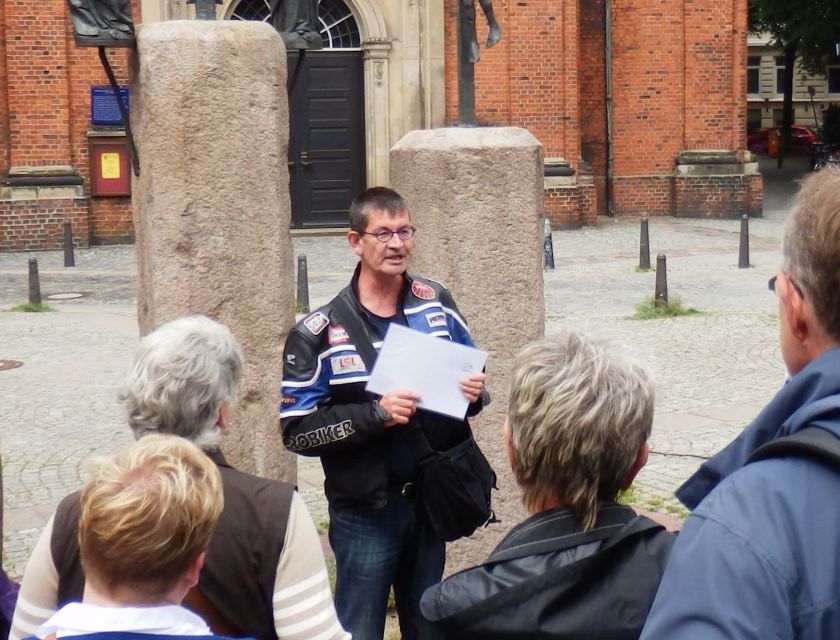
The historical topics give the walk its strongest backbone. Migration, religious minorities, and student revolt are all named as part of St. Georg’s story.
That combination is telling. You are not getting a narrow architectural history focused only on churches or old façades. You are learning about social forces that changed the neighborhood and the city around it.
Migration helps explain why so many faiths and cultures are represented. Religious minorities show how communities have built a life in the area. Student revolt points to political and cultural change, adding another layer to the quarter’s modern identity.
The guide’s role is especially important here. One highly praised detail is the guide’s ability to provide insider information while keeping the presentation personal and informative. That suggests a tour shaped by local familiarity rather than a memorized list of dates.
The supplied feedback describes the guide as very competent, informative, personal, and generous with insider details. The guide’s name is not provided, but this praise is worth noting because the tour depends heavily on explanation. Much of St. Georg’s meaning is social and historical, not immediately visible.
A Quieter Alternative Near Hamburg’s Main Station
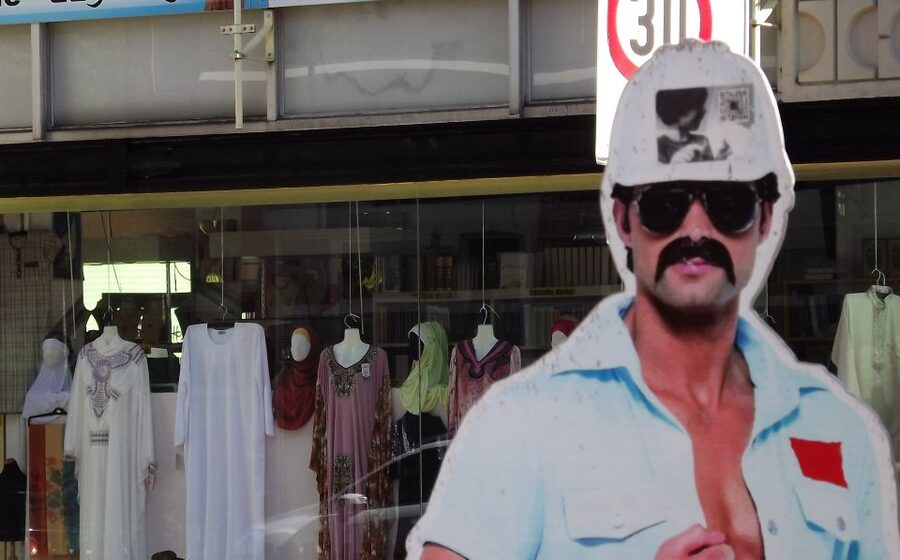
The tour’s location makes it easy to fit into a Hamburg itinerary. St. Georg is near the main station, yet the walk aims to take you away from the busiest streets and into quieter parts of the quarter.
That gives you two useful options. You can schedule it soon after arriving, using the area to get your bearings, or take it later after seeing more conventional city sights. Since the walk returns to its starting point, it can also fit neatly before a train departure or another central activity, provided you allow enough time.
Do not confuse convenience with a complete introduction to Hamburg. The focus is firmly St. Georg. You will not get a full tour of the harbor, Speicherstadt, city hall, or other major attractions unless they happen to be discussed in passing, which is not specified.
I like the limited focus. Two hours is enough time to explore one district without turning the day into a long march. You leave with a clearer sense of one neighborhood, rather than a rushed glance at half the city.
What the $23 Price Buys You
At $23 per person, the experience sits in the affordable range for a guided city walk. The price includes two hours with a local guide, and the main value comes from interpretation rather than admission tickets or transport.
That is important when you compare it with sightseeing tours built around paid attractions. Here, you are paying for local context, route planning, and access to stories that are difficult to assemble from a guidebook while walking alone.
The price is strongest for someone who would otherwise pass through St. Georg without understanding its mix of communities. It is less compelling if you only want a quick orientation or prefer to explore cafés and streets independently.
The high rating of 4.8 from 11 reviews, along with the specific praise for the guide’s informative and personal approach, supports the idea that the guide is the main feature worth paying for. Still, a small review sample cannot guarantee that every departure will feel identical.
The tour is conducted in German. This is the biggest value question. If you understand German well, the price is reasonable. If you do not, the walk may be difficult to follow even if you enjoy the streets and sights.
Who Will Enjoy This Walk Most
I would recommend this tour to you if you like city neighborhoods that show several sides of urban life at once. It suits people interested in migration, religion, social movements, LGBTQ history, cafés, and local culture.
It is also a good match if you have already seen Hamburg’s headline sights and want a more local-feeling subject. The route is short enough for a first day, yet focused enough to add depth after a general city tour.
You should think twice if you need an English-language tour. The live guide speaks German, and no other language is listed.
You may also prefer another activity if your main goal is architecture, panoramic views, harbor scenery, or formal museum interpretation. St. Georg is the subject here, and the appeal comes from its people and social contrasts.
Solo visitors, couples, and small groups who enjoy discussion should find the format appealing. Families may want to consider the red-light district and the mature themes before booking, since the route includes adult nightlife areas.
Practical Details Before You Book
The meeting point is the Crucifixion Group statue in front of Trinity Church, St. Georg Kirchhof, 20099 Hamburg. The activity ends at that same meeting point.
The duration is two hours, but starting times vary, so check availability before you commit your day. The tour is guided live in German by a local guide.
You can cancel up to 24 hours before the activity for a full refund. A reserve-now, pay-later option is also available, which helps if your Hamburg plans are still changing.
The description does not provide an age requirement, accessibility information, maximum group size, restroom stops, or a detailed stop-by-stop timetable. If any of those details affect your plans, ask the provider before booking rather than assuming.
Should You Book the St. Georg Walking Tour?
Book it if you want Hamburg with the polish removed. For $23, you get two hours focused on a compact but complicated neighborhood, with Lange Reihe cafés, mosques, the Catholic Cathedral, the red-light district, and the gay village tied together by local history.
The best reason to choose it is the guide’s reported personal approach and insider information. The main reason to skip it is the German-only presentation. If you understand German and enjoy social history more than big-ticket sights, this is a practical, fairly priced way to see an alternative side of Hamburg.
FAQ
Where does the St. Georg walking tour begin?
It begins at the Crucifixion Group statue in front of Trinity Church, at St. Georg Kirchhof, 20099 Hamburg.
Where does the tour end?
The walk ends back at the meeting point in front of Trinity Church.
How long is the tour?
The walking tour lasts two hours.
What language is the tour conducted in?
The live tour guide speaks German. German is the only listed tour language.
How much does the tour cost?
The listed price is $23 per person.
What areas does the tour visit?
The tour explores St. Georg, including Lange Reihe, the red-light district, mosques, the Catholic Cathedral, and the gay village.
Does the tour discuss Hamburg’s history?
Yes. It covers German history connected with migrants, religious minorities, and student revolt in St. Georg.
Is the tour suitable for someone seeking an alternative side of Hamburg?
Yes. The tour is designed to show St. Georg away from the busy main streets, including quieter parts of the neighborhood.
Can I cancel the tour for a refund?
Yes. You can cancel up to 24 hours in advance for a full refund. Reserve-now, pay-later booking is also available.
Just added around Hamburg
- St George’s Culinary Food Tour★ 5.0 · 3 reviews
- Discover Hamburg: Private Walking Tour★ 5.0 · 3 reviews
- Private Hamburg rickshaw tour for 2 people★ 5.0 · 3 reviews
- private city tour of Hamburg’s UNESCO World Heritage Site★ 5.0 · 3 reviews
- 10 secrets of Hamburg’s old town – exciting scavenger hunt tour★ 4.5 · 3 reviews
- Hamburg Private Food Tours with a Local: 100% Personalized★ 5.0 · 3 reviews
- The Beatles on St. Pauli★ 5.0 · 3 reviews
- Short walk St. Pauli – the St. Pauli quickie★ 5.0 · 3 reviews
Walking Tours, compared.





Berlin’s Best: 2 Hour Walking Tour Third Reich and the Cold War
Read our review →


Third Reich Berlin: Hitler and WWII Walking Tour
Read our review →Browse the lists this tour appears in