
Reviewed · MEMORIAL & CONCENTRATION CAMP TOURS
From Munich: Dachau Memorial Site Tour in Spanish
Some places ask you to slow down. This five-hour visit to the Dachau Concentration Camp Memorial Site combines train travel from Munich with an official Spanish-speaking guide, making a difficult place easier to understand with care and context. I especially like the clear focus on the permanent exhibition and the original buildings, and I value the chance to see both the International Memorial and the religious memorials. The main drawback is that this tour is strictly for Spanish speakers, and children under 13 cannot join.
The price is $40 per person, before the transport ticket, so the value depends partly on how much you want guided interpretation. You could visit the memorial site on your own, but a good guide helps connect the buildings, displays, and victims’ stories into a meaningful visit rather than a quick walk through a solemn site.
In This Review
- Key points to know before booking
- Meeting the guide beneath Karlstor Gate
- Why a guided visit matters here
- The permanent exhibition gives the visit its framework
- Roll-call area, barracks, and the physical remains
- The bunker and crematorium require a respectful pace
- International and religious memorials
- Five hours is a serious but useful commitment
- Is $40 a fair price?
- Who should book this Dachau tour?
- Practical advice for a respectful visit
- Should you book it?
- FAQ
- Is the Dachau Memorial Site tour conducted in Spanish?
- How long does the tour last?
- Where is the meeting point in Munich?
- Is hotel pickup included?
- Is the train ticket included in the price?
- What is included in the $40 price?
- What parts of the memorial site will I see?
- Can children join the tour?
- Are there any restrictions on luggage or pets?
- What happens if too few people book the tour?
- Can I cancel the booking?
Key points to know before booking
- Official Spanish-speaking guide: You receive a guided visit from an official Dachau Memorial Site guide, not simply a general city guide.
- Five-hour Munich outing: The time includes travel by train from Munich and a substantial visit inside the memorial site.
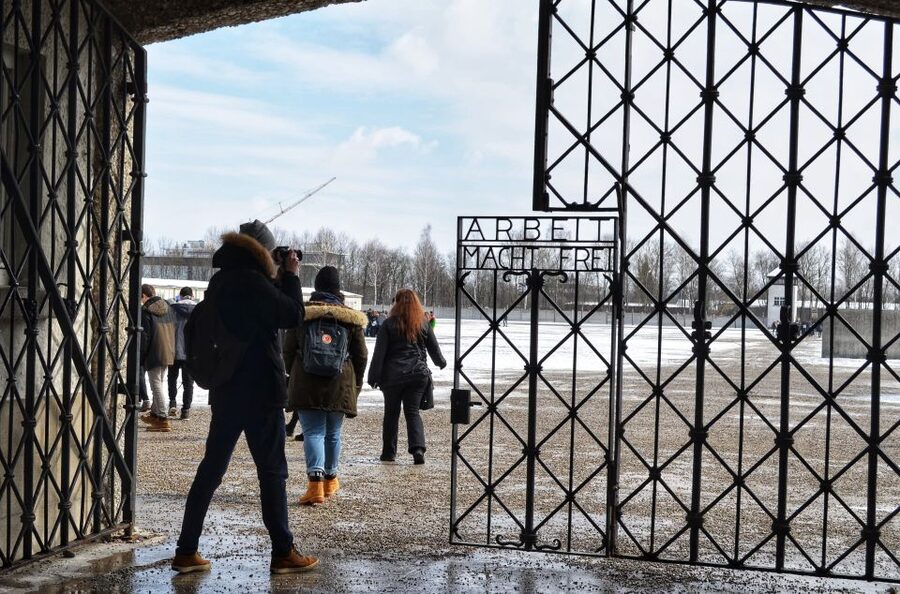
- Core historical stops: The route includes the permanent exhibition, roll-call area, bunkers, barracks, crematorium, and memorials.
- Spanish only: This is not a bilingual tour. You need to speak Spanish to book and take part.
- Bring comfortable shoes: Expect a serious walking visit across a large memorial site, with no food or drink included.
- Small-group operation requirement: At least four participants are needed for the tour to run.
Meeting the guide beneath Karlstor Gate
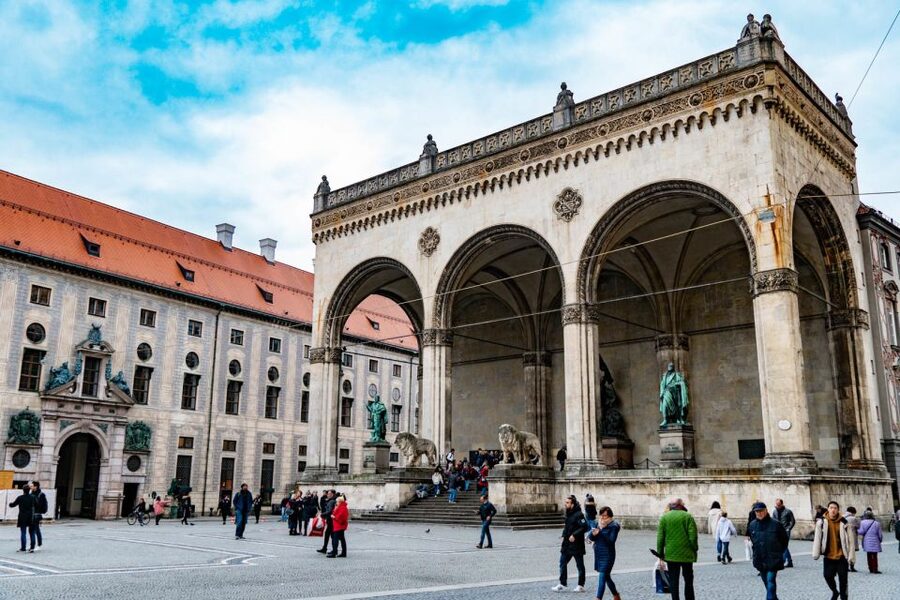
Your day begins under Karlstor Gate at Karlsplatz in central Munich. Arrive 10 minutes before departure and look for the guide beneath the arch.
This meeting point matters because Karlsplatz is busy, and the instructions are unusually specific: do not look for or board a bus. The guide is waiting under the Karlstor arch, so arriving early gives you time to find the right person without beginning the day in a frantic search.
From there, you travel by train to the Dachau Concentration Camp Memorial Site. The transport ticket is not included, so you need to budget for that separately. Hotel pickup and drop-off are also not part of the tour, which makes the central Munich meeting point useful if you are staying in or near the city center.
The train ride is part of the practical value of the outing. You do not need to work out the route alone, and the guide accompanies the group from Munich. That takes some pressure off a visit that already carries emotional weight.
More memorial visits:
- Dachau Concentration Camp Memorial Site Tour from Munich by Train
★ 4.5 · 5,637 reviews - From Munich: Dachau Memorial Site Day Tour
★ 4.8 · 2,723 reviews - From Munich: Dachau Memorial Site Half-Day Trip
★ 4.7 · 2,526 reviews
Why a guided visit matters here
Dachau is not a place where a simple checklist of buildings tells the full story. The memorial site contains original structures, reconstructions, written displays, and memorial art. Without context, it can be difficult to understand how these pieces relate to the history of the camp and the people imprisoned there.
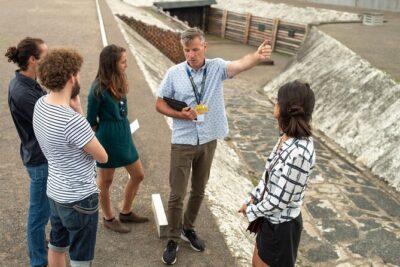
The official guide provides historical background and stories of victims throughout the visit. That is the heart of this experience. The guide does not simply point out a barracks building or a bunker. The aim is to explain what the site represents and help you read the remaining traces with respect.
The Spanish-language format is especially valuable if Spanish is your strongest language. You can follow complicated historical information without having to translate in your head, and you can ask questions in the language used for the tour. The restriction is firm, though. Non-Spanish speakers should not book this outing, even if they are comfortable with basic Spanish.
The experience has a very high rating of 4.9 from 300 reviews. The praise centers on guides who explain clearly, answer patiently, show kindness, and pay attention to the group. One recent comment called the visit a powerful experience that every human being should make. That is strong language, but it fits the serious purpose of the memorial.
The permanent exhibition gives the visit its framework
The main exhibition provides an overview of the history of Dachau Concentration Camp. This is an important early stop because it gives you a framework for the buildings and memorials you see afterward.
Expect historical information, explanations of the camp, and material about its victims. The exhibition is not just background decoration. It helps you understand why the site contains certain buildings, how the camp operated, and why the memorial preserves both original traces and later reconstructions.
I like this part of the visit because it keeps the experience from becoming a tour of empty rooms. The guide’s explanation adds human meaning to the material, while the exhibition gives you time to absorb the information at close range.
This is also where the pace matters. The tour lasts five hours, so it is not designed as a rushed photo stop. You should be prepared to listen, look carefully, and allow difficult information time to settle. The subject is emotionally demanding, and the itinerary is intentionally focused rather than light or entertaining.
Roll-call area, barracks, and the physical remains
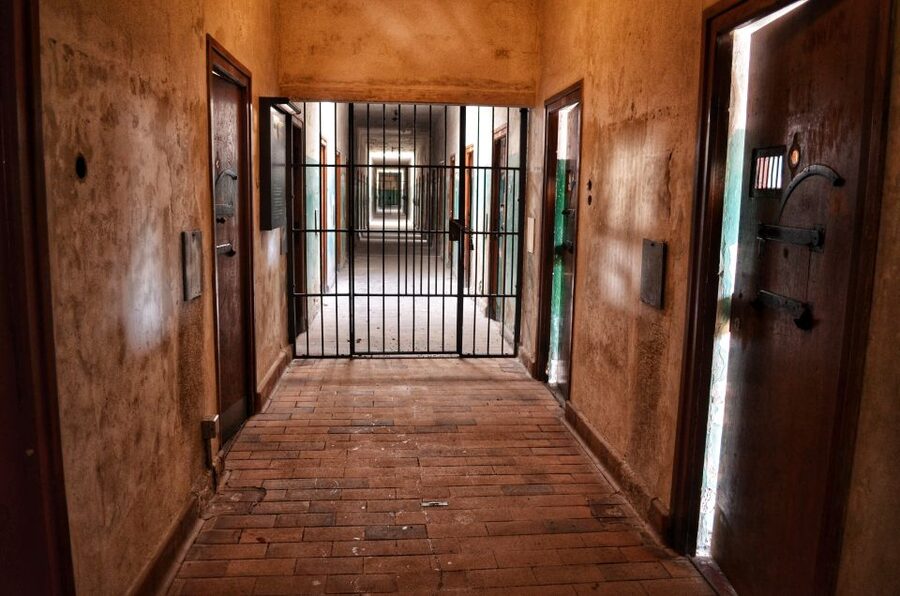
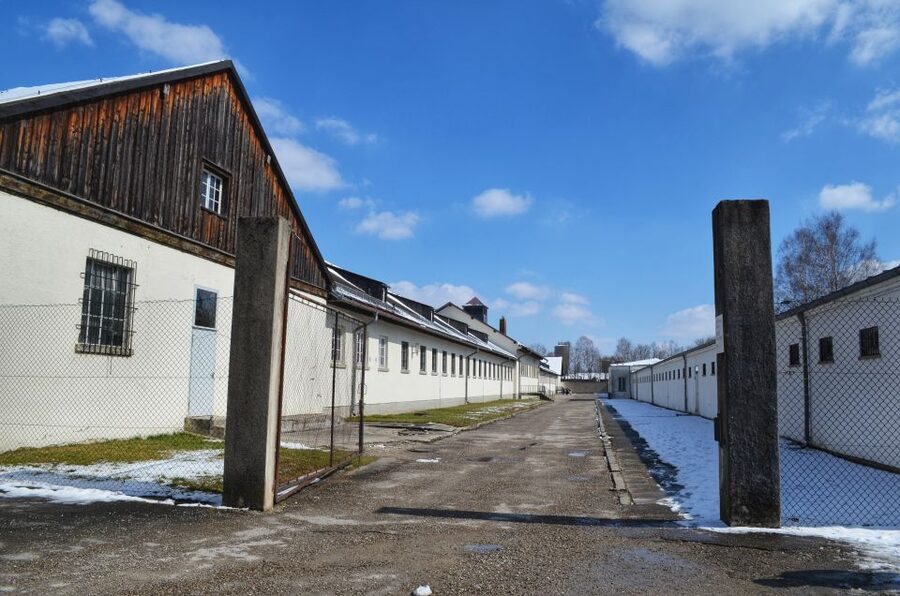
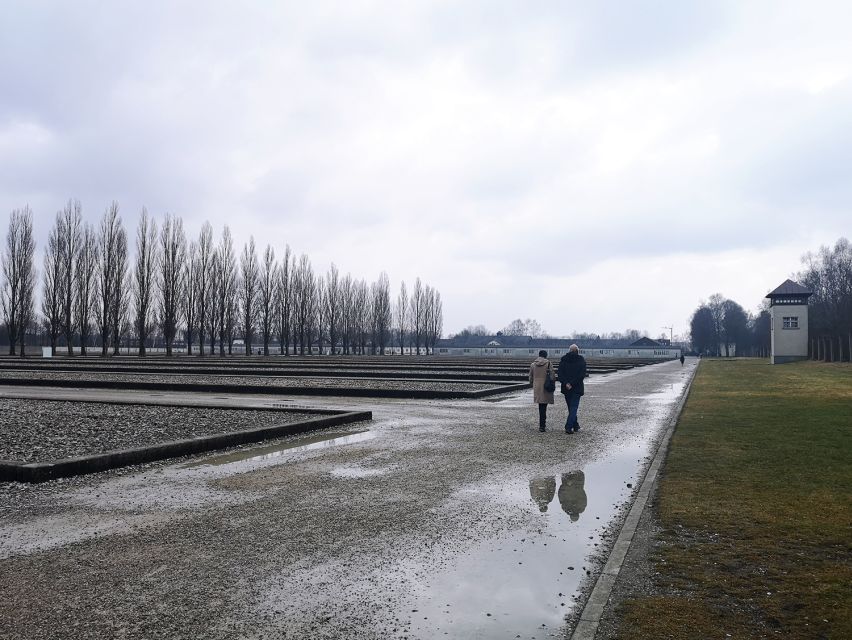
The tour continues through the main historical areas of the memorial site, including roll-call, bunkers, and barracks. These places can be stark, and their importance comes from what they represent rather than from grand architecture or visual spectacle.
The roll-call area helps you understand the controlled, exposed setting in which prisoners were assembled. The barracks give you a direct connection to the daily conditions of camp life, while the bunkers point to the system of confinement and punishment.
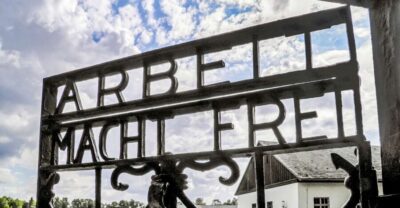
Some structures are original, and others are reconstructions. That distinction is worth noticing. Original buildings carry the marks of time and survival, while reconstructions help visitors picture sections that no longer remain. A responsible guide can explain the difference so you are not left guessing what is authentic and what has been rebuilt for the memorial.
You should not expect a casual stroll. The ground may require steady walking, and comfortable shoes are specifically recommended. Since the tour runs for five hours and includes travel, exhibition time, and several areas of the site, sensible footwear will make a real difference.
Large bags and luggage are not allowed, so pack lightly. Food is also not allowed as part of the stated rules, and food and drinks are not included. Handle your needs before the visit or follow the guide’s instructions about what is permitted.
Something different for another day:
- From Munich: Neuschwanstein & Linderhof Castle Full-Day Trip
★ 4.5 · 12,494 reviews - Neuschwanstein & Linderhof Castle-Fairytale Day Tour from Munich
★ 4.5 · 7,275 reviews - Munich: Third Reich & WWII Walking Tour
★ 4.6 · 6,181 reviews - Neuschwanstein Castle Tour from Munich
★ 4.5 · 5,117 reviews
The bunker and crematorium require a respectful pace
The bunker and crematorium are among the most difficult parts of the route. They are included because they help show the full function and terror of the camp, not because they offer ordinary sightseeing interest.
Your guide provides background and explains the significance of these areas. The experience is described as moving and emotionally touching, and you should take that seriously. Some people may find the visit overwhelming, especially when the historical explanation connects physical spaces with individual victims.
There is no need to force yourself to react in a certain way. A quiet, respectful attitude is enough. The tour is built around memory and reflection, so you will have a better experience if you put away the impulse to treat every stop as a photo opportunity.
Pets are not allowed, and children under 13 cannot participate. The age rule makes sense for the subject matter and helps keep the tone appropriate for the memorial. Families with older teenagers should still decide based on the young person’s maturity and comfort with difficult historical material.
International and religious memorials
The International Memorial is another important part of the visit. It gives the site a shared memorial focus and reminds you that Dachau is not only a collection of surviving buildings. It is also a place shaped by remembrance.
You will also see other religious memorials within the former camp area. These add different forms of mourning and reflection to the visit. Taken together, the memorials help broaden the experience beyond the exhibition and historical structures.
I appreciate that these memorials are included rather than treated as optional extras. A visit focused only on barracks and bunkers could feel incomplete. The memorials help shift the focus from the machinery of the camp toward the people who suffered and the continuing duty to remember them.
The guide’s role is useful here because memorial spaces can be read in many ways. The tour provides context without asking you to arrive with specialist knowledge. The most praised qualities of the guides are clear explanations and patience, both of which matter during a visit where you may need a moment to process what you are seeing.
Five hours is a serious but useful commitment
The five-hour duration is long enough for a proper visit, but it also takes a substantial part of your Munich day. You should not book this between tight sightseeing plans or an evening reservation you cannot miss.
The time includes the train journey from Munich and the guided visit at the memorial site. That arrangement is convenient because you stay with the guide during the trip rather than handling the route independently. It also means the day has a clear beginning and end, which can be helpful when visiting an emotionally heavy place.
The schedule may vary, since starting times depend on availability. Check the departure time carefully before booking and arrive at Karlstor Gate early. Being late could mean missing the group at the central meeting point.
The tour requires at least four participants to operate. If that minimum is not met, the local partner will contact you and offer an alternative. Keep this in mind if your Munich schedule is fixed, although the reserve-now-and-pay-later option can help you keep plans flexible.
Is $40 a fair price?
At $40, this is a reasonable price for a five-hour guided outing, especially if you want a Spanish-speaking official guide and organized train travel from Munich. The transport ticket is extra, so the total cost will be higher than the headline price.
The value is not in admission to a flashy attraction. It is in the time, interpretation, and structure. You are paying for a guide who leads you through the permanent exhibition and key areas of the memorial site, explains the history, and shares information about the victims.
If you are confident with public transport, read Spanish and German comfortably, and prefer to study exhibits at your own pace, an independent visit may cost less. But you would need to organize the train journey, learn the layout, and make sense of the site without the same guided connection between places.
For many Spanish-speaking visitors, the guide is the reason to choose this tour. Clear explanations and a patient manner can change the experience from a solemn but confusing walk into a visit with a strong historical structure.
Who should book this Dachau tour?
I would recommend this tour to Spanish-speaking adults and older teenagers who want serious historical interpretation rather than a quick excursion. It suits people who value an official guide and prefer to travel from Munich as part of an organized group.
It is also a good choice if you are uneasy about visiting Dachau alone. The guide helps you find the major sections, keeps the day moving, and provides historical background at each stage. The central meeting point is easy to reach for anyone already in Munich.
You should think twice if you want a light day out, dislike guided visits, or have no Spanish. This is not a general Munich sightseeing trip with a short stop at Dachau. The entire purpose is to remember the camp and its victims.
Allow emotional space afterward. The information and locations can stay with you, and rushing straight into a busy evening plan may not feel right. That is not a flaw in the tour. It is part of understanding what kind of experience you are booking.
Practical advice for a respectful visit
Wear comfortable shoes and keep your belongings to a minimum. Large bags and luggage are not allowed, and food is not allowed during the activity.
Arrive 10 minutes before the meeting time beneath Karlstor Gate at Karlsplatz. Look for the guide under the arch, not for a bus. This small detail could save you from beginning the day in the wrong place.
Bring an attentive frame of mind. The tour includes the permanent exhibition, roll-call area, bunkers, barracks, crematorium, International Memorial, and religious memorials. You will get more from the visit if you read, listen, and give each stop the attention it deserves.
The tour is offered exclusively in Spanish. Do not book it as a language practice opportunity or assume English support will be available. The minimum age is 13, and at least four participants are required for the tour to operate.
Should you book it?
Book this Dachau tour if you speak Spanish and want a carefully guided, historically serious visit from Munich. The official guide, clear explanations, victim-focused stories, and five-hour format offer strong value for $40, even with the transport ticket added.
Skip it if you do not speak Spanish, need hotel pickup, are traveling with children under 13, or want a short and easy outing. For the right audience, this is a useful and respectful way to visit one of Bavaria’s most important memorial sites.
FAQ
Is the Dachau Memorial Site tour conducted in Spanish?
Yes. The tour has a live Spanish-speaking guide and is exclusively in Spanish. Non-Spanish speakers are not allowed to book it.
How long does the tour last?
The activity lasts five hours, including travel by train from Munich and the guided visit at the Dachau Concentration Camp Memorial Site.
Where is the meeting point in Munich?
Meet beneath Karlstor Gate at Karlsplatz 10 minutes before the activity begins. Look for the guide under the arch, not for a bus.
Is hotel pickup included?
No. Hotel pickup and drop-off are not included. You must reach the meeting point at Karlsplatz yourself.
Is the train ticket included in the price?
No. The transport ticket is not included, so you need to pay for that separately.
What is included in the $40 price?
The price includes the Spanish-speaking official Dachau Concentration Camp Memorial guide. Food, drinks, hotel transfers, and the transport ticket are not included.
What parts of the memorial site will I see?
The visit includes the permanent exhibition, original buildings and reconstructions, roll-call area, bunkers, barracks, crematorium, International Memorial, and other religious memorials.
Can children join the tour?
Children under 13 are not allowed to participate. The tour is suitable only for people aged 13 and older.
Are there any restrictions on luggage or pets?
Yes. Pets, luggage, and large bags are not allowed. Food is also not allowed during the activity.
What happens if too few people book the tour?
The tour requires a minimum of four participants. If that number is not reached, the local partner will contact you and offer an alternative.
Can I cancel the booking?
You can cancel up to 24 hours in advance for a full refund. A reserve-now-and-pay-later option is also available, subject to the booking conditions.
Just added around Munich
- Munich: Private or Group Third Reich and WWII Walking Tour★ 4.9 · 13 reviews
- From Munich: Neuschwanstein Castle and Linderhof Private Tour★ 5.0 · 13 reviews
- Private Transfer from Munich to Salzburg with 2 hours for sightseeing★ 4.5 · 13 reviews
- Munich: Historical Walking Tour on the Rise of Hitler★ 5.0 · 13 reviews
- Private Scenic Transfer from Munich to Prague with 4h of Sightseeing★ 5.0 · 13 reviews
- From Munich: VIP day trip to Salzburg★ 5.0 · 14 reviews
- National Socialism WWII with licensed guide – private tour★ 5.0 · 14 reviews
- Munich: Walking Tour Old Town 3D VR Tour in GERMAN★ 4.3 · 14 reviews
Memorial & Concentration Camp Tours, compared.
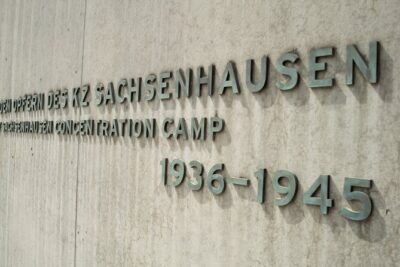
Sachsenhausen Concentration Camp Tour in English
Read our review →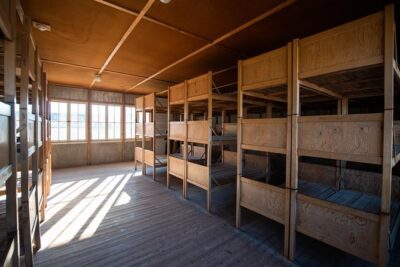
Dachau Concentration Camp Memorial Site Tour from Munich by Train
Read our review →
Sachsenhausen Concentration Camp Memorial Tour
Read our review →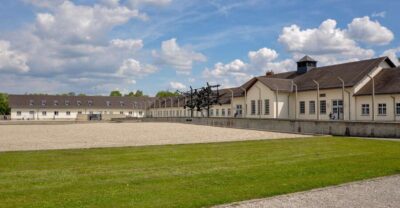
Sachsenhausen Concentration Camp Bus Tour in English from Berlin
Read our review →Sachsenhausen Concentration Camp Tour in English
Read our review →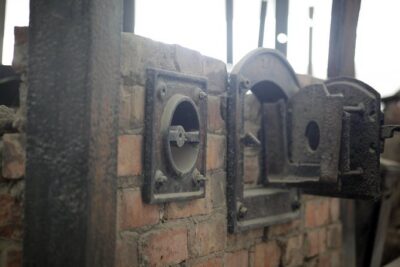
Sachsenhausen Concentration Camp Memorial Tour (Max. 15 Guests)
Read our review →Browse the lists this tour appears in