
Reviewed · MEMORIAL & CONCENTRATION CAMP TOURS
Berlin: Sachsenhausen Concentration Camp Tour in English
History here demands attention. This English-language tour takes you from central Berlin to Sachsenhausen Memorial with a trained guide, making a difficult site easier to understand without reducing it to a checklist. I especially like the expert historical context and the human stories shared along the way. The main drawback is the long, largely outdoor day, with about 5.5 hours of walking, trains, and exposure to the weather.
I also like that the tour handles the camp as a memorial, not as a sightseeing attraction. Guides such as Georgia, Tina, Daniel, Gregor, and Mikhail have been praised for clear explanations, patience, and respectful storytelling. Bring water, food, warm clothes, and good shoes, because there is no dependable food stop and little shelter.
In This Review
- Key points at a glance
- Why Sachsenhausen belongs on your Berlin itinerary
- Meeting near Friedrichstrasse at 10 a.m.
- Oranienburg: the camp’s town setting
- Entering the memorial and former camp
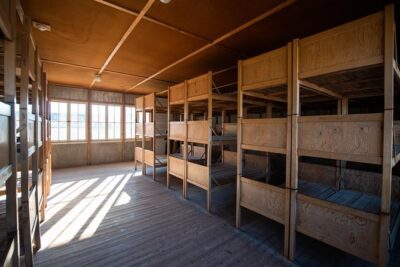
- Barracks, kitchen, and prisoner life
- Punishment cells and torture rooms
- Station Z, gas chamber, and crematorium
- Liberation, death marches, and the memorial today
- What the $36.16 price really covers
- Practical advice for a difficult outdoor day
- Who will get the most from this tour
- Should you book the Sachsenhausen tour?
- FAQ
- Where does the Sachsenhausen tour begin?
- How long does the tour last?
- Is transport from Berlin included?
- What does the memorial visit include?
- Is food provided?
- Is the tour suitable for people with limited mobility?
- Can I cancel for a full refund?
Key points at a glance
- A full half-day from central Berlin: Meet near Friedrichstrasse at 10:00 a.m., then travel by train to Oranienburg and back.
- A guide-led visit matters here: The camp’s buildings and empty spaces need historical context, especially at Station Z, the infirmaries, and the punishment cells.
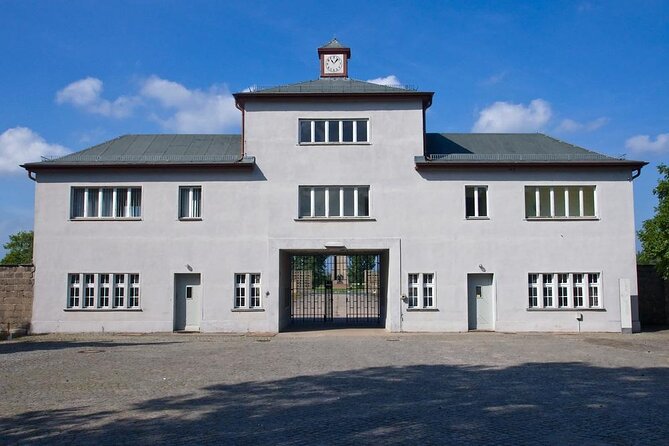
- You see the core memorial areas: The route includes barracks, camp kitchen, prison cells, torture cells, gas chamber and crematorium remains, burial pits, and Tower A.
- Budget for an extra transport ticket: The tour costs $36.16 per person, but you also need an ABC train ticket costing about €9 to €10.
- Expect roughly 10,000 steps: The site is spread out, and much of the visit takes place outside.
- Guide quality is the strongest feature: Praise centers on guides who answer questions, repeat meeting instructions, help with trains, and explain the wider history of Nazi Germany.
Why Sachsenhausen belongs on your Berlin itinerary
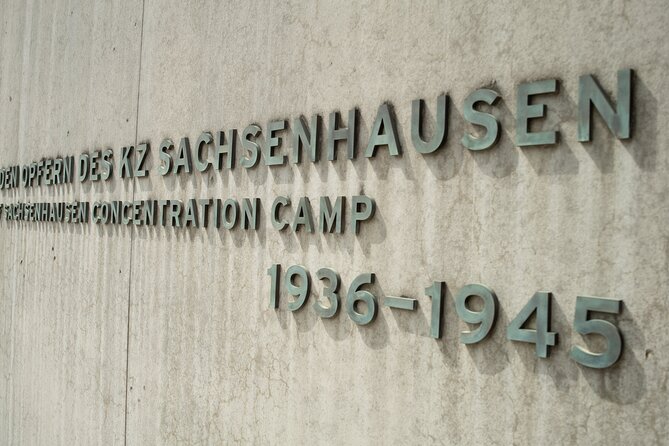
Sachsenhausen was built in 1936 near Oranienburg, north of Berlin. More than 200,000 people were imprisoned there between 1936 and 1945. At first, the camp mainly held political opponents of the Nazi regime. Later, the SS imprisoned people classified by the National Socialists as racially or biologically inferior, along with many people from occupied European countries.
That background matters because Sachsenhausen was not an isolated prison with one simple purpose. It formed part of the Nazi camp system and reflected the regime’s political persecution, racist ideology, forced labor, punishment, and mass murder. Your guide helps connect those pieces, which is hard to do by walking around alone.
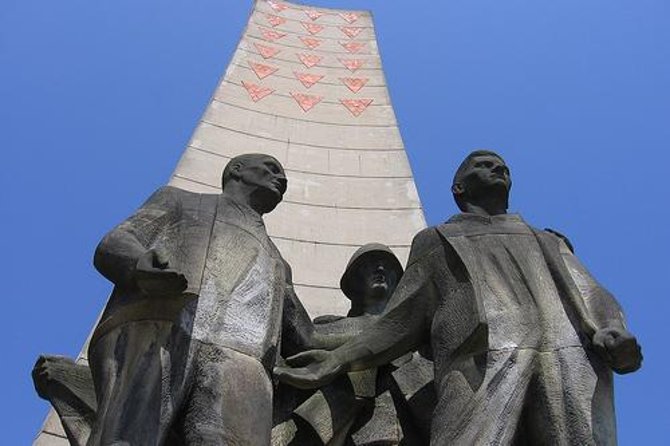
The camp is now a national memorial to the people imprisoned and killed there. You will not find a polished museum experience designed to entertain you. Instead, you encounter preserved structures, rebuilt or marked locations, open ground, stark memorial spaces, and information that asks you to slow down and think.
I find the guided format particularly useful at a site like this. An empty barracks wall or a marked burial pit cannot explain itself. A good guide adds names, dates, prisoner testimony, and the wider political setting. The best guides on this tour, including Georgia, Tina, Gregor, and Daniel, have been praised for doing that with care.
More memorial visits:
- Berlin: Sachsenhausen Concentration Camp Memorial Tour
★ 4.7 · 3,716 reviews - Sachsenhausen Concentration Camp Bus Tour in English from Berlin
★ 5.0 · 1,962 reviews - Berlin: Sachsenhausen Concentration Camp Tour in English
★ 4.8 · 1,889 reviews
Meeting near Friedrichstrasse at 10 a.m.
The day begins at Reichstagufer 17, near S and U Friedrichstrasse station. Arrive 15 minutes early. This is not the place to arrive at 10:00 and hope you can spot the group while buying a ticket.
Your guide meets the group, gives initial instructions, and leads you onto the train toward Oranienburg. The public transport journey is part of the experience rather than a minor transfer. Guides often use the ride to explain Berlin, the Nazi period, and the day ahead. They also help with the ABC transport ticket, which is useful if Berlin’s fare zones are unfamiliar.
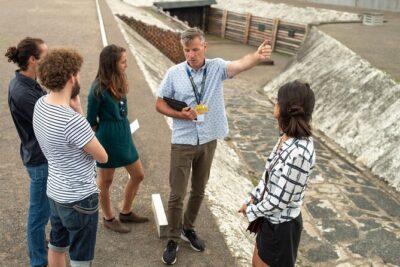
The advertised group limit is 29 people. That is small enough for a personal guide, but you should still expect a group outing rather than a private tour. Hearing can become harder when everyone gathers around a guide outdoors, especially in wind or rain. Stay close, and ask the guide to repeat anything you miss.
The extra train fare is important when working out the real cost. The tour price is $36.16 per person, but an ABC ticket for the return trip costs approximately €9 to €10. There is no hotel pickup, so you must reach the central meeting point yourself.
Oranienburg: the camp’s town setting
The train takes you to Oranienburg, the town where Sachsenhausen was built. The group spends about 15 minutes walking through the town before reaching the memorial.
This short section gives the visit useful local context. You hear about the connection between the camp and the surrounding community, including how local people and workplaces were tied to the prison system. You also see places connected with where inmates worked.
Do not expect a full town tour. Fifteen minutes is enough to establish the setting, not enough to explore Oranienburg in detail. Its value is in showing that the camp was not cut off from ordinary German life. It existed close to homes, streets, businesses, and public transport.
That can be an uncomfortable lesson, but it is an important one. The town walk helps you understand the camp as part of a functioning society, not as a remote site hidden from everyone.
Entering the memorial and former camp
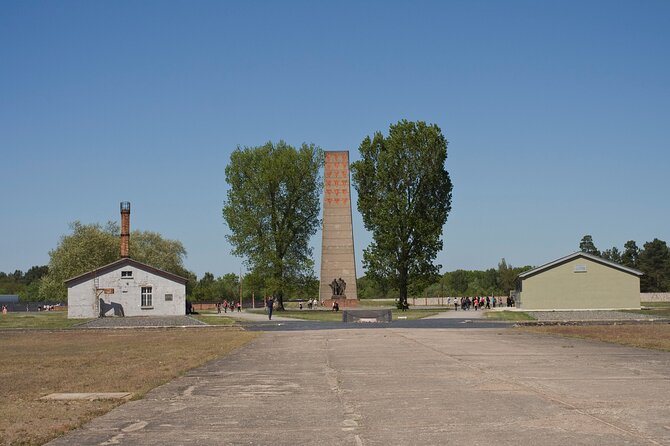
From Oranienburg, the group walks to Sachsenhausen Memorial and Museum. The main camp area takes about two and a half hours, though the full outing lasts around five and a half hours because of train travel, the town walk, and movement around the grounds.
Sachsenhausen was the first concentration camp built specifically for that purpose rather than adapted from existing structures. Its layout was intended to support control and surveillance. Tower A, the main guard tower, gives you a clear reference point as you learn how the camp was organized.
The scale of the grounds is one reason you need comfortable shoes. The route includes indoor and outdoor sections, and the surface underfoot may vary. A review of the experience estimated around 10,000 steps for the day, which is a helpful guide for anyone who is not used to long walking tours.
The site can also feel physically demanding in cold weather. One guide received particular praise for walking slowly and allowing the group to keep up. That matters because the subject is heavy enough without rushing from one location to the next.
Something different for another day:
- Berlin: Reichstag, Dome and Government District Guided Tour
★ 4.7 · 18,288 reviews - Berlin: 1-Hour City Tour by Boat with Guaranteed Seating
★ 4.3 · 16,993 reviews - Berlin: Boat Tour Along the River Spree
★ 4.4 · 11,252 reviews - Discover Berlin Half-Day Walking Tour
★ 5.0 · 9,624 reviews
Barracks, kitchen, and prisoner life
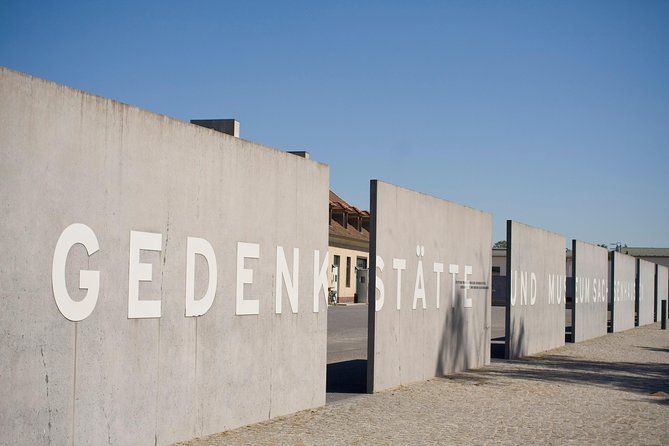
The former barracks help explain the daily reality of imprisonment. Your guide discusses overcrowding, hunger, disease, forced labor, and mistreatment, connecting the physical spaces to the lives of the people held there.
The camp kitchen is another important stop. It may seem less dramatic than the execution areas, but it helps show how basic systems such as food, work, punishment, and illness shaped daily survival. The tour does not focus only on the machinery of murder. It also looks at the slow violence of starvation, disease, exhaustion, and abuse.
This is where personal stories make a difference. Guides are praised for including survivor testimony, stories of prisoner bravery, and accounts of individuals rather than speaking only in statistics. Mikhail, for example, was praised for combining historical facts with survivor accounts and personal anecdotes.
The guide’s tone matters here. You need someone who can explain the horrors plainly without turning them into spectacle. The strongest feedback points to guides who remain compassionate, patient, and morally clear while still giving you enough historical detail to understand what happened.
Punishment cells and torture rooms
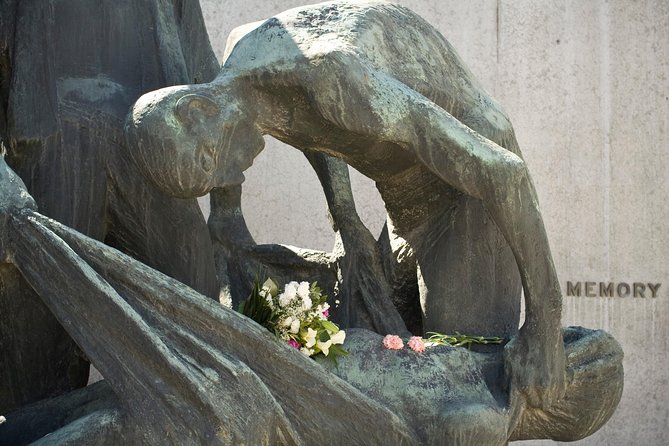
The punishment cells are among the most difficult parts of the visit. These spaces show how the camp system used deliberate punishment and terror to control prisoners.
Your guide explains the role of the prison, punishment cells, and torture areas within the wider camp structure. This is not simply a matter of looking inside a room. The meaning comes from learning how prisoners could be isolated, abused, and broken down by a system designed to remove dignity and choice.
The information can be emotionally intense. You should approach the tour with the understanding that some details may be disturbing. This is an educational memorial visit, not a casual afternoon attraction, and it deserves quiet attention.
Guides are encouraged to answer questions, and several have been praised for giving people time to ask them. If you want to understand a particular term, prisoner group, or part of the camp administration, ask. You do not need to arrive as an expert.
Station Z, gas chamber, and crematorium
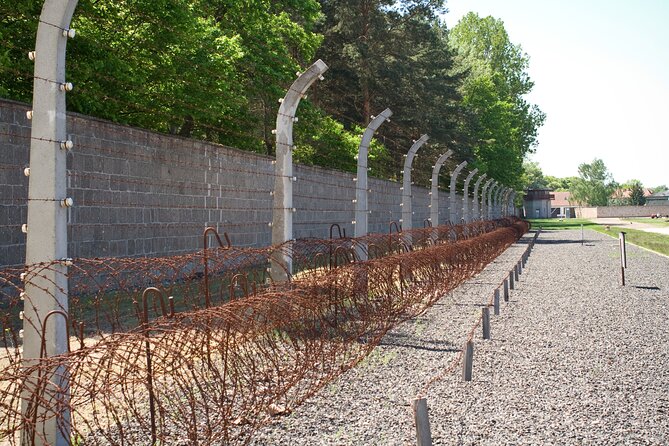
Station Z was the area where mass executions took place. The memorial also includes the remains or marked locations of the gas chamber and crematorium, along with burial pits.
These are the places many people expect to be most upsetting, but the emotional impact often comes from the contrast between the ordinary appearance of the grounds and what occurred there. The guide provides the essential facts and explains how these sites fit into the SS system of organized killing.
The tour also visits the pathology center and infirmaries. These areas broaden your understanding of the camp’s treatment of prisoners. They show that imprisonment involved not only guards and barracks, but also medical abuse, disease, neglect, and the use of human beings in ways that denied their basic rights.
Your guide should give you room to process what you are seeing. Feedback about Gregor and Tina highlights a balanced, compassionate approach, while Ariel was praised for patience and attention to questions. Those qualities are more useful here than theatrical presentation.
Liberation, death marches, and the memorial today
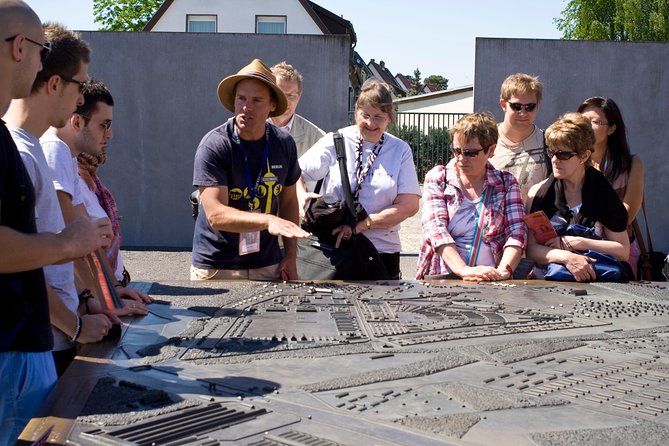
By the end of the war, tens of thousands of people had died at Sachsenhausen from starvation, disease, forced labor, mistreatment, and systematic extermination. When the camp was evacuated in April 1945, thousands more died during the death marches.
Around 3,000 sick prisoners, along with doctors and nurses who stayed behind, were freed by Soviet and Polish soldiers. Learning about liberation in this setting is not a simple happy ending. It comes after years of suffering and after the forced removal of many prisoners from the camp.
The memorial asks you to remember both the scale of the crime and the lives of the people involved. Stories of courage and survival sit beside evidence of cruelty. That balance is one of the tour’s strengths. You are not shown only what the perpetrators did. You also hear about prisoners who resisted, endured, cared for one another, or later gave testimony.
At the end, you return by train to Berlin. The ride back gives you a quiet period to think, though it is also a welcome chance to sit after a long day on foot.
What the $36.16 price really covers
At $36.16 per person, the tour is reasonably priced for an English-language guided outing lasting about five and a half hours. The fee includes a licensed guide trained by the memorial authority, entry to the memorial, and the guided visit itself.
You should add roughly €9 to €10 for the required ABC train ticket. Food and drinks are not included, and there is no hotel transportation. Once those costs are added, the total is still fair for a half-day trip with transport guidance and a specialist guide, but it is not a $36 all-in experience.
The operator also donates €3 per person to the Sachsenhausen Memorial. That does not change the practical cost, but it is a useful part of the value equation. Your money supports a visit led by someone trained for this particular memorial rather than a general city guide making an occasional trip north.
The strongest value comes from interpretation. You can reach Sachsenhausen by public transport and walk around independently, but the guide helps you understand the camp’s structure, its place in Nazi Germany, and the experiences of prisoners. At a site this complex, that added explanation is worth paying for.
Practical advice for a difficult outdoor day
Pack food and water. Several hours pass without a reliable chance to buy lunch, and the tour can run from the morning meeting time into the afternoon. A small packed meal is more useful than expecting a café near the memorial.
Dress for the weather, not for central Berlin. The memorial grounds offer limited shelter, and rain or cold can make the day much harder. Bring an umbrella, wear warm layers in winter, and choose shoes with good support.
You need moderate physical fitness. The tour is not recommended for people with limited mobility or walking impairments, and the route involves trains, walking through Oranienburg, and extended movement around the former camp.
Service animals are allowed, and the site is near public transport. Confirmation is provided at booking, and the activity is offered in English. The experience depends on good weather, so poor conditions can lead to a different date or a full refund.
Who will get the most from this tour
I would choose this tour if you want historical explanation rather than a quick look at memorial buildings. It suits adults and older teenagers with a serious interest in World War II, Nazi Germany, political persecution, and the history of the Holocaust.
It is also a good choice if you are unsure about Berlin’s ABC train system. Guides such as Georgia and Will have helped people sort out tickets and find the correct train, while Daniel has helped participants work out how to return to their hotels after the tour.
I would not choose it for a relaxed day out, a short activity between museum visits, or anyone who finds long outdoor walks difficult. The subject is upsetting, and the weather can be harsh. Even people who enjoy history should leave space in their schedule afterward rather than planning a packed evening.
The guide makes a real difference. Specific guides praised for clear and respectful work include Georgia, Tina, Daniel, Gregor, Mikhail, Will, Emma, Hannah, Scott, and Ariel. You cannot guarantee a particular guide, but the repeated praise for the guiding team is a strong sign that the company takes the subject seriously.
Should you book the Sachsenhausen tour?
Book it if you want a serious, carefully explained memorial visit and are willing to give it most of a day. The combination of an English-speaking guide, included memorial entry, train assistance, and a €3 donation gives the tour solid value, especially for a first visit to Sachsenhausen.
Skip it if you want something light, dislike group transport, or cannot manage several hours of walking outdoors. For everyone else, this is one of Berlin’s most important historical excursions. Go prepared with food, water, warm clothing, and the right frame of mind. The experience will not be easy, but it can leave you with a clearer understanding of what happened and why remembering it still matters.
FAQ
Where does the Sachsenhausen tour begin?
The meeting point is Reichstagufer 17, near S and U Friedrichstrasse station in Berlin. The tour starts at 10:00 a.m., and you should arrive 15 minutes early.
How long does the tour last?
The experience lasts approximately 5 hours and 30 minutes. This includes the train journey from Berlin to Oranienburg, the walk through Oranienburg, the memorial visit, and the return train trip.
Is transport from Berlin included?
The guide leads you by train from the Friedrichstrasse area to Oranienburg and back, but you must buy an ABC transport ticket separately. The ticket costs approximately €9 to €10 per person.
What does the memorial visit include?
The route includes former barracks, punishment and torture cells, the camp kitchen, Station Z, the gas chamber and crematorium area, infirmaries, the pathology center, burial pits, and Tower A.
Is food provided?
No. Food and drinks are not included, and there may be no real opportunity to buy food during the tour. Bring your own food and water.
Is the tour suitable for people with limited mobility?
The tour requires moderate physical fitness and is not recommended for people with limited mobility or walking impairments. Good walking shoes are recommended.
Can I cancel for a full refund?
You can cancel up to 24 hours before the start time for a full refund. Changes or cancellations made less than 24 hours in advance are not accepted for a refund. If poor weather causes the tour to be canceled, you will be offered another date or a full refund.
Just added around Berlin
- Berlin: Private Guided Tour of the Main Sights★ 5.0 · 13 reviews
- Private Highlights of Berlin Bike Tour★ 5.0 · 13 reviews
- Modern Berlin Private Walking Tour: Diverse, Vibrant and Exciting German Capital★ 5.0 · 13 reviews
- Tour in Berlin from Warnemünde and Rostock Cruise Port★ 4.1 · 13 reviews
- Berlin: Stasi Museum Private Guided Tour with Entry Ticket★ 4.8 · 13 reviews
- Private Food Tour Experience with a born and bred Berliner★ 5.0 · 14 reviews
- Berlin: Rheinsberg Palace Entrance Ticket★ 4.8 · 14 reviews
- Berlin in one day – day tour with an expert guide★ 5.0 · 14 reviews
Memorial & Concentration Camp Tours, compared.
Dachau Concentration Camp Memorial Site Tour from Munich by Train
Read our review →
Sachsenhausen Concentration Camp Memorial Tour
Read our review →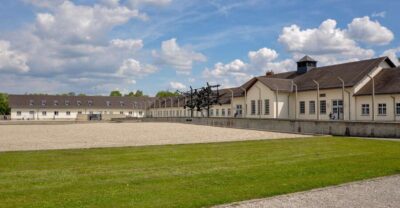
Sachsenhausen Concentration Camp Bus Tour in English from Berlin
Read our review →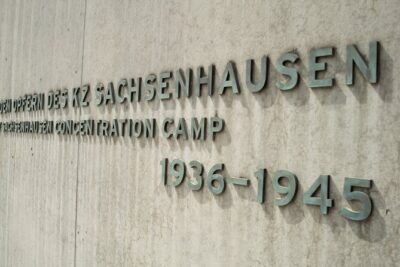
Sachsenhausen Concentration Camp Tour in English
Read our review →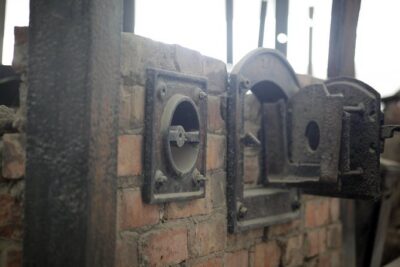
Sachsenhausen Concentration Camp Memorial Tour (Max. 15 Guests)
Read our review →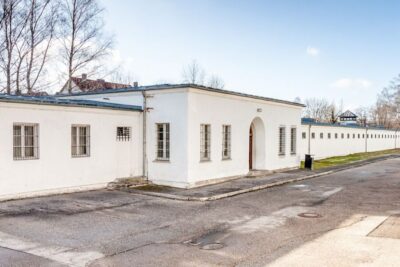
Browse the lists this tour appears in