
Reviewed · MEMORIAL & CONCENTRATION CAMP TOURS
From Munich: Dachau Memorial Site Full-Day Tour
History demands attention here. This six-hour trip from Munich visits Dachau Memorial Site with a Memorial-qualified guide, making a difficult place easier to understand without softening its meaning. I like the clear public-transport plan and the way guides such as Sam, Adam, Marcin, and Hein have been praised for explaining the site with care. The main drawback is the long, uninterrupted visit: you spend about four hours at the memorial, with no food allowed during the tour.
I also like that the guide handles the trains and bus, keeps the group together, and gives you room to think at important points. At $51 per person, the price is fair for the transport, live English guide, and nearly four hours of guided interpretation. Still, this is not a casual sightseeing outing. Children under 14 cannot join, and the content is graphic and emotionally heavy.
In This Review
- Key points to know before booking
- Why Dachau belongs on a Munich itinerary
- Meeting at Marienplatz and getting organized
- The journey from Munich to Dachau
- Entering through the Jourhaus and Arbeit Macht Frei
- Appellplatz and the system of control
- The Bunker and the punishment system
- Barracks, Barrack X, and daily life inside the camp
- What the Memorial-qualified guide adds
- The emotional weight of the visit
- Is $51 a fair price?
- Who should book this Dachau tour?
- Should you book it?
- FAQ
- How long does the Dachau tour take?
- Where does the tour begin?
- How do you travel from Munich to Dachau?
- Is transportation included in the price?
- Can children join the tour?
- Can I eat during the Dachau visit?
- Is the tour accessible for wheelchair users?
Key points to know before booking
- The tour begins at Marienplatz: Meet in front of Ludwig Beck at Marienplatz 11, near the white and blue umbrella.
- Public transport is included: Expect about 40 minutes by subway, 10 minutes by bus, and the same journey back.
- The memorial visit takes nearly four hours: There is a short break on arrival, followed by a detailed guided walk.
- The guide makes the difference: Sam, Adam, Marcin, Hein, Keith, and Scott have all been praised for clear explanations, good pacing, and respectful delivery.
- Food is not allowed during the tour: Eat before leaving Munich or carry snacks for the train.
- This suits adults and older teenagers: Children 14 and over may attend with parents who understand the difficult subject matter.
Why Dachau belongs on a Munich itinerary
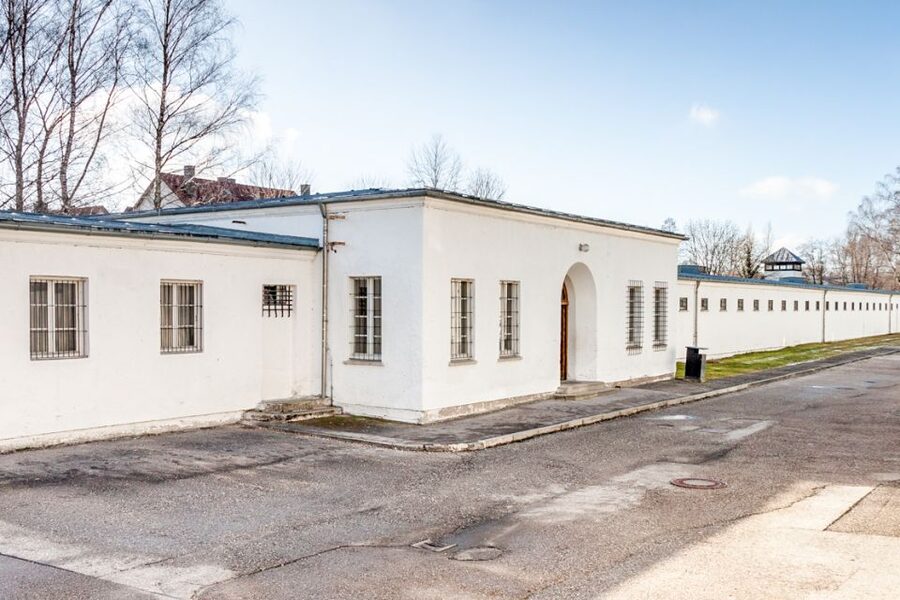
Dachau was the first permanent concentration camp built by Nazi Germany. It opened in 1933 and operated throughout the full 12 years of the Nazi regime, from 1933 to 1945.
That timeline matters. Dachau was not a short-lived wartime site. It developed over years and became a model for the wider concentration camp system. The memorial helps you understand both the physical camp and the machinery around it: registration, punishment, forced labor, terror, and death.
I would not add Dachau to a Munich schedule simply to collect another famous sight. You come here to confront a central part of modern German and European history. The experience is educational, but it is also solemn. A good guide helps you follow the evidence and keeps the visit focused on the people imprisoned there.
The tour is especially useful if you want context rather than a quick walk around the grounds. The guide explains why the camp opened, who the first prisoners were, how the site changed through three major phases, and how daily routines were used to control and break people.
More memorial visits:
- Dachau Concentration Camp Memorial Site Tour from Munich by Train
★ 4.5 · 5,637 reviews - From Munich: Dachau Memorial Site Day Tour
★ 4.8 · 2,723 reviews - From Munich: Dachau Memorial Site Half-Day Trip
★ 4.7 · 2,526 reviews
Meeting at Marienplatz and getting organized
The morning begins in central Munich at Marienplatz 11, in front of the Ludwig Beck department store. Look for the white and blue umbrella and signs for the Dachau tour.
This is a practical meeting point. Marienplatz is easy to reach, but it can be crowded, so I would arrive early rather than search for the group at the last minute. If you are delayed or cannot find the guide, use the emergency phone number supplied with your booking.
The guide normally explains the route before the group leaves. That early briefing is useful because the journey involves both a subway ride and a bus. Guides have been praised for making the transport simple, checking that everyone stays together, and explaining what happens next.
The group size is described in the feedback as small, with up to 14 people. That is a good size for a serious site. You can usually hear the guide more easily than in a large coach group, and questions are less likely to disappear into the crowd.
The journey from Munich to Dachau
The outward journey takes roughly 50 minutes: about 40 minutes by subway and 10 minutes by bus. The return follows a similar pattern, with about 10 minutes by bus and 40 minutes by train.
You are not paying for a private vehicle, but that is not necessarily a disadvantage. Public transportation gives the trip a straightforward local feel, and the transport fees are included in the $51 price. Your guide takes care of the route, which removes the stress of figuring out connections on your own.
The main issue is crowding. One piece of feedback specifically pointed to packed public transport in both directions. That can make the ride less comfortable, especially during busy periods. It is worth keeping your belongings close and staying alert when the group changes from subway to bus.
Use the train ride for breakfast if you need it. Food cannot be eaten during the guided visit at Dachau, so you should have a proper meal before meeting the group or bring something for the ride. Water is also sensible, along with weather-appropriate clothing.
Entering through the Jourhaus and Arbeit Macht Frei
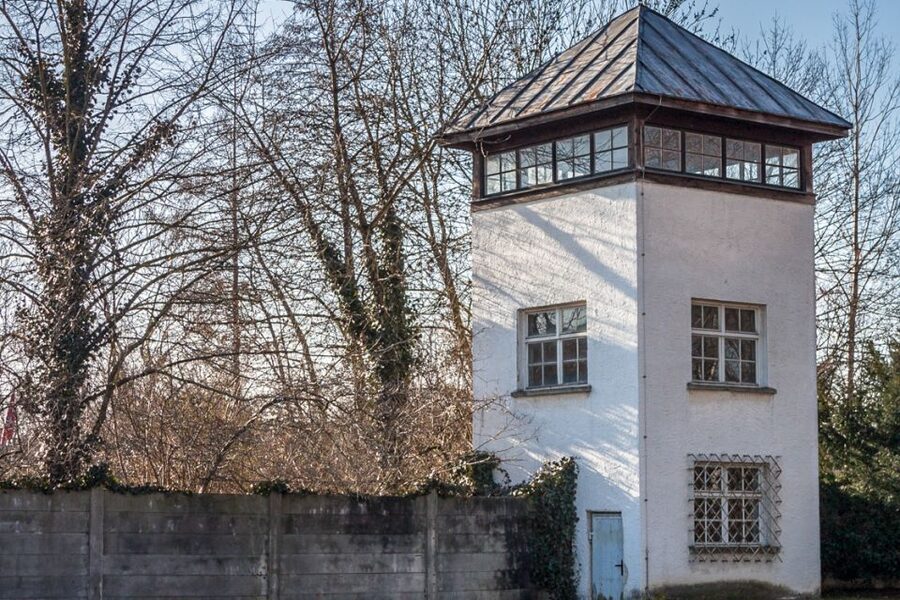
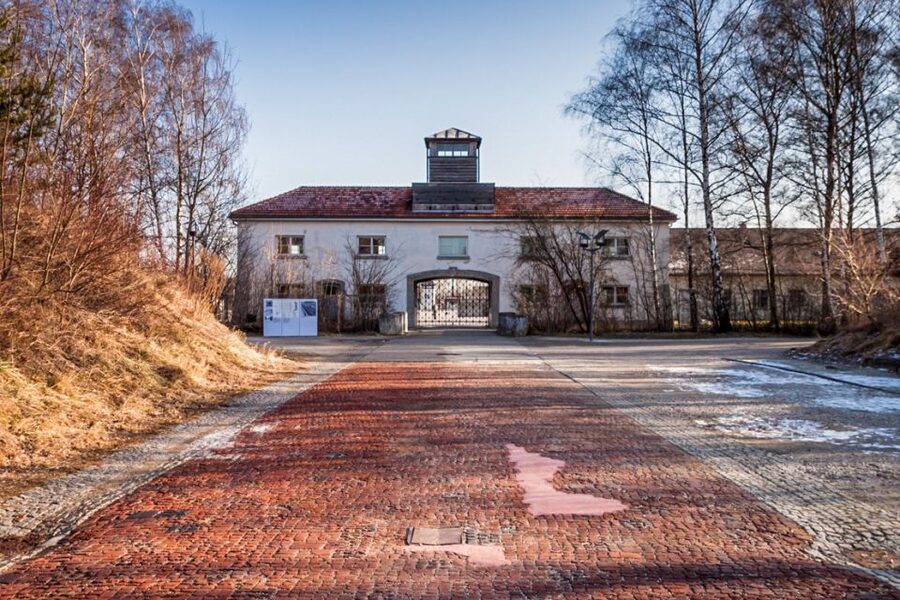
The memorial visit begins at the camp entrance, the Jourhaus. This entrance building and gateway are closely tied to the prisoners’ first experience of Dachau.
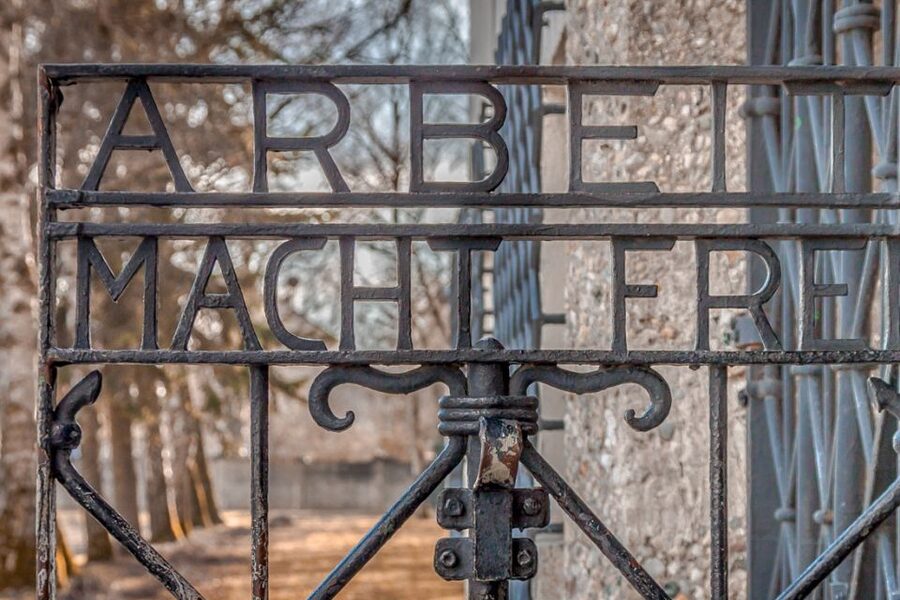
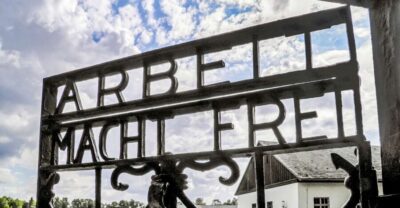
You pass through the gate bearing the infamous words Arbeit Macht Frei. The phrase is one of the most recognized symbols of the concentration camp system, but the guide places it within the larger history of the site rather than treating it as a photo opportunity.
That tone matters. Dachau is a memorial, not a theme park. The most suitable approach is quiet attention. Photography may be restricted in certain contexts, and video recording is not permitted on this tour. You should also avoid smoking, alcohol, and drugs at the site.
From the Jourhaus, the guide explains how prisoners entered the system and what registration meant. The tour then follows the route through the camp, linking the buildings and open spaces to the daily experience of imprisonment.
A few more tours and experiences worth a look
- From Munich: Neuschwanstein & Linderhof Castle Full-Day Trip
★ 4.5 · 12,494 reviews - From Munich: Neuschwanstein Castle Full-Day Trip
★ 4.7 · 3,977 reviews - From Munich: Neuschwanstein Castle Full-Day Trip by Van
★ 4.8 · 1,177 reviews - Full-Day Dachau Concentration Camp Memorial Site Tour from Munich
★ 5.0 · 897 reviews
Appellplatz and the system of control
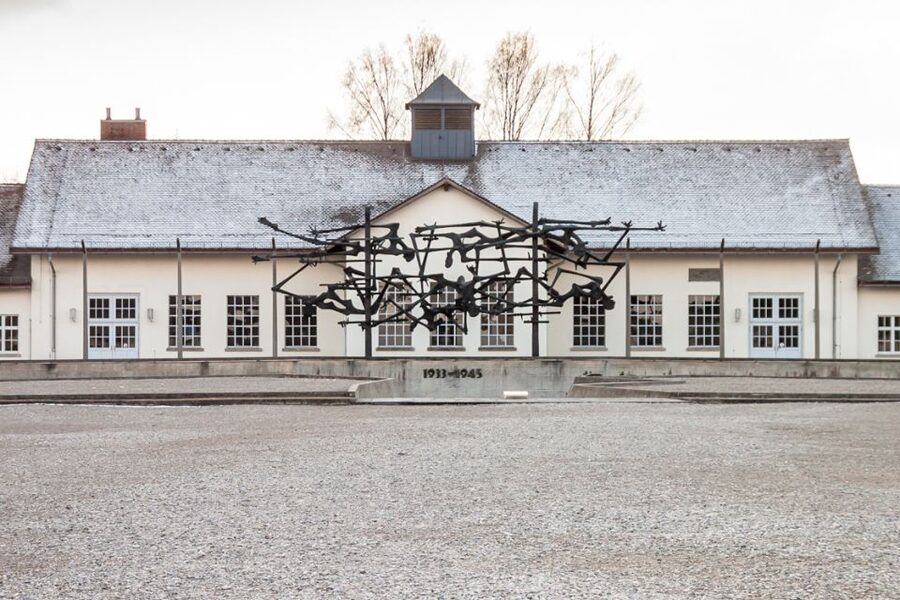
Appellplatz, the roll-call area, is one of the key places on the guided route. Here, the guide explains how the camp’s daily operation depended on order, counting, discipline, and public punishment.
The value of having a guide becomes clear in a space like this. On your own, you see a large open area. With the history explained, you begin to understand how a seemingly simple space could be used as an instrument of fear.
The tour also covers the camp’s three phases and its expansion over time. That development shows how Dachau changed from an early concentration camp into a larger and more organized system of imprisonment.
The subject matter is harsh. Guides have been praised for using survivor stories and personal accounts to bring human scale to the history. Adam, in particular, has been described as sharing stories learned from people connected to the camp and from survivors who returned. Those stories help prevent the visit from becoming only a list of dates and buildings.
The Bunker and the punishment system
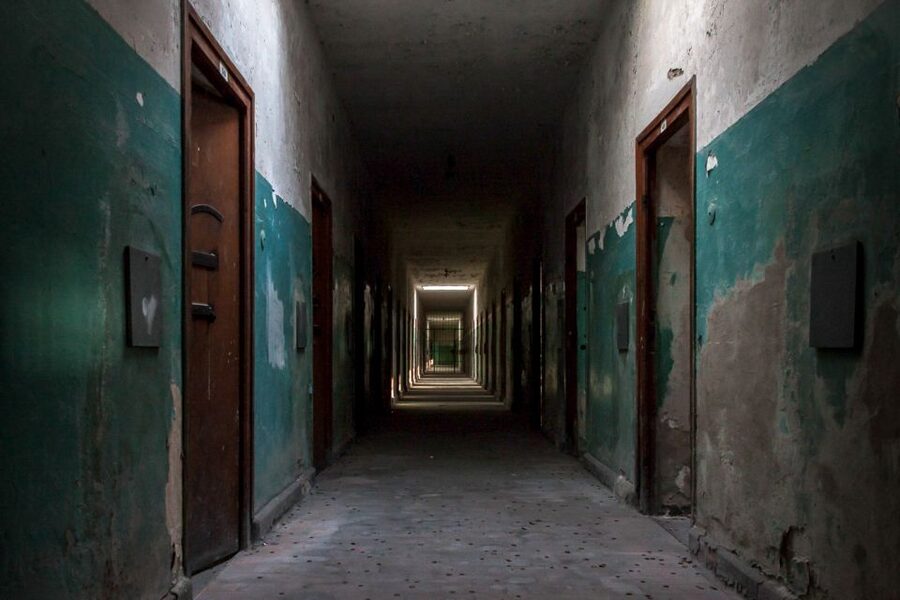
The Bunker was the camp prison and punishment area. It is one of the places where the guide discusses the treatment of prisoners, including torture and disciplinary measures.
This section can be difficult. The guide explains how new arrivals were processed and how the camp’s rules operated in practice. You hear about punishment not as an isolated act, but as part of a wider system designed to intimidate prisoners and extend fear beyond the immediate victims.
A strong guide needs to be factual and restrained here. The most praised guides, including Sam, Marcin, Keith, and Adam, have been described as respectful, clear, and sensitive while discussing the brutalities of Dachau.
You may find that the hardest part is not a single display, but the steady accumulation of details. The tour moves through the site in a way that connects registration, daily routines, punishment, and death. That structure gives you a clearer understanding of how the camp functioned.
Barracks, Barrack X, and daily life inside the camp
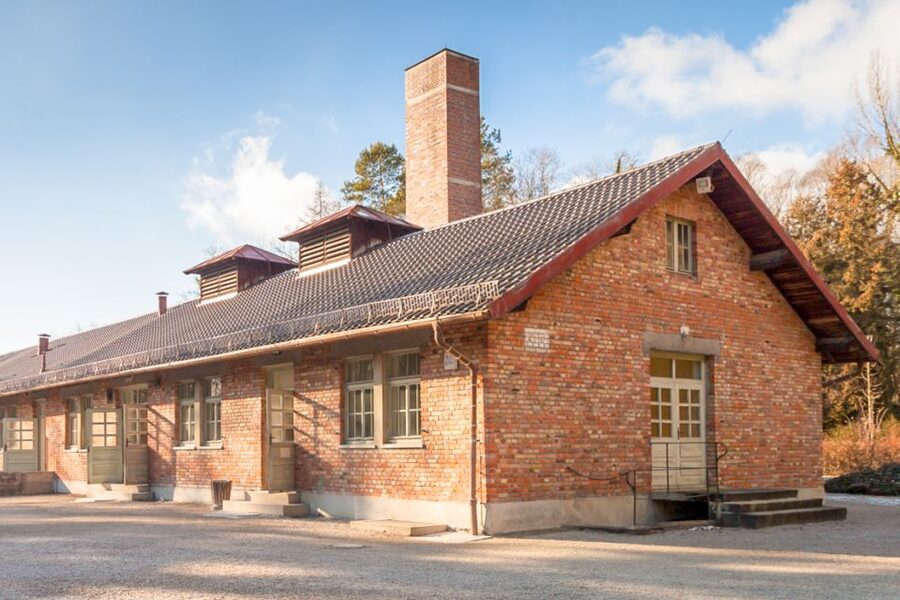
The barracks show the physical conditions of camp life. The guide discusses what happened after prisoners passed through registration, including overcrowding, forced routines, and the treatment of people held at Dachau.
Barrack X is another important stop. The guide explains its role within the camp and places it in the wider story of the site. You should expect the tour to move at a steady pace, with long periods of listening and walking between buildings.
One useful detail from the experience is the advice to read the written material rather than simply look at photographs. The guide effectively becomes the interpreter for the displays, helping you understand why each item matters and how it fits into the history.
There are no regular food breaks during the camp visit. One guide was praised for arranging practical pauses for toilets and keeping an eye on the group’s comfort, but you should not expect a café stop in the middle of the tour. Eat before you arrive, and use the facilities during the available break.
What the Memorial-qualified guide adds
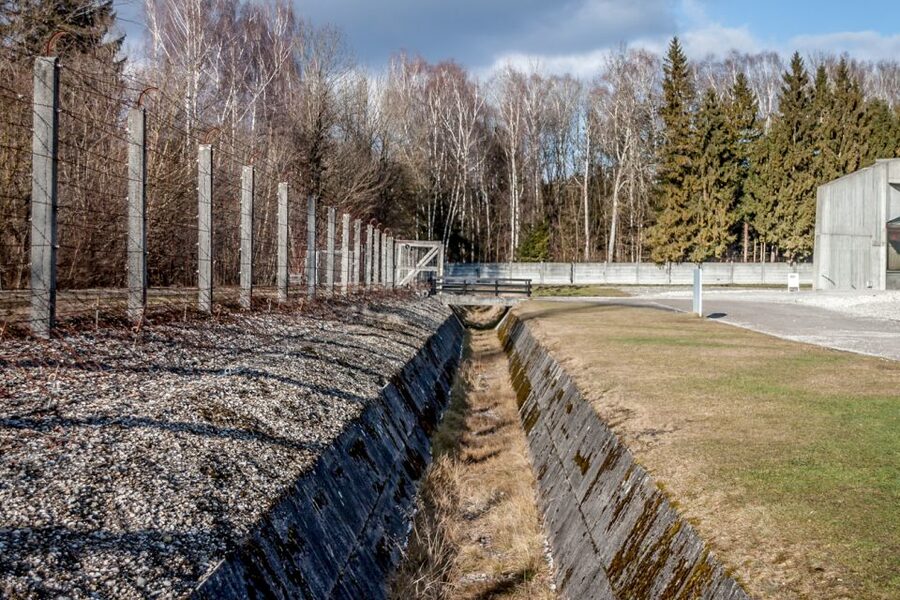
Dachau can be visited without a tour, but the guide adds structure and context that you may struggle to create alone in four hours.
The strongest part of this experience is the human explanation. Sam has been praised for his friendly manner, careful pacing, and sensitivity. Adam is frequently described as a walking history book who also explains the Munich transport system well. Marcin is noted for clear instructions, warmth, and a strong grasp of the subject. Hein has been praised for organization and helpful explanations, while Keith and Scott have also received strong comments for their delivery.
The assigned guide can vary, so you should not book on the assumption that you will receive one particular person. Still, the repeated praise for several guides suggests that the operator has a solid team.
I especially value the balance between explanation and quiet. The guide leads you through the route and gives information at important points, but the best parts of a memorial visit also require time to look, read, and think. A useful guide does not fill every second with talk.
The group is kept together, instructions are repeated clearly, and questions are welcomed. Several guides have also helped with general Munich questions, which is a pleasant extra, though the main purpose of the day is Dachau.
The emotional weight of the visit
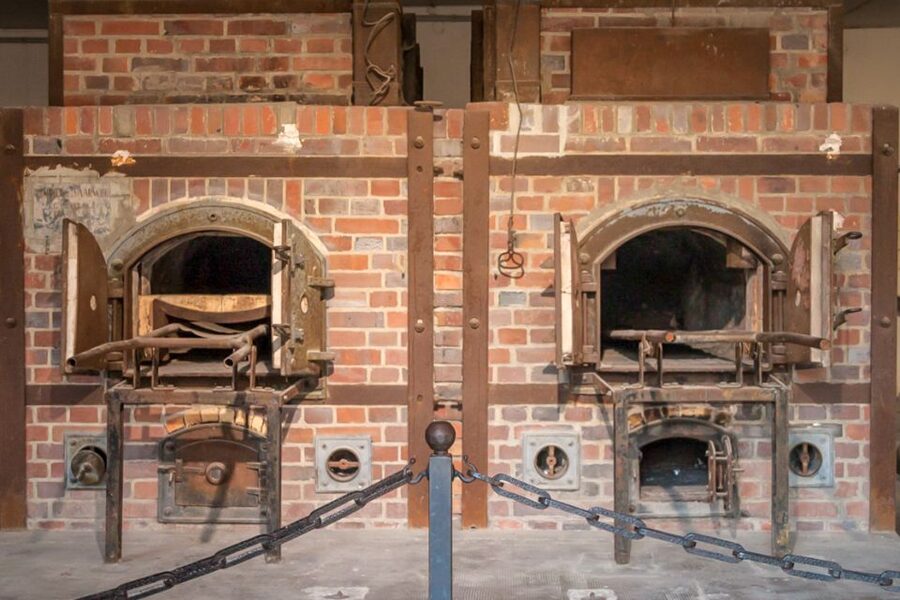
You should prepare yourself for a sobering day. The tour deals directly with imprisonment, torture, forced labor, and death. The content may be graphic, and the memorial itself is designed to make you think about the people who passed through the gates from 1933 to 1945.
That does not mean the guide uses shock for its own sake. The most effective commentary is described as educational, moving, and respectful. The purpose is to understand what happened and why memorial sites remain important.
I would not schedule a demanding evening immediately afterward. The tour ends back at the Marienplatz meeting point in the late afternoon, but you may want quiet time after returning. The experience can be emotionally tiring even if you have studied the subject before.
Children under 14 are not permitted. Teenagers aged 14 and over may attend with parents who understand the graphic nature of the material, and proof of age may be requested. This age rule is tied to the memorial site’s guidance about unsuitable themes and exhibits.
Is $51 a fair price?
At $51 per person, I consider this good value if you want a guided visit rather than a do-it-yourself trip.
The price includes the train fee, bus fee, and live English guide. You are also paying for route planning, group management, and nearly four hours of interpretation at a site where context matters greatly.
A self-guided visit could cost less, but you would need to arrange the transport, learn the route, plan the timing, and work through the memorial’s material on your own. That may suit someone who prefers complete independence and has already studied Dachau in detail.
For most first-time visitors, the guide is the main reason to pay the extra amount. The repeated praise for clear explanations, survivor stories, respectful language, and good pacing supports that value.
The price does not include hotel pickup or drop-off. You must reach Marienplatz yourself, and the tour uses public transportation rather than a private coach. If you want door-to-door convenience, this is not that type of excursion.
Who should book this Dachau tour?
I recommend it for adults who want a serious, well-organized introduction to Dachau and the Nazi camp system. It also suits older teenagers aged 14 and above when their parents have prepared them for the subject.
It is particularly useful if:
- You are staying in Munich and want the transport handled.
- You prefer an English-speaking guide to explain the memorial.
- You want a structured visit lasting nearly four hours.
- You want to hear personal stories alongside historical facts.
- You are comfortable walking and standing for much of the day.
- You understand that this is a memorial visit, not ordinary sightseeing.
I would hesitate if you have mobility limitations, use a wheelchair, or have respiratory issues, since the experience is specifically not suitable for those conditions. I would also avoid booking it if you want a relaxed day trip with frequent breaks, shopping, or casual photo stops.
Wear comfortable shoes. Bring water, snacks for the train, and clothing suited to the weather. Do not plan to eat during the memorial tour, and do not bring the expectation of video recording.
Free cancellation is available up to 24 hours before departure for a full refund, and you can reserve now and pay later. Those terms help if your Munich plans are still shifting, but the bigger decision is whether you are ready for the subject matter.
Should you book it?
Book this tour if you want Dachau explained carefully and you prefer not to manage the public transport and memorial route alone. The $51 cost is reasonable for the included fares and live guide, especially when you consider the amount of history covered.
Skip it if you are looking for light sightseeing, cannot manage a long walking visit, or feel unprepared for graphic material about Nazi persecution. For the right visitor, this is a focused and important day from Munich, made stronger by guides who explain the facts clearly and treat the memorial with the respect it requires.
FAQ
How long does the Dachau tour take?
The full activity lasts about six hours. This includes approximately two hours of travel and about four hours at the Dachau Memorial Site.
Where does the tour begin?
Meet at Marienplatz 11 in Munich, in front of the Ludwig Beck department store. Look for a white and blue umbrella and signs advertising the Dachau tour.
How do you travel from Munich to Dachau?
The journey uses public transportation. The outbound route includes about 40 minutes by subway and 10 minutes by bus, with a similar journey back to Munich.
Is transportation included in the price?
Yes. The train fee and bus fee are included, along with the live English-speaking guide.
Can children join the tour?
Children aged 13 or under are not permitted. Children aged 14 and over may attend when accompanied by parents who understand the graphic nature of the content. Proof of age may be requested.
Can I eat during the Dachau visit?
No. Food is not permitted during tours at Dachau. Eat a substantial breakfast or bring snacks to eat on the train.
Is the tour accessible for wheelchair users?
No. The activity is listed as unsuitable for people with mobility impairments and wheelchair users. It is also listed as unsuitable for people with respiratory issues.
Just added around Munich
- Munich: Private or Group Third Reich and WWII Walking Tour★ 4.9 · 13 reviews
- From Munich: Neuschwanstein Castle and Linderhof Private Tour★ 5.0 · 13 reviews
- Private Transfer from Munich to Salzburg with 2 hours for sightseeing★ 4.5 · 13 reviews
- Munich: Historical Walking Tour on the Rise of Hitler★ 5.0 · 13 reviews
- Private Scenic Transfer from Munich to Prague with 4h of Sightseeing★ 5.0 · 13 reviews
- From Munich: VIP day trip to Salzburg★ 5.0 · 14 reviews
- National Socialism WWII with licensed guide – private tour★ 5.0 · 14 reviews
- Munich: Walking Tour Old Town 3D VR Tour in GERMAN★ 4.3 · 14 reviews
Memorial & Concentration Camp Tours, compared.
Sachsenhausen Concentration Camp Tour in English
Read our review →
Dachau Concentration Camp Memorial Site Tour from Munich by Train
Read our review →
Sachsenhausen Concentration Camp Memorial Tour
Read our review →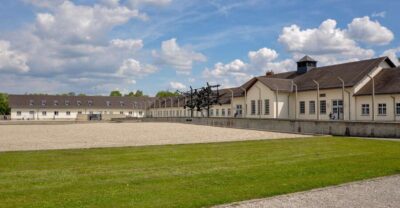
Sachsenhausen Concentration Camp Bus Tour in English from Berlin
Read our review →Sachsenhausen Concentration Camp Tour in English
Read our review →
Sachsenhausen Concentration Camp Memorial Tour (Max. 15 Guests)
Read our review →Browse the lists this tour appears in