
Reviewed · MUSEUMS
Friedrichshafen: Zeppelin Museum Entry Ticket
Airships make museum visits memorable. The Zeppelin Museum Friedrichshafen brings the age of lighter-than-air travel to life with original machinery, film, photographs, and a partial full-size reconstruction of the LZ 129 Hindenburg. I like the chance to walk through the passenger areas and the mix of technology with art from the Middle Ages through the modern age. At $16, it is a fair buy for a two-hour visit, though the museum may feel too specialized if airships do not interest you.
I also like its setting in Friedrichshafen’s former harbor railway station, right beside Lake Constance. The bright building is easy to find, and the displays give you more than a look at an enormous aircraft: you see the design work, engines, gears, postcards, newspapers, and human hopes behind air travel. The main practical drawback is the 4:30 pm last admission, so a late arrival can leave you rushing through a museum that rewards time.
In This Review
- Key points to know before your visit
- Finding the white harbor station in Friedrichshafen
- The first collection: airships as machines and ideas
- Inside the Hindenburg passenger areas
- The art collection changes the pace
- How to plan a two-hour visit
- Is the $16 admission good value?
- Who will enjoy this museum most?
- Helpful details before you go
- Should you book the Zeppelin Museum?
- FAQ
- Where is the Zeppelin Museum located?
- How long should I allow for the visit?
- What does the entry ticket include?
- What time is the last admission?
- Is the museum wheelchair accessible?
- Can I bring food, luggage, or a backpack?
- Can I cancel the ticket if my plans change?
Key points to know before your visit
- Walk through the LZ 129 Hindenburg passenger areas: The full-size replica lets you see how luxury air travel was arranged inside the famous airship.
- See more than 1,500 original exhibits: Expect technical parts, construction papers, photographs, film, posters, postcards, and aerophilately.
- Two collections share one museum: Airship technology sits alongside art from the Middle Ages, the Baroque period, and the modern era.
- Plan around the 4:30 pm last admission: Your ticket is valid for one day, but the late entry cutoff matters.
- Allow about two hours: That is enough for a focused visit, though you may want longer if both collections appeal to you.
- The museum is wheelchair accessible: Food, drinks, backpacks, luggage, umbrellas, pets, and selfie sticks are not allowed inside, with assistance dogs permitted.
Finding the white harbor station in Friedrichshafen
The Zeppelin Museum is at Friedrichshafen Harbor on the shore of Lake Constance. You will recognize it by the former harbor railway station’s white exterior, lakeside tower, and broad glass façade facing the city.
That location gives your visit an immediate sense of place. This is not an airship display tucked away in an unrelated building. Friedrichshafen is closely tied to the airships developed by Graf Zeppelin, so the museum’s position beside the harbor connects the collection to the town’s transport and industrial identity.
I would set aside two hours and arrive with your hands free. Bags, backpacks, large luggage, umbrellas, food, and drinks are not allowed, so avoid arriving with a daypack packed for a full day outdoors. The museum is wheelchair accessible, which makes the building easier to use for visitors with mobility needs.
Your entry ticket covers the museum itself. There is no separate guided tour included in the information provided, so you should expect to explore the galleries at your own pace. That works well here because the material ranges from large mechanical objects to small documents and works of art.
More Museums in Germany:
- Berlin: Jewish Museum Berlin Entrance Ticket
★ 4.5 · 8,393 reviews - Berlin: DDR Museum Tickets
★ 4.3 · 3,443 reviews - Berlin: Natural History Museum Entrance Ticket
★ 4.6 · 3,382 reviews
The first collection: airships as machines and ideas
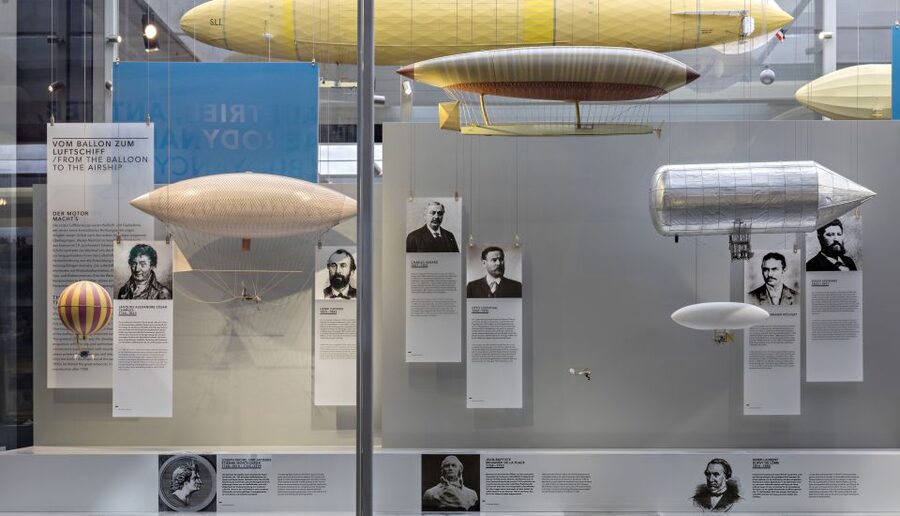
The airship collection is the main reason most people come. It presents the story of air travel through the idea of lighter than air, showing how technology changed the way people imagined distance, comfort, and speed.
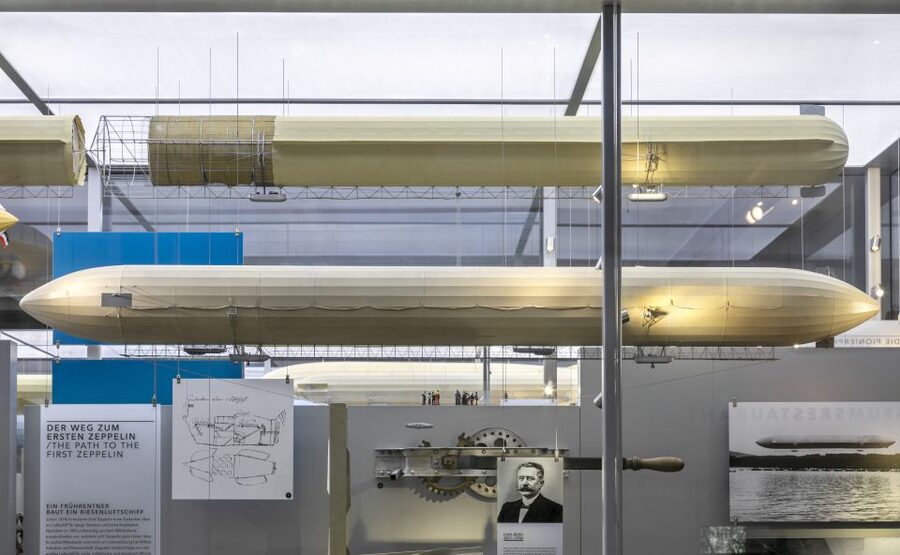
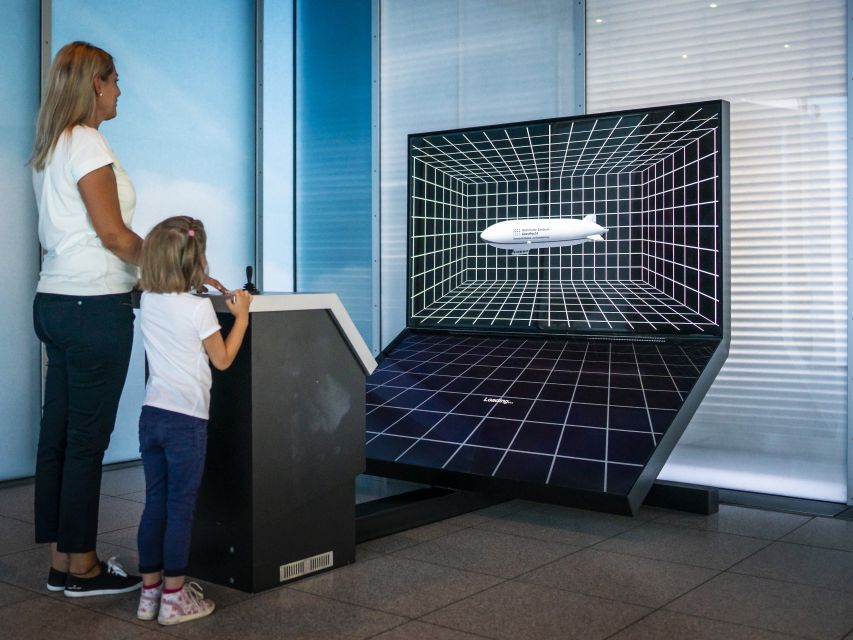
The collection includes more than 1,500 original exhibits and supporting materials. You can expect to see airship skeletons, propellers, nacelles, elevator motors, and gears. These are not just decorative pieces. They show the scale and complexity of the machines in a way that a written account cannot.
The smaller objects help explain the world around the airships. Construction documents and technical drawings reveal how the craft were planned. Posters and postcards show how airships were presented to the public. Newspapers, photographs, and aerophilately documents add the everyday record of an industry that was both practical and glamorous.
I like this combination because it keeps the museum from becoming a single giant object with a few labels around it. The technical fragments explain how the machines worked, while the printed material shows how people understood them at the time. You get engineering, advertising, public excitement, and historical memory in the same collection.
Historical film and image recordings add another layer. Moving images can make the airships feel less like museum relics and more like working vehicles. If you read every document and stop for the films, two hours may pass quickly.
Inside the Hindenburg passenger areas
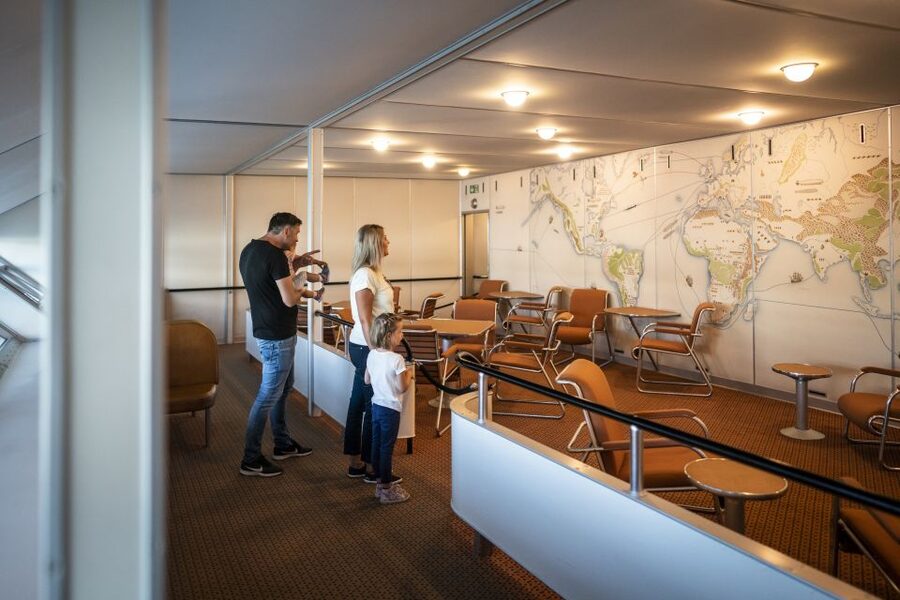
The partial reconstruction of the LZ 129 Hindenburg is the museum’s most memorable feature. You can enter the full-size replica passenger areas and get a sense of how air travel was presented as a luxury service.
The reconstruction is valuable because scale matters. A model can show the outline of an airship, but walking through a passenger area helps you picture the interior as a place designed for people. The experience focuses on the arrangement and feel of the passenger sections rather than asking you to study only technical diagrams.
I would give this section unhurried attention. Notice how different the idea of luxury air travel was before modern commercial aviation became common. The Hindenburg was not presented simply as a flying machine. It represented comfort, status, engineering confidence, and a new way to cross long distances.
The museum’s treatment also gains weight from what you see elsewhere in the collection. The passenger areas are not isolated from the engineering. Nearby technical objects and documents remind you that graceful travel depended on a large, demanding structure filled with motors, gears, control systems, and lifting components.
The Hindenburg section can be especially effective for families and anyone who learns best through physical spaces. Younger visitors may connect with the replica faster than with a case of documents. Adults interested in design, transport, or twentieth-century technology will find the contrast between elegance and machinery worth considering.
One caution: the supplied information does not promise a narrated tour, live demonstration, or particular interactive activities. You should come for the reconstructed spaces, multimedia displays, and collection objects, not for a scheduled performance.
The art collection changes the pace
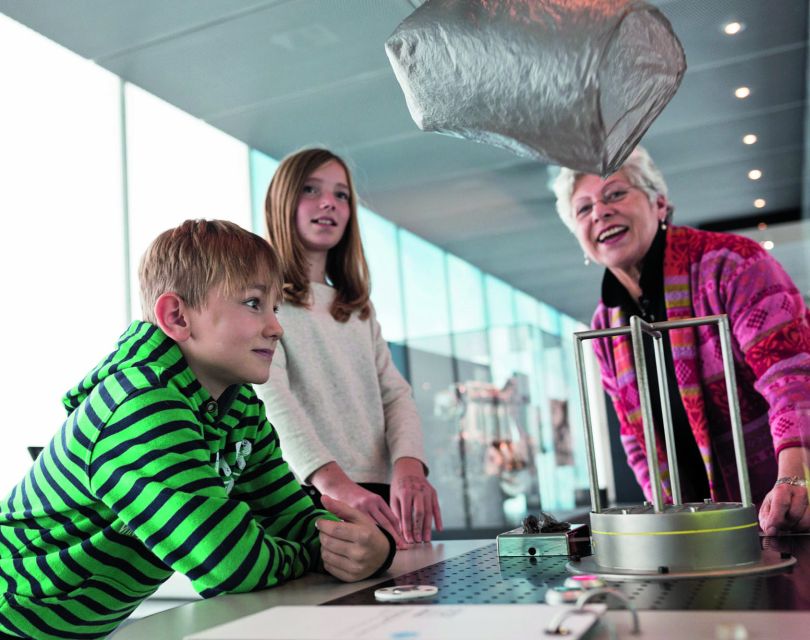
The second collection gives the museum a wider purpose. It includes works from the Middle Ages to the modern age, with a strong presence from the Baroque period and later German art.
This change of subject can be welcome. After studying airship components and technical drawings, you can shift to paintings and other works that ask different questions about people, society, and imagination. The art collection also makes the museum a better choice for mixed-interest groups. One person can focus on aviation while another spends time with the art.
The older works cover the Middle Ages and Baroque period. The information provided does not identify individual pieces, so I would not arrive expecting a particular famous painting. Instead, expect a substantial historical art section that broadens the visit beyond industrial design.
A later focus concerns artists who found refuge around Lake Constance during the Third Reich. The collection includes work connected with Otto Dix, Max Ackermann, Erich Heckel, and Willi Baumeister. This gives the modern section a strong regional and political setting.
That context matters. The art is not simply an unrelated collection placed beside the airships. Both parts of the museum examine innovation, society, and the ways people respond to changing times. The airship galleries show technical ambition. The modern art section reflects creative work shaped by pressure, displacement, and the need for artistic freedom.
I would avoid rushing through this section just because the airships brought you in. If you enjoy art, plan to spend a large share of your two hours here. If you mainly want the Hindenburg and machinery, you can make this a shorter but still worthwhile part of the visit.
A few more tours and experiences worth a look
- Dresden: Semperoper Tickets and Guided Tour
★ 4.7 · 12,102 reviews - Berlin: Berlin Story Bunker Entry Ticket
★ 4.6 · 6,759 reviews - Hamburg: Hamburg Dungeon Admission Ticket
★ 4.7 · 5,745 reviews - Munich Hop-On Hop-Off Tour: 1-Day or 2-Day Ticket
★ 4.3 · 4,161 reviews
How to plan a two-hour visit
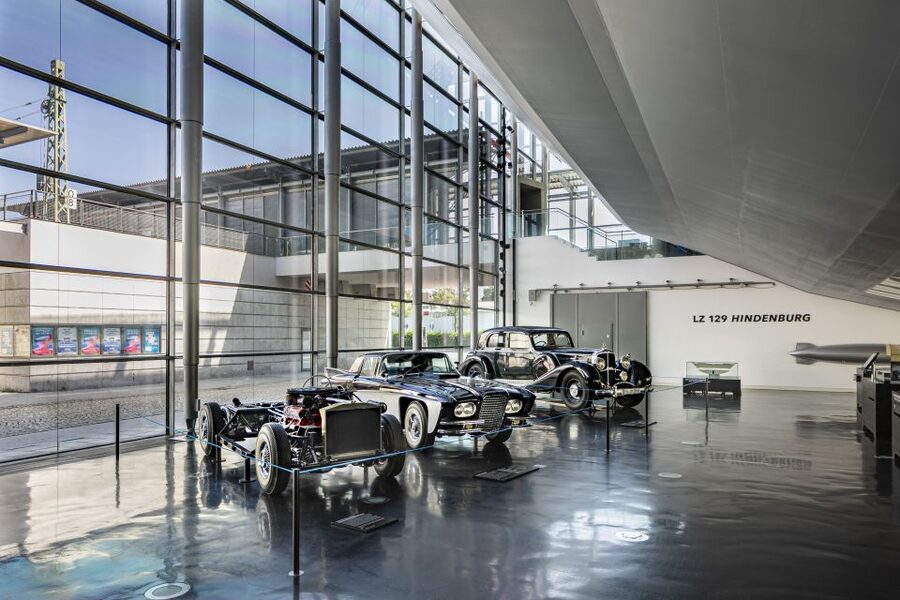
The suggested visit length is two hours, and that is a sensible starting point. You can divide your time into three broad parts:
- Begin with the airship story and larger technical objects.
- Spend focused time inside the Hindenburg passenger reconstruction.
- Finish with the art galleries, or reverse the order if you prefer to begin quietly.
I would not treat the museum as a quick photo stop. The striking objects are easy to appreciate at a glance, but the documents, films, and photographs explain why the machines mattered. Give yourself time to move between big objects and small records.
The last admission is at 4:30 pm. This is the most important timing detail. A ticket valid for one day does not mean you can arrive at any hour and still see the whole museum. If you enter close to the cutoff, you may have to choose between the Hindenburg reconstruction, the airship collection, and the art galleries.
A morning or early afternoon visit gives you more breathing room. You can also pair the museum with time around Friedrichshafen Harbor, since the building sits directly on the shore of Lake Constance. The museum itself ends back at the meeting point, so there is no transport arrangement or second location to manage.
Is the $16 admission good value?
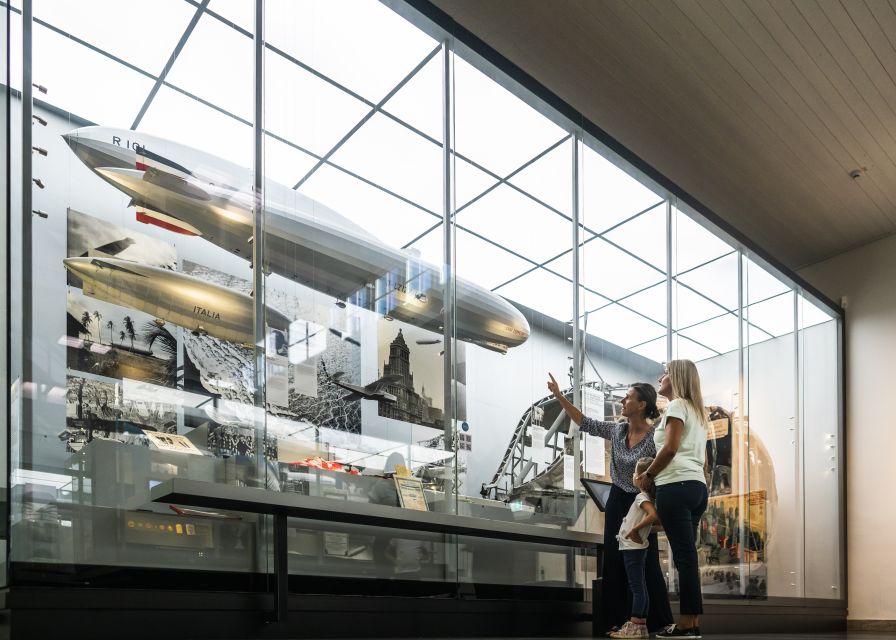
At $16 per person, the ticket offers solid value for a full museum visit. You are paying for access to two substantial collections, more than 1,500 original exhibits, historical film and images, and the Hindenburg passenger reconstruction.
The value is strongest if you have interest in at least two of these subjects:
- Airship design and transport history
- Engineering and industrial objects
- German art
- Regional history around Lake Constance
- Historical photography, documents, and film
If you only want a quick look at one aircraft, the price may feel less attractive. The museum is built around a broad story, not a single display. You get more from the ticket when you treat the visit as a two-hour museum outing rather than a short stop for one famous object.
The art collection also improves the value for couples or families with different interests. One visitor can study airship mechanics while another looks at medieval, Baroque, or modern works. That range is unusual for a museum named after one form of transport.
The score of 4.1 from 83 ratings suggests a generally positive response with some room for mixed opinions. The written feedback supplied is too brief to identify a specific guide, exhibit, or service feature that received repeated praise. I would judge the ticket mainly on its content and location, both of which make it a reasonable purchase for the right audience.
Who will enjoy this museum most?
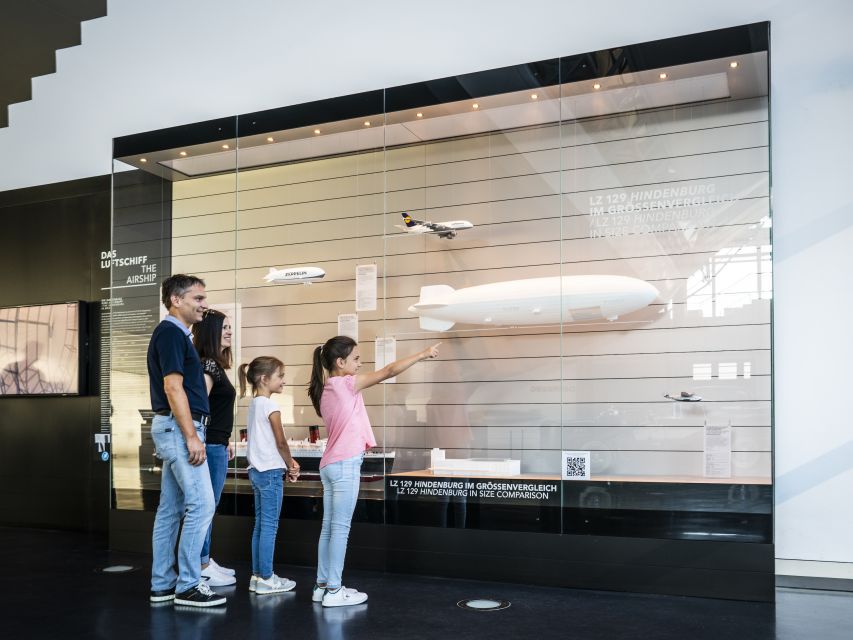
I would recommend the Zeppelin Museum to anyone who likes machines with a human story behind them. The original components show engineering in physical form, while the passenger reconstruction shows how people imagined comfort and status in the air.
It also suits art lovers who might not normally choose a transport museum. The medieval, Baroque, and modern collections give you a second reason to visit, and the connection to Otto Dix, Max Ackermann, Erich Heckel, and Willi Baumeister adds serious cultural weight.
Families can benefit from the variety. Large mechanical parts and a walk-through reconstruction offer something concrete, while the films and images help explain what you are seeing. Still, the amount of reading and historical material may not hold every child’s attention for two hours.
This is less ideal for someone who wants a guided, tightly scheduled tour. The ticket is an entry pass, and the information does not include a named guide, group size, or live commentary. You should be comfortable setting your own pace and choosing which displays deserve the most time.
Visitors with mobility concerns can take some comfort from the museum being wheelchair accessible. For everyone else, the strict rules about bags and personal items are worth noting before you arrive. Assistance dogs are allowed, but other pets are not.
Helpful details before you go
You can cancel up to 24 hours before the visit for a full refund, and the reserve-now, pay-later option lets you hold a place without paying immediately. Those terms help if your plans around Lake Constance are still changing.
Keep food and drinks outside. Selfie sticks are also not allowed, along with backpacks, umbrellas, luggage, and large bags. The information lists both bags and large bags among the prohibited items, so travel light rather than trying to negotiate what counts as acceptable.
The museum is at the harbor, with a clear white building and glass frontage. That makes the meeting point simple to identify. Since the visit ends where it begins, you can continue exploring Friedrichshafen from the same central waterfront area afterward.
Should you book the Zeppelin Museum?
Book it if you want a focused, well-priced museum visit that combines airship technology with German art. The Hindenburg passenger reconstruction is the central draw, but the original machinery, films, documents, and art collection give the $16 admission lasting value.
I would especially recommend it for a morning or early afternoon in Friedrichshafen, when you can allow the full two hours and avoid the 4:30 pm last admission. Skip it only if you have little interest in museums, engineering, historical documents, or art. For everyone else, this is a practical stop with enough variety to justify the ticket.
FAQ
Where is the Zeppelin Museum located?
The museum is at Friedrichshafen Harbor on the shore of Lake Constance. It occupies the former harbor railway station, a white building with a lakeside tower and a large glass façade facing the city.
How long should I allow for the visit?
The planned visit time is about two hours. You may need to adjust that based on how closely you study the airship collection, multimedia material, and art galleries.
What does the entry ticket include?
The ticket includes entry to the Zeppelin Museum Friedrichshafen. It covers access to the airship and art collections, including the partial reconstruction of the LZ 129 Hindenburg passenger areas.
What time is the last admission?
The last admission is at 4:30 pm. Arriving near that time may leave you with limited opportunity to see both museum collections.
Is the museum wheelchair accessible?
Yes, the activity is wheelchair accessible.
Can I bring food, luggage, or a backpack?
No. Food and drinks, luggage, large bags, backpacks, umbrellas, and selfie sticks are not allowed. Pets are also prohibited, although assistance dogs are permitted.
Can I cancel the ticket if my plans change?
Yes. You can cancel up to 24 hours in advance for a full refund. A reserve-now, pay-later option is also available.
Just added around Germany
- e-Scavenger hunt Aachen: Explore the city at your own pace★ 4.0 · 13 reviews
- Wiesbaden Biebrich: Outdoor Escape Game★ 4.7 · 13 reviews
- Munich: Private or Group Third Reich and WWII Walking Tour★ 4.9 · 13 reviews
- Canyoning Advanced Day Trip★ 5.0 · 13 reviews
- Berlin: Private Guided Tour of the Main Sights★ 5.0 · 13 reviews
- From Munich: Neuschwanstein Castle and Linderhof Private Tour★ 5.0 · 13 reviews
- Trier, Moselle: Wine excursion with boat trip★ 3.9 · 13 reviews
- From Dresden: Guided Day Tour by Bus of Seiffen Toy Village★ 4.0 · 13 reviews
Museums, compared.

Skip-the-Line: Berlin Wall Museum at Checkpoint Charlie
Read our review →
Browse the lists this tour appears in